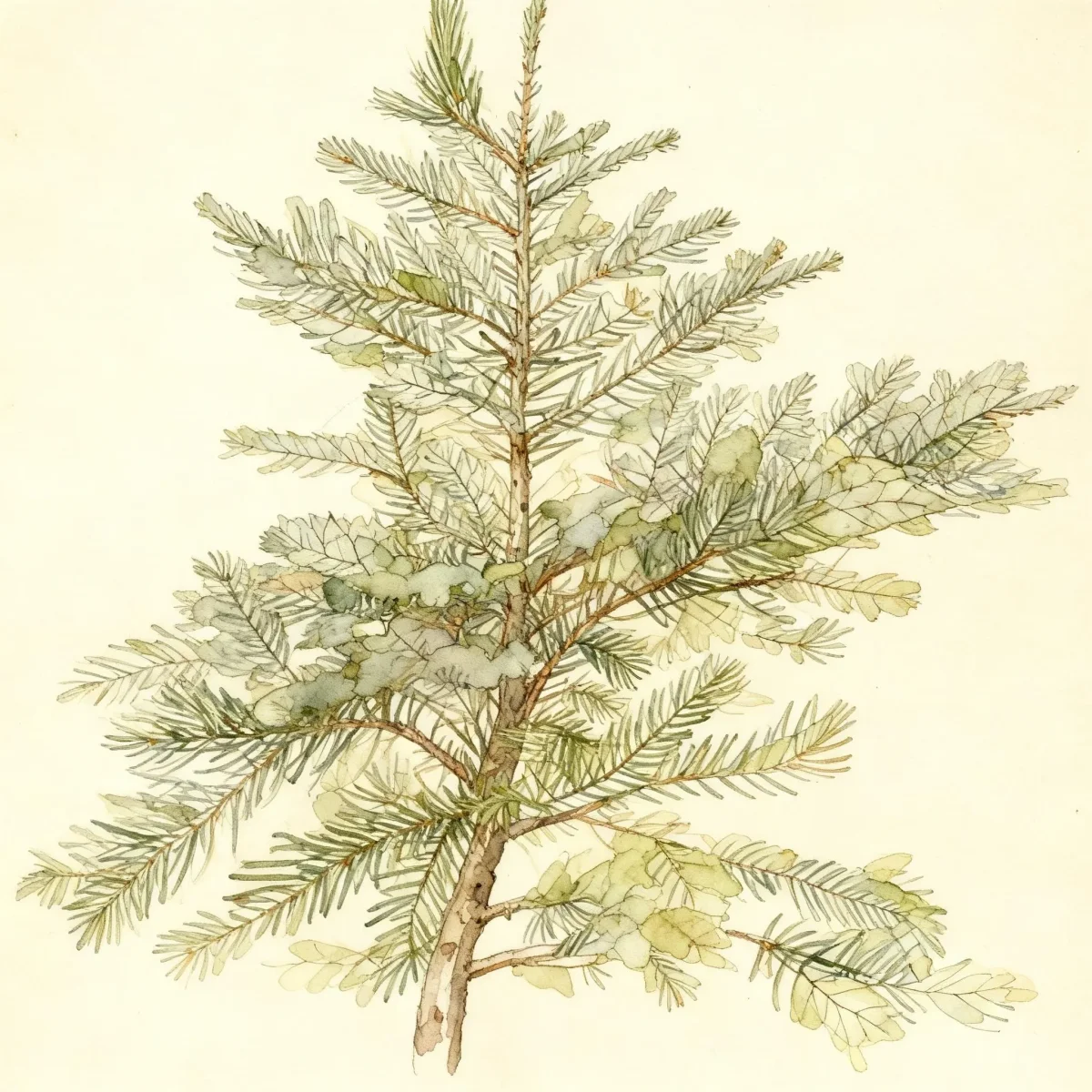
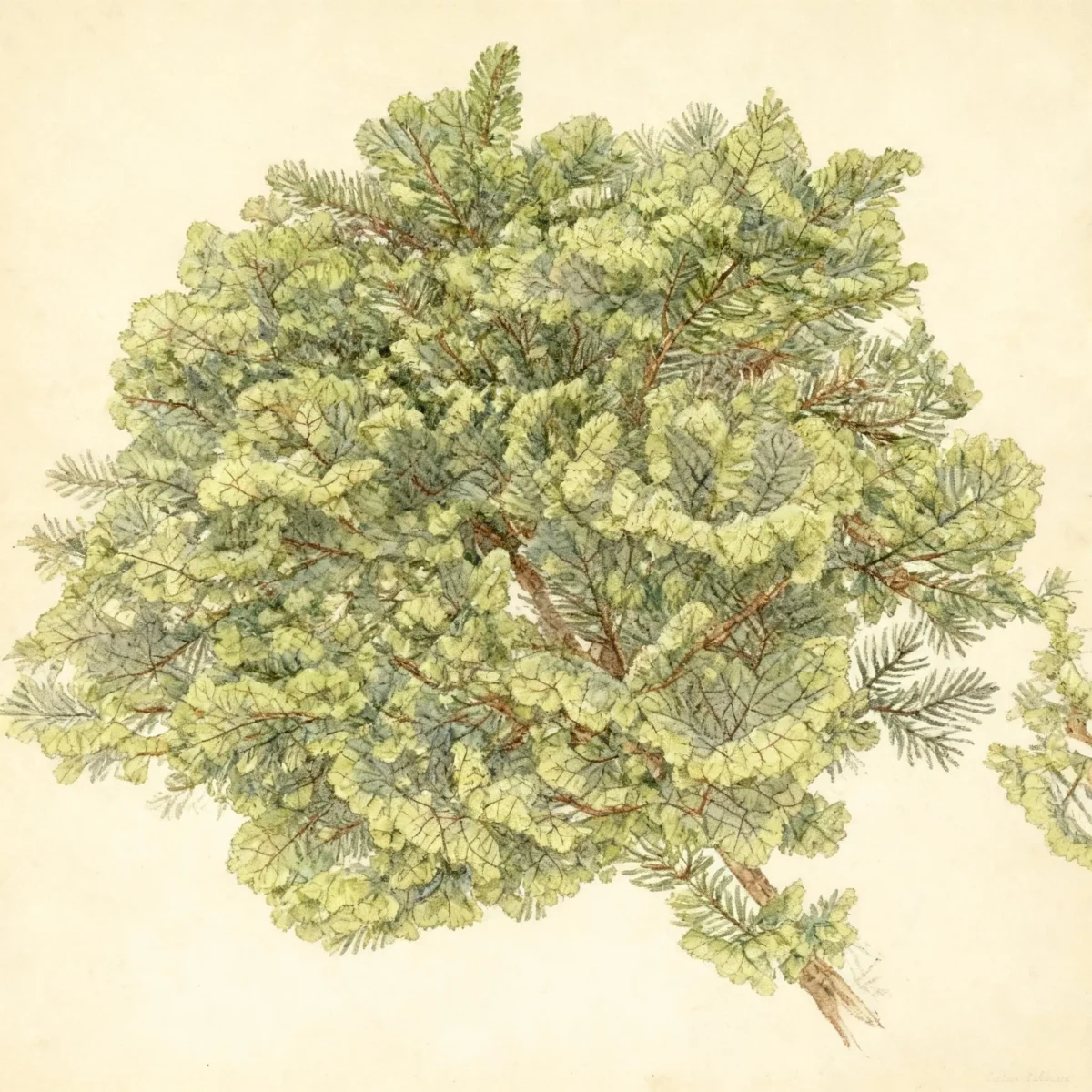
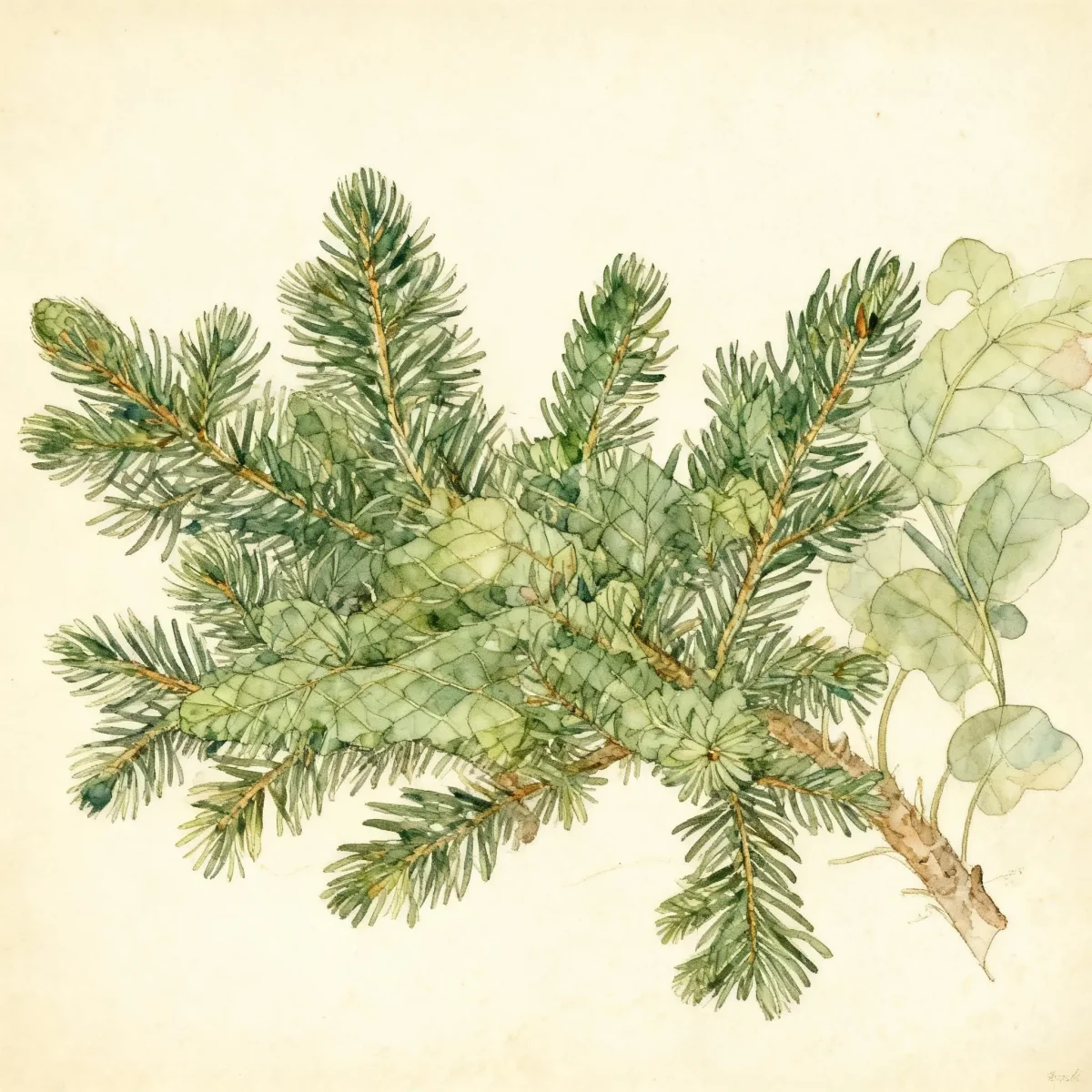
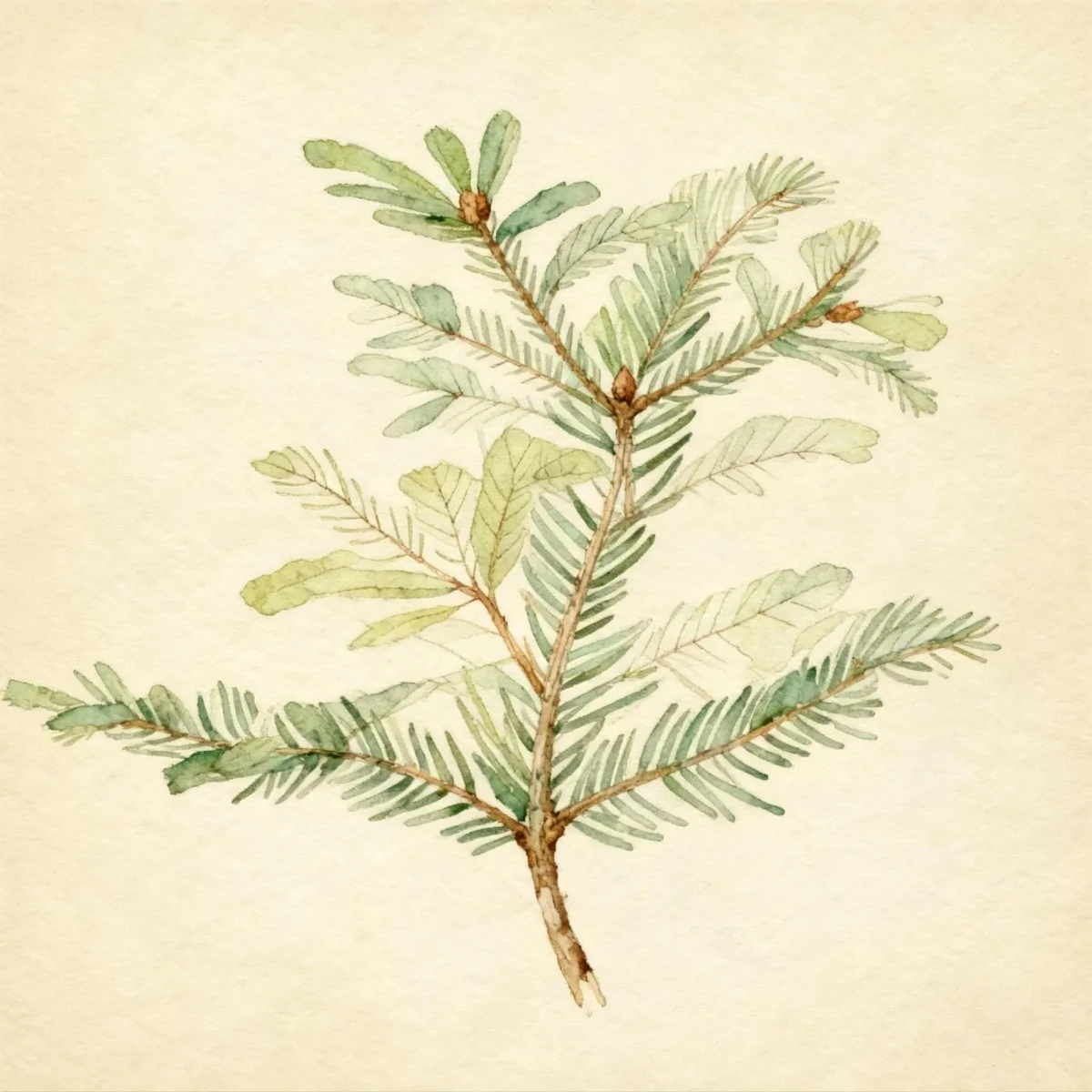
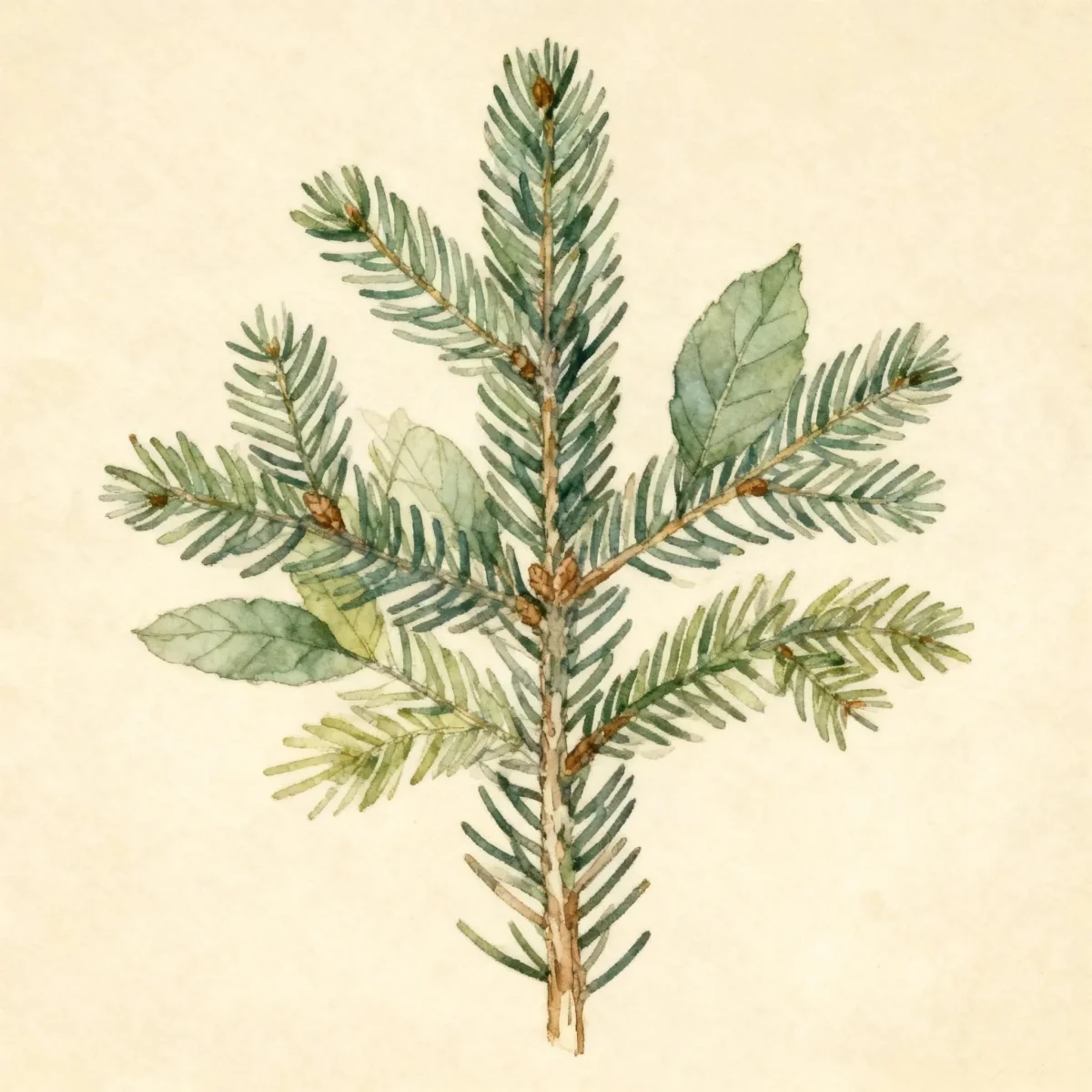
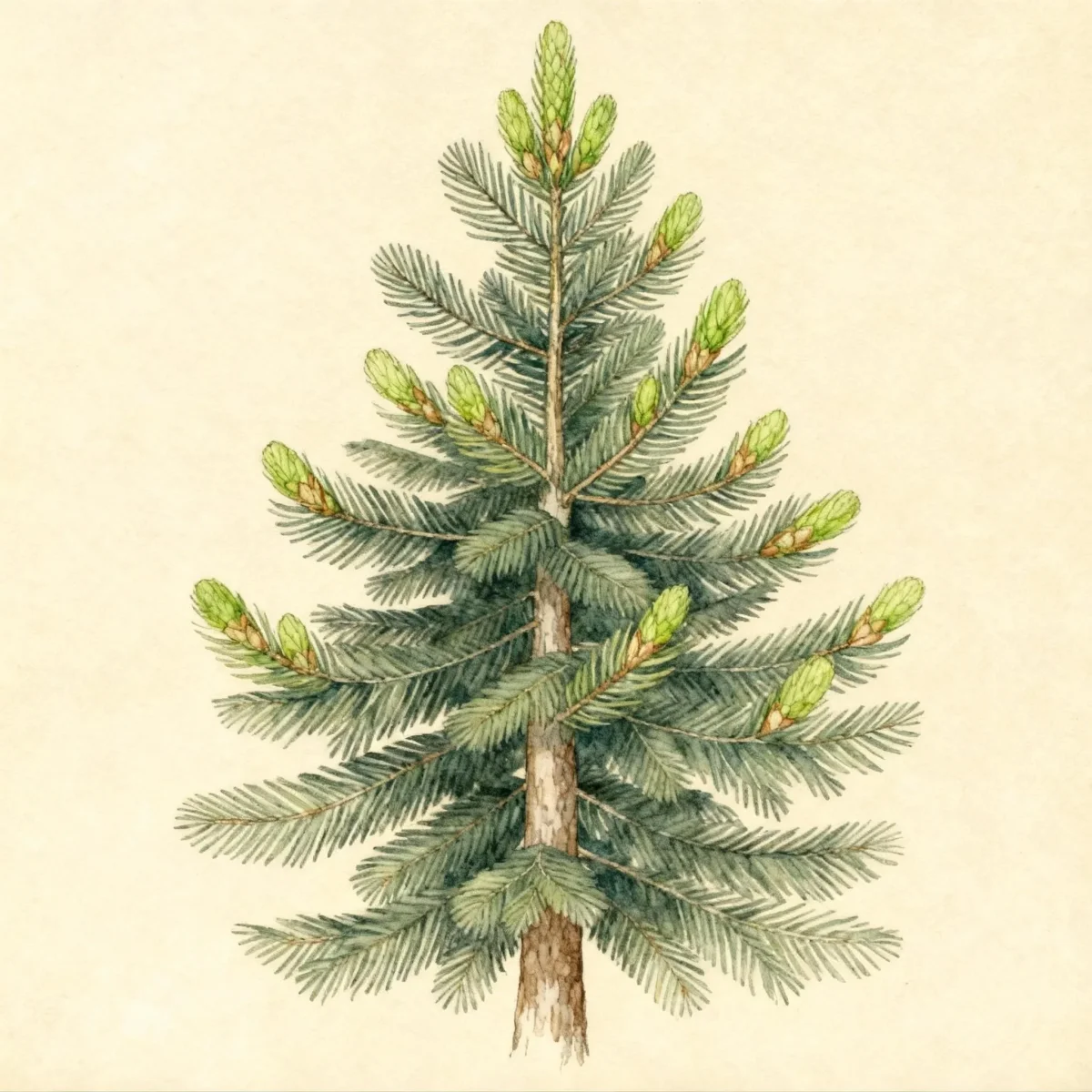
Nikko fir (Abies homolepis)
Abies homolepis, the Nikko fir, is a stately needled evergreen native to Japan, ideal for cool climates in Zones 4-6.
Scroll down to discover growing tips, care requirements, companion plants, and more
Complete Plant Information
Overview
The Nikko fir, or Abies homolepis, is a magnificent addition to larger landscapes, valued for its dense, pyramidal habit and striking foliage. Native to the mountainous regions of Japan, this selection brings classic scale and texture to properties capable of providing its preferred cool, temperate environment. While it requires medium maintenance, its long-term aesthetic reward makes it a worthwhile choice for specimen planting.
This stately needled evergreen is best recognized by its needles; they are dark, glossy green on top, featuring two prominent white stomatal bands underneath, which gives the tree added visual interest when moved by the wind. The cones are a noticeable deep purplish hue upon maturity, adding seasonal color contrast to the deep green needles of the Abies homolepis.
Gardeners seeking a truly significant evergreen anchor for their property should consider the Nikko fir, provided their climate aligns with USDA hardiness zones 4 through 6. Proper siting in full sun to partial shade, combined with well-drained soil, ensures that this impressive fir establishes robustly, eventually maturing into a towering specimen reaching up to 50 feet tall.
Fast Facts
- Plant Family: Pinaceae
- Plant Type: Needled evergreen
- Native Range: Central and southern Japan
- Hardiness Zones: USDA Zones 4-6
- Size at Maturity:
- Height: 30-50 ft
- Spread: 20-30 ft
- Bloom Time: Non-flowering
- Bloom Description: Non-flowering
- Sun Exposure: Full sun to part shade
- Water Needs: Medium
- Maintenance Level: Medium
How to Grow
The establishment phase for the Nikko fir is crucial for long-term success. Plant during the cooler periods of early spring or fall whenever possible, ensuring excellent soil preparation. Abies homolepis thrives best when situated in average, medium soils, provided they offer consistent drainage. While it tolerates part shade gracefully, maximizing needle color and density is achieved with exposure to full sun, assuming moisture is maintained.
Once established, the Nikko fir requires medium watering efforts. Avoid letting the soil become waterlogged, but also do not allow extended periods of drought, especially during hot summers. While specific fertilization needs are minor, a balanced, slow-release fertilizer applied in early spring can support growth in nutrient-poor soils. Pruning is generally minimal, reserved only for removing dead, damaged, or crossing branches to maintain the specimen’s natural, aesthetically pleasing pyramidal shape.
A key environmental consideration for this species is temperature regulation. The Abies homolepis flourishes in relatively cool climates and gardeners should take extreme caution planting south of USDA Zone 6, where summer heat stress can significantly impact its performance. Protecting young trees from harsh, drying winter winds can also mitigate potential needle burn during colder months.
Landscape Uses
The primary recommendation for the Nikko fir is as a large specimen fir for the landscape. Its stately, pyramidal structure provides powerful vertical accent against the horizon or near architectural features where long-term impact is desired. Due to its significant mature size, ensure ample space is reserved, as overcrowding will detract from its desirable conical form and could lead to air circulation issues.
Select locations where the excellent needle contrast—glossy dark green above, silvery below—can be fully appreciated, perhaps planted against a backdrop of darker green deciduous trees or monochromatic stone hardscaping. Because the Nikko fir is a slower-growing, impressive specimen, it pairs well visually with lower-growing, finer-textured companion plants near its base, such as azaleas, rhododendrons, or broadleaf evergreens that do not compete aggressively for root space.
Standout Features
Noteworthy Characteristics
Abies homolepis, commonly called Nikko fir, is native to mountainous areas of Japan. It typically grows 30-50’ tall with a pyramidal habit. Needles (to 1.25” long) are glossy dark green above and have two white stomatal bands beneath. Needles are slightly notched at the tip, and the tree produces purplish cones up to 4” long. The genus name references an ancient Latin term for a tree described by Pliny, while the specific epithet highlights the uniform size of the cone scales.
Tolerances
- Reportedly tolerates urban pollution better than most other firs
Potential Problems
A significant advantage for homeowners is the general hardiness of the Nikko fir concerning pests and diseases. The species exhibits no serious insect or disease problems under ideal growing conditions. Proper cultural care—especially ensuring medium moisture and excellent drainage—is the primary preventative measure against potential root rot or fungal issues common to stressed conifers.
While it possesses a higher tolerance for urban pollutants than many fir relatives, growers must remain mindful of limiting extreme stresses such as drought or intense reflected heat, which could weaken the protective mechanisms of this otherwise resilient tree. Regular scouting for common needle cast diseases is advised in overly humid sites.
Frequently Asked Questions
What hardiness zones is Nikko fir suitable for?
The Nikko fir (Abies homolepis) is suitable for USDA hardiness zones 4 through 6.
How large does Nikko fir grow?
This tree typically reaches a mature height between 30 and 50 feet, with a corresponding spread of 20 to 30 feet wide.
What sun exposure does Abies homolepis need?
Abies homolepis performs well given full sun to part shade conditions.
When does Nikko fir bloom?
The Nikko fir is a conifer and is classified as non-flowering; it produces cones instead of traditional blossoms.
Conclusion
The selection of Abies homolepis brings timeless pyramidal structure and richly textured needles to the landscape design, providing year-round interest. Given its notable tolerance to urban environments, the Nikko fir stands out as a robust, high-value specimen tree for estates or large gardens situated within USDA Zones 4 to 6. Always confirm local soil drainage before planting to ensure this exceptional fir thrives for decades to come.
Companion Planting
When selecting groundcovers or understory plantings for your Nikko fir, focus on plants that share the need for well-drained soil and tolerate partial shade. Acid-loving shrubs like dwarf rhododendrons or Japanese andromeda (Pieris japonica) are excellent choices as they appreciate the same slightly acidic conditions many conifers prefer. Ensure any companions you choose remain low-growing so as not to obscure the beautiful, low-sweeping lower branches of the Abies homolepis.
Seasonal Care Calendar
Late Winter/Early Spring serves as the ideal time for scouting the tree for any winter damage; remove any heavily damaged branches immediately before active growth begins. Spring is the recommended time for light fertilization, if necessary, applied just as new buds begin to swell. During the Summer months, monitor moisture levels closely to meet the medium water needs of the Nikko fir, watering deeply during dry spells to encourage deep root growth instead of surface watering. Fall cleanup should focus on removing any fallen needles that might provide habitat for overwintering pests, ensuring the tree enters winter healthy and clean.