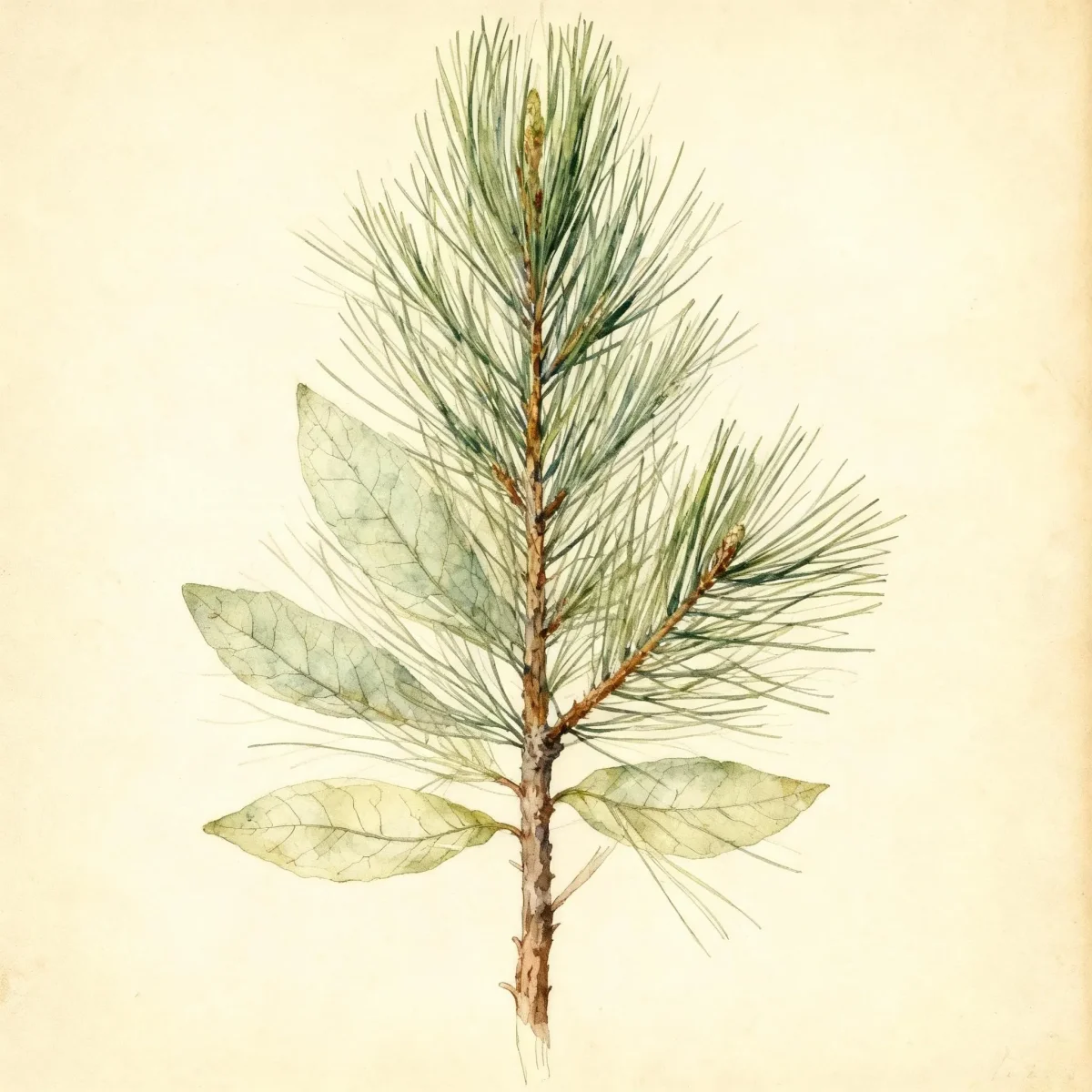
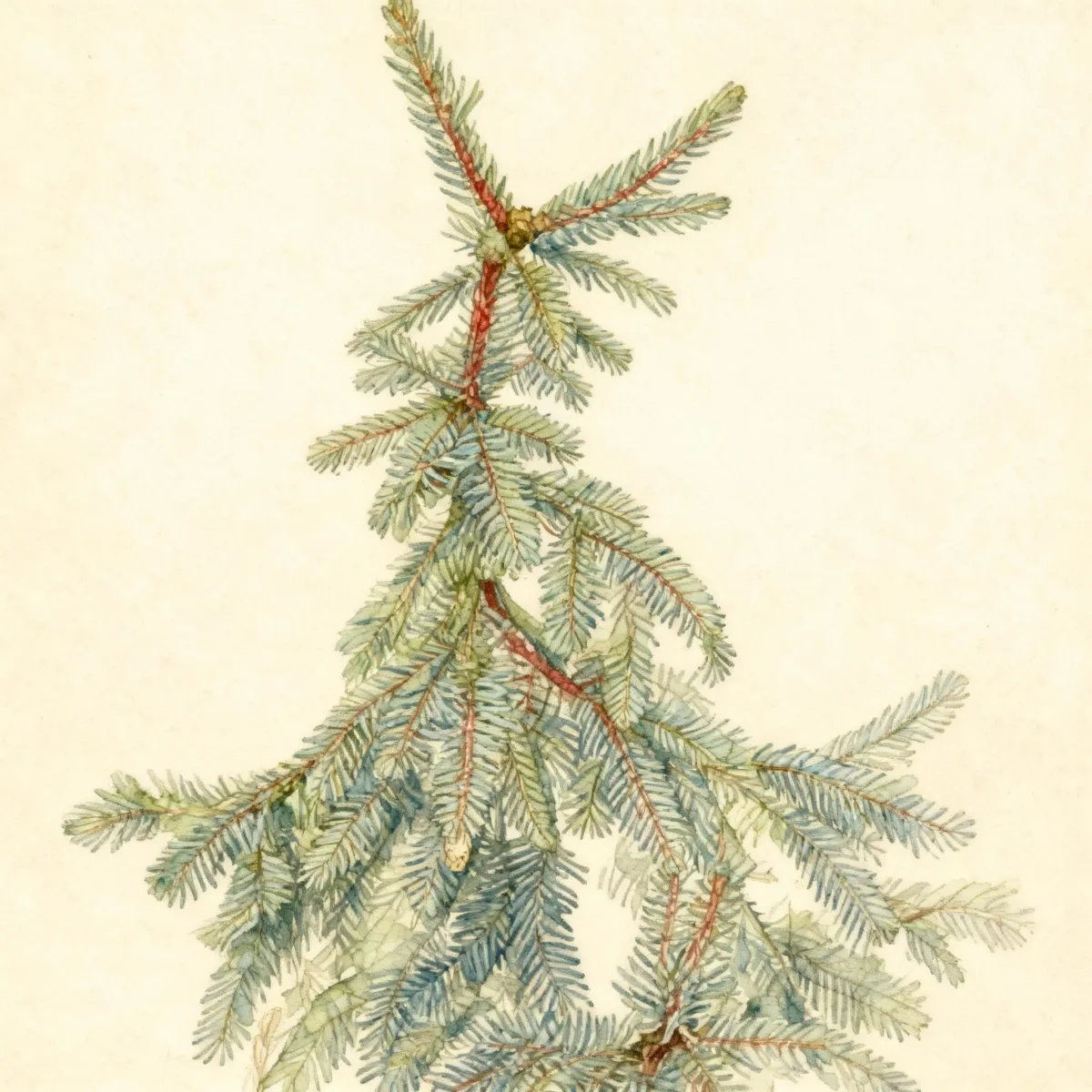
Stone pine (Pinus pinea)
The Stone pine (Pinus pinea) is a Mediterranean evergreen famed for its edible pine nuts and unique umbrella shape.
Scroll down to discover growing tips, care requirements, companion plants, and more
Complete Plant Information
Overview
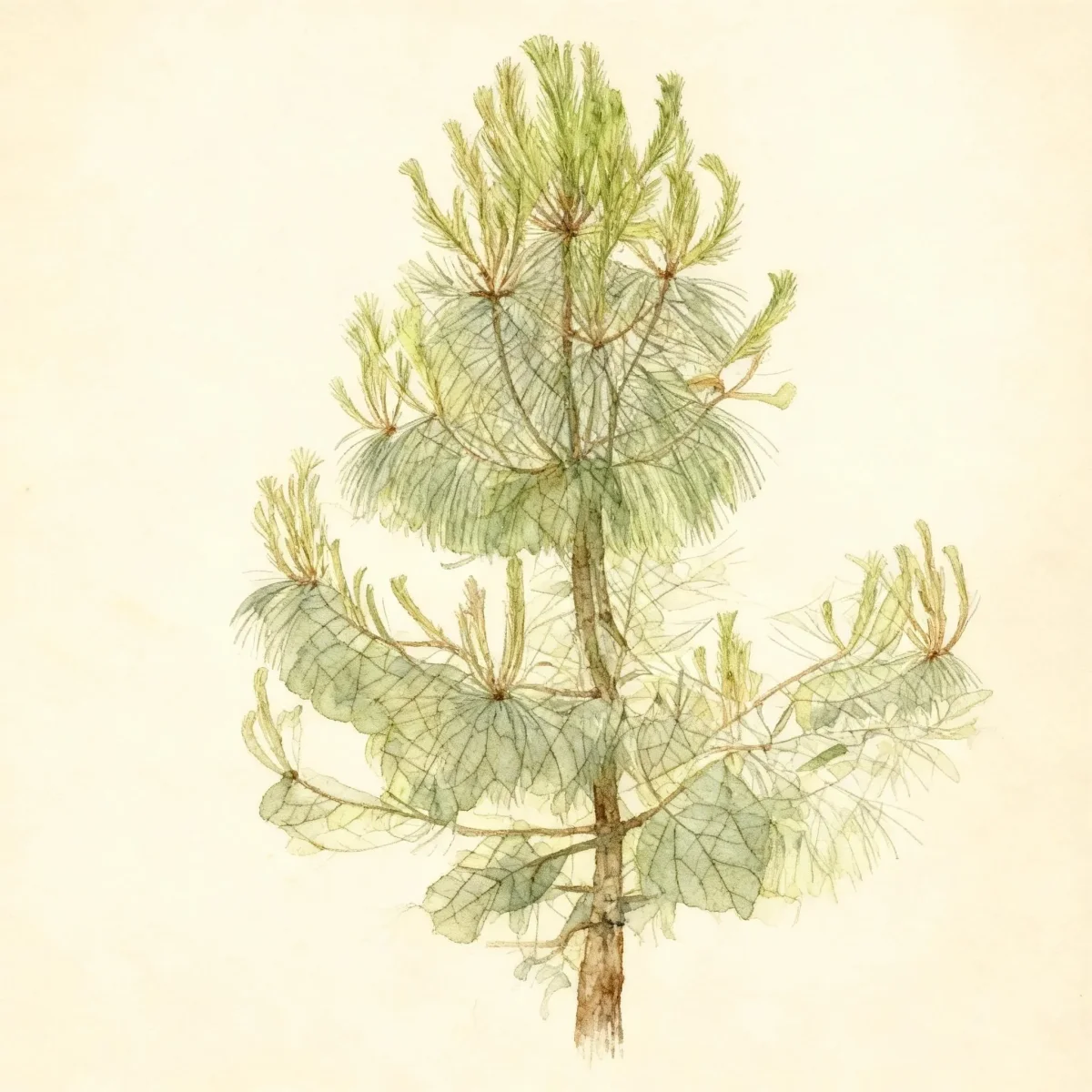
The Pinus pinea, widely known as the Stone pine, offers an iconic silhouette highly valued in Mediterranean landscapes. Its slow development results in a distinctive umbrella-shaped crown atop a stout trunk, making it a stunning specimen tree that breaks the typical pyramidal form of many conifers. Gardeners seek this tree not only for its unique architectural appeal but also for the large, edible pine nuts (pignolis) it produces after many years.
This needled evergreen thrives best where it can receive full sun and prefers dry to medium soil moisture once established. While requiring attention during its youth, the mature Stone pine is remarkably low maintenance, tolerating a range of soil types, provided drainage is adequate. Its tolerance for drought makes it a functional choice for drier climates within its suitable hardiness range.
As a sculptural element, nothing rivals the mature appearance of Pinus pinea. Though rarely seen planted widely across the US outside select coastal areas, where temperatures remain moderate, it provides significant aesthetic interest. Even small specimens of Stone pine are occasionally used seasonally indoors before being planted out in Zones 8-10.
Fast Facts
- Plant Family: Pinaceae
- Plant Type: Needled evergreen
- Native Range: Mediterranean
- Hardiness Zones: USDA Zones 8-10
- Size at Maturity:
- Height: 40-60 ft
- Spread: 20-40 ft
- Bloom Time: Non-flowering
- Bloom Description: Non-flowering
- Sun Exposure: Full sun
- Water Needs: Dry to medium
- Maintenance Level: Low
How to Grow
Plant Pinus pinea in well-drained loams during the appropriate season for your region. It demands full sun exposure for optimal growth and structure. While young trees benefit from consistent moisture, established Stone pines exhibit respectable drought tolerance, aligning with their native dry to medium water needs.
Avoid planting your Stone pine where drainage is poor, as this is a critical factor for long-term health, despite its tolerance for clay or sandy soils. These trees flourish best in environments that mimic their native cool summer climates; growth in areas experiencing significant, harsh temperature swings can be challenging compared to coastal California plantings. Pruning is generally minimal, focusing mainly on management of lower limbs if desired, as the tree naturally self-prunes as the trunk elongates.
If you are cultivating Pinus pinea in colder zones (below Zone 8), treat small plants strictly as seasonal indoor decorations, such as temporary Christmas trees, and avoid attempting to transition them outdoors, as true pines struggle as permanent houseplants. For zones 8 through 10, outdoor planting after the holiday season is possible once appropriate hardening has occurred.
Landscape Uses
The ornamental form of the Stone pine is atypical, offering an umbrella-like canopy that contrasts beautifully with more columnar or pyramidal trees. This makes the Pinus pinea an excellent choice when used as a single specimen planting, anchoring a focal point in a large yard. It also performs well when grouped together to create an informal screen or backdrop.
Due to its size, the Stone pine is best reserved for expansive landscapes where its towering form and spreading crown have room to mature without encroaching on structures. Its slow, majestic growth provides long-term visual rewards. If space is limited or you desire the visual texture without the eventual massive size, consider companion planting it with drought-tolerant, smaller Mediterranean shrubs that share similar sun and drainage requirements.
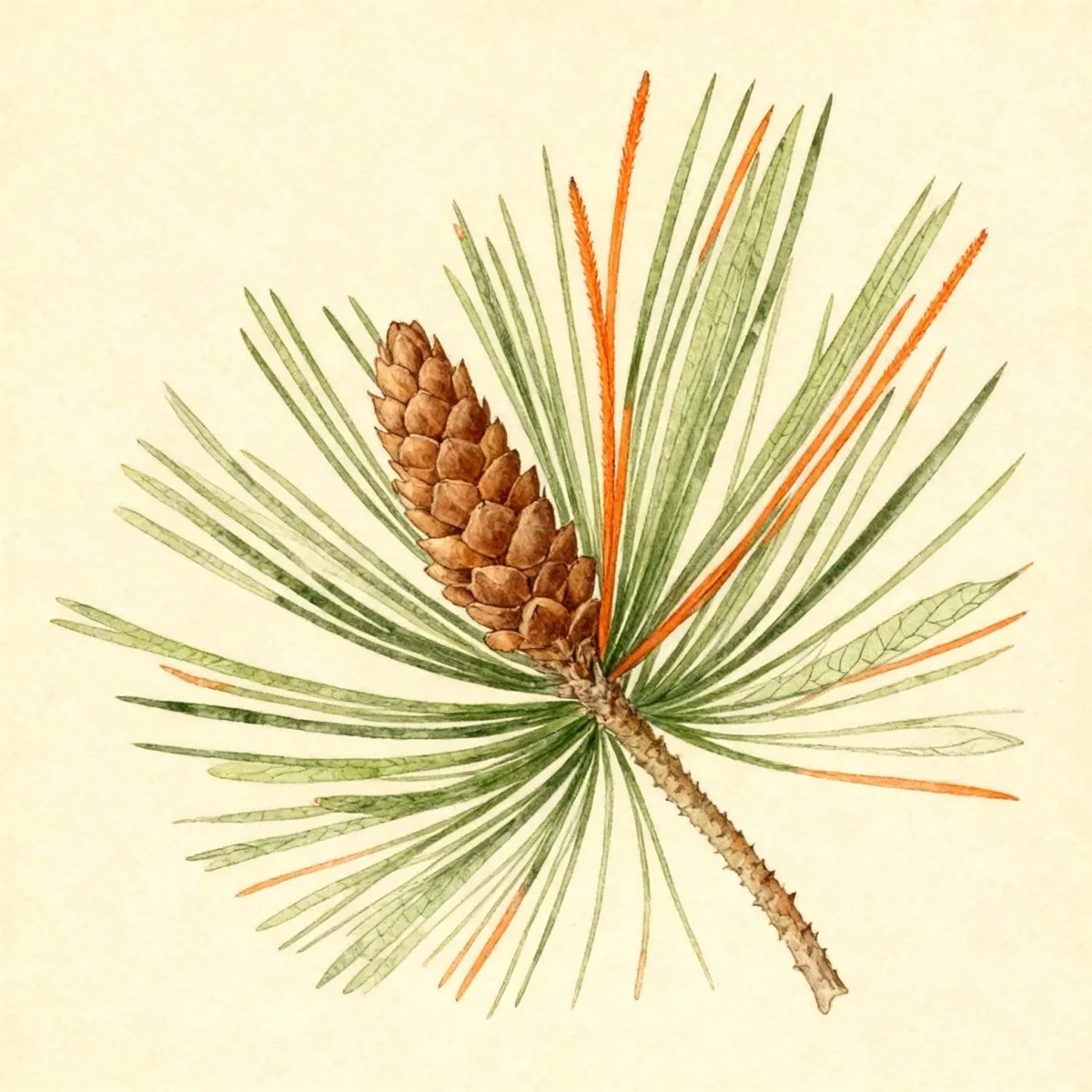
The commercial harvesting of pine nuts in Southern Europe highlights another functional aspect, although home gardeners must wait many years for cones to reach maturity (a three-year process). Even without an immediate nut harvest, the tree provides evergreen texture and shade across seasons.
Standout Features
Fruit Qualities
The edible pine nuts (pignolis) of this species are highly valued for their size, taste, and texture, having been harvested since prehistoric times in the Mediterranean.
Noteworthy Characteristics
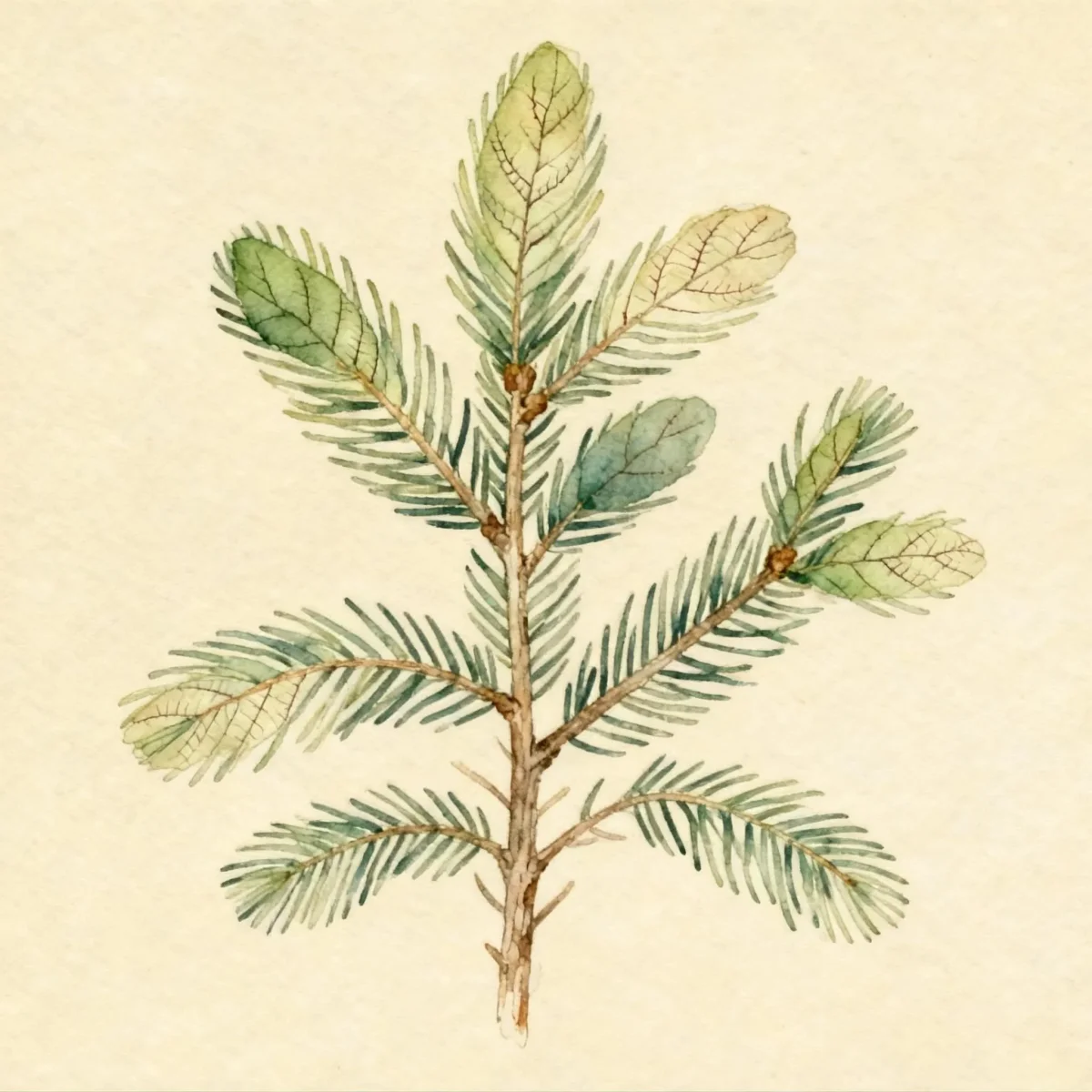
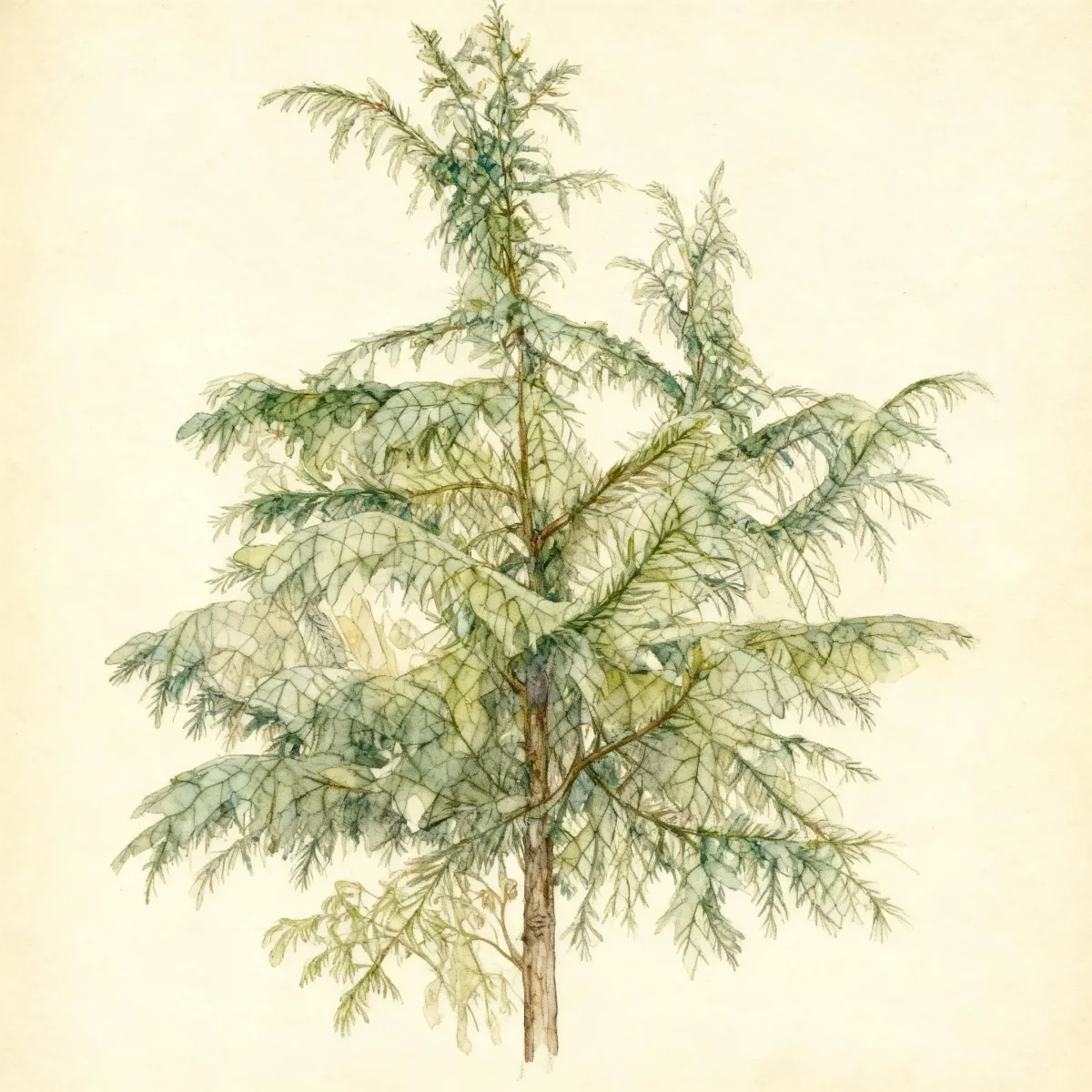
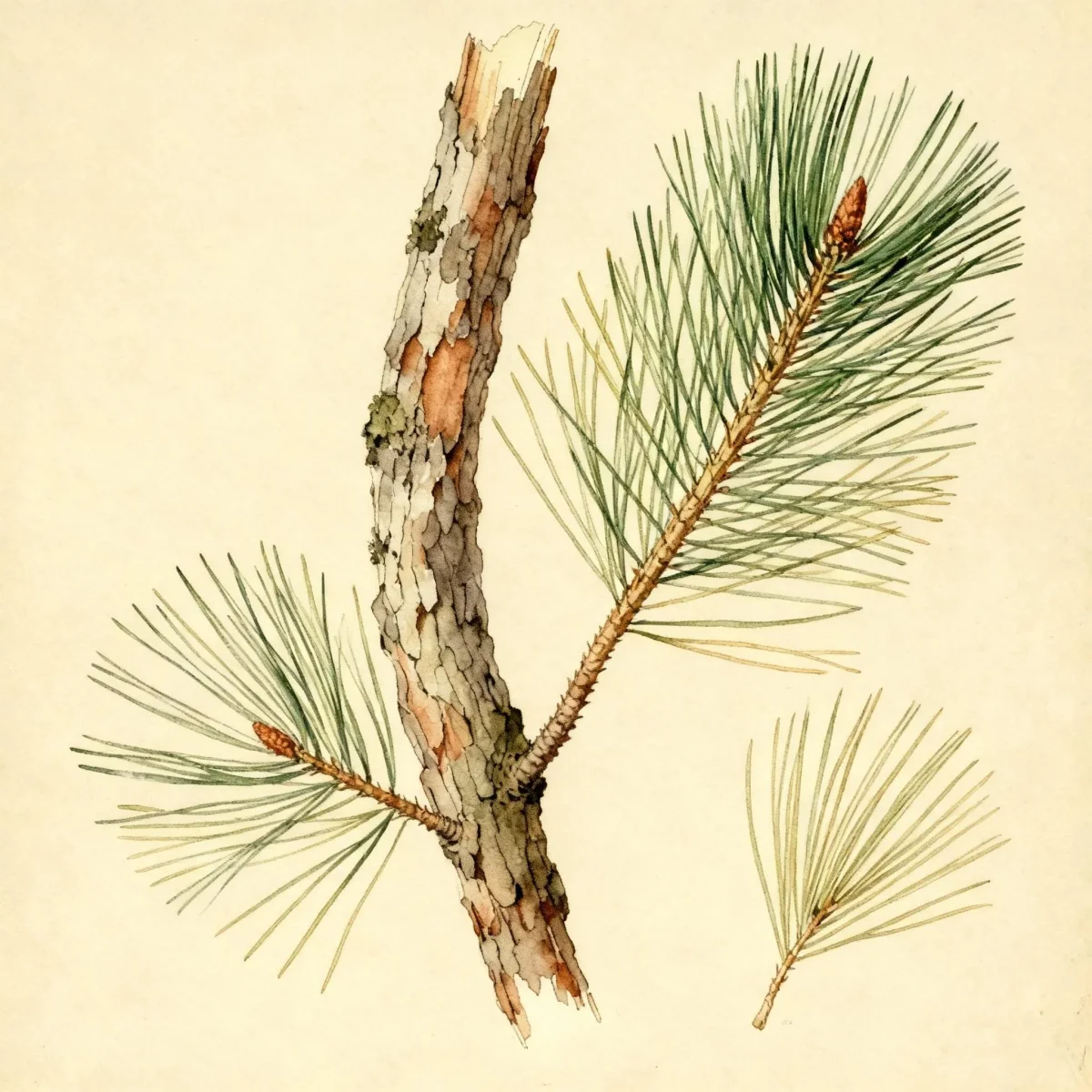
Pinus pinea, commonly called stone pine, Italian stone pine, Roman pine, parasol pine and umbrella pine, is native to the northern Mediterranean coastal region (Southern Europe to Turkey and Lebanon). In the Mediterranean area, edible pine nuts (pignolis) from this pine have been harvested since prehistoric times. This is an umbrella-shaped tree that grows in its native habitat to 40-60’ tall over time, developing a thick trunk with a distinctive crown. Mature trees are noted for having reddish-brown deeply-fissured bark, complemented by bright green needles.
Tolerances
- Deer
- Drought
Potential Problems
In its native environment, a healthy, well-maintained Pinus pinea typically has few significant issues. However, gardeners must remain vigilant against specific pests and diseases that can become problematic depending on local conditions. The tree is susceptible to tip blight, various rusts, and various root and collar rots, particularly if drainage is compromised.
Pine needle scale can sometimes present a serious infestation in certain geographic areas. Additionally, look out for common pests such as sawflies, moths, and borers, which may attack stressed or young trees. Ensuring proper cultural conditions—full sun and dry to medium, well-drained soil—is the best preventative measure against most physiological problems.
Frequently Asked Questions
What hardiness zones is Stone pine suitable for?
The Stone pine is hardy in USDA Zones 8 through 10.
How large does Pinus pinea grow?
Mature specimens of Pinus pinea typically reach a height between 40 and 60 feet, with a spread of 20 to 40 feet.
What sun exposure does Pinus pinea need?
This tree requires full sun exposure to develop properly and maintain good health.
When does Stone pine bloom?
Pinus pinea is non-flowering, being a conifer, and does not produce traditional blooms.
Conclusion
The Pinus pinea, or Stone pine, provides unparalleled architectural interest to warm-temperate landscapes, offering both historic significance through its edible nuts and a striking mature silhouette. Its low maintenance requirements once established in zones 8-10 make it a worthwhile investment for large garden spaces. Before planting, confirm your local conditions match its need for full sun and well-drained soil.
Companion Planting
When selecting companions for your Pinus pinea, prioritize plants that share its preference for bright light and minimal, infrequent watering. Mediterranean natives thrive nearby, such as Lavender (Lavandula species), Rosemary (Salvia rosmarinus), and various drought-tolerant ornamental grasses. These choices complement the Stone pine’s somewhat open canopy and soil tolerance without competing aggressively for moisture.
Focusing on texture and size contrast is also effective in design. Use low-growing, mounding succulents or xeriscape perennials around the base of the umbrella-shaped crown. This strategy prevents root competition while highlighting the dramatic, rugged trunk and reddish-brown fissured bark of the maturing Pinus pinea.
Design Ideas
The Stone pine excels as a specimen tree, particularly where a view needs framing or defining overhead interest. Planted near patios or seating areas, its sprawling crown offers dappled shade, an essential feature in hot, sunny climates. For a classic Italianate garden look, group two or three of these specimens, allowing them to mature into their characteristic umbrella shapes.
In contemporary designs, the Pinus pinea can serve as a bold, organic sculptural element against modern architecture, using its horizontal spread to counteract vertical lines. Its needles are bright green, which contrasts nicely against muted hardscaping materials like limestone or pale gravel used in drought-tolerant landscapes.