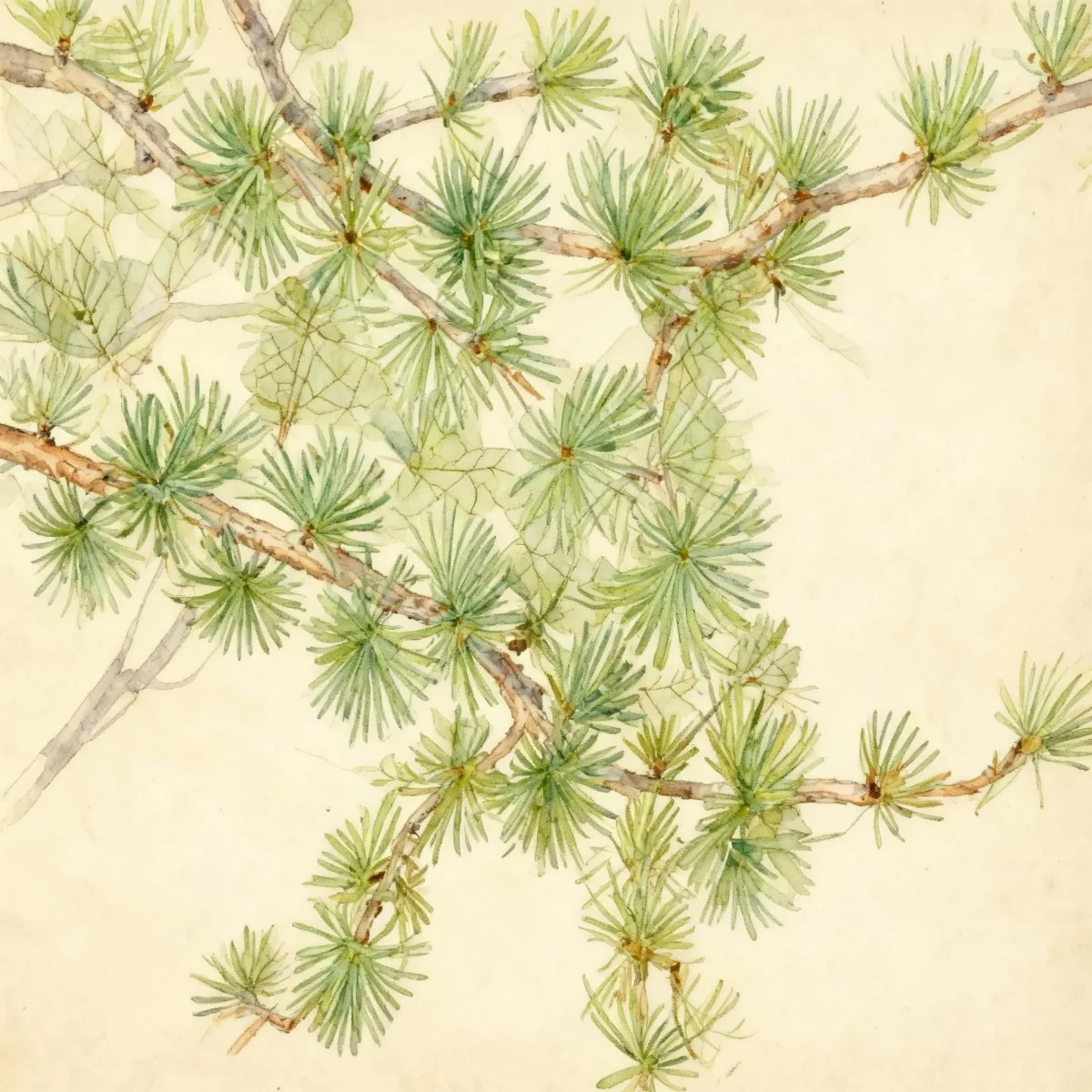
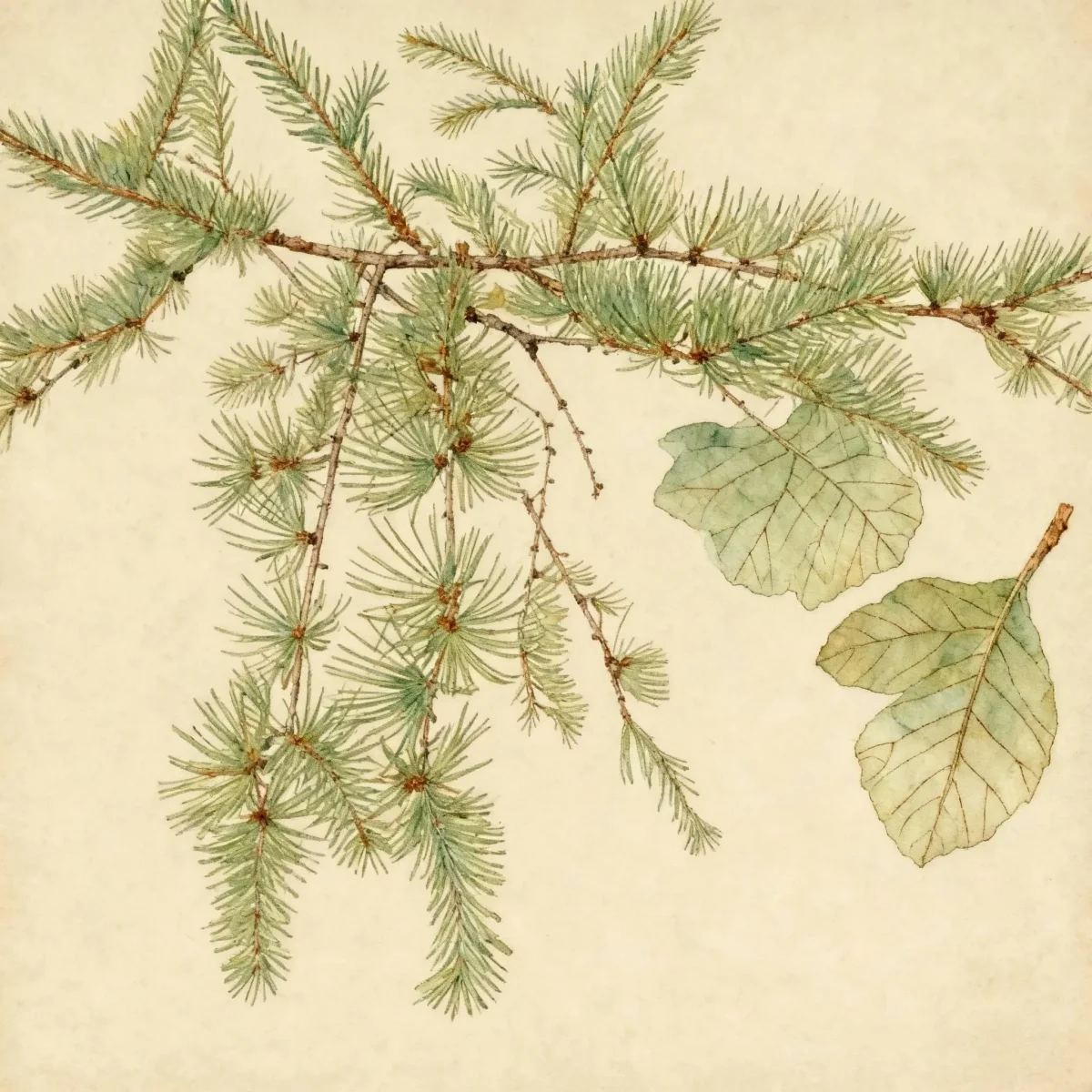
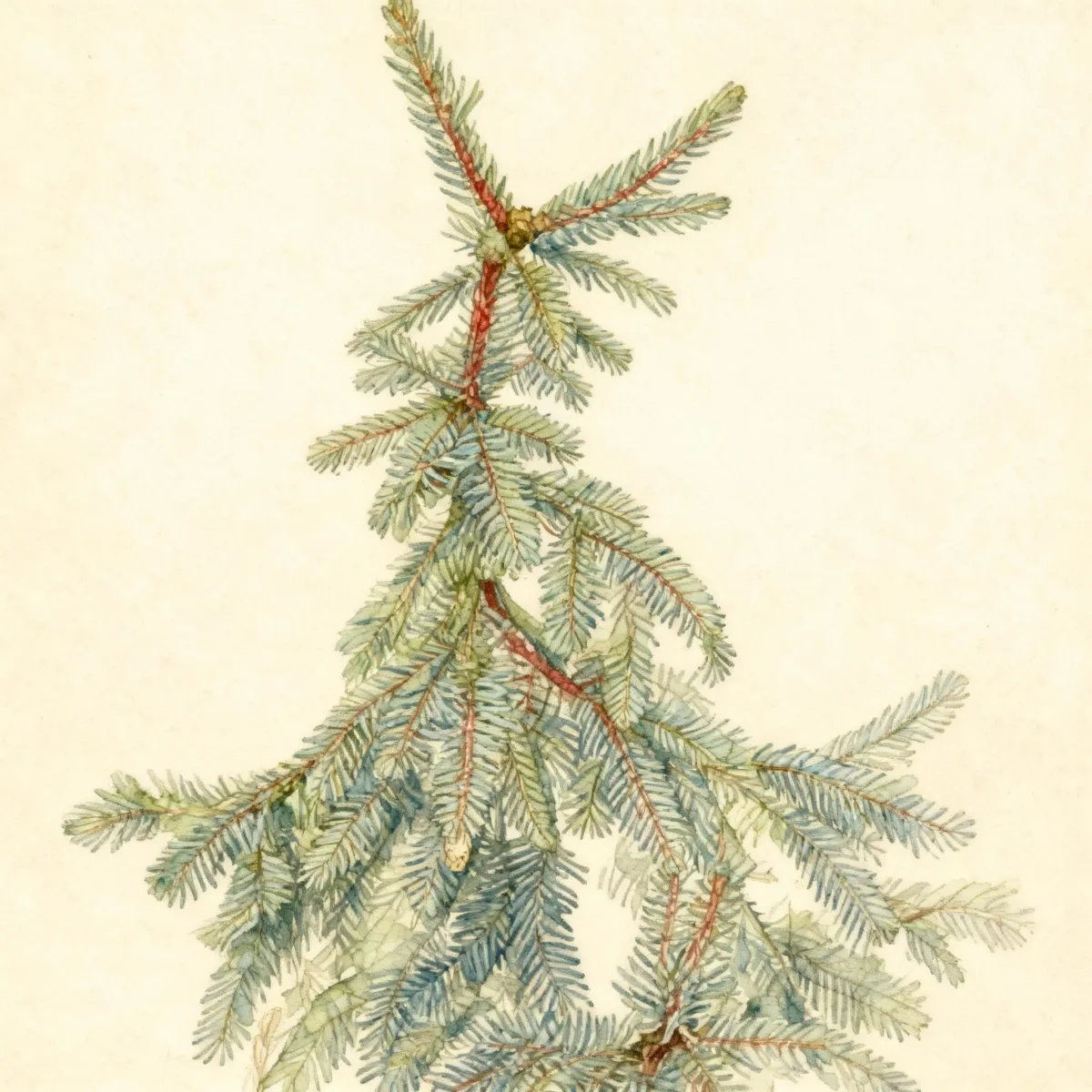
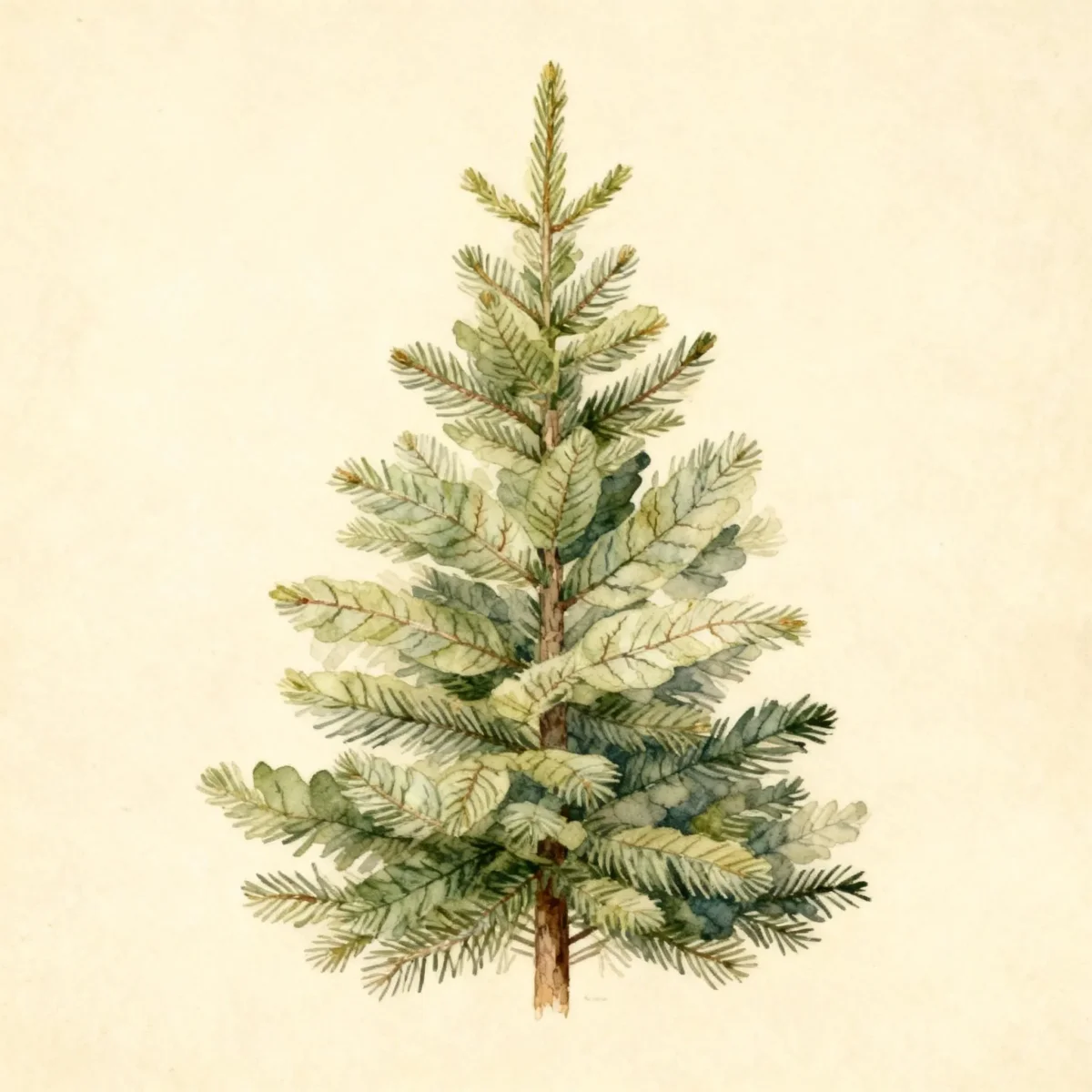
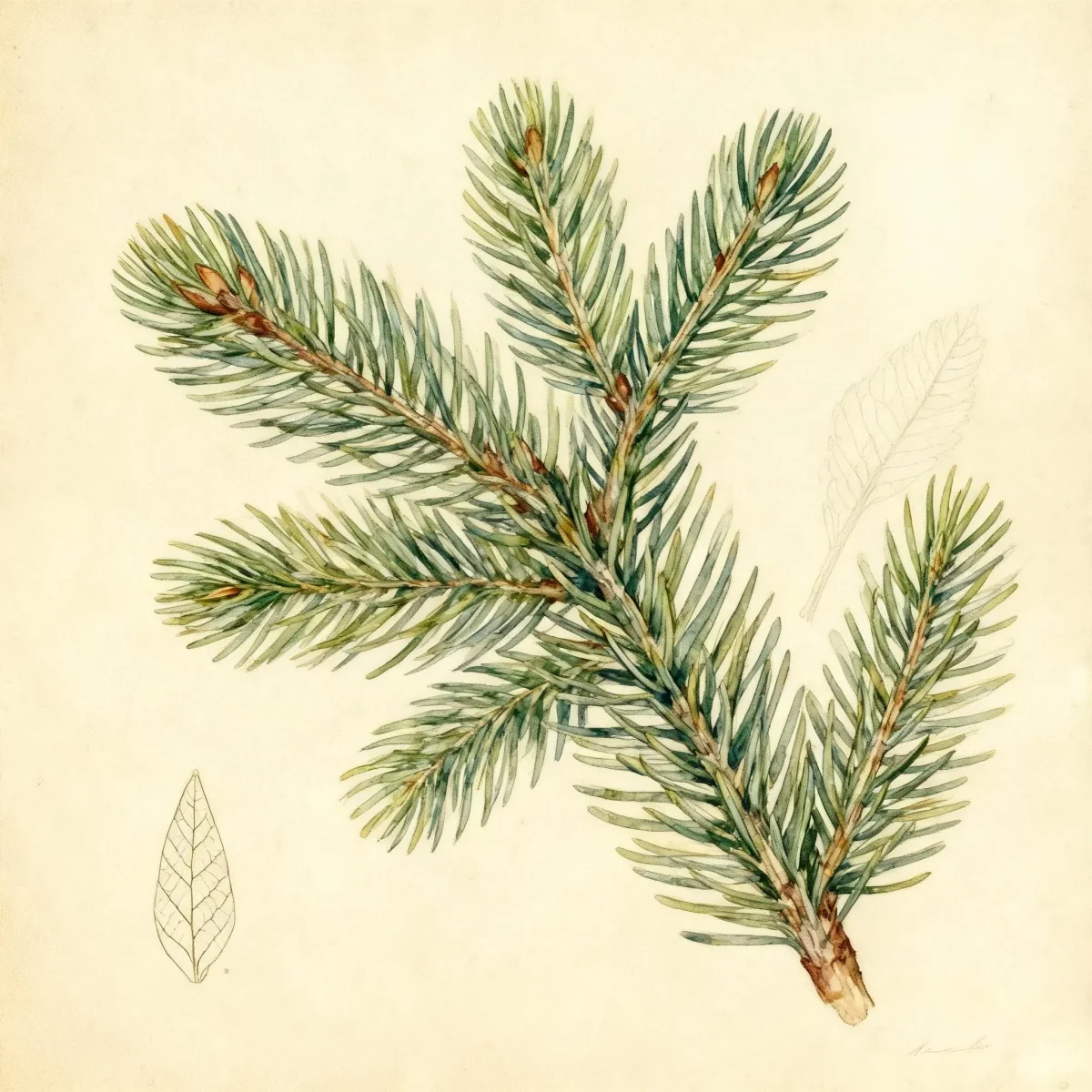
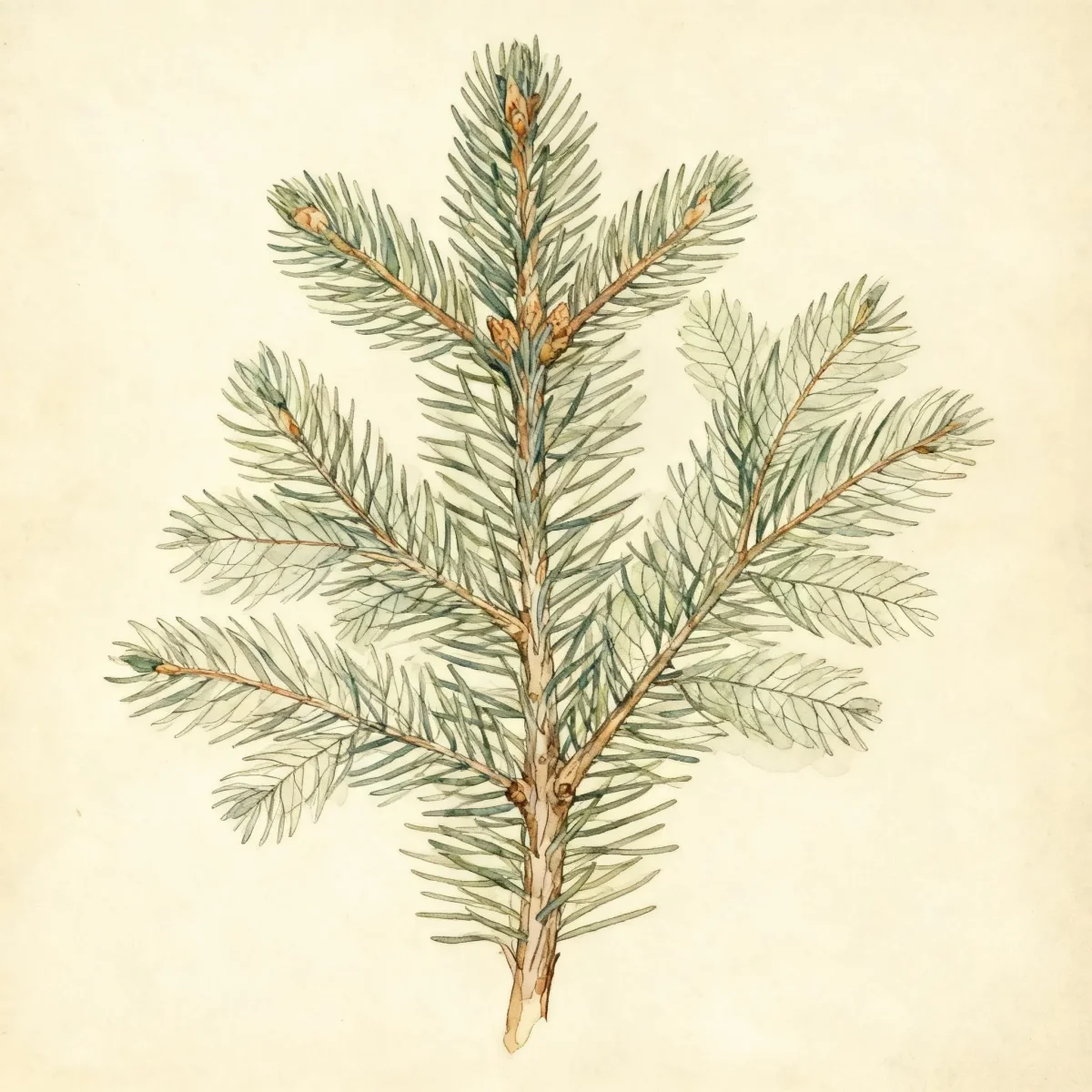
Golden larch (Pseudolarix amabilis)
Discover the Pseudolarix amabilis, or Golden larch, a unique deciduous conifer noted for brilliant fall color and low maintenance requirements.
Scroll down to discover growing tips, care requirements, companion plants, and more

Complete Plant Information
Overview
The Golden larch (Pseudolarix amabilis) is a truly distinctive specimen tree, beloved for being a deciduous conifer closely resembling true larches. Unlike many evergreens, this species sheds its needles after producing a spectacular display of golden yellow color, making the Pseudolarix amabilis a highlight in the landscape. Its slow growth rate and unique structure provide year-round interest.
Native to the coastal mountains of southeastern China, the Golden larch establishes itself as a broadly conical tree with horizontal branching habits. Gardeners appreciate its relatively low maintenance needs once established, provided its specific soil and siting requirements are met early on. This tree offers seasonal drama unmatched by many broadleaf species.
It is important to note that Pseudolarix amabilis differs morphologically from its namesake, the true larches, particularly in cone structure and needle appearance. For gardeners seeking a large, low-mess deciduous conifer that transforms into liquid gold each autumn, the Golden larch is an excellent, distinctive choice.
Fast Facts
- Plant Family: Pinaceae
- Plant Type: Tree
- Native Range: Eastern China
- Hardiness Zones: USDA Zones 4-7
- Size at Maturity:
- Height: 30-60 ft
- Spread: 20-40 ft
- Bloom Time: Non-flowering
- Bloom Description: Non-flowering
- Sun Exposure: Full sun
- Water Needs: Medium
- Maintenance Level: Low
How to Grow
The optimal time for planting Pseudolarix amabilis is typically in spring or fall when temperatures are moderate. Locate your Golden larch in a site that receives full sun for the best fall coloration, although it can tolerate light shade. Critical to its success is soil preference: ensure it is planted in moist, acidic, organically rich loams.
Water needs for the Golden larch are best described as medium; establish consistent moisture during the first few growing seasons. Avoid planting in areas where limestone is present, as this tree is intolerant of alkaline soils. Furthermore, site this tree in a location that offers protection from strong, damaging winds, which can stress the branches.
Maintenance for this tree is generally low. Little pruning is usually required beyond removing damaged wood. Gardeners in very hot and humid climates, such as the St. Louis area, should monitor the tree, as it may exhibit signs of stress, generally performing better than the common larch (Larix decidua) under those conditions.
Landscape Uses
The Pseudolarix amabilis absolutely requires significant space to mature, making it ideally suited as a large specimen tree rather than an accent in a crowded border. Its broadly conical shape, coupled with the attractive horizontal branching, provides stunning architectural interest throughout the year, even when leafless.
When planning, use the Golden larch as a focal point where its spectacular fall performance can be fully appreciated against a darker backdrop, such as an evergreen hedge or dark brick structure. While it excels as a solitary planting, it is sometimes trained successfully by enthusiasts for use in bonsai displays. Ensure companion plants share its preference for acidic, well-drained soil.
Standout Features
Noteworthy Characteristics
Pseudolarix amabilis, commonly called golden larch, is native to coastal mountain areas in southeastern China. It is a deciduous conifer that closely resembles the true larches (genus Larix). It is a slow-growing, broadly-conical tree with horizontal branching and drooping branchlets that often grows as wide as it does tall. It is perhaps best noted for its soft green foliage (light green above and blue-green below) that turns golden yellow in fall before dropping. Pseudolarix primarily differs from the larches (Larix) in cone morphology, featuring larger cones that disintegrate upon seed ripening.
Tolerances
- None listed
Potential Problems
The Golden larch exhibits excellent resilience, as there are no known serious insect or disease problems plaguing this species. This low susceptibility makes Pseudolarix amabilis a reliable long-term landscape investment. Preventative care should focus primarily on cultural needs, ensuring the soil remains acidic and avoiding stressful conditions like drought or exposure to limestone.
Frequently Asked Questions
What hardiness zones is Golden larch suitable for?
The Golden larch (Pseudolarix amabilis) is reliably hardy across USDA Zones 4 through 7.
How large does Golden larch grow?
At maturity, this tree typically reaches heights between 30 and 60 feet and spreads outward to a width of 20 to 40 feet.
What sun exposure does Golden larch need?
This conifer thrives best when planted in full sun, which is crucial for developing its noted golden fall coloration.
When does Golden larch bloom?
The Pseudolarix amabilis is a non-flowering conifer; it does not produce traditional blooms and sets cones instead.
Conclusion
The Pseudolarix amabilis stands out in the landscape due to its unique status as a deciduous conifer, offering refreshing green needles that transition into brilliant golden yellow before winter. If you are seeking a low-maintenance, visually arresting specimen tree for an acidic location, incorporating the Golden larch into your design is highly recommended. Always verify that your growing site offers well-drained, rich loam before planting this beautiful species.
Companion Planting
When selecting plants to accompany the Pseudolarix amabilis, focus on species that share its preference for acidic, moist, and organically rich soil conditions. Rhododendrons, Azaleas, and Japanese Maples (Acer palmatum) generally thrive in similar environments and provide contrasting seasonal textures. Using these companions allows you to create a cohesive woodland garden feel.
Consider planting shade-tolerant acid-lovers around the periphery of the tree’s canopy as it matures. While the Golden larch prefers full sun, in hotter climates, some dappled afternoon shade provided by taller companions might reduce summer stress. Avoid any alkaline-loving plants, as lime in the soil will quickly cause chlorosis in your Pseudolarix amabilis.
Specific Design Applications
Due to its distinct form—broadly conical with horizontal, somewhat drooping branchlets—the Golden larch functions exceptionally well as a primary specimen tree in open lawns or park settings. Its medium growth rate also makes it a viable choice for estates where a large, long-lived architectural tree is desired but immediate towering height is not necessary.
For winter interest, remember that while the needles drop, the branching structure of Pseudolarix amabilis remains quite handsome, offering strong horizontal lines against the snow. Place it where it can be viewed against a simpler background, allowing its silhouette and, critically, its magnificent fall display to take center stage.