Serbian spruce (Picea omorika)
The Serbian spruce (Picea omorika) is a narrow evergreen conifer, perfect as a specimen or street tree, thriving in USDA Zones 4-7.
Scroll down to discover growing tips, care requirements, companion plants, and more
Complete Plant Information
Overview
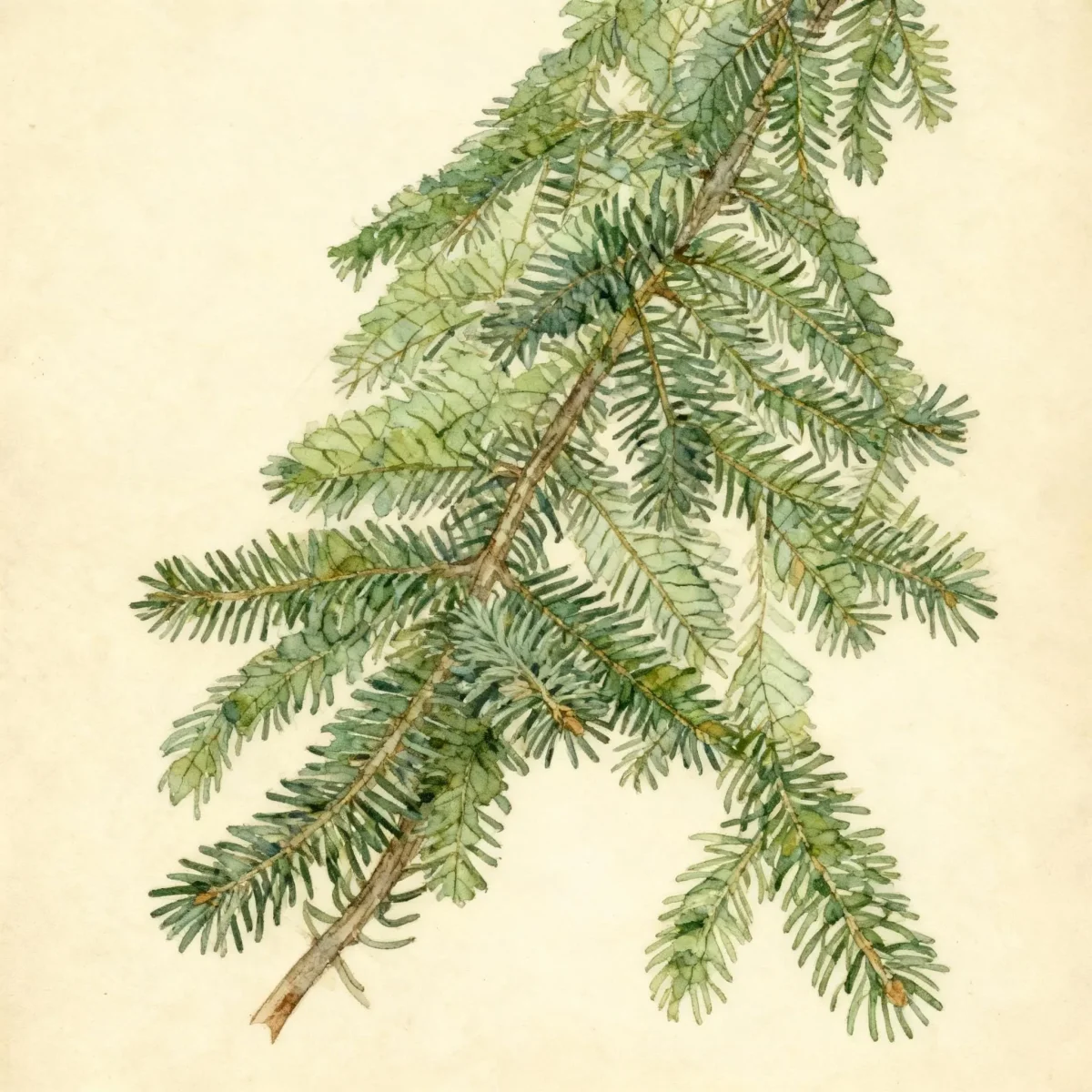
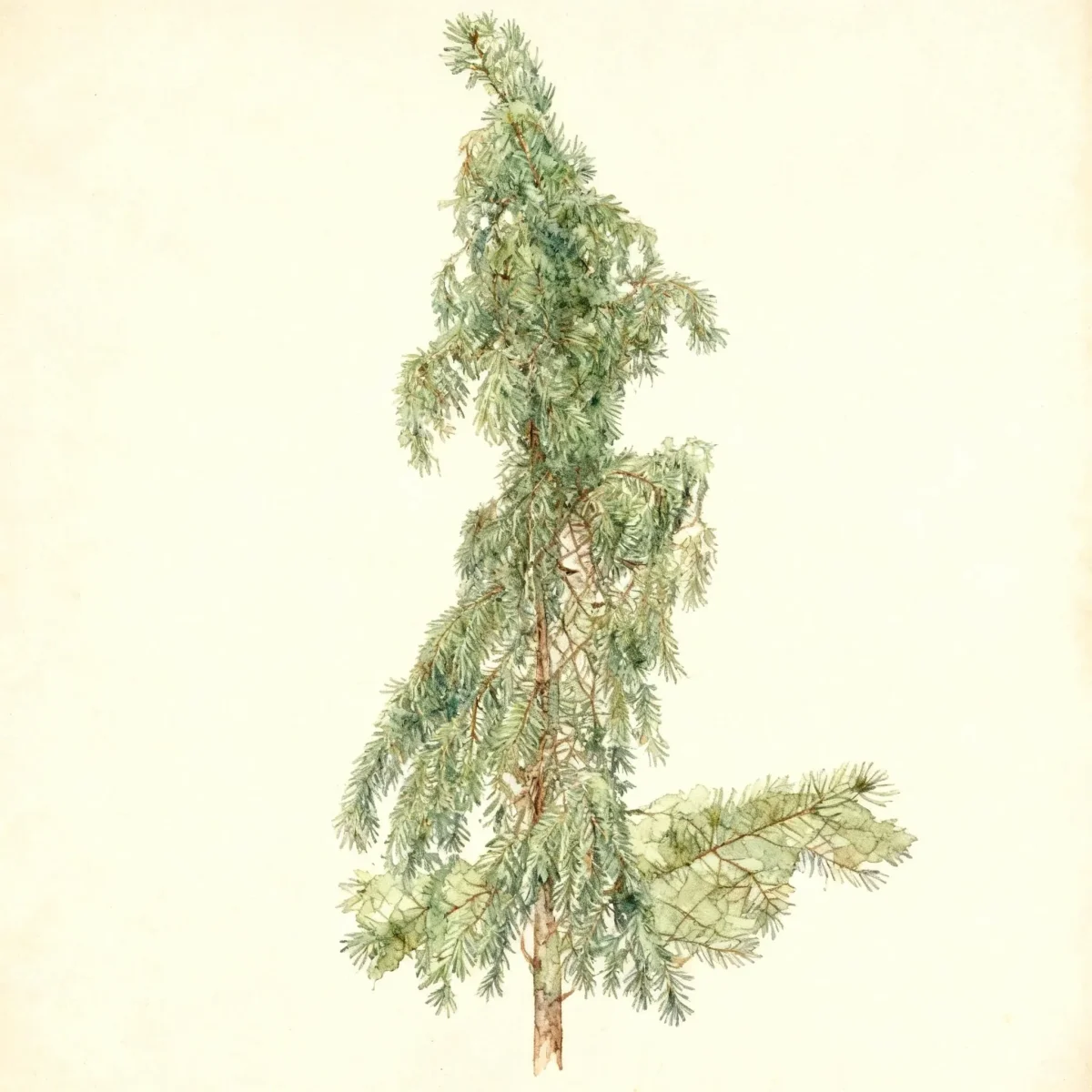
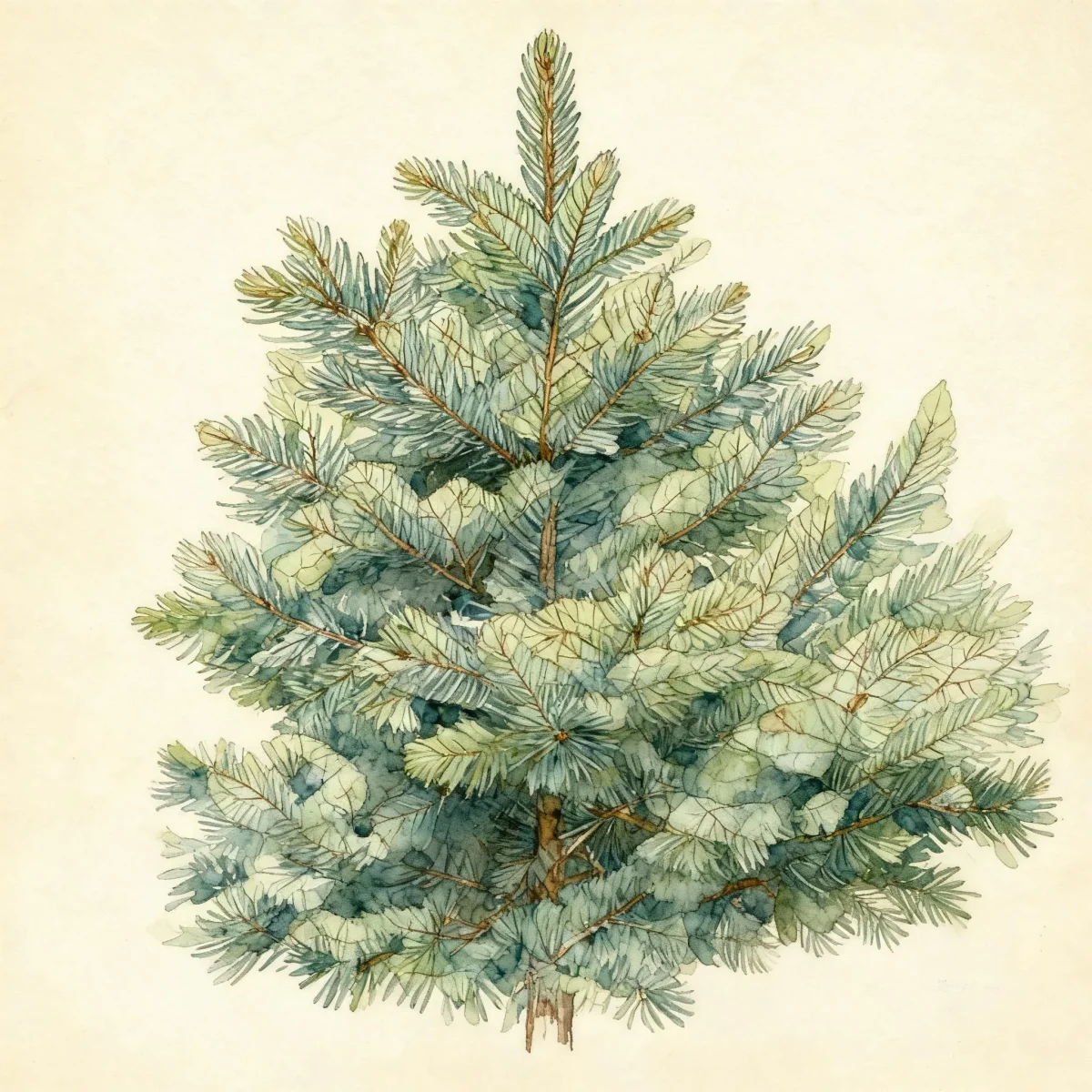
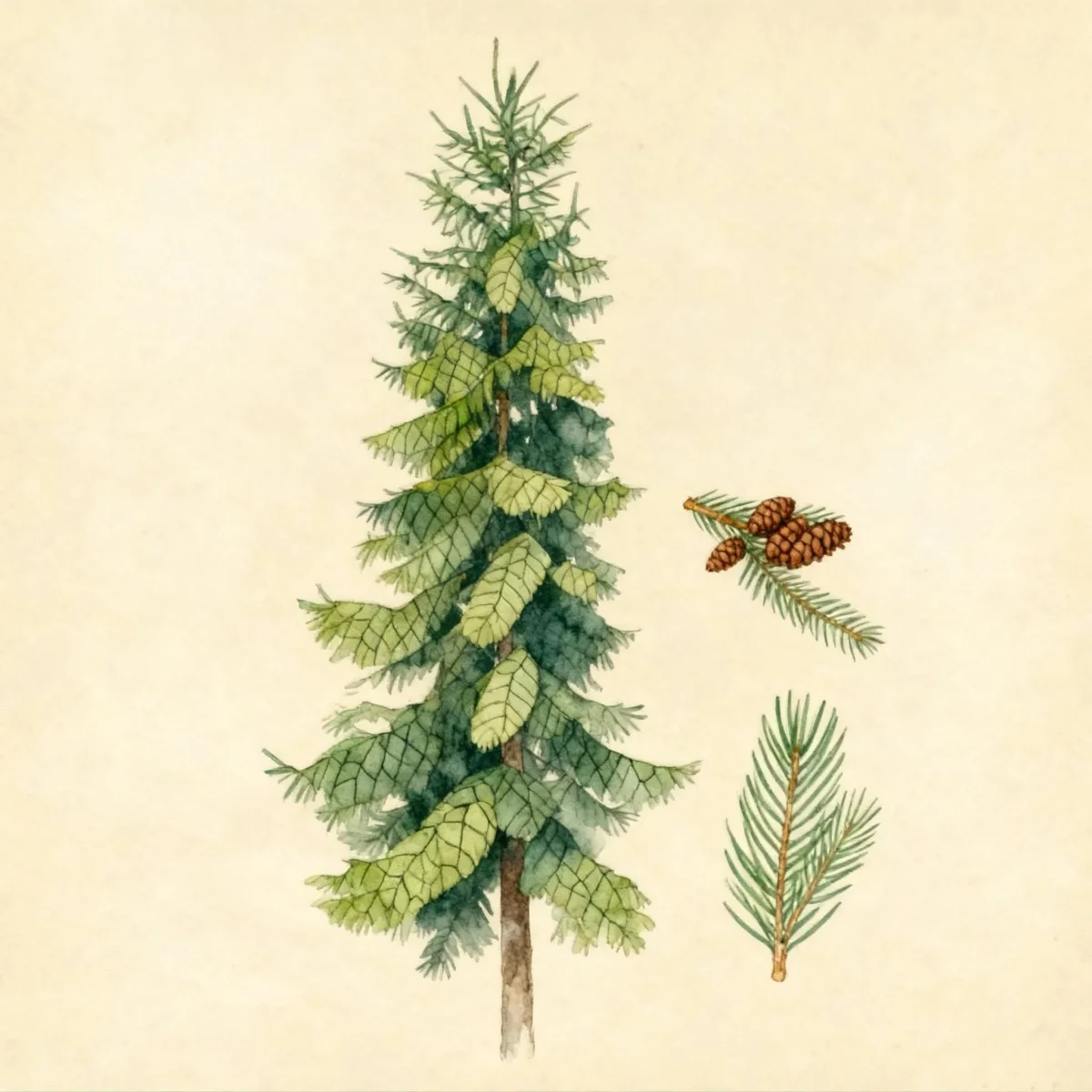
The Serbian spruce, Picea omorika, is highly valued by landscape designers for its graceful, narrow, and pyramidal silhouette. This evergreen conifer is distinctive due to its ascending branch tips and pendant lower branches, offering a statuesque presence in the garden, even when mature. It maintains a much tighter form than many other spruce species, making it an excellent choice for restricted settings.
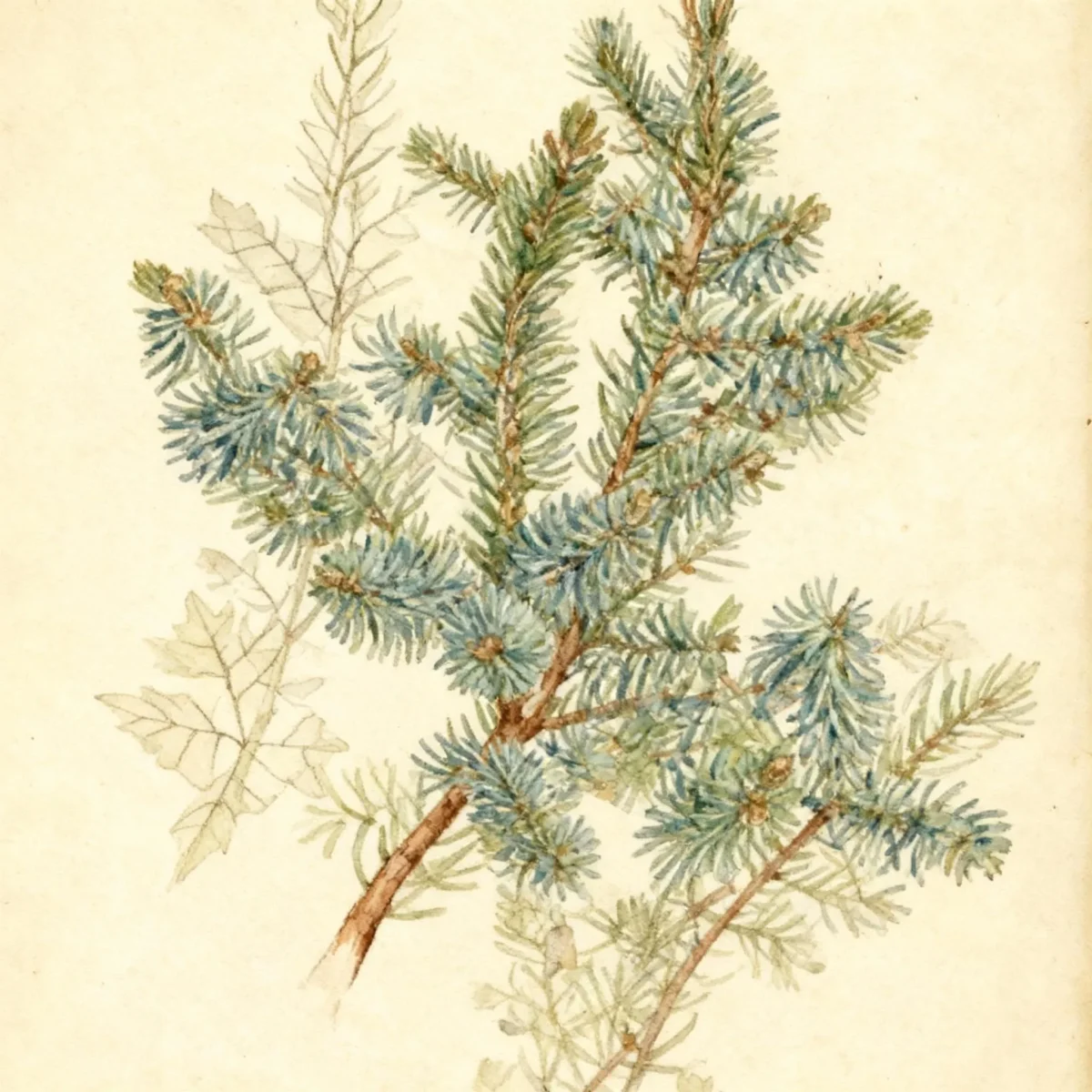
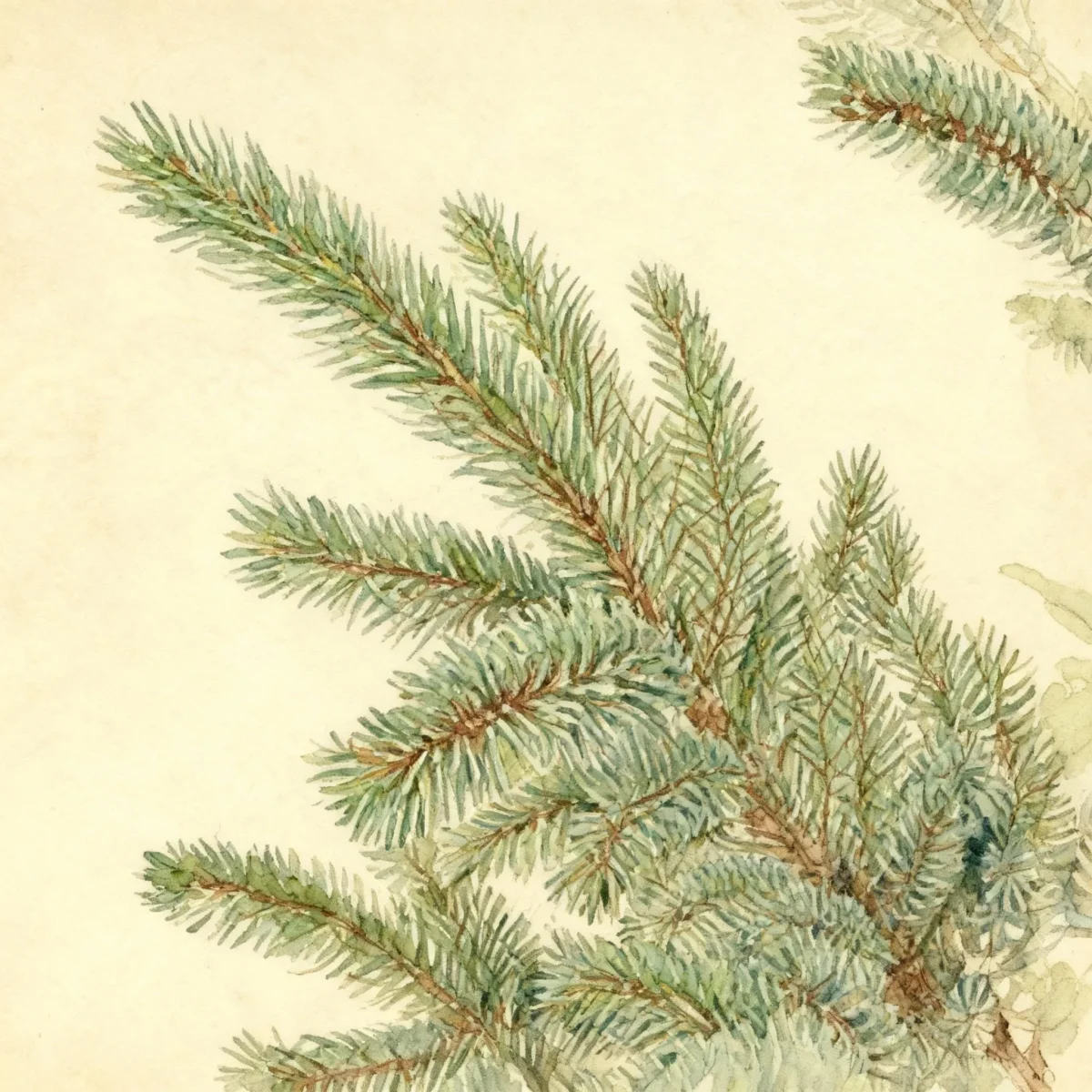
Native to the cool, limestone soils of western Serbia and eastern Bosnia and Herzegovina, Picea omorika adapts remarkably well to cultivation. While it prefers cooler climates, it is surprisingly one of the better spruces for tolerating hotter, more humid summers compared to its relatives. Gardeners appreciate the contrasting look provided by the bright green needles that feature silvery undersides.
With low maintenance requirements and excellent tolerance for urban conditions, the Serbian spruce serves critical functional roles, such as an imposing evergreen screen or a formal specimen planting. Its adaptable nature, once established, contributes reliable year-round structure to the landscape, solidifying its reputation as one of the most attractive spruces available.
Fast Facts
- Plant Family: Pinaceae
- Plant Type: Needled evergreen
- Native Range: Serbia
- Hardiness Zones: USDA Zones 4-7
- Size at Maturity:
- Height: 40-60 ft
- Spread: 15-20 ft
- Bloom Time: Non-flowering
- Bloom Description: Non-flowering
- Sun Exposure: Full sun to part shade
- Water Needs: Medium
- Maintenance Level: Low
How to Grow
When planting the Serbian spruce, aim for the cooler seasons of early spring or late fall to minimize transplant shock. Success hinges on providing average, medium moisture, well-drained soils. Picea omorika thrives best in full sun, though it can tolerate light part shade, especially as the weather warms. Ensure the location offers ample space, as this tree develops significant vertical interest over time.
Establishment requires consistent care regarding water. Although mature trees are relatively drought-tolerant once established, they require medium water input initially. Avoid planting in heavy, poorly draining clay where moisture retention is excessive, as this can lead to root issues. Fertilizing is generally unnecessary unless the soil tests reveal severe deficiencies, reflecting its low maintenance rating.
Pruning is rarely required for shape maintenance, as the Serbian spruce maintains its natural, narrow pyramidal form. Should you need to remove damaged or crossing branches, use clean tools during the dormant season. Gardeners situated in the hottest, wettest climates (south of USDA Zone 7) should carefully monitor for heat stress, although this species generally adapts better to heat than many other spruces.
Landscape Uses
The aesthetic quality of the Serbian spruce makes it a star specimen tree, drawing the eye upward with its elegant stature. Because of its relatively narrow profile—reaching 15 to 20 feet in spread—it functions exceptionally well as a formal evergreen street tree where space might be limited compared to wider conifers. It provides year-round screening and architectural interest.
Picea omorika integrates beautifully into mixed evergreen borders, acting as a strong vertical accent against lower-growing shrubs or flowering perennials. Because of its tolerance for air pollution, it is a reliable choice for planting near urban walkways, patios, or driveways. Design considerations should emphasize its unique, somewhat pendulous branch structure, best appreciated when the tree stands slightly apart from dense plantings.
Standout Features
Fruit Qualities
- Showy
Noteworthy Characteristics
Picea omorika, commonly called Serbian spruce, is an evergreen conifer that is native to limestone soils in the upper Drina River Valley in western Serbia and eastern Bosnia and Herzegovina. This is a narrow, pyramidal, spire-like tree with pendant branches that ascend at the tips, featuring flattened bright green needles with silvery undersides. Genus name is reportedly derived from the Latin word pix meaning “pitch” in reference to the sticky resin typically found in spruce bark.
Tolerances
- Deer
- Air Pollution
Potential Problems
The Serbian spruce generally boasts few significant insect or disease issues, contributing to its low maintenance appeal. However, like many conifers, it is susceptible to certain pests, particularly when stressed by improper watering or intense heat. Always be vigilant for spider mites, aphids, budworms, and borers.
To manage potential infestations, ensure the tree is planted in a location matching its sun and soil requirements to promote vigor. Healthy plants resist pests better. If spider mites appear, low-pressure blasts of water can often dislodge them, particularly during dry summer spells. Regular scouting helps catch problems before they become severe, ensuring your Picea omorika remains healthy.
Frequently Asked Questions
What hardiness zones is Serbian spruce suitable for?
The Serbian spruce (Picea omorika) is suitable for USDA hardiness zones 4 through 7.
How large does Serbian spruce grow?
At maturity, the Serbian spruce typically reaches a height between 40 and 60 feet, with a moderate spread of 15 to 20 feet wide.
What sun exposure does Picea omorika need?
Picea omorika prefers full sun but can successfully grow in areas that receive part shade.
When does Picea omorika bloom?
This species is non-flowering, producing cones instead of traditional showy flowers.
Conclusion
The Serbian spruce offers an exceptional combination of refined aesthetic appeal, manageable size, and urban adaptability, making Picea omorika a top contender for formal specimen planting. Its narrow habit and reliable performance ensure year-round structure in the garden, even where pollution is a concern. Before purchasing, confirm that your growing site falls within USDA Zones 4–7 and has well-drained soil to ensure the long-term success of your Serbian spruce.
Companion Planting
Due to its preference for well-drained soil and its need for space to showcase its vertical form, companion plants for the Serbian spruce should generally share similar low moisture needs once established. Consider planting deciduous shrubs with contrasting fall color, such as Cotinus (Smokebush) or various Maples, to provide seasonal variation around the base. Lower-growing perennials like Hostas or Astilbe can be used in shadier borders, provided their watering needs are calibrated to avoid over-saturating the spruce’s root zone.
For a formalized look, low-growing evergreen groundcovers such as creeping Junipers or dwarf Barberry cultivars can define the edge of the planting bed without obscuring the lower branches of the Picea omorika. Remember, as the spruce matures, it will cast significant shade, so select underplantings that tolerate increasing shade over time or plan for their eventual relocation.
Seasonal Care Calendar
Spring is the best time for planting new Serbian spruce specimens and applying a slow-release, balanced fertilizer if necessary. Once the growing season begins, monitor soil moisture closely; consistent, medium watering is crucial during the first two summers to establish strong root systems. Avoid heavy fertilization during the heat of summer, which can force tender, late-season growth susceptible to early frost.
Summer care focuses primarily on watering, especially during dry spells. Though the Serbian spruce handles heat better than many spruces, deep watering when the top few inches of soil feel dry minimizes stress and deters spider mite activity. In autumn, ensure any necessary pruning is completed before the ground freezes, encouraging the tree to harden off properly for winter protection.
Winter safety for Picea omorika involves protecting young trees from heavy snow or ice breakage on its pendant branches. If snow accumulation is heavy, gently brush it off using a soft broom, always pushing upward from below rather than pulling down on the branches. In colder zones (Zone 4), consider applying an anti-desiccant spray later in the season to help protect needles from winter burn caused by drying winds.