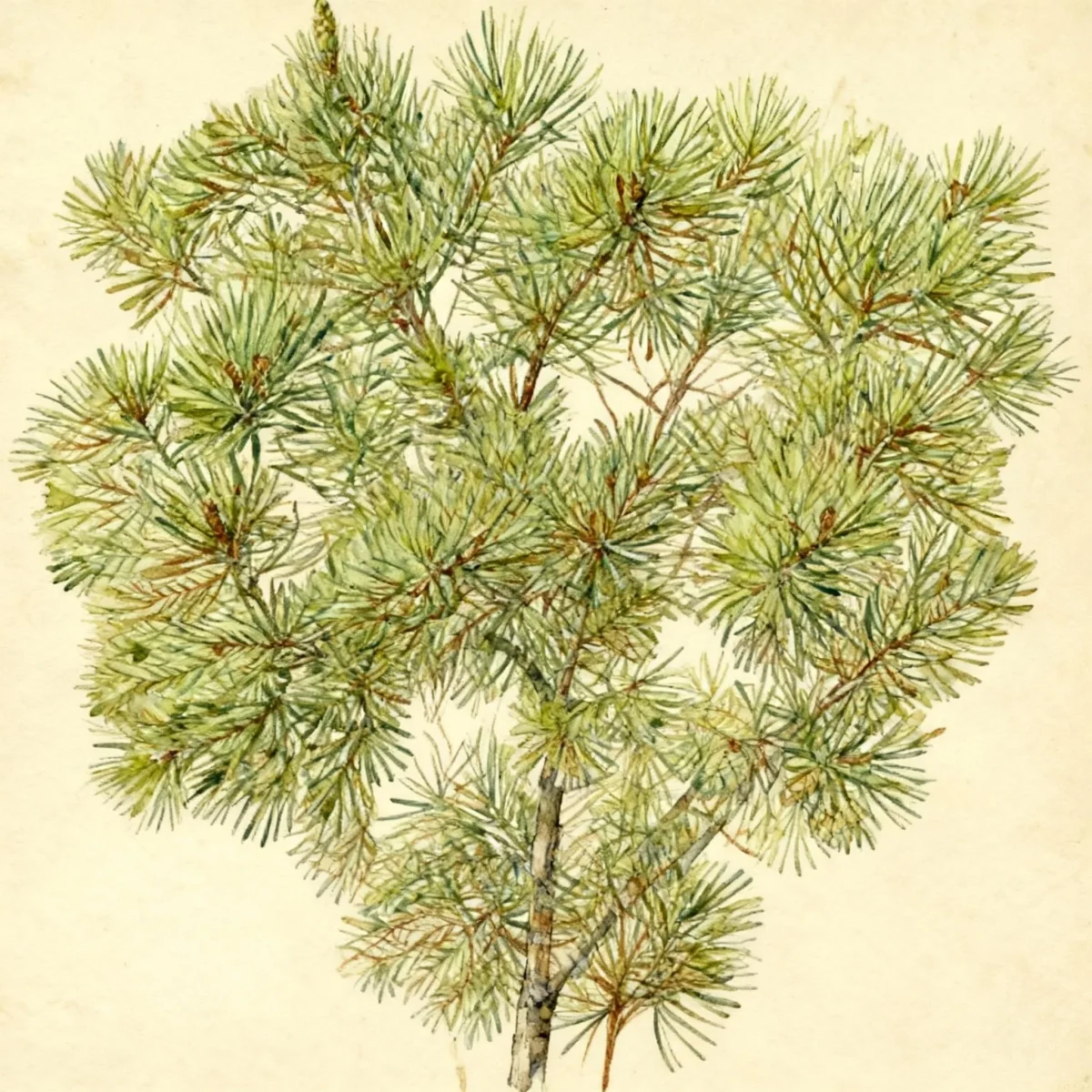
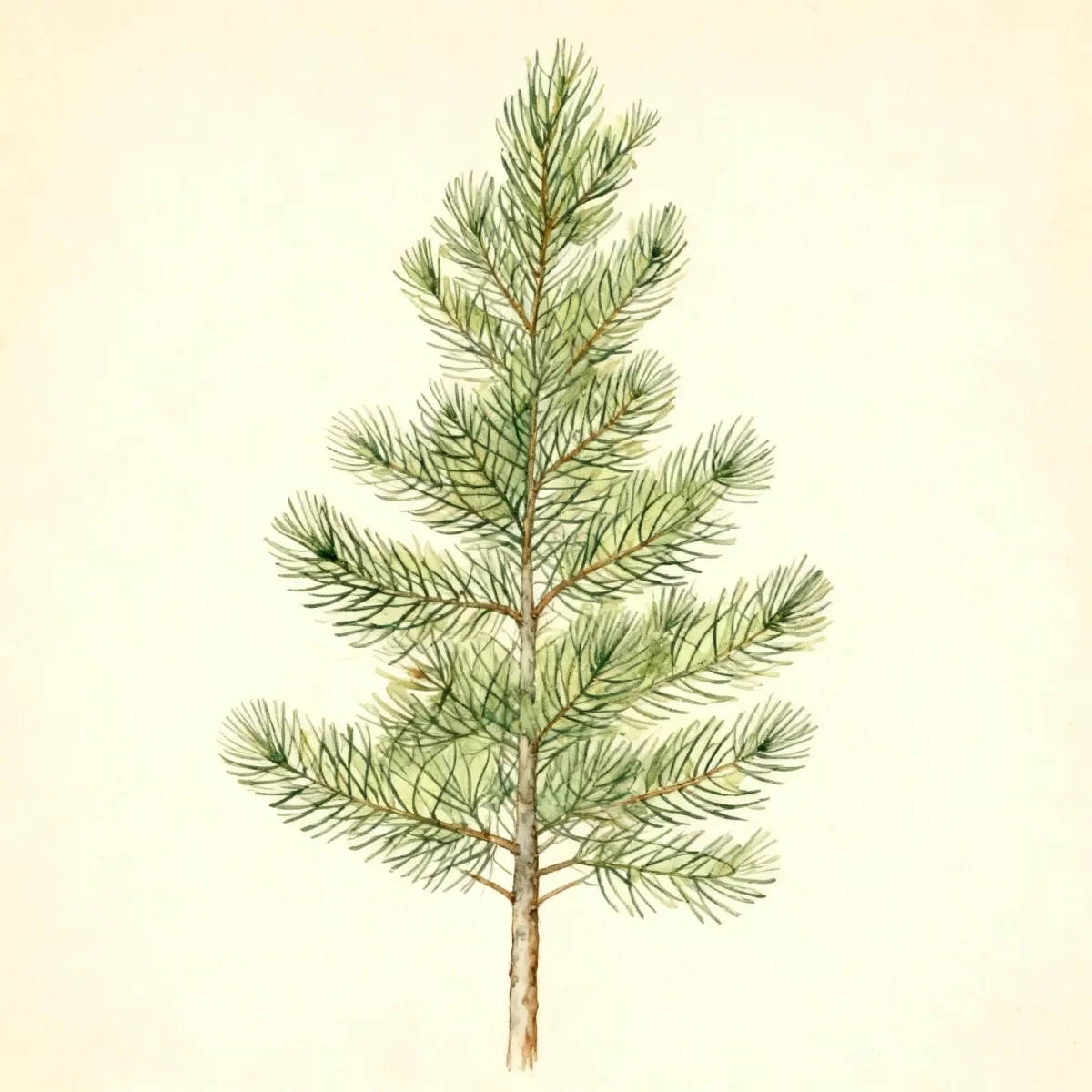
Sakhalin spruce (Picea glehnii)
The majestic Sakhalin spruce (Picea glehnii) is a tall, narrow conifer reaching 100 feet, prized for its flaky chocolate bark and low maintenance needs.
Scroll down to discover growing tips, care requirements, companion plants, and more
Complete Plant Information
Overview
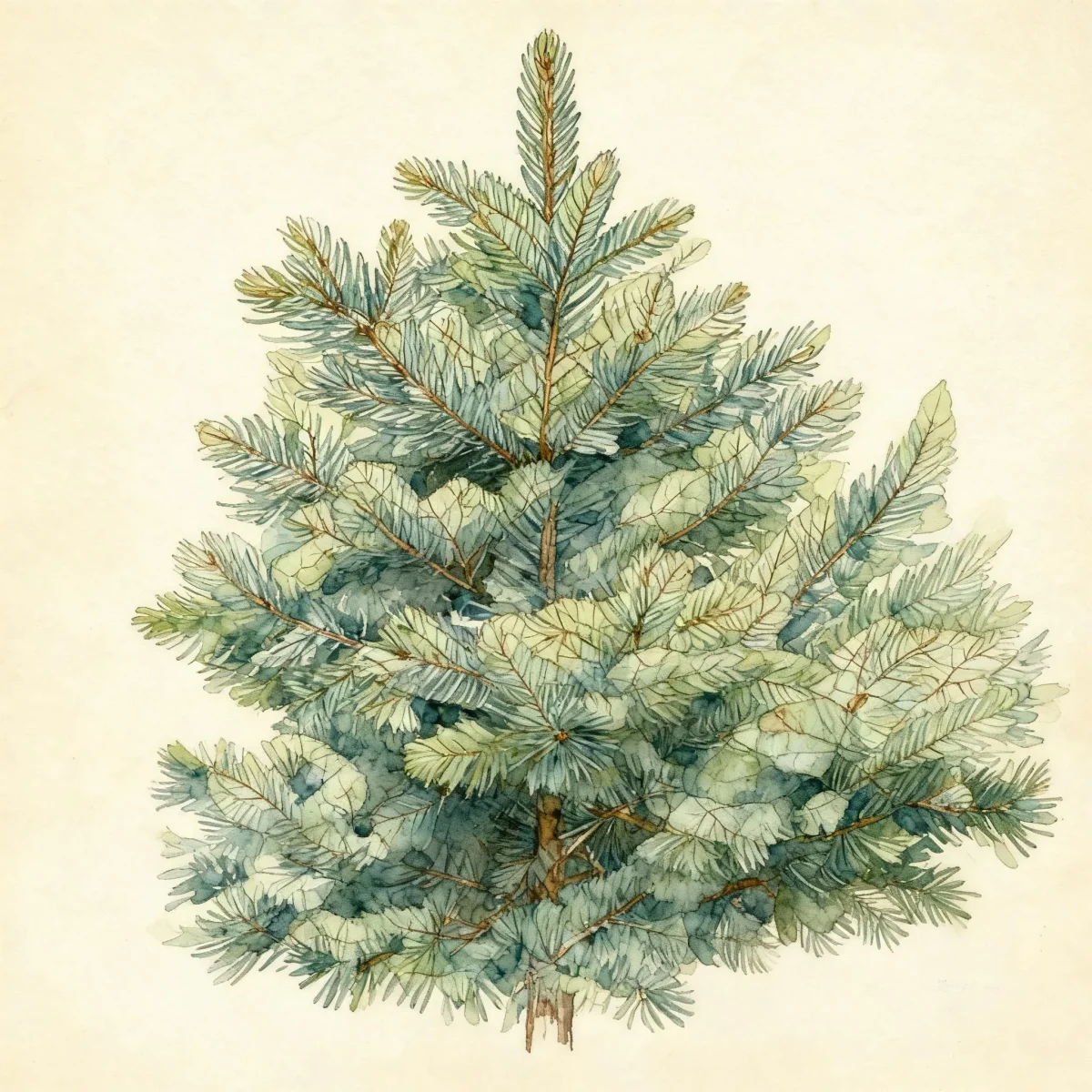
The Sakhalin spruce, designated botanically as Picea glehnii, is an imposing, tall evergreen conifer reaching majestic heights, often topping 100 feet in maturity. It is highly valued in large landscapes for its distinct architectural form, featuring a narrow, conical crown that provides strong vertical interest year-round. This species is notable for its unique texture, defined by flaky, chocolate-brown bark that helps distinguish the Picea glehnii from other spruces.
Its cultural requirements lean toward low maintenance, making it an excellent choice for substantial properties where a grand specimen tree is desired. The Sakhalin spruce thrives when properly situated, offering year-round structure with vibrant green needles and reddish, pubescent young shoots providing seasonal highlights.
Gardeners seeking a massive, long-lived structural element in park settings or near large structures will find Picea glehnii uniquely suited. It offers dependable evergreen coverage and visual impact without demanding constant horticultural intervention once established, provided its cultural needs for moisture and drainage are met.
Fast Facts
- Plant Family: Pinaceae
- Plant Type: Needled evergreen
- Native Range: Japan, Sakhalin
- Hardiness Zones: USDA Zones 4-7
- Size at Maturity:
- Height: 80-100 ft
- Spread: 25-30 ft
- Bloom Time: Non-flowering
- Bloom Description: Non-flowering
- Sun Exposure: Full sun to part shade
- Water Needs: Medium
- Maintenance Level: Low
How to Grow
Planting the Sakhalin spruce is best done in the spring or early fall to allow the root system time to establish before seasonal extremes. Ensure placement is appropriate for its enormous mature size, favoring large lawns, municipal parks, or spacious estates. The primary cultural instruction involves providing average, medium moisture soil that is reliably well-drained. Avoid sites where water pools, as this can lead to root stress common in spruce species.
Watering requirements are medium; while established specimens are relatively drought-tolerant, young Picea glehnii trees need consistent moisture, especially during dry summers. Deep, infrequent watering is preferable to shallow, frequent sprinkling. Fertilization is rarely necessary if the soil is adequate; overly rich soil can sometimes lead to weak, overly rapid growth susceptible to breakage. Pruning is generally minimal, focusing only on removing dead, damaged, or crossing lower limbs as the tree matures.
As a hardy specimen in Zones 4-7, winter preparation involves ensuring adequate water uptake before the ground freezes solid. Mulching lightly around the base helps regulate soil temperature and moisture throughout the year. Monitor new plantings closely for signs of transplant shock during the first few growing seasons.
Landscape Uses
The sheer scale and distinctive form of Picea glehnii make it an unparalleled specimen tree. It functions as a powerful vertical anchor in large-scale landscape designs, commanding attention best when given ample surrounding space. The narrow crown ensures it doesn’t overly dominate a broad area laterally, even though its height is significant.
This spruce is highly effective when integrated into expansive plantings such as those found bordering golf courses, large public greens, or along wide avenues and highways where structure is needed at a grand scale. Due to its size potential, careful planning is essential; utilizing this tree near large buildings or monuments provides a balancing element of natural magnitude.
Companion planting should focus on species that tolerate similar sun exposure and soil acidity. Consider lower-growing, contrasting textures, such as Japanese maples (in protected areas) or broadleaf evergreens, to highlight the fine texture and deep green of the Sakhalin spruce needles.
Standout Features
Fruit Qualities
- Showy
Noteworthy Characteristics
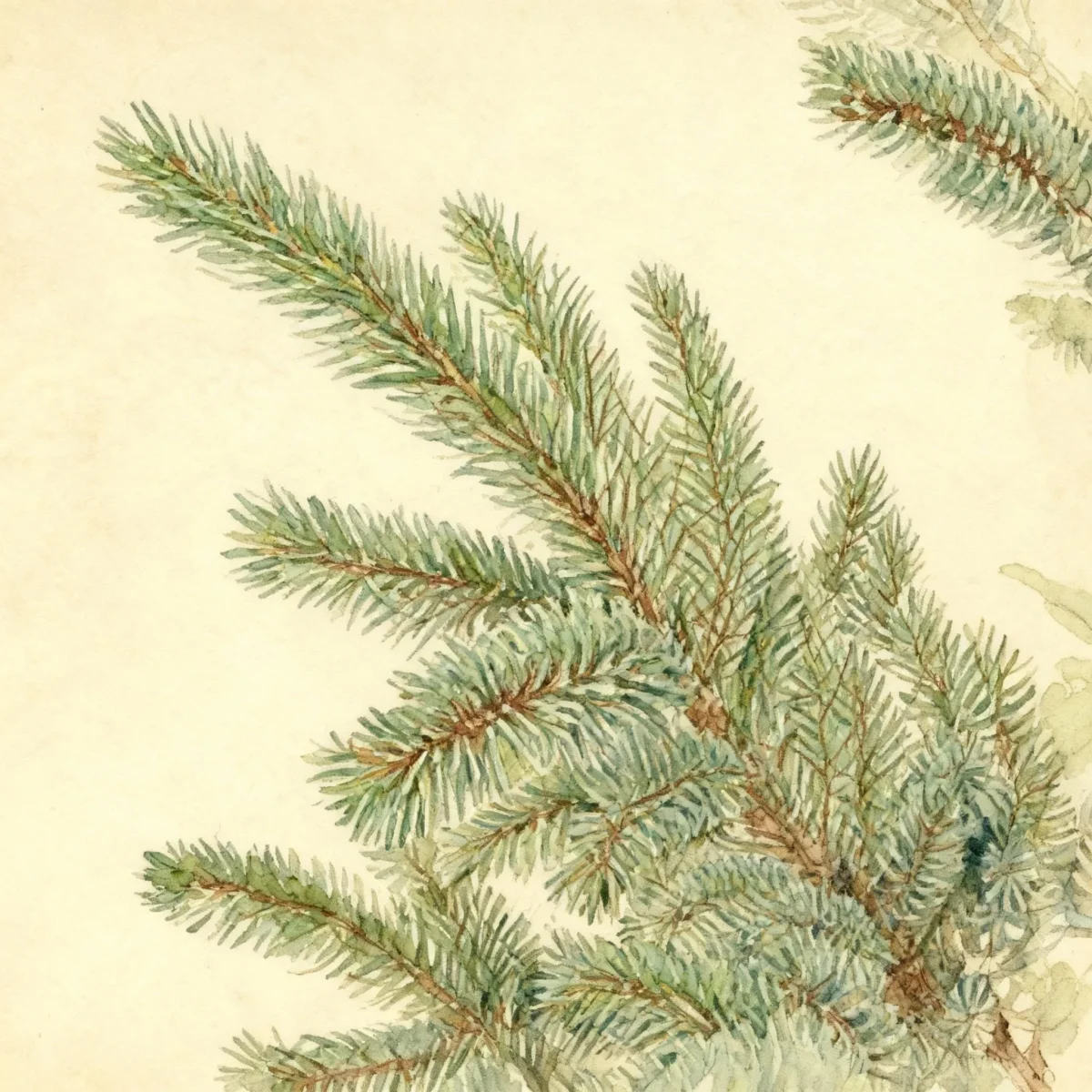
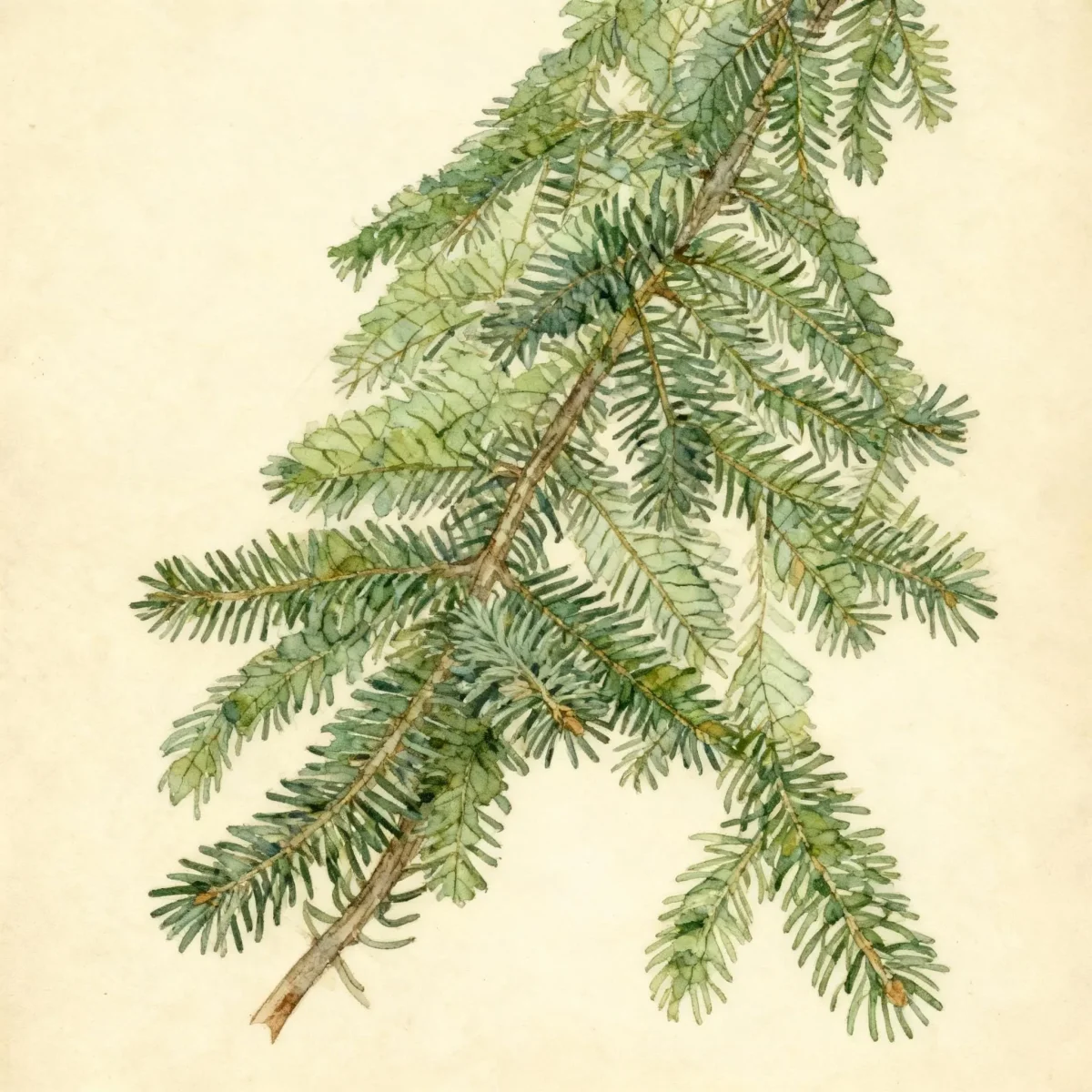
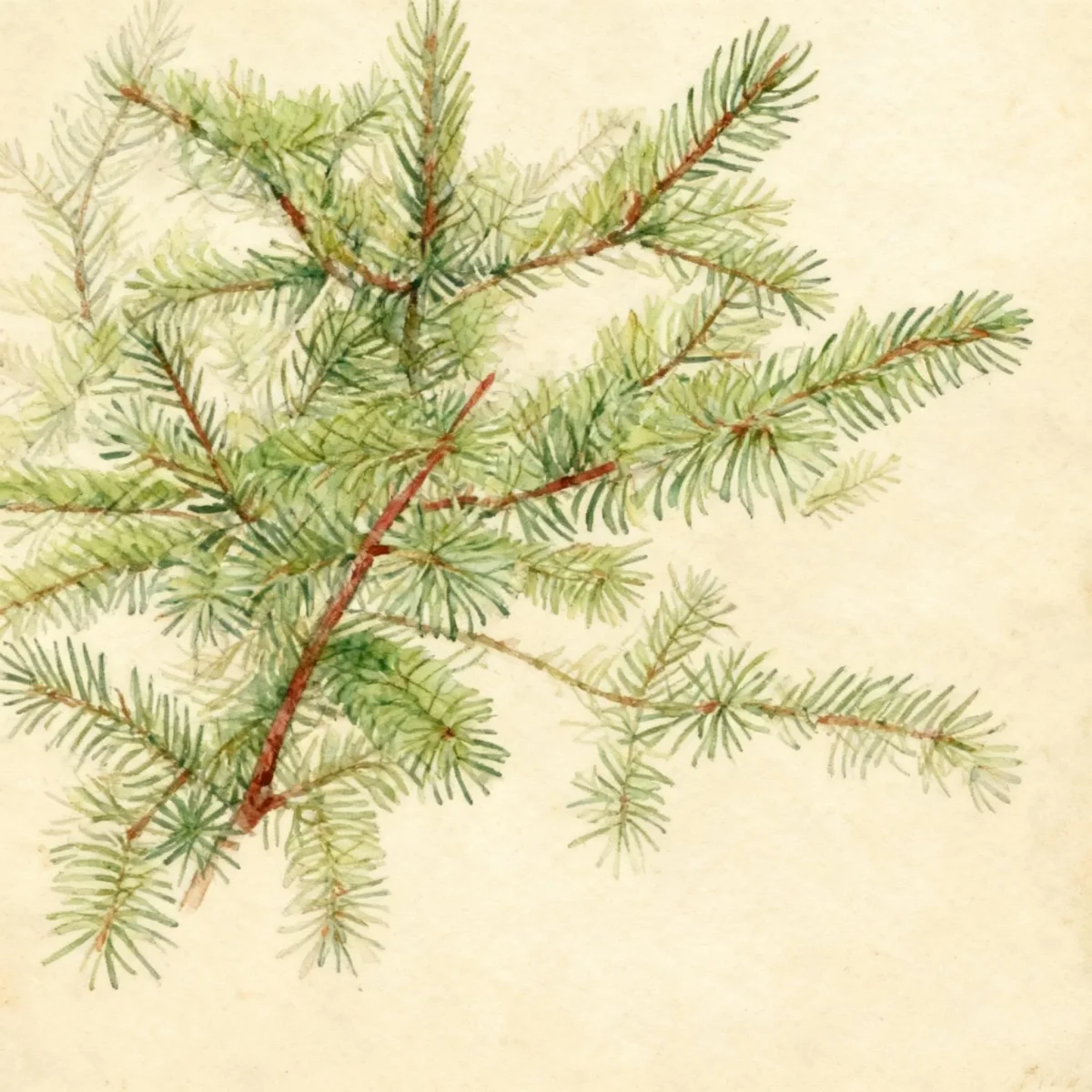
Picea glehnii, commonly called Sakhalin spruce, is a tall, evergreen conifer with a narrow, conical crown which will grow to 100’ over time. Flaky, chocolate brown bark distinguishes it from all other species of spruce. Also easily recognizable by the reddish, pubescent young shoots, and it features sharp-pointed, bright green needles up to 5/8” long.
Tolerances
- Deer
Potential Problems
Generally, Picea glehnii exhibits few serious insect or disease problems when grown in its preferred environment. However, like most spruce species, it remains susceptible to various pests, especially when stressed or planted outside optimal conditions. Common insect threats include spider mites, aphids, borers, and bagworms, which can cause needle discoloration or premature casting.
Fungal issues, particularly root rots or needle cast diseases, may develop in humid climates or poorly drained soils. Implementing proper drainage is key to cultural health, minimizing the risk of these soil-borne pathogens. If pest pressure is observed, identify the culprit quickly; often, minor infestations of mites or aphids can be managed with strong streams of water or insecticidal soap.
Frequently Asked Questions
What hardiness zones is Sakhalin spruce suitable for?
The Sakhalin spruce is hardy and suitable for cultivation within USDA Zones 4 through 7.
How large does Sakhalin spruce grow?
This impressive conifer typically achieves a height between 80 to 100 feet at full maturity, with a spread ranging from 25 to 30 feet wide.
What sun exposure does Picea glehnii need?
Picea glehnii performs best when situated where it receives full sun exposure, although it can tolerate partial shade, especially in hotter regions.
When does Picea glehnii bloom?
The Picea glehnii is classified as non-flowering, as it is a conifer producing cones rather than true flowers.
Conclusion
The Sakhalin spruce offers unparalleled vertical drama and robust evergreen structure for large landscapes, distinguished by its unique chocolate bark and low maintenance profile. Integrating a majestic specimen like Picea glehnii into your property provides enduring natural beauty. Always confirm that your site offers the required well-drained soil and sufficient space before planting this towering native of Japan and Sakhalin.
Companion Planting
Selecting appropriate neighbors enhances the aesthetic appeal and health of your Sakhalin spruce. Companion plants should generally share the need for medium moisture and tolerate full sun to light shade. Consider groundcovers that break up the dark shadow beneath the massive canopy, such as pachysandra (Pachysandra terminalis) if the area is shady, or low-growing junipers in full sun locations.
For height contrast without competing for resources directly beneath the drip line, consider deciduous magnolias or certain large, upright maples positioned slightly away from the spruce trunk. These deciduous neighbors can offer seasonal color that contrasts beautifully with the year-round deep green of the Picea glehnii needles.
Seasonal Care Calendar
Spring is the ideal time for initial watering establishment and checking for any lingering winter damage on the needles or branches of your Sakhalin spruce. Focus initial attention on slowly increasing water after the last frost if the previous winter was particularly dry.
Summer maintenance focuses primarily on monitoring moisture levels, especially during periods of high heat, ensuring the medium soil moisture is maintained without waterlogging. If pest pressure (like spider mites) is observed coinciding with dry, hot weather, increase misting or targeted watering early in the morning.
Fall is a crucial preparation period; ensure the tree remains adequately hydrated until the ground freezes. This stored moisture is vital for preventing desiccation, a common issue for large evergreens entering their dormant winter period. Minimal pruning, if needed, should be completed before the onset of harsh winter weather.