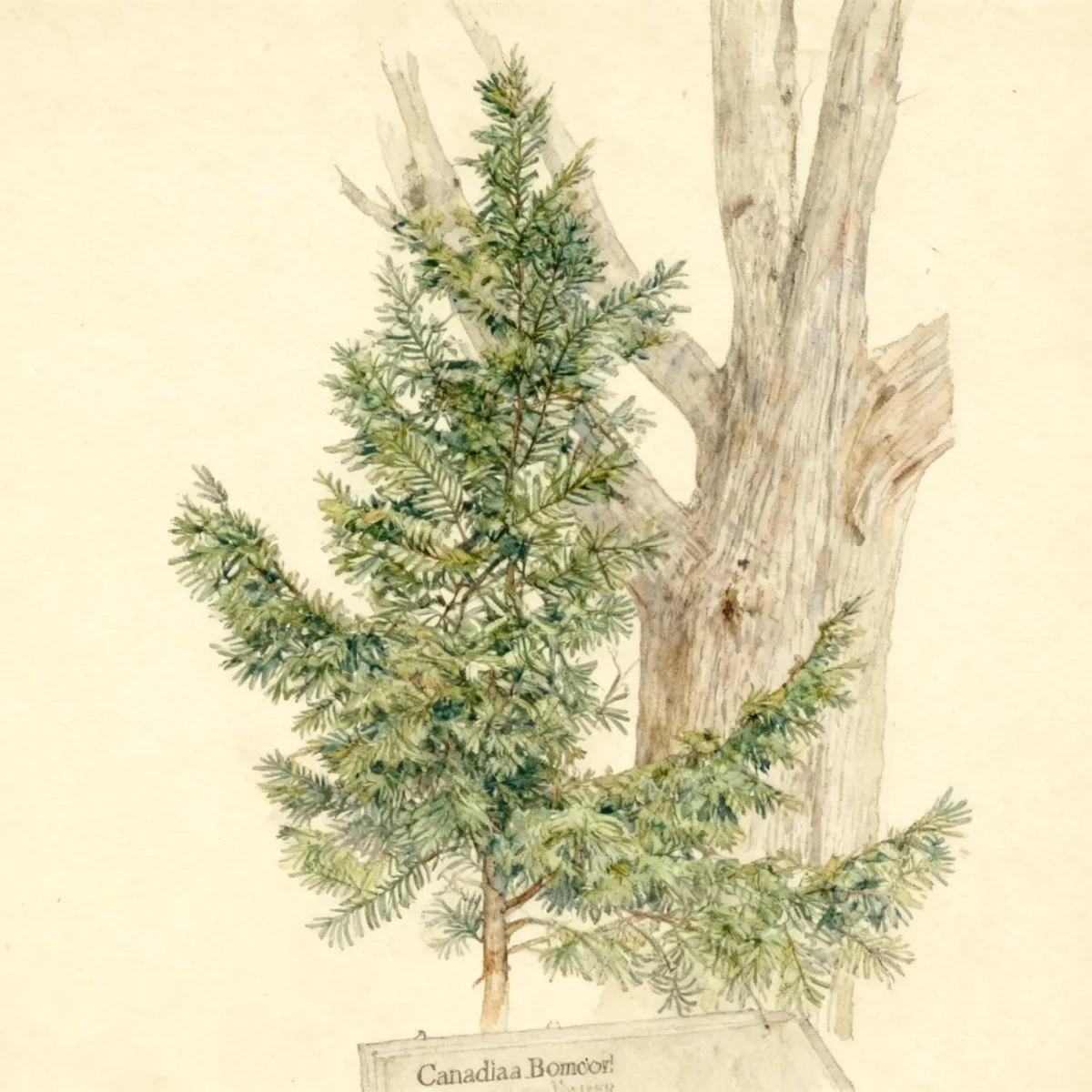
Japanese hemlock (Tsuga diversifolia)
The Japanese hemlock (Tsuga diversifolia) is a low-maintenance, needled evergreen perfect for shady woodland landscapes.
Scroll down to discover growing tips, care requirements, companion plants, and more
Complete Plant Information
Overview
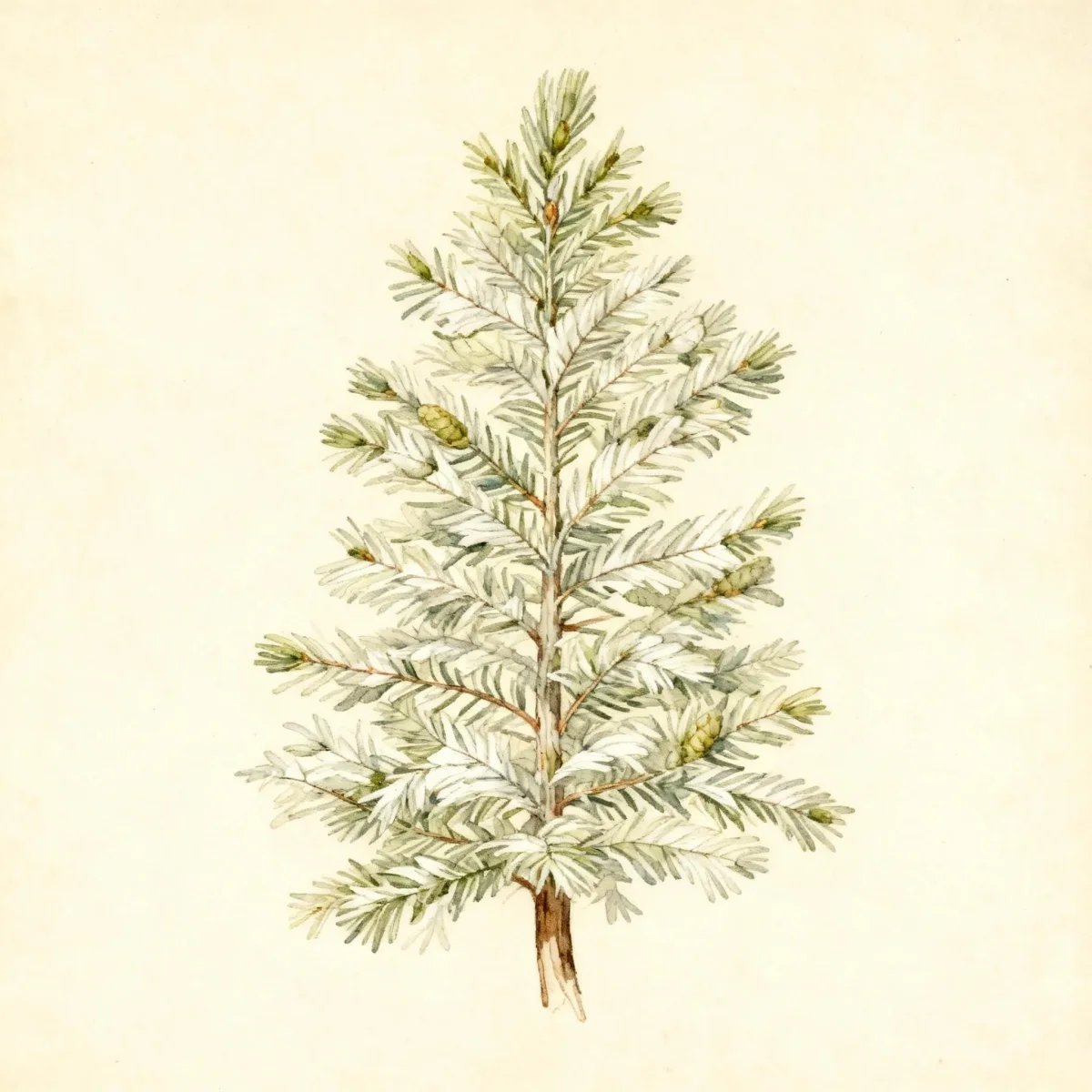
The Japanese hemlock, scientifically known as Tsuga diversifolia, offers rich, textural evergreen presence ideal for foundational plantings and woodland gardens. This species is valued for its ability to thrive in lower light conditions where many conifers struggle. Its structure generally remains pyramidal with a conical crown, providing year-round visual interest.
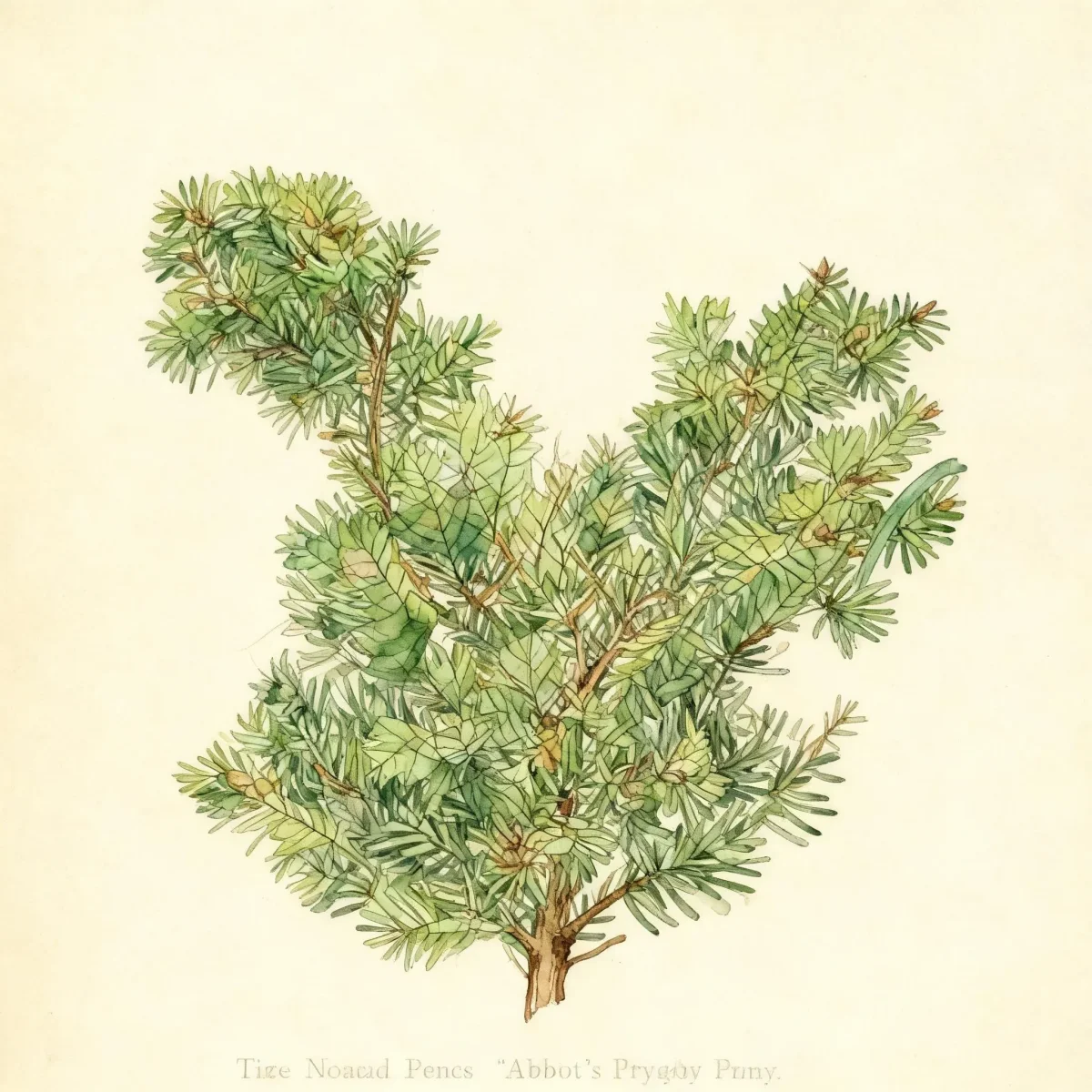
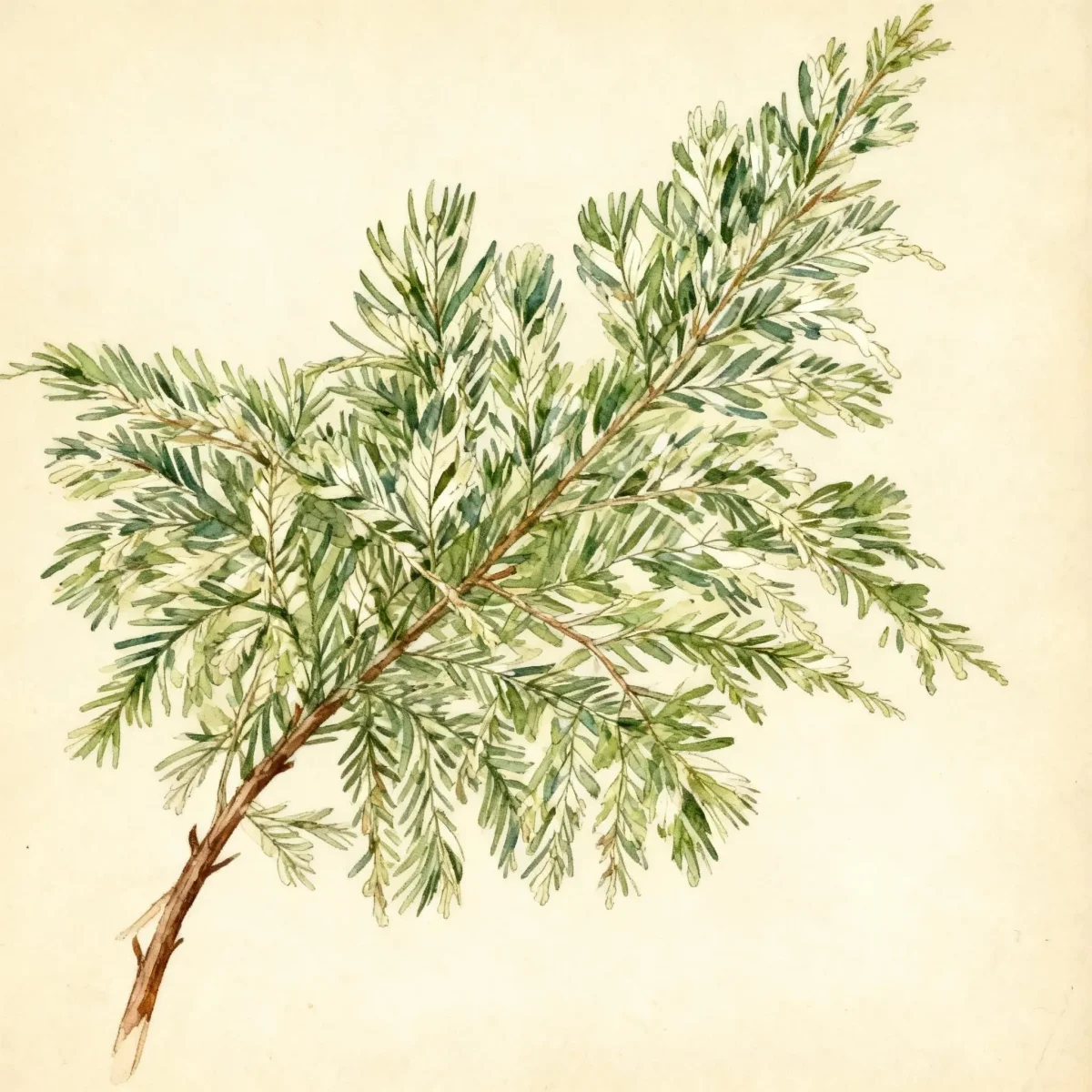
Cultivated Tsuga diversifolia usually maintains a modest size, rarely exceeding 40 feet, often taking on a dense, shrubby habit, making it adaptable for smaller properties. The small, dark green needles offer a delicate look contrasted by reddish-brown pubescent shoots and eventual orange-brown, fissured bark on mature specimens.
Valuable for its low maintenance needs and shade tolerance, the Japanese hemlock brings a touch of Asian garden elegance to temperate landscapes. For gardeners seeking reliable evergreen screening or specimen planting under a canopy, Tsuga diversifolia is an excellent, enduring choice.
Fast Facts
- Plant Family: Pinaceae
- Plant Type: Needled evergreen
- Native Range: Japan
- Hardiness Zones: USDA Zones 4-7
- Size at Maturity:
- Height: 30-40 ft
- Spread: 15-20 ft
- Bloom Time: Non-flowering
- Bloom Description: Non-flowering
- Sun Exposure: Part shade to full shade
- Water Needs: Medium
- Maintenance Level: Low
How to Grow
Planting the Japanese hemlock should ideally occur in spring or fall to allow the roots to establish before periods of extreme heat or cold. Select a site that offers moist, well-drained soils, mimicking the cool, woodland conditions native to its environment. While it prefers partial to full shade, Tsuga diversifolia can tolerate full sun if situated in the cooler northern reaches of its hardiness range (Zone 4).
Consistent moisture is crucial for the health of the Japanese hemlock. This tree is intolerant of drought, so regular watering is necessary, especially during dry spells and while the plant is young. Avoid planting in exposed areas where strong, drying winds might damage the foliage.
Maintenance for this species is generally low once established. Avoid heavy pruning unless necessary for shaping, as it prefers a natural, branching habit. Monitor for common conifer issues, although this specific hemlock exhibits good resistance to hemlock woolly adelgid (HWA).
Seasonal care revolves around managing moisture. Ensure the soil does not dry out completely during summer, and apply a layer of mulch to moderate soil temperatures and retain humidity around the root zone.
Landscape Uses
The recommended use for Tsuga diversifolia centers around providing year-round greenery in sheltered or shaded garden sections. As an excellent evergreen for shady areas, it softens the transition between lawn and woodland, offering a refined texture.
Due to its natural pyramidal shape, the Japanese hemlock functions beautifully as a formal specimen tree or integrated into mixed evergreen borders where varying heights and colors are desired. When young or pruned, it can serve well in taller foundation plantings near structures.
Consider pairing this species with shade-loving companion plants that contrast its dark green needles, such as hostas or ferns, to enhance the depth of your woodland design. The graceful habit of the Tsuga diversifolia lends itself well to Japanese-inspired garden vignettes.
Standout Features
Noteworthy Characteristics
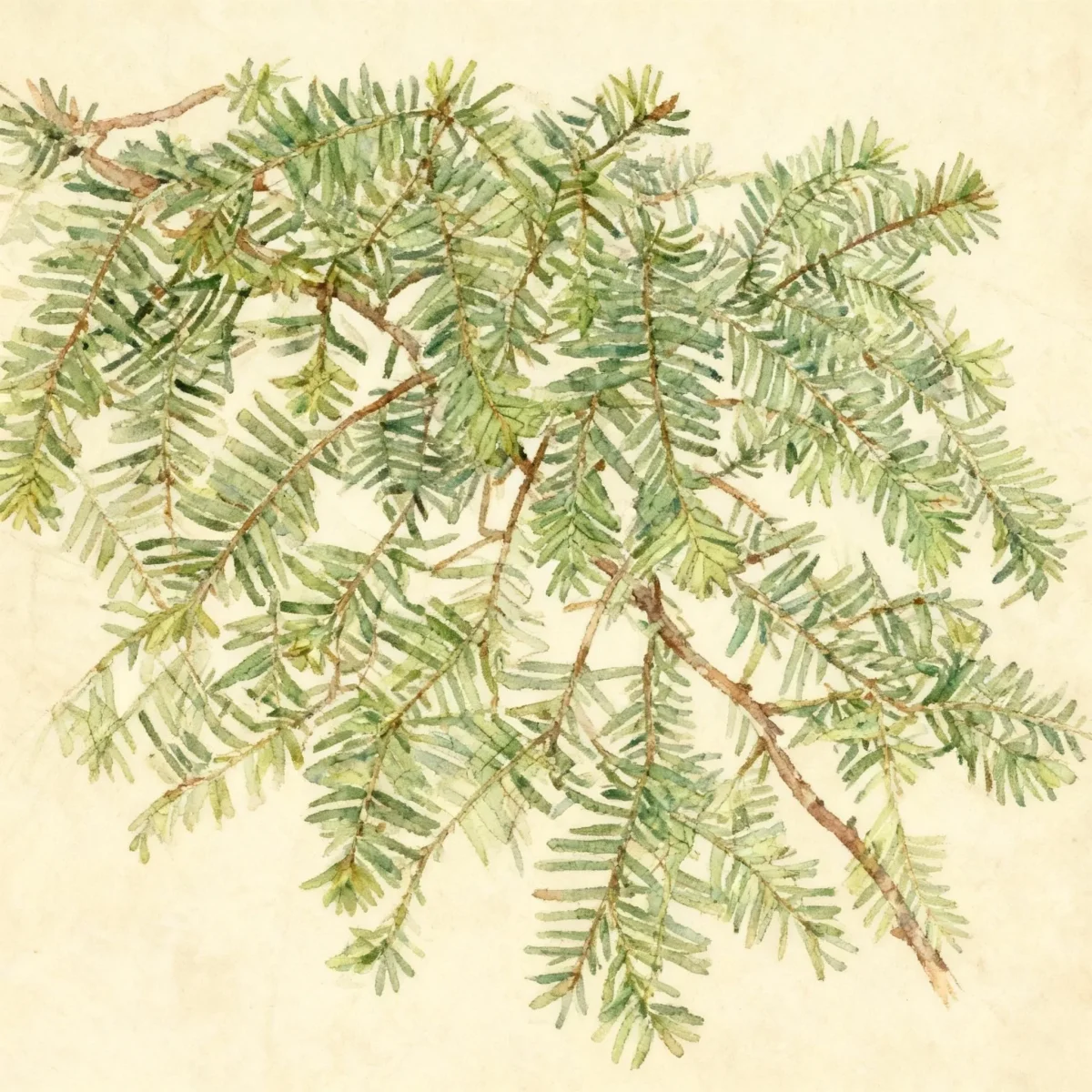
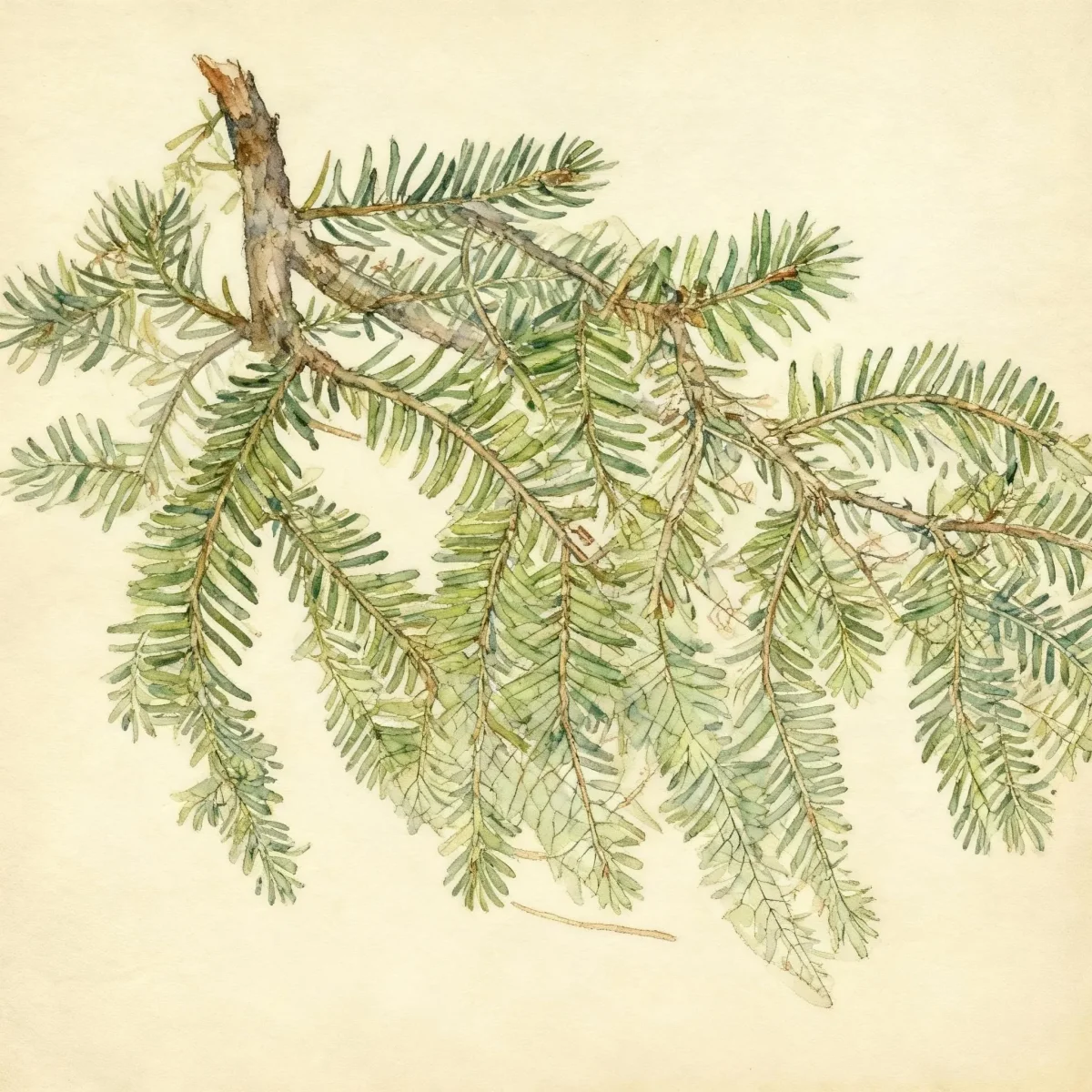
Tsuga diversifolia, commonly known as northern Japanese hemlock, is native to areas near tree line in northern Japan. In its native habitat, it typically grows to 30-90’ tall as a pyramidal tree with a conical crown; however, in cultivation, it rarely tops 40’ in height and often grows in a shrubby form. Small glossy dark green needles (to 3/8” long) are furrowed above, have an indentation at the tip, and display two white stomatal bands underneath. The genus name Tsuga is derived from the Japanese name for trees in this genus, while the specific epithet means diversely leaved.
Tolerances
- Heavy Shade
Potential Problems
A healthy Japanese hemlock grown in ideal conditions typically faces few significant threats. However, gardeners should remain aware of potential issues common to the Tsuga genus. Diseases like needle blight can cause needles to yellow and die, while canker, rusts, and rots can affect branches or the trunk if conditions are too wet or poorly ventilated.
Insect pests such as bagworms, borers, leaf miners, sawflies, and spider mites may occasionally infest the foliage or wood. Immediate action upon identification is key to managing infestations. Foliage can also suffer scorching if exposed to extremely hot, direct summer sun, emphasizing the need for afternoon shade.
Fortunately, this species shows resistance to the highly destructive hemlock woolly adelgid (HWA), providing a significant advantage over some other hemlock varieties. Proper cultural care—ensuring adequate moisture without waterlogging—is the best defense against most problems affecting Tsuga diversifolia.
Frequently Asked Questions
What hardiness zones is Japanese hemlock suitable for?
The Japanese hemlock (Tsuga diversifolia) is reliably hardy across USDA Zones 4 through 7.
How large does Japanese hemlock grow?
At maturity, you can expect the Tsuga diversifolia to reach heights between 30 and 40 feet, with a spread consistently ranging from 15 to 20 feet.
What sun exposure does Japanese hemlock need?
This conifer thrives best in part shade to full shade, making it an excellent choice for lower light areas in the garden.
When does Japanese hemlock bloom?
Tsuga diversifolia is a non-flowering needled evergreen; it does not produce traditional flowers or ornamental blooms.
Conclusion
The Tsuga diversifolia is a valuable asset for gardeners seeking a robust, low-maintenance evergreen capable of thriving in shaded environments. Its refined texture and deep green foliage provide consistent structure throughout the year, enhancing any woodland or private border design. Before planting, ensure your site falls within USDA Zones 4–7 and offers the required moist, well-drained soil that protects this beautiful Japanese hemlock.
Companion Planting
When pairing plants with the Tsuga diversifolia, focus on species that share similar cultural requirements for moisture and shade tolerance. This creates a cohesive planting area that supports the health of the entire ensemble. Excellent companions include acid-loving rhododendrons and azaleas, which appreciate the dappled light filtering through the hemlock canopy.
Groundcovers that spread well in shade, such as pachysandra or vinca, look particularly effective nestled beneath the low-hanging branches of a mature Japanese hemlock. For textural contrast, incorporate ferns, especially large varieties like the Japanese painted fern, or various shade-tolerant Hakonechloa grasses near the drip line.
Since Tsuga diversifolia is resistant to HWA, avoid planting highly susceptible hemlock relatives nearby unless you commit to aggressive monitoring and preventative treatments for those plants. Focus instead on other acid-tolerant evergreens like yews or Japanese holly for multi-season interest near your hemlock.
Design Ideas for Shady Corners
The natural, slightly looser form of Tsuga diversifolia allows it to break up formal lines in a landscape while still providing necessary screening. Utilize its moderate size to create informal, private screen hedges where taller trees might overwhelm a space or block too much light. Planted as a single specimen, it draws the eye upward, especially when sited near a path or near the edge of a woodland opening.
In foundation planting, use smaller, naturally shrubby specimens of the Japanese hemlock along the north side of a house or structure that only receives indirect light. The dense branching habit, even in the shade, offers a substantial anchor point for smaller shade perennials that bloom early or late in the season when the hemlock’s deep green is most impactful.
For mass plantings, space the trees according to their mature spread (15–20 ft apart) to allow air circulation, which helps mitigate fungal issues. The overall effect of a grouping of Tsuga diversifolia is reminiscent of the cool, mossy forests of its native Japan.