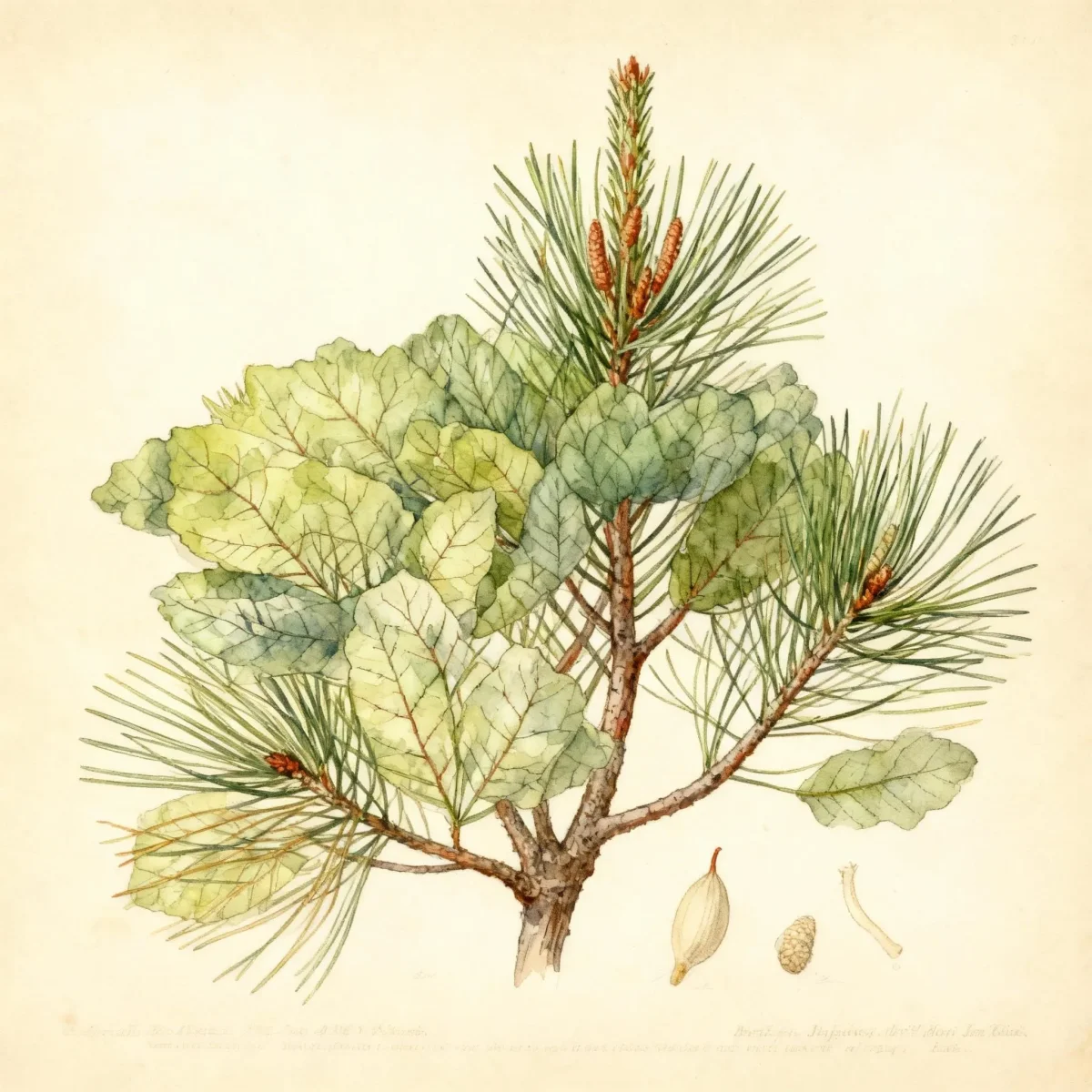
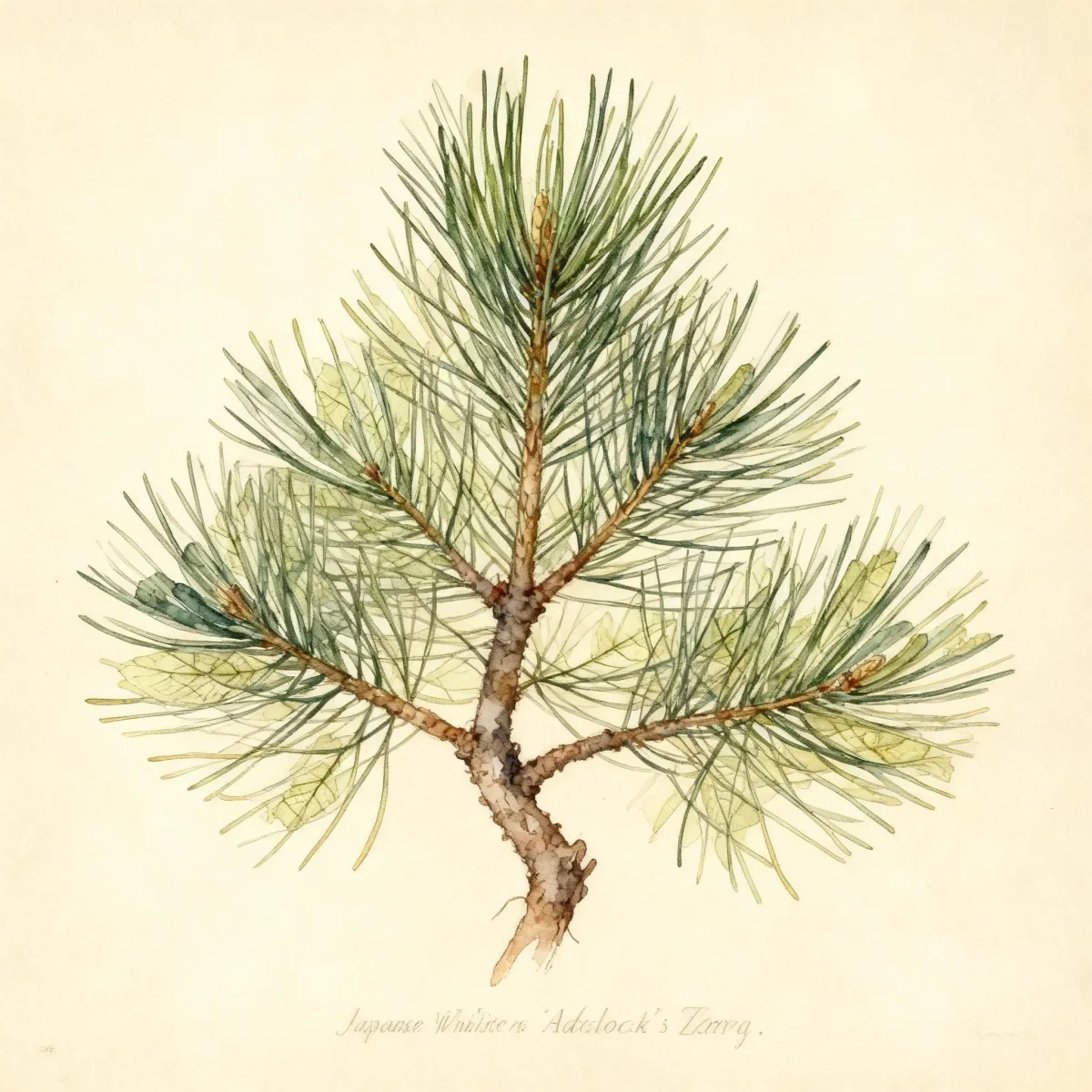
Chinese pine (Pinus tabuliformis)
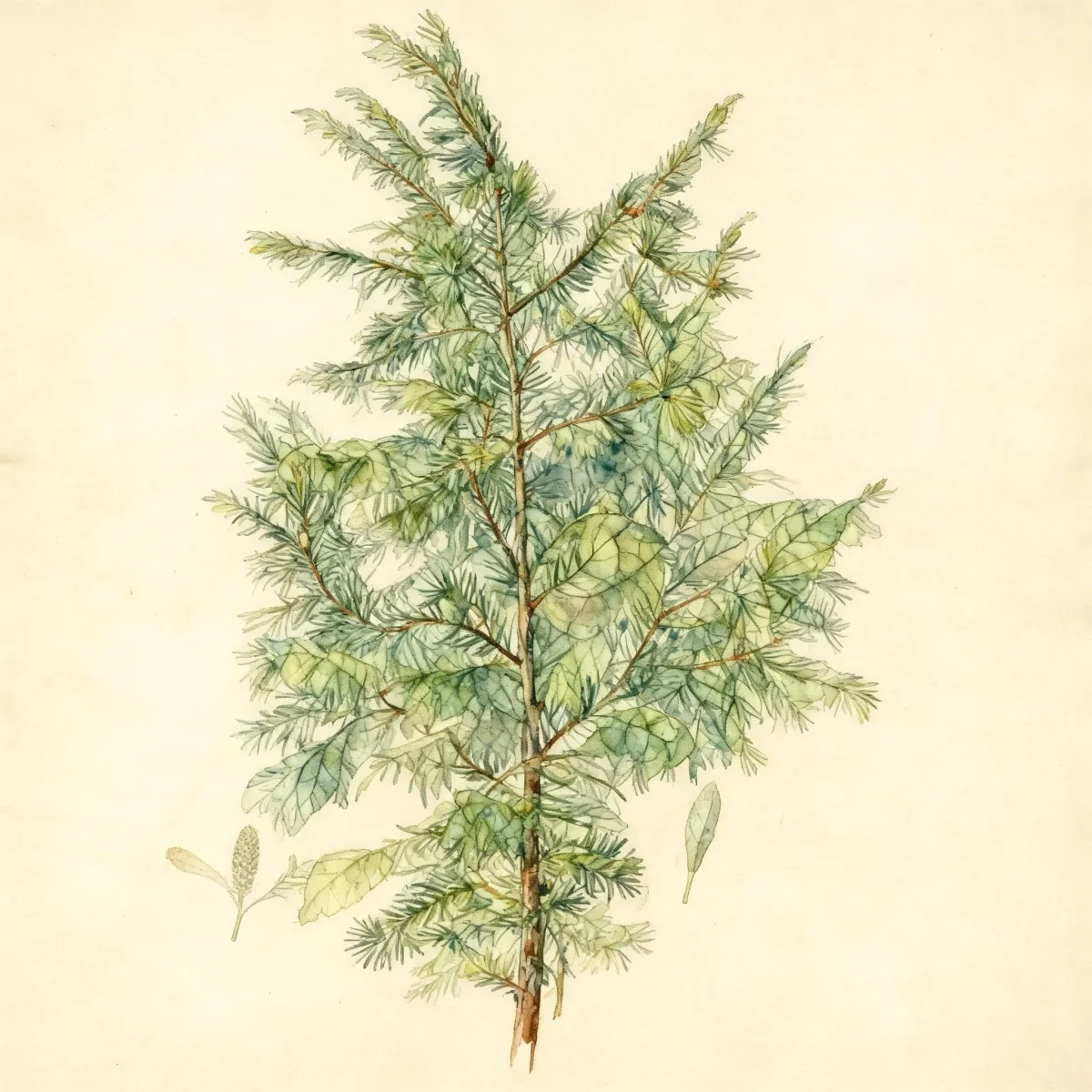
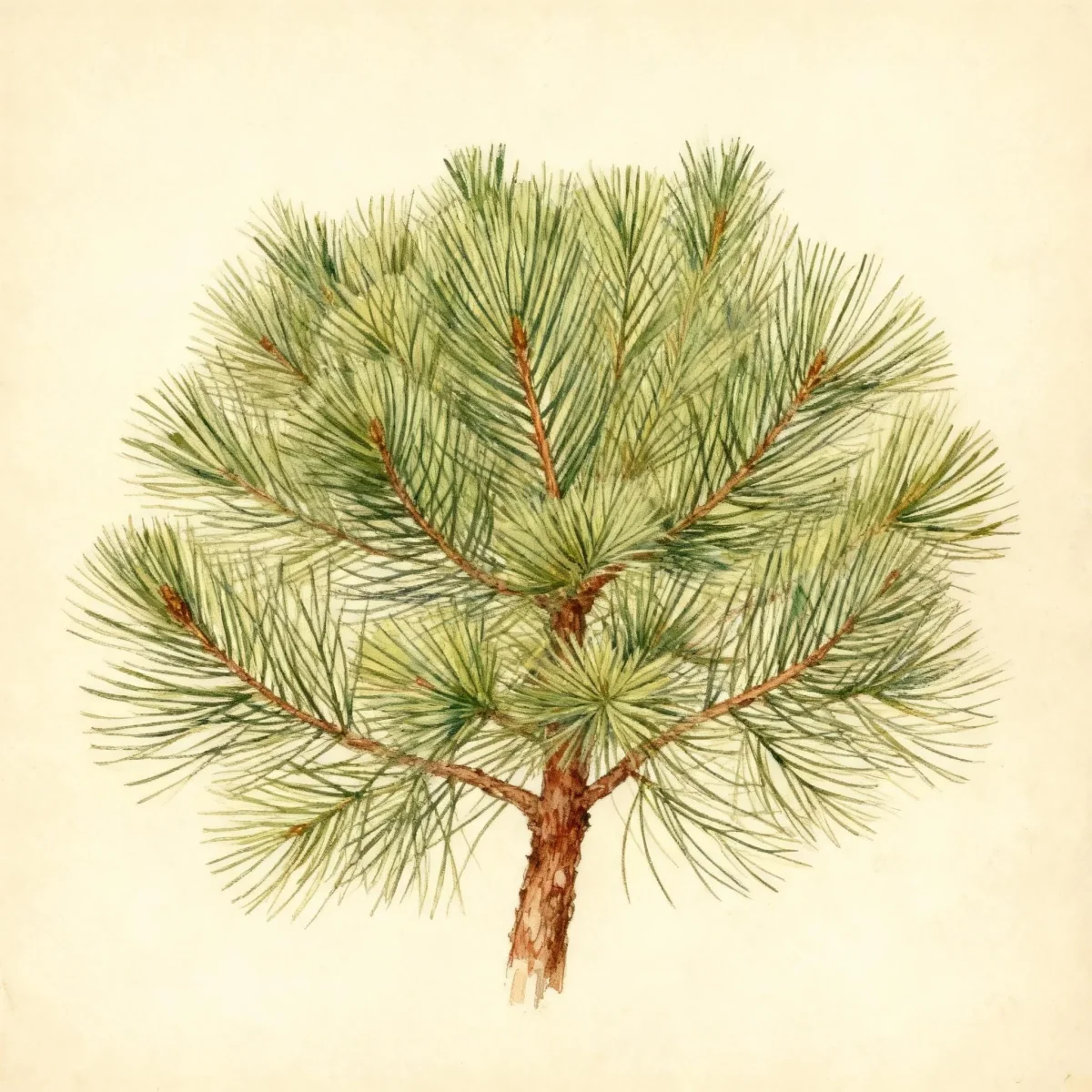
Chinese pine (Pinus tabuliformis) is a conical evergreen valued for its 6-inch dark green needles and distinctive table-like crown structure.
Scroll down to discover growing tips, care requirements, companion plants, and more
Complete Plant Information
Overview
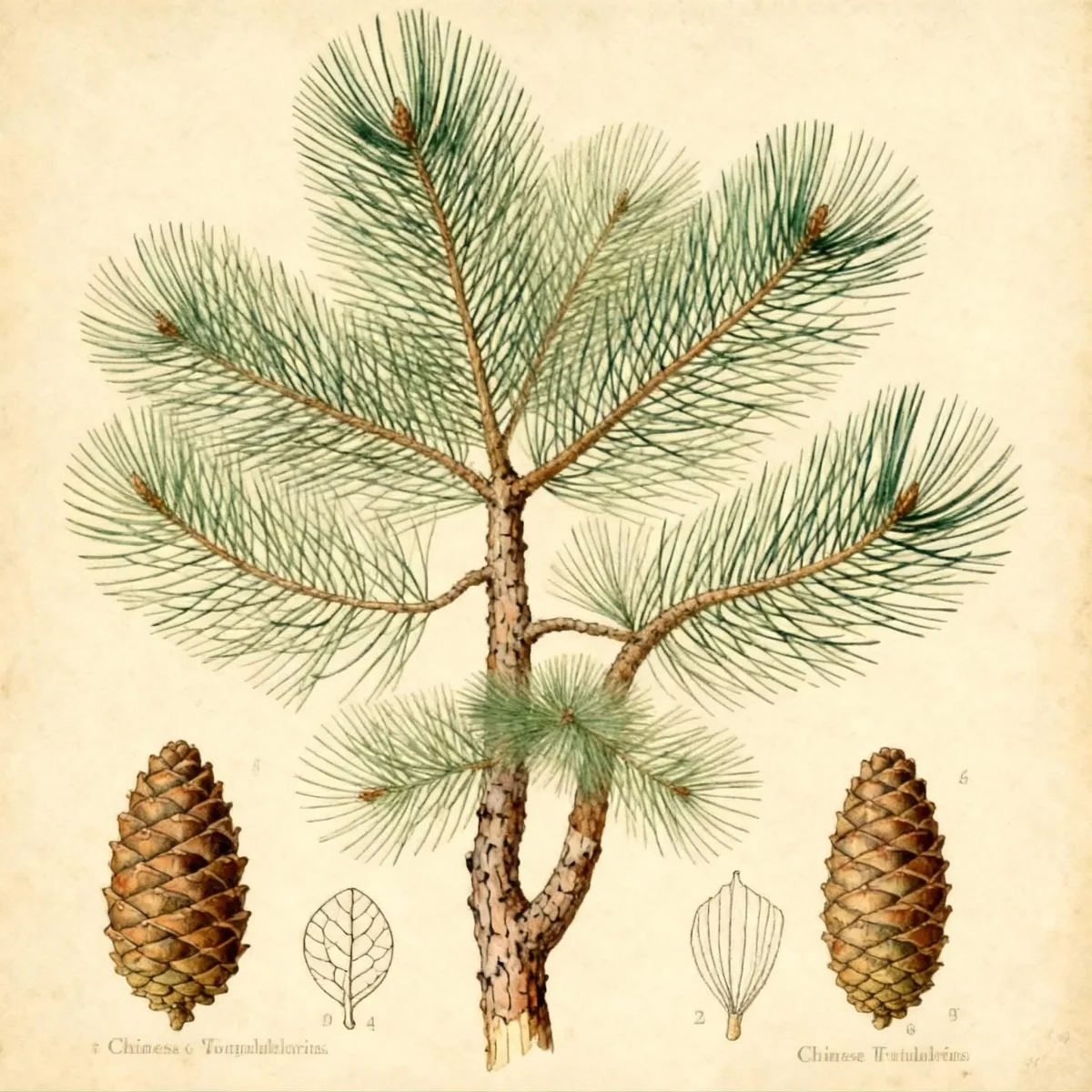
The Chinese pine, scientifically known as Pinus tabuliformis, is a handsome, conical evergreen notable for its structure and texture. Native to northern China and Korea, this pine provides excellent year-round interest in the landscape, maturing into a tree characterized by a somewhat flattened, table-like crown—a feature referenced by its specific epithet, tabuliformis. Gardeners value the Chinese pine for its contrasting needles and bark features visible on mature specimens.
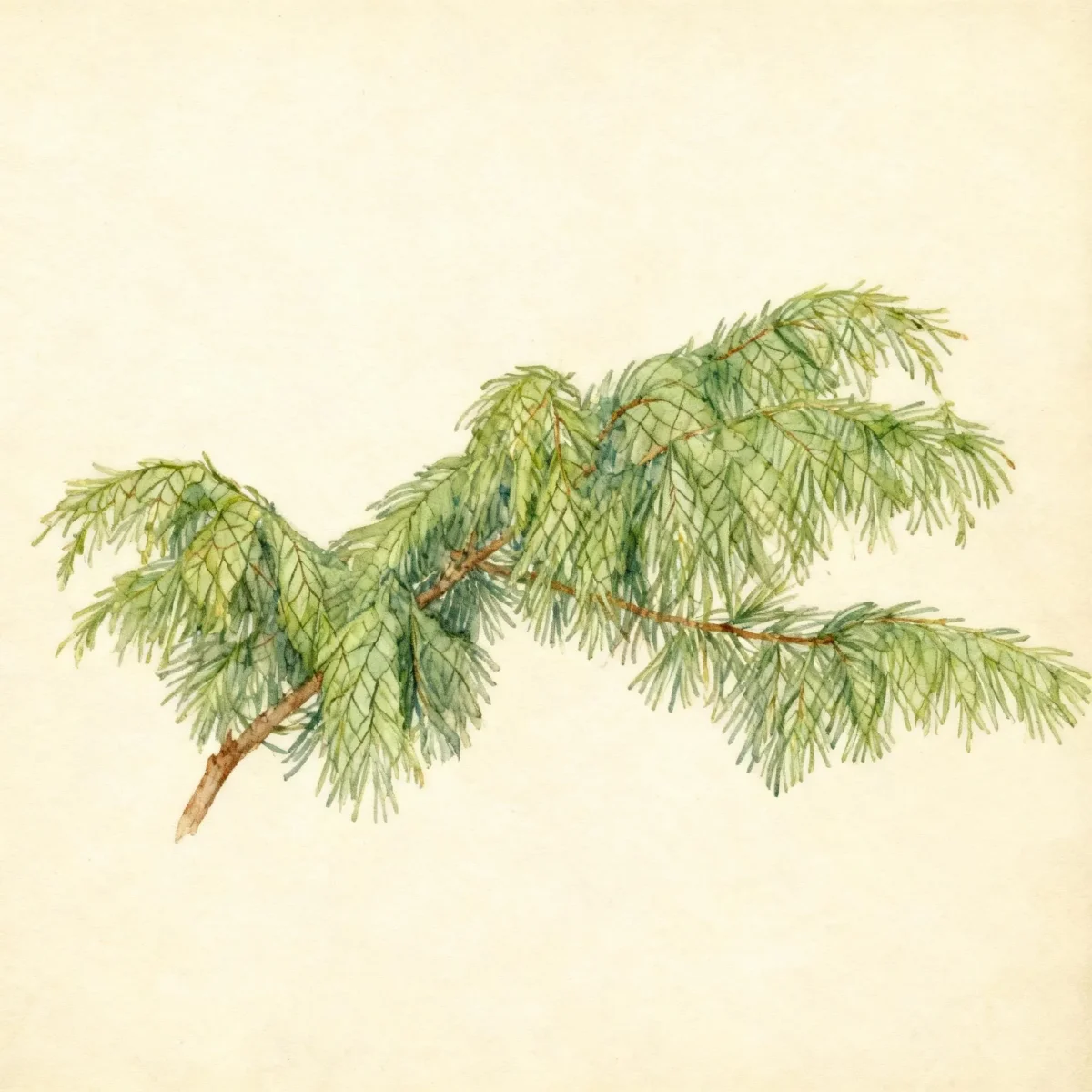
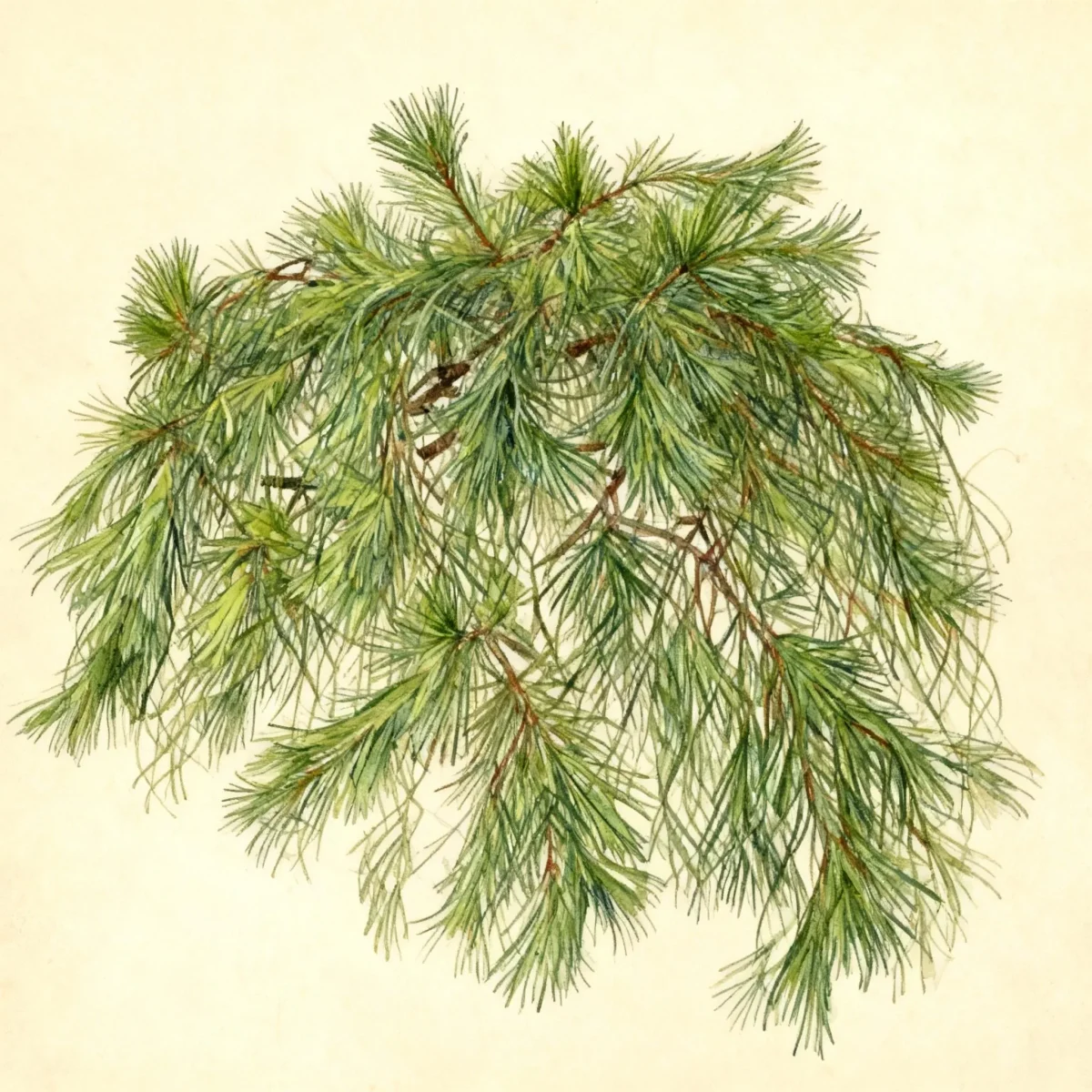
This species typically reaches heights between 30 and 50 feet in cultivation, offering substantial, yet manageable, vertical presence. The attractive, dark green needles, which are up to 6 inches long and borne in fascicles of two or three, create a dense yet appealing canopy. Successful cultivation of Pinus tabuliformis hinges on providing ample sunlight and ensuring excellent soil drainage.
Mature specimens of this Chinese pine develop richly textured bark; notice the dark gray, fissured bark stabilizing the lower trunk, contrasting with the reddish-scaled bark appearing higher in the crown. For gardeners seeking a substantial evergreen specimen that offers architectural interest, the Chinese pine is a worthy choice, provided local conditions align with its USDA Zones 5-7 requirements.
Fast Facts
- Plant Family: Pinaceae
- Plant Type: Needled evergreen
- Native Range: Northern China, Korea
- Hardiness Zones: USDA Zones 5-7
- Size at Maturity:
- Height: 30-50 ft
- Spread: 15-20 ft
- Bloom Time: Non-flowering
- Bloom Description: Non-flowering
- Sun Exposure: Full sun
- Water Needs: Medium
- Maintenance Level: Medium
How to Grow
Planting the Chinese pine should ideally occur when the tree is dormant, typically in early spring or fall, allowing the root system to establish before seasonal extremes. The most critical cultural requirement for Pinus tabuliformis is excellent drainage; these trees thrive in fertile, well-drained soils. While they require full sun exposure for optimal density and vigor, they can tolerate some light afternoon shade, although this may thin the canopy slightly.
Watering should be consistent, particularly during the first few growing seasons after planting, to encourage deep root development. Once established, the Chinese pine requires only medium water inputs, typically needing supplemental irrigation only during extended dry periods. Avoid overly wet soil conditions, as standing water is particularly detrimental to pine health.
Maintenance for this species is generally straightforward. Fertilizing is rarely necessary unless growth is severely stunted or the soil is proven deficient in a professional analysis. Pruning, if required, should focus on removing deadwood or correcting structural issues while growth is active, preserving the tree’s natural shape. Be mindful not to prune heavily into old wood, which may not readily back-bud.
Landscape Uses
The primary recommendation for Pinus tabuliformis in residential and commercial settings is as a specimen pine. Its strong conical form when young, transitioning to that distinctive flattened crown, makes it an excellent focal point in open lawns or large foundation plantings where its texture and form can be fully appreciated. The robust size potential of the Chinese pine dictates that it should be sited far from structures or utility lines.
As an architectural anchor, the Chinese pine pairs well visually with broadleaf evergreens or deciduous shrubs that offer contrasting textures in the summer, such as large hydrangeas or flowering dogwoods. Its year-round presence ensures visual structure during winter months when other plants are dormant. Site it where mature bark features can be observed up close, enhancing the viewing experience throughout the year.
Standout Features
Noteworthy Characteristics
Pinus tabuliformis, commonly called Chinese pine, is a conical evergreen pine that is native to northern China. It typically grows to 50-70’ tall in its native habitat, but is usually seen much smaller in cultivation. It tends to develop a somewhat flattened and spreading crown with age, hence the specific epithet of tabuliformis (table-shaped). Needles (to 6” long) in bundles of two (sometimes three) are an attractive dark green. Oval, brown cones to 3.5” long. Mature trees have reddish-scaled bark in the crown and fissured, dark gray bark near the ground.
Tolerances
- Deer
Potential Problems
Healthy, well-maintained trees usually have few major problems, especially in ideal native environments. However, in boundary areas of its range, these trees may struggle where environmental conditions do not favor most conifers, such as areas with heavy, saturated clay soils or extreme heat combined with high humidity. Ensure proper siting concerning soil drainage to mitigate root-related issues. Fungal diseases specific to pines, like pine pitch canker or rusts, should be monitored; prompt removal of infected branches can prevent spread.
Frequently Asked Questions
What hardiness zones is Chinese pine suitable for?
The Chinese pine (Pinus tabuliformis) thrives in USDA Hardiness Zones 5 through 7.
How large does Pinus tabuliformis grow?
At maturity, Pinus tabuliformis typically reaches heights between 30 and 50 feet, with a spread of 15 to 20 feet.
What sun exposure does Chinese pine need?
This conifer requires full sun exposure to perform best, though it can tolerate a bit of light shade in the afternoon.
When does Pinus tabuliformis bloom?
As a pine, Pinus tabuliformis is non-flowering; it produces cones instead of traditional flowers.
Conclusion
The Pinus tabuliformis, or Chinese pine, brings enduring structure, attractive dark green needles up to 6 inches long, and unique mature bark features to the landscape. Its stature makes it an excellent specimen tree, provided it receives the full sun and well-drained soil it demands. Before planting this handsome evergreen, confirm that your location falls within USDA Zones 5 to 7 to ensure many years of robust growth.
Companion Planting
When designing a space around your Pinus tabuliformis, select companions that appreciate similar conditions: full sun and sharp drainage. Deciduous trees noted for excellent fall color, such as Japanese Maples (especially dwarf varieties planted well clear of the pine’s mature drip line), offer a superb seasonal contrast to the evergreen needles. For understory interest, consider low-growing, drought-tolerant perennials that don’t mind competition from shallow tree roots once established.
Consider groundcovers that can handle partial shade cast by the developing canopy, such as pachysandra or various creeping junipers, though ensure the latter species do not become overly aggressive near the base of the larger pine. In drier, sunnier areas, ornamental grasses that offer fine texture—like certain varieties of Fescue—complement the coarse texture of the pine bark and needles beautifully.
Seasonal Care Calendar
Spring is the best time to assess the vigor of your Chinese pine following winter dormancy. If necessary, this is the ideal period for applying a slow-release, balanced fertilizer around the drip line (not directly against the trunk) before active growth begins. Inspect for winter injury or any signs of insect activity before the canopy fully encapsulates the interior branches.
Summer care centers almost entirely on water management. Although medium water needs are standard, prolonged summer droughts in Zones 5 or 6 will require deep, infrequent watering sessions to keep the root zone adequately moist without encouraging root rot. Avoid overhead watering late in the day, which can encourage fungal issues on the dense needles of the Pinus tabuliformis.
In the fall, as temperatures decrease, growth will slow. Rake away any heavy leaf accumulation from surrounding deciduous trees away from the base of the pine to promote good air circulation around the trunk. Winter preparation is generally minimal for this hardy species, though young specimens may benefit from wrapping the trunk for the first two winters to prevent sunscald, especially if the planting site is exposed to strong western sun reflecting off snow.