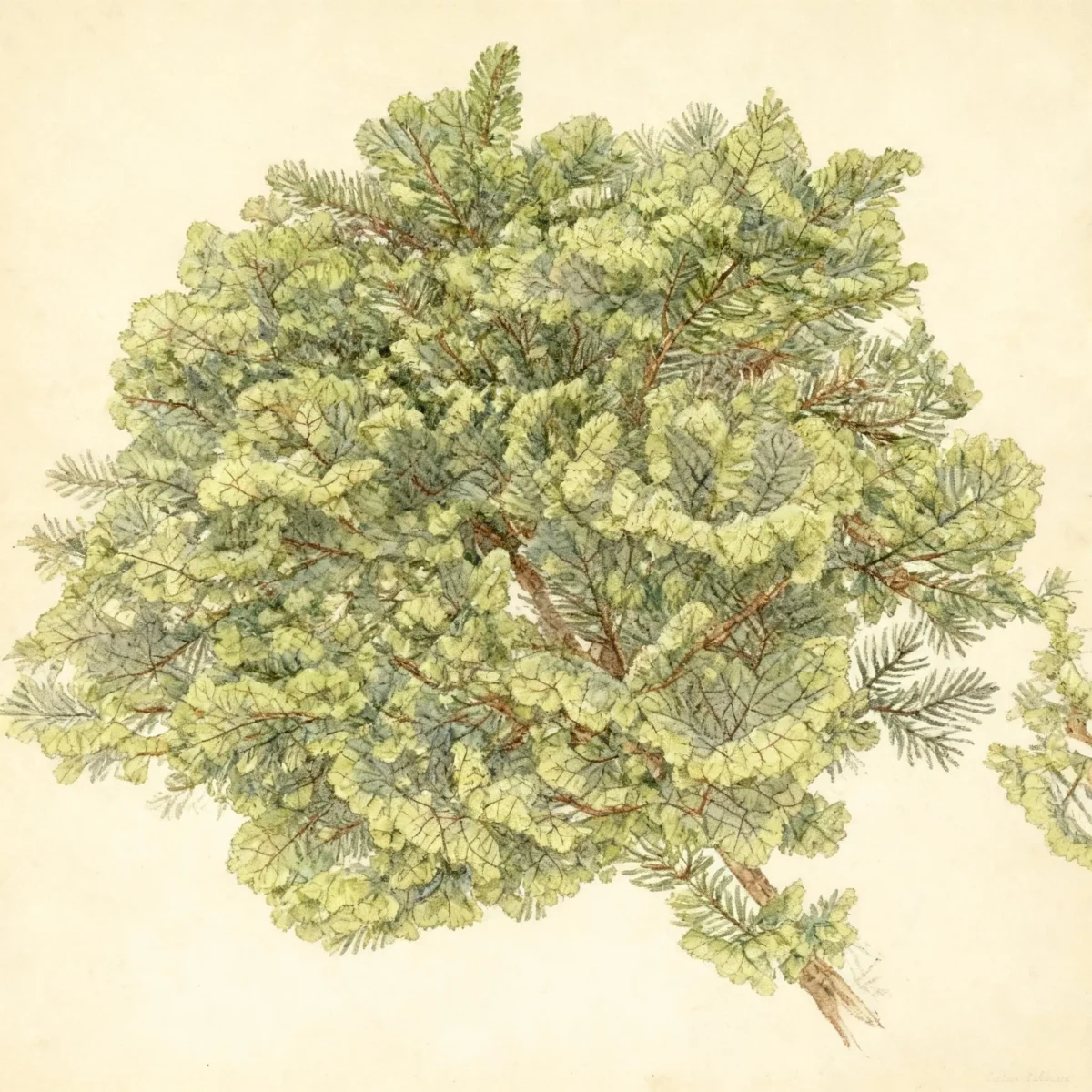
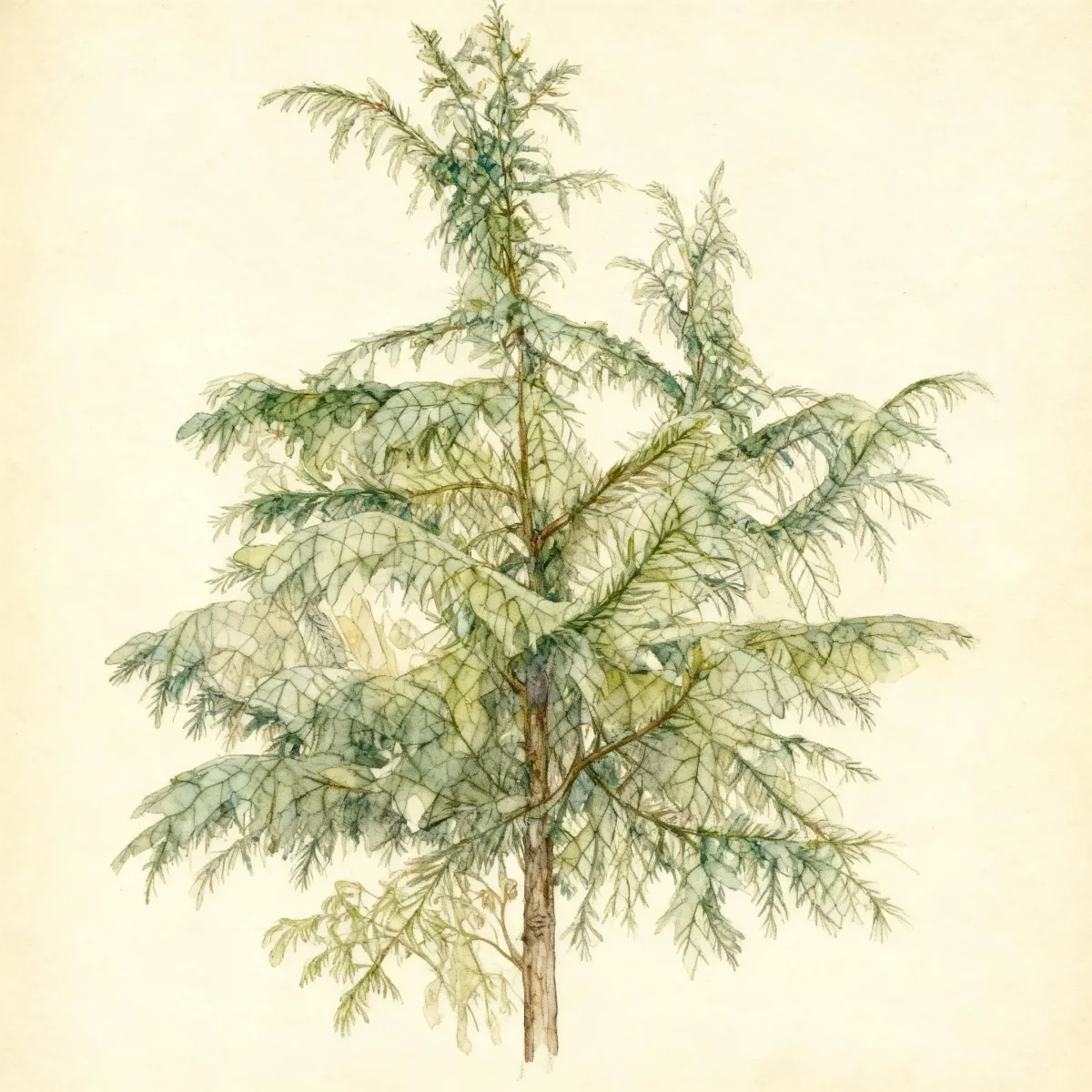
Spanish fir (Abies pinsapo)
The Spanish fir (Abies pinsapo) is a narrow, slow-growing evergreen native to Southern Spain, valued for its unique dark green needles.
Scroll down to discover growing tips, care requirements, companion plants, and more
Complete Plant Information
Overview
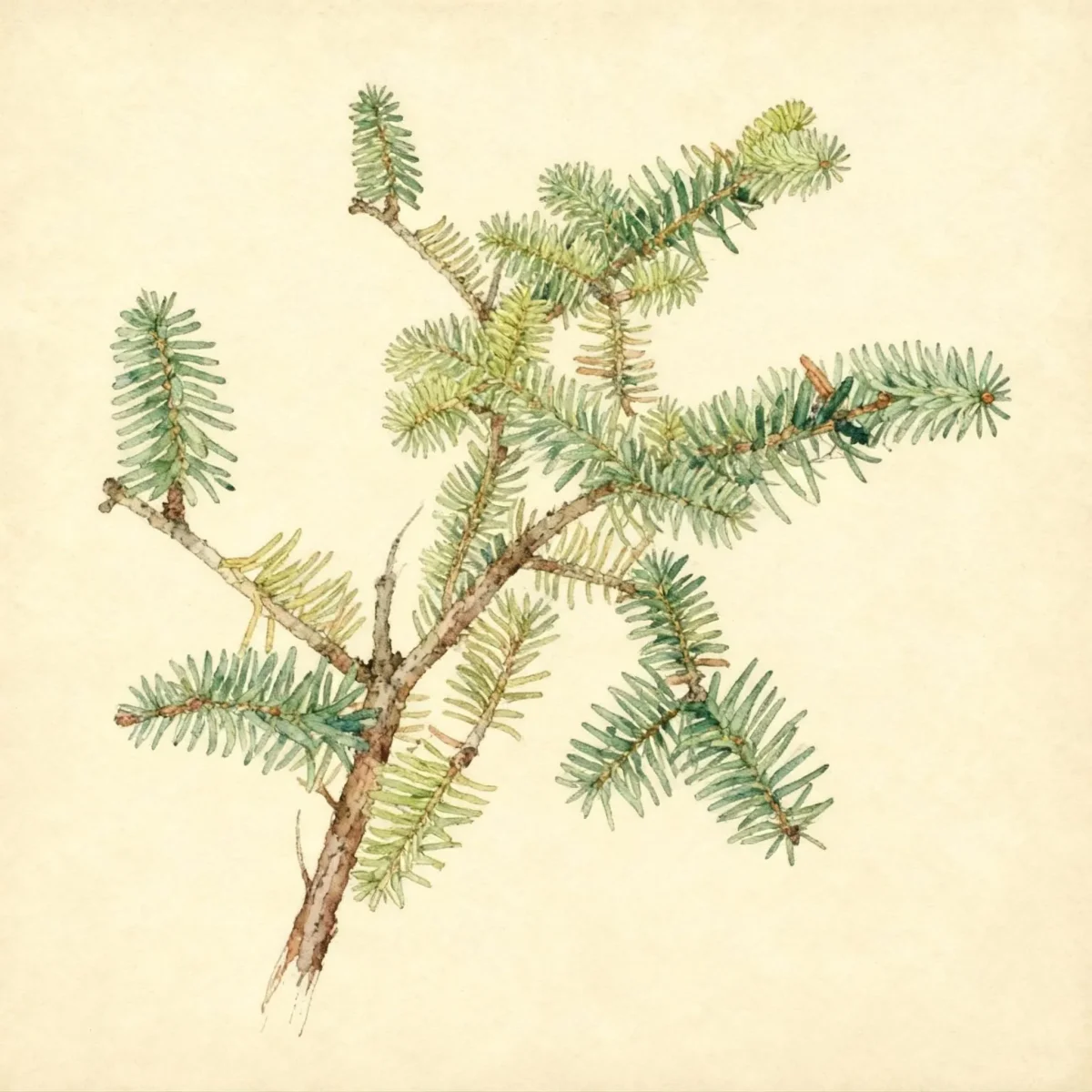
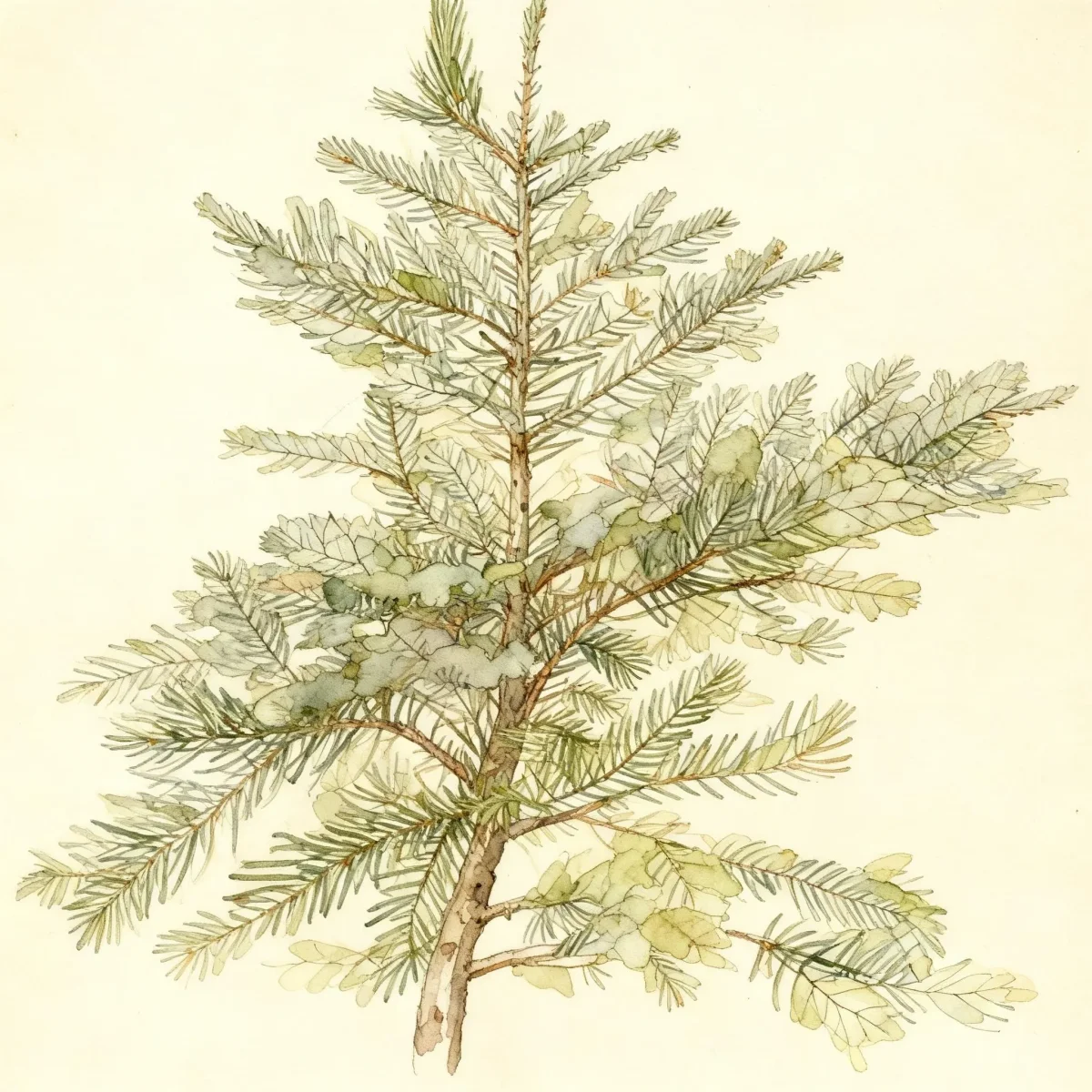
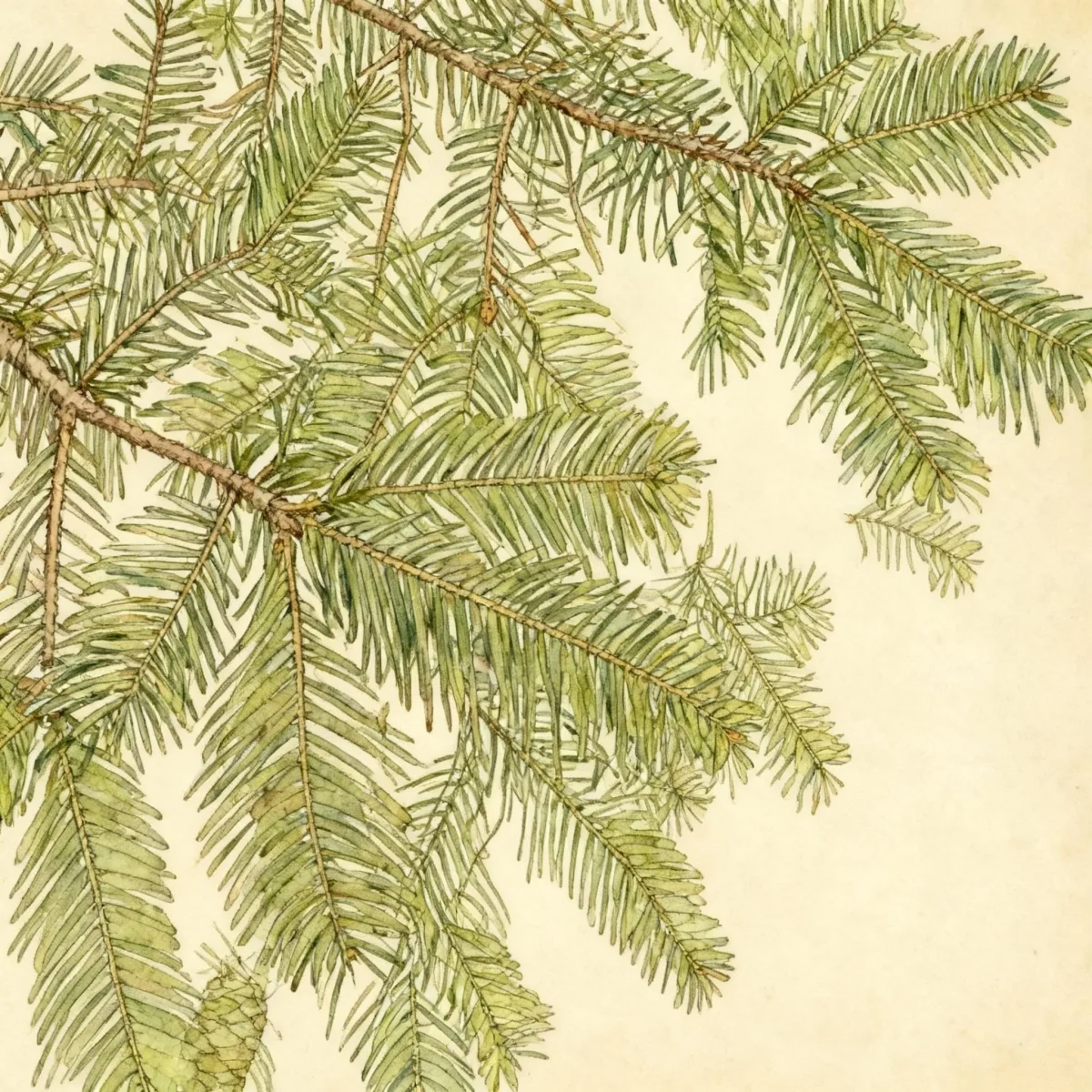
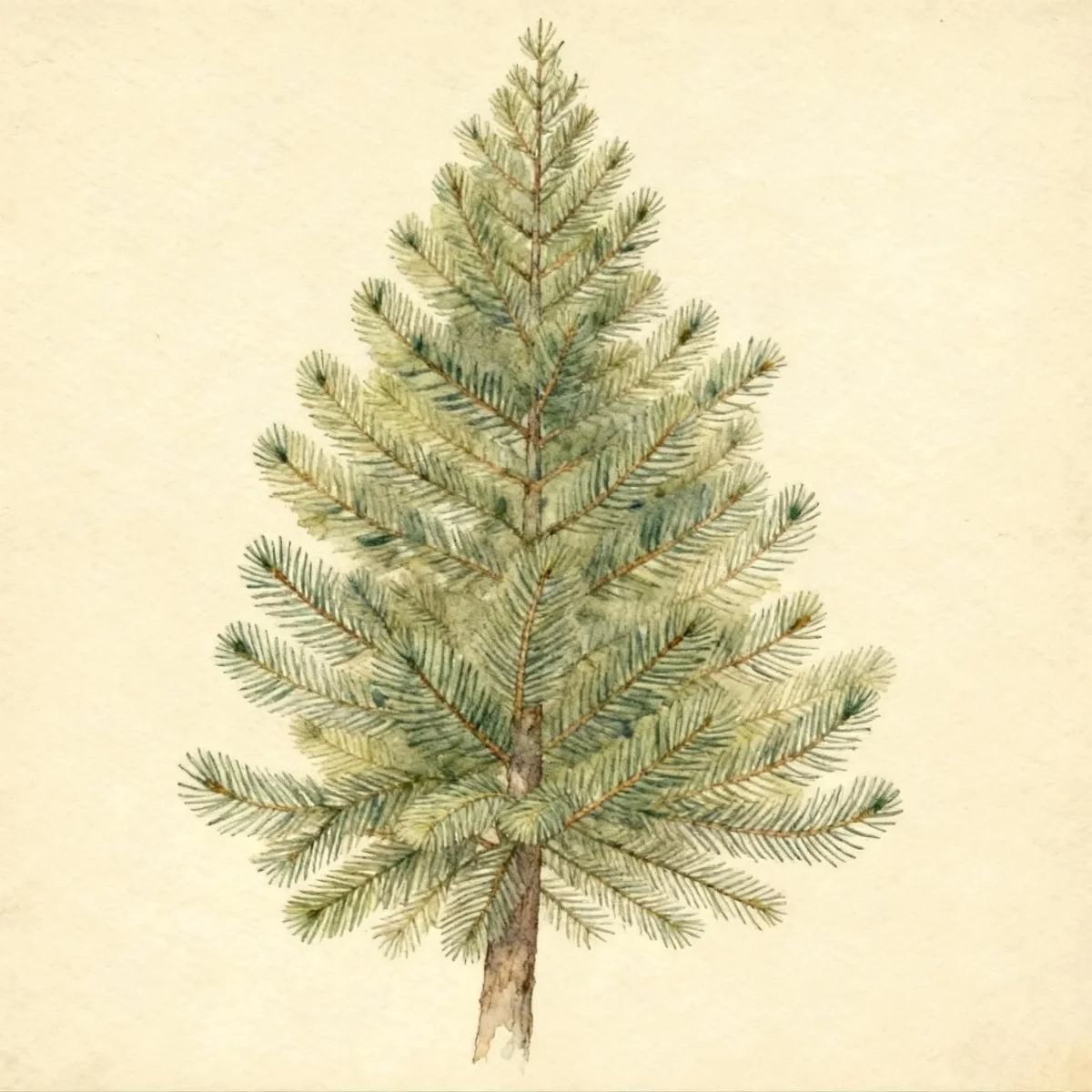
The Spanish fir (Abies pinsapo) presents a unique architectural shape desirable for large landscape designs. This slow-growing, native conifer from the mountains of Southern Spain develops a somewhat narrow, broad pyramidal form, easily reaching significant heights over time. Its defining feature is the radially arranged, short, rigid, dark green needles that offer excellent texture contrast against other plantings.
As a true fir, this specimen is non-flowering, focusing its energy on developing its mature, upright cones which eventually disintegrate on the branches. The tree is quite tough for a fir, having evolved on dry mountain slopes, although gardeners should note it is not reliably hardy below USDA Zone 6. Planting an Abies pinsapo provides year-round evergreen interest, making it a stately feature specimen.
Fast Facts
- Plant Family: Pinaceae
- Plant Type: Needled evergreen
- Native Range: Southern Spain
- Hardiness Zones: USDA Zones 6-7
- Size at Maturity:
- Height: 50-75 ft
- Spread: 15-30 ft
- Bloom Time: Non-flowering
- Bloom Description: Non-flowering
- Sun Exposure: Full sun to part shade
- Water Needs: Medium
- Maintenance Level: Medium
How to Grow
Planting the Abies pinsapo is best achieved in spring or fall, allowing the tree to establish roots before facing extreme summer heat or winter cold. It thrives best in moderately rich, well-drained soils that maintain medium moisture levels, though it appreciates full sun for the best density. This species demonstrates surprising tolerance for neutral to slightly alkaline soils, unlike some other firs. However, avoid heavy clay soils, as they inhibit necessary drainage.
Watering should be consistent, especially during the first few years after planting to encourage deep root establishment; look for a medium water routine typical of maturing conifers. While generally low maintenance, monitor for common fir pests as noted below. Due to its eventual height and structure, pruning should be minimal and focused only on removing dead or damaged wood, maintaining its natural appearance.
Because the Spanish fir originates from elevated, comparatively drier mountain slopes, established specimens show better tolerance for hot, dry spells than many other fir species. Providing adequate air circulation is key, keeping it away from urban pollution sources where it may struggle. Ensure planting locations honor its mature size and do not place it where winter winds or frost penetrate Zone 5 conditions.
Landscape Uses
The Spanish fir is primarily utilized as an outstanding, interesting landscape specimen, valued significantly for its distinctive needle texture and attractive, dense shape that typically extends branching right to the ground. Its slow growth rate means it can serve as a visual anchor in a garden for decades before fully overwhelming the space.
Consider planting the Abies pinsapo as a stately, solitary focal point in a large lawn or a mixed evergreen border where its rigid branch structure can be appreciated against softer foliage. Because it tolerates sun exposure ranging from full to high shade, it can fill niche spots where other large conifers might struggle with light requirements, provided soil drainage remains excellent.
Standout Features
Noteworthy Characteristics
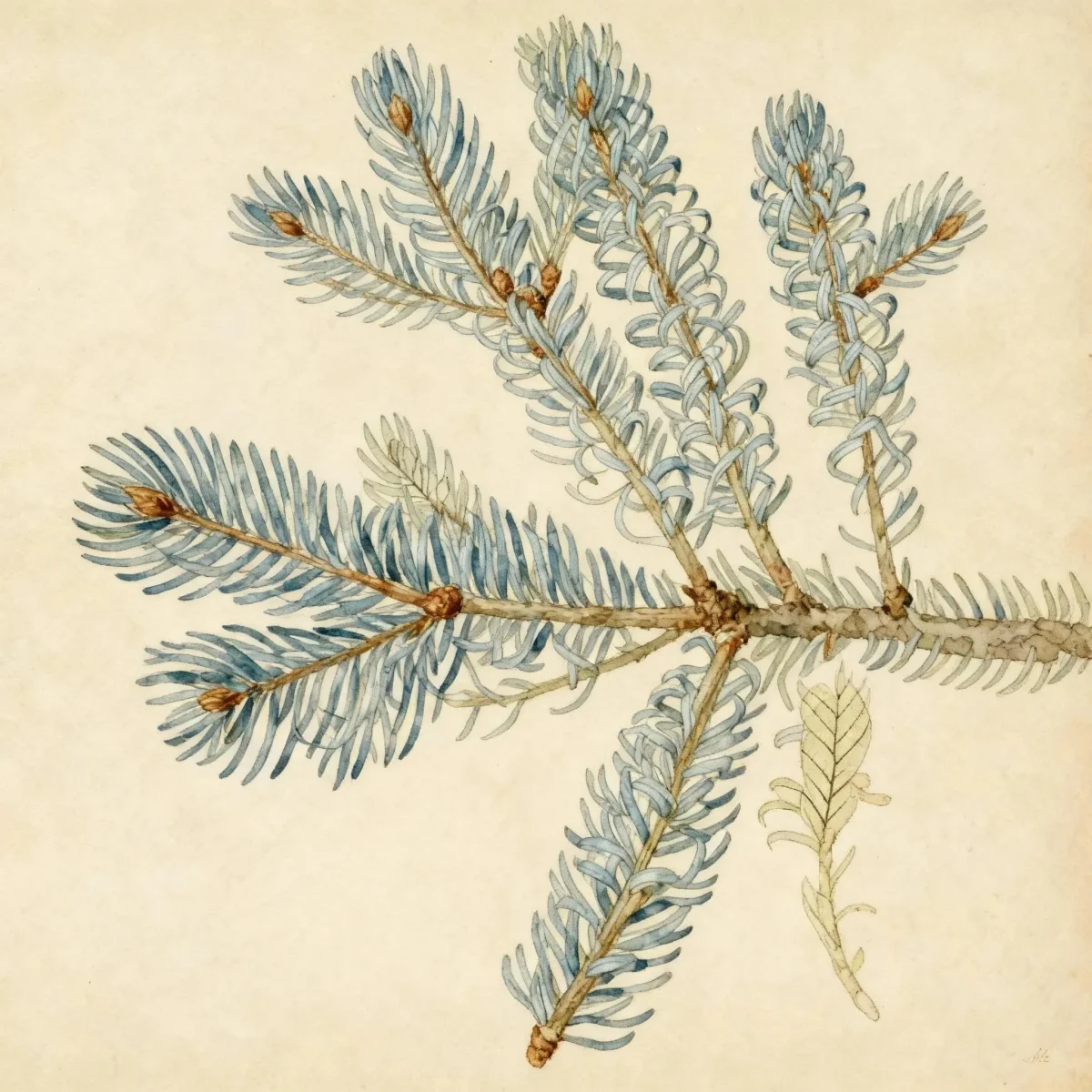
The Spanish fir (Abies pinsapo) is geographically restricted, hailing from high-elevation dry mountain areas in Southern Spain. It presents as a narrow, slow-growing conifer developing a broad pyramidal shape, with rigid, sharp-pointed dark green needles measuring up to 3/4” long. Distinctively, its seed cones sit upright on the branches, emerging pinkish-purple before maturing to brown and disintegrating to release seeds.
Tolerances
- Trees tolerate neutral to slightly alkaline soils
Potential Problems
Insect pests commonly targeting firs include bagworms, adelgids, aphids, scale, bark beetles, and spruce budworms. Spider mites can pose a threat, particularly during periods of intense heat. Disease pressures often involve needle rust, root rots, and twig blight. Gardeners should be aware that the Abies pinsapo is generally intolerant of heavy urban air pollution, requiring cleaner air for optimal health.
Frequently Asked Questions
What hardiness zones is Spanish fir suitable for?
The Spanish fir is appropriately suited for USDA Zones 6 through 7.
How large does Abies pinsapo grow?
When fully mature, Abies pinsapo typically reaches a height between 50 to 75 feet tall, with a spread ranging from 15 to 30 feet wide.
What sun exposure does Spanish fir need?
This conifer performs best when situated where it receives full sun, but it tolerates conditions moving toward part shade.
When does Abies pinsapo bloom?
As a conifer, the Spanish fir is non-flowering and does not produce traditional blooms; its reproductive structures are upright cones.
Conclusion
The distinctive texture and stately, narrow habit make the Spanish fir (Abies pinsapo) a prime candidate for gardeners seeking long-term architectural impact. While slow to mature, its adaptability to slightly different soil pH levels than other firs, stemming from its native habitat, offers an edge in challenging spots. Before planting, confirm your location falls within USDA Zones 6 or 7 and ensure well-drained soil conditions are met for this unique evergreen.
Companion Planting
When selecting companions for the Abies pinsapo, focus on plants that share similar soil and light requirements, especially concerning drainage and acidity tolerance. Because the Spanish fir prefers rich, acidic to neutral, well-drained media, pairing it with acid-loving shrubs like Rhododendrons, Azaleas, or low-growing Vaccinium species (blueberries) can enhance the planting bed’s overall health profile.
For ground cover beneath the mature canopy, utilize shade-tolerant, moisture-retaining but well-drained perennials that do not compete aggressively for surface moisture. Hostas, Foamflowers (Tiarella), or even low-growing ferns like Japanese Painted Fern provide pleasing textural differences against the rigid needles of Abies pinsapo without disrupting its root zone too severely.
Design Ideas for Conifer Specimens
Utilizing the Spanish fir as a specimen tree hinges on appreciating its pyramidal silhouette and radial branching pattern. In modern or minimalist landscapes, planting a single Abies pinsapo allows its unique structure to dominate the sightlines, complemented by low, sweeping drifts of ornamental grasses in the foreground to emphasize height.
For a more traditional or woodland edge aesthetic, group the Abies pinsapo slightly off-center in a grouping of varying heights and textures. Pairing it with deciduous trees that offer bright fall color, such as Maples or Oaks, ensures that even when the fir is dormant or covered in snow, the planting bed retains seasonal visual interest. Ensure adequate space is left for its 15- to 30-foot spread to fully develop without crowding nearby structures.