Hainan white pine (Pinus fenzeliana)
Discover the Hainan white pine (Pinus fenzeliana), a medium evergreen suitable for zones 5-7, valued for its bi-colored needles and low maintenance.
Scroll down to discover growing tips, care requirements, companion plants, and more
Complete Plant Information
Overview
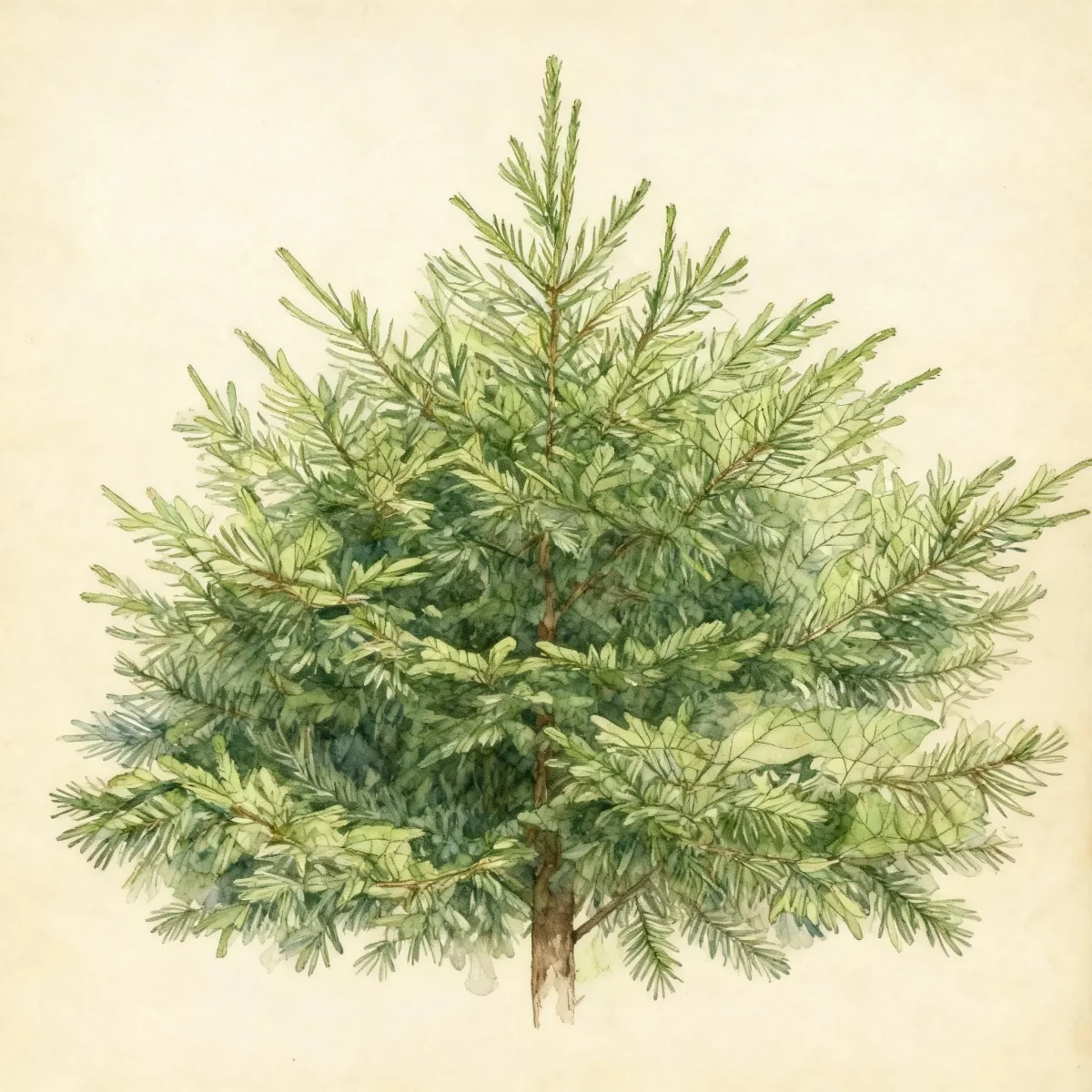
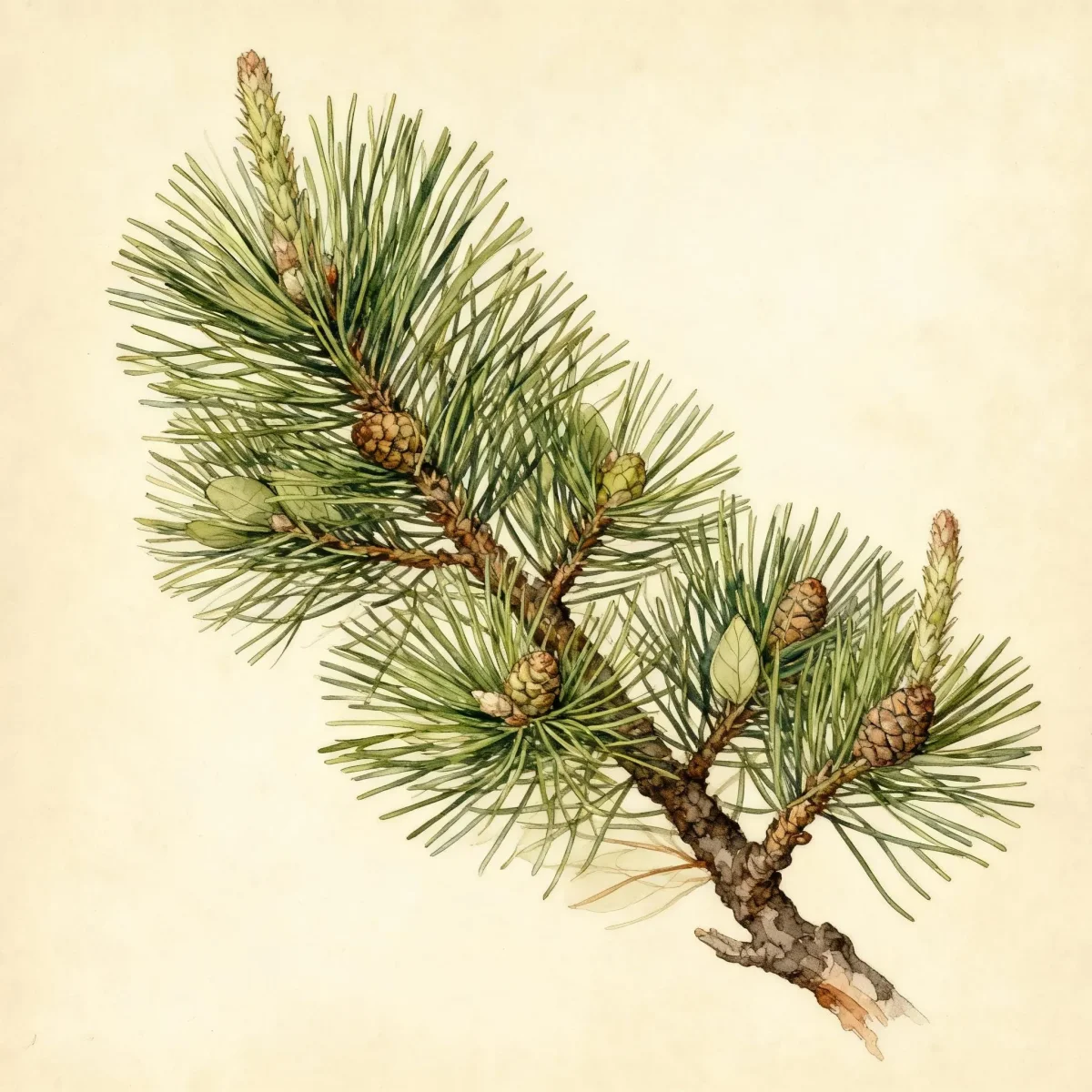
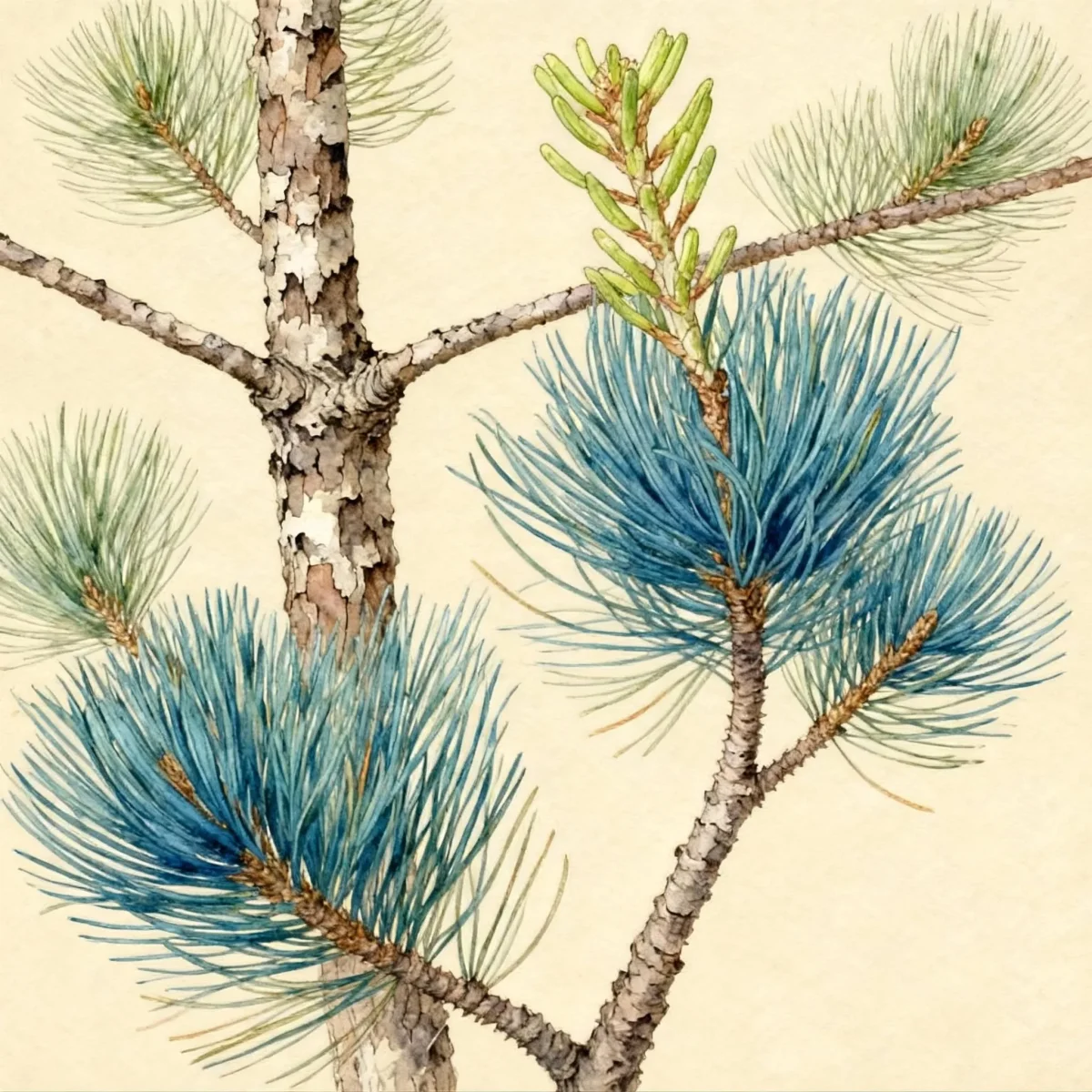
The Hainan white pine, scientifically known as Pinus fenzeliana, is a distinctive needled evergreen offering unique aesthetic qualities to the landscape. Valued for its relatively compact stature compared to some wild pines, this species matures into an attractive, medium-sized specimen tree. Its notable features include clumps of bi-colored needles that lend a subtle blue-green hue to the foliage.
Originating from Southern China and Vietnam, Pinus fenzeliana is ideal for gardeners seeking a low-maintenance conifer that provides year-round structure. It adapts to a somewhat wide range of soil types, provided drainage is adequate, thriving best when planted in full sun conditions.
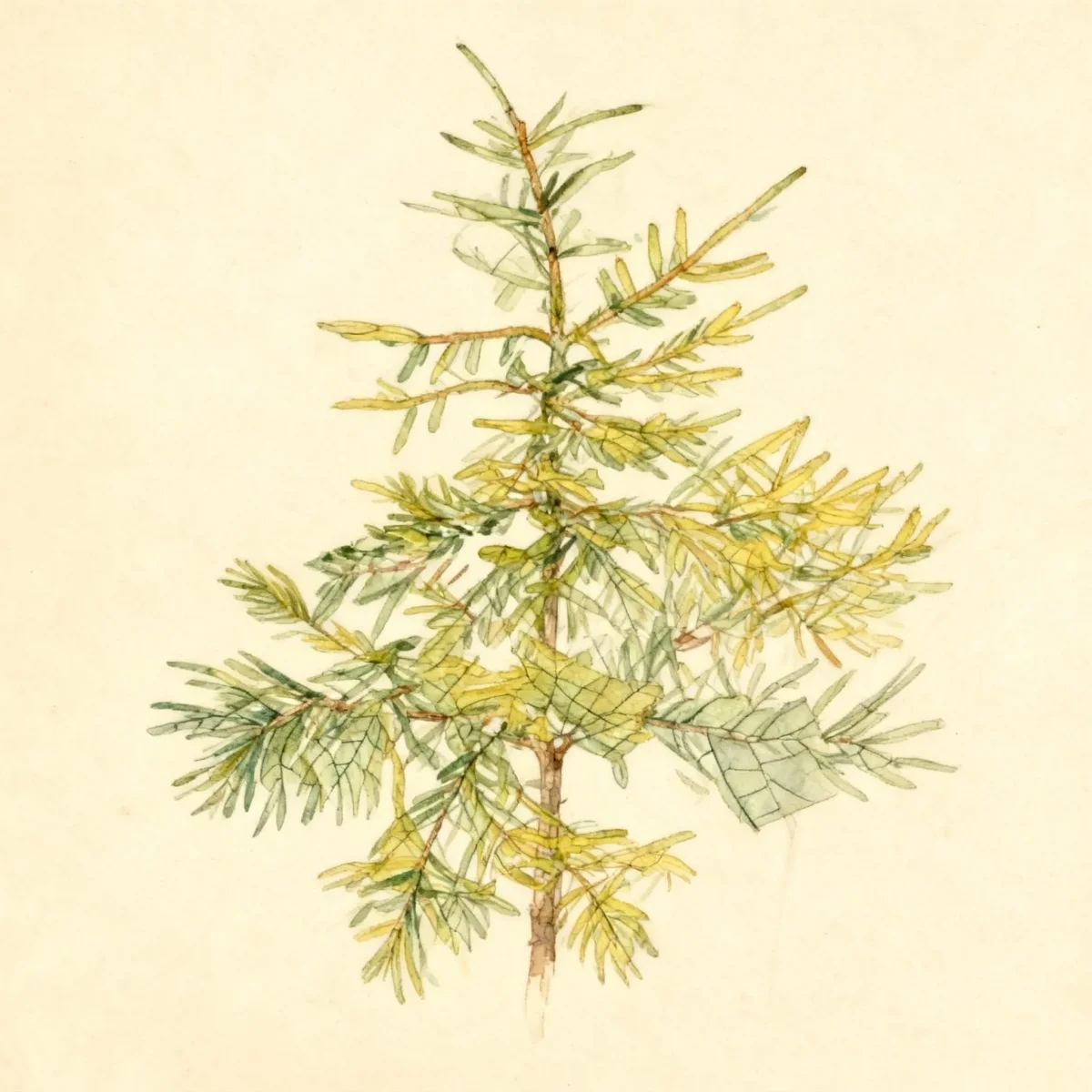
While perhaps slower growing than some readily available pines, the long-term reward for patience is a handsome tree. The Hainan white pine exhibits a broad, upright growth pattern, making it an excellent focal point or specimen planting around residential properties.
Fast Facts
- Plant Family: Pinaceae
- Plant Type: Needled evergreen
- Native Range: Southern China, Vietnam
- Hardiness Zones: USDA Zones 5-7
- Size at Maturity:
- Height: 25-35 ft
- Spread: 15-25 ft
- Bloom Time: Non-flowering
- Bloom Description: Non-flowering
- Sun Exposure: Full sun
- Water Needs: Medium
- Maintenance Level: Low
How to Grow
Establish the Hainan white pine during the dormant seasons—fall or early spring—to allow the root system time to settle before summer heat. Select a planting location that consistently provides full sun exposure, as insufficient light will compromise its form and needle quality. Pinus fenzeliana is adaptable but requires average, well-drained soil with medium moisture levels for optimal health.
Water newly planted specimens regularly until they are established, ensuring the soil remains consistently moist but never waterlogged. Once mature, this pine requires only medium watering, often fulfilled by natural precipitation, although supplemental water during severe drought periods is beneficial. Maintenance is generally low; excessive pruning is rarely needed due to its naturally pleasing form.
Be aware that while the pine has low cultural maintenance, it can be susceptible to various pests and diseases common to pine species. Proactive monitoring helps ensure long-term vigor. A healthy, well-maintained Hainan white pine is generally resilient against most common afflictions.
Landscape Uses
The primary recommendation for Pinus fenzeliana is as a specimen tree, capitalizing on its unique growth habit and bi-colored needles. Its mature height of 25 to 35 feet, paired with a 15 to 25-foot spread, positions it perfectly as an attractive accent for medium-sized lawns or situated strategically near structures where its form can be appreciated up close.
Because it is somewhat slow-growing, gardeners should plant Pinus fenzeliana where they intend for it to mature, as relocation later in life can be stressful. It pairs well with broadleaf evergreens that offer textural contrast, or beneath taller deciduous trees that provide varying light conditions throughout the year, though it requires full sun itself. Over time, this pine develops into a handsome focal point that anchors any landscape design.
Standout Features
Fruit Qualities
- Showy
Noteworthy Characteristics
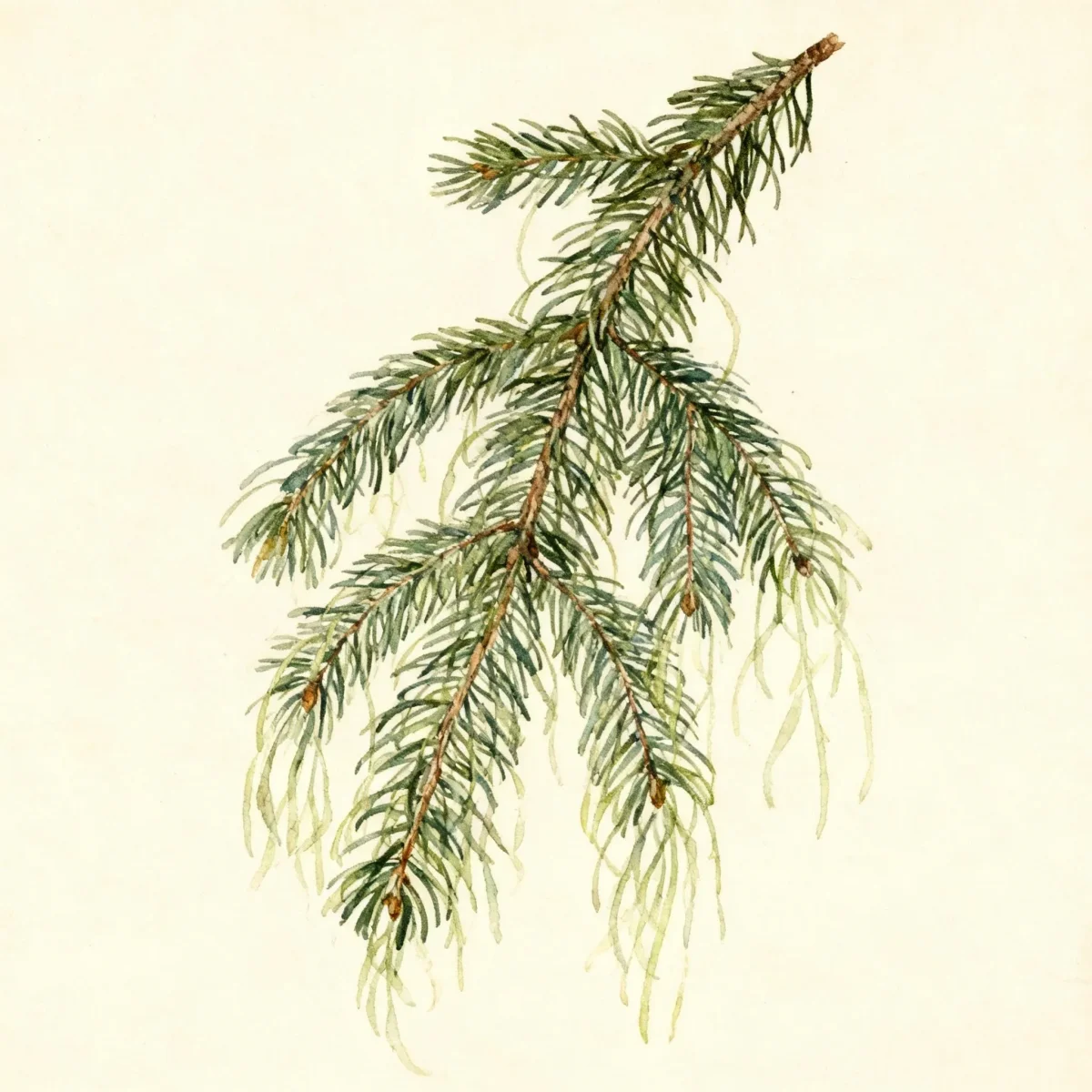
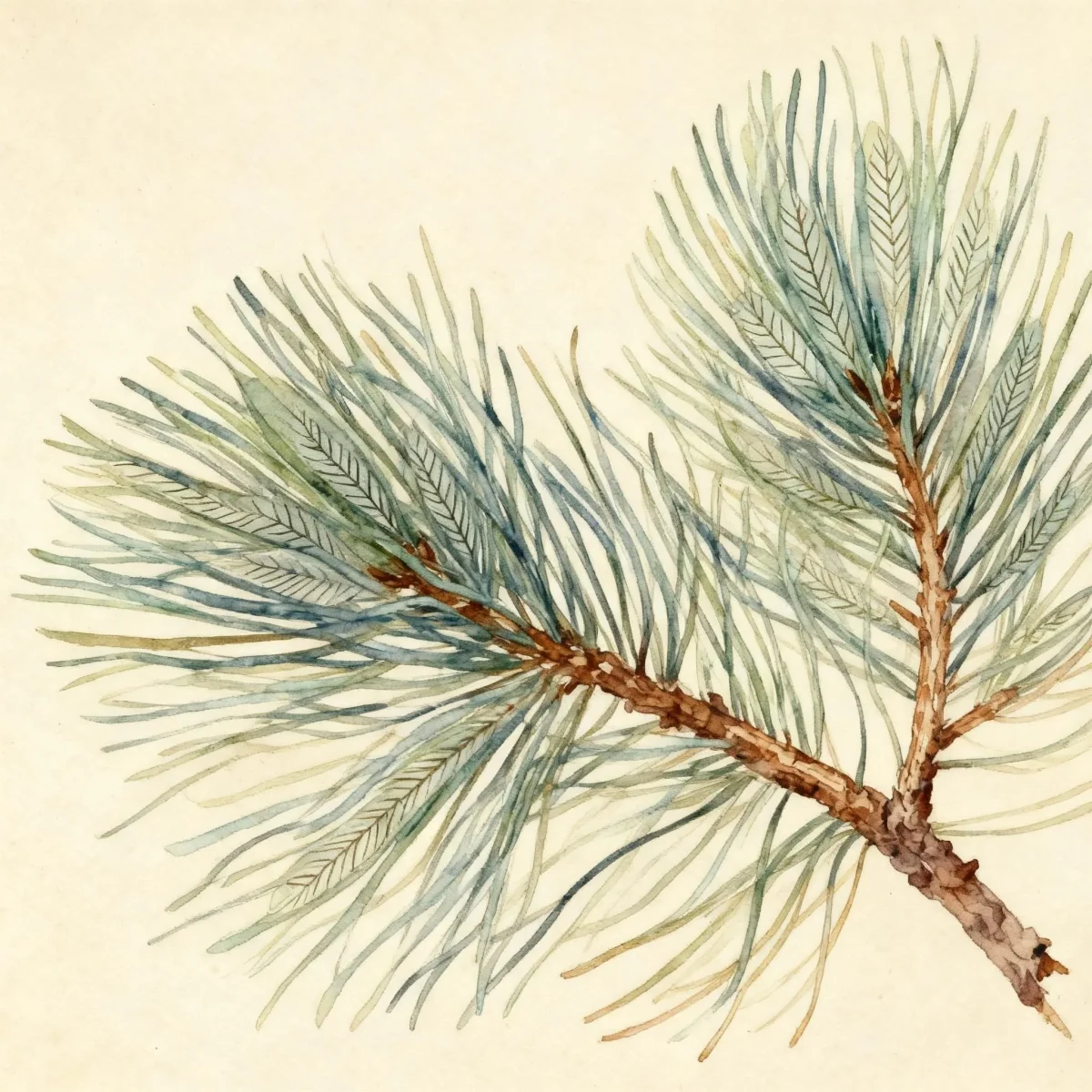
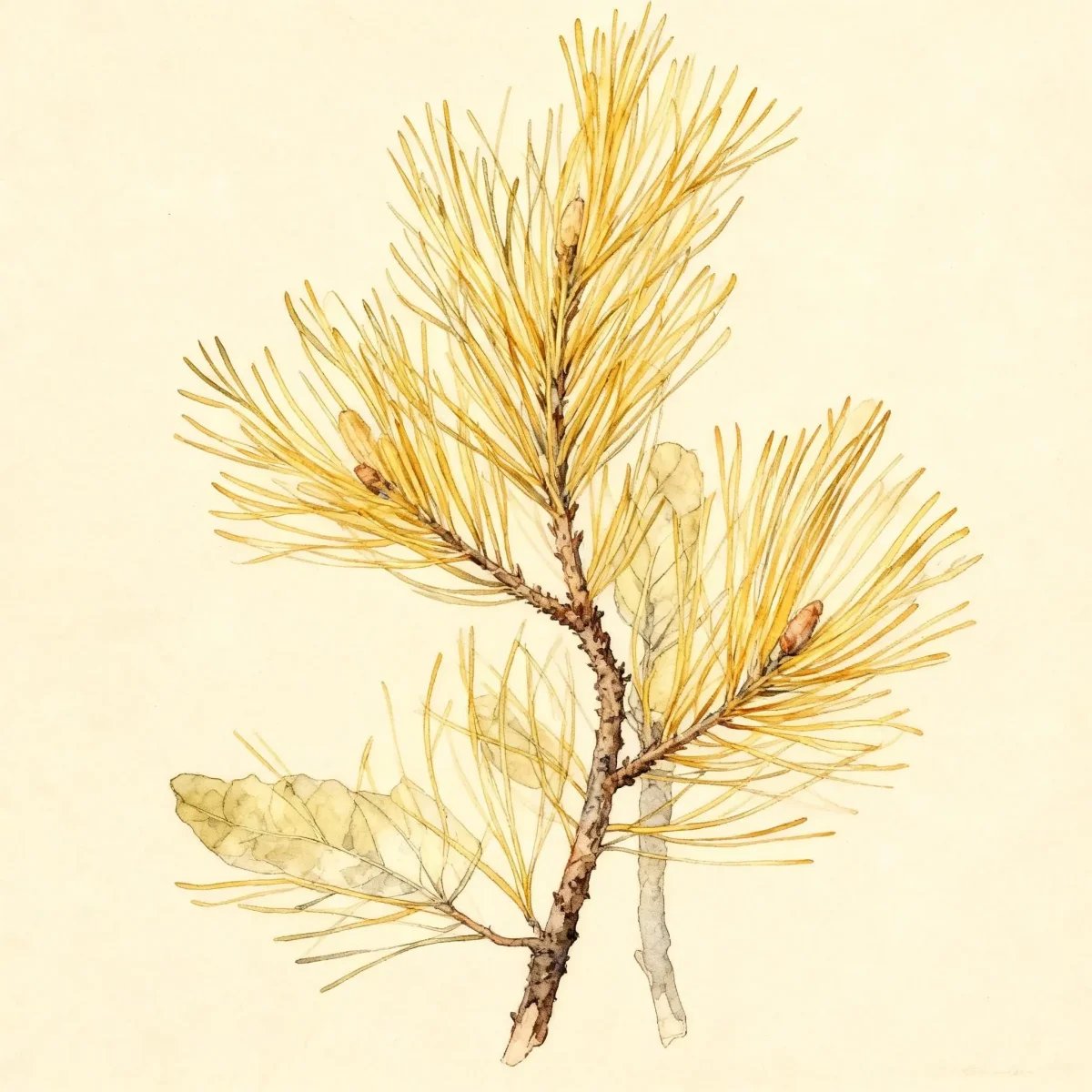
Pinus fenzeliana, sometimes commonly called Kwangtung pine, has a broad, upright growth pattern and typically matures in cultivation to a height of 25-35’ (larger in the wild, including a recorded 100’ tall tree). It features clumped, slightly upcurled, green and blue bi-colored needles, with five needles (1.5-3” long) per bundle, and cones typically grow 2-4” long. The smooth, glaucous branches enhance its appeal, presenting a valuable addition for conifer enthusiasts interested in less common species from the Kwangtung province of China.
Tolerances
- Deer
Potential Problems
Pinus fenzeliana is susceptible to numerous insect and disease pests common to the genus. Common insect pests requiring vigilance include aphids, spider mites, scale insects, webworms, bark beetles, and the white pine weevil. Disease issues can involve various cankers, blights, and rusts; notably, white pine blister rust is a potentially fatal bark disease, though its prevalence varies by region. The best defense against these issues is cultural: ensuring the Hainan white pine is planted in suitable, well-drained soil under full sun and kept healthy reduces stress, making the tree less inviting to opportunistic pests.
Frequently Asked Questions
What hardiness zones is Hainan white pine suitable for?
The Hainan white pine is reliably hardy in USDA Zones 5 through 7. Planting outside this range may result in winter injury or heat stress.
How large does Pinus fenzeliana grow?
In cultivation, Pinus fenzeliana typically reaches a height between 25 and 35 feet, with a spread ranging from 15 to 25 feet wide.
What sun exposure does Pinus fenzeliana need?
This species requires full sun exposure for the best health, color, and density of its unique bi-colored needles.
When does Pinus fenzeliana bloom?
The plant is non-flowering in the traditional sense, as it is a conifer producing cones rather than conspicuous blossoms.
Conclusion
The Pinus fenzeliana offers gardeners a sophisticated, low-maintenance evergreen option defined by its handsome, medium size and subtly colored needle clusters. This specimen tree, the Hainan white pine, provides excellent year-round screening and visual interest. Before planting, confirm your site provides full sun and excellent drainage to support this unique conifer.
Companion Planting
Selecting good companions for Pinus fenzeliana involves choosing plants that share its need for full sun and well-drained media. Low-growing shrubs with contrasting foliage, such as Japanese forest grass (Hakonechloa macra) varieties that tolerate dry shade once established, or dwarf rhododendrons, can soften the base of the pine. Because the root zone of pines can be sensitive to competition, avoid planting shallow-rooted perennials too closely. Consider low, spreading groundcovers that don’t aggressively compete for surface moisture.
Seasonal Care Calendar
Spring is the critical time for inspecting your Pinus fenzeliana for any signs of overwintering pest damage; early treatment of aphids or scale is easiest before the new growth hardens. During summer, monitor moisture levels, especially if the tree is young, to ensure medium water needs are met during dry spells. Fall is the best time to apply a slow-release fertilizer if necessary, as this promotes root establishment before winter dormancy. Winter monitoring should focus on checking for excessive snow or ice damage, using a soft brushing motion if branches become weighed down, respecting the tree’s inherent deer tolerance.