Dahurian larch (Larix gmelinii var. principis-rupprechtii)
Larix gmelinii var. principis-rupprechtii, or Dahurian larch, offers striking yellow fall color. A tough, low-maintenance conifer for Zones 2-5.
Scroll down to discover growing tips, care requirements, companion plants, and more
Complete Plant Information
Overview
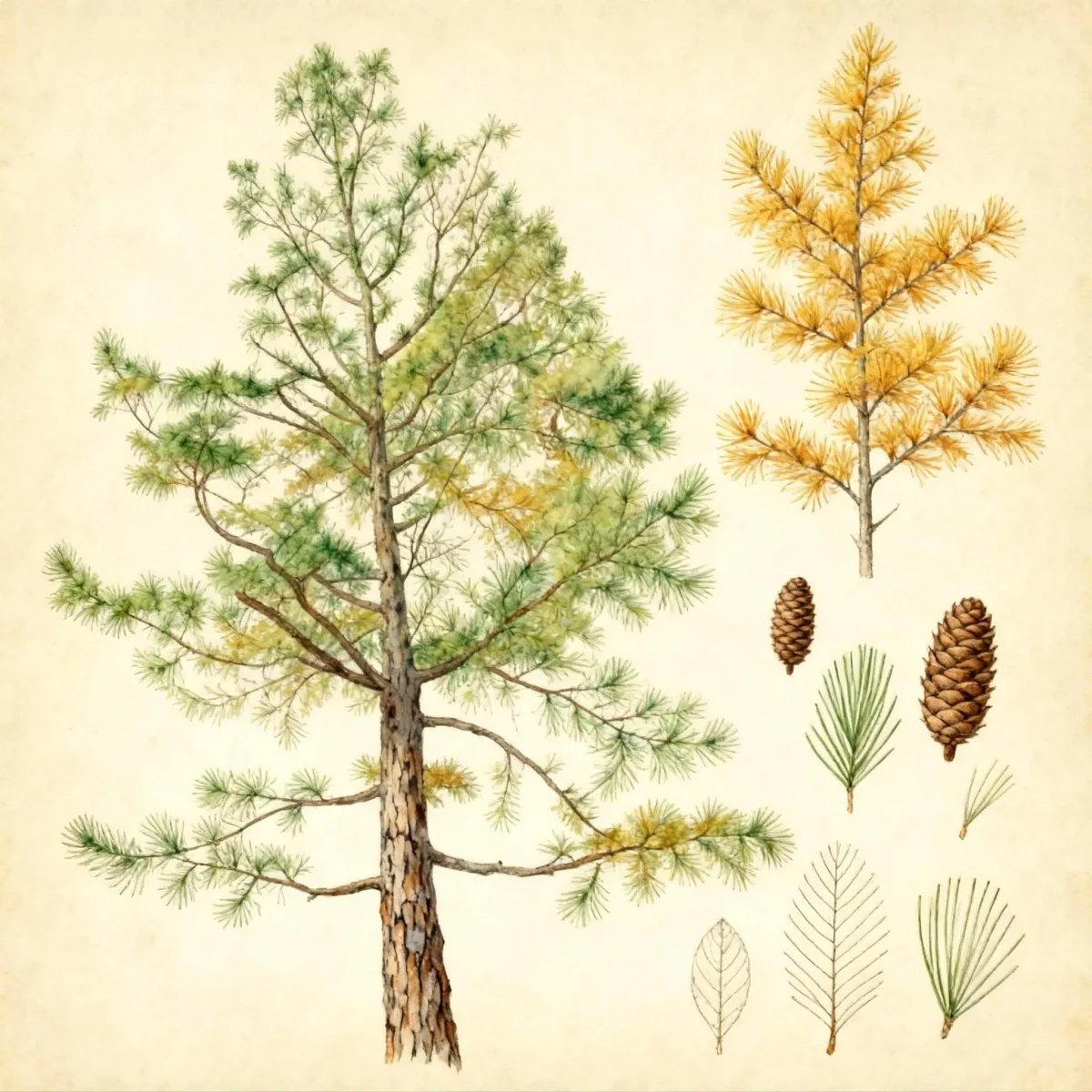
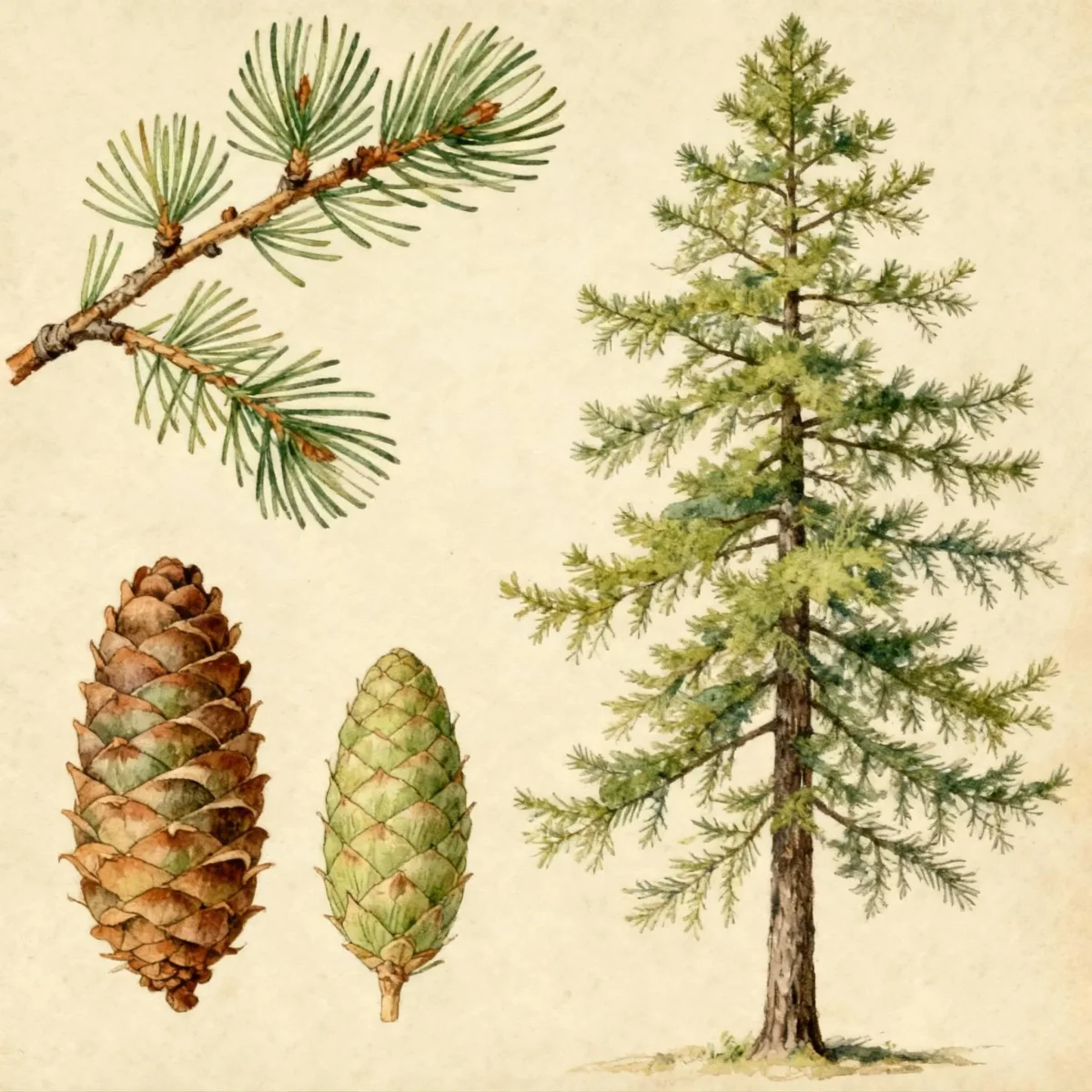
The Dahurian larch, specifically the variety Larix gmelinii var. principis-rupprechtii, is a remarkably cold-hardy deciduous conifer valued highly for its late-season drama. As the autumn chill sets in, the brilliant green needles transform into a showy, vibrant yellow before dropping for the winter dormancy period. This tree offers unique architectural interest in winter landscapes due to its distinctly open crown and horizontally branching habit.
Cultivating Larix gmelinii var. Principis-rupprechtii is generally low maintenance once established, provided its specific climate demands are met. Growers should note that this variety, sometimes known as Prince Rupprecht’s larch, thrives best where summers remain cool and winters are severe, matching its native habitat in alpine regions of northern China. Its resilience in extreme cold makes the Dahurian larch an excellent choice for challenging boreal or high-elevation gardens.
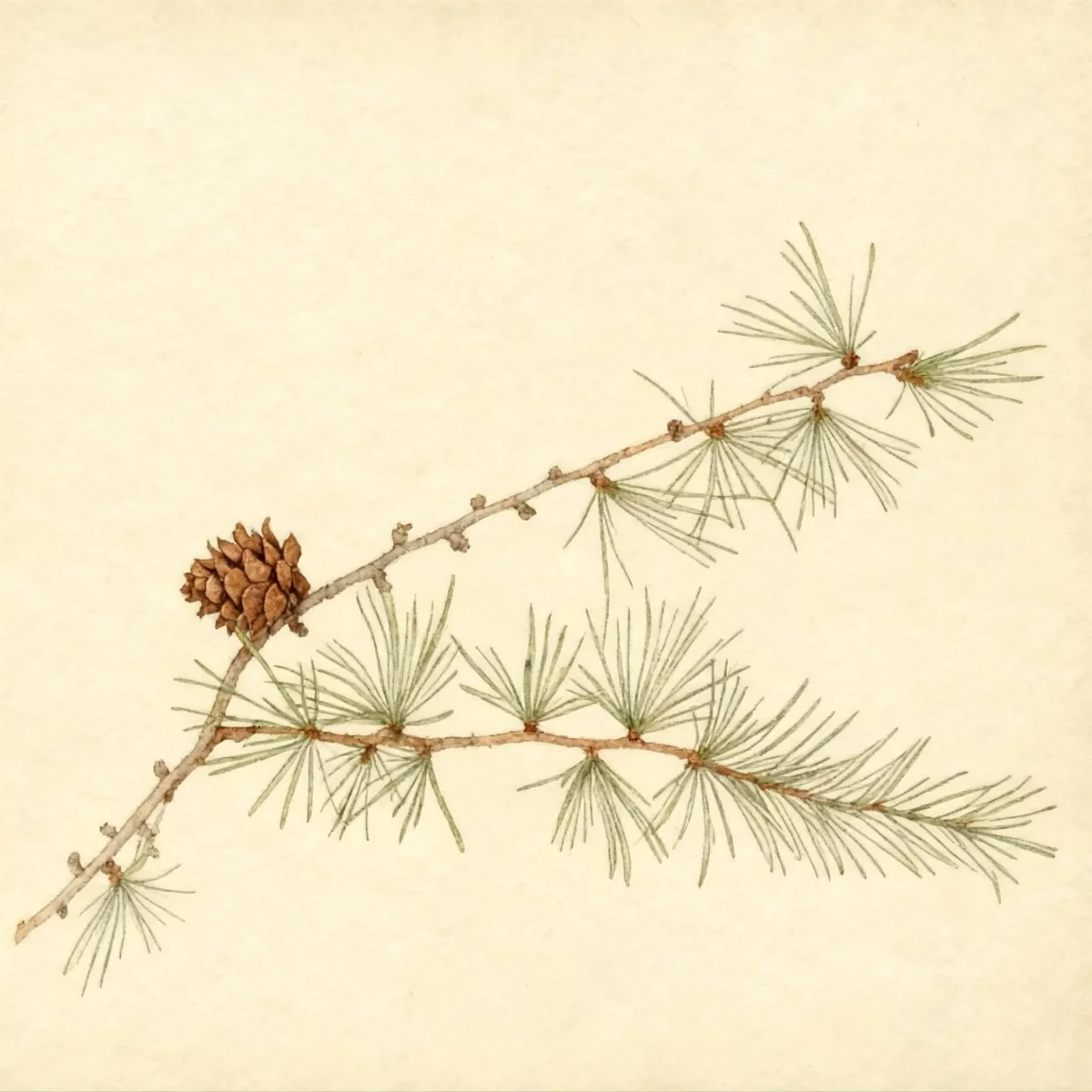
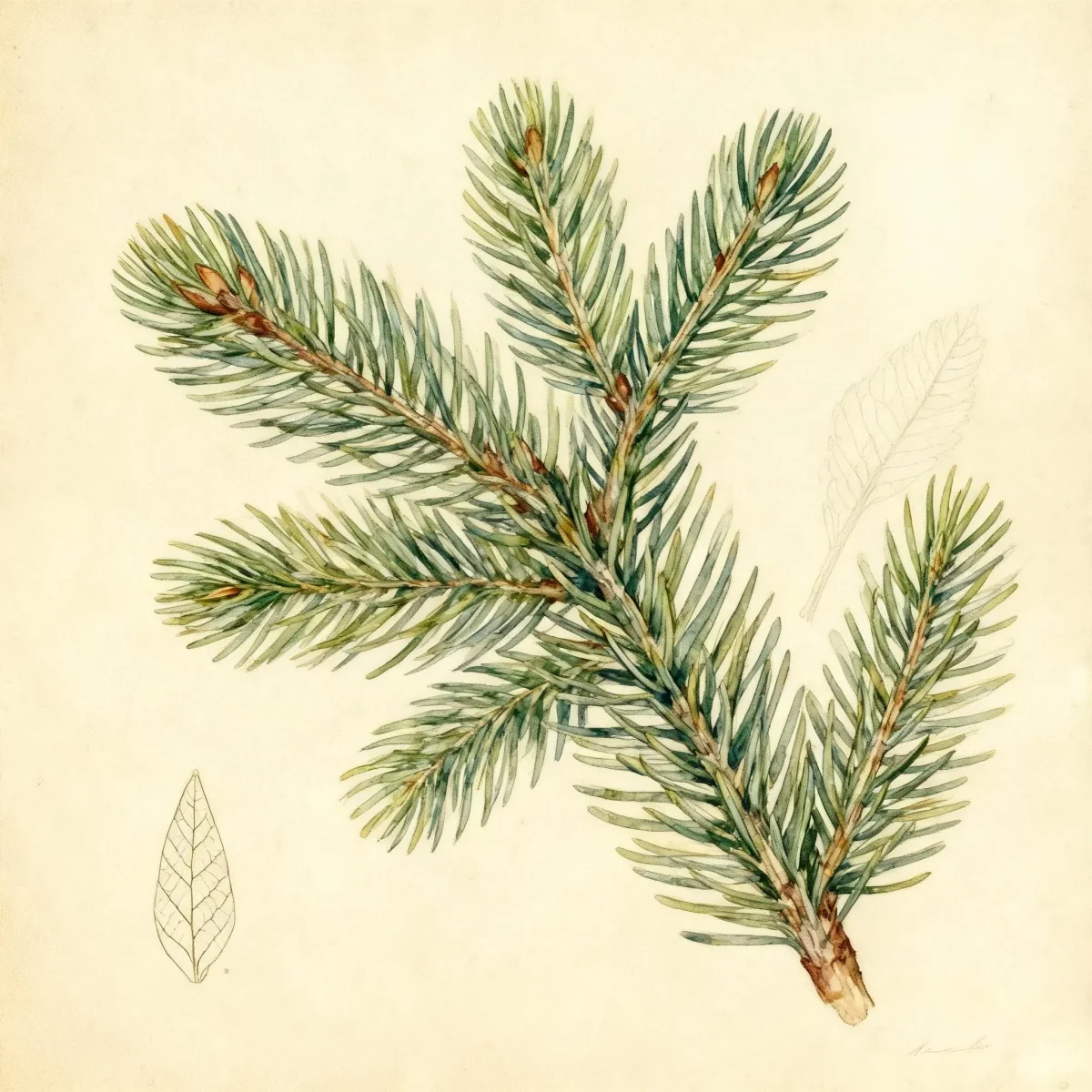
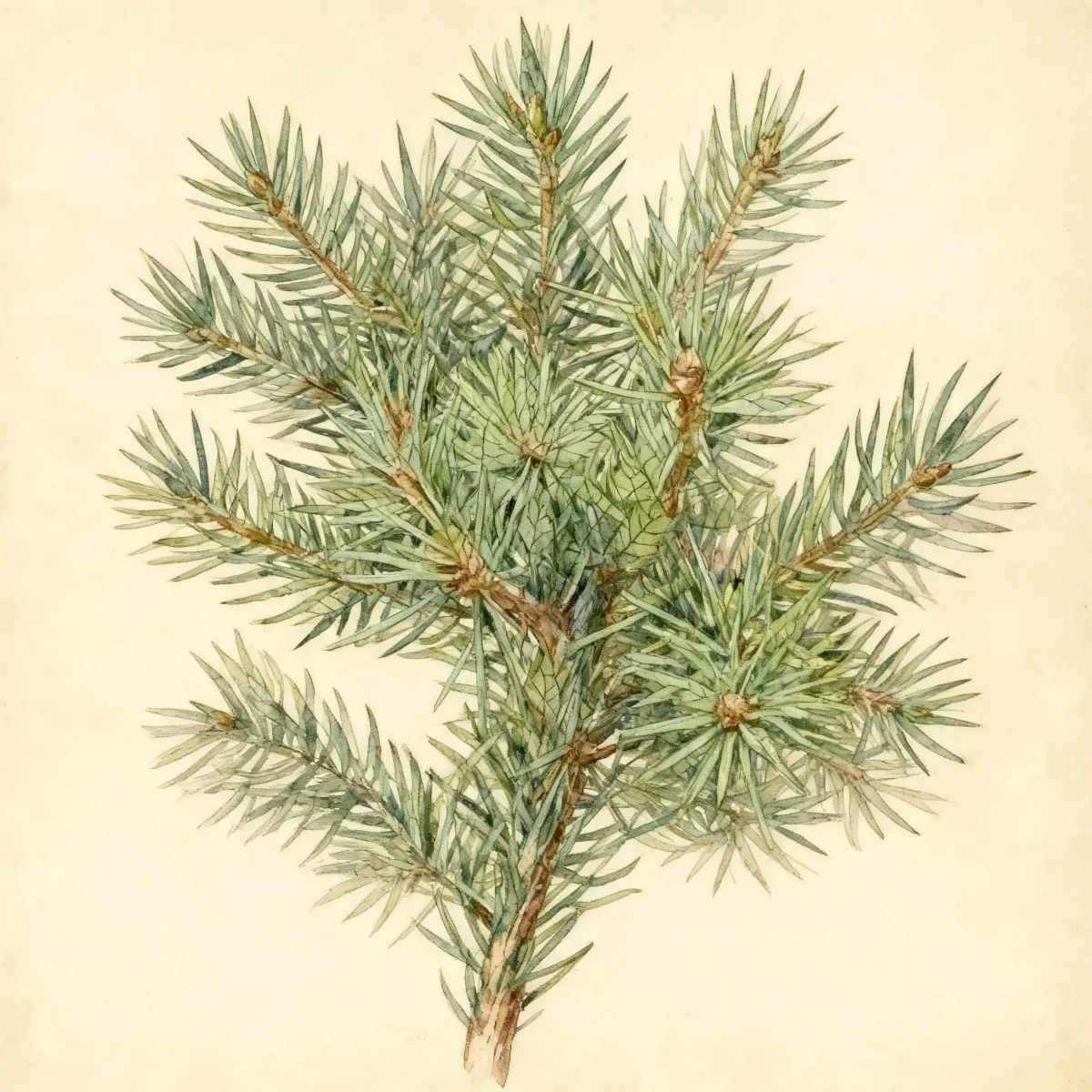
This species is known for its vigorous growth in suitable conditions, providing significant stature over time. Its needles are held in dense, brush-like clusters along short shoots, giving the branches a soft, yet defined texture throughout the growing season, contrasting beautifully with the deep brown cones that mature from purple to light brown.
Fast Facts
- Plant Family: Pinaceae
- Plant Type: Tree
- Native Range: China, Korea
- Hardiness Zones: USDA Zones 2-5
- Size at Maturity:
- Height: 40-60 ft
- Spread: 15-30 ft
- Bloom Time: Non-flowering
- Bloom Description: Non-flowering
- Sun Exposure: Full sun
- Water Needs: Medium
- Maintenance Level: Low
How to Grow
The Dahurian larch requires acidic, moist, and exceptionally well-drained soil for optimal establishment. Planting should ideally occur in early spring or late fall when temperatures are moderate, avoiding the shock of placing new trees in extremely hot soil. While full sun is preferred for the densest growth and best fall color, Larix gmelinii var. principis-rupprechtii can tolerate light shade, though it will be intolerant of deep, persistent shade.
Watering needs are medium; ensure the soil remains consistently moist, particularly during the first few growing seasons as the root system develops. Avoid letting the soil dry out completely, as this species is intolerant of dry soils. Fertilization is typically unnecessary for a tree of this stature, especially when soil conditions are already appropriate. Focus maintenance on ensuring proper site selection to avoid stress points.
Successful cultivation heavily depends on climate alignment. These trees perform poorly where summers are hot and humid, or where winters lack required cold stratification. Gardeners in warmer USDA zones should look toward alternative, less cold-dependent larch cultivars. Propagation, when attempted, is best managed through seed collection.
Landscape Uses
The stature and dependable yellow fall display provided by Larix gmelinii var. principis-rupprechtii make it a powerful specimen tree in large landscapes requiring winter interest. Although it drops its needles, its horizontal branching structure provides strong winter bones, contrasting well with evergreen varieties. Due to its potential 60-foot height, this tree is unsuitable for small suburban lots but excels as a focal point in parks, arboreta, or large estates situated in cold regions.
When considering companions, select plants that share the need for acidic soils and excellent drainage. Pairing the Dahurian larch with broadleaf evergreens that offer contrasting deep green textures, such as certain rhododendrons or hollies suited to cold climates, can enhance its visual impact throughout the summer. Furthermore, consider placing it near deciduous flowering trees that offer late spring or early summer blooms, balancing the larch’s primary contribution of brilliant autumn color.
The recommendation that Prince Rupprecht’s larch is best suited for cold environments must be adhered to; attempting to grow this tree in areas with mild winters, such as Zone 6 and southward, significantly reduces its vigor and longevity, making its landscape impact short-lived.
Standout Features
Noteworthy Characteristics
Larix gmelinii, commonly called Dahurian larch, is a deciduous conifer whose needles turn a showy yellow in fall before falling to the ground for winter. It is native to northeastern Siberia, northern China, Mongolia and North Korea, making it a tree of very cold climates ranging northward to the tree line. Var. Principis-rupprechtii, sometimes known as Prince Rupprecht’s larch, is noted for being a vigorous form that generally has larger cones (up to 1 3/4” long) compared to the species.
Tolerances
- Tolerates some light shade.
Potential Problems
Gardeners should remain vigilant regarding potential insect pests that target larches. Common problems include the larch case-bearer, which bores into the needles, the larch sawfly, and the larch looper. Larger infestations throughout the canopy can also involve tussock moth activity. Less common but possible issues involve Japanese beetle damage and feeding by woolly aphids.
Disease management focuses primarily on air circulation and soil health to prevent fungal outbreaks. Potential disease problems include needle cast, needle rust, and canker, particularly if the tree is stressed by improper soil moisture or heat. Controlling humidity around the base of the plant and ensuring the intolerant conditions of dry soil or heavy shade are avoided will mitigate many common issues for this variety of Dahurian larch.
Frequently Asked Questions
What hardiness zones is Dahurian larch suitable for?
The Larix gmelinii var. principis-rupprechtii is suitable for USDA Hardiness Zones 2 through 5, indicating exceptional cold tolerance.
How large does Dahurian larch grow?
At maturity, this tree typically reaches a height between 40 and 60 feet, with a spread ranging from 15 to 30 feet wide.
What sun exposure does Larix gmelinii var. principis-rupprechtii need?
This plant performs maximally in full sun conditions, though it can tolerate environments with light shade.
When does Dahurian larch bloom?
The Dahurian larch is classified as non-flowering; it does not produce traditional ornamental flowers, but rather distinctive cones.
Conclusion
The Dahurian larch (Larix gmelinii var. principis-rupprechtii) offers resilient beauty for cold climate landscapes, providing outstanding yellow needle color before its deciduous winter rest. Its low maintenance level makes it a highly attractive species for expert gardeners willing to match its requirement for cool summers and well-drained, acidic soil. Confirm your location falls within USDA Zones 2–5 before planning your site preparation for this impressive conifer.
Companion Planting
When selecting plants to accompany Larix gmelinii var. Principis-rupprechtii, focus on species that thrive in cold, acidic environments. Groundcovers that appreciate dappled light beneath the canopy during summer, such as certain varieties of Vinca or low-growing Junipers, work well, provided they do not compete heavily for moisture near the trunk base. Given the larch’s intolerance to dry soil, pair it with woodland shrubs that also prefer consistent moisture, like Azaleas or hardy Rhododendrons, provided they receive enough light spillover to flower effectively.
Seasonal Care Calendar
Spring marks the time for observing fresh needle emergence and checking for the small, purple female cones developing. This is the ideal time to ensure the soil moisture is adequate as the tree begins its primary growth phase in the cooler temperatures of early spring. Summer care is largely hands-off for the low-maintenance Dahurian larch; focus primarily on inspecting for potential insect pests like the larch case-bearer during peak growing months.
As autumn approaches, monitor the needles of your Dahurian larch for the characteristic transition to bright yellow, signaling the nearing of dormancy. Once the needles have dropped, basic winter preparation involves ensuring there is no heavy snow or ice buildup that could damage the horizontal branching structure, especially on younger specimens. Avoid winter watering in marginal zones where freezing/thawing cycles may be inconsistent.