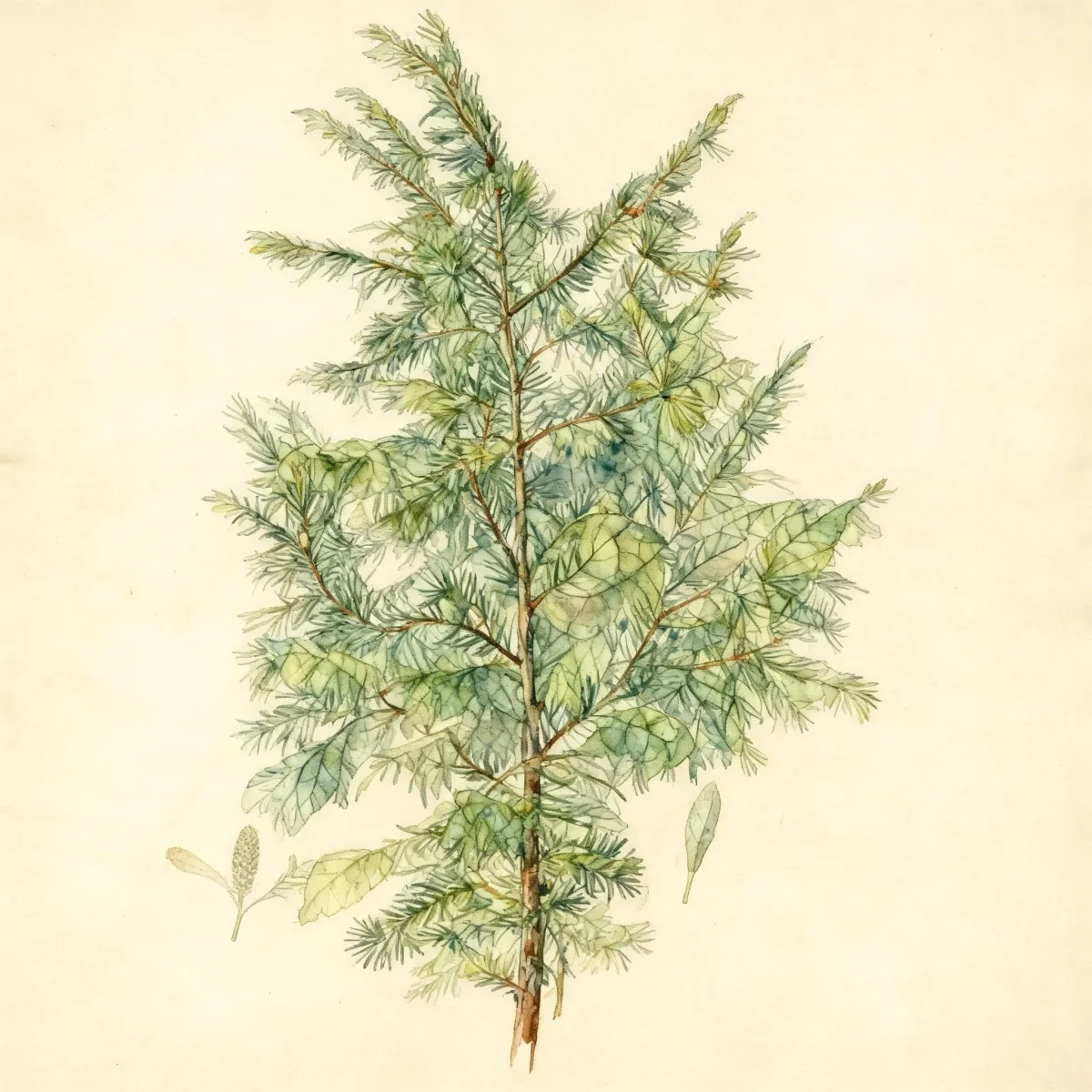
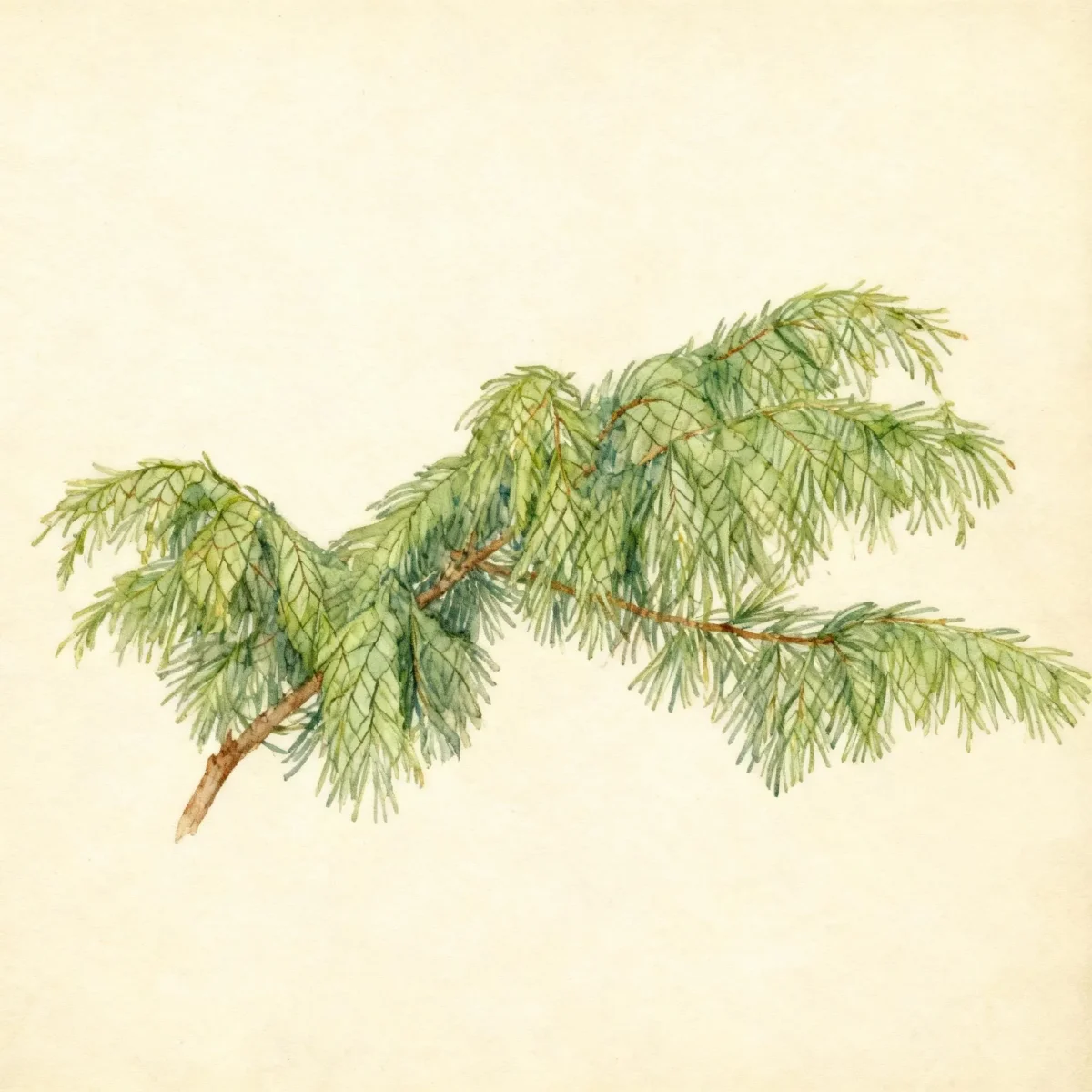
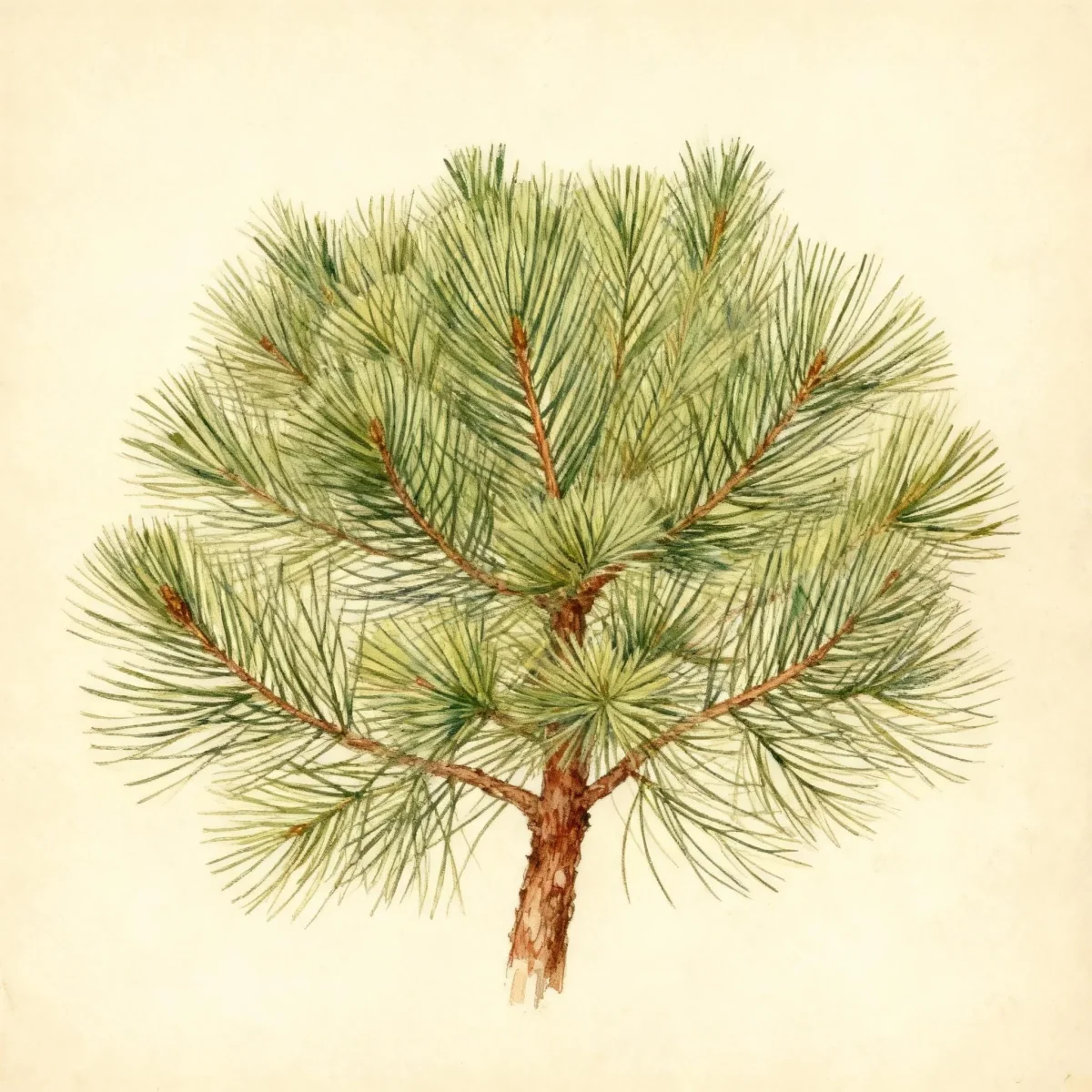
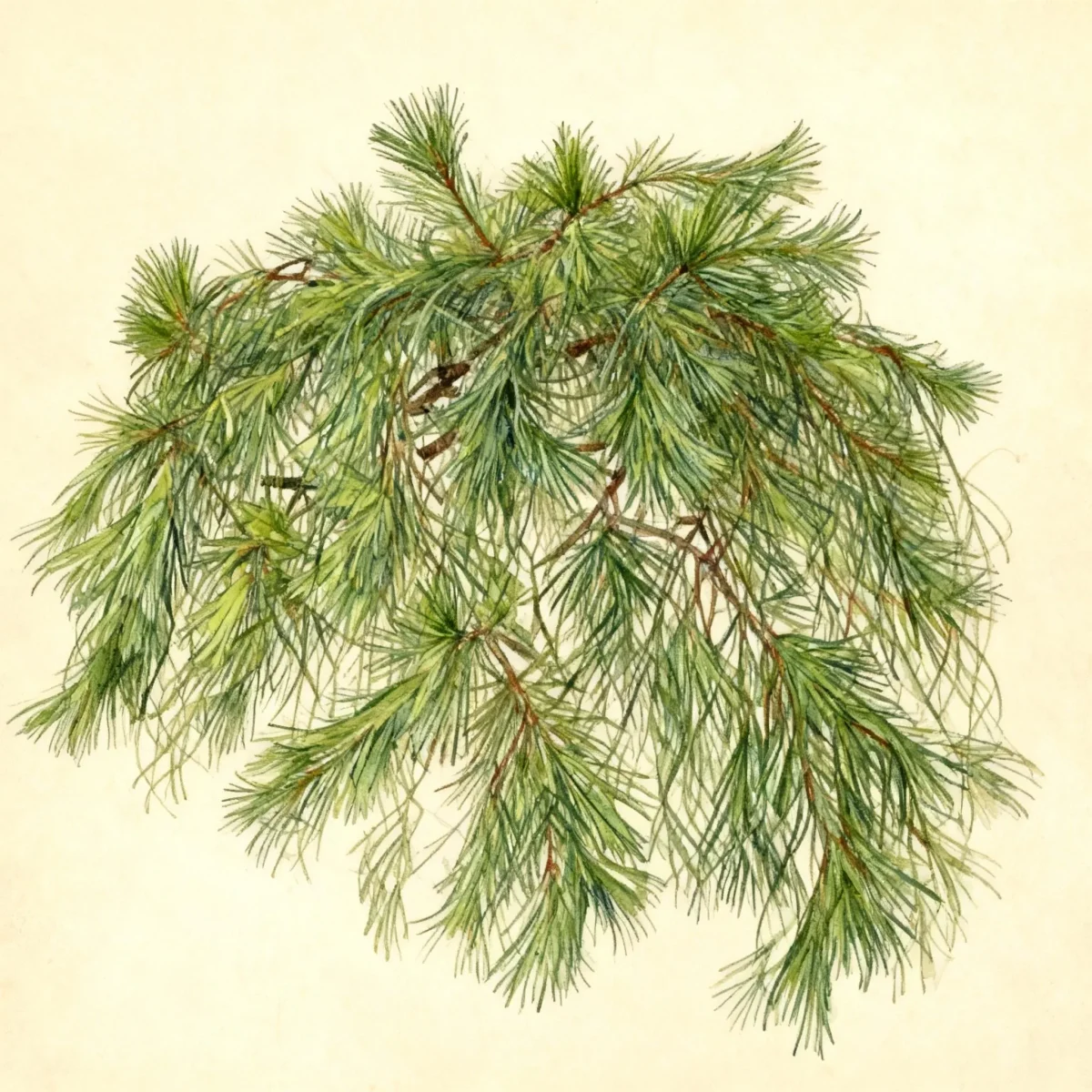
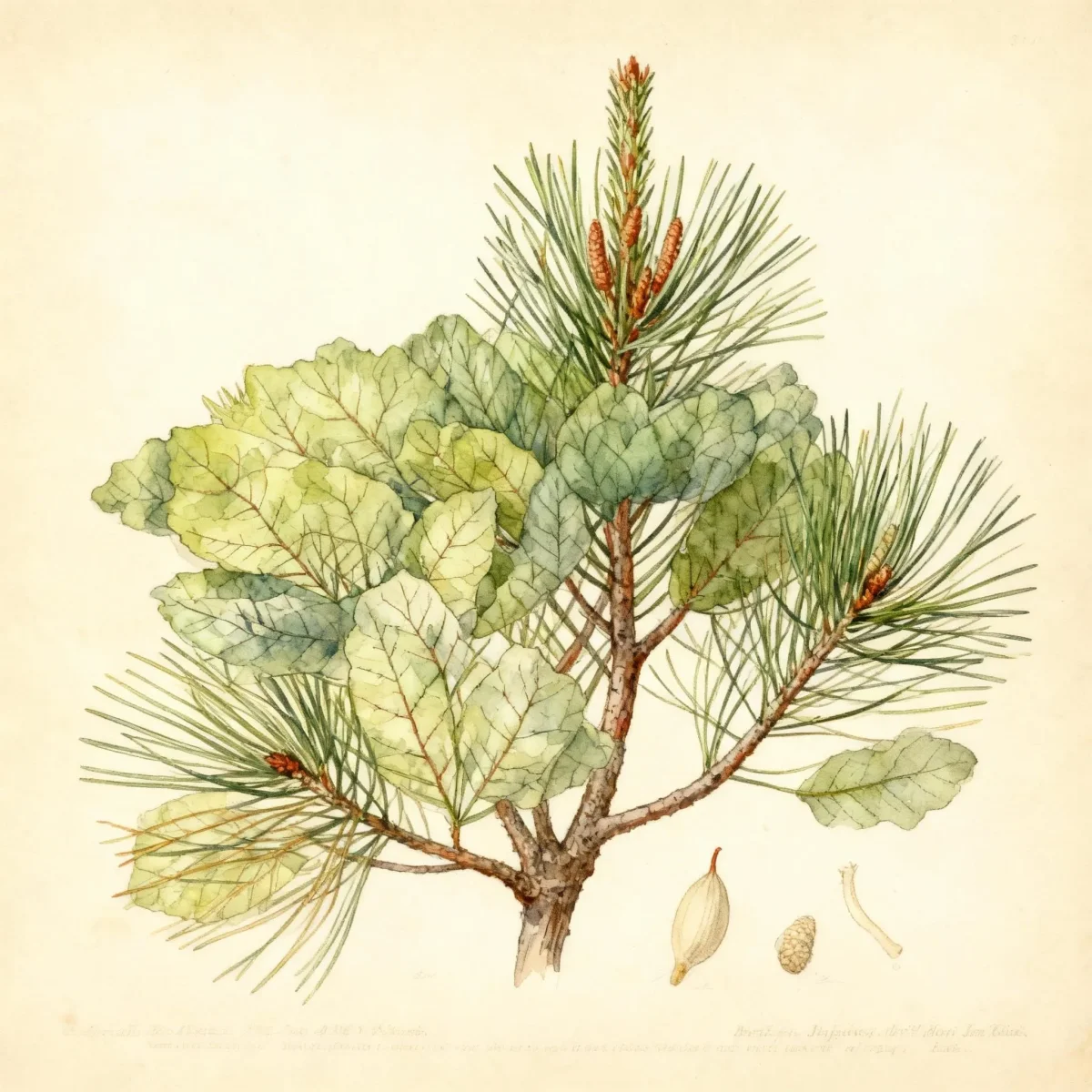
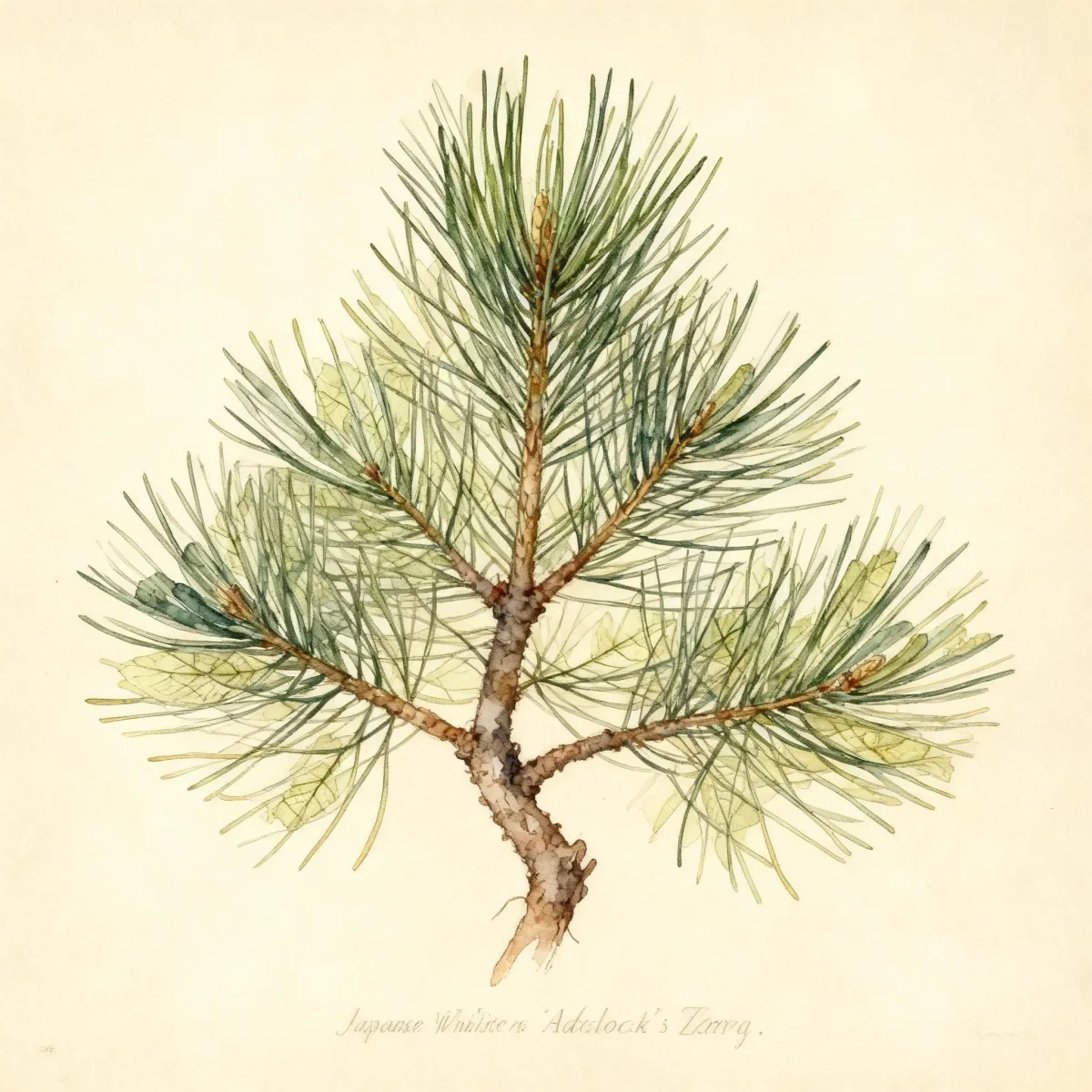
Chinese red pine (Pinus tabuliformis var. mukdensis)
Cultivate the stately Pinus tabuliformis var. mukdensis, a Chinese red pine known for its dark green needles and rugged maturity.
Scroll down to discover growing tips, care requirements, companion plants, and more
Complete Plant Information
Overview
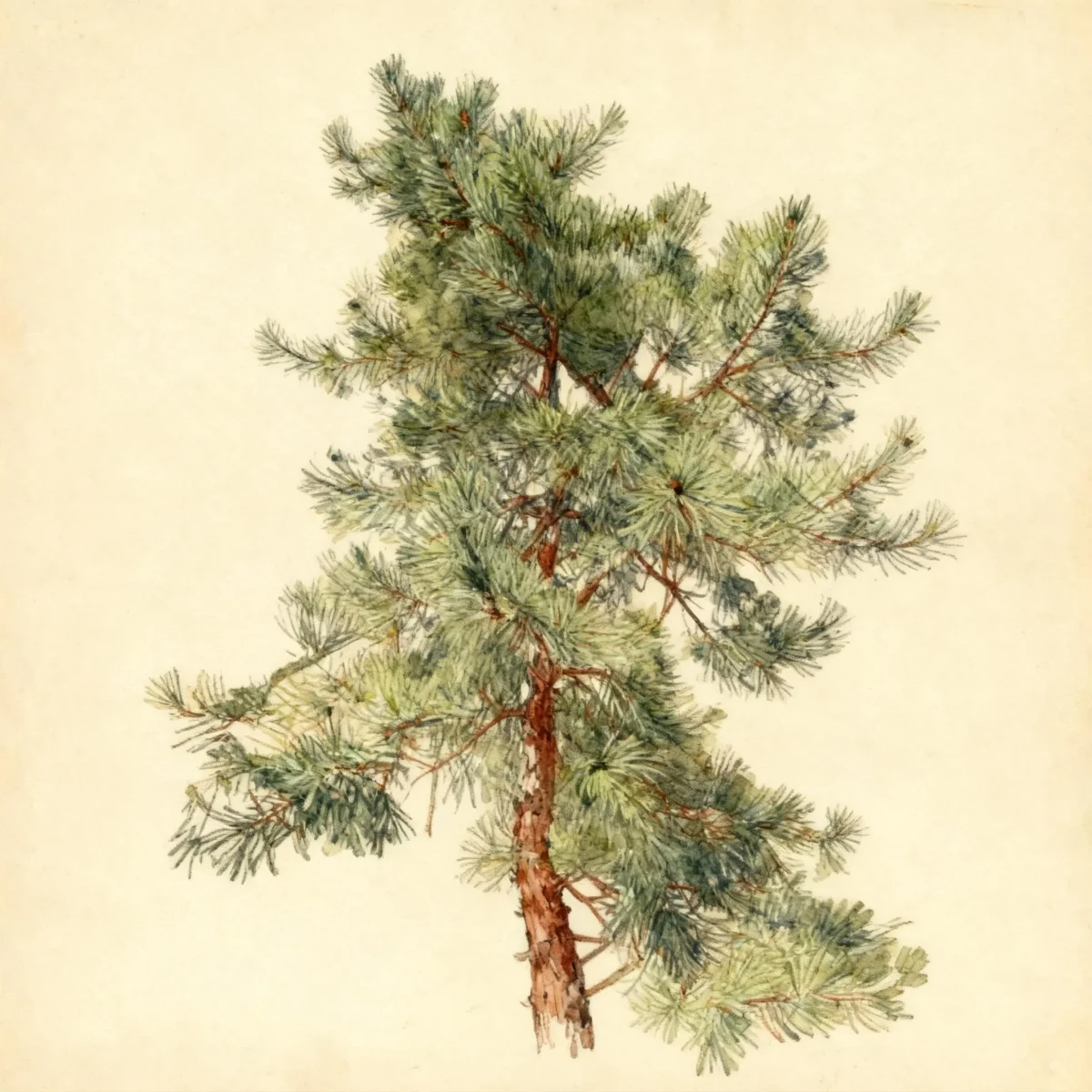
The Chinese red pine, scientifically known as Pinus tabuliformis var. mukdensis, is a majestic needled evergreen highly valued for its stately presence and rugged texture. As it matures, this pine develops a distinctive, somewhat flattened and spreading crown, justifying the species epithet tabuliformis (table-shaped). Gardeners appreciate its dark green needles, which grow in bundles of two or three, providing excellent year-round screening and structure.
Native to China and Korea, Pinus tabuliformis var. Mukdensis thrives when sited where it receives ample sunlight. While it can reach considerable heights in its native habitat, cultivated specimens often remain a manageable 30 to 50 feet tall, though they require significant spread room. This variety is appreciated in landscape design for its substantial visual weight and attractive mature bark characteristics.
While Pinus tabuliformis var. mukdensis is generally robust, successful cultivation relies on providing optimal site conditions, particularly excellent drainage. This pine is best appreciated as a prominent specimen tree, anchoring large garden spaces or acting as a significant screen where its mature form can eventually be observed.
Fast Facts
- Plant Family: Pinaceae
- Plant Type: Needled evergreen
- Native Range: China, Korea
- Hardiness Zones: USDA Zones 5-7
- Size at Maturity:
- Height: 30-50 ft
- Spread: 15-20 ft
- Bloom Time: Non-flowering
- Bloom Description: Non-flowering
- Sun Exposure: Full sun
- Water Needs: Medium
- Maintenance Level: Medium
How to Grow
Planting your Chinese red pine should ideally occur in the spring or early fall when temperatures are mild, allowing the root system time to establish before temperature extremes. Select a site that provides full sun exposure, though this species tolerates some light afternoon shade. The soil must be fertile, well-drained, and hold medium moisture. Good drainage is non-negotiable to prevent common conifer root issues.
Once established, Pinus tabuliformis var. mukdensis requires a medium watering schedule, meaning deep, infrequent watering during prolonged dry spells is more beneficial than constant light sprinkling. Heavy fertilization is generally unnecessary unless soil tests indicate severe nutrient deficiencies. Pruning is usually minimal; focus only on removing dead, damaged, or diseased wood, as these pines generally maintain their natural shape well.
Monitor for signs of stress, especially concerning soil moisture and drainage, particularly during the first few growing seasons following planting. In colder portions of its range (Zone 5), ensure adequate water is supplied late into the fall to help the tree withstand winter desiccation. This magnificent Chinese red pine requires planning due to its eventual size.
Landscape Uses
The primary recommended use for this variety is as a specimen pine. Its substantial size and appealing mature silhouette make it an outstanding focal point in large lawns or open park settings where its table-shaped crown can develop unimpeded. Because it is typically difficult to locate in commerce, securing a specimen Pinus tabuliformis var. mukdensis is often a goal for dedicated collectors.
When integrating this pine into a landscape, pair it with understory plantings that appreciate dappled light or tolerate the deep shade cast by its mature needles. Consider grouping it with lower-growing broadleaf evergreens or deciduous shrubs that offer contrasting textures against the stiff needles of the Chinese red pine. Its presence demands respect and ample space to be fully appreciated.
Standout Features
Noteworthy Characteristics
Pinus tabuliformis, commonly called Chinese pine, is a striking conical evergreen native to northern China, often reaching 50-70’ tall in its natural environment but usually smaller in cultivation. Its needles, up to 6 inches long, arrive in bundles of two or three offering attractive dark green color, and mature trees display distinctive reddish-scaled bark in the crown. Var. Mukdensis is native to North Korea and primarily distinguished by having cones with notably broader scales than the species.
Tolerances
- Deer
Potential Problems
Healthy, well-maintained trees usually have few major problems, which is a significant benefit of growing Pinus tabuliformis var. mukdensis. However, note that these trees may struggle in areas where environmental conditions do not adequately favor most conifers, such as in the St. Louis region where humidity or soil conditions might be suboptimal. The most critical factor to prevent issues is ensuring superior soil drainage to avoid root rot.
Frequently Asked Questions
What hardiness zones is Chinese red pine suitable for?
The Chinese red pine is best suited for USDA Hardiness Zones 5 through 7.
How large does Chinese red pine grow?
This species typically reaches a mature height between 30 and 50 feet, with a spread ranging from 15 to 20 feet.
What sun exposure does Chinese red pine need?
Pinus tabuliformis var. mukdensis requires full sun for optimal health and growth.
When does Chinese red pine bloom?
This plant is non-flowering; it produces cones as part of its reproductive cycle rather than traditional flowers.
Conclusion
The Chinese red pine, Pinus tabuliformis var. mukdensis, offers exceptional structural beauty and year-round evergreen appeal for gardeners with the space to accommodate its mature size. Its developing table-like crown and rugged bark ensure it remains a landscape feature for decades. Before purchasing, confirm that your growing conditions, particularly sun exposure and drainage, meet the medium requirements of this majestic conifer.
Companion Planting
Choosing companions for Pinus tabuliformis var. mukdensis involves selecting plants that tolerate the shade cast by a taller evergreen and share similar preferences for well-drained, fertile soil. Groundcovers such as Pachysandra or Vinca minor perform well beneath the canopy, offering fine texture contrast that highlights the coarse needles of the pine. For seasonal interest, consider planting low-mounding, shade-tolerant flowering shrubs like Azaleas or Rhododendrons near the drip line, provided the soil acidity level is appropriate for both groups.
Seasonal Care Calendar
Spring is the ideal time to inspect your Chinese red pine for any winter damage or dead branches that require selective pruning. Apply a slow-release fertilizer formulated for acid-loving evergreens only if necessary, ensuring you follow application rates closely. During the summer drought periods, utilize the medium water needs by running deep irrigation perhaps once every two weeks, rather than frequent shallow watering. In late fall, a final deep watering is crucial before the ground freezes to help prevent needle burn during the winter months.