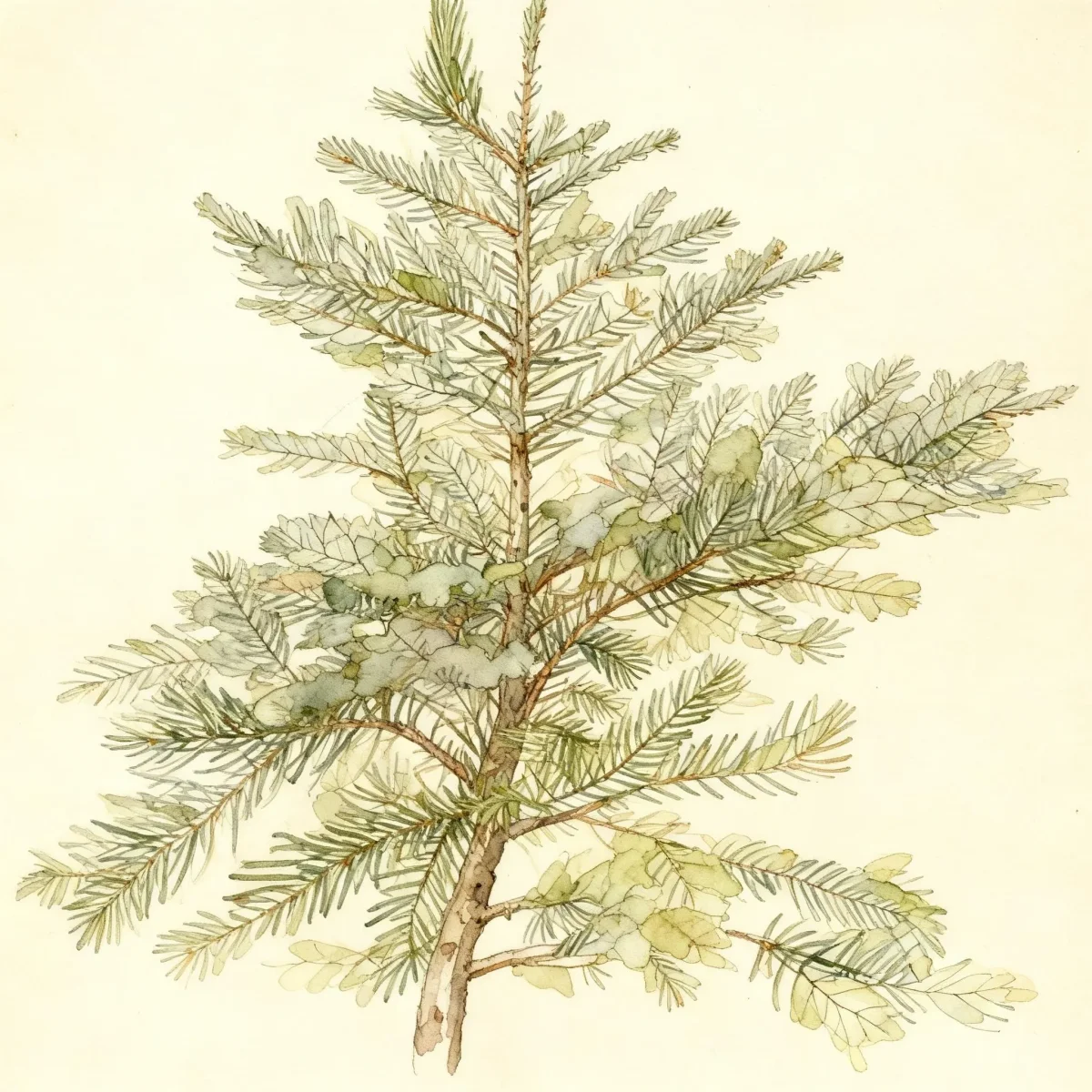
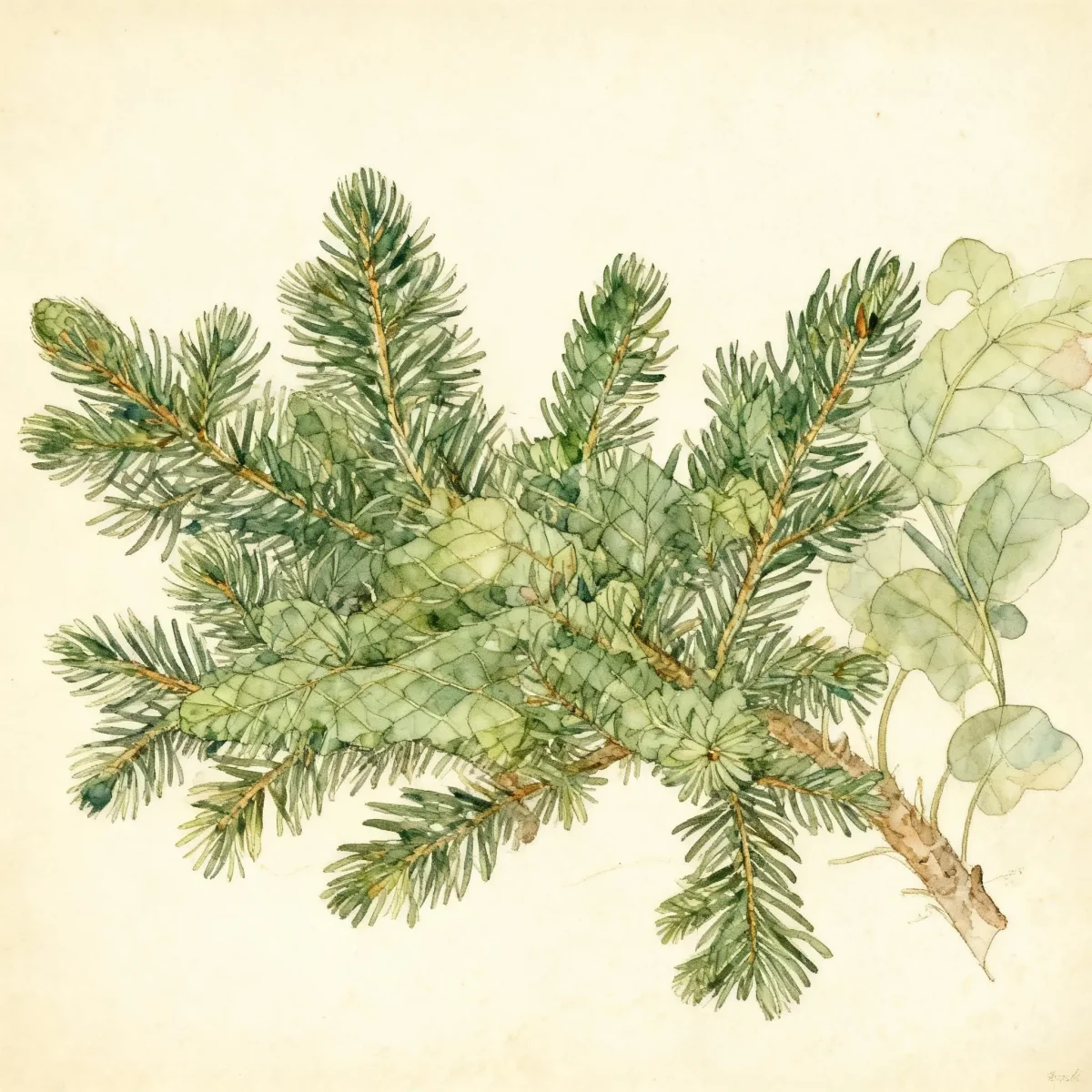
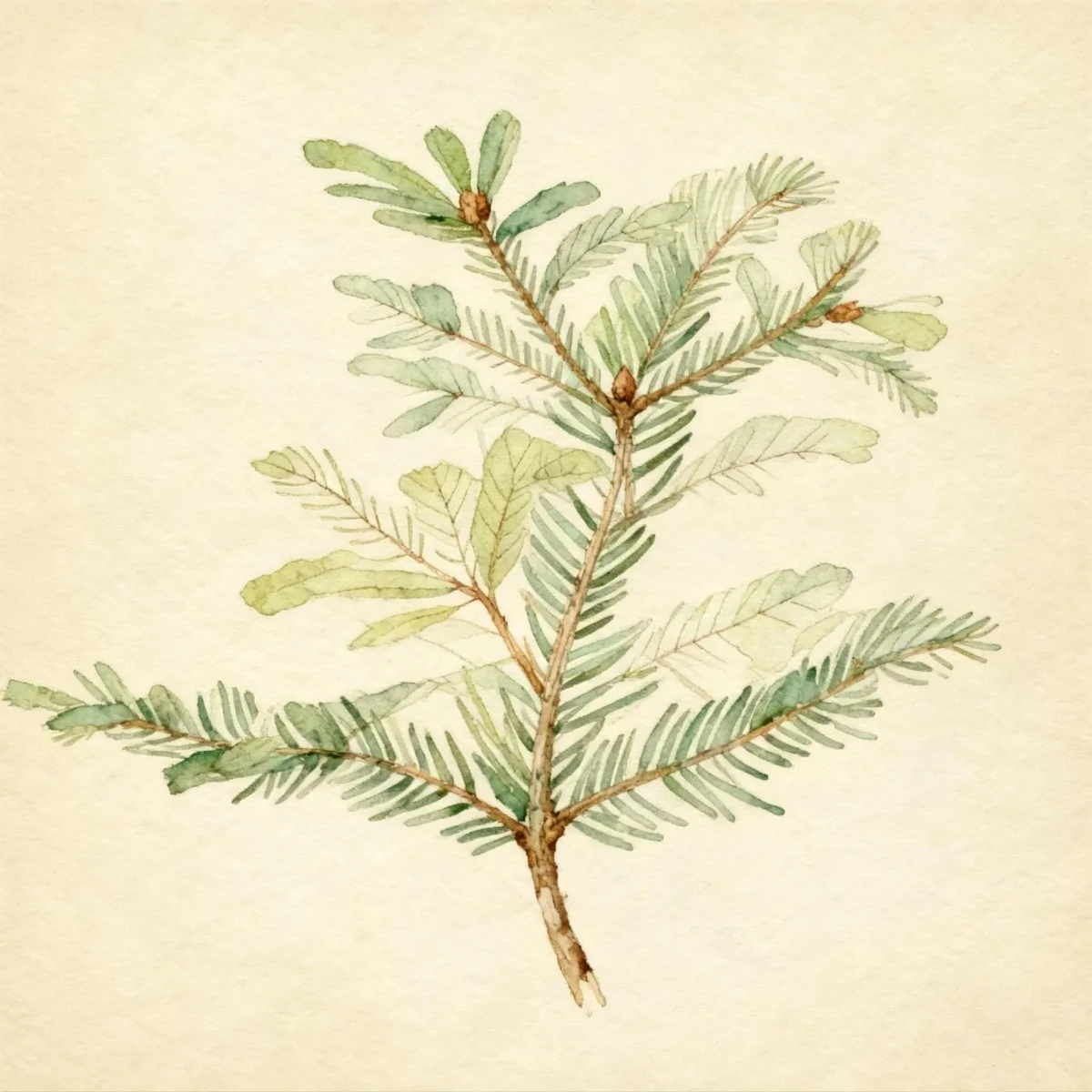
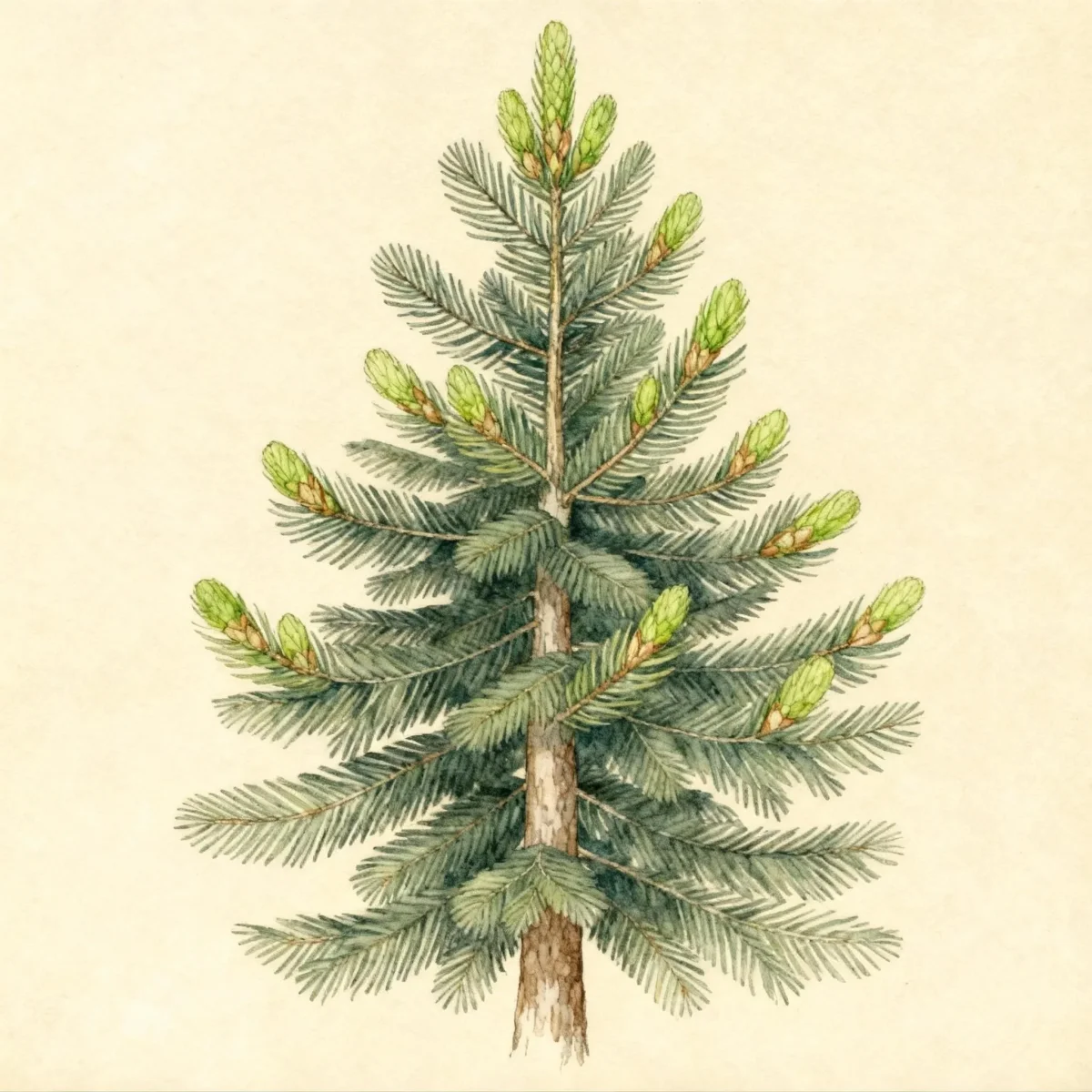
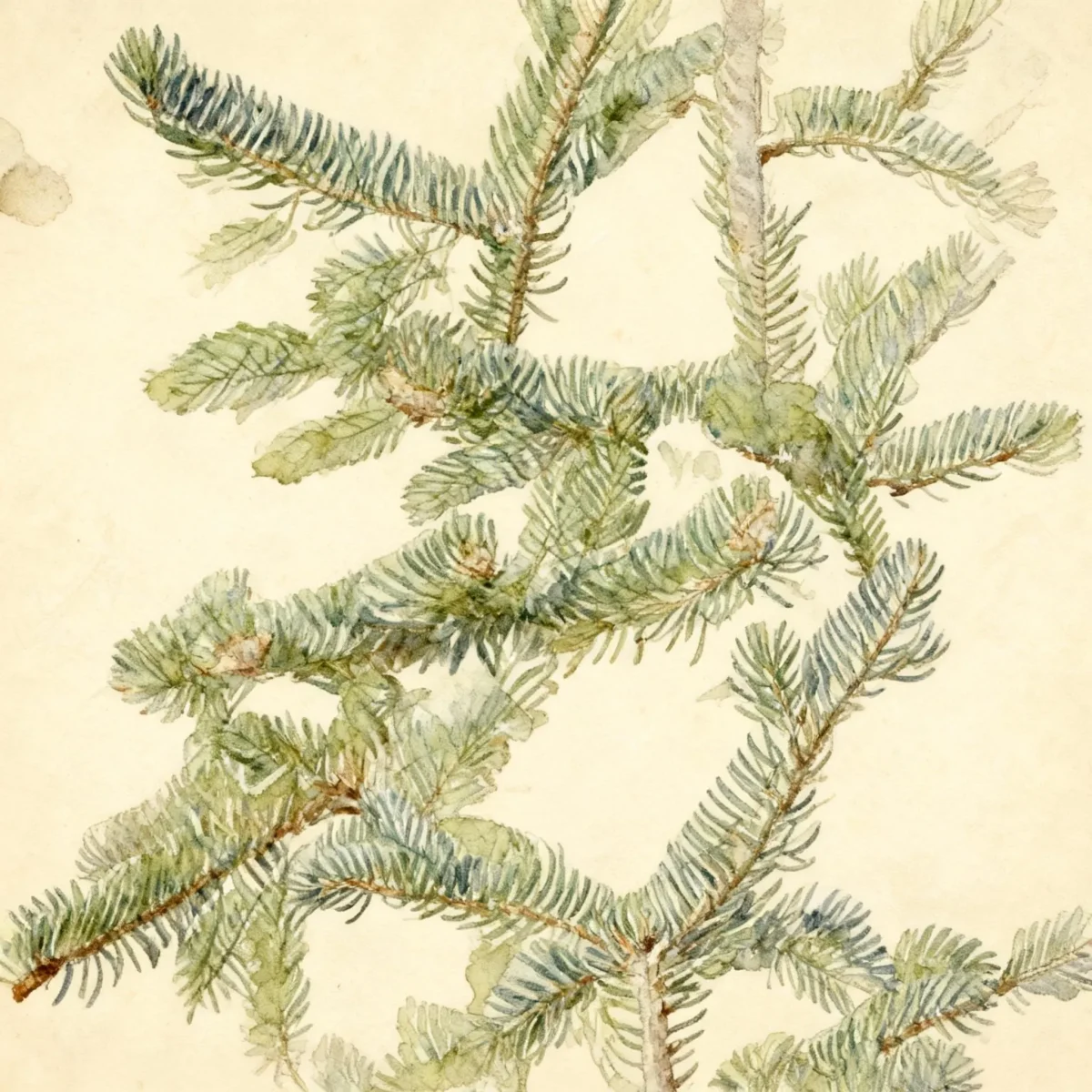
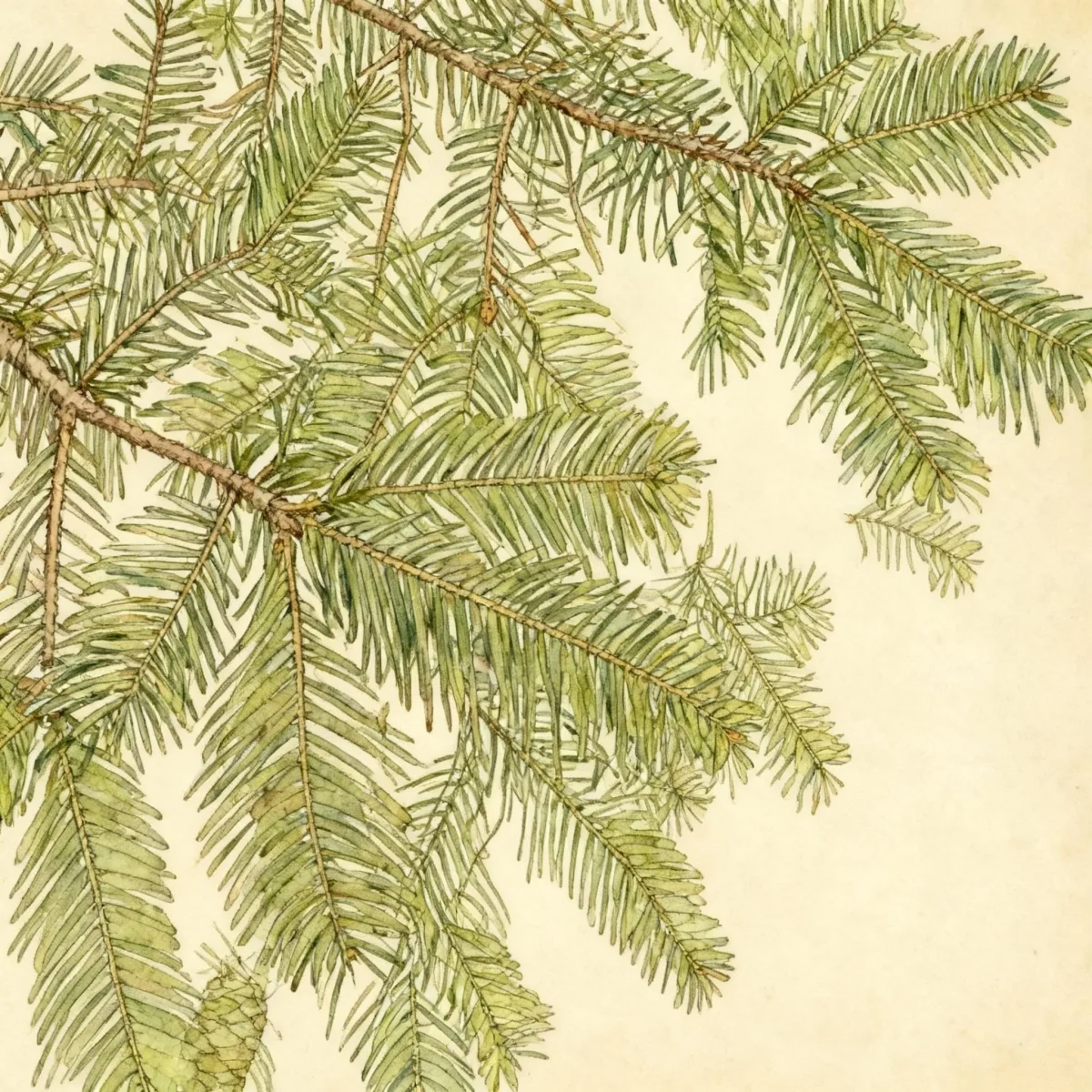
Korean fir (Abies koreana)
The Korean fir (Abies koreana) is a slow-growing evergreen prized for its striking purple cones and compact habit in cooler climates.
Scroll down to discover growing tips, care requirements, companion plants, and more
Complete Plant Information
Overview
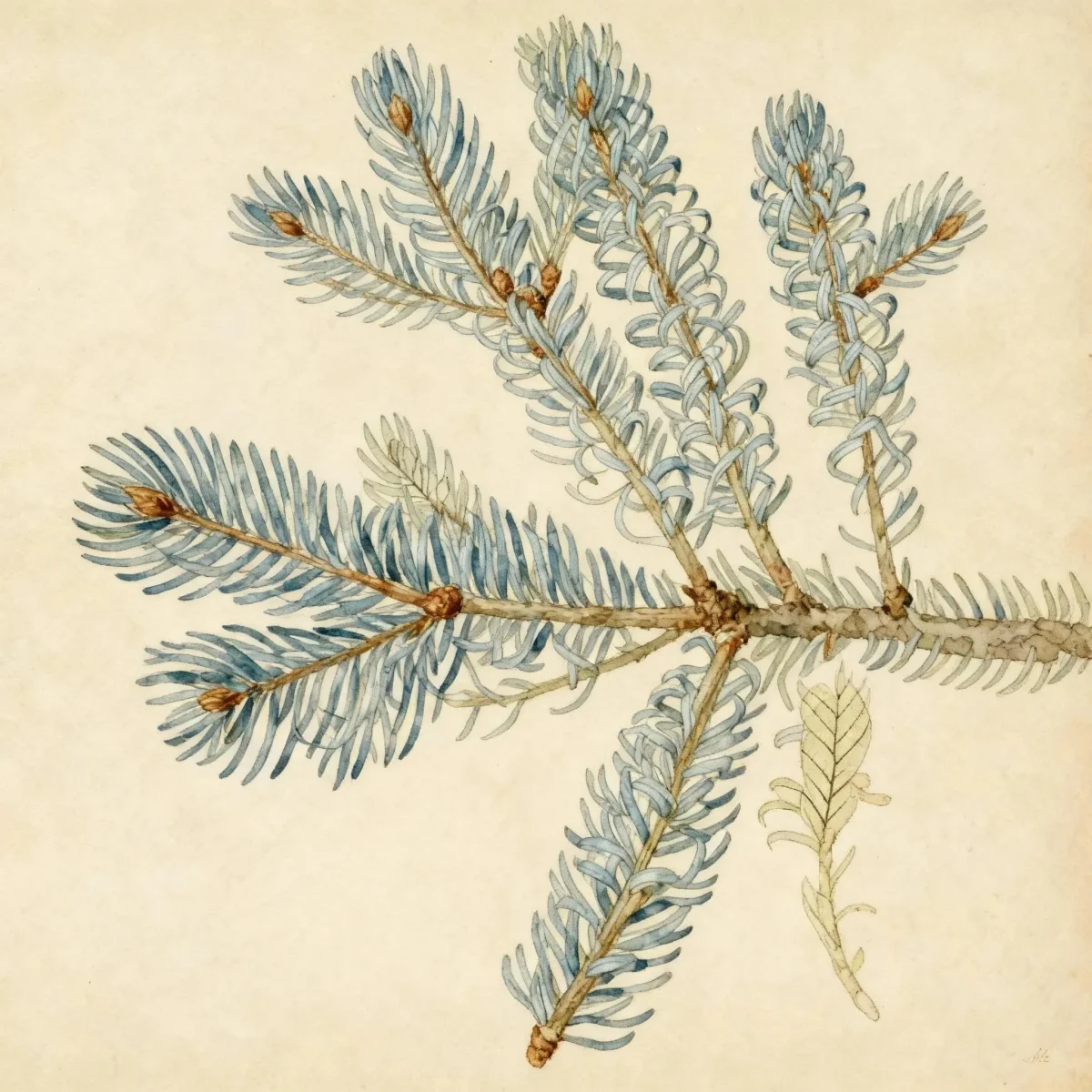
The Korean fir (Abies koreana) is highly valued by conifer enthusiasts for its slow, manageable growth rate and exceptionally attractive reproductive structures. Unlike many larger fir species, this evergreen maintains a pleasing conical shape, making it a superb focal point in smaller landscapes or specialized gardens. Its distinctive needles, dark green on top and often silvery underneath, add year-round texture and contrast.
This species thrives best when provided with its preferred cool, moist environment, reflective of its native mountain habitat in North and South Korea. When conditions are right, gardeners are rewarded with upright, striking purple cones that stand out dramatically against the foliage, often appearing when the tree is surprisingly young.
For those located in temperate regions within USDA Zones 5 through 7, the Abies koreana offers architectural beauty and reliable evergreen structure. Successful cultivation relies on consistent moisture, rich soil, and avoiding the stress caused by intense summer heat or urban pollution, as this fir requires a sheltered, cool location to achieve its full potential.
Fast Facts
- Plant Family: Pinaceae
- Plant Type: Needled evergreen
- Native Range: North and South Korea
- Hardiness Zones: USDA Zones 5-7
- Size at Maturity:
- Height: 15-30 ft
- Spread: 6-12 ft
- Bloom Time: Non-flowering
- Bloom Description: Non-flowering
- Sun Exposure: Full sun to part shade
- Water Needs: Medium
- Maintenance Level: Medium
How to Grow
Planting the Korean fir should occur during the cooler, moist periods of early spring or fall to allow the root system to establish before seasonal extremes. Select a location that offers rich, consistently moist, slightly acidic, and very well-drained soil. Avoid heavy clay soils where water pools, as this species cannot tolerate wet feet and deep root rots are a significant risk.
Watering needs are medium, emphasizing consistency rather than volume. Deep watering during dry summer spells is crucial, ensuring the soil stays evenly moist but never saturated. Abies koreana particularly dislikes hot, drying conditions, meaning it is generally unsuitable for planting far south of Zone 7, where high humidity and heat stress the tree severely.
Culturally, remember that this conifer often struggles with urban air pollution; site it carefully away from high-traffic areas if possible. Since pruning is usually minimal for shape, focus maintenance efforts on soil amendment and adequate seasonal watering. Avoid fertilizing heavily, which can encourage rapid, weak growth unsuited to the species.
Landscape Uses
The Korean fir serves wonderfully as a compact fir for the landscape, particularly when summer temperatures remain moderate. Due to its slow growth and distinctive shape, it functions excellently as an ornamental yard tree, providing a strong vertical accent without overwhelming smaller properties immediately. Its dense habit also makes it appropriate for use as a screen or specimen planting where year-round structure is desired.
Design-wise, place the Abies koreana where its purple cones can be easily observed; they look spectacular contrasted against darker evergreens or within mixed borders featuring deciduous shrubs that provide fall color. Because it appreciates consistent moisture, consider placing it near groupings of moisture-loving ferns or hydrangeas, provided the ground remains well-drained throughout the growing season.
However, gardeners must heed the caution: this species is not recommended for climates experiencing intense summer heat, such as the St. Louis area, as the thermal stress significantly shortens its lifespan and beauty.
Standout Features
Noteworthy Characteristics
Abies koreana, commonly called Korean fir, is a compact, conical to pyramidal evergreen conifer that slowly grows over time to as much as 50’ tall. Branches are densely clad with short but broad needles (to 3/4” long) that are shiny dark green above and silver beneath. Purple cones (to 3” long) are produced when the trees are quite young. As is distinctive with the firs, the cones appear upright on the branches. This species is native to the mountains of South Korea.
Tolerances
- Intolerant of urban pollution
Potential Problems
The Korean fir is generally robust against serious pests and diseases if grown in its ideal cool climate. When cultural requirements are stressed, however, problems arise. Watch out for common fir pests like Balsam woolly adelgids, which can be difficult to control once established, along with bark beetles and scale insects. Spider mites are more likely to appear during periods of hot, dry weather.
Disease management focuses on prevention through proper site selection and soil management. Root rots are a significant threat, directly linked to poor drainage; ensuring the soil profile is rich and well-drained is the best preventive measure. Needle rust and twig blight can occur, usually signaling underlying stress, often related to heat or pollution intolerance.
If pest populations are detected, use dormant oil or targeted insecticidal soaps for soft-bodied pests like aphids, while mechanical pruning or specific systemic treatments may be required for severe adelgid infestations.
Frequently Asked Questions
What hardiness zones is Korean fir suitable for?
The Abies koreana is suitable for USDA Hardiness Zones 5 through 7.
How large does Korean fir grow?
At maturity, the Korean fir typically reaches a height between 15 and 30 feet, with a spread of 6 to 12 feet.
What sun exposure does Abies koreana need?
This conifer prefers a location receiving full sun to part shade to maintain dense foliage and promote cone production.
When does Korean fir bloom?
The Abies koreana is a non-flowering conifer, meaning it does not produce traditional ornamental flowers.
Conclusion
The Korean fir provides unparalleled architectural beauty, especially due to its slow growth and captivating upright purple cones, making it a worthwhile investment for gardeners in suitable environments. Ensure your site offers the cool summers and consistently moist but drained soil that Abies koreana demands. Before planting, verify your USDA hardiness zone compatibility and select a location shielded from excessive heat and pollution to guarantee the longevity of your investment.
Companion Planting
Selecting the right companions for Abies koreana centers on meeting its demand for well-drained, rich soil and minimizing competition for surface moisture. Pair this fir with acid-loving, shade-tolerant perennials that enjoy similar cool conditions. Good choices include species of rhododendron and azalea, which offer colorful blooms without shadowing the fir too heavily, especially when young.
For textural contrast, woodland-style groundcovers like foamflower (Tiarella) or various heucheras (coral bells) work well beneath the canopy, provided they do not compete heavily with the fir’s shallow root system. Avoid planting water-loving annuals directly adjacent, as this often results in overwatering the fir, which is sensitive to root rot if soil remains soggy.
Design Ideas
Utilizing the Korean fir as an anchor in an Asian-inspired or woodland garden design capitalizes on its refined texture and conical symmetry. Plant a single specimen near a quiet seating area where its form and cones can be easily appreciated throughout the year. Because it retains its lower branches well, it can function nicely as a natural privacy screen over time in cooler microclimates.
In smaller yards, consider featuring a dwarf cultivar of Abies koreana (if available in your region) to achieve the same visual impact at a reduced scale. When placed against a structure or wall with soft, indirect evening light, the silvery undersides of the needles will shimmer, enhancing the tree’s year-round visual appeal in the landscape.