Oriental plane tree (Platanus orientalis)
The massive Oriental plane tree (Platanus orientalis) offers striking exfoliating bark and deep shade; best for large open sites in USDA Zones 7-9.
Scroll down to discover growing tips, care requirements, companion plants, and more
Complete Plant Information
Overview
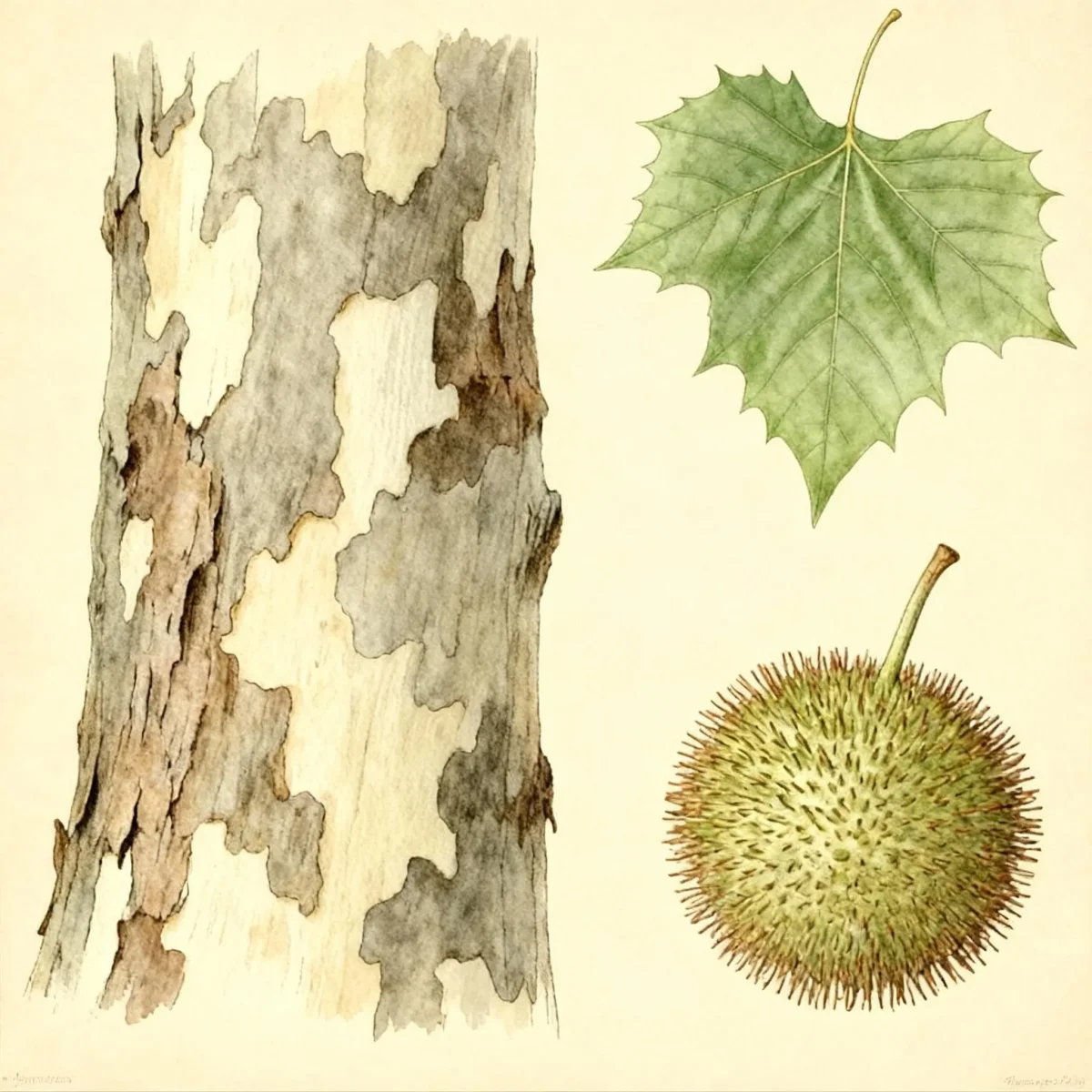
The Platanus orientalis, commonly known as the Oriental plane tree, is a magnificent deciduous tree renowned for its immense scale and distinctive, camouflage-like bark. This exfoliating bark, which flakes off in patches of brown, gray, and cream, provides year-round visual interest in the landscape. Mature specimens stand among the most massive shade trees native to its range, making it an impressive centerpiece for expansive properties.
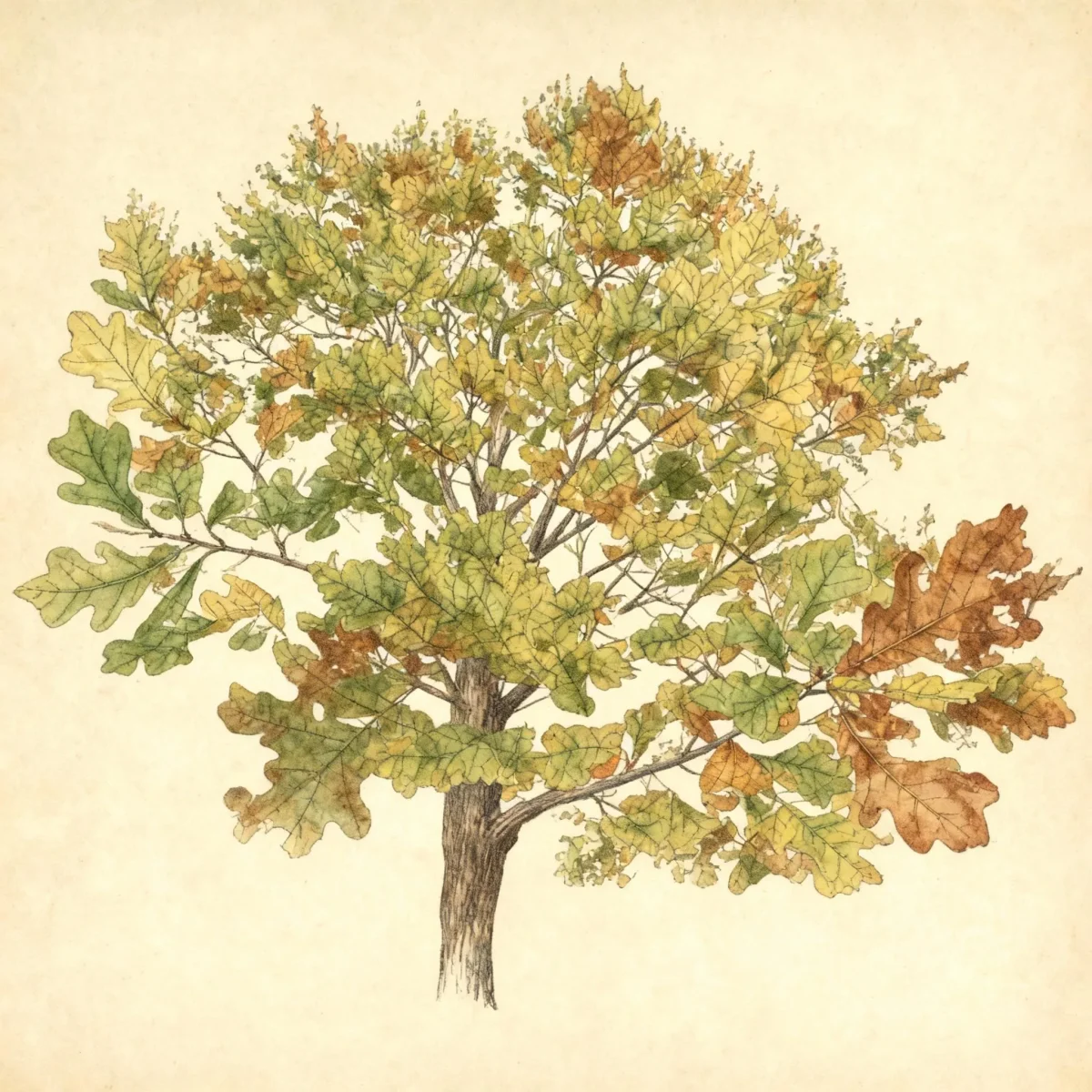
Growing reliably in USDA Zones 7 through 9, the Oriental plane tree develops a broad, rounded canopy supported by robust horizontal branching. While it demands considerable space due to its potential height reaching 80 feet or more, it offers unparalleled cooling shade during hot summers. Its presence is reminiscent of ancient European parks, offering history and grandeur to the garden setting.
Although cultivation requires attention due to its high maintenance needs and potential littering, the structural presence of Platanus orientalis is irreplaceable. It is adaptable to various soil conditions, provided moisture levels are adequate, and possesses notable tolerance to common urban pollutants, solidifying its role as a stately, hardy feature where space allows.
Fast Facts
- Plant Family: Platanaceae
- Plant Type: Tree
- Native Range: Southeastern Europe to Asia Minor
- Hardiness Zones: USDA Zones 7-9
- Size at Maturity:
- Height: 60-80 ft
- Spread: 50-70 ft
- Bloom Time: April
- Bloom Description: Red
- Sun Exposure: Full sun
- Water Needs: Medium to wet
- Maintenance Level: High
How to Grow
The best time for planting the Oriental plane tree is generally during the dormant seasons—early spring before bud break or late fall after leaf drop—allowing the root system to establish before summer heat stress. Select a location with adequate room; this tree is exceptionally large and needs significant space away from structures. P. orientalis establishes well in average soils, though it thrives best in sites that mimic its native habitat: rich, humusy, consistently moist, and well-drained conditions.
Routine care requires a commitment to deep, regular watering, especially when the Oriental plane tree is young, ensuring the soil remains medium to wet until maturity. While it prefers rich soil, it develops tolerance to somewhat dry conditions once fully established. Consider long-term soil health, as this species benefits from consistent resources to fuel its massive growth.
Maintenance can be high, primarily due to the leaf and fruit litter deposited during the fall and winter months. Pruning should focus initially on establishing a strong central leader and sound branch structure, removing crossing or weak limbs. While generally tolerant of light shade, maximizing vigor and minimizing susceptibility to diseases like anthracnose is best achieved in full sun exposure. Be aware that this species is generally tolerant of most urban pollutants, making it a resilient choice for challenging city environments.
Landscape Uses
The suggested use for Platanus orientalis is definitively as a large Shade Tree, intended for expansive properties where its massive stature can be fully appreciated. Planting should be restricted to very large yards, parkland, or estates; it is generally considered too large and too messy for constrained residential lots or typical street tree placement. Its vast canopy creates an exceptional cooling environment over lawns or large patios during the hottest parts of the year.
When designing with the Oriental plane tree, focus on plants that can handle the deep shade beneath its canopy once established, or place it strategically so that its future spread does not overwhelm smaller foundation plantings. Due to its high litter production (twigs, leaves, and persistent fruit balls), companion planting should favor robust groundcovers or turf that can withstand periodic heavy debris loads. Its dramatic texture and height make it an excellent specimen tree viewed from a distance across open landscapes.
Standout Features
Flower Qualities
- Insignificant
Fruit Qualities
- Showy
Noteworthy Characteristics
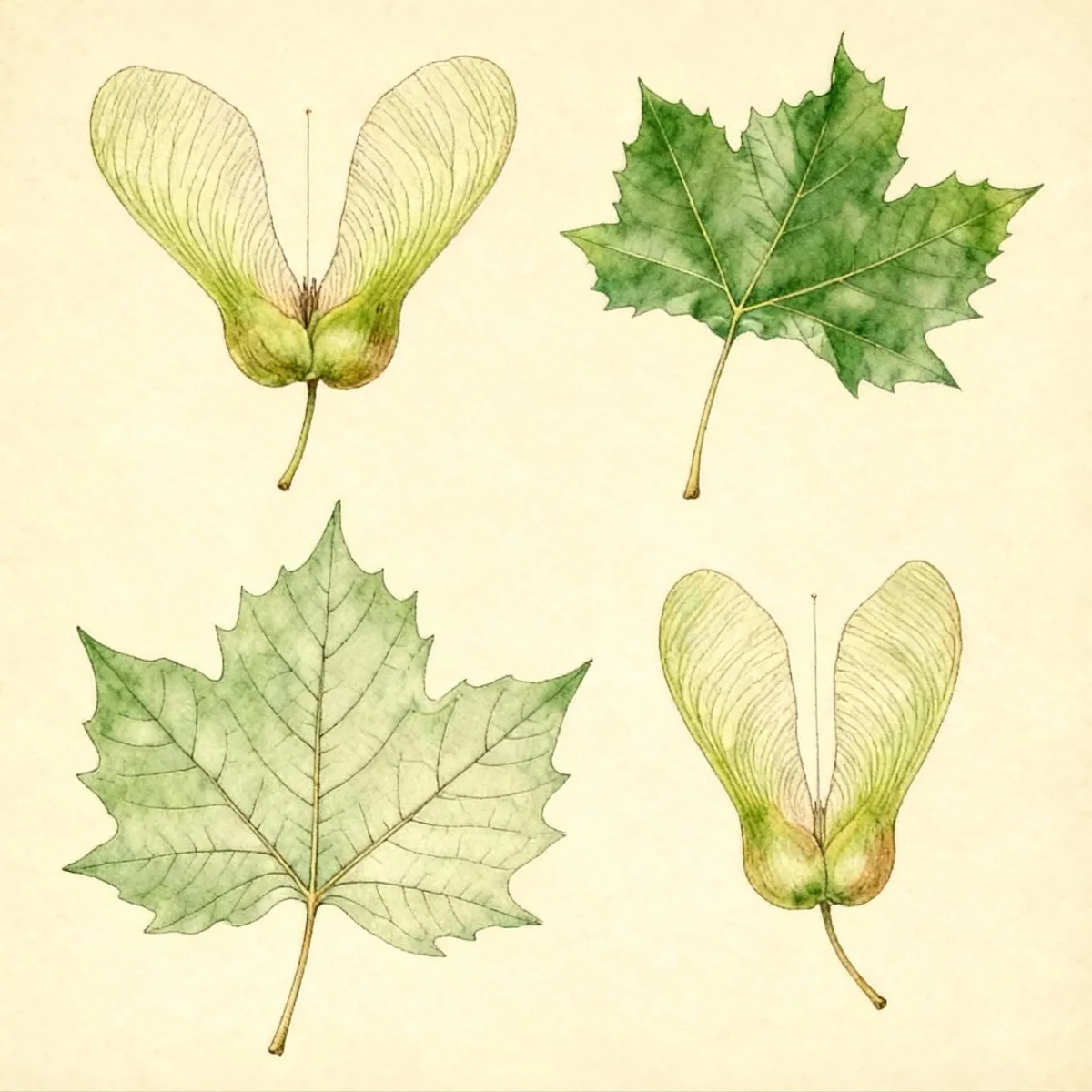
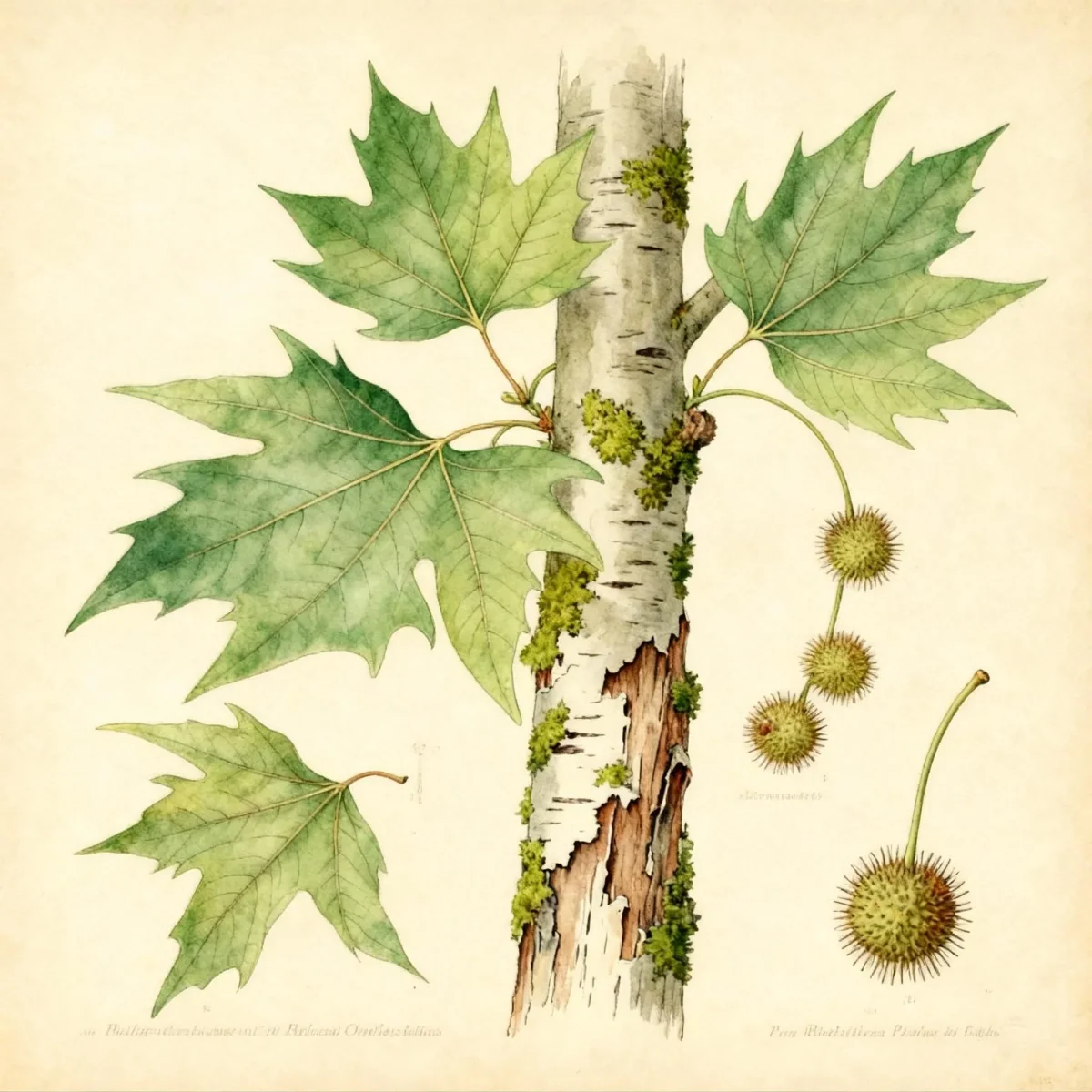
The creamy bark on mature trees facilitates identification from great distances, marking Platanus orientalis as a deciduous, usually single-trunk tree with a distinctive, flaky, brown-gray-cream bark, large maple-like leaves, and spherical fruiting balls that persist into winter. It is generally regarded as the most massive shade tree indigenous to its native range spanning southeastern Europe into western Asia. While notably variable and sometimes confused with the London plane, this species typically grows to 60-80’ tall with a rounded habit and large, deeply lobed leaves that transition to an undistinguished yellow-brown in autumn.
Tolerances
- Deer
Potential Problems
Anthracnose poses the most significant disease risk, potentially damaging foliage and twigs, leading to premature leaf drop, though the Oriental plane tree shows less susceptibility than its American cousin. Other fungal issues like canker, leaf spot, and powdery mildew may develop, especially in humid or overly dense plantings. Gardeners must also contend with potential insect pests, including borers, scale, Japanese beetles, caterpillars, and mites infesting the canopy.
A primary cultural challenge lies in the significant cleanup required when the tree sheds debris. Twig litter, large dropped leaves, shed bark flakes, and the persistent spherical fruiting balls necessitate frequent sweeping or blowing, especially when planted over paved surfaces or near pools. Furthermore, mature root systems are aggressive and pose a real threat to delicate infrastructure; position the Platanus orientalis far from sidewalks, utility lines, and sewer systems to prevent root damage and buckling.
Frequently Asked Questions
What hardiness zones is Oriental plane tree suitable for?
The Oriental plane tree is reliably hardy in USDA Zones 7 through 9.
How large does Platanus orientalis grow?
This large tree typically reaches heights between 60 and 80 feet, with a spread ranging from 50 to 70 feet at maturity.
What sun exposure does Platanus orientalis need?
Platanus orientalis requires full sun for optimal health and growth, although it can tolerate light shade.
When does Oriental plane tree bloom?
The small flowers appear in April, with the female flowers developing into the showy, bristly fruiting balls that persist into early winter.
Conclusion
The Oriental plane tree (Platanus orientalis) offers unparalleled size and the exceptional architectural element of exfoliating bark, making it a majestic choice for large-scale landscape planning. While its considerable size, high maintenance needs, and litter potential demand careful consideration, its resilience in urban settings is a major benefit. Before planting, confirm that your site offers the necessary acreage and that you are prepared for the long-term upkeep required for this impressive specimen.
Companion Planting Ideas
For areas beneath the vast canopy of an established Platanus orientalis, choose shade-tolerant and hardy groundcovers that can handle periodic debris dumping. Hostas, wild ginger (Asarum), or Vinca minimize yard work beneath the tree. If the area is sunny during early spring before the Oriental plane tree leafs out, low-growing spring ephemerals can add seasonal color before the dense summer shade prevails.
In large park settings, consider placing the Oriental plane tree near masses of large shrubs or smaller understory trees (like large dogwoods or maples) that share similar medium-to-wet soil and sun needs but offer varied textures when the plane tree’s foliage is sparse. Ensure any companion plants are positioned well outside the expected drip line for young trees, but anticipate the deep shade the mature Platanus orientalis will cast.
Seasonal Care Calendar
For spring care, focus on inspecting new growth for signs of anthracnose, applying appropriate fungicides preventatively if disease pressure is high in your region or if the previous year was severe. Summer is critical for watering; maintain consistent moisture, ensuring deep soaking, especially during dry spells to support the expansive root system of this high-water-use tree.
Fall cleanup is mandatory for the Oriental plane tree. Rake or blow leaves immediately to reduce potential habitats for overwintering fungal spores and to clear persistent fruiting balls. Minimal winter care is needed in Zones 7-9, focusing only on pruning dead or damaged branches during dormancy, ensuring all cuts promote strong, healthy scaffold limbs for the upcoming growing season.