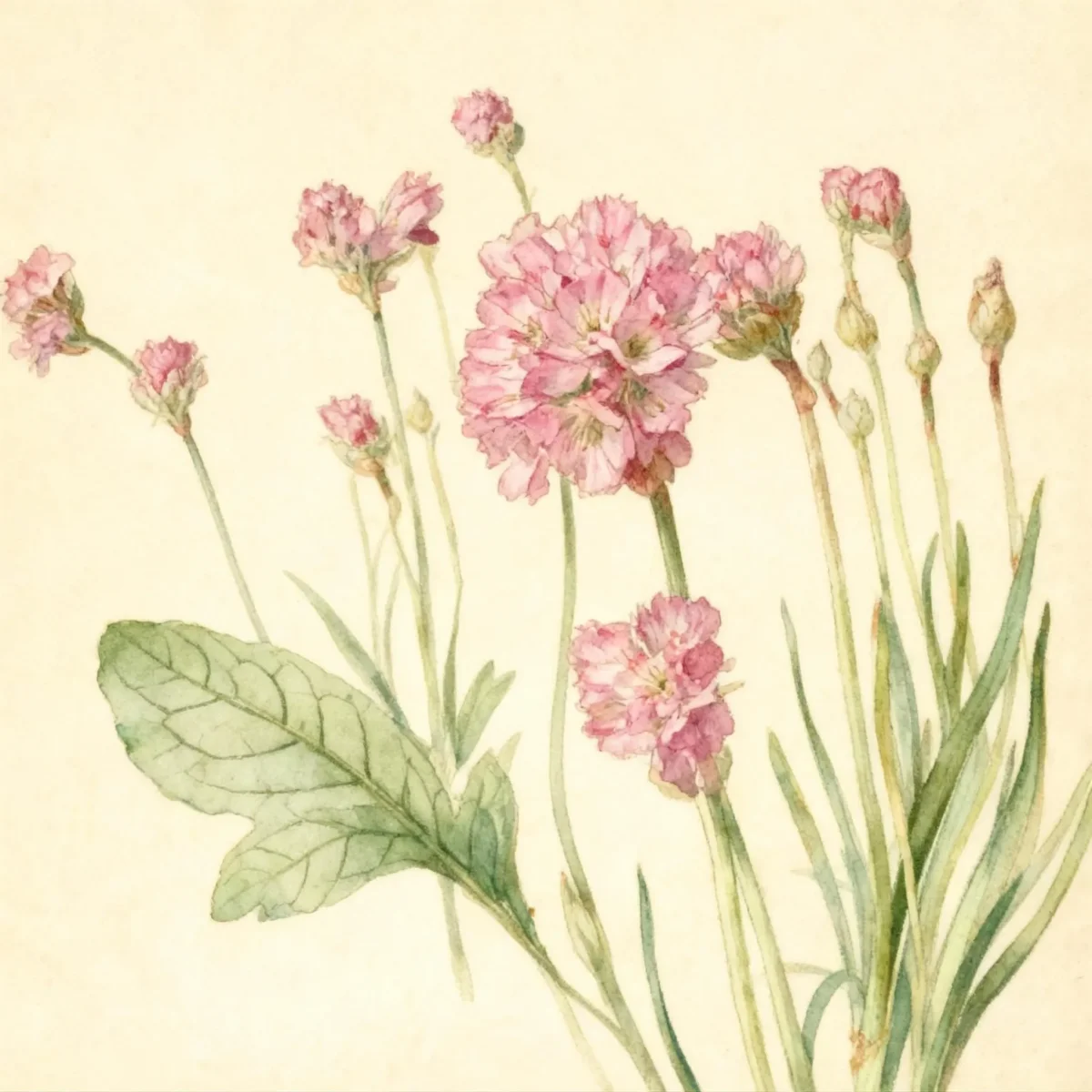
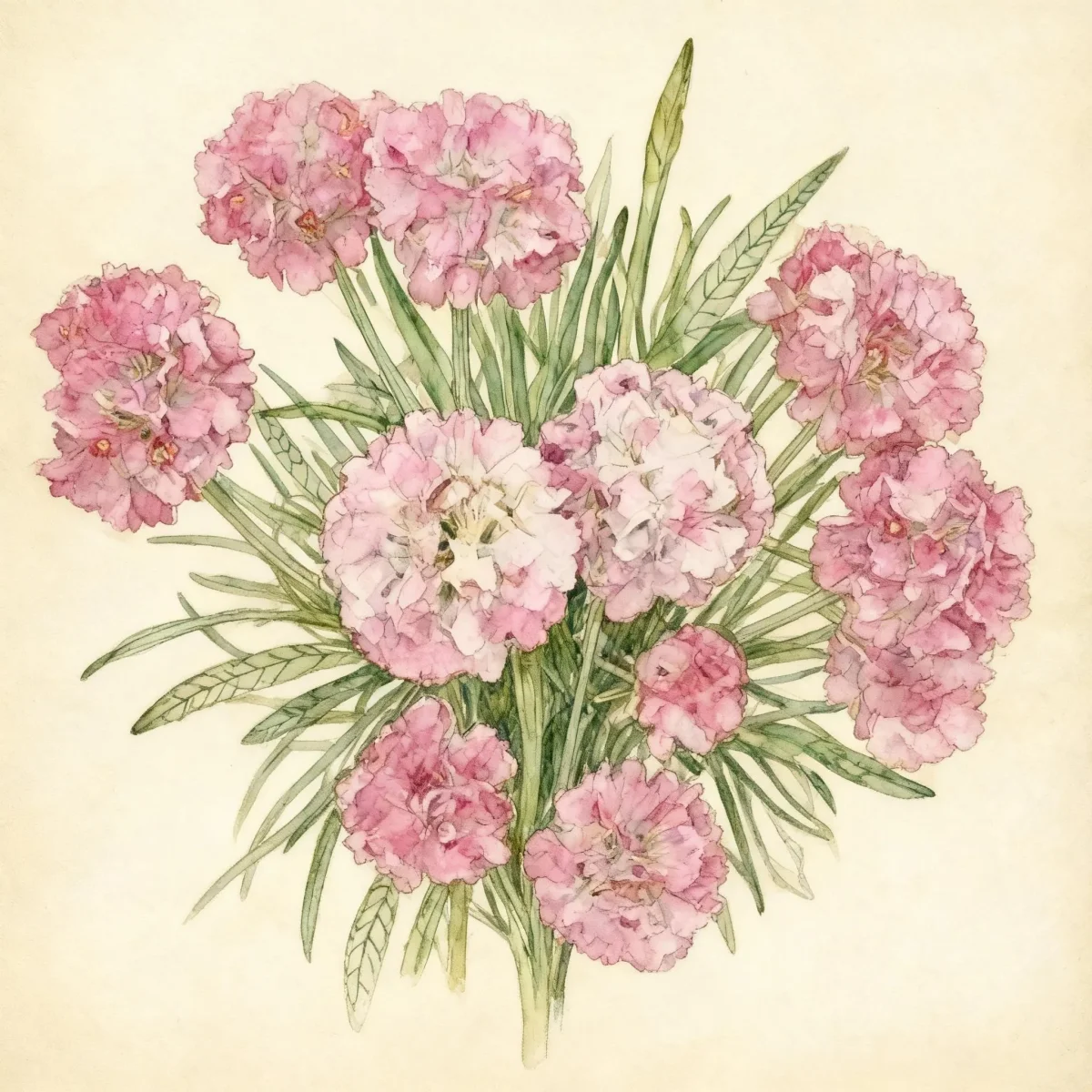
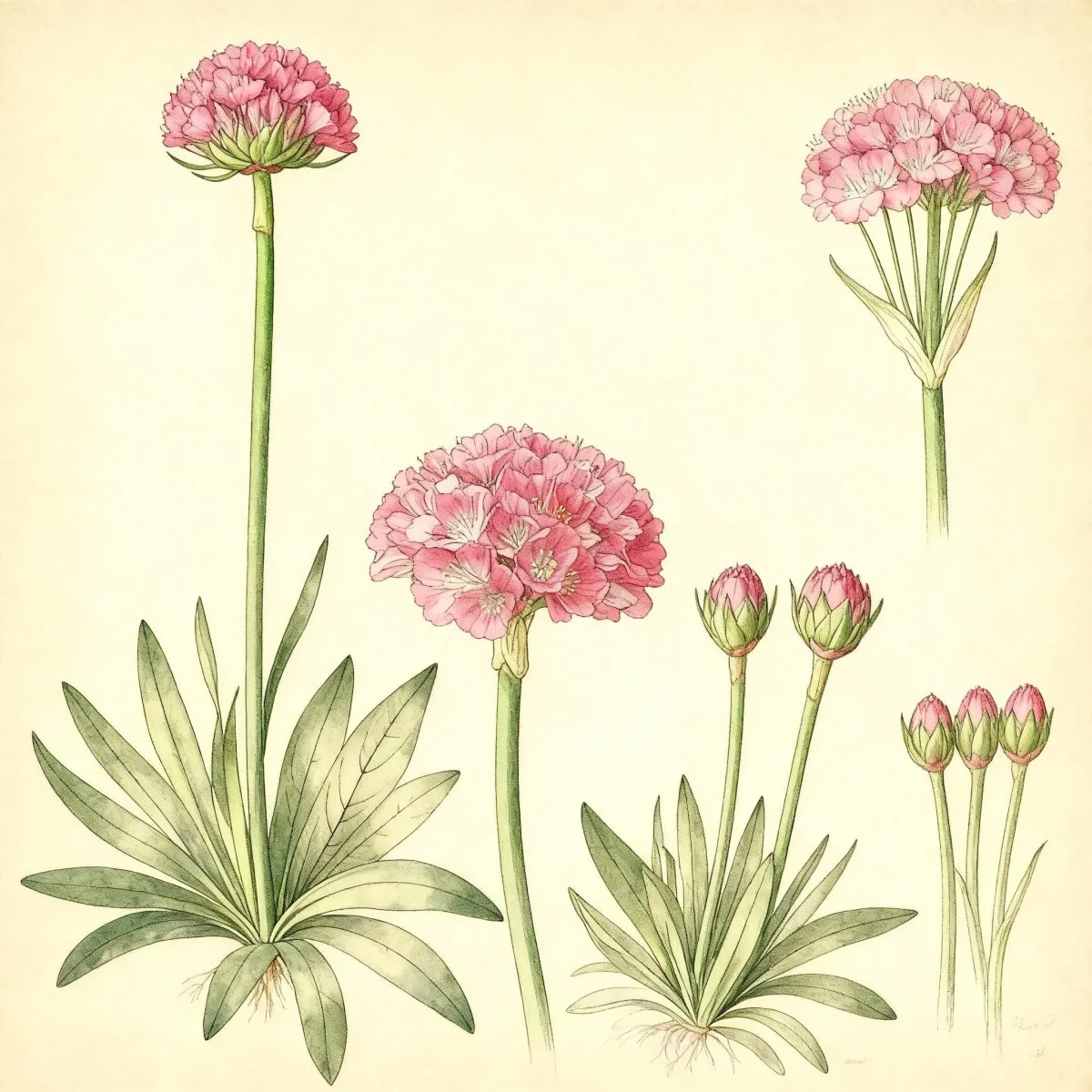
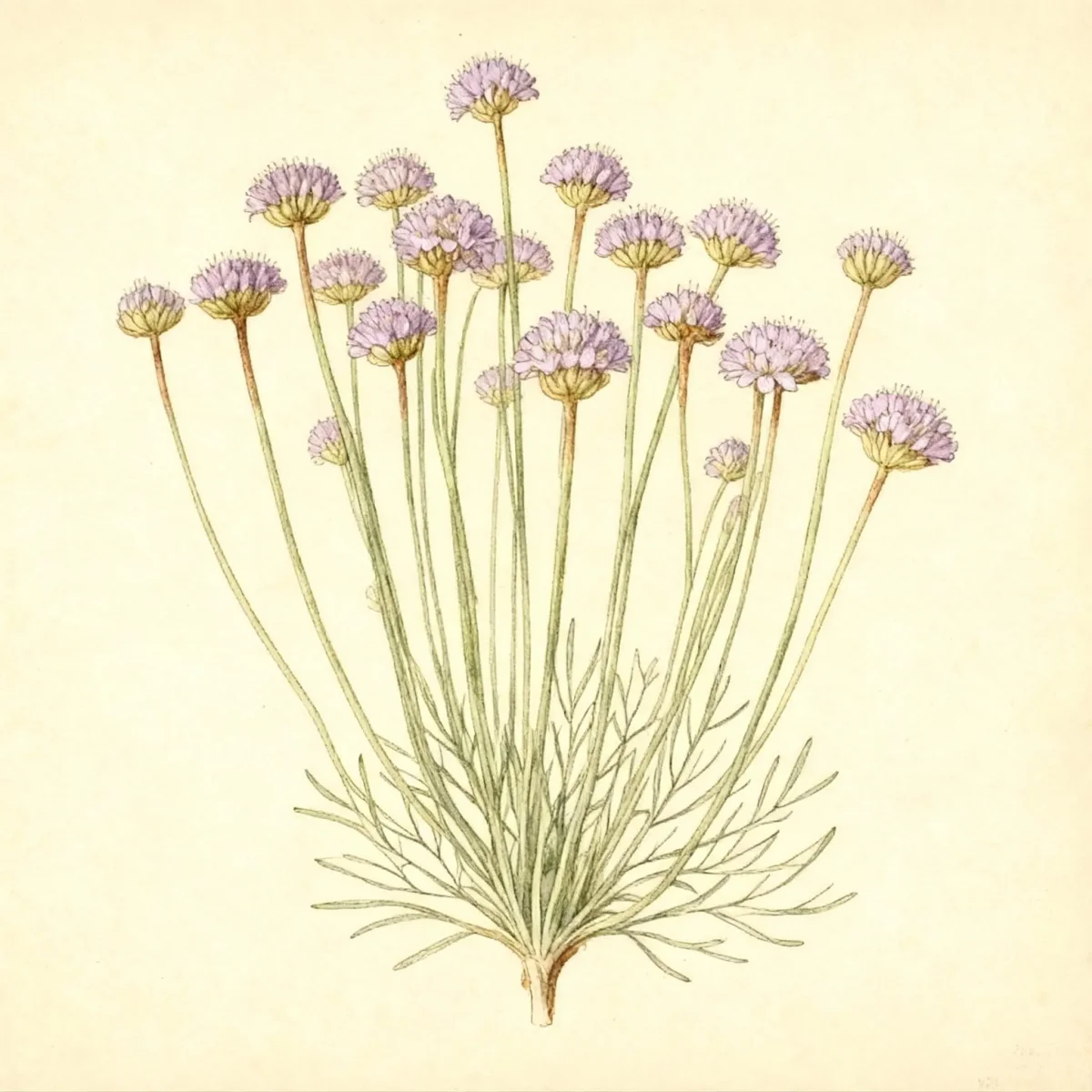
Sea thrift (Armeria maritima)
Armeria maritima, or Sea thrift, is a tough, low-growing perennial forming grass-like mounds with spring pink to white globular flowers.
Scroll down to discover growing tips, care requirements, companion plants, and more
Complete Plant Information
Overview
Armeria maritima, known commonly as Sea thrift, is a highly valued, compact perennial prized for its ability to thrive where many other plants fail. This species forms dense, attractive mounds of tough, linear, grass-like dark green foliage, providing year-round structure in the garden. Its primary ornamental feature is the delicate, globe-shaped flower clusters that rise above the mounds atop slender stalks, creating a charming carpet of pink to white blooms in the spring.
This plant is exceptionally resilient, often flourishing in infertile, dry coastal conditions, which lends it the common name Sea pink. Successful cultivation of Armeria maritima hinges almost entirely on providing excellent drainage, as moisture retention leads rapidly to crown rot. Its low stature and mounding habit make it ideal for defining edges or softening hardscaping.
Gardeners seeking rugged beauty coupled with low-maintenance appeal will find Sea thrift an excellent addition. It is perfect for rock gardens, along pathways, or anywhere a dependable, salt-tolerant ground cover is needed. Ensure you site your Armeria maritima where it receives consistent full sun to maximize flowering performance.
Fast Facts
- Plant Family: Plumbaginaceae
- Plant Type: Herbaceous perennial
- Native Range: Europe, North America
- Hardiness Zones: USDA Zones 4-8
- Size at Maturity:
- Height: 0.5–1 ft
- Spread: 0.5–1 ft
- Bloom Time: April to May
- Bloom Description: Pink to white
- Sun Exposure: Full sun
- Water Needs: Dry
- Maintenance Level: Medium
How to Grow
Planting Armeria maritima is best done in spring or early fall when soil temperatures are warm enough for root establishment. The primary cultural requirement for successful Sea thrift establishment is excellent drainage; this species demands infertile, dry, well-drained soils. Avoid heavy clay or overly rich loam, as the foliage mounds tend to rot quickly if the center stays moist. Full sun exposure is crucial for producing the dense, low cushions and prolific spring blooms.
Maintenance for this perennial is generally low once established, though it requires medium attention regarding moisture control. Water sparingly; drought tolerance is high once established, reflecting its coastal origins. Avoid overhead watering, especially late in the evening, to keep the crown dry. Fertilizing is generally unnecessary; rich soil encourages weak, floppy growth susceptible to disease.
Deadheading spent flower stems immediately after bloom finishes is essential. Deadheading encourages sporadic additional flowering throughout the summer months, extending the season of color. In the late winter or very early spring, trim away any completely dead or damaged foliage from the previous year to promote new growth from the center of the cushion.
Landscape Uses
Due to its compact nature and superb rock-garden suitability, Armeria maritima excels in specialized placements. It is perfect for use as a neat edging along walkways or defining the front rows of a perennial border where its low profile will not obscure taller neighbors. Because the spread of foliage clumps is relatively slow, it functions best as a massed ground cover for very small areas rather than large swaths.
The structural quality of the grass-like foliage makes Sea thrift an excellent textural contrast against broad-leaved succulents or coarse rock materials found in alpine settings. Consider planting Armeria maritima in wall pockets or alongside retaining walls where drainage is naturally excellent, allowing the foliage to drape slightly over the stone. While it is suitable for containers, remember that good drainage in pots is even more critical than in the ground.
Standout Features
Flower Qualities
- Showy
Noteworthy Characteristics
Armeria maritima, commonly called thrift or sea pink, is a compact, low-growing plant which forms a dense, mounded tuft of stiff, linear, grass-like, dark green leaves (to 4” tall). Tiny, pink to white flowers bloom in mid spring in globular clusters atop slender, naked stalks rising well above the foliage. In the wild, thrift or sea pink commonly grows in saline environments along coastal areas where few other plants can grow well, hence the common name.
Tolerances
- Drought
- Dry Soil
- Shallow-Rocky Soil
Potential Problems
Sea thrift, or Armeria maritima, generally faces no serious insect or disease problems when grown in its preferred environment. The primary threat comes from cultural errors, specifically inadequate drainage. Rotting of the central foliage mound occurs when soils remain persistently moist or fertile. To mitigate this, improve soil structure with grit or coarse sand before planting, ensuring water moves away from the base of the plant quickly.
If fungal issues do appear due to humidity or poor airflow, prune out affected leaves promptly. Avoid heavy fertilization, as excess nitrogen drastically reduces hardiness and increases susceptibility to stress-related decline. Proper siting according to USDA zone guidelines ensures the greatest longevity for your Sea thrift planting.
Frequently Asked Questions
What hardiness zones is Sea thrift suitable for?
Armeria maritima is generally suitable for USDA Zones 4 through 8, providing reliable perennial interest across a wide range of climates.
How large does Sea thrift grow?
This plant typically achieves a height of 0.5 to 1 foot and spreads to a width of 0.5 to 1 foot, forming tight mounds of foliage.
When does Sea thrift bloom?
Sea thrift produces its main flush of color in April and May, featuring blooms described generally as pink to white.
What sun exposure does Sea thrift need?
This plant requires full sun exposure to thrive and produce the dense flowering characteristic of healthy Armeria maritima.
Conclusion
Armeria maritima offers gardeners a durable, low-growing perennial solution perfectly suited for tough spots where other ornamentals struggle. Its reliability in dry, sunny, and even slightly saline conditions makes Sea thrift an invaluable component for rockeries or path edging. Before planting, confirm your soil guarantees excellent drainage, and then enjoy the carpet of spring color provided by this resilient coastal native.
Companion Planting
When selecting companions for Armeria maritima, focus on plants that share its intolerance for rich, moist soil. Excellent neighbors include low-growing alpine species like Sedums and Sempervivums, which thrive in sharp drainage and full sun. Consider pairing it with Dianthus varieties, as they often share similar cultural needs and bloom times, creating a seamless cottage-style front border.
For areas where high drainage is guaranteed, consider adding creeping Thymes or low-mounding varieties of Phlox subulata. These combinations reinforce the dry, sunny aesthetic desired by gardeners utilizing Sea thrift effectively. Avoid moisture-loving perennials like Hostas or Brunnera, as their water demands will inevitably compromise the health of the Armeria maritima.
Seasonal Care Calendar
Spring preparation is critical for Sea thrift. As soon as new growth begins emerging from the base, lightly rake out any old, matted foliage debris to prevent crown moisture buildup. If you must fertilize, apply a very light dusting of low-nitrogen granular fertilizer once in early spring, but generally, skip it. This is the ideal time to divide older clumps if spread is becoming too dense, typically every three to four years.
Summer care centers almost entirely on deadheading. Removing fading flower stalks immediately helps trigger sporadic repeat blooming later in the season, keeping the garden looking tidy. Maintain dry conditions; resist the urge to water unless a severe drought persists for several weeks. Summer division is not recommended due to the stress it places on the root system.
In autumn, minimal intervention is needed for Armeria maritima. Allow the foliage to remain intact throughout the winter, as this dense mat offers protection to the crown against winter moisture and freeze-thaw cycles. Perform hard cleanup pruning only in very early spring before new shoots emerge, rather than in the fall.