Statice (Limonium sinuatum)
Discover the low-maintenance beauty of Statice (Limonium sinuatum). Ideal for dried arrangements, this plant offers showy summer blooms.
Scroll down to discover growing tips, care requirements, companion plants, and more
Complete Plant Information
Overview
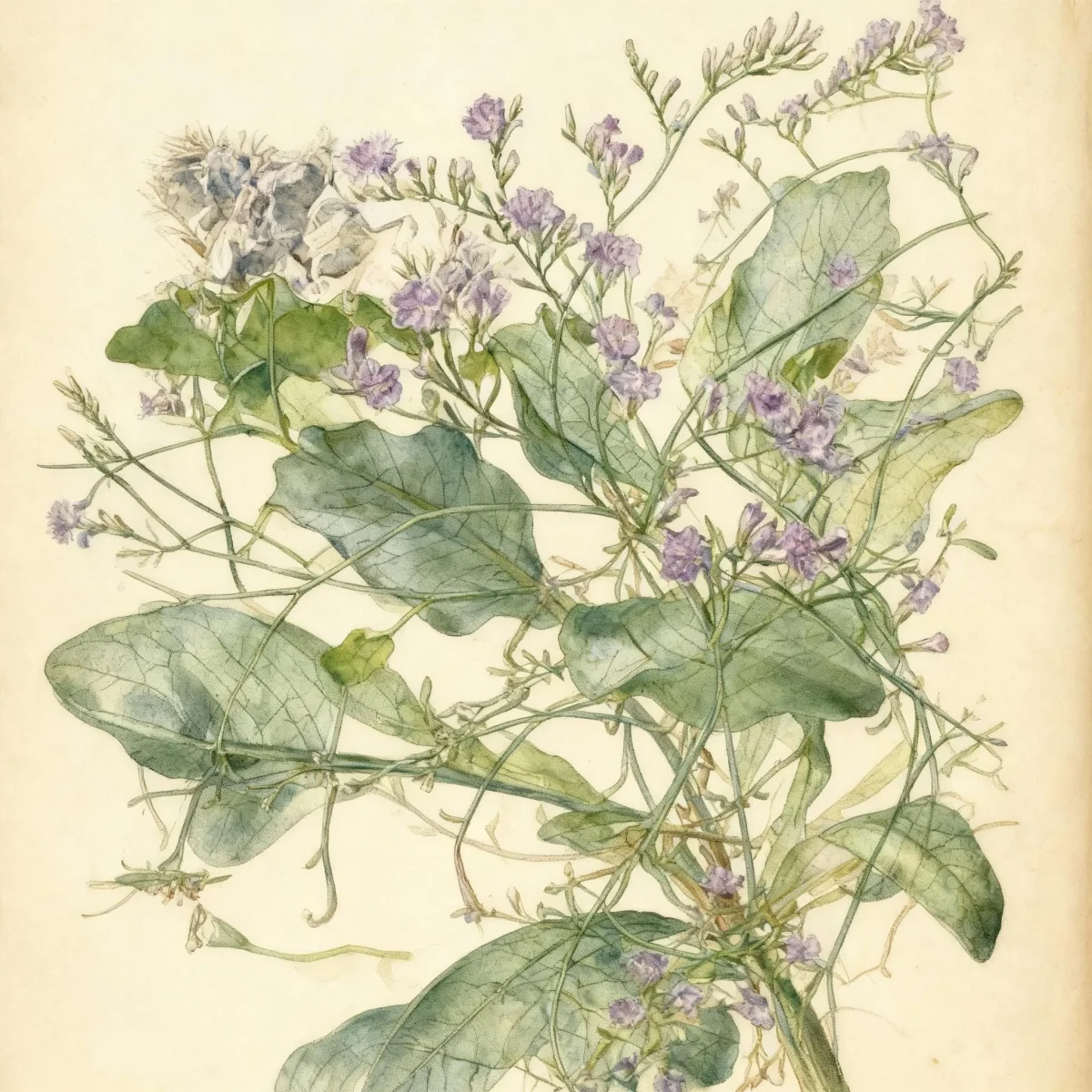
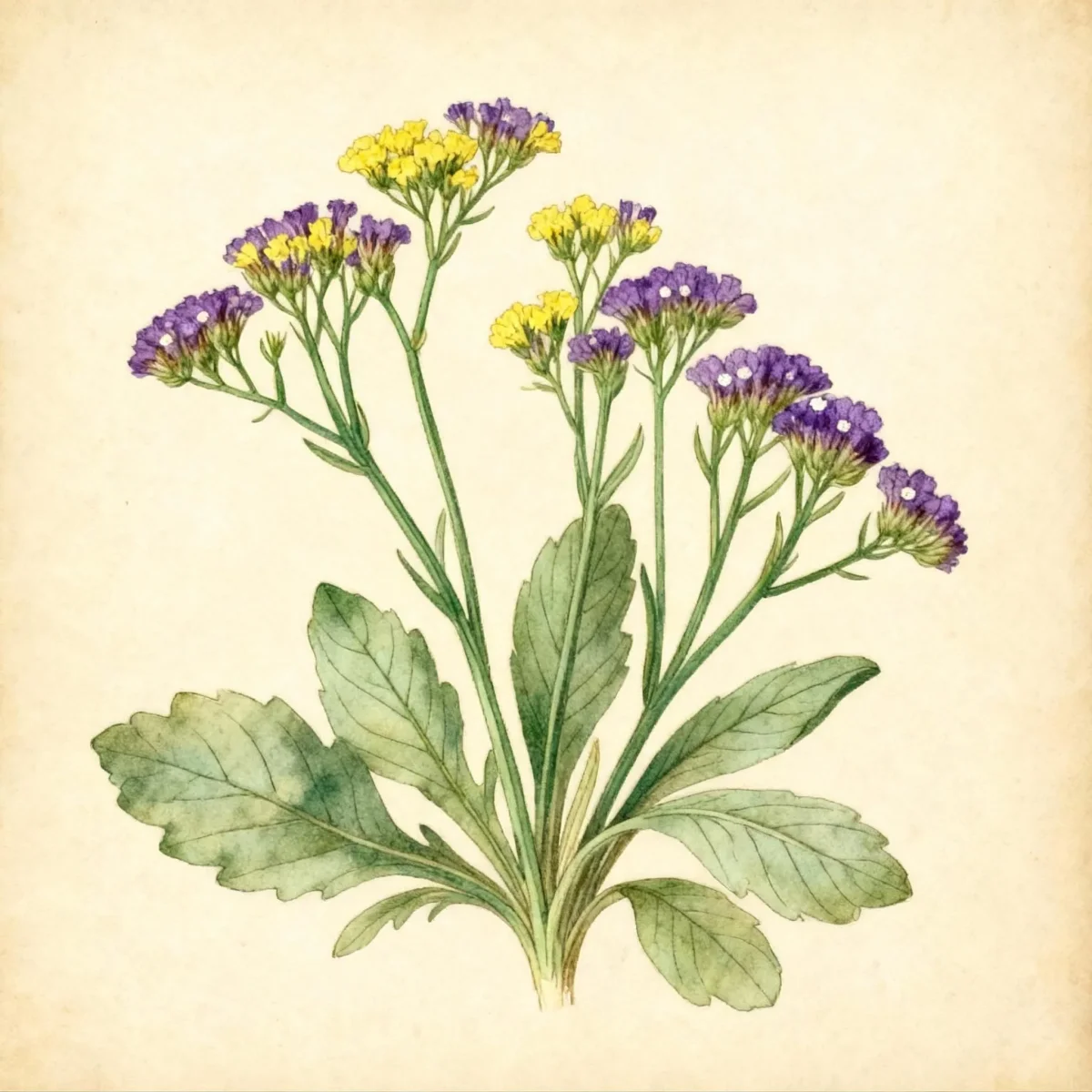
Statice, scientifically known as Limonium sinuatum, is a highly valued garden inclusion, famous for its papery, long-lasting flowers that dry beautifully in place. Commonly referred to as Statice, this Mediterranean native adds texture and enduring summer color to beds and bouquets. Its unique structure features clustered spikelets atop distinctively winged stems, rising from basal rosettes of wavy-margined leaves.
While technically a tender short-lived perennial in warmer climates (Zones 8-10), most gardeners treat Limonium sinuatum as a reliable annual for its exceptional performance during the summer season. It thrives with consistently sunny exposure and prefers lean, well-drained soils, making it a low-maintenance choice for sunny landscapes.
The true value of Statice lies in its visual persistence; the colorful, showy calyces remain vibrant long after the delicate true flowers fade. This quality ensures that whether used fresh in a mixed border or harvested for dried arrangements, this plant provides extended ornamental impact.
Fast Facts
- Plant Family: Plumbaginaceae
- Plant Type: Herbaceous perennial
- Native Range: Northern Africa, western Asia, Europe
- Hardiness Zones: USDA Zones 8-10
- Size at Maturity:
- Height: 1-1.5 ft
- Spread: 0.75-1 ft
- Bloom Time: June to July
- Bloom Description: White corolla with violet blue calyx
- Sun Exposure: Full sun
- Water Needs: Dry to medium
- Maintenance Level: Low
How to Grow
For best results implementing Limonium sinuatum in your garden, anticipate its needs for sun and sharp drainage. Seed sowing can be done directly into the garden around the last spring frost date, or you can get a head start by initiating seeds indoors about six to eight weeks prior to this date. Optimal performance comes from light, well-drained, sandy loams situated in full sun. Be aware that these plants often struggle where summers are excessively hot and humid.
Care requirements for Statice are minimal once established, reflecting its drought tolerance. Water when the soil is dry to the touch, aiming for dry to medium moisture levels rather than consistently soggy conditions. Because this plant produces one long, spectacular bloom, traditional deadheading is generally unnecessary. This saves gardener time while maintaining a tidy appearance.
In cooler regions, remember that Limonium sinuatum is grown strictly as an annual due to its limited winter hardiness. If overwintering is attempted in Zones 8-10, ensure superb drainage to mitigate risks. Good air circulation is also vital for preventing fungal issues that thrive in damp, still conditions.
Landscape Uses
Statice, with its papery texture and sturdy stems, excels in several garden roles, particularly where texture and lasting color are desired. It is highly recommended for cutting gardens, as its fresh blooms are lovely in summer arrangements, and they cure naturally for use in winter displays. Consider planting Limonium sinuatum in mixed borders to provide vertical interest without overwhelming surrounding plants.
The plant’s preference for drier conditions makes it an excellent addition to rock gardens where richer soils and constant moisture might prove detrimental to its health. For a cottage garden meadow feel, scatter seeds widely; the loose arrangement complements other drought-tolerant flowers effectively. Ultimately, any location needing vibrant, easy-care color that transitions easily from garden to vase will benefit from adding Statice.
Standout Features
Flower Qualities
- Showy
- Good Cut
- Good Dried
Noteworthy Characteristics
Limonium sinuatum is native to the Mediterranean region and is commonly called statice or notchleaf status, noted for its clusters of papery, funnel-shaped flowers appearing in summer. These flowers emerge in panicles atop winged stems, rising above basal rosettes of wavy-margined leaves, with the showy feature being the violet-blue calyces which remain long after the true white corollas disappear. This plant is considered excellent for both fresh cut flower displays and permanent dried arrangements due to the longevity of the calyx structure.
Tolerances
- Drought
Potential Problems
The primary concerns when cultivating Limonium sinuatum relate to soil moisture and air movement, specifically the potential for crown rot and root rot. These fungal issues are often exacerbated by heavy, poorly draining soils or planting locations that restrict airflow around the base of the plant. To minimize the onset of these diseases, always ensure your planting medium is light and well-drained, such as a sandy loam, and avoid overcrowding plants.
Frequently Asked Questions
What hardiness zones is Statice suitable for?
Limonium sinuatum is winter hardy to USDA Zones 8 through 10, though it is often successfully grown as an annual outside of this range.
How large does Statice grow?
This plant reaches a mature height between 1 and 1.5 feet tall, with a spread ranging from 0.75 to 1 foot wide.
What sun exposure does Statice need?
Statice requires full sun exposure to perform its best throughout its June to July bloom period.
When does Statice bloom?
The bloom time for Limonium sinuatum is typically from June to July, presenting flowers described as having a white corolla complemented by a violet-blue calyx.
Conclusion
Statice (Limonium sinuatum) remains a champion for gardeners seeking low maintenance, drought-tolerant summer color that doubles perfectly as an everlasting dried flower. Its unique, papery blooms ensure textural interest in borders and exceptional longevity when harvested for arrangements. Before planting, verify your local USDA zone compatibility or commit to growing this beauty as a dedicated annual for superb summer performance.
Companion Planting
When planning your cutting or mixed borders, consider soil and water requirements as key factors for companion planting with Statice. As Limonium sinuatum demands well-drained, somewhat lean soil and full sun, choose companions that share this preference. Drought-tolerant Mediterranean herbs like Lavender (Lavandula) or Greek Oregano (Origanum vulgare) are excellent pairings that maintain a similar aesthetic profile and cultural regimen. Similarly, Zinnias and Celosia, frequently grown as annuals alongside Statice, appreciate the same sunny, airy conditions.
Design Ideas for Dried Arrangements
The primary appeal of Statice is its adaptability for longevity after cutting. For successful drying, harvest stems just as the papery calyces are fully colored, but before the white corollas completely fade. Cut the stems long—even slightly taller than you think you need—since there will be some shrinkage during the drying process. Hang bundles upside down in a dark, dry, well-ventilated area, avoiding direct sunlight which can bleach the vibrant violet-blue hues out of the calyces. This makes Statice a fundamental building block for year-round floral crafts.