Cape leadwort (Plumbago auriculata)
Discover Cape leadwort (Plumbago auriculata), a star native to South Africa, prized for its abundant clusters of pale blue flowers and adaptability as a container plant.
Scroll down to discover growing tips, care requirements, companion plants, and more
Complete Plant Information
Overview
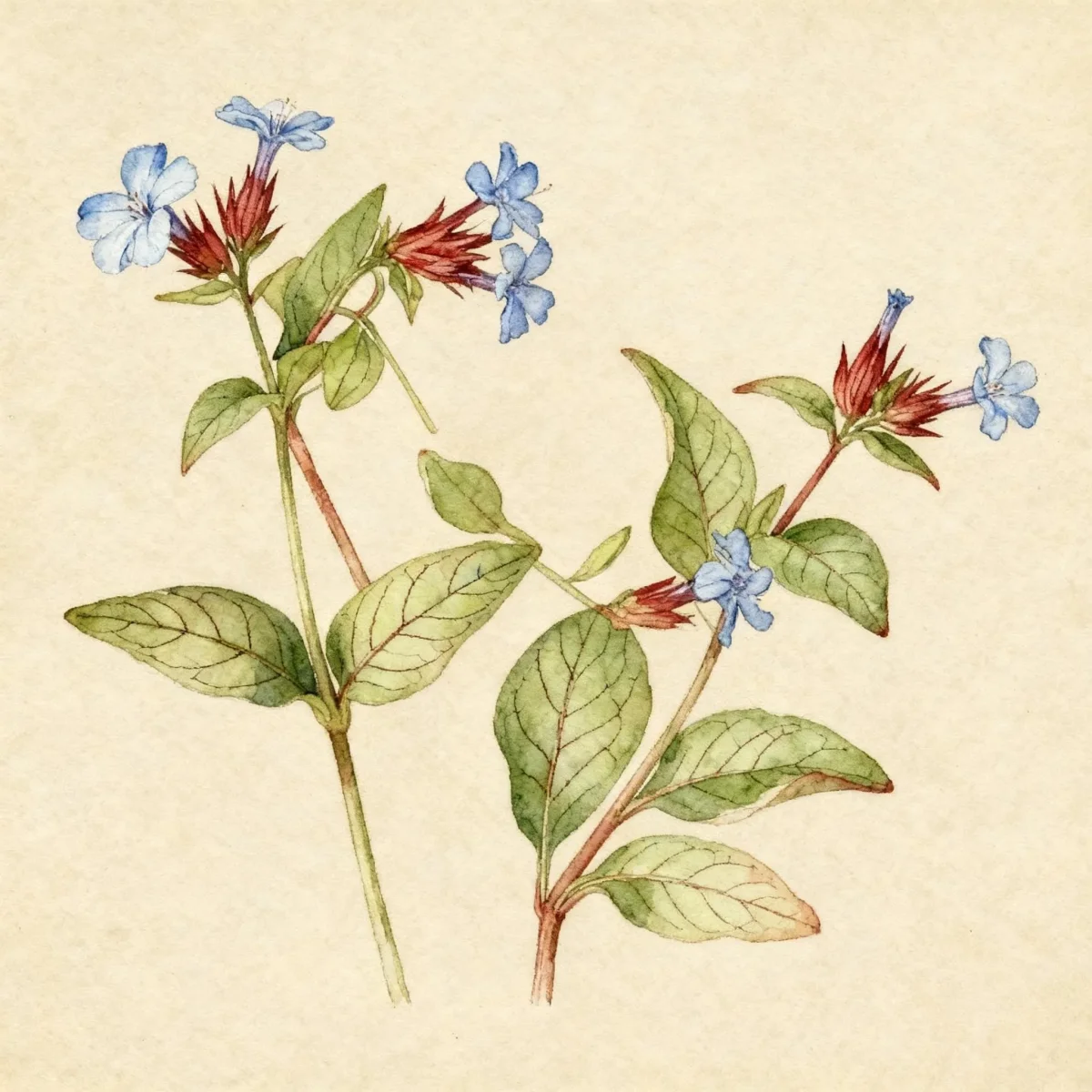
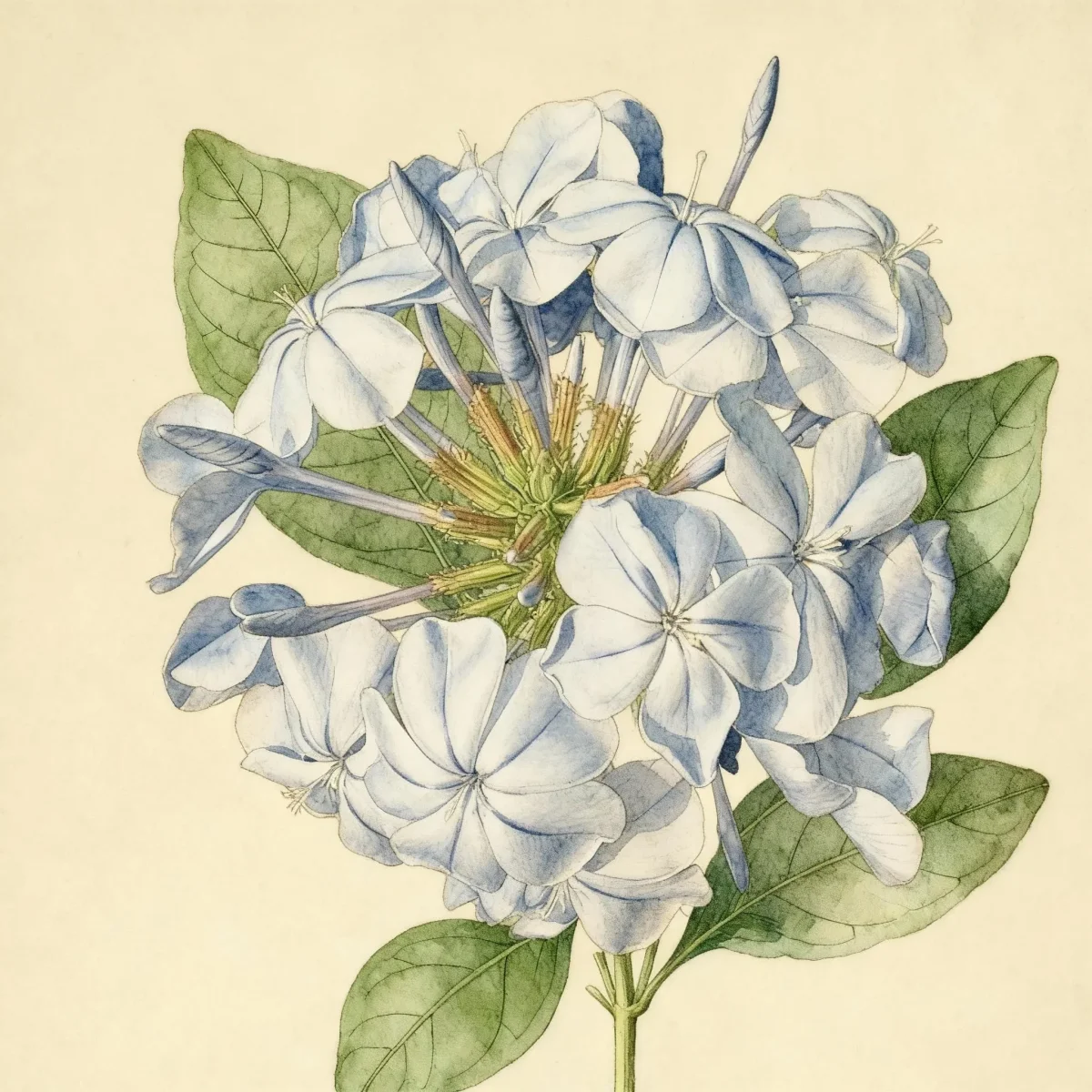
Cape leadwort, scientifically known as Plumbago auriculata, is a highly esteemed broadleaf evergreen cherished for its nearly season-long display of delicate, phlox-like flowers. Native to South Africa, this plant brings vibrant, pale blue color to borders, containers, and trellises in warmer climates. It offers a graceful texture, shifting easily between a rounded shrub habit or a trained, rambling vine.
This perennial evergreen shrub thrives when given plenty of light, making it an excellent choice for sunny patios or decks. While robust in its native environment, gardeners in cooler regions often utilize Plumbago auriculata as a spectacular seasonal container specimen that can be brought indoors for winter protection. Its structure and profuse flowering activity make it a valuable focal point throughout the growing season.
The common name Cape leadwort hints at its historical origins, but its modern appeal lies in its resilient yet elegant flowering performance. Whether grown compact in a pot or allowed to sprawl slightly as an informal screen, Plumbago auriculata delivers consistent beauty wherever it is sited, provided strong winds are avoided.
Fast Facts
- Plant Family: Plumbaginaceae
- Plant Type: Broadleaf evergreen
- Native Range: South Africa
- Hardiness Zones: USDA Zones 8-11
- Size at Maturity:
- Height: 1-3 ft
- Spread: 1-3 ft
- Bloom Time: Flowers freely
- Bloom Description: Pale blue
- Sun Exposure: Full sun to part shade
- Water Needs: Medium
- Maintenance Level: Medium
How to Grow
For optimal health, plant Cape leadwort where it receives full sun to moderate afternoon shade, ensuring the location is protected from harsh winds, which can damage the stems. Plumbago auriculata prefers organically rich, fertile, and well-drained soils. When planting in the ground within its viable zones (USDA 8-11), maintain consistently moist soils during active growth, though established plants show good drought tolerance.
Watering needs are best described as medium; aim for consistent moisture during the spring and summer growing season. Fertilization is generally straightforward—feed according to standard practices for blooming shrubs in your region. Pruning is a key part of maintaining shape, especially when growing this plant as a container specimen.
Seasonal care is vital for successful long-term cultivation of Plumbago auriculata. If you are overwintering this plant outdoors in Zones 8-11, light pruning after the main bloom cycle helps manage size. If you must bring it indoors before the first fall frost, locate it in a bright, sunny room. Annual hard pruning in late winter encourages vigorous, fresh growth for the subsequent season, resulting in better flowering.
Landscape Uses
In tropical and subtropical landscapes, Cape leadwort excels when used as a low, flowering hedge or trained along fences and walls where its rambling yet manageable structure provides seasonal screening. For gardeners cultivating Plumbago auriculata in cooler zones, containers are the preferred method, allowing placement on patios, decks, or sunny entryways. Sinking these pots to the rim in garden beds is also a popular technique to integrate them temporarily into borders.
When planting in containers, ensure the potting mix drains exceptionally well, accommodating its need for moisture without becoming waterlogged. Pair the soft blue hues of the Cape leadwort with contrasting foliage, such as silver or deep purple annuals, beneath the rim of the pot. This versatility allows it to serve as a thrilling centerpiece or spill over the edge, providing continuous color.
Standout Features
Flower Qualities
- Showy
Fruit Qualities
- Showy
Noteworthy Characteristics
Plumbago auriculata, commonly called cape leadwort or cape plumbago, is native to South Africa, where it forms a weak-stemmed perennial evergreen shrub that can reach significant size in its native habitat. When grown in containers, it is typically kept smaller, reaching 1-3 feet annually, often requiring periodic pruning for shape maintenance. It features attractive clusters of pale blue, phlox-like flowers that bloom freely throughout the growing season, followed by distinctive barbed fruit capsules.
Tolerances
Potential Problems
Indoor growers should remain vigilant for common houseplant pests when caring for overwintering Plumbago auriculata. Specifically, watch closely for infestations of whiteflies, spider mites, and mealy bugs, which thrive in dry indoor air. Regular inspection of the undersides of leaves is crucial; if pests are spotted early, treat immediately with insecticidal soap or horticultural oil to prevent serious damage before the plant returns outdoors for the season.
Frequently Asked Questions
What hardiness zones is Cape leadwort suitable for?
Cape leadwort (Plumbago auriculata) is winter hardy in USDA Zones 8 through 11, thriving year-round in these warmer regions.
How large does Plumbago auriculata grow?
When confined to containers, the height and spread of Plumbago auriculata are typically maintained between 1 to 3 feet, though it naturally grows much larger in the tropics.
What sun exposure does Cape leadwort need?
This plant performs best when situated where it receives full sun to light part shade throughout the day.
When does Plumbago auriculata bloom?
Plumbago auriculata is known for its prolific nature, blooming freely throughout the growing season, producing beautiful pale blue flowers.
Conclusion
The striking, nearly continuous display of pale blue flowers from Plumbago auriculata makes Cape leadwort an indispensable ornamental shrub for warm climates and a captivating accent plant for containers elsewhere. Its ease of care and adaptability—capable of being pruned hard or trained as a light vine—ensure its consistent popularity. Before planting, confirm that your local conditions fall within USDA Zones 8-11 or be prepared to provide necessary winter protection for your containerized specimen.
Companion Planting
When designing a planting scheme around Plumbago auriculata, consider its medium habit and preference for consistent moisture. Companion plants that share requirements for full sun and rich, well-drained soil will thrive alongside it. Contrast the pale blue blooms with rich, warm colors; deep purple sweet potato vine (Ipomoea batatas) makes an excellent, trailing contrast in containers, while silver-leafed plants like Artemisia enhance the brightness of the Cape leadwort foliage in garden beds.
Design Ideas for Containers
Growing Plumbago auriculata in pots allows you to maximize its showy characteristics near seating areas. Design containers using the “thriller, filler, spiller” methodology, positioning the Cape leadwort as the thriller due to its upright potential and vibrant color. Pair it with mounding, sun-loving fillers like Lantana or Calibrachoa near the base. Since this plant appreciates consistent moisture, use moisture-retaining potting mixes enhanced with compost to ensure the roots of the Plumbago auriculata remain hydrated during hot spells.