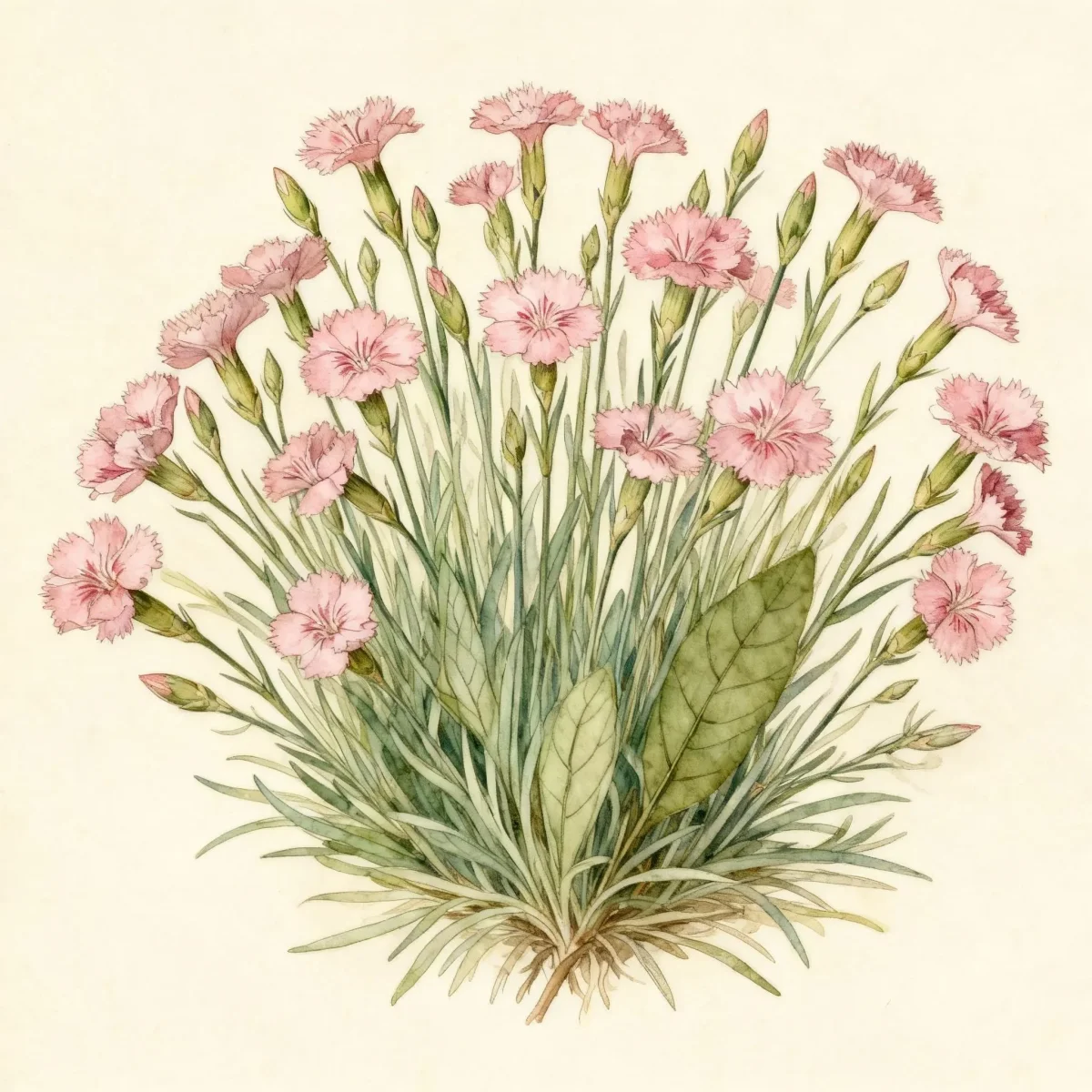
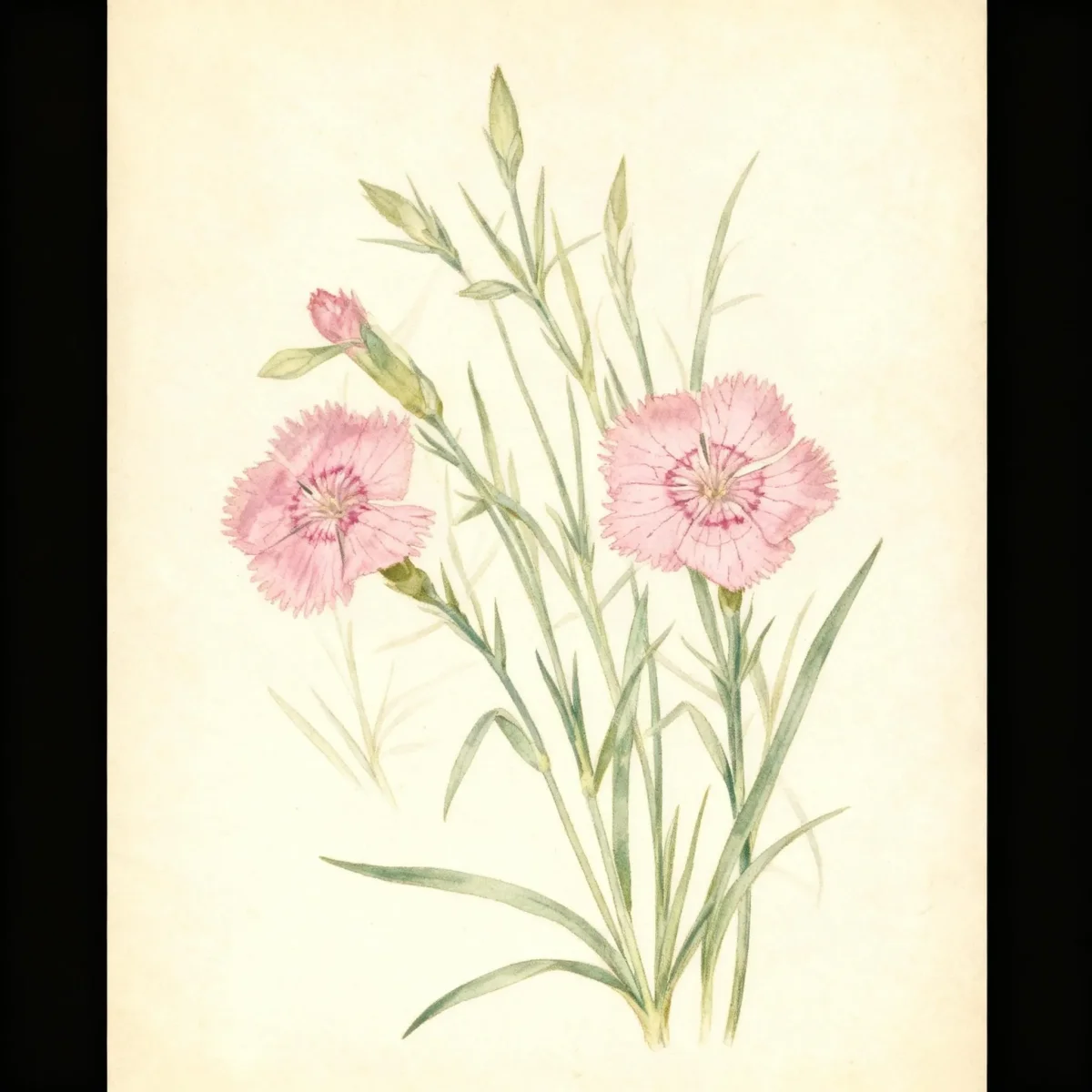
Sea lavender (Limonium platyphyllum)
Sea lavender (Limonium platyphyllum) is a low-maintenance perennial offering showy, lavender-blue flowers perfect for cut and dried arrangements.
Scroll down to discover growing tips, care requirements, companion plants, and more

Complete Plant Information
Overview
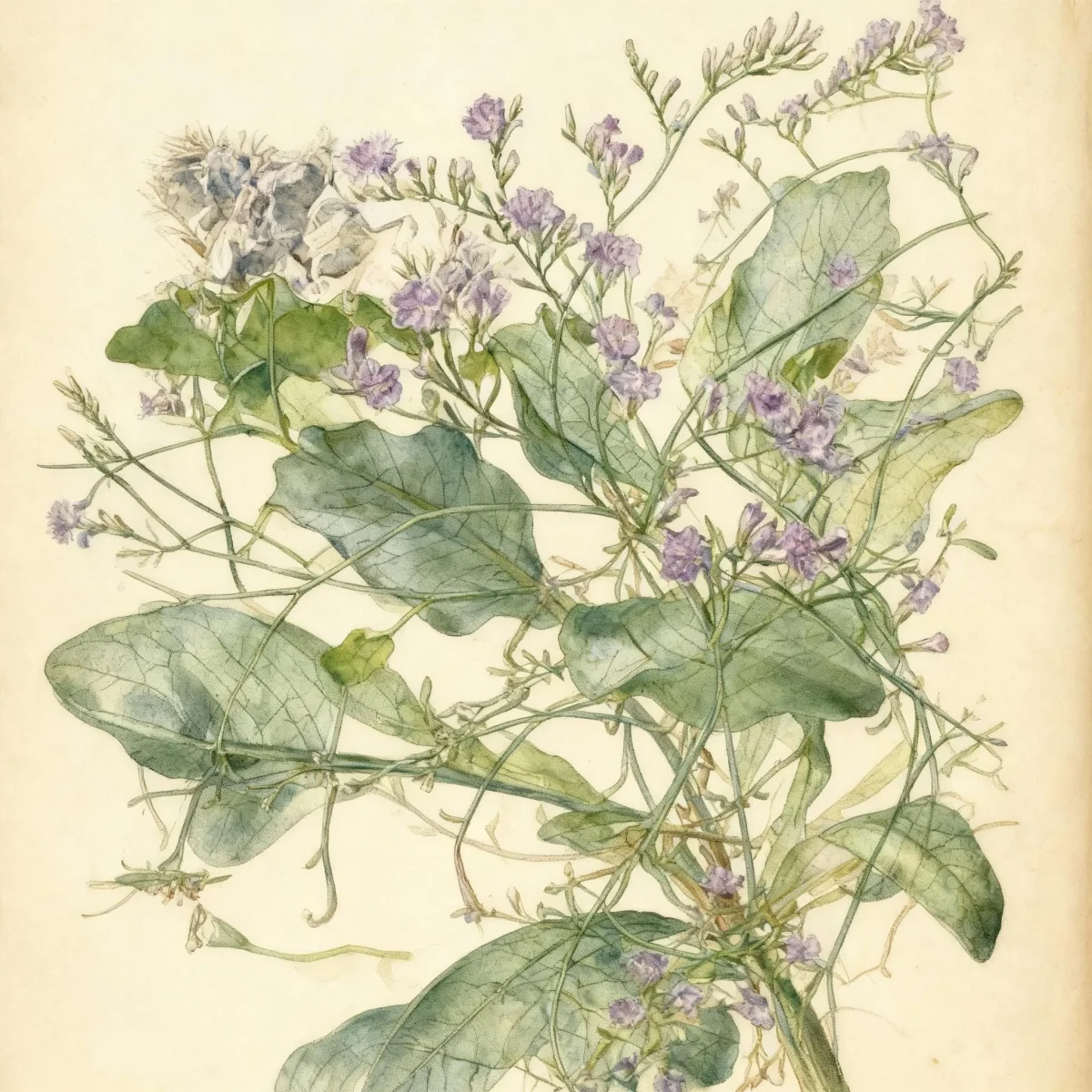
Limonium platyphyllum, widely known as sea lavender or broad-leaved statice, is an excellent choice for gardeners seeking sustained summer color with minimal fuss. This herbaceous perennial forms an attractive, basal rosette of thick, leathery leaves from which tall, wiry stems emerge, topped by airy masses of blooms. The resulting aesthetic is a cloud-like texture that contrasts beautifully with more structured plantings.
The primary appeal of Limonium platyphyllum lies in its adaptability and its long-lasting flowers, which are superb for both fresh bouquets and dried floral crafts. Its low maintenance requirements make it a reliable anchor in sunny borders across a wide range of USDA hardiness zones. Gardeners appreciate the reliable return of this clump-forming perennial year after year.
Furthermore, the genus name Limonium derives from the Greek word for meadow, hinting at the plant’s natural affinity for open, well-drained spaces. When sited correctly in full sun, this sea lavender delivers significant visual impact from mid-summer into August, enhancing texture and contrast throughout the landscape.
Fast Facts
- Plant Family: Plumbaginaceae
- Plant Type: Herbaceous perennial
- Native Range: Southeastern and central Europe
- Hardiness Zones: USDA Zones 3-9
- Size at Maturity:
- Height: 2-2.5 ft
- Spread: 2-2.5 ft
- Bloom Time: July to August
- Bloom Description: Lavender blue
- Sun Exposure: Full sun
- Water Needs: Medium
- Maintenance Level: Low
How to Grow
Planting Limonium platyphyllum is straightforward, provided you prioritize drainage. This plant establishes best in average, medium, well-drained soil, though it excels in a moist, light, well-drained, sandy loam. Ensure spacing of 18 to 24 inches between plants to promote necessary air circulation around the developing basal foliage.
Once established, this sea lavender is remarkably easy to care for, reflecting its low maintenance rating. Watering needs are medium; allow the top inch of soil to dry slightly between waterings during hot, dry spells. Fertilization is usually unnecessary, as rich soils can sometimes promote weak, floppy growth.
Good air circulation is crucial for preventing fungal issues, especially crown and root rot, which can occasionally plague this species. Avoid planting in heavy, soggy clay unless significant soil amendment has been made to improve drainage structure. Tall stems may benefit from occasional staking if the plant is grown in very rich soil or areas prone to strong winds.
Landscape Uses
Limonium platyphyllum is highly versatile, adding essential color, contrast, and texture wherever it is placed. Its upright, airy habit makes it an ideal component for the perennial border, bridging the gap between shorter front-of-border plants and taller background specimens. The lavender-blue hues blend harmoniously with warmer colors like yellows and oranges, or provide a soft, cool contrast against deep purples and whites.
Consider integrating sea lavender into rock gardens where the preference for dry, shallow, and rocky soil conditions is naturally met. Its ability to handle drought once established also makes it suitable for xeriscaping or low-water gardens on slopes or dry banks. The fine, misty texture of the bloom clusters softens the hard lines of stonework beautifully.
Don’t overlook the value of Limonium platyphyllum for mixed containers. Paired with trailing plants and mounding fillers, the sea lavender provides necessary vertical interest and lasting color throughout the peak summer months. Its excellent performance as a cut flower means you can harvest stems directly from the garden without significantly diminishing the border display.
Standout Features
Flower Qualities
- Showy
- Good Cut
- Good Dried
Noteworthy Characteristics
Limonium platyphyllum, commonly called sea lavender, is a clump-forming perennial which typically grows 2-2.5’ tall. Features a rounded, cloud-like mass of tiny, lavender-blue flowers on long, wiry, multi-branched, nearly leafless stems which rise from a sprawling, basal rosette of 6-10” long, oblong-elliptic, leathery leaves. Genus name comes from the Greek word leimon meaning a meadow in reference to the common habitat in salt meadows, while the specific epithet means broad-leaved.
Tolerances
- Drought
- Dry Soil
- Shallow-Rocky Soil
Potential Problems
The primary threat to Limonium platyphyllum is moisture mismanagement, specifically poor drainage leading to crown and root rot. Good air circulation is the single best prescription for minimizing the occurrence of these diseases, ensuring the leaves dry quickly after rain or overhead watering. Ensure you plant the specified distance apart to allow air movement around the basal rosette.
While generally robust, tall plants may need staking, particularly if the Limonium platyphyllum is grown in heavy clay soils that retain too much moisture or if adverse weather strikes during peak bloom. Avoid excessive high-nitrogen fertilization, which promotes excessive, lush, soft growth that is more susceptible to flopping and disease susceptibility.
Frequently Asked Questions
What hardiness zones is Sea lavender suitable for?
Limonium platyphyllum is a remarkably hardy plant, thriving in USDA Zones 3 through 9. Always confirm your local zone before planting outdoors.
How large does Limonium platyphyllum grow?
This sea lavender typically reaches a mature height between 2 and 2.5 feet tall and spreads to about 2 to 2.5 feet wide, forming a respectable clump.
When does Sea lavender bloom?
Limonium platyphyllum produces its signature lavender blue blooms beginning in July and continuing through August, providing crucial summer color.
What sun exposure does Limonium platyphyllum need?
For the fullest growth and best bloom production, this perennial requires dedicated full sun exposure throughout the day.
Companion Planting
When selecting neighbors for Limonium platyphyllum, focus on plants that also prefer full sun and excellent drainage, aligning with its preferences for dry soil conditions. Consider pairing the airy texture of sea lavender with structural, mid-border perennials. Plants like ornamental grasses (e.g., Little Bluestem or Feather Reed Grass) offer excellent seasonal contrast in form and texture.
Silver-leaved perennials such as Lamb’s Ear (Stachys byzantina) or certain Artemisias beautifully complement the cool lavender-blue tones of the blooms, enhancing the plant’s visual impact. For companions blooming earlier or later, look towards plants that tolerate dry summer conditions once established.
Avoid plants that require constant high moisture, as these will likely suffer in the well-drained soil necessary for the long-term survival of this robust perennial. This strategic grouping ensures the health of all plants while maximizing aesthetic appeal throughout the growing season.
Propagation Tips
While Limonium platyphyllum can sometimes self-seed, propagation for exact clonal replication is typically achieved through division or cuttings. Dividing established clumps is best performed in early spring before new growth significantly increases. Carefully dig up the entire clump and gently tease apart sections, ensuring each division retains a healthy portion of the basal rosette and root structure.
For propagation via stem cuttings, take cuttings of new vegetative growth in the spring. These cuttings should be rooted in a light, well-drained medium, mimicking the sandy loam conditions the mature plant prefers. Providing bottom heat can often encourage faster root initiation for the cuttings.
Remember that while the parent plant is low maintenance, starting new Limonium platyphyllum plants requires attentiveness to drainage and humidity until they are robust enough for transplanting to their permanent, sunny location. Success relies on mimicking the plant’s native preference for airy, lean soils.
Conclusion
The sea lavender, Limonium platyphyllum, is an indispensable structural perennial, offering long-lasting, beautiful lavender-blue blooms coupled with remarkably low maintenance. Its tolerance for dry and rocky soils, combined with its value as both a fresh and dried flower, secures its place in numerous garden designs. Before ordering, confirm that your site provides the necessary full sun and superb drainage that this tough plant demands to thrive.