Plumbago (Ceratostigma plumbaginoides)
Discover Ceratostigma plumbaginoides, the brilliant blue-flowering Plumbago, perfect as a low-maintenance ground cover for zones 5-9.
Scroll down to discover growing tips, care requirements, companion plants, and more

Complete Plant Information
Overview
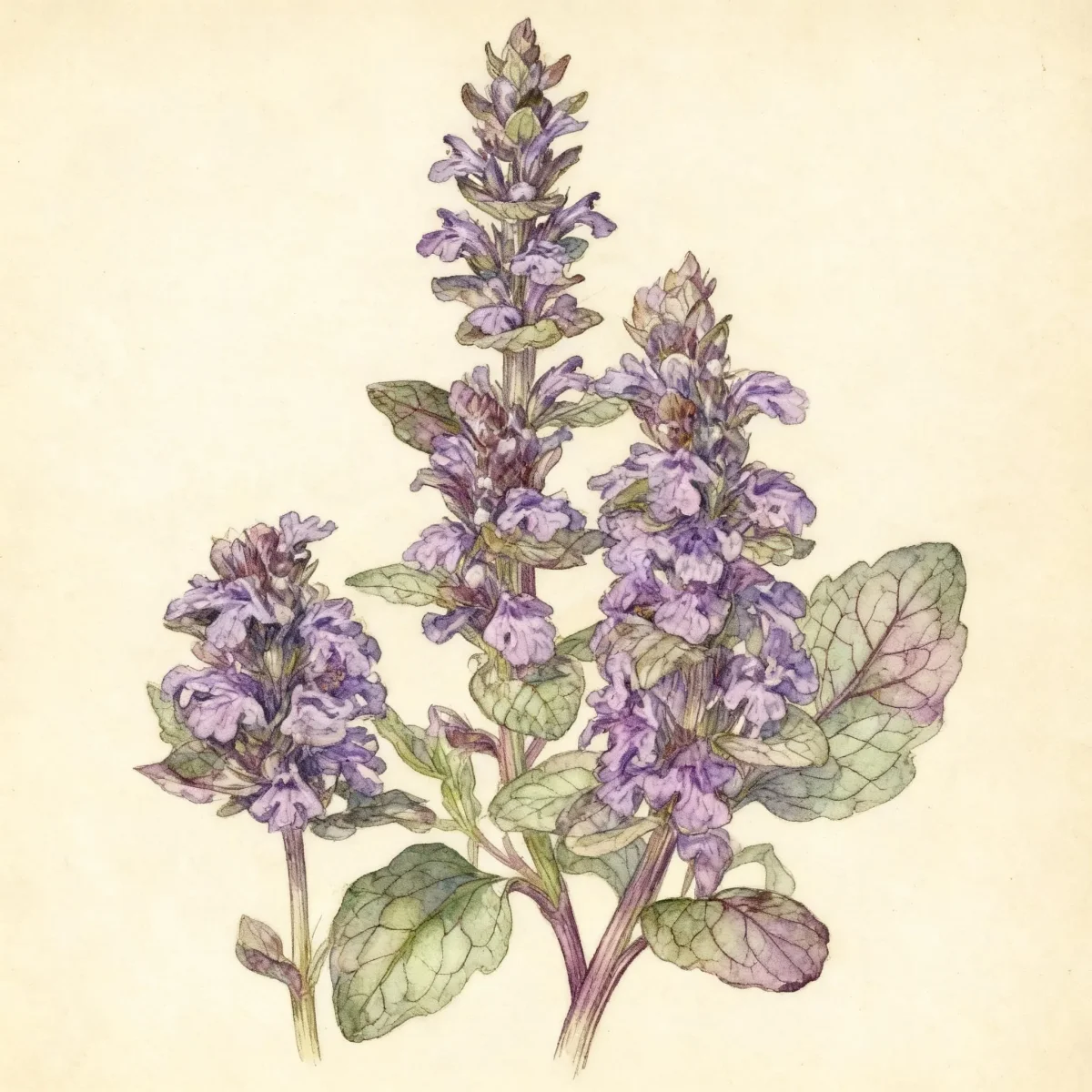
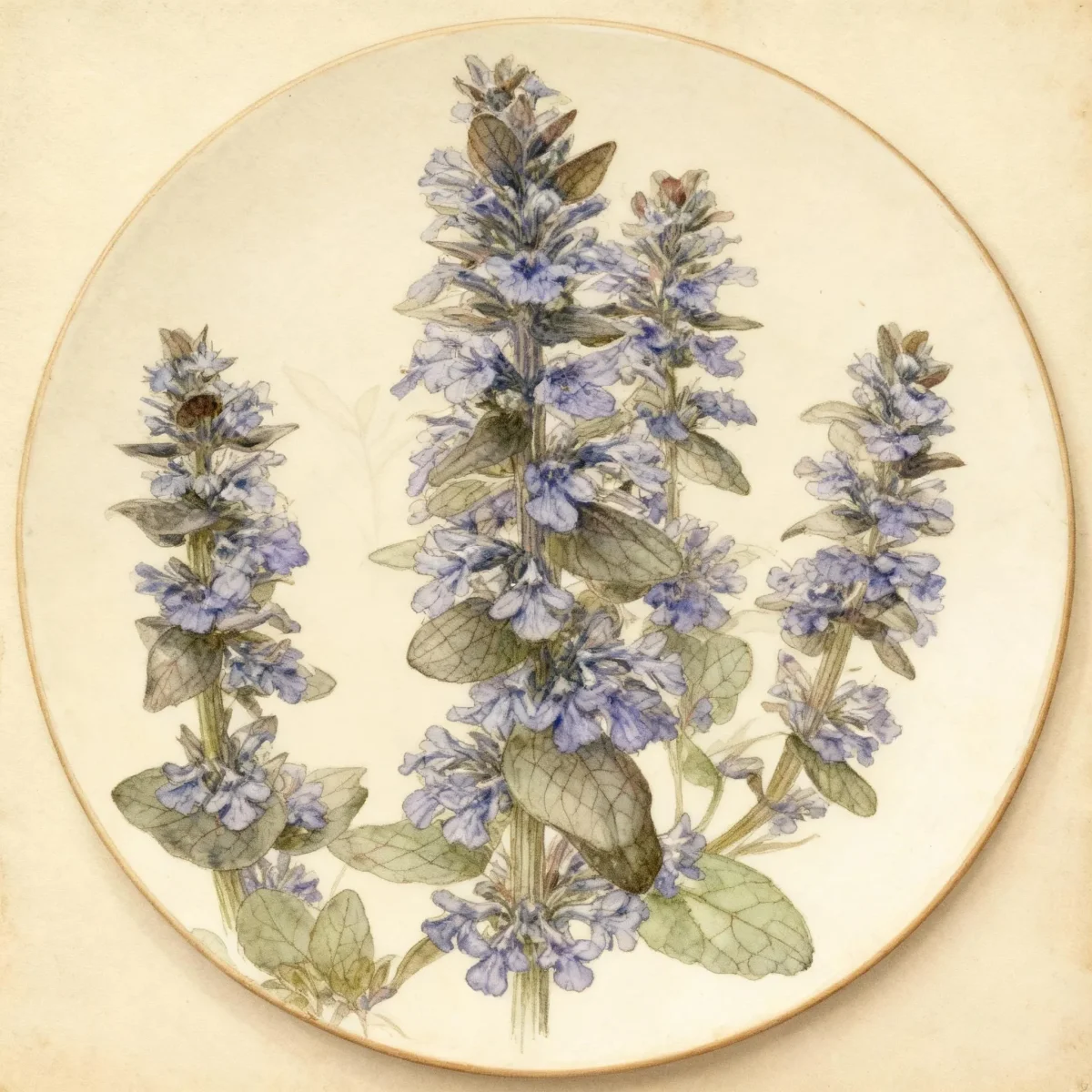
Ceratostigma plumbaginoides, universally known as Plumbago or leadwort, offers gardeners a late-season burst of intense color. Its true value lies in the terminal clusters of 5-petaled, gentian blue flowers that bloom persistently from summer well into the autumn frost. This wiry, mat-forming perennial spreads via rhizomes, effectively blanketing an area with attractive, medium-green foliage that often turns bronze-red as temperatures cool.
The appeal of Ceratostigma plumbaginoides is matched by its ease of care, making it a low-maintenance choice for sunny or partially shaded areas. It provides excellent functional coverage, rivaling invasive ground covers but offering superior late-season floral displays. If you seek reliable color and dense coverage, Plumbago is a standout option in temperate landscapes.
Fast Facts
- Plant Family: Plumbaginaceae
- Plant Type: Herbaceous perennial
- Native Range: Western China
- Hardiness Zones: USDA Zones 5-9
- Size at Maturity:
- Height: 0.75-1 ft
- Spread: 1-1.5 ft
- Bloom Time: July to September
- Bloom Description: Deep blue
- Sun Exposure: Full sun to part shade
- Water Needs: Medium
- Maintenance Level: Low
How to Grow
For the best performance, plant Ceratostigma plumbaginoides in the spring after the danger of hard frost has passed. It thrives in average, medium, well-drained soils and demonstrates a surprising tolerance for various soil types, though it dislikes wet, poorly-drained conditions. In very hot climates, such as those comparable to St. Louis growing conditions, providing some afternoon shade will help prevent leaf scorch and keep the plant looking its best.
Water needs are medium; standard garden watering is generally sufficient once established. Fertilizing is rarely required if the plant is sited correctly within average garden soil. The most critical aspect of care is managing its spread. Since Plumbago spreads actively by rhizomes, diligent monitoring is necessary if you wish to prevent it from taking over adjacent garden beds or mingling aggressively with other low-growing plants.
Gardeners in Zone 5 should note that winter hardiness may not be completely reliable across the entire temperature range. In these colder boundaries, applying a light winter mulch can significantly improve overwintering success. Cleanup is minimal; the foliage emerges late in spring, which is convenient for interplanting with spring-blooming bulbs as their dying foliage gets naturally obscured by the leadwort.
Landscape Uses
The primary role of Ceratostigma plumbaginoides in the landscape is as a functional and attractive ground cover. Its relatively low stature (under 1 foot) and spreading habit make it an excellent choice for filling sunny to partly shaded voids where turf grass struggles or where a dense, colorful mat is desired. It serves beautifully as an edger along pathways or borders.
Consider interplanting this late-season star around the base of shrubs or taller perennials. Because the foliage of the Plumbago emerges later in the season, it perfectly masks the declining foliage of spring-flowering bulbs, ensuring continuous visual interest. While spectacular as a ground cover, be mindful of its vigorous rhizomatous spread; using it in borders requires planning or physical edging to control its natural expansion.
Standout Features
Flower Qualities
- Showy
Noteworthy Characteristics
Ceratostigma plumbaginoides, commonly called plumbago or leadwort, is a wiry, mat-forming perennial which spreads by rhizomes to form an attractive ground cover. Typically grows 6-10” tall on generally erect stems rising from the rhizomes. Oval to obovate, shiny, medium green leaves (to 2” long) turn bronze-red in autumn. Terminal clusters of 5-petaled, gentian blue flowers (1/2 to 3/4” diameter) appear above the foliage over a long summer to frost bloom period.
Tolerances
- Erosion
- Clay Soil
Potential Problems
This perennial generally boasts excellent pest and disease resistance, meaning serious insect control issues are uncommon. The primary challenge associated with growing Plumbago is managing its cultural habit: it spreads actively by rhizomes. In optimum growing conditions, this tendency can lead to aggressive colonization, potentially overtaking less vigorous nearby plants. Monitor the spread annually and physically edit the patch if it attempts to encroach on areas where you desire defined boundaries.
Frequently Asked Questions
What hardiness zones is Plumbago suitable for?
Plumbago, or Ceratostigma plumbaginoides, is best suited for USDA Hardiness Zones 5 through 9, though Zone 5 growers may benefit from winter protection.
How large does Ceratostigma plumbaginoides grow?
This plant typically reaches a mature height between 0.75 and 1 foot tall, spreading slightly wider, generally between 1 and 1.5 feet across.
When does Plumbago bloom?
The deep blue flowers of this low-growing perennial provide continuous color, typically blooming reliably from July straight through to September, often persisting until the first hard frost.
What sun exposure does Ceratostigma plumbaginoides need?
It performs well in full sun but appreciates the relief of part shade, especially during the hottest parts of the afternoon in warmer regions.
Conclusion
The dependable, late-season sapphire blooms and striking burgundy fall foliage confirm that Plumbago is an indispensable addition to the perennial garden. Whether used to suppress weeds or anchor a difficult slope, the hardiness and low maintenance of Ceratostigma plumbaginoides make it highly rewarding. Before planting, assess your space and ensure you are compatible with its spreading nature, then check that your USDA zone falls between 5 and 9.
Companion Planting
The cultural requirements for Plumbago—medium moisture, adaptability to sun/partial shade, and low maintenance—make it an excellent partner for many late-season bloomers. Consider pairing it with asters or sedums which share similar sun needs and enjoy the late summer color show. Because its foliage emerges later than many spring bulbs, planting groups of daffodils or tulips alongside the Ceratostigma plumbaginoides helps conceal the dying bulb leaves with fresh green growth.
Design Ideas for Ground Cover Use
Utilize the creeping habit of Plumbago to soften hardscape edges, such as irregular flagstone patios or retaining walls, allowing the foliage to cascade slightly over the edge. Its deep blue flowers contrast beautifully with warm colors, making it an effective border plant when placed against yellow-flowering Coreopsis or Rudbeckia. For a more formal look, establish a defined grid pattern by planting it as a mass ground cover, ensuring that its rhizomes are contained by physical barriers or frequently checked edges to maintain neatness.