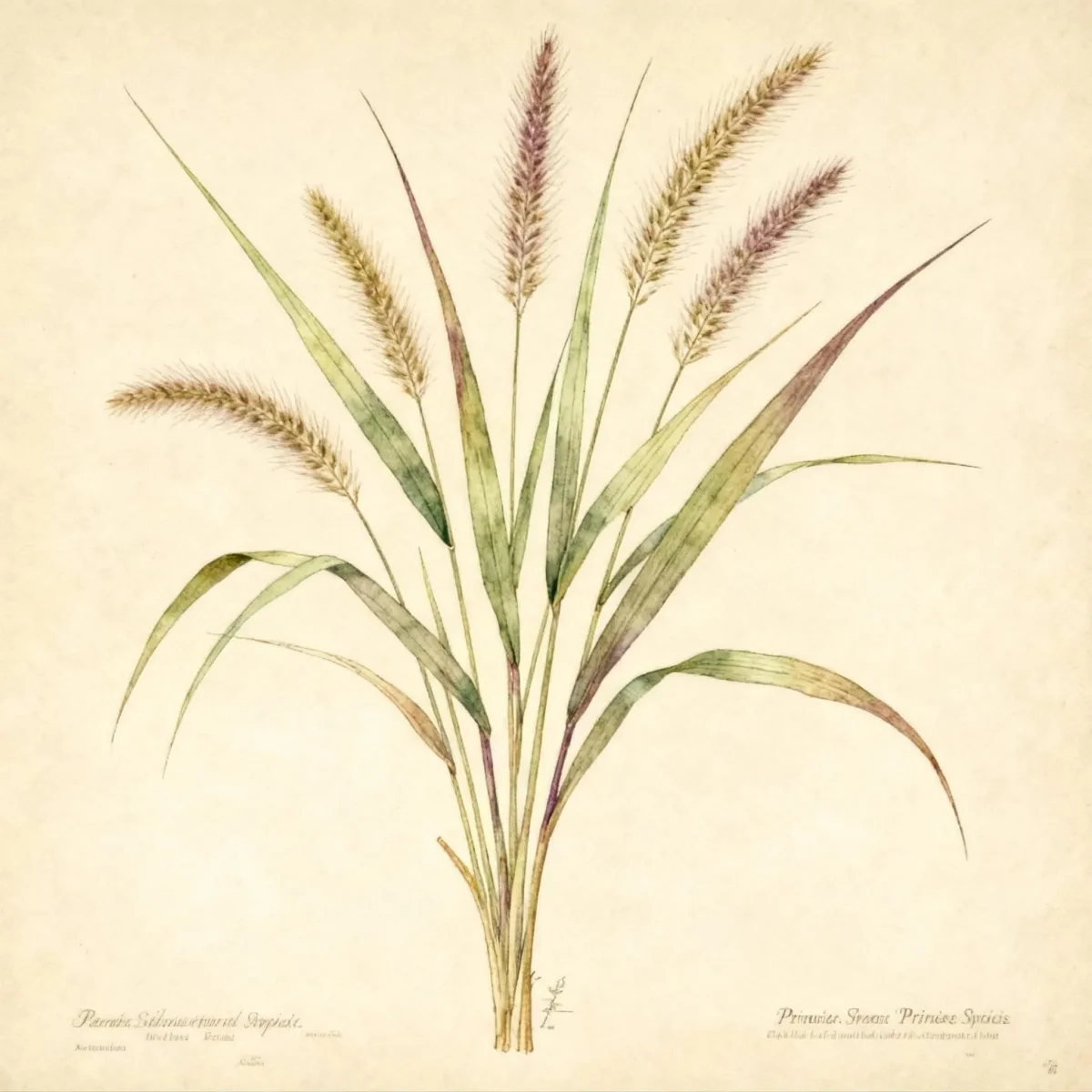
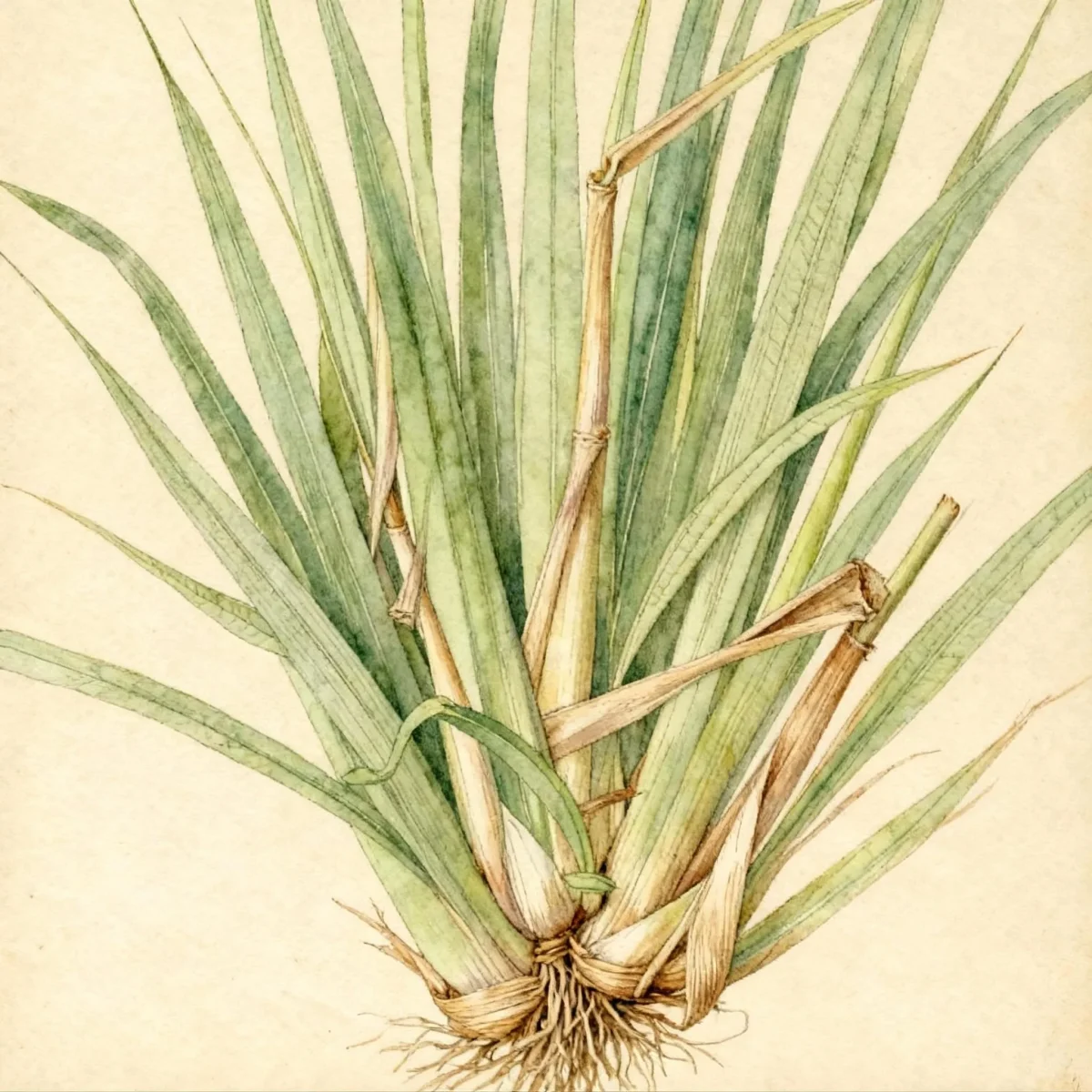
Uruguayan pampas grass (Cortaderia selloana)
Cortaderia selloana, or Uruguayan pampas grass, offers huge, feathery plumes. Hardy in Zones 8-10 with full sun needs.
Scroll down to discover growing tips, care requirements, companion plants, and more
Complete Plant Information
Overview
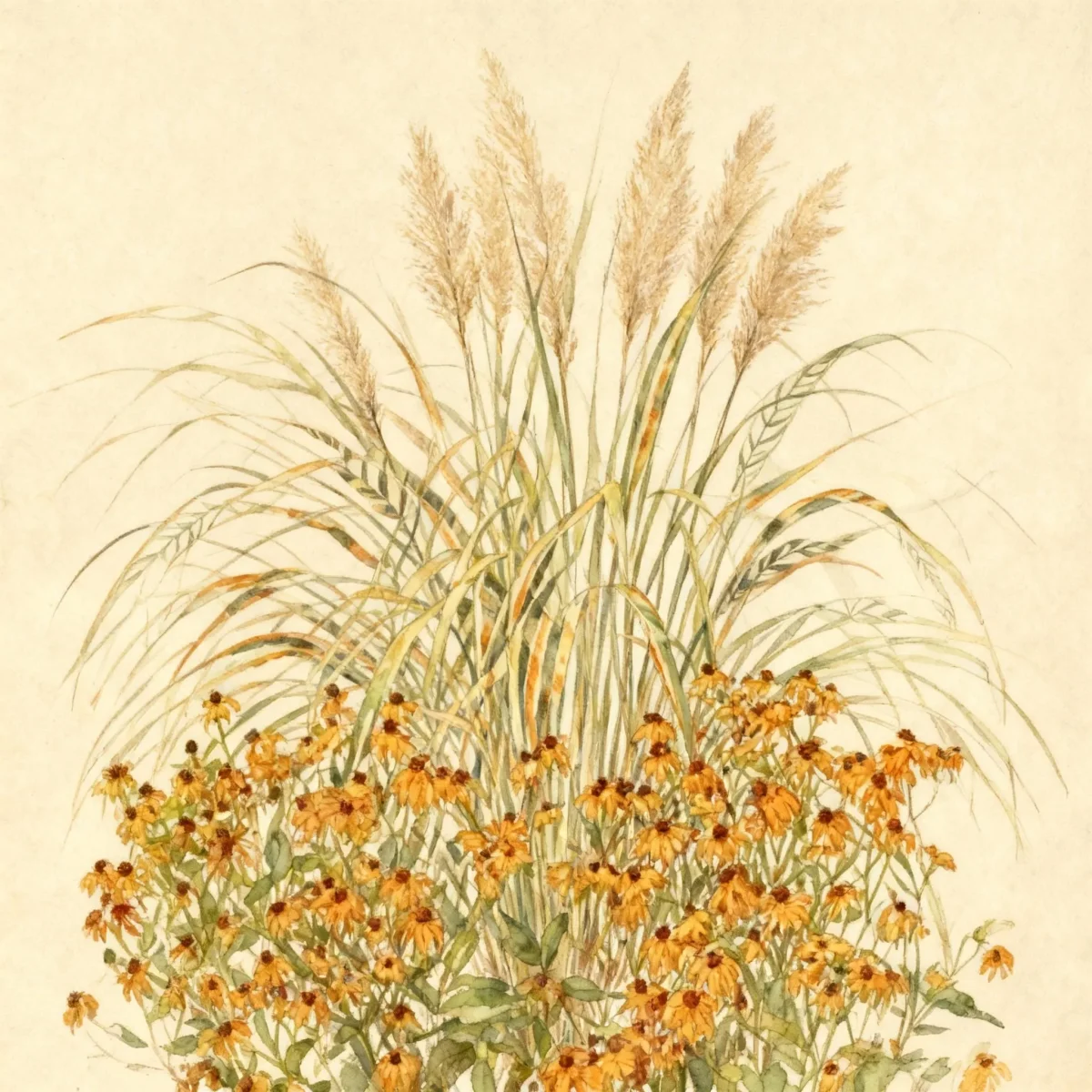
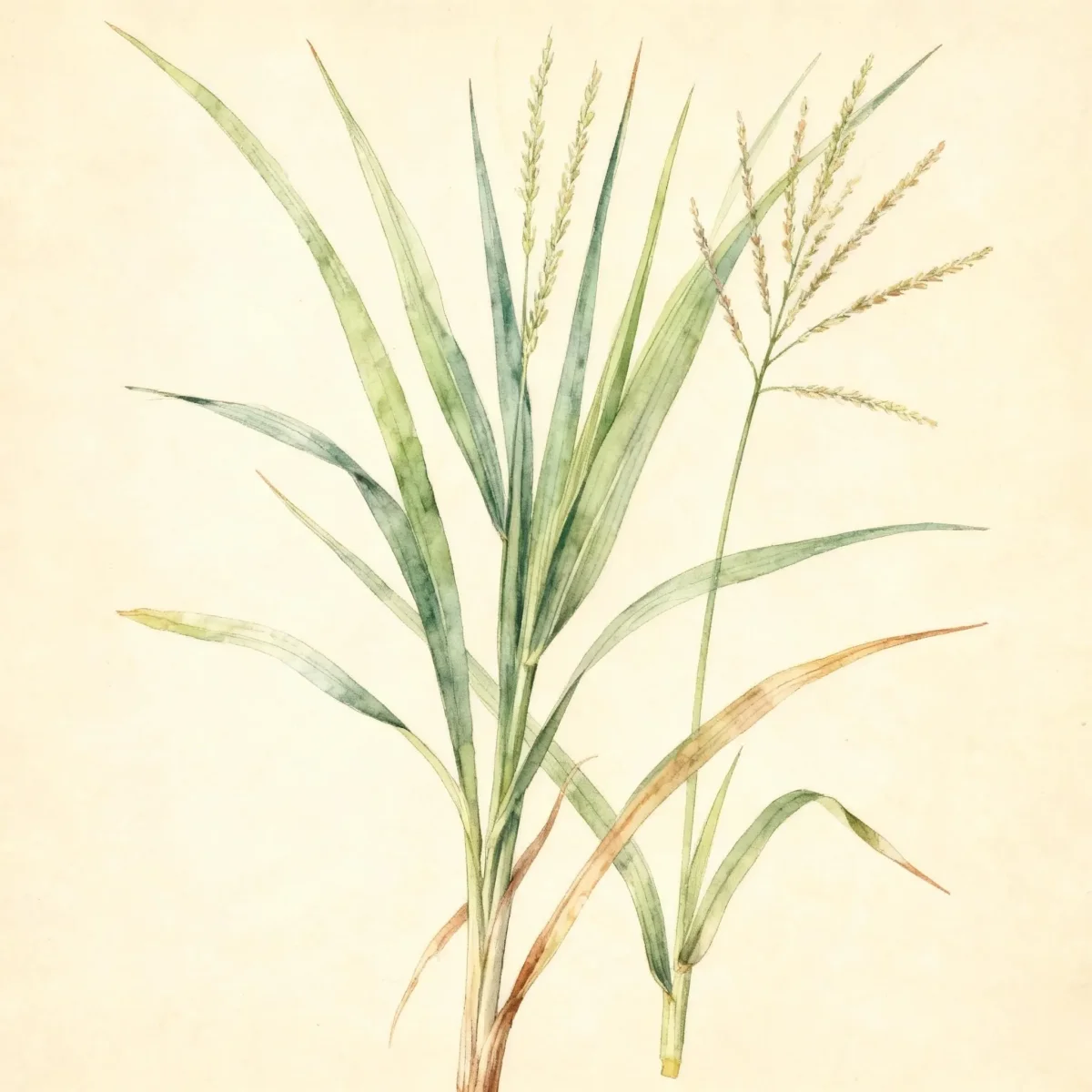
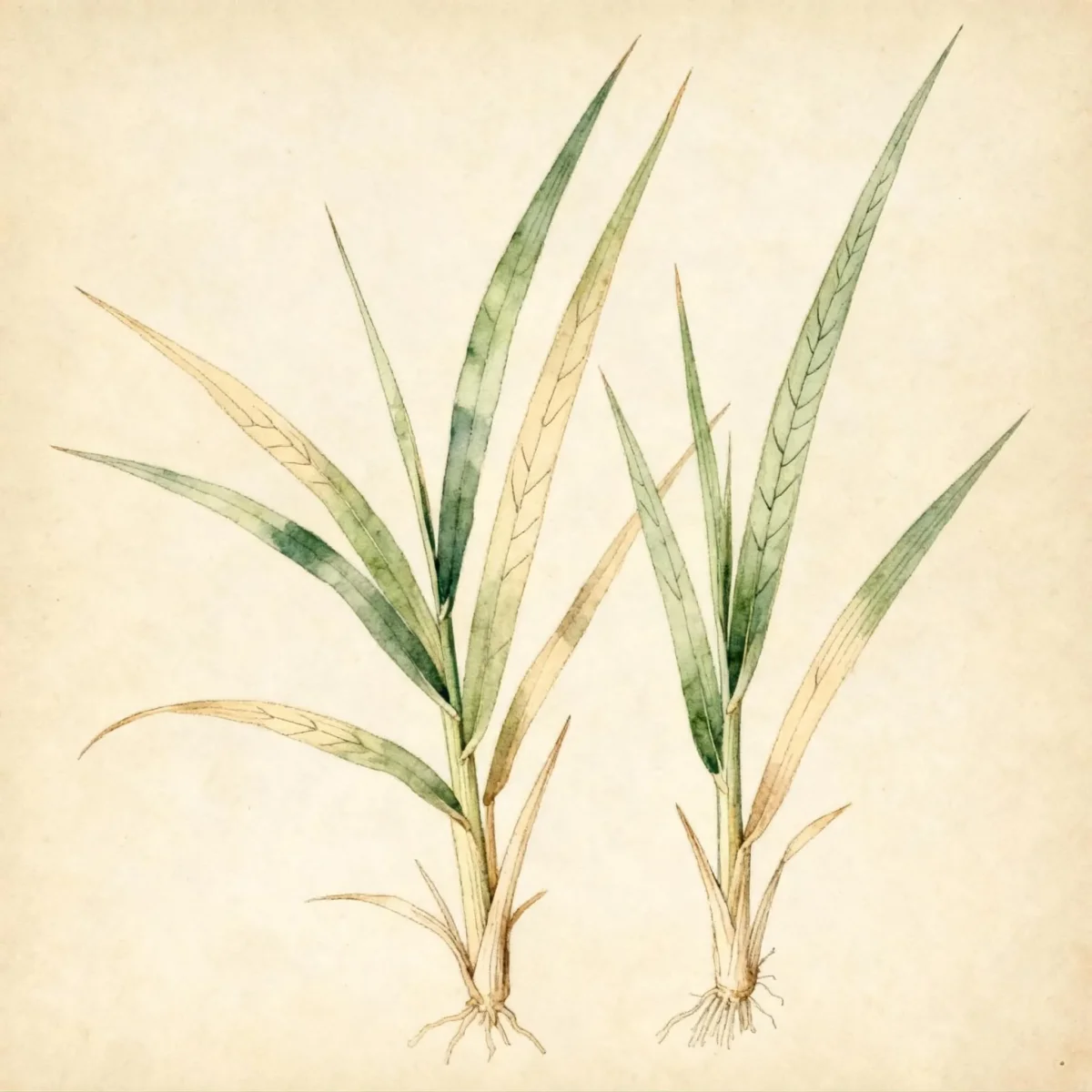
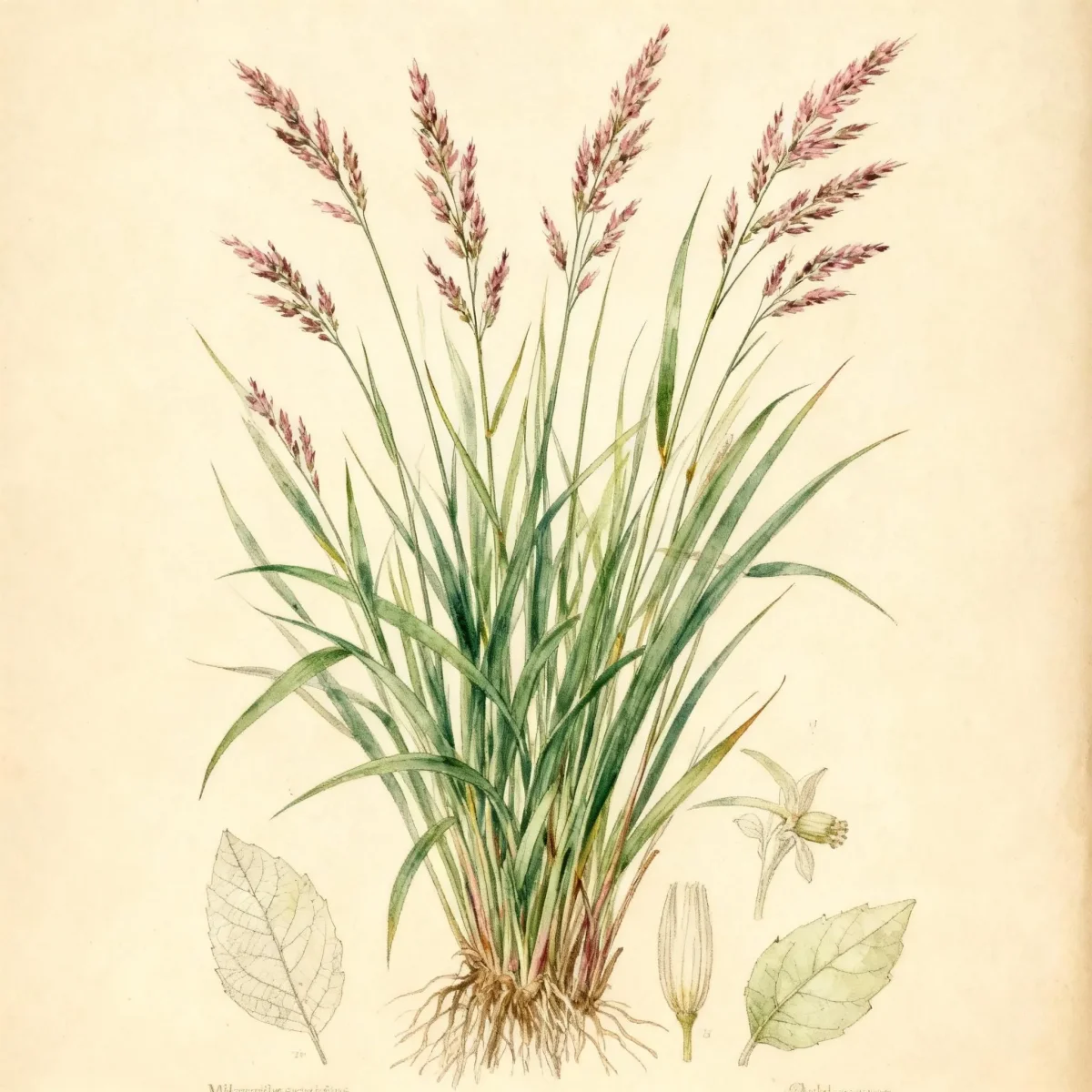
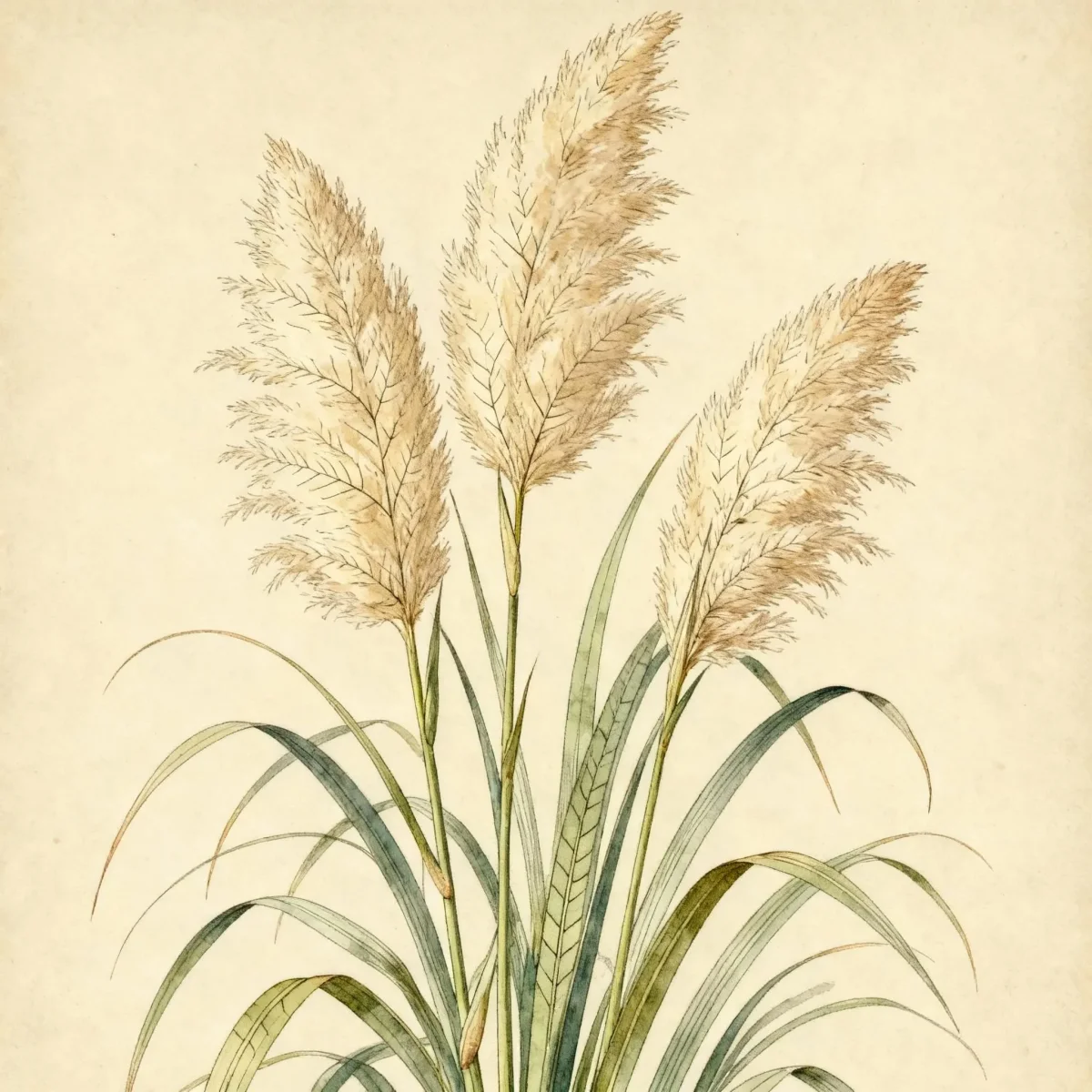
Cortaderia selloana, widely recognized as Uruguayan pampas grass, is a dramatic and tough ornamental grass known for its immense scale and spectacular plumes. This selection forms dense, substantial tussocks of arching, narrow green foliage topped by massive, feathery, silvery-white flower heads that persist through late season. Introduced globally after Victorian times, Cortaderia selloana remains a popular choice for gardeners seeking architectural impact in large landscapes.
This imposing grass thrives in warm-winter regions, establishing deep root systems that allow it to perform well even under drought conditions once mature. While its aesthetic contribution is significant, careful consideration of its invasive potential is necessary, particularly in warmer climates like California and Hawaii. Understanding the cultural needs of this species ensures it remains a statement piece rather than an aggressively spreading problem.
The primary ornamental appeal of Uruguayan pampas grass centers on its huge flower plumes, which are excellent for dried arrangements, contrasting beautifully against the sharp, fine texture of its leaves. For gardeners in appropriate zones, Cortaderia selloana offers year-round structure and dramatic late-season interest.
Fast Facts
- Plant Family: Poaceae
- Plant Type: Ornamental grass
- Native Range: Temperate South America
- Hardiness Zones: USDA Zones 8-10
- Size at Maturity:
- Height: 8-12 ft
- Spread: 4-6 ft
- Bloom Time: August to February
- Bloom Description: Silver white
- Sun Exposure: Full sun
- Water Needs: Dry to medium
- Maintenance Level: Medium
How to Grow
Planting Uruguayan pampas grass is best done in late winter or early spring to allow roots to establish before seasonal heat arrives. Select a location with full sun exposure, as light shade is tolerated but significantly reduces flowering performance. This species requires dry to medium moisture conditions and demands well-drained soils; it performs poorly in waterlogged areas.
Care involves moderate attention, fitting its medium maintenance classification. While drought tolerant once established, supplemental water during prolonged dry spells benefits overall vigor. Fertilization is usually unnecessary in fertile soils, as rich amendments can encourage excessive vegetative growth at the expense of plumes.
The most crucial cultural task for Cortaderia selloana is the heavy annual pruning. Cut all foliage back to ground level late in the winter, just before new growth commences. Exercise extreme caution during this cleanup, as the leaf edges are remarkably sharp. Clumps can be divided in late winter or early spring if necessary to manage size or propagate the plant.
Be aware of potential invasiveness; female plants are prolific seed producers, leading to aggressive self-seeding and potential displacement of native flora in environmentally sensitive areas. Gardeners in colder transitional zones, like St. Louis (Zone 6), should plan on overwintering clumps in large containers protected indoors.
Landscape Uses
Uruguayan pampas grass serves excellently where a truly large, tropicalizing specimen grass is required. Where winter hardy, it functions as a magnificent screen or background plant along large borders, offering unparalleled height. Its massive plume display makes it an excellent specimen plant, visible from a distance.
For interior designers or those desiring its plumes year-round, Cortaderia selloana is highly valued for its cut flowers, which dry beautifully while retaining their silvery color. For gardeners in marginal zones, growing the grass in substantial containers, like whiskey barrels, provides the visual appeal of pampas grass while allowing the plant to be moved to a protected location for the winter.
Its sheer size means it requires ample space; group it with other large architectural plants or use it to anchor the corner of a substantial property boundary. Avoid planting near high-traffic walkways due to the sharp foliage.
Standout Features
Flower Qualities
- Showy
- Good Cut
- Good Dried
Noteworthy Characteristics
Cortaderia selloana, commonly called pampas grass, is native to Brazil, Argentina and Chile. It was planted around the world in Victorian times, and today is considered to be one of the most popular of the ornamental grasses. This is a tough, large grass that forms dense, substantial clumps (tussocks) featuring arching, finely serrated, narrow green leaves that are topped in fall by huge, feathery, silvery white plumes.
Tolerances
- Drought
- Black Walnut
- Air Pollution
Potential Problems
This grass is generally free from serious insect or disease issues, offering reliable performance. The primary management concern associated with Cortaderia selloana is its strong tendency to self-seed, resulting in invasive behavior in many warm winter regions. Always confirm local regulations before planting, especially in sensitive ecosystems like California or Hawaii.
The second major caution is physical: the leaf blades possess extremely sharp edges capable of easily cutting human skin. Always wear heavy gloves and long sleeves when handling or pruning the foliage of Uruguayan pampas grass. Ensure it is sited away from play areas or frequently used paths.
Frequently Asked Questions
What hardiness zones is Uruguayan pampas grass suitable for?
Cortaderia selloana is most reliably grown in USDA Hardiness Zones 8 through 10.
How large does Cortaderia selloana grow?
This large ornamental grass typically reaches heights between 8 and 12 feet, spreading from 4 to 6 feet wide.
What sun exposure does Cortaderia selloana need?
This plant requires full sun to achieve optimal flowering, though it can tolerate light shade.
When does Uruguayan pampas grass bloom?
The impressive silvery white plumes appear over a long season, usually beginning in August and lasting through February.
Conclusion
Cortaderia selloana provides unparalleled vertical interest and spectacular, feathery plumes, making it a dominant centerpiece in large, architectural gardens. If properly sited in zones 8-10 and maintained with yearly pruning, this Uruguayan pampas grass will deliver consistent, dramatic seasonal displays. Always check local guidelines regarding its invasive potential before installing Cortaderia selloana to ensure responsible landscape stewardship.
Companion Planting
When planting Uruguayan pampas grass in large, sunny borders, consider materials that offer contrasting textures or colors to balance its scale. Pair it with robust, sun-loving Mediterranean shrubs like Lavender (Lavandula) or Rosemary (Salvia rosmarinus) for aromatic contrast and similar drought tolerance once established. Its height also makes it a superb backdrop for medium-sized structural plants such as Yucca or Agave species, emphasizing the grass’s fine texture against their bold forms.
In areas where the sharp foliage is a concern, use this grass to anchor the back of a border that is separated by hardscaping or low-growing groundcovers to create a visual barrier. Ensure companion plants share its preference for well-drained soil to maintain consistent moisture profiles throughout the planting bed.
Seasonal Care Calendar
For optimal health and appearance, follow a basic seasonal schedule for your Cortaderia selloana. In late winter or very early spring (before new green shoots appear), perform the essential maintenance: cut the entire mass of old foliage down to about 6-12 inches above the ground; wear protective gear for this task. During the active growing season (spring and summer), monitor moisture levels, providing supplemental water if the soil becomes bone dry, especially during the first year of establishment.
During the autumn and early winter, enjoy the peak display of the silver white plumes as the plant reaches its mature height of 8 to 12 feet. Avoid significant pruning during this phase, as the dried plumes offer visual interest and slight protection to the crown. If you wish to divide clumps, late winter or early spring is the precise time to successfully separate sections before the heat sets in.