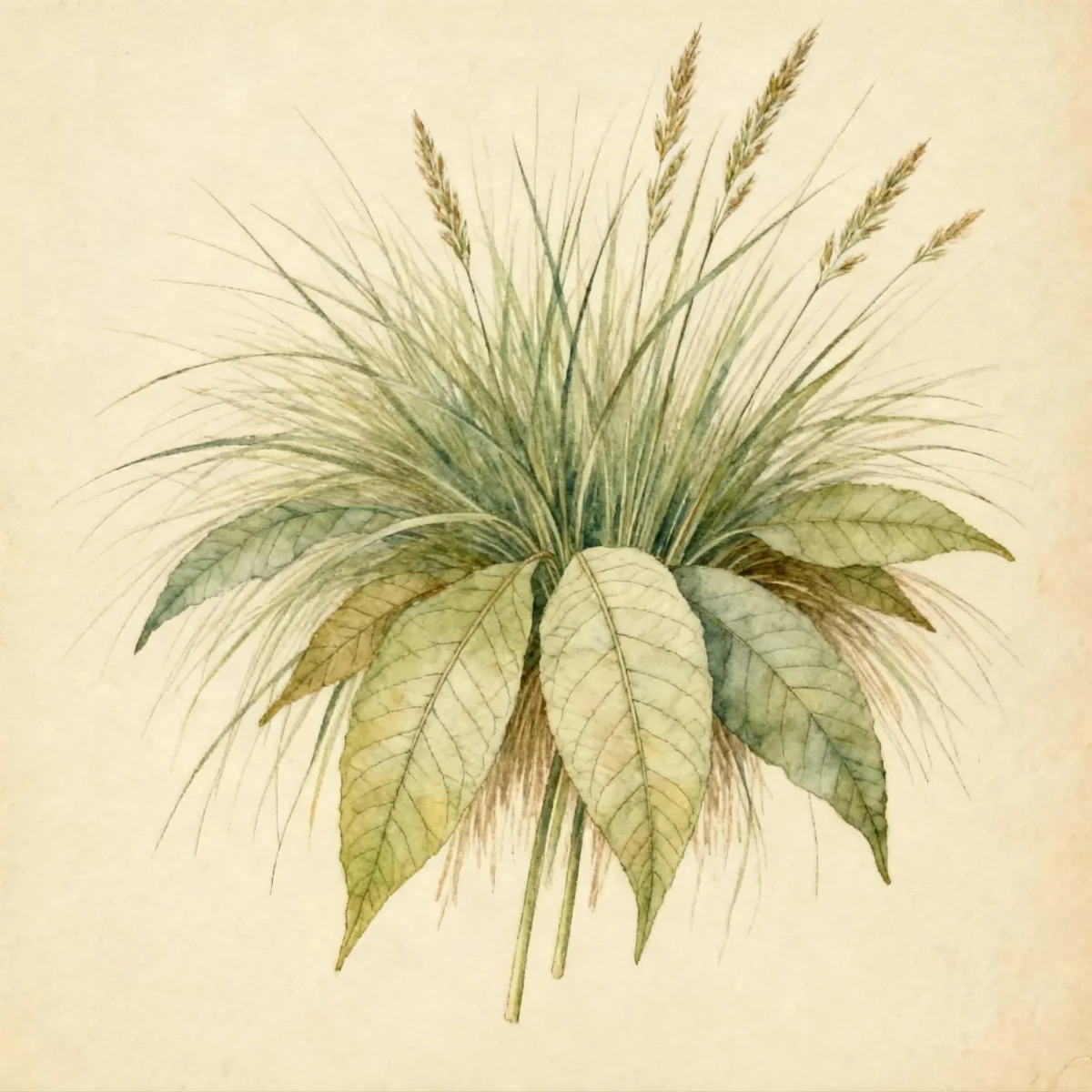
Tufted hair grass (Deschampsia cespitosa)
Deschampsia cespitosa (Tufted hair grass) offers airy summer blooms and low maintenance, thriving in part shade gardens across zones 4-9.
Scroll down to discover growing tips, care requirements, companion plants, and more
Complete Plant Information
Overview
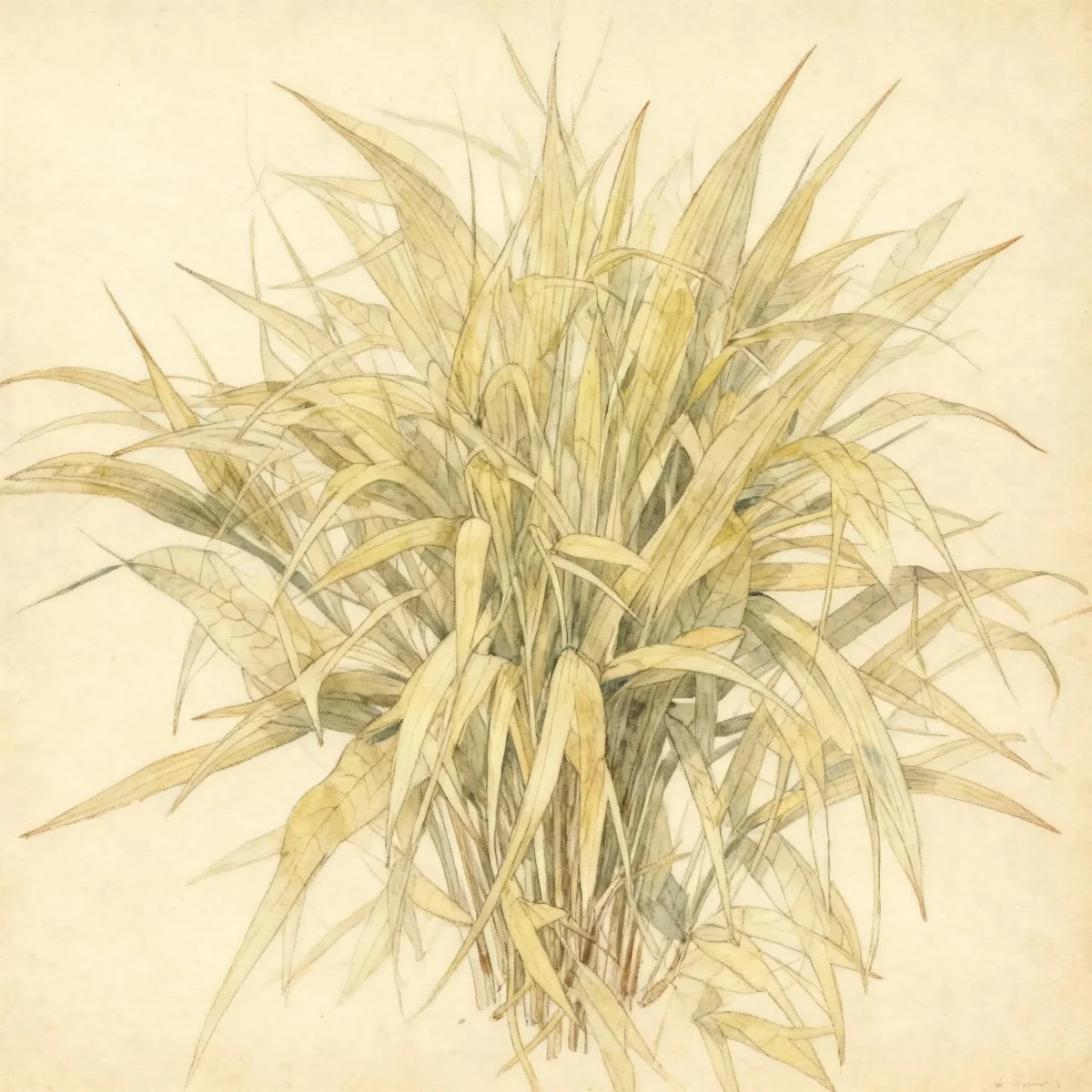
Deschampsia cespitosa, widely known as Tufted hair grass, is a highly valued cool-season ornamental grass prized for its delicate, cloud-like flower heads. Unlike many sun-loving grasses, this species excels in moderately shaded areas, making it a versatile choice for woodland or dappled light gardens. Its fine texture and subtle coloring provide essential contrast against broader-leaved shade perennials.
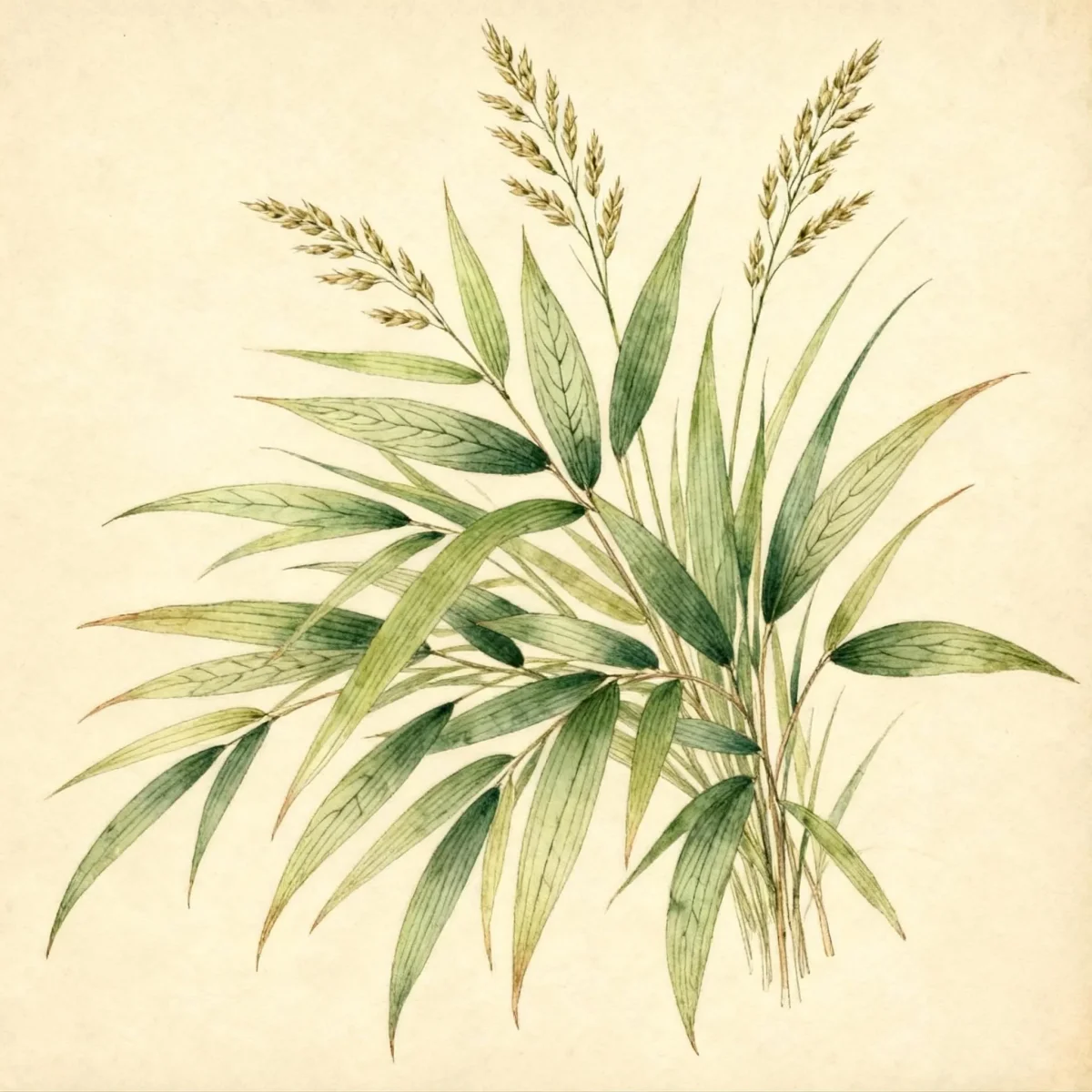
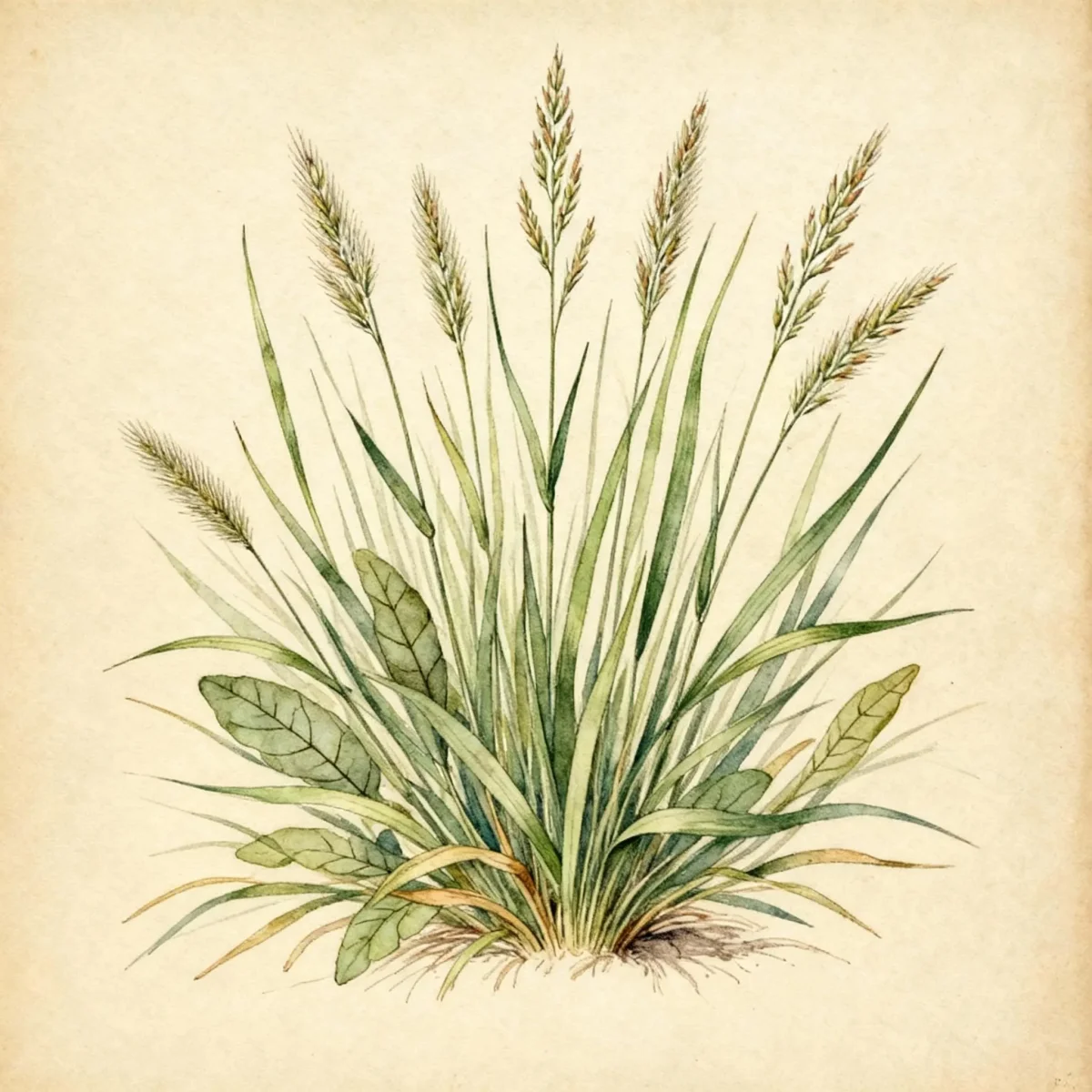
This clump-forming grass creates a dense, dark green tussock from which numerous flower stems emerge in mid-summer. The airy panicles shimmer throughout the season, often holding their winter structure, though the foliage often remains semi-evergreen in milder climates. Its low maintenance profile ensures it is an excellent long-term structural element.
The ethereal qualities of Tufted hair grass are most evident when backlit by the late afternoon sun, causing the flower masses to glow with tones of gold, silver, and green. Planting Deschampsia cespitosa strategically can add movement and lightness to shady borders and naturalized settings.
Fast Facts
- Plant Family: Poaceae
- Plant Type: Ornamental grass
- Native Range: Cosmopolitan
- Hardiness Zones: USDA Zones 4-9
- Size at Maturity:
- Height: 2-3 ft
- Spread: 1-2 ft
- Bloom Time: July to September
- Bloom Description: Tones of gold, silver, purple and green
- Sun Exposure: Part shade
- Water Needs: Medium
- Maintenance Level: Low
How to Grow
For optimal growth, plant Deschampsia cespitosa in average, medium, well-drained soil. While it tolerates a range of conditions, this grass performs best when situated in part shade and provided with moist, organically rich soils. Avoid overly dry locations, as consistent moisture is key to vigorous performance.
Maintenance for Tufted hair grass is exceptionally low. Water regularly until established, maintaining medium moisture levels thereafter. Fertilizing is rarely necessary if the soil is organically rich. The primary annual task involves cutting the old foliage down to the ground in late winter, just before the new spring shoots begin to emerge.
To maintain a neat appearance, you may remove the spent flower stems in the fall. However, leaving the flowering stems provides valuable winter interest; they often turn a charming yellowish-tan as the seeds ripen. Be aware that while this grass grows well in shade, too much deep shade will severely limit its flower production.
Landscape Uses
Tufted hair grass is exceptionally well-suited for mass planting in woodland gardens or naturalized areas, where its delicate summer bloom creates a magical, hovering cloud effect above the turf. Its ability to thrive in part shade, coupled with its fine texture, makes it an excellent textural contrast.
Use Deschampsia cespitosa as an elegant specimen or in groups within the shaded margins of borders or large rock gardens. It looks stunning positioned near moisture sources, such as ponds or streams, where its moisture needs are naturally met. It mixes beautifully with shade-loving companions like hostas, ferns, and other shade-tolerant perennials that appreciate similar soil conditions.
Its use as a ground cover is also noted, helping to suppress weeds while providing sustained architectural interest throughout the seasons.
Standout Features
Flower Qualities
- Showy
Noteworthy Characteristics
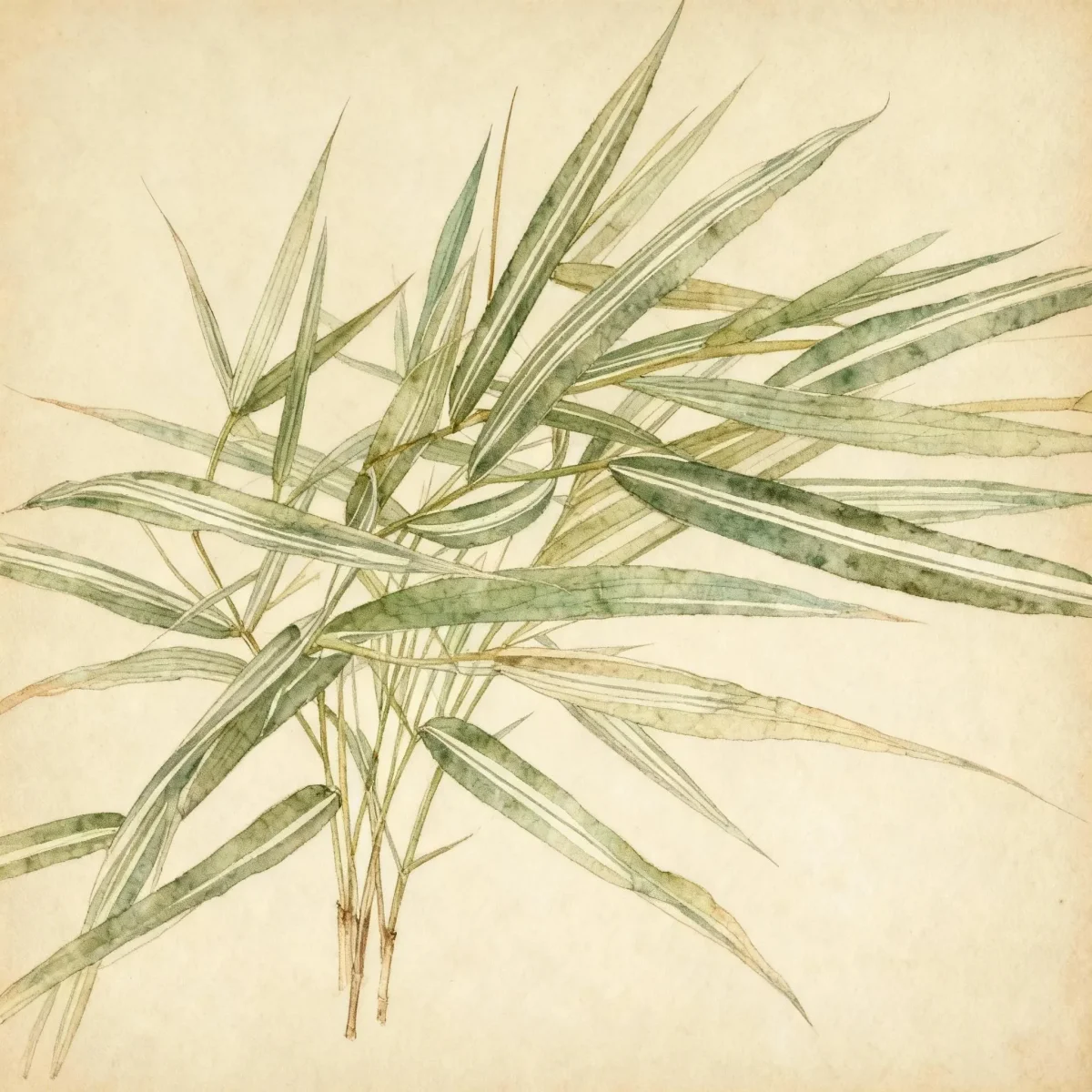
Deschampsia cespitosa, commonly called tufted hair grass, is a clump-forming, cool season grass which is often grown as an ornamental. It typically forms a low, dense tussock (to 16” tall) of very thin (1/5” wide), arching, flat to inrolled, dark green grass blades (to 2’ long). Numerous flower stems rise in summer from the foliage mound to a height of 3’ bearing wide, airy panicles (to 20” long) of tiny, variably-colored flowers (tones of gold, silver, purple and green) which form a cloud over the foliage that is particularly attractive when backlit.
Tolerances
- Black Walnut
- Air Pollution
Potential Problems
This beautiful ornamental grass generally suffers from no serious insect or disease problems, contributing greatly to its low maintenance appeal. Good air circulation and proper spacing, particularly in shady, moist areas, can prevent any minor fungal issues that might arise from overly dense planting. Integrated pest management focuses mainly on ensuring appropriate soil moisture.
Frequently Asked Questions
What hardiness zones is Tufted hair grass suitable for?
Deschampsia cespitosa is hardy across a wide range, thriving in USDA Zones 4 through 9.
How large does Tufted hair grass grow?
This grass typically reaches a mature height between 2 and 3 feet, with a spread generally ranging from 1 to 2 feet wide.
What sun exposure does Deschampsia cespitosa need?
Tufted hair grass performs best in part shade. While it can tolerate some shade, too much darkness will significantly reduce its wonderful flowering display.
When does Deschampsia cespitosa bloom?
The bloom time for this ornamental grass is typically from July through September, presenting airy panicles in tones of gold, silver, purple and green.
Conclusion
For gardeners seeking texture, movement, and reliable performance in lower light conditions, Deschampsia cespitosa is an indispensable choice. The airy splendor of Tufted hair grass provides excellent contrast against coarser foliage, making it a hallmark of sophisticated shade gardens. Before planting, confirm your location falls within USDA Zones 4-9 and ensure you can provide the medium moisture it prefers.
Companion Planting
When integrating Tufted hair grass into your mixed borders, prioritize companions that enjoy similar moist, organically rich soils and partial shade. Shade-loving perennials form the ideal backdrop, allowing the fine texture of the grass to stand out. Hostas with broad, variegated leaves provide a dramatic, solid contrast to the fine blades and airy blooms of Deschampsia cespitosa.
Consider pairing it with woodland classics like Astilbe or Hellebores. These plants share a preference for protection from harsh afternoon sun and thrive alongside the medium water needs of the grass. Planting in drifts of Tufted hair grass near ferns will amplify the woodland aesthetic, creating layered textures that shift beautifully throughout the growing season.
Design Ideas for Shade Gardens
Designing with Tufted hair grass benefits from taking advantage of its structure through the year. Use it near the edges of woodland paths where dappled light catches the flower heads perfectly in late summer, emphasizing their golden and silver tones. Because it naturally forms a neat tussock, it functions well as a subtle textural border plant rather than a sprawling mass.
For contemporary designs, mass groups of Deschampsia cespitosa can replace traditional hedging elements where full sun is unavailable. The low height (2-3 ft) works perfectly in the mid-ground of a mixed border, sitting just above groundcovers but below taller shrubs. The low maintenance level means you can focus design efforts on hardscaping or selecting statement shade trees, letting the Tufted hair grass anchor the perennial layer effortlessly.