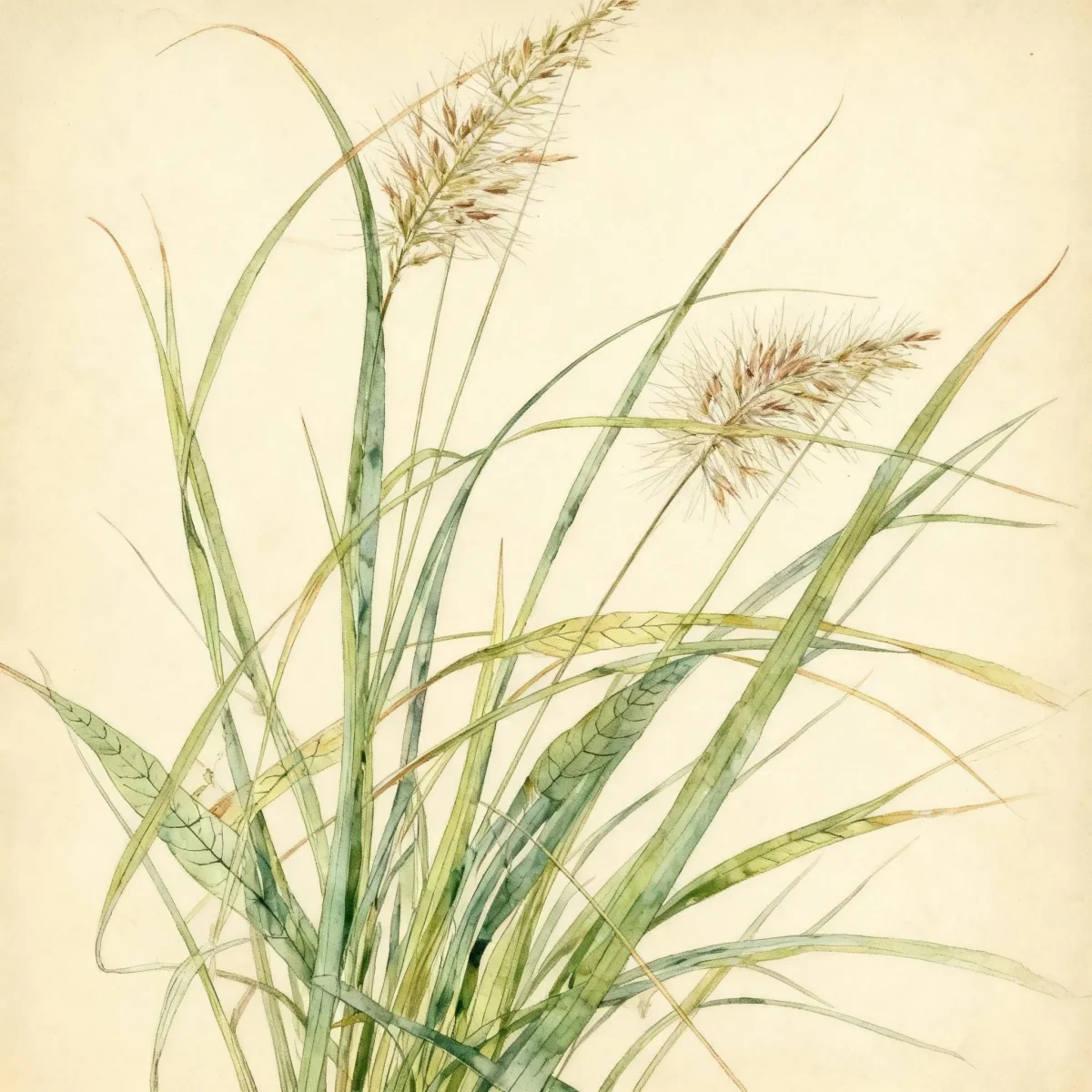
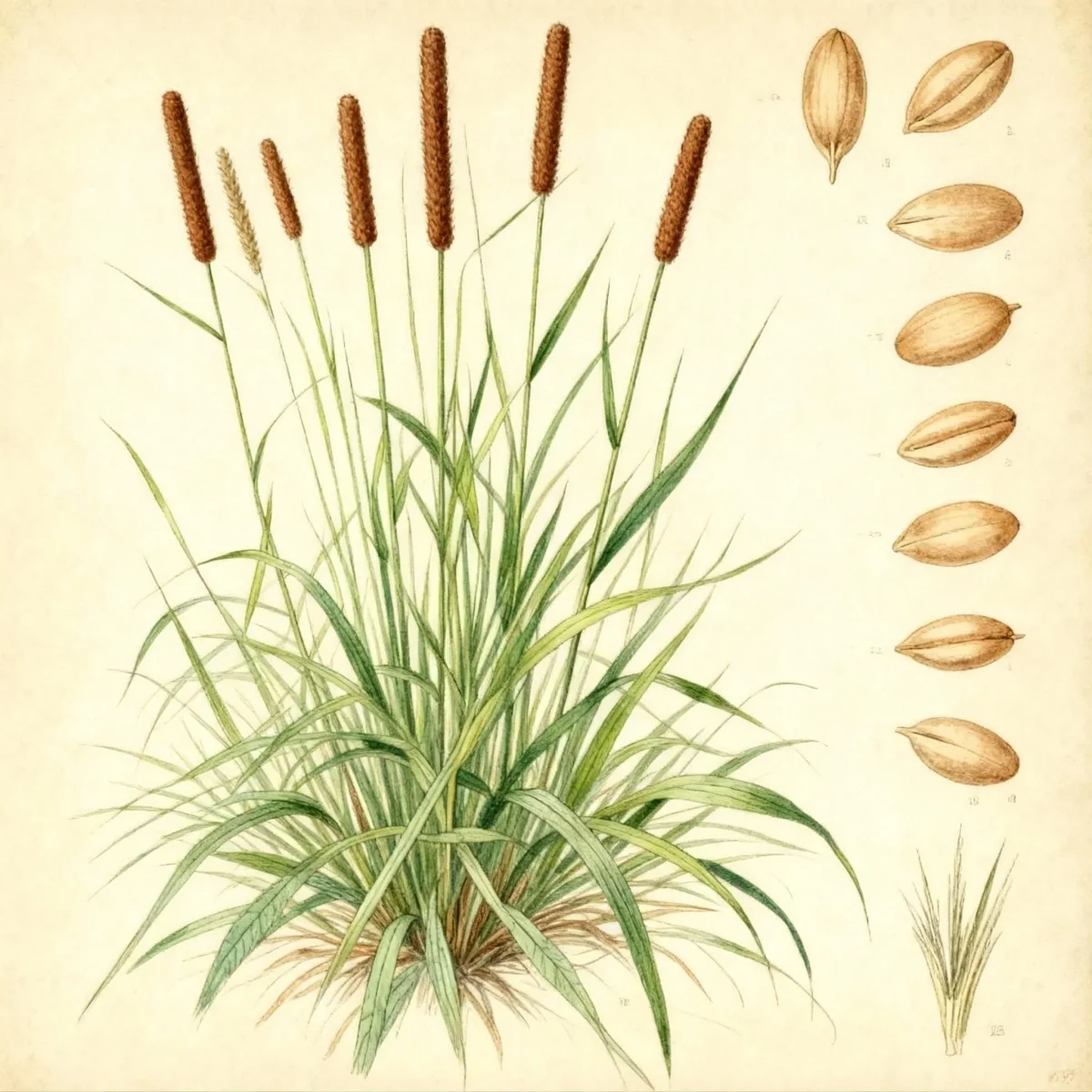
Purple lovegrass (Eragrostis spectabilis)
Eragrostis spectabilis, or Purple lovegrass, is a stunning, low-maintenance North American native grass valued for its airy, reddish-purple plumes.
Scroll down to discover growing tips, care requirements, companion plants, and more
Complete Plant Information
Overview
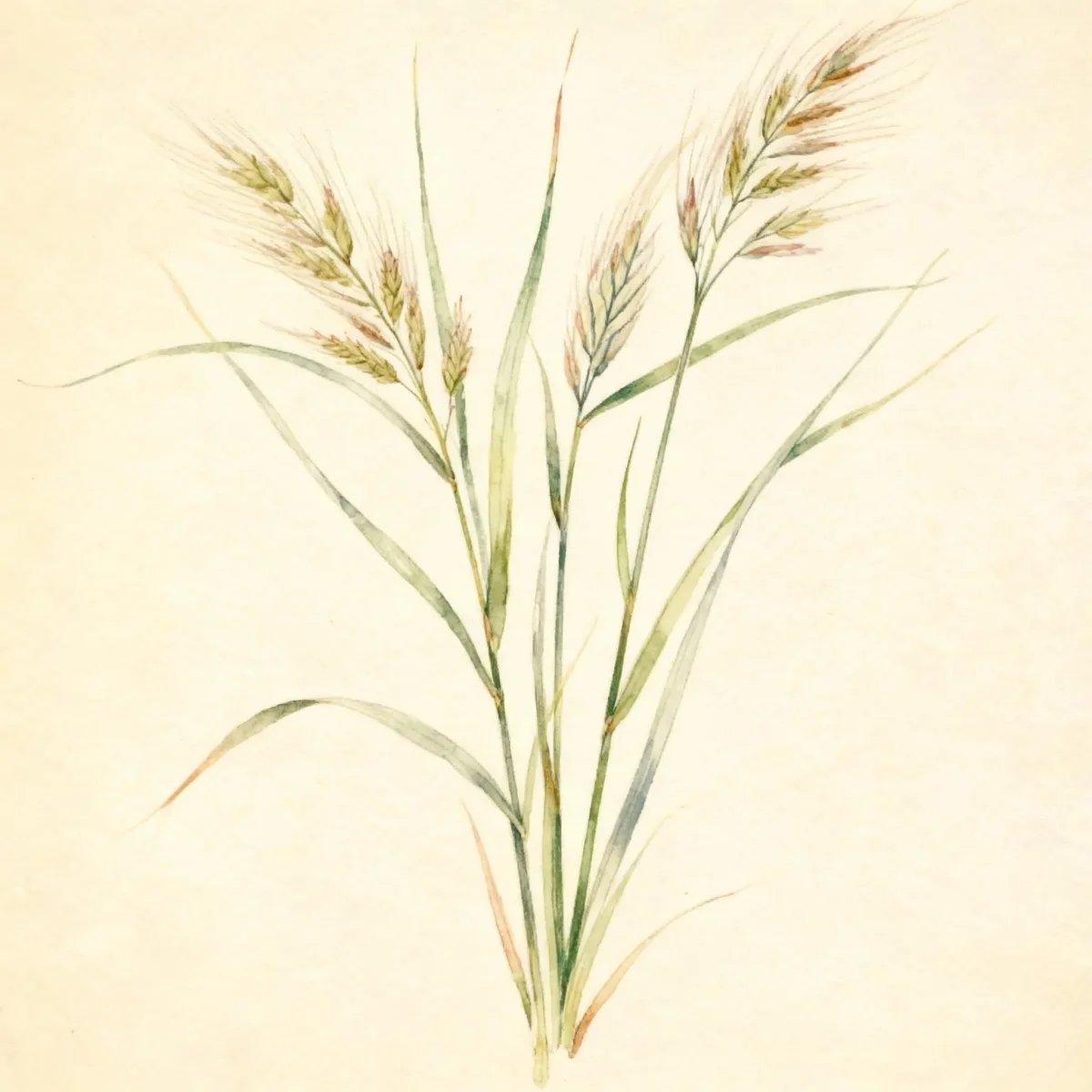
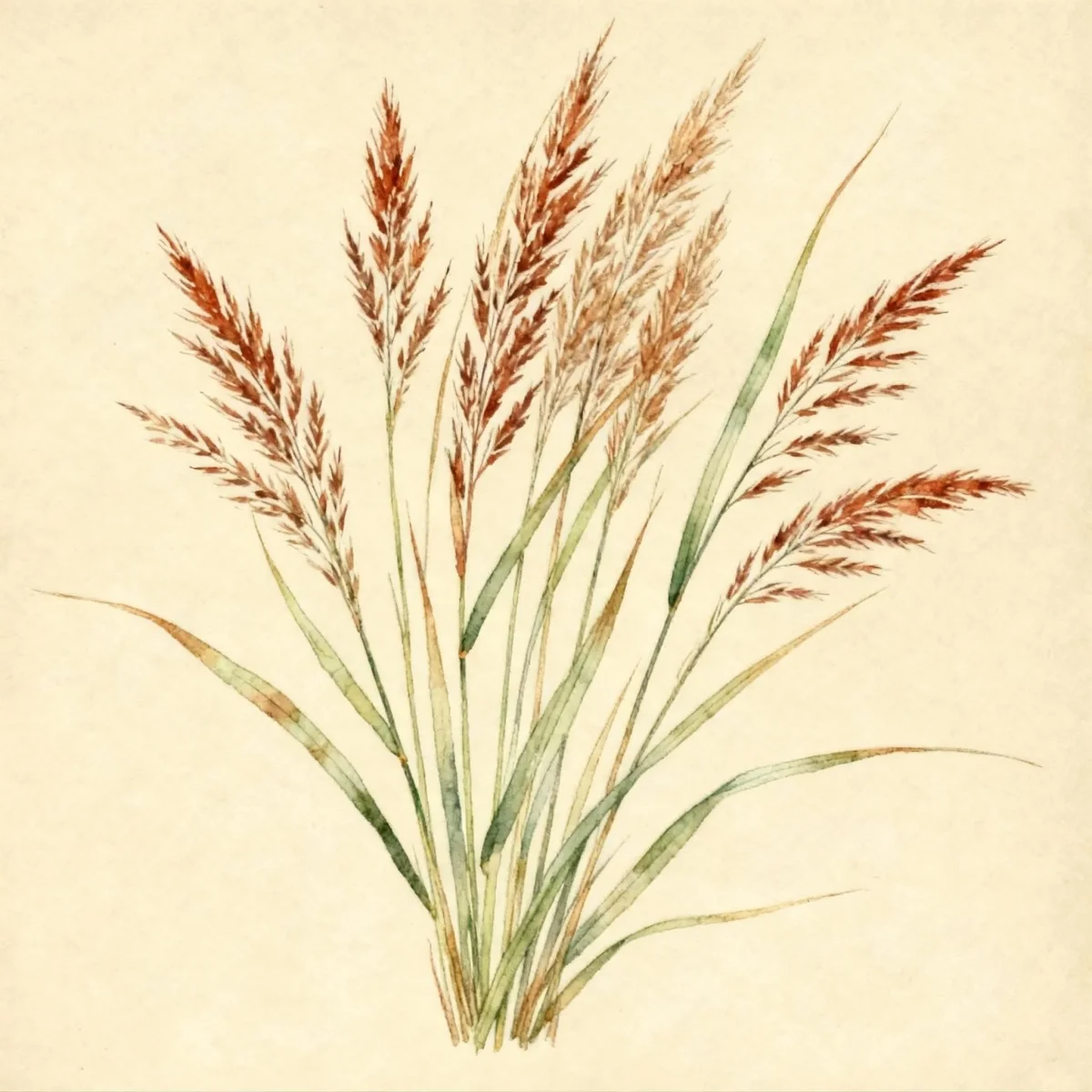
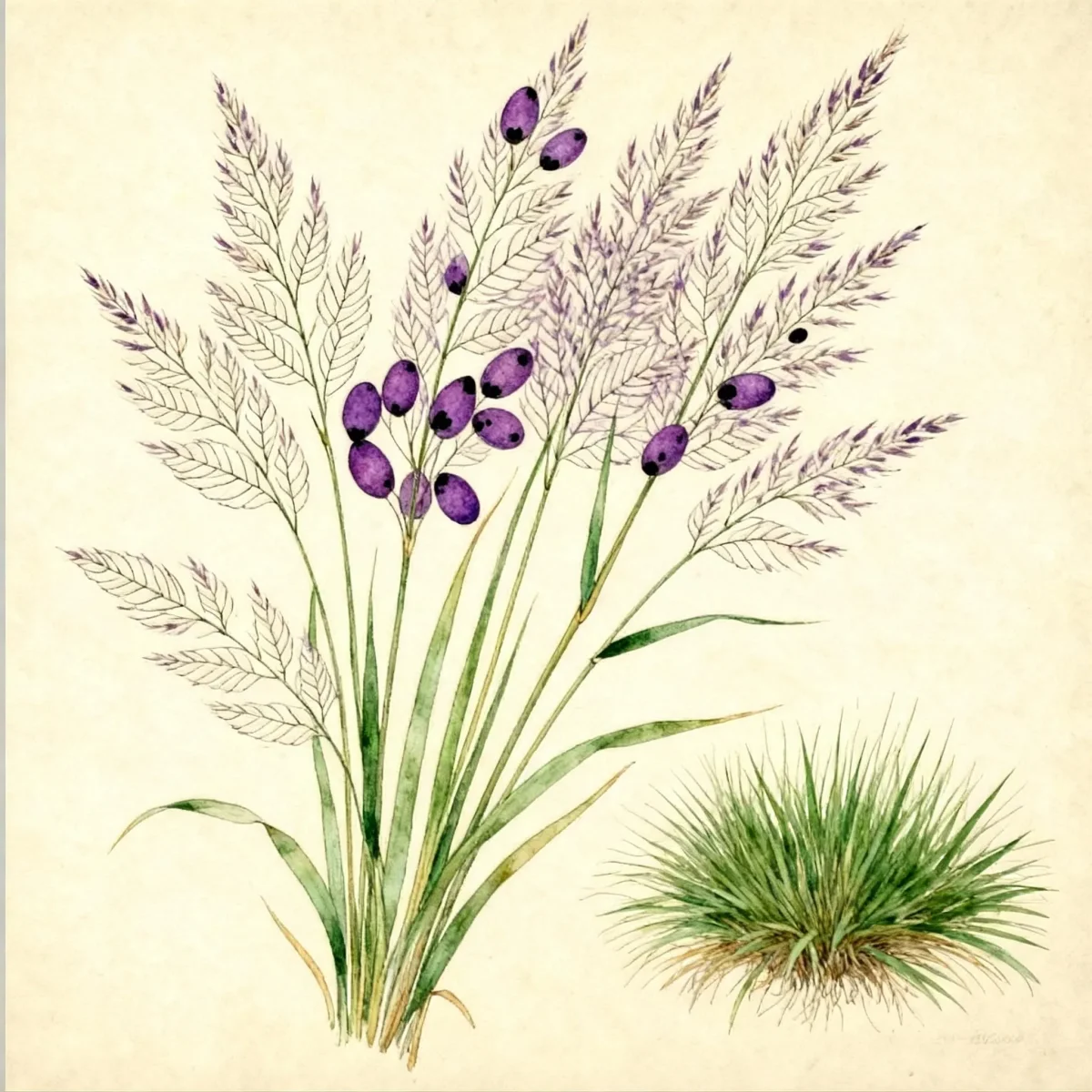
Eragrostis spectabilis, widely known as Purple lovegrass, is a spectacular warm-season bunchgrass native to various habitats across North America, particularly favoring sandy or dry soils. Its most defining feature is the cloud of soft reddish-purple flowers that appears in mid-summer, turning the clump into an airy spectacle. This tough, low-maintenance grass provides excellent textural contrast in the landscape.
As a durable ornamental grass, Purple lovegrass thrives where other plants might struggle, exhibiting strong drought resistance once established. It spreads modestly through self-seeding and rooting stems, making it ideal for large plantings where it can naturalize effectively. The grass handles foot traffic and poor soil conditions better than many finer species.
The genus name itself, derived from the Greek words for love and grass, speaks to its charming aesthetic. For gardeners seeking structural interest combined with resilience, Eragrostis spectabilis offers seasonal delight, culminating in dramatic, albeit temporary, “tumbleweed” seed dispersal in the fall.
Fast Facts
- Plant Family: Poaceae
- Plant Type: Ornamental grass
- Native Range: North America
- Hardiness Zones: USDA Zones 5-9
- Size at Maturity:
- Height: 1-2 ft
- Spread: 1-2 ft
- Bloom Time: July to August
- Bloom Description: Soft reddish-purple
- Sun Exposure: Full sun
- Water Needs: Dry to medium
- Maintenance Level: Low
How to Grow
For optimal results, install Purple lovegrass in full sun. It performs exceptionally well in average soils to very poor, infertile sandy or gravelly loams, provided drainage is good. This preference for hot, dry locations makes it a perfect choice for xeriscapes or south-facing exposures.
Water needs are minimal once established, as Eragrostis spectabilis demonstrates good resistance to drought. Avoid heavily amended or consistently wet soils, which can lead to poor performance. Fertilization is generally unnecessary due to its adaptation to nutrient-poor conditions.
Propagation is simple, either by sowing seed in spring or by dividing existing clumps, also best done in the spring. Be aware that plants readily self-seed, and mature flower heads may detach to roll across the ground, scattering seed widely; embrace this trait if you intend for the grass to naturalize.
Maintenance remains low. Minimal pruning is required. Cut back the dead foliage either in late winter or very early spring before new growth begins to keep the clump tidy and encourage fresh spring vigor.
Landscape Uses
Purple lovegrass is primarily recommended for naturalizing areas, meadows, or native plant gardens where its clumping habit and occasional self-seeding can be appreciated without encroaching on formal beds. It forms an excellent component when massed or grouped in borders, providing fine texture against broad-leaved perennials.
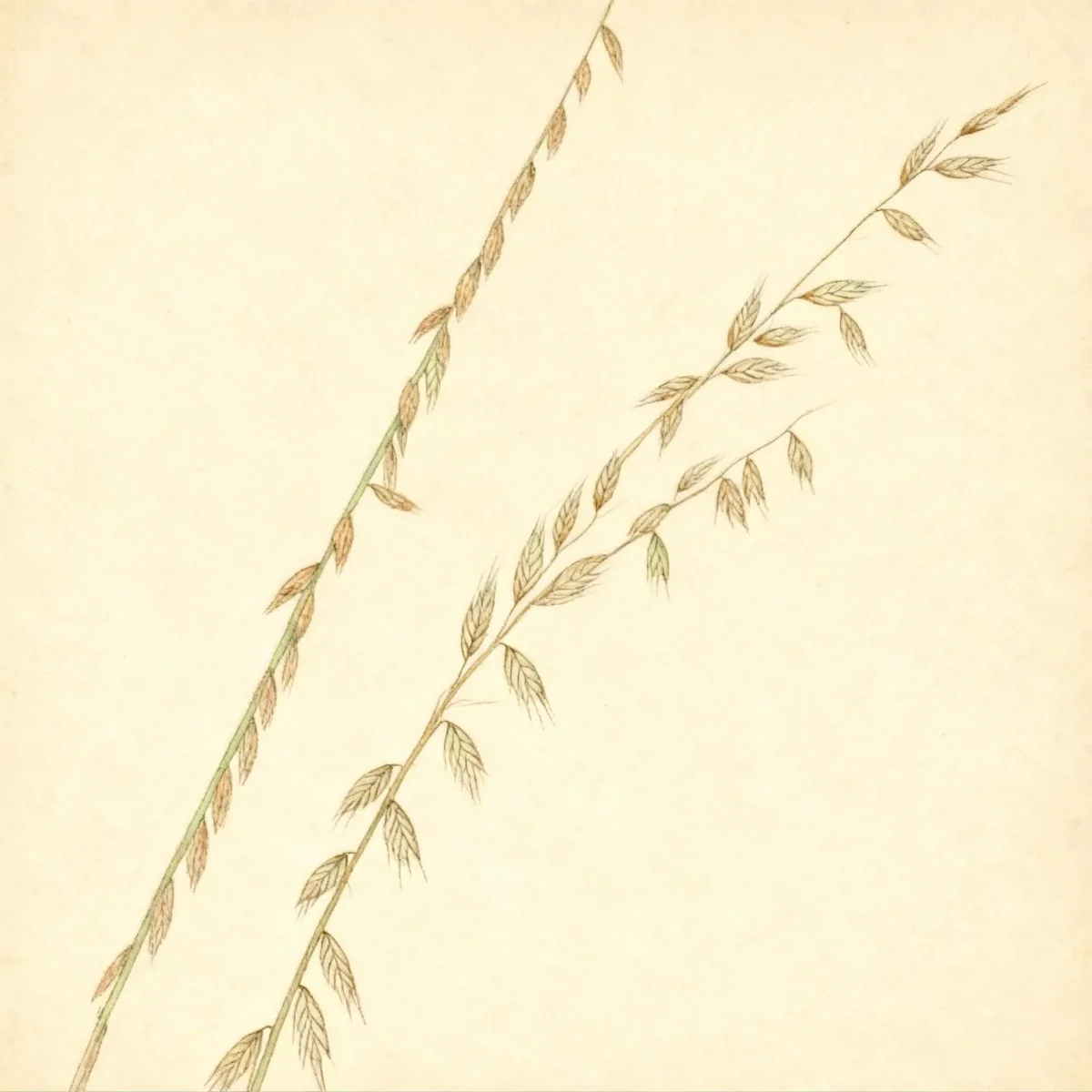
The airy inflorescence of Eragrostis spectabilis adds significant ethereal movement throughout the summer. This quality makes it highly effective when sited near structures or pathways where its movement catches the light. Consider pairing it with plants that enjoy similar dry, sunny conditions, such as Rudbeckia or coneflowers.
Furthermore, the flower heads are prized by florists. The structures dry beautifully while retaining their color and shape. Incorporate them into dried arrangements for long-lasting indoor interest, a key function noted about this spectacular grass.
Standout Features
Flower Qualities
- Showy
- Good Cut
- Good Dried
Noteworthy Characteristics
Eragrostis spectabilis, commonly called purple love grass, is a warm season bunchgrass that is native to sandy soils from Maine to South Dakota south to Florida, Texas, Arizona and Mexico. Flat, coarse, mostly basal, green leaves form a somewhat disorganized clump of foliage that typically rises to about 10” tall before the flowers develop. Soft reddish-purple flowers appear in loose, open inflorescences in August, creating an airy cloud up to 24” high.
Tolerances
- Drought
- Black Walnut
- Air Pollution
Potential Problems
This species exhibits remarkable resilience, showing no serious insect or disease problems under normal growing conditions. Its natural preference for lean, dry soils often deters common pest issues that affect grasses in richer, moisture-retentive garden settings. Good air circulation provided by full sun exposure further minimizes common fungal risks.
Frequently Asked Questions
What hardiness zones is Purple lovegrass suitable for?
Eragrostis spectabilis is reliably hardy in USDA Zones 5 through 9.
How large does Purple lovegrass grow?
This grass reaches a mature height between 1 and 2 feet tall, with an equivalent spread of 1 to 2 feet.
When does Eragrostis spectabilis bloom?
Look for the characteristic bloom time of Purple lovegrass from July through August, featuring soft reddish-purple flowers.
What sun exposure does Eragrostis spectabilis need?
This ornamental grass absolutely requires full sun to achieve its best color and form.
Conclusion
Purple lovegrass offers gardeners a tough, beautiful native option that excels in challenging, dry, sunny sites. Its spectacular, airy reddish-purple plumes define its value, making Eragrostis spectabilis a low-fuss addition to any naturalistic planting scheme. Confirm that your site offers full sun and well-drained soil before planting this resilient perennial grass.
Companion Planting
When selecting companions for Purple lovegrass, prioritize other sun-loving, drought-tolerant perennials to maintain a cohesive water and maintenance schedule. Plants with contrasting foliage texture or color work best against its fine plumes. Consider pairing it with Coneflowers (Echinacea), Black-Eyed Susans (Rudbeckia), or other blue-hued prairie natives that appreciate lean soils.
The contrast between the upright structure of Purple lovegrass and the mounding habit of summer salvias or Russian Sage (Perovskia atriplicifolia) creates excellent visual depth in a mixed border featuring this sturdy ornamental grass. Because it thrives in poor soil, avoid pairing it with heavy feeders that require rich, continuously moist amendments.
Propagation Tips
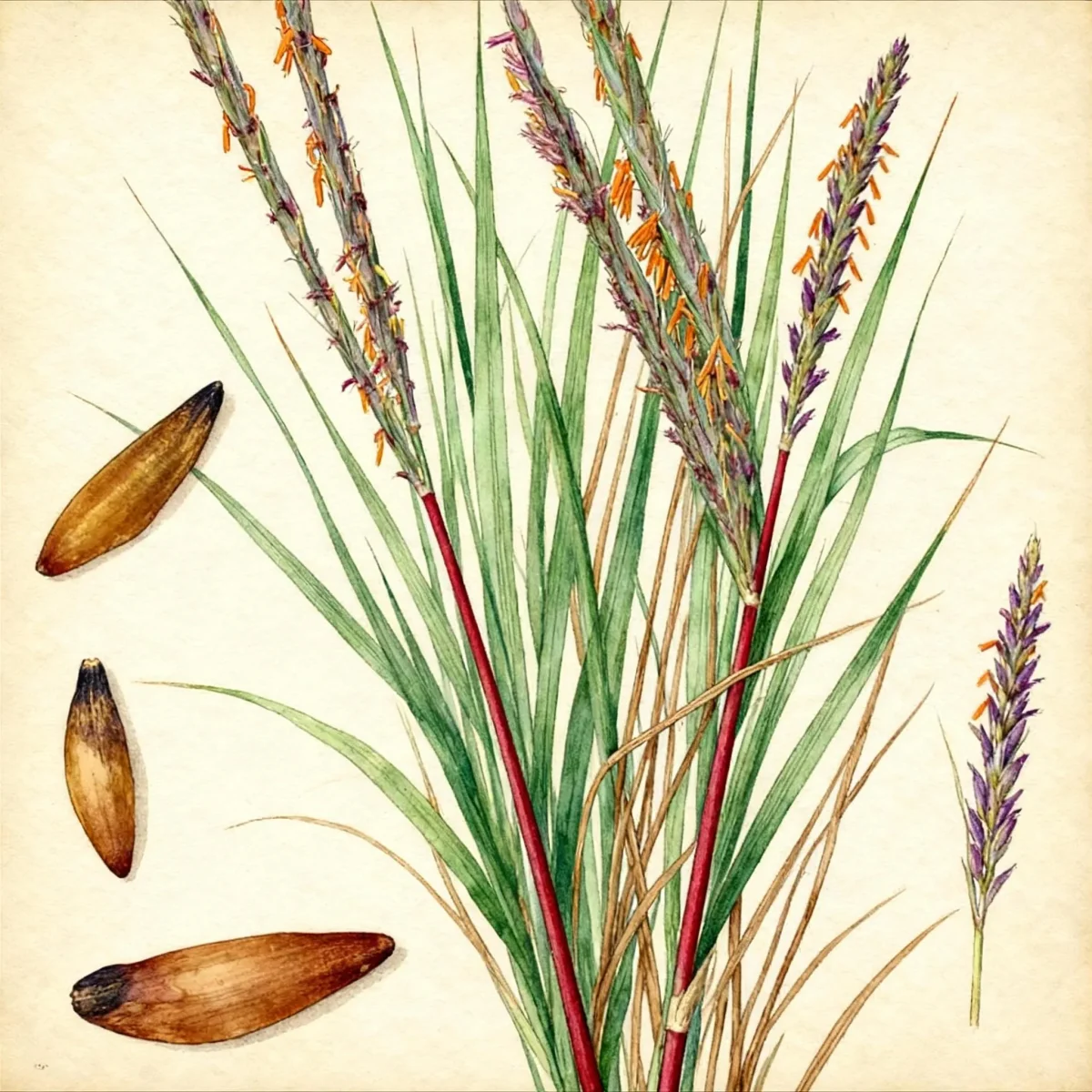
Growing new Purple lovegrass plants is most easily accomplished through seed collection or division. To collect seeds, allow the seed heads to mature fully, though note that they often detach and blow away early, resembling tumbleweeds. Sow collected seeds directly outside in the spring after the danger of hard frost has passed, scattering them lightly over prepared, sandy soil.
Established clumps of Eragrostis spectabilis can be divided for propagation, though this is usually only necessary to manage the size of a mature plant or move it to a new location. Perform divisions in early spring just as new growth is emerging. Ensure each new division has a substantial root mass to establish well in its new sunny, dry spot.