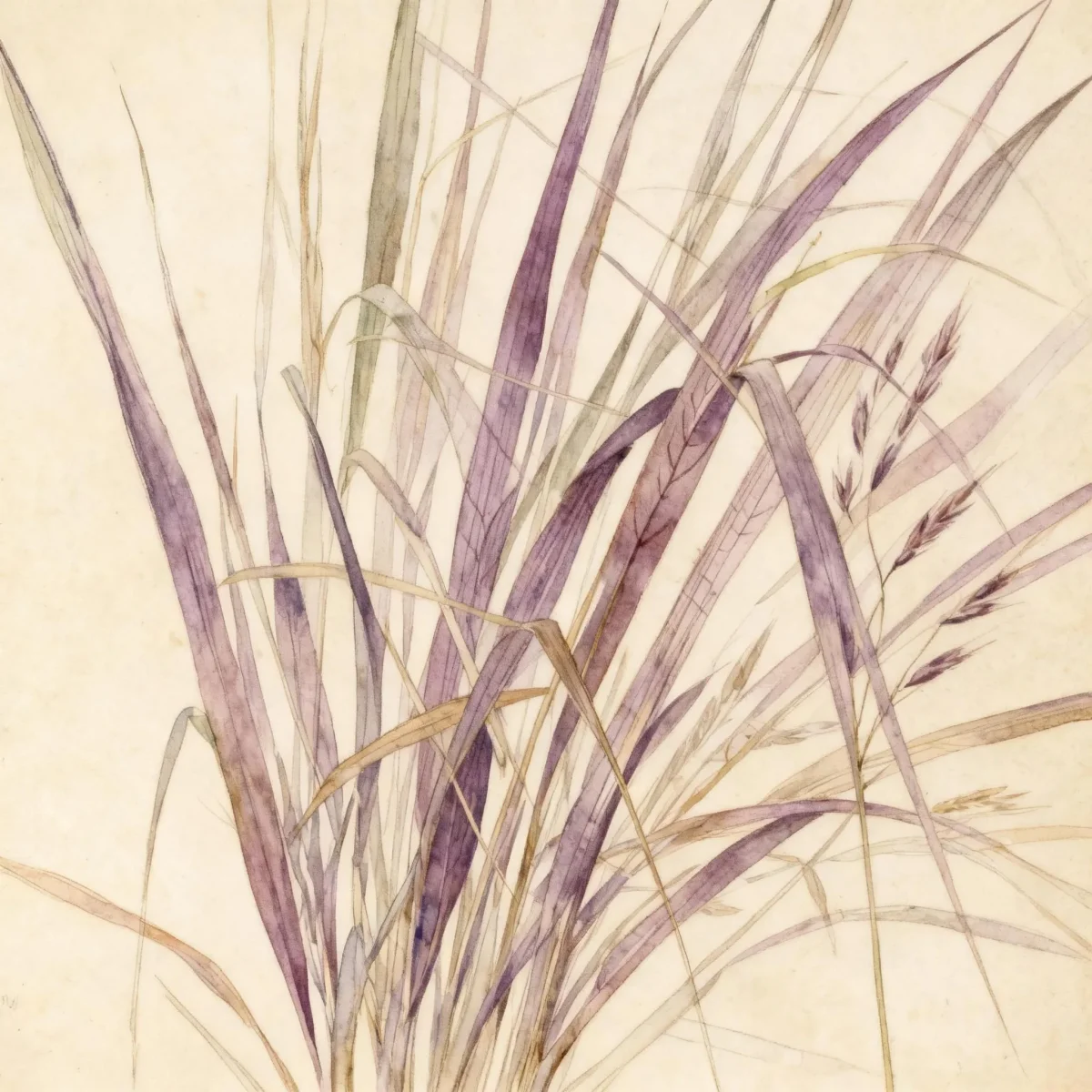
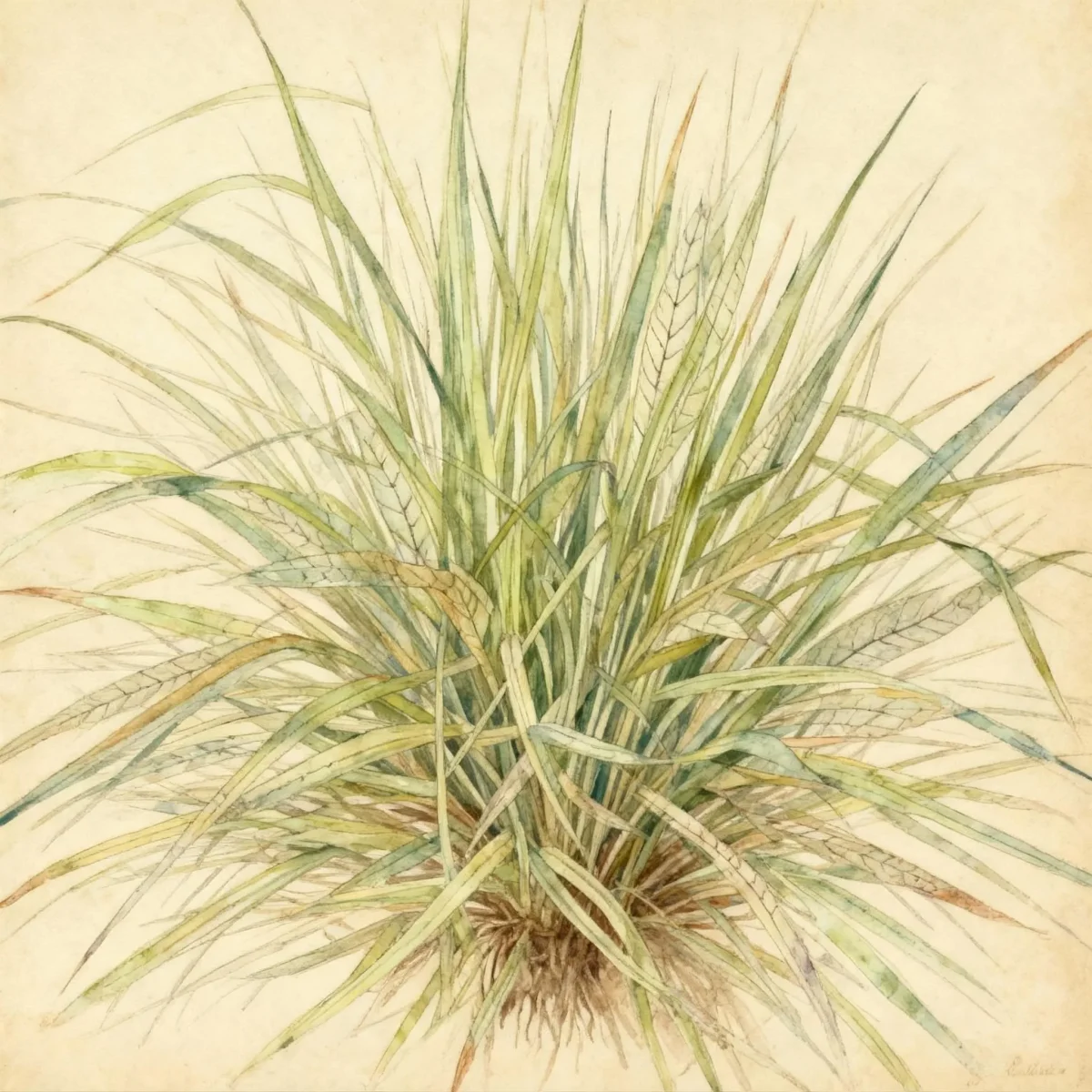
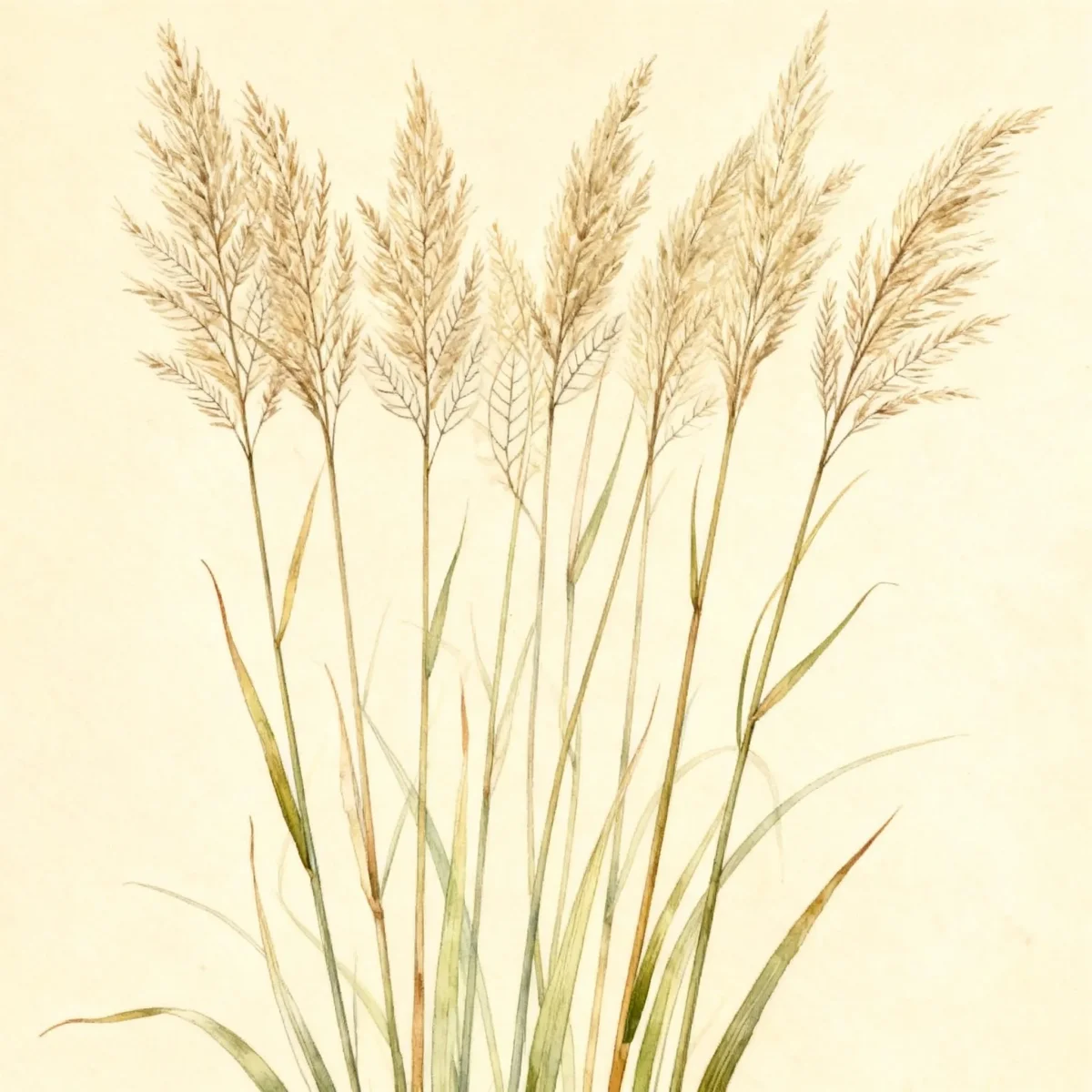
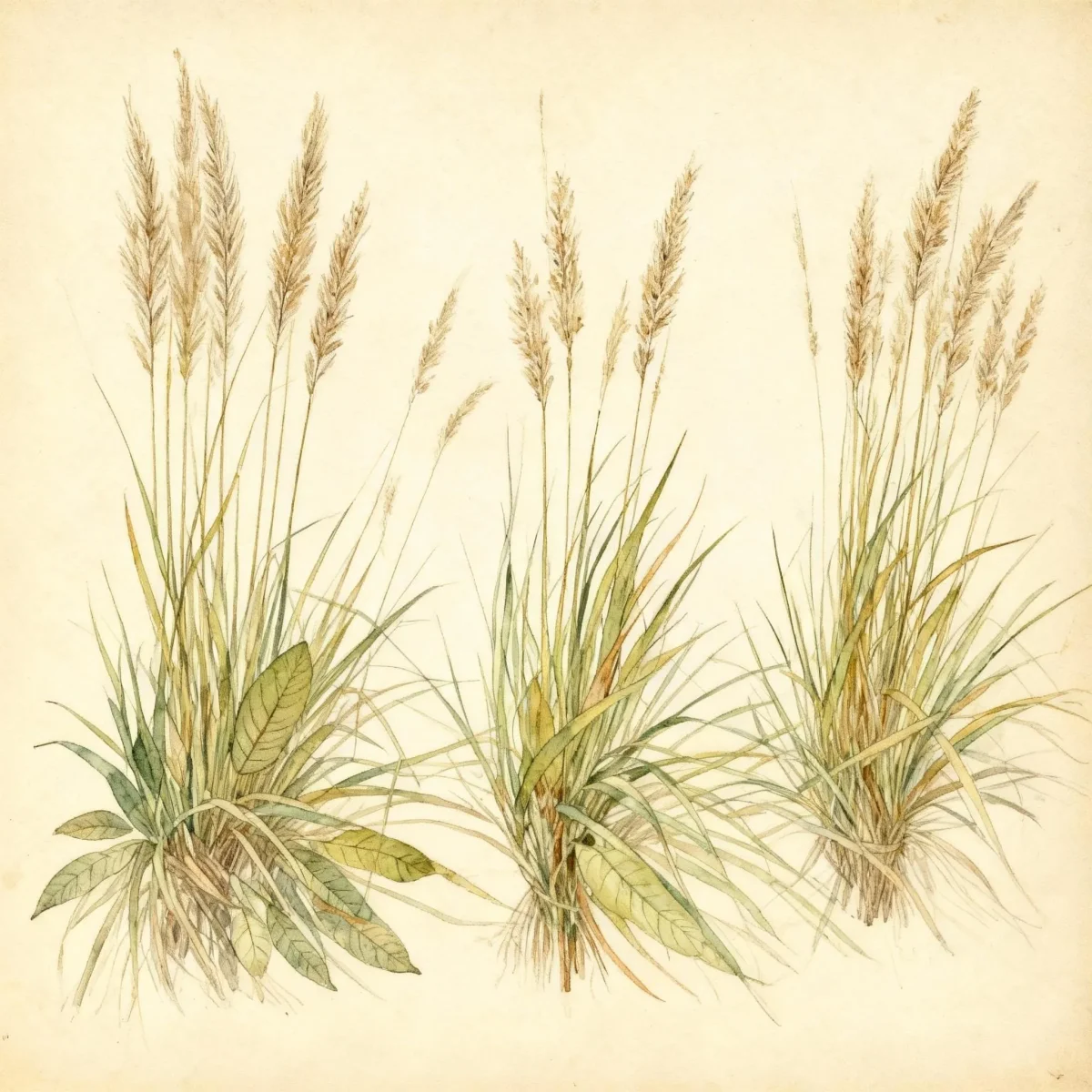
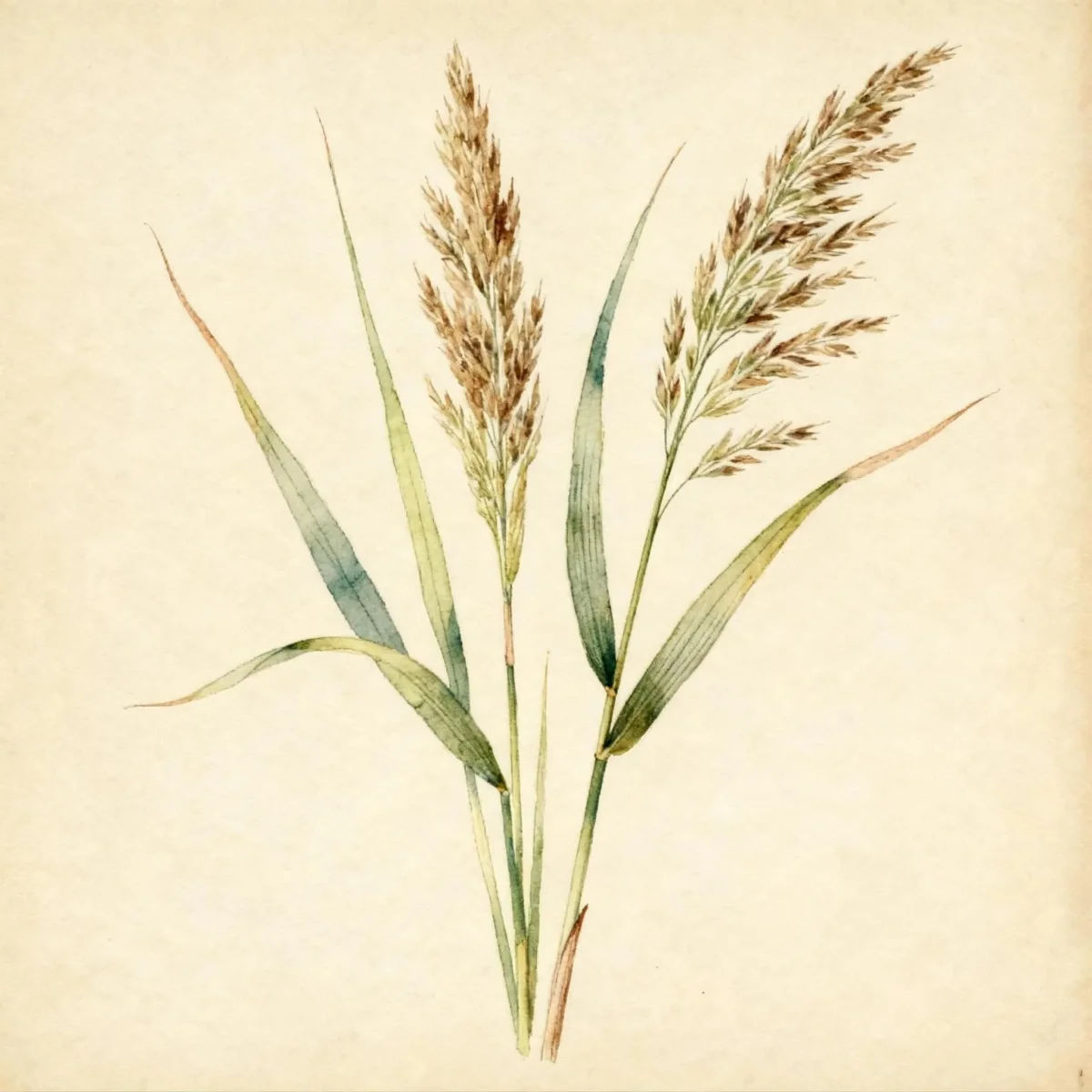
Purple moor grass (Molinia caerulea)
Molinia caerulea, or Purple moor grass, is an adaptable, low-maintenance ornamental grass prized for its upright habit and fall color.
Scroll down to discover growing tips, care requirements, companion plants, and more

Complete Plant Information
Overview
Molinia caerulea, commonly known as Purple moor grass, offers reliable vertical structure and excellent textural contrast in cool-season landscapes. This dense, upright perennial grass forms neat clumps, making it a foundational element in naturalized settings or structured borders. Gardeners value this species, Molinia caerulea, for its seasonal interest, particularly the attractive golden yellow to orange yellow transformation of its foliage and flower stalks as autumn progresses.
This warm-season grass thrives in full sun, though it tolerates light shade, and prefers consistently moist, often acidic, soil conditions. While it is generally considered low maintenance once established, understanding its moisture requirements is key to achieving peak vigor and impressive summer flowering. Purple moor grass provides fine texture that softens mass plantings.
Although the flower stalks and foliage often collapse in late fall, providing little lasting winter structure, the vigorous clean-up in early spring ensures a fresh start for this dependable ornamental grass. Plan for patience, as Molinia caerulea is a relatively slow grower from small divisions.
Fast Facts
- Plant Family: Poaceae
- Plant Type: Ornamental grass
- Native Range: Europe, Asia, northern Africa
- Hardiness Zones: USDA Zones 5-8
- Size at Maturity:
- Height: 2-3 ft
- Spread: 1-1.5 ft
- Bloom Time: July to September
- Bloom Description: Purple
- Sun Exposure: Full sun
- Water Needs: Medium to wet
- Maintenance Level: Low
How to Grow
Plant Molinia caerulea during the spring or fall when conditions are moderate. It performs best when situated in average, well-drained soil that consistently receives medium to wet moisture levels. Remember that Purple moor grass especially prefers acidic soils, so amend heavy or alkaline soils as necessary prior to planting.
Watering should focus on consistency, especially during the establishment period, as this grass appreciates regular moisture. Fertilization is rarely required; providing rich, pampered soil can actually decrease flowering vigor. Ensure the location receives full sun for the best density and color display; too much shade will result in reduced flowering and floppier growth.
The best performance for this ornamental grass is typically observed in cooler summer climates; expect decreased flowering if summers are consistently hot. Pruning is essential for yearly rejuvenation. Annually cut back all surviving foliage and old flower stalks close to the ground in early spring, ideally in late February or March, just before new leaf blades begin to emerge.
Landscape Uses
Molinia caerulea is incredibly versatile, fitting seamlessly into a wide array of design schemes due to its upright, fountain-like habit. It excels when used for naturalizing large areas, creating sweeping drifts in meadows, or softening the edges of rain gardens where its medium to wet water needs are naturally met. The species plants are historically native to moist environments like moors and fens.
Use Purple moor grass as a specimen plant to highlight its elegant structure or group several together for massing effects along borders or in cottage gardens. Its upright, airy nature provides excellent “see-through” quality, meaning you can plant it toward the front of a border where it obscures nothing behind it while adding depth. The excellent golden fall color provides strong structural accent late into the year.
Companion planting works well with moisture-loving perennials or other robust grasses that share similar full sun requirements. Consider placing it near the edge of a pond or stream where the soil remains consistently moist, maximizing the potential of this native European and Asian grass.
Standout Features
Flower Qualities
- Showy
Noteworthy Characteristics
Molina caerulea, commonly known as purple moor grass, is a dense, upright, warm season perennial grass featuring flat narrow leaf blades (to 18” long by 1/4” wide) which grow in a dense clump from 1-2’ tall. Erect to arching slender flower stalks topped by narrow flower panicles rise above the foliage clump to 3’ tall in mid-summer. The species plants are native to moist places, including moors, fens, heaths, bogs and lake shores, in Europe and Asia. The specific epithet from Latin means dark blue.
Tolerances
- Erosion
- Wet Soil
- Black Walnut
- Air Pollution
Potential Problems
This ornamental grass generally presents no serious insect or disease problems, which adds to its low-maintenance appeal. The most significant cultivation consideration is its slow growth rate, especially when starting from divisions; gardeners should avoid small starter plants unless they possess significant patience, as maturity can take several years. Ensure soil drainage is acceptable even when providing medium to wet moisture; standing perpetually waterlogged soil, distinct from consistent moisture, can lead to decline over time.
Frequently Asked Questions
What hardiness zones is Purple moor grass suitable for?
Molinia caerulea is reliably hardy in USDA Zones 5 through 8.
How large does Purple moor grass grow?
This grass typically reaches a height between 2 and 3 feet, with a spread of 1 to 1.5 feet at maturity.
What sun exposure does Molinia caerulea need?
For best performance, including vigorous growth and flowering, Purple moor grass requires full sun exposure.
When does Molinia caerulea bloom?
The flowering period for this grass generally spans from July through September, producing blooms described as purple.
Conclusion
Molinia caerulea stands out as a dependable, structurally interesting ornamental grass that brings significant texture and seasonal golden color to the landscape. Its low maintenance needs and tolerance for wet soil make Purple moor grass an excellent choice for designers seeking reliability near water features or in tough, moist locations. Check your local hardiness zone compatibility before planning your spring planting to ensure this beautiful grass thrives for years to come.
Companion Planting
When selecting companions for Molinia caerulea, focus on plants that appreciate or tolerate its preference for consistent moisture and acidic soil. Pairing it with moisture-loving perennials like Astilbe or Trollius (Globe Flower) works exceptionally well, as they share similar cultural needs through the summer months. Its upright, fine texture contrasts beautifully with broad-leaved plants, such as Rodgersia or certain cultivars of Iris known for wet soil tolerance.
Consider using companions that offer bloom color throughout the summer when the grass flowers are becoming established. Darker foliage or contrasting flower colors will make the eventual golden fall transformation of the Purple moor grass even more visually striking as the season changes. This grass is particularly good near the transition zone between lawn and garden beds.
Design Ideas for Vertical Interest
The inherent verticality of Molinia caerulea makes it an ideal structural plant in modern meadow designs where movement and naturalistic massing are desired. Because the foliage clump remains relatively tidy, it serves as an excellent mid-border plant, allowing shorter, mounding perennials to hug the front edge without being completely hidden. Avoid placing this grass where its late-season collapse will be detrimental; it works best where it can be left standing until spring cleanup.
In specialized planting areas, Molinia caerulea is categorized as suitable for rain gardens, where its tolerance for wet soil becomes a functional benefit rather than just an aesthetic preference. Use it to anchor the wetter periphery of a rain garden, blending seamlessly with rushes and iris varieties thriving in similar conditions. This grass provides excellent architectural height above the surrounding water-loving plantings.