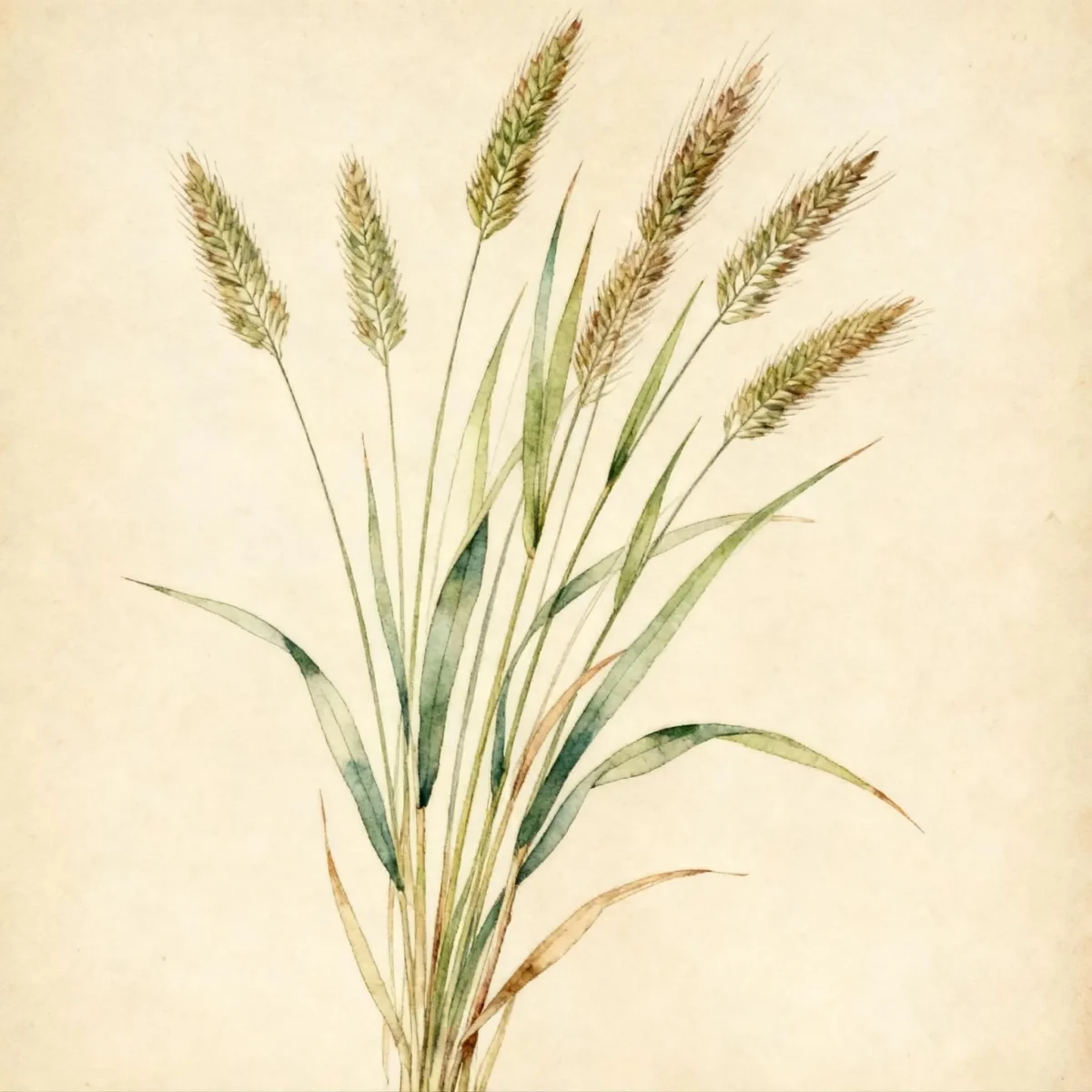
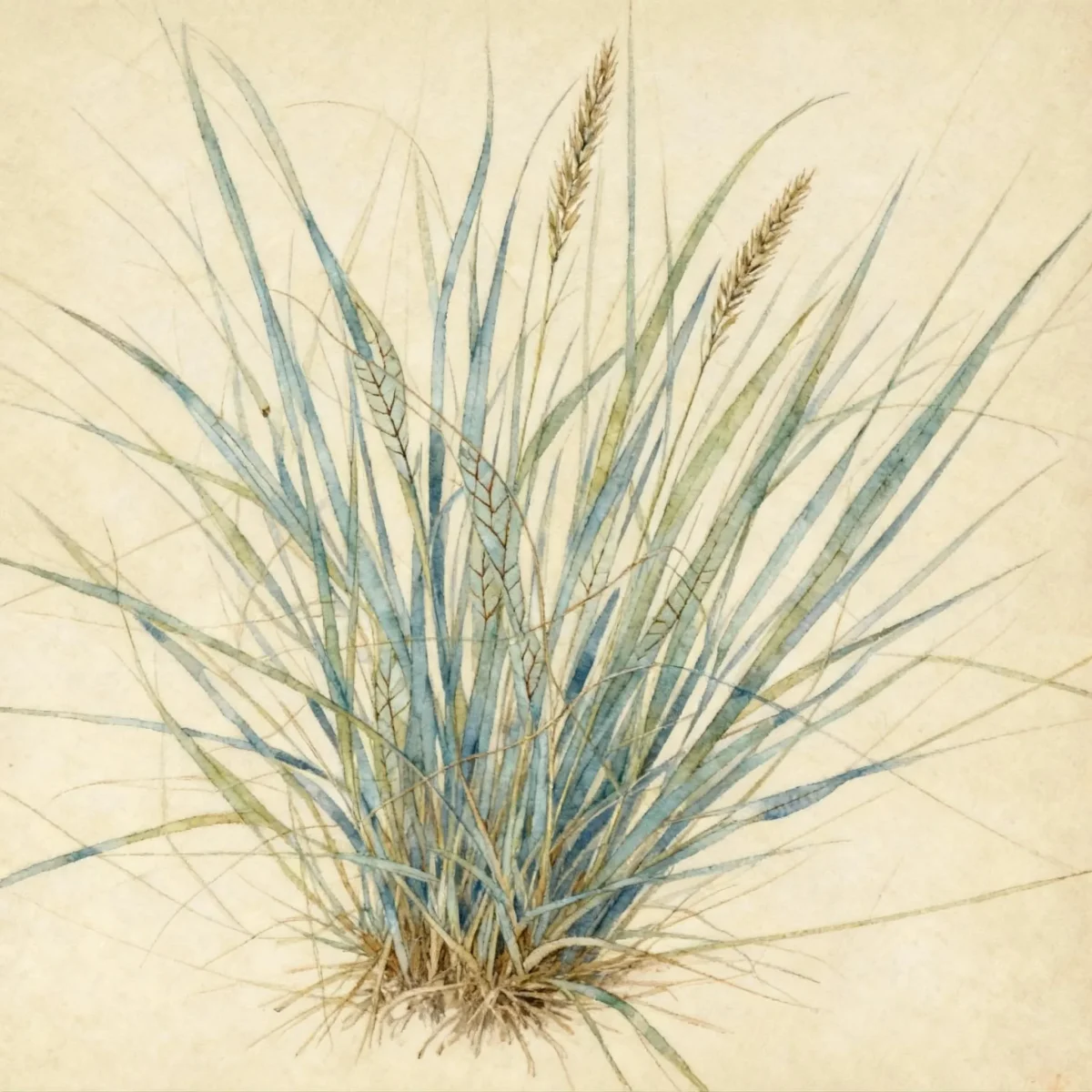
Proso millet (Panicum miliaceum)
Low-maintenance annual Proso millet (Panicum miliaceum) thrives in full sun, offering edible grain and excellent drought tolerance.
Scroll down to discover growing tips, care requirements, companion plants, and more
Complete Plant Information
Overview
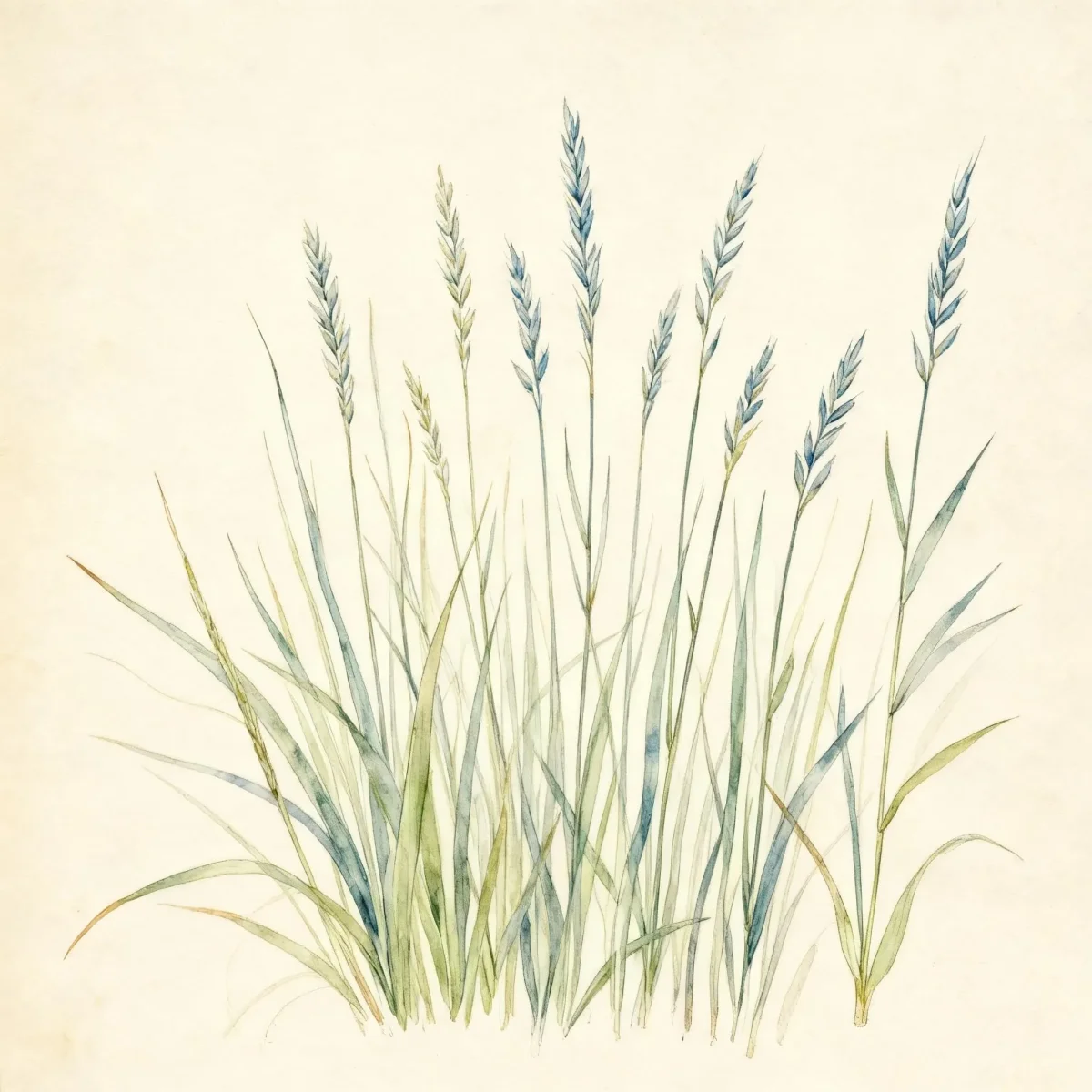
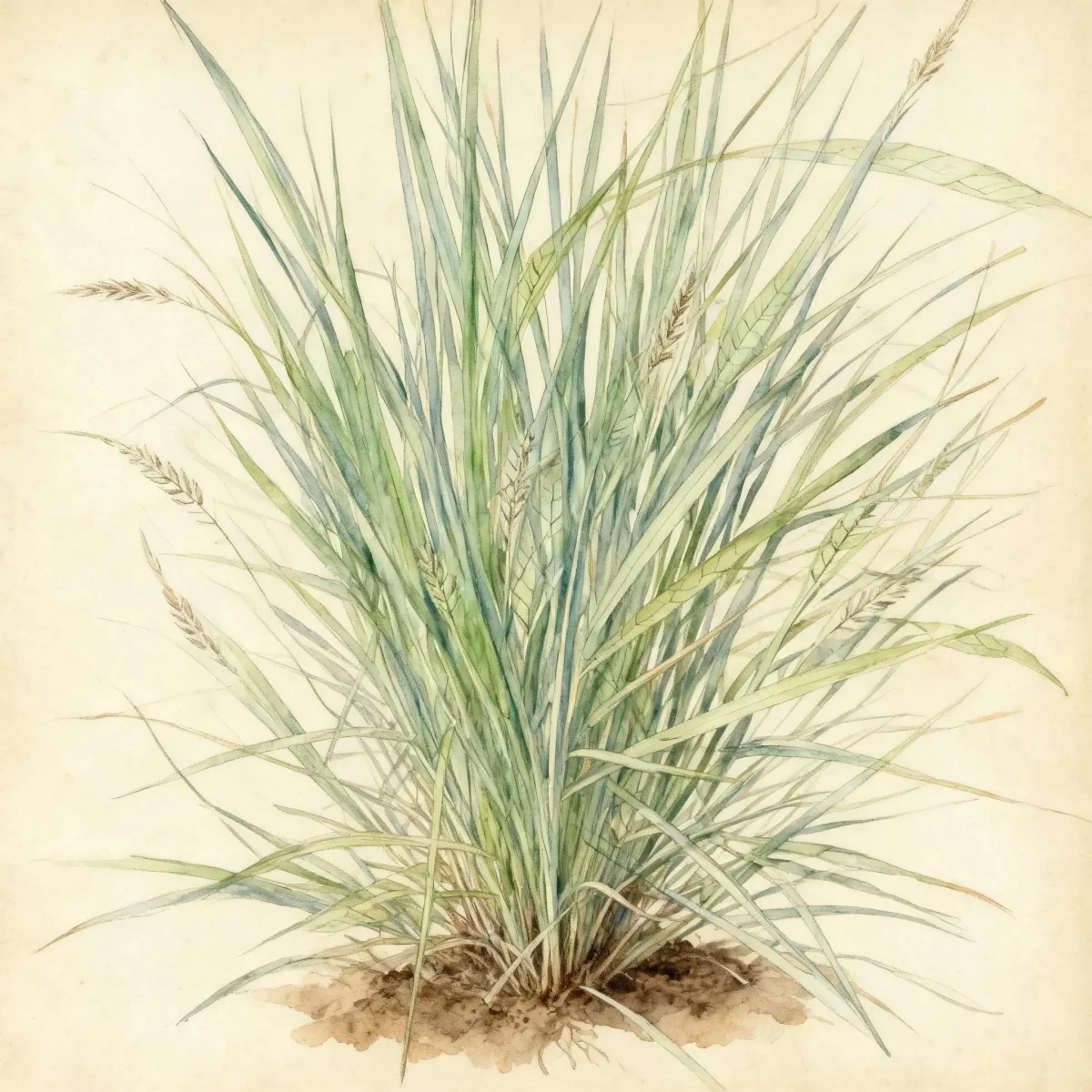
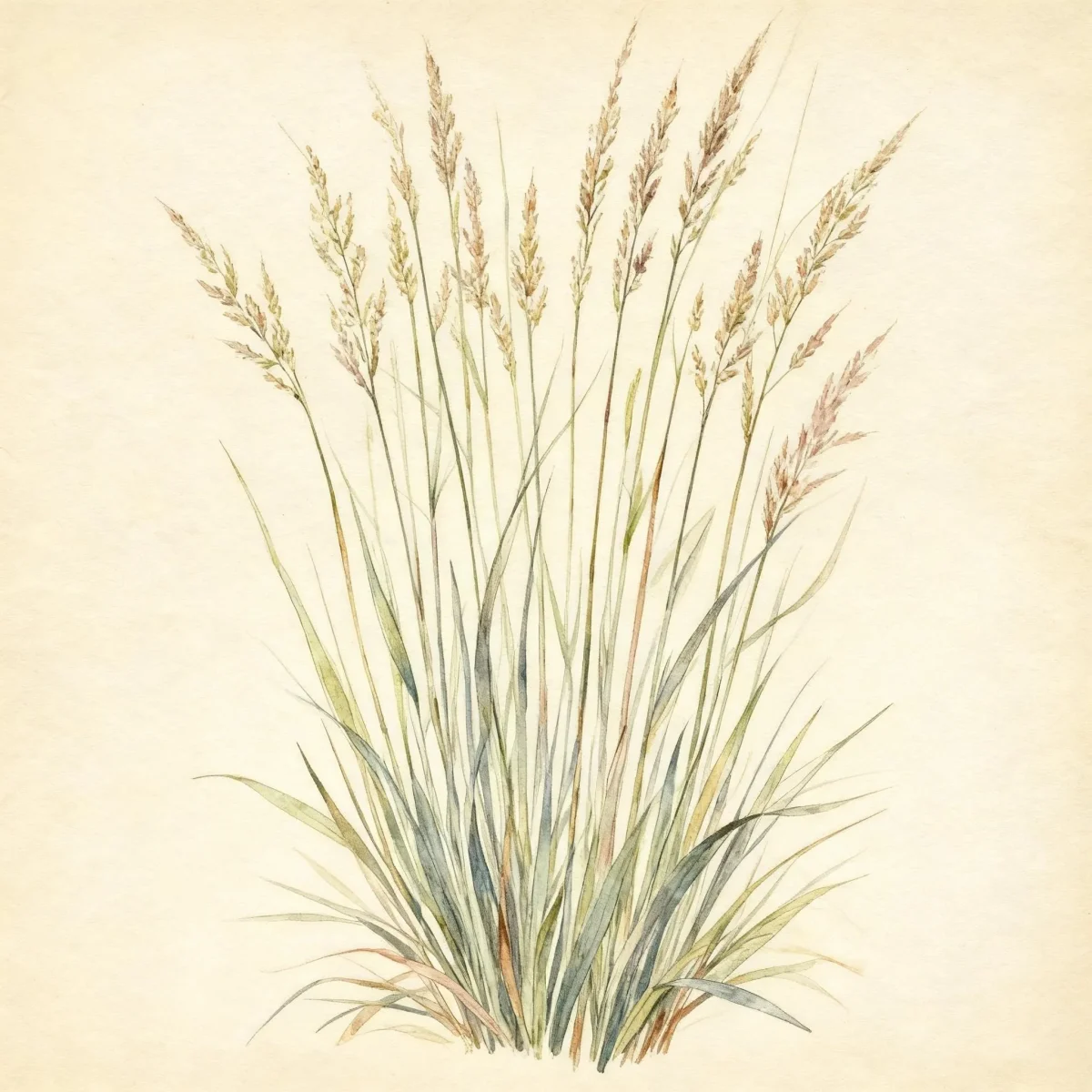
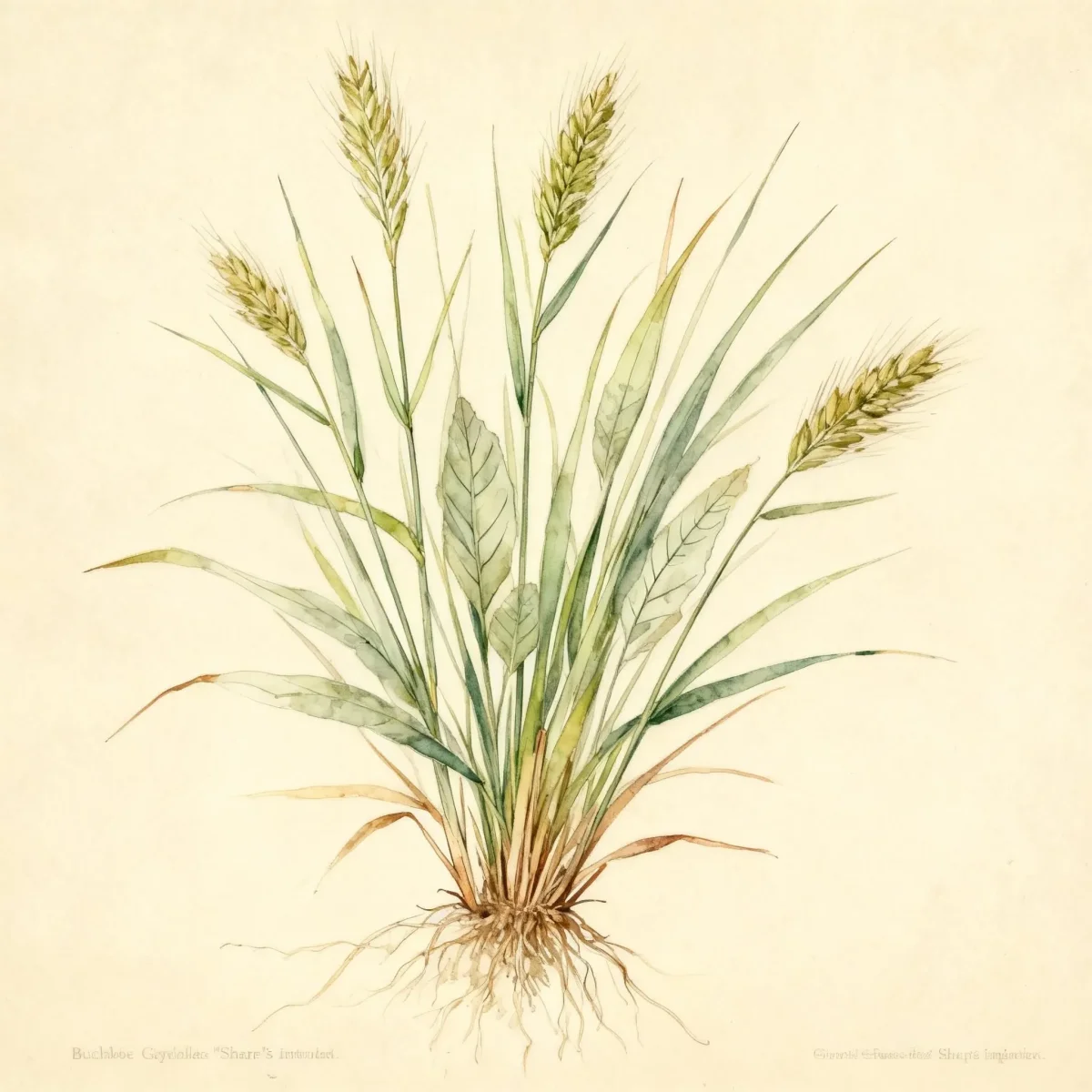
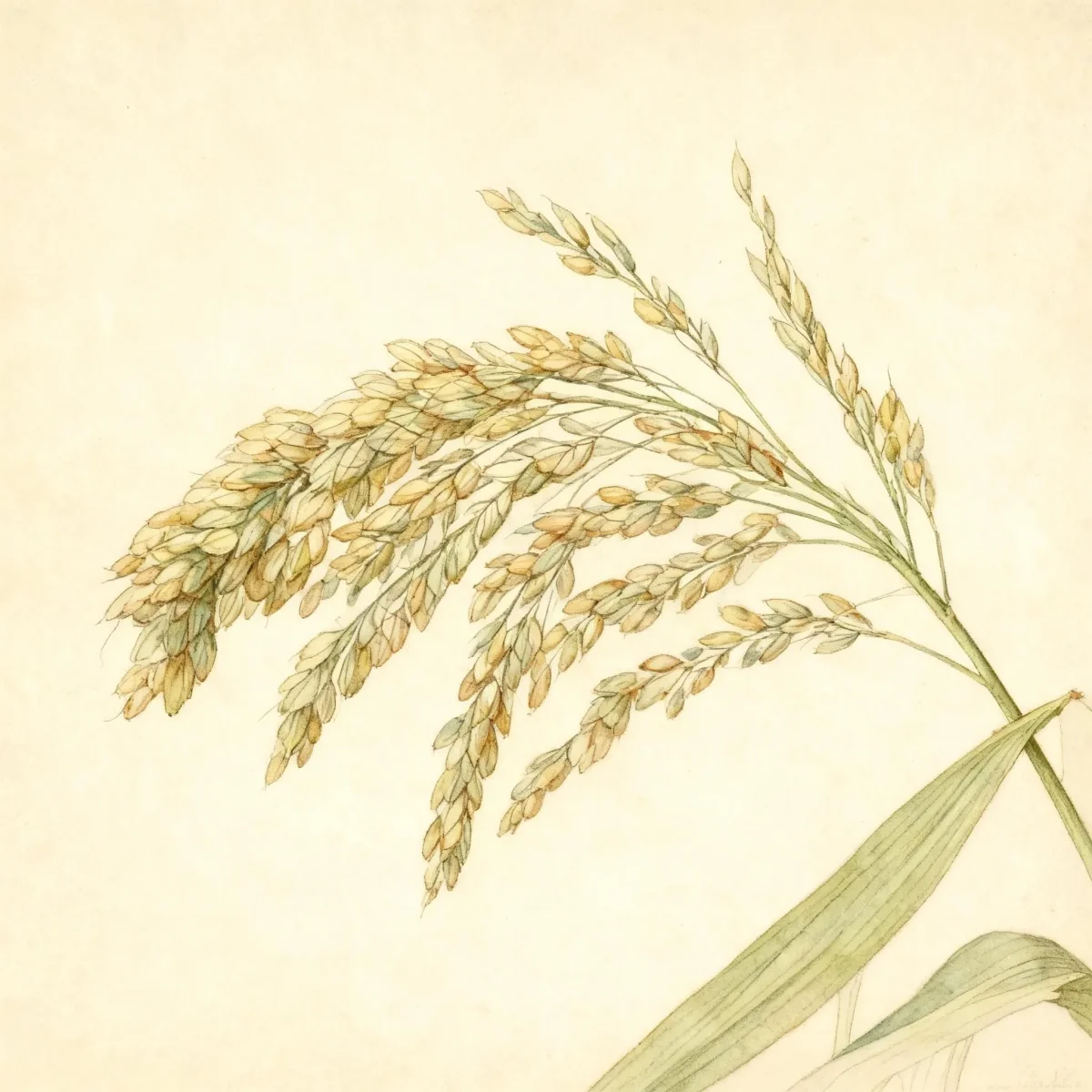
Panicum miliaceum, commonly known as Proso millet, is a highly utilitarian annual grain crop valued for its rapid growth and resilience. Gardeners prize this species for its low maintenance requirements and its ability to produce edible seed even under challenging dry conditions. This robust grass provides both functional crop yield and visual interest with its stout, erect stems reaching up to four feet in height.
Utilized globally as a staple food, Proso millet offers significant nutritional value, containing high levels of essential amino acids. Planting Panicum miliaceum provides cultivators with a fast-maturing grain crop, making it an excellent choice for short growing seasons or areas where other grains might fail. Its ability to tolerate heat and dryness sets it apart as an indispensable warm-weather annual.
Though not cultivated for ornamental display, the dense upright foliage of the millet provides a fine texture within large garden plots or homestead settings. For gardeners specifically interested in edible landscaping or self-sufficiency, incorporating Panicum miliaceum offers both cultural education and practical harvest potential.
Fast Facts
- Plant Family: Poaceae
- Plant Type: Annual
- Native Range: Europe
- Hardiness Zones: USDA Zones 2-11
- Size at Maturity:
- Height: 3-4 ft
- Spread: 0.25-0.5 ft
- Bloom Time: July
- Bloom Description: Not grown for flowers
- Sun Exposure: Full sun
- Water Needs: Dry to medium
- Maintenance Level: Low
How to Grow
To successfully cultivate the valuable grain of Panicum miliaceum, timing is crucial. Sow seeds directly into thoroughly tilled, weed-free, well-drained soil after the soil temperature consistently reaches 65 degrees F. Plant seeds about 1 inch deep, spacing them closely—between 3 to 6 inches apart. Firm the soil gently after sowing for good seed contact.
Once established, Proso millet requires minimal attention. Ensure the location receives full sun. While drought-tolerant once mature, consistent moisture during the initial establishment phase aids development. Avoid planting in areas prone to waterlogging, as this species does not perform well in saturated or water-logged soil.
Because the seedlings of Proso millet cannot compete effectively with established weeds, diligent weed control in the first few weeks is essential for optimizing yield. Different varieties mature at varying rates, but harvest can often occur swiftly, sometimes within just 40 to 70 days of emergence.
Landscape Uses
The primary suggested use for this plant is as a grain crop, but its upright stature also lends itself to textural contrast in large mixed plantings. Since Panicum miliaceum is an annual vegetable/grain, it works well in dedicated rotation plots or within larger edible landscapes where space allows for its 3- to 4-foot height.
Although grown primarily for consumption, when planted densely, the collective growth of Proso millet can create a temporary, fine-textured screen, similar to a temporary hedge. Consider companion planting with slower-maturing vegetables or herbs that can benefit from the temporary shading provided by the millet during its rapid growth phase.
Harvesting the grain is the main focus of cultivation; after the seed heads ripen, the plants can be cut, dried, and threshed to recover the nutritious kernels for use in baked goods, porridge, or kasha.
Standout Features
Fruit Qualities
- Edible
Noteworthy Characteristics
Panicum miliaceum, commonly called Proso or common millet, grows to a height of up to 4 feet. It has bright green leaves and stout erect stems, and may spread somewhat at the base. Millet is used as a meal for making baked goods and can also be eaten raw. It is used in porridge and kasha. The hull is hard and indigestible and therefore must be removed before human consumption. Hulling has no adverse affect on nutritional value. Millet has a mildly sweet, nut-like flavor and contains myriad beneficial nutrients.
Tolerances
- Drought
- Air Pollution
Potential Problems
While generally disease-free, problems with Panicum miliaceum tend to appear during vulnerable stages. In the seedling stage, Proso millet cannot compete successfully with weeds, making early cultivation essential. To manage seedling blights and potential root rot issues, using sound crop rotation practices is highly recommended.
A significant management concern arises as the grain heads begin to ripen. At this critical stage, rodents and birds can pose serious threats to the harvestable yield. Securing the crop through netting or other deterrents may be necessary in areas with high pest pressure.
Frequently Asked Questions
What hardiness zones is Proso millet suitable for?
Panicum miliaceum is adaptable across a wide range, suitable for USDA Zones 2 through 11.
How large does Proso millet grow?
This annual typically reaches a height between 3 and 4 feet, with a modest spread of 0.25 to 0.5 feet.
What sun exposure does Proso millet need?
Panicum miliaceum requires full sun exposure to develop successfully and produce a viable grain harvest.
When does Proso millet bloom?
Bloom time is listed as July, though the plant is cultivated for its grain, not for ornamental flowers.
Conclusion
The Panicum miliaceum annual offers gardeners a resilient, fast-maturing source of high-quality nutrition tolerant of dry conditions. Its low maintenance profile and adaptability make Proso millet a practical addition to self-sufficient gardening efforts. We encourage gardeners in appropriate zones to plan their direct sowings after the soil warms sufficiently this spring.
Companion Planting
When planning a garden space around Proso millet, select companions that share its preference for well-drained soil and full sun. Because Panicum miliaceum grows quickly, it can benefit from intercropping with slower-growing cash crops that need protection during early development. Consider pairing it with deep-rooted legumes, which can help amend the soil structure naturally.
Since millet is harvested relatively early compared to late-season vegetables, the space it occupies can often be quickly replanted with a cool-season cover crop after the grain is taken in. This successive planting maximizes the productivity of the full-sun area throughout the growing year.
Wildlife Benefits
Although most known for its human food value, the seed heads of Panicum miliaceum provide excellent foraging opportunities for various avian species, particularly sparrows and finches. If you are not intensively harvesting the crop, leaving some heads standing can offer significant support to local bird populations during the late summer and autumn months.
Gardeners should be mindful that the attraction for wild birds is also why rodents and birds pose a “potential problem” during head ripening. Balancing the desire to feed wildlife with the need to harvest your grain determines the level of protection required around the ripening crop.