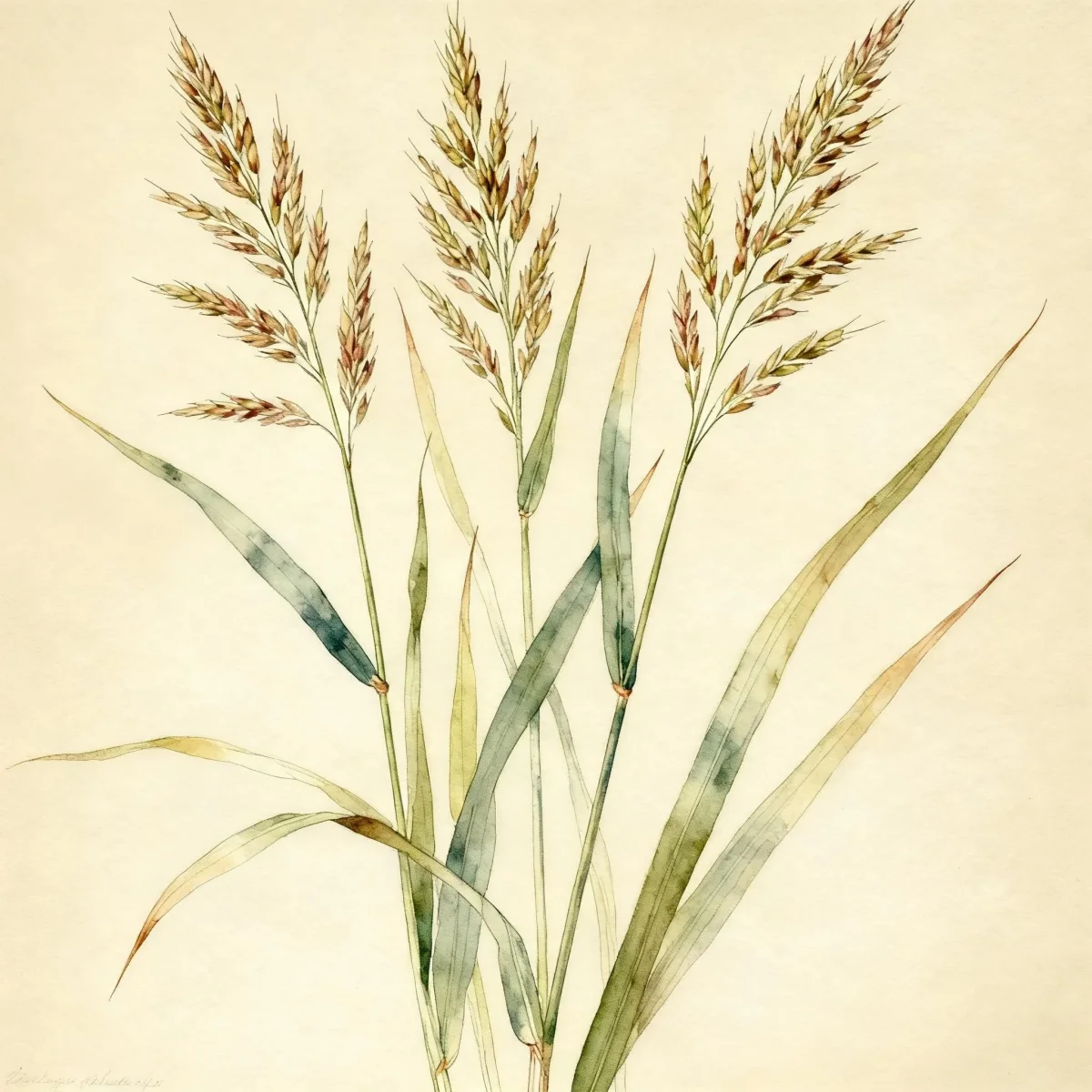
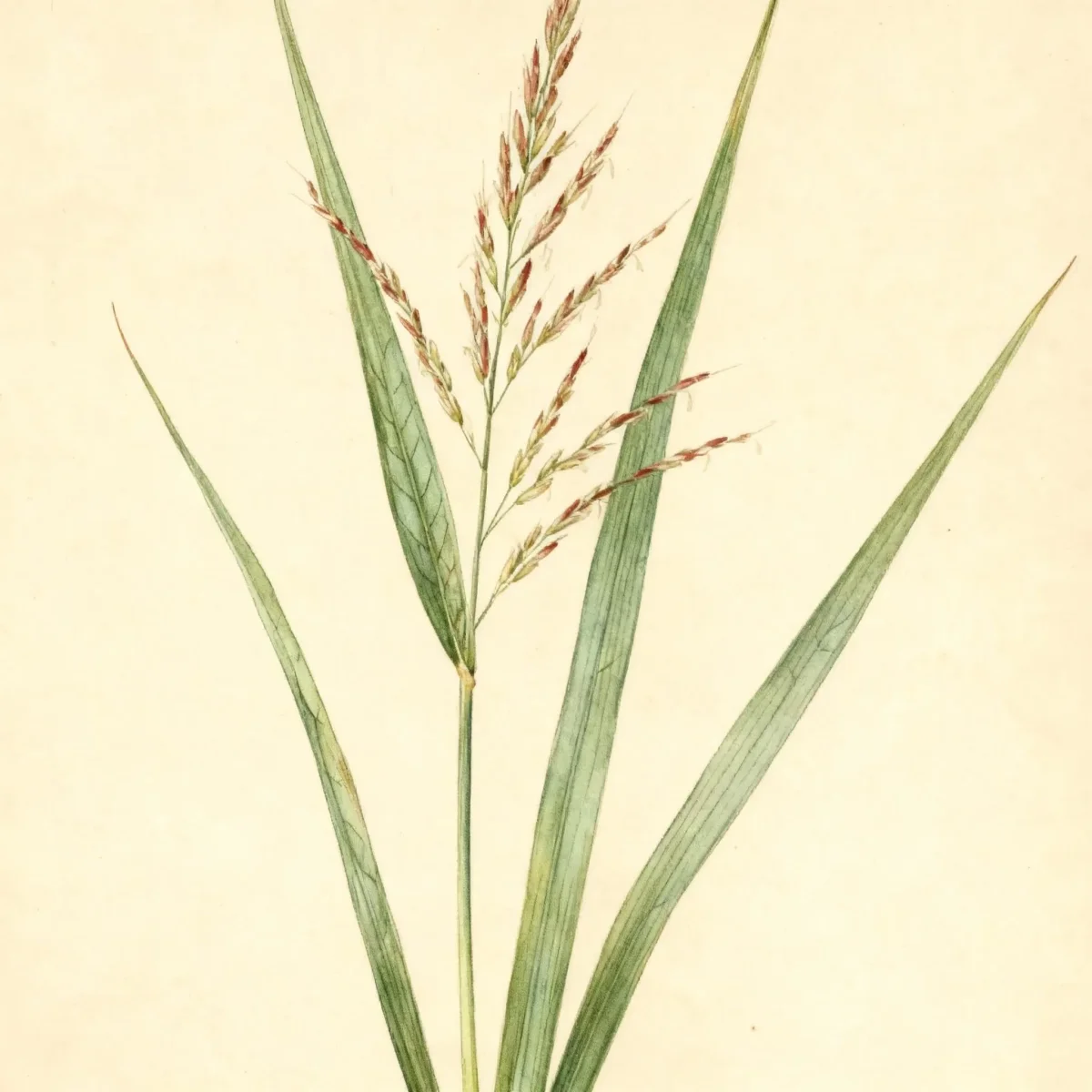
Switch grass (Panicum virgatum)
Valuable architectural ornamental grass, Panicum virgatum (Switch grass) offers four-season interest and handles tough, wet soils.
Scroll down to discover growing tips, care requirements, companion plants, and more
Complete Plant Information
Overview
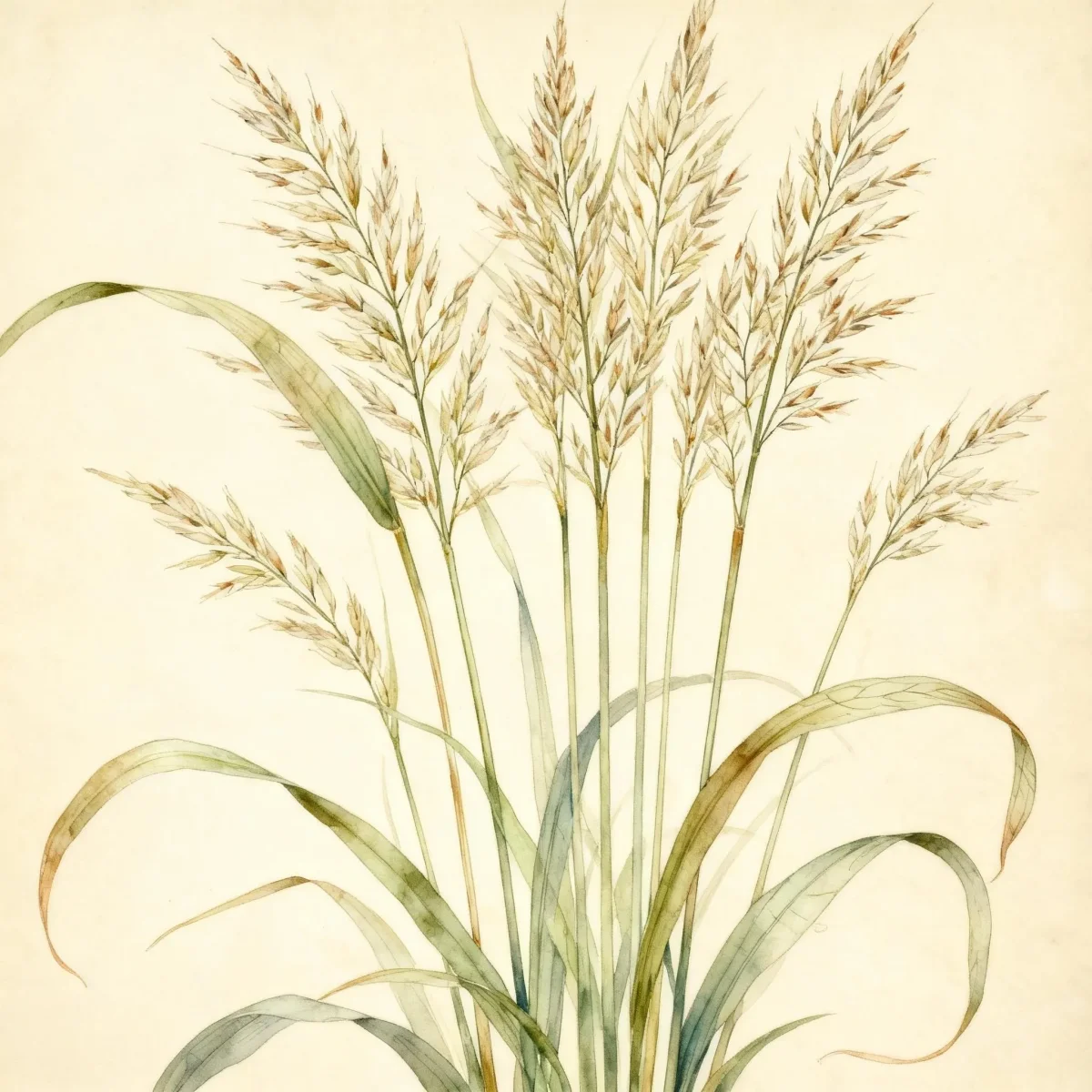
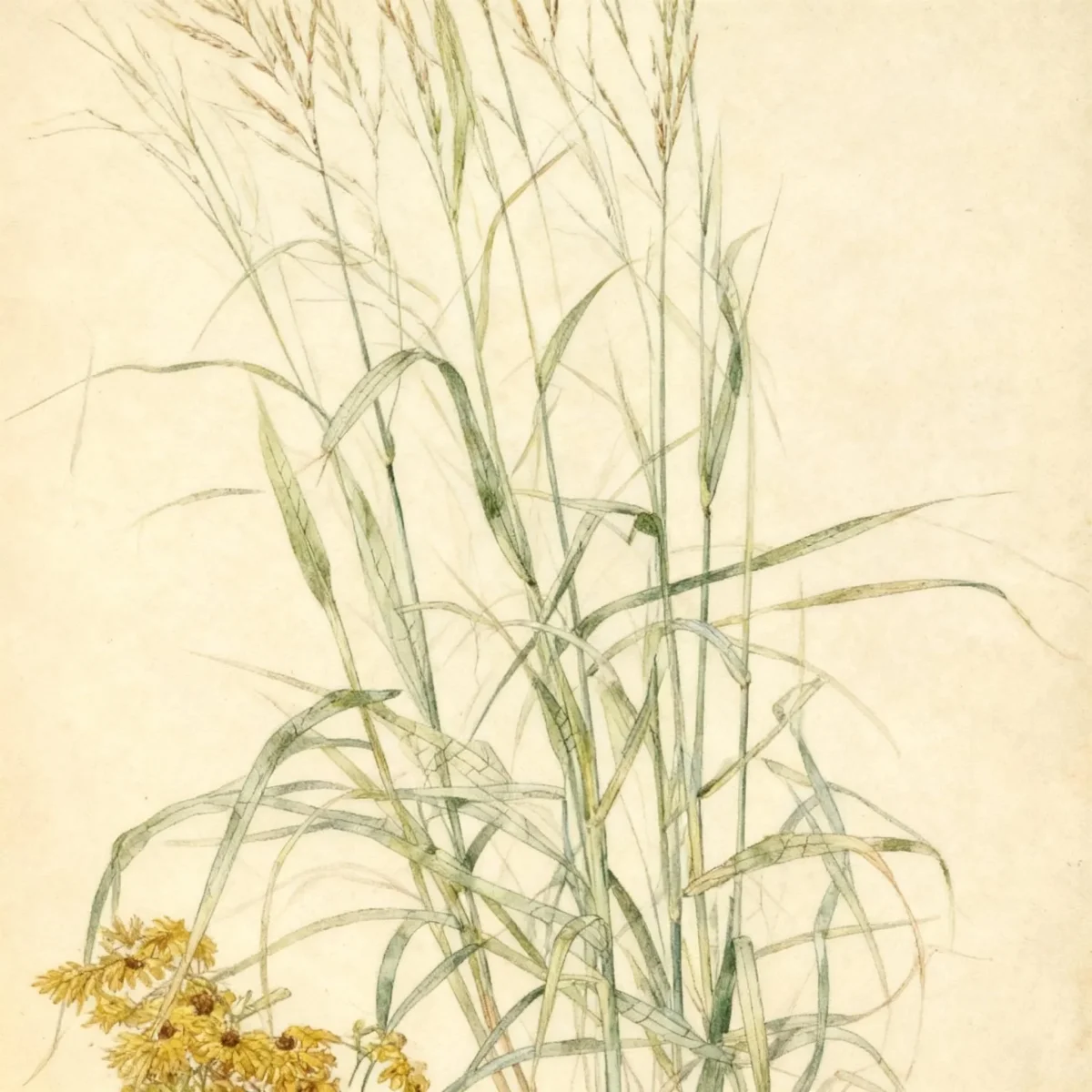
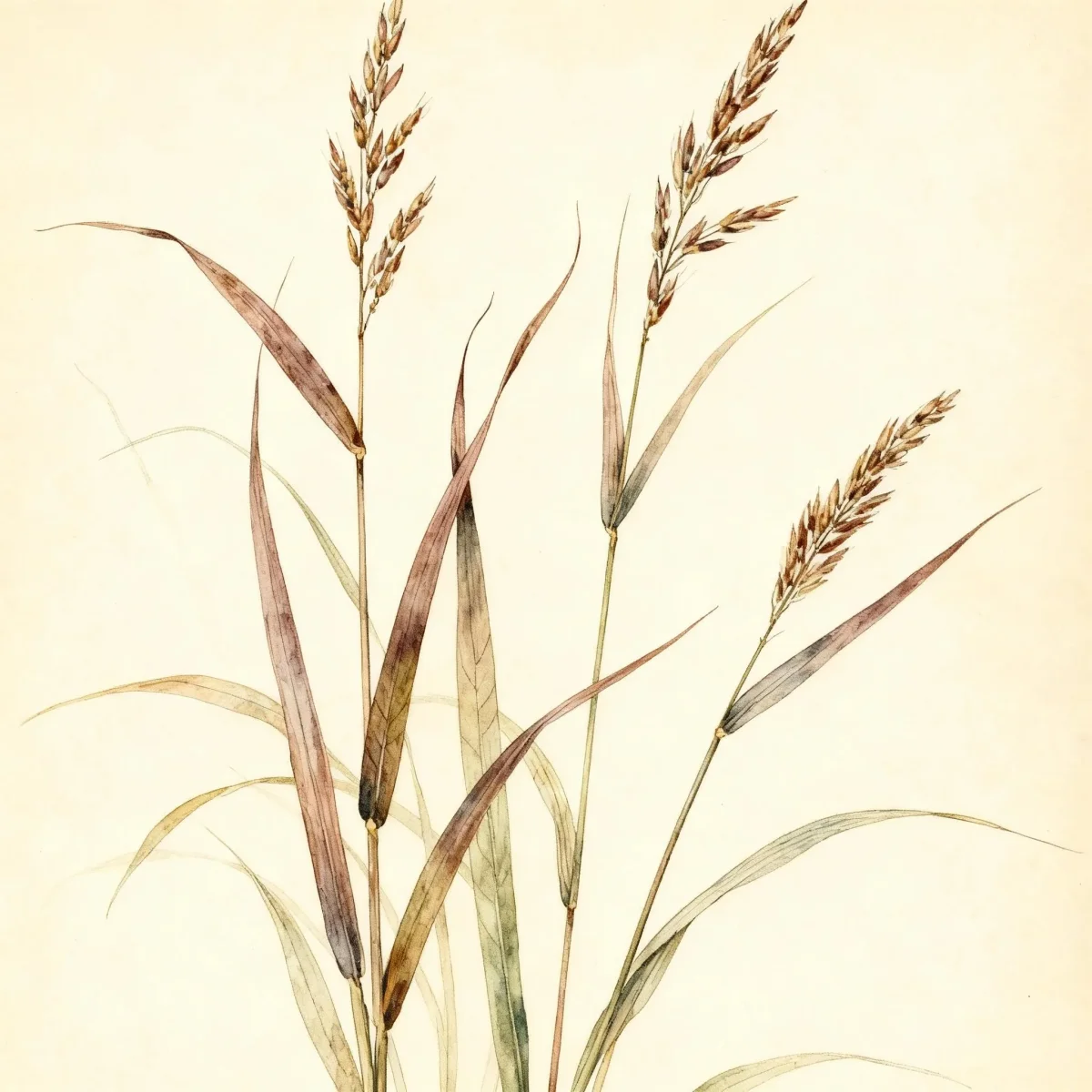
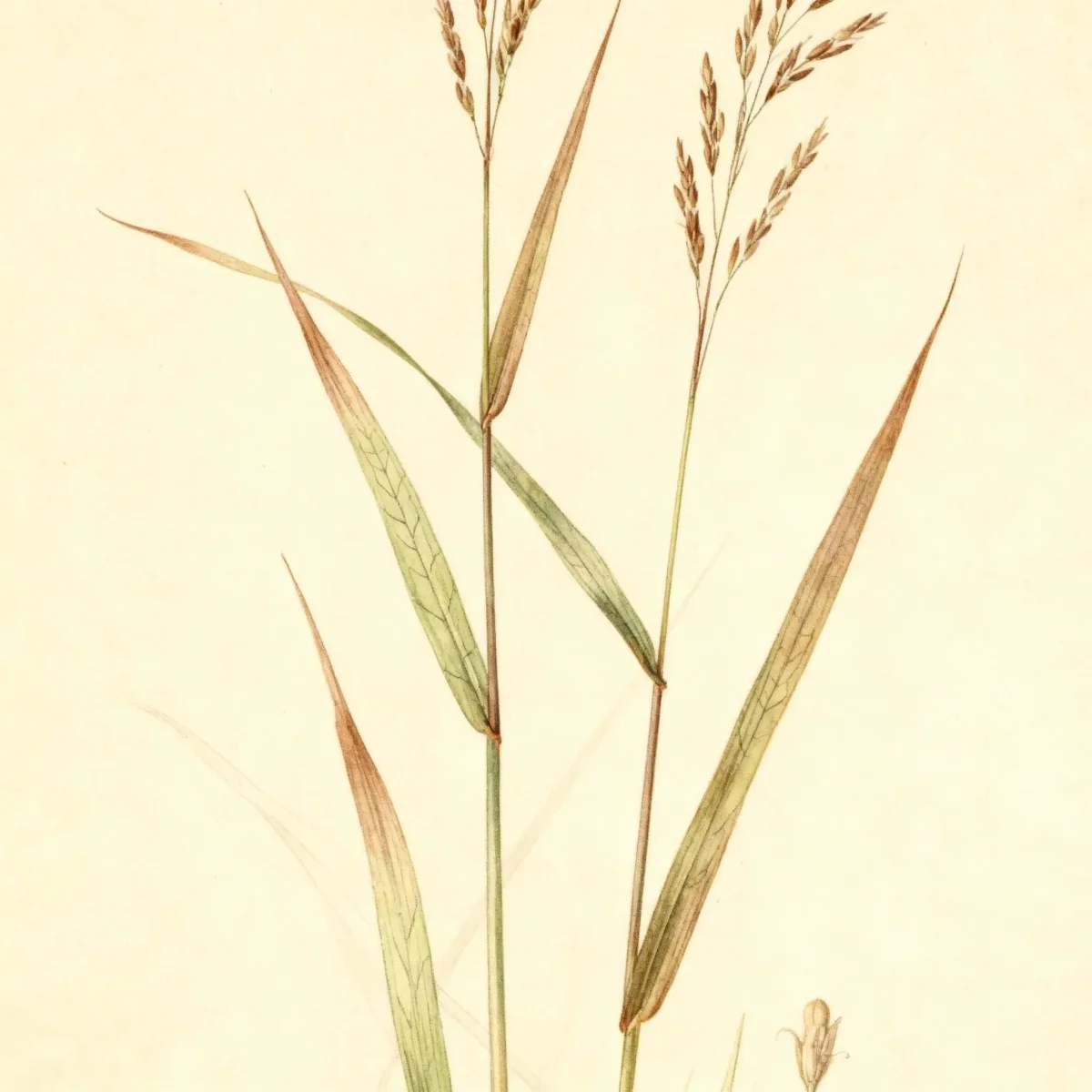
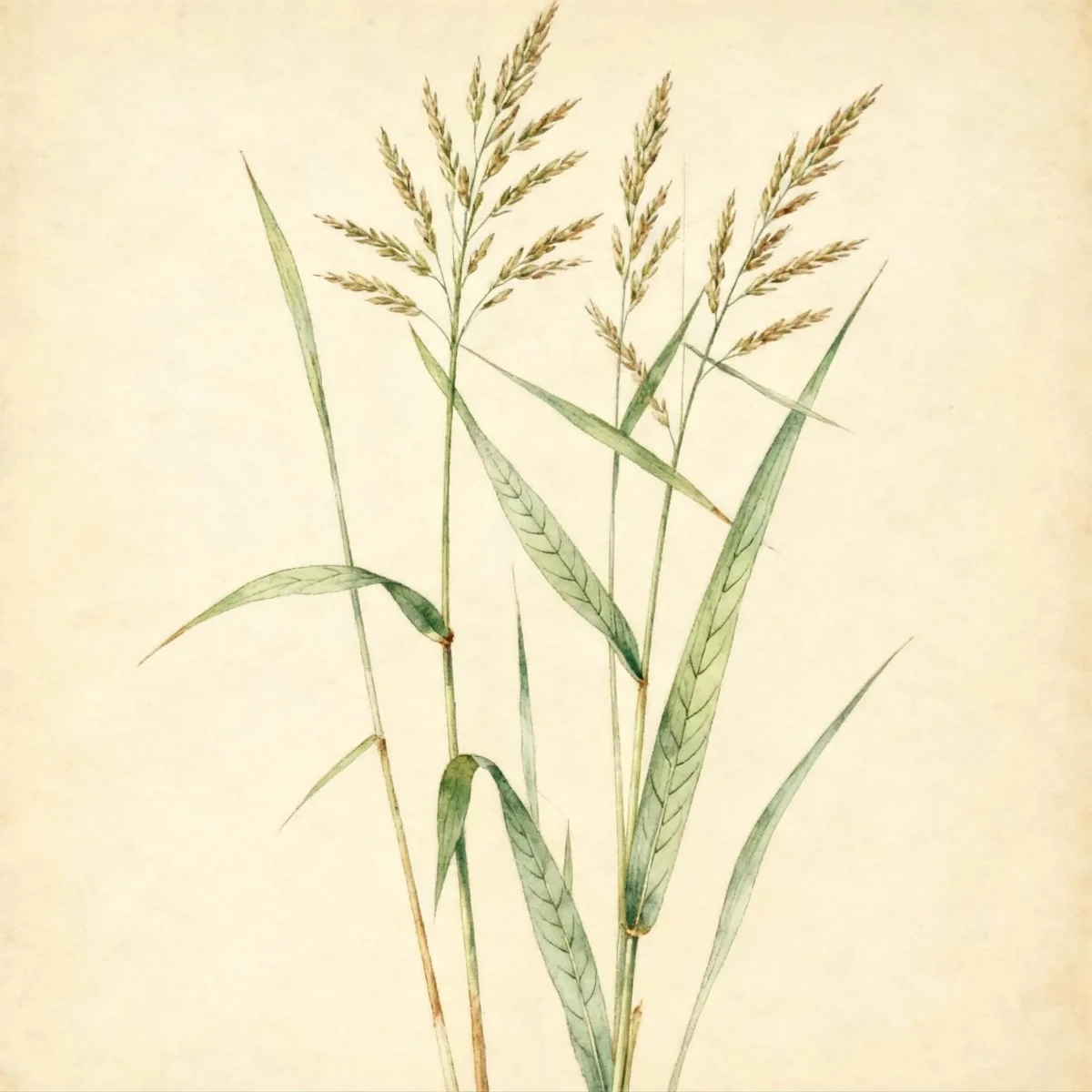
Panicum virgatum, widely known as Switch grass, is a cornerstone of North American prairie landscapes appreciated for its stiff, columnar form that retains vertical structure through all seasons. This robust ornamental grass provides excellent architectural interest, starting with medium green foliage that transitions to attractive yellow and orange tints in autumn. The finely textured, pink-tinged flower panicles appear in mid-summer, floating above the clump until winter, providing crucial textural contrast.
As a native species, Panicum virgatum excels in diverse conditions, making it incredibly valuable for challenging sites, including wet areas, dry slopes, and heavy clay soils. Maintenance is refreshingly low, generally requiring just an annual trim to keep the stand tidy. Its slow spread via rhizomes ensures it gradually fills in without becoming overly aggressive.
Gardeners rely on Switch grass for its four-season visual appeal and ecological benefits, as the persistent seed heads offer winter interest and feed native birds. Whether used to anchor a native planting or as a vertical accent, this sturdy grass is exceptionally reliable.
Fast Facts
- Plant Family: Poaceae
- Plant Type: Ornamental grass
- Native Range: North America
- Hardiness Zones: USDA Zones 5-9
- Size at Maturity:
- Height: 3-6 ft
- Spread: 2-3 ft
- Bloom Time: July to February
- Bloom Description: Pink-tinged
- Sun Exposure: Full sun to part shade
- Water Needs: Medium to wet
- Maintenance Level: Low
How to Grow
Panicum virgatum transplants best when planted in the spring after the danger of frost has passed, although fall planting is acceptable in milder climates. This grass thrives in full sun to establish its signature upright habit; while it will survive in part shade, too little light often causes the structure to weaken, leading to flopping. It handles an extremely wide range of soils, but performs optimally in moist, sandy, or clay soils, and it tolerates occasional flooding without issue.
Maintenance for Switch grass is minimal once established. Avoid overly rich soils, as this encourages excessive succulent growth that results in the plant flopping over, losing its desirable columnar shape. Watering needs are medium, though established clumps are highly drought tolerant.
The essential annual task involves cutting the entire clump back to the ground in late winter or early spring before new growth begins. This pruning keeps the plant looking neat and encourages fresh, vigorous spring emergence. While plants may self-seed, physical division is the surest way to propagate specific cultivars true to type.
For best results, plan planting locations where the grass can develop without immediate crowding, allowing its eventual 2-3 foot spread to develop naturally. If you are replacing older clumps, timing the spring haircut just before new green shoots emerge is crucial for encouraging strong vertical growth.
Landscape Uses
Switch grass shines in large-scale planting schemes, perfect for naturalizing large meadows or creating sweeping drifts across open areas. Its strong vertical structure makes it extremely effective when used in groups or masses for creating effective screens or textural backdrops in perennial borders. Consider using Panicum virgatum in native plant gardens to replicate tallgrass prairie aesthetics.
Its tolerance for wet conditions opens up specific opportunities; this grass is highly appropriate for ecological applications such as rain gardens, bog gardens, or along the edges of ponds and drainage swales where consistent moisture is present. Even its drought tolerance allows it to serve as an accent plant in drier mixed borders.
Use this tough ornamental grass to define edges or provide year-round structure where lower-growing perennials fade away in winter. When planting in borders, position it toward the back, allowing its height (up to 6 feet when flowering) to structure the garden view.
Standout Features
Flower Qualities
- Showy
- Good Cut
- Good Dried
Noteworthy Characteristics
Panicum virgatum, commonly called switch grass, is a Missouri native ornamental grass which was an important component of the tallgrass prairie which once covered large areas of the State. When in flower, flower panicles may bring total plant height to 6’. Features medium green leaves which turn yellow (sometimes with orange tints) in autumn, fading to tan-beige in winter, while the seed plumes persist well into winter, providing crucial bird food.
Tolerances
- Drought
- Erosion
- Clay Soil
- Dry Soil
- Wet Soil
- Black Walnut
- Air Pollution
Potential Problems
Switch grass generally exhibits excellent resistance to serious pests and diseases, making Panicum virgatum a low-risk addition to the garden. However, in hot, humid summer climates, there can be some susceptibility to rust fungus, which appears as orange or reddish pustules on the foliage. Ensure good air circulation during planting to minimize fungal risks.
The most common cultural issue stems from improper growing conditions, where poor drainage can lead to crown or root rot. Additionally, an overly rich planting site often results in overly lush growth that causes the stems to lodge or flop over, ruining the plant’s desirable upright form.
Minor insect issues can occasionally include appearances by Japanese beetles, thrips, or spider mites, though these rarely cause permanent damage to established, healthy stands of Switch grass.
Frequently Asked Questions
What hardiness zones is Switch grass suitable for?
Panicum virgatum is reliably hardy across USDA Zones 5 through 9.
How large does Switch grass grow?
Mature height for this ornamental grass typically reaches between 3 and 6 feet tall, with a spread of 2 to 3 feet wide.
What sun exposure does Panicum virgatum need?
This grass performs best when situated in full sun, though it can tolerate light to partial shade, provided light exposure remains adequate to maintain its stiff stature.
When does Panicum virgatum bloom?
Flowering occurs quite late, beginning in July and continuing through February, displaying attractive pink-tinged inflorescences.
Conclusion
The rugged constitution and four-season aesthetic of Switch grass make it an indispensable plant for modern, low-maintenance landscapes. Its ability to thrive in challenging, wet soils while still offering drought tolerance showcases the adaptability of native Panicum virgatum. Before installing, confirm that your site offers full sun exposure for the best vertical structure and plan to cut back the foliage in late winter.
Companion Planting
When selecting companions for Panicum virgatum, consider plants that share its love for moist, sunny conditions or those that contrast nicely with its strong vertical lines. Plants suitable for rain gardens, such as Iris versicolor (Blue Flag Iris) or Baptisia australis (False Indigo), pair well culturally. For drier, sunnier borders, use it alongside coneflowers or black-eyed Susans, allowing the grass to soften their bases while enjoying similar sun requirements.
Wildlife Benefits
The status of Switch grass as an important element of the tallgrass prairie translates directly into wildlife benefits for your garden. The persistent seed heads that remain throughout the dormant season are a critical food source for many seed-eating birds during the lean winter months. Furthermore, the dense clump structure provides excellent winter cover and nesting material for small wildlife and beneficial insects seeking shelter.