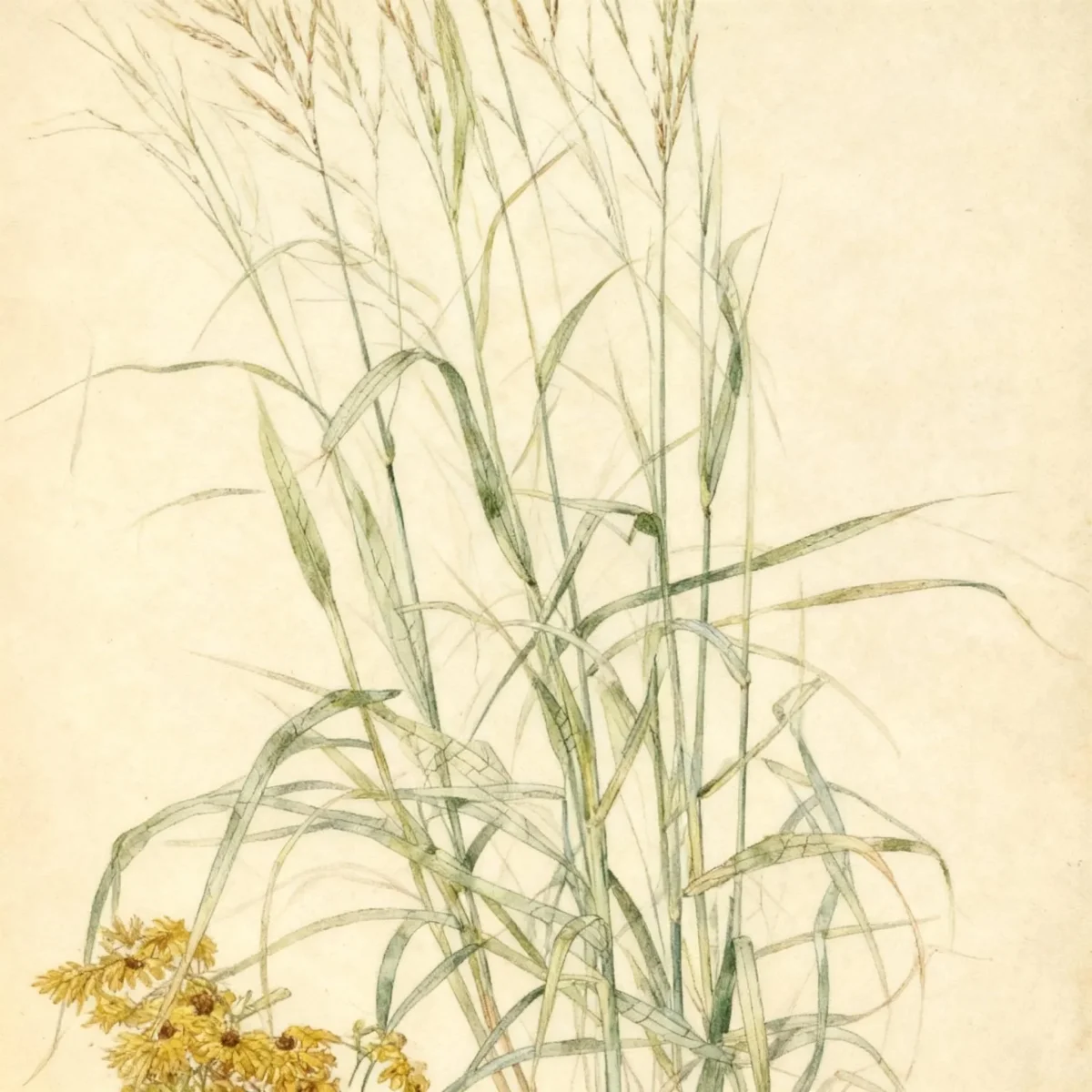
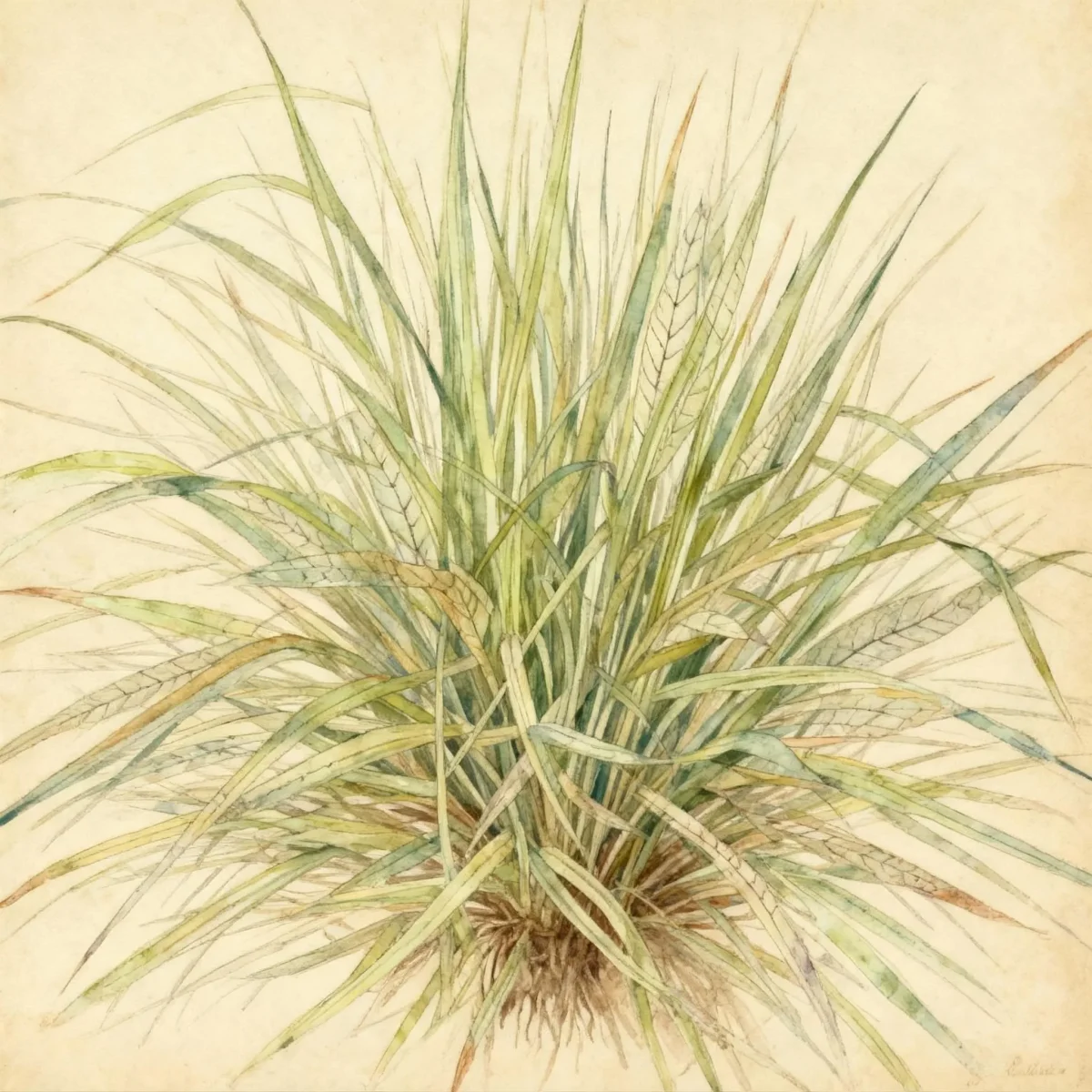
Rough meadow grass (Poa trivialis)
Rough meadow grass (Poa trivialis) is a low-maintenance, cool-season turfgrass thriving in shady, consistently moist areas.
Scroll down to discover growing tips, care requirements, companion plants, and more
Complete Plant Information
Overview
Rough meadow grass, scientifically known as Poa trivialis, is a valuable cool-season turfgrass particularly favored for challenging landscape sections where other grasses fail. It is best recognized for its tolerance to moisture and shade, making it a functional, low-maintenance choice for turf applications. This species spreads via stolons, creating a fine-textured appearance compared to its close relatives.
The practical benefit of incorporating Rough meadow grass lies in its adaptation to moist, shady environments where dry, sunny grasses decline quickly. While it is considered low maintenance, consistent mowing is required to maintain an even turf height, especially during peak growing seasons. Poa trivialis offers a softer, greener turf when its cultural needs—namely consistent moisture and partial shade—are met.
Gardeners should note that while useful in shaded areas, Poa trivialis can quickly become aggressive if placed in full sun, potentially overwhelming other desirable turf components. Understanding that it is more shallow-rooted than Kentucky bluegrass is key to managing its water needs and traffic tolerance expectations. Utilizing Rough meadow grass strategically ensures durable coverage in difficult, damp spots.
Fast Facts
- Plant Family: Poaceae
- Plant Type: Turfgrass
- Native Range: Temperate Regions
- Hardiness Zones: USDA Zones 3-7
- Size at Maturity:
- Height: 0.25-0.25 ft
- Spread: 0.25-0.25 ft
- Bloom Time: Non-flowering
- Bloom Description: Green
- Sun Exposure: Part shade
- Water Needs: Medium to wet
- Maintenance Level: Low
How to Grow
The best time to establish Poa trivialis is typically early fall, allowing the emerging seedlings or stolons to establish a robust root system before the stress of summer heat. It requires average, well-drained soil, though it tolerates moisture exceptionally well—in fact, it prefers medium to wet soil conditions. Planting in part shade is ideal; avoid areas receiving intense, full sun, as this environment promotes weak growth and can cause the grass to become aggressive or fail entirely.
Watering must be consistent, matching its “medium to wet” designation, especially during establishment or dry spells, as it grows poorly in droughty conditions. Fertilization requirements are relatively low compared to high-performance turf species, fitting its overall ‘low maintenance’ profile. If establishing a wide area, remember that Rough meadow grass spreads by stolons, filling in thin spots naturally over time.
Seasonal care centers on appropriate mowing heights. During the cooler spring and fall growing peaks, mow Poa trivialis to 1.5–2.0 inches. In the heat of summer, raise the mowing height slightly to help sustain moisture retention and reduce heat stress. Winter preparation involves standard cleanup, though specialized preparation is usually minimal given the species’ hardiness in zones 3 through 7.
Landscape Uses
Poa trivialis excels as a turfgrass in difficult-to-cover areas where the ground remains consistently moist and shaded. This makes it perfectly suited for low spots in lawns, under dense tree canopies, or along the edges of water features where standard lawn grasses struggle. While it can be used alone in these problem areas, it generally integrates well into mixtures designed for meadows and pastures where varying light and moisture levels exist.
When planning shade gardens, use Rough meadow grass as a durable, fine-textured groundcover filler beneath larger shrubs or ornamental trees that demand regular irrigation. Its relatively low growth habit means it usually doesn’t require high vertical space, making it a good textural contrast agent against coarser foliage plants. For holistic design, pair it with shade-loving perennials that share its preference for moist soil.
It should be used cautiously where separation from other turf types is desired, as Poa trivialis can aggressively spread into adjacent sunny areas if conditions favor its growth. Its main function is to provide uniform, high-quality, shade-tolerant green coverage where monocultures might fail due to environmental constraints.
Standout Features
Flower Qualities
- Insignificant
Noteworthy Characteristics
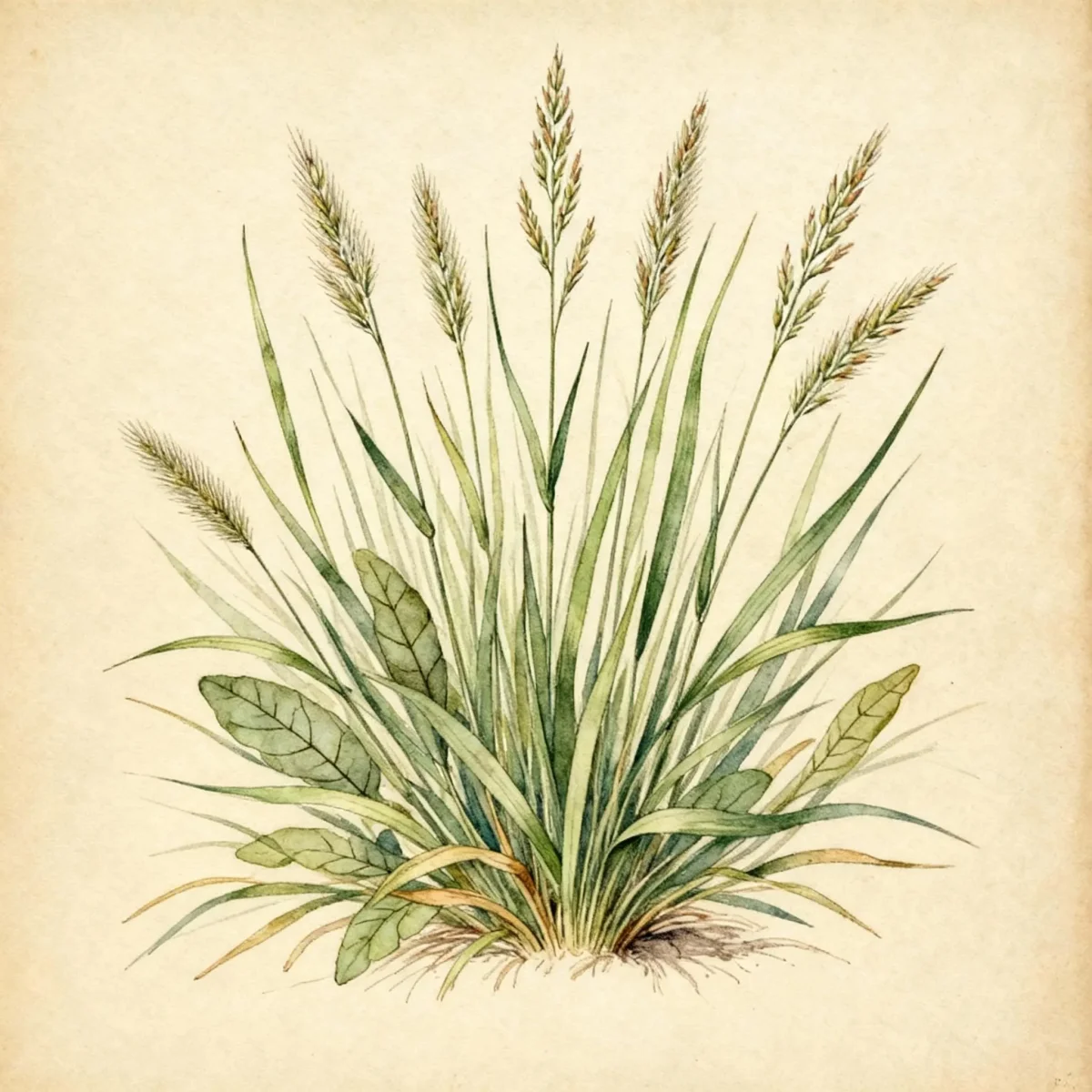
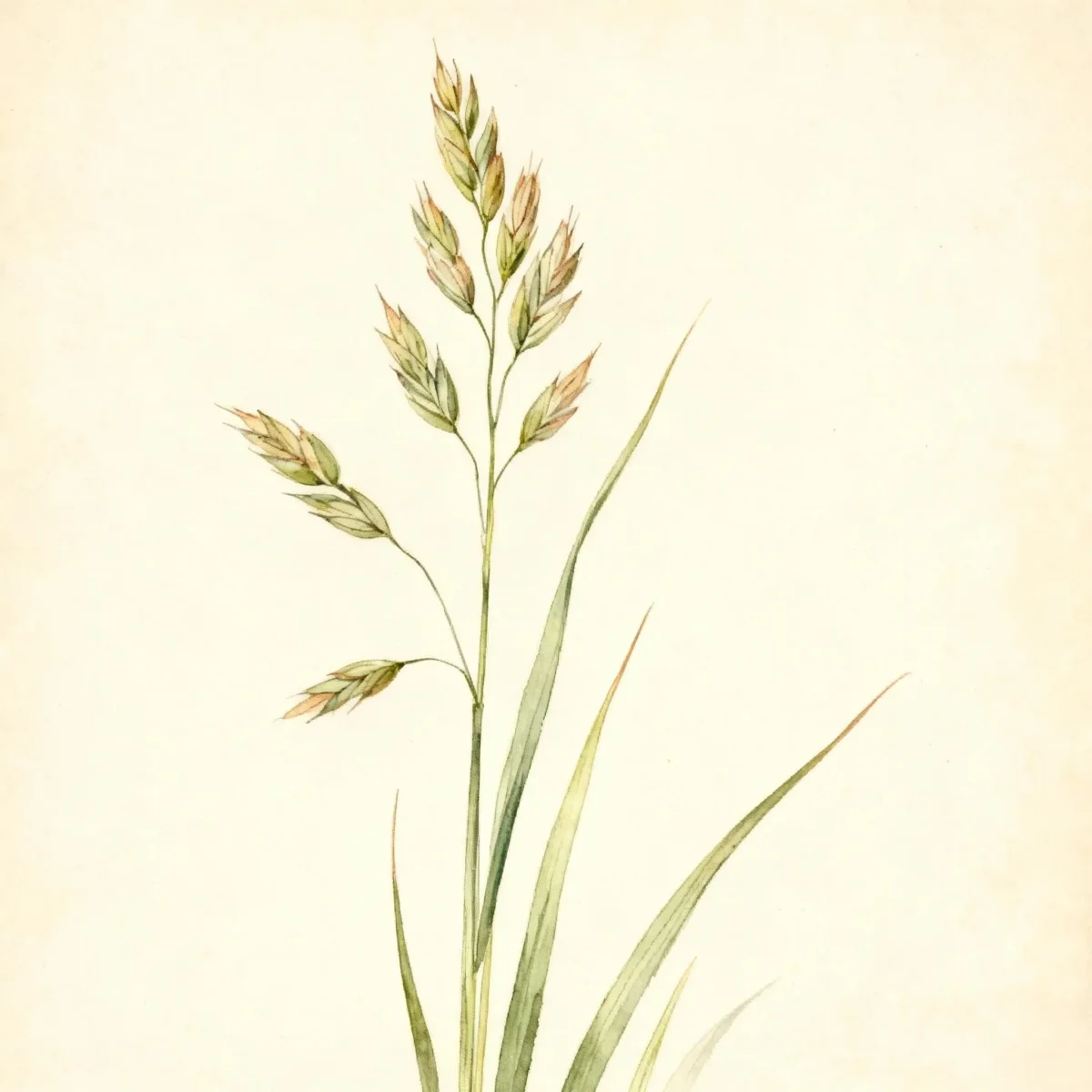
Poa trivialis, commonly called rough bluegrass, is a cool season, creeping (by stolons only) turfgrass that is noted for its ability to do well in moist soils and shade. In comparison to Kentucky bluegrass (which has both tillers and rhizomes), it is more shallow-rooted, forms a looser sod and is less tolerant of foot traffic. It features soft, narrow, linear, glossy yellowish-green leaf blades (1/8” wide) with the characteristic boat-shaped tips.
Tolerances
- No serious insect or disease problems.
Potential Problems
While generally robust, Poa trivialis exhibits some susceptibility to common turf diseases, including brown patch, rust, stripe smut, fusarium patch, and typhula blight. The primary environmental stressor to avoid is heat and drought; inadequate moisture paired with high temperatures will weaken the stand. Managing these potential issues relies heavily on cultural practices—ensure good air circulation in shady spots and avoid overly wet, compacted soil to reduce fungal risks.
Frequently Asked Questions
What hardiness zones is Rough meadow grass suitable for?
Rough meadow grass (Poa trivialis) is suitable for cultivation across USDA Zones 3 through 7.
How large does Poa trivialis grow?
This turfgrass maintains a very consistent, low profile, typically reaching a height and spread of about 0.25 feet at maturity.
What sun exposure does Rough meadow grass need?
Poa trivialis thrives best when placed in part shade; excess sun will lead to aggressive behavior or poor performance in dry spells.
When does Poa trivialis bloom?
This species is generally non-flowering during the typical gardening season, though it does produce green blooms when flowering occurs.
Conclusion
Rough meadow grass (Poa trivialis) fills a crucial niche in landscaping, offering reliable, low-maintenance green cover specifically in challenging moist, shaded environments. Its ability to handle damp conditions sets it apart from many turf alternatives, making it essential for complete lawn coverage. Before planting, confirm your site receives sufficient moisture and partial shade, and plan for a fall seeding for the best establishment of this excellent turfgrass.
Companion Planting
When establishing Poa trivialis, consider companion species that share its preference for moisture. Shade-tolerant groundcovers like Pachysandra or Vinca minor can create textural variance while happily coexisting in similar damp, shaded conditions beneath trees. These companions won’t compete aggressively for the same vertical space, allowing the Rough meadow grass to fulfill its role as the primary turf layer.
For shaded borders or transition zones leading into wetter areas, ferns such as Lady Fern (Athyrium filix-femina) or Japanese Painted Fern contrast beautifully with the fine texture of the grass. Ensure that any companion shrubs or perennials planted nearby are not extremely heavy feeders, as competition for nutrients in already challenging shady soil can weaken the Poa trivialis turf.
Seasonal Care Calendar
Spring: Begin regular mowing when growth picks up, adhering to heights of 1.5–2.0 inches. Apply light spring fertilizer if the turf appears thin, focusing on slow-release formulas suitable for cool-season grasses.
Summer: Increase vigilance regarding consistent watering; never let the soil dry out completely, as Rough meadow grass hates droughty conditions. Raise mowing height slightly above the spring setting to cope with summer heat stress.
Fall: This is the ideal time for overseeding or repair work, as cooler temperatures and moisture aid root development for Poa trivialis. Reduce nitrogen inputs as temperatures drop entering late fall.
Winter: Minimal intervention is required in cold hardiness zones. Avoid heavy foot traffic on frozen turf to prevent breakage and soil compaction, which can harm the shallow roots of this grass.