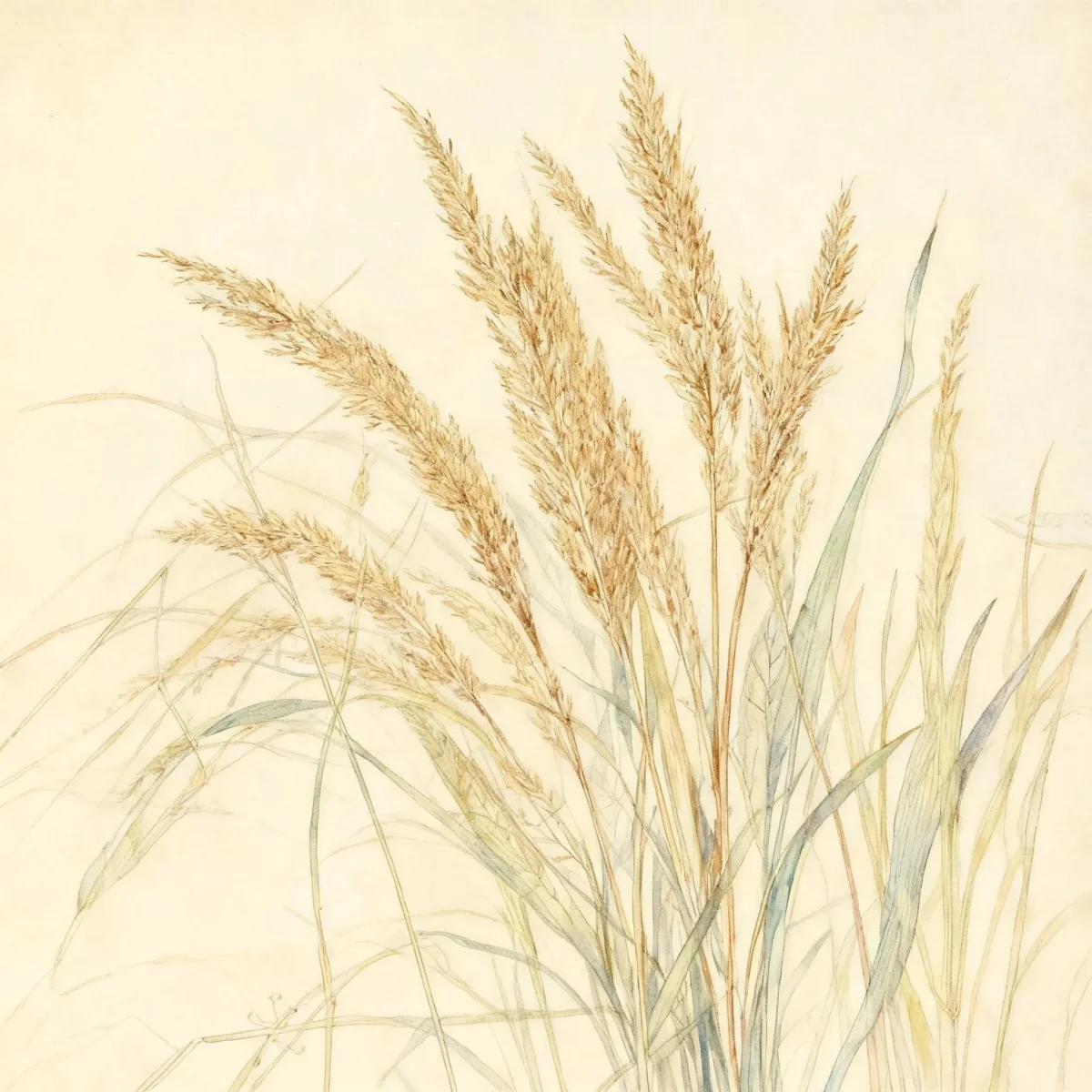
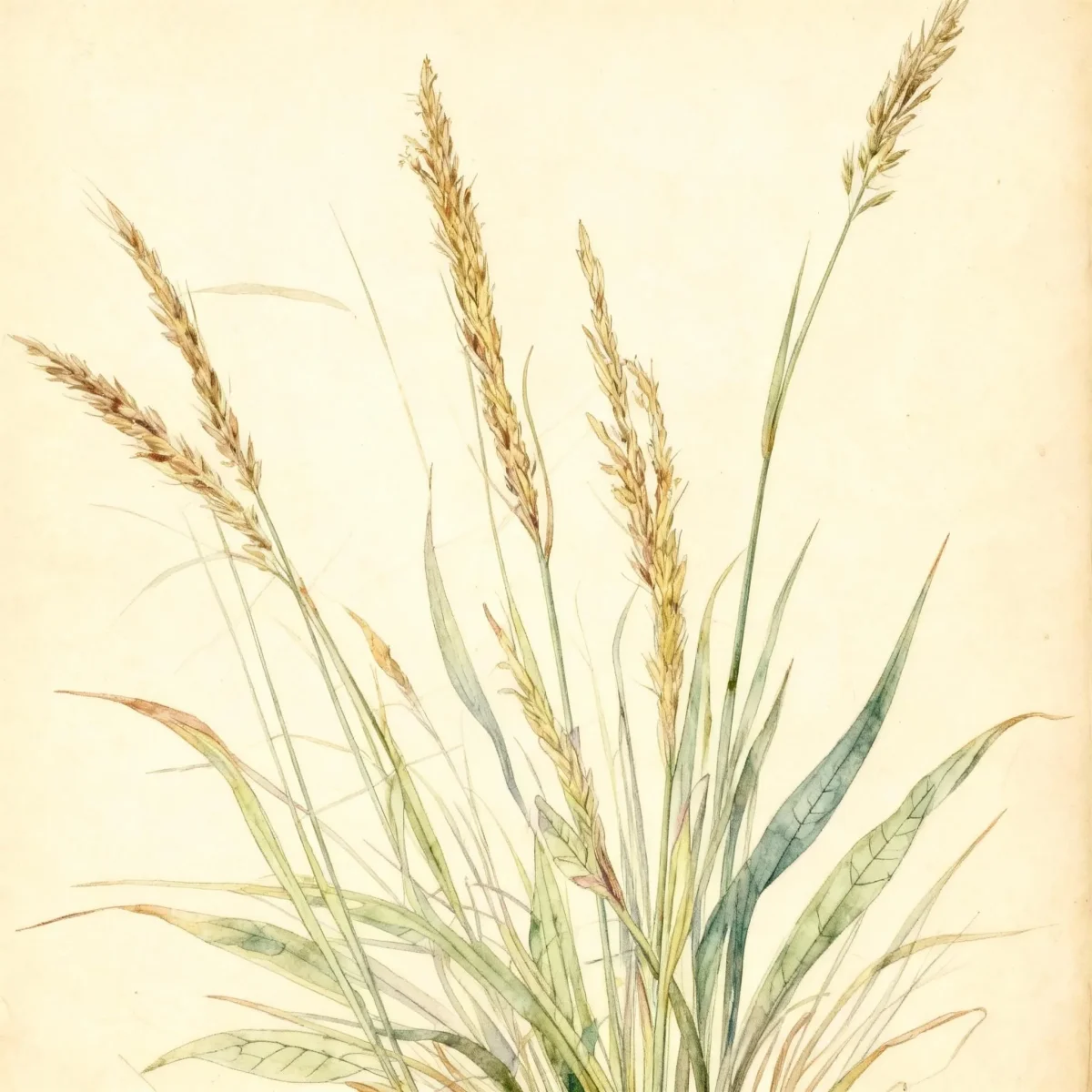
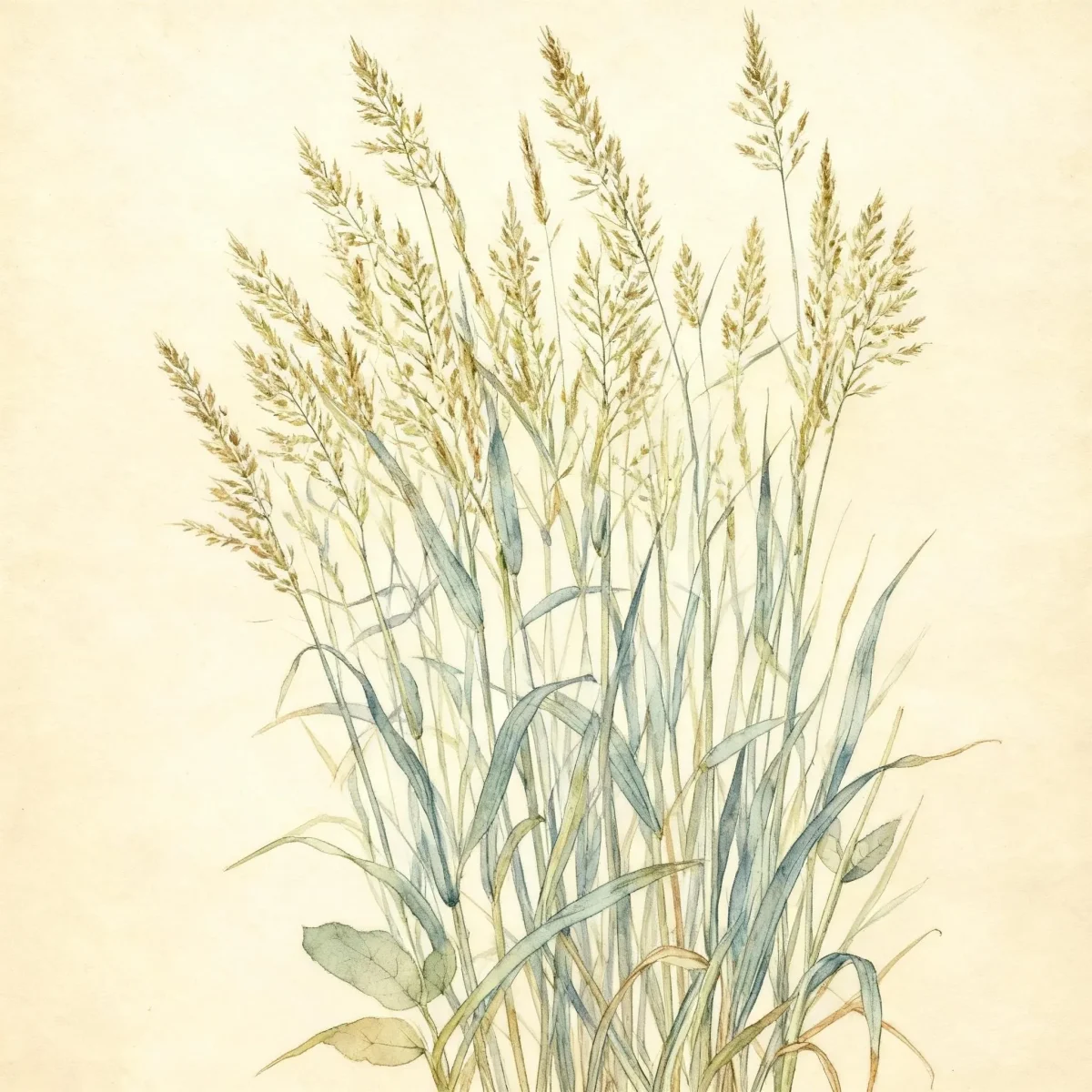
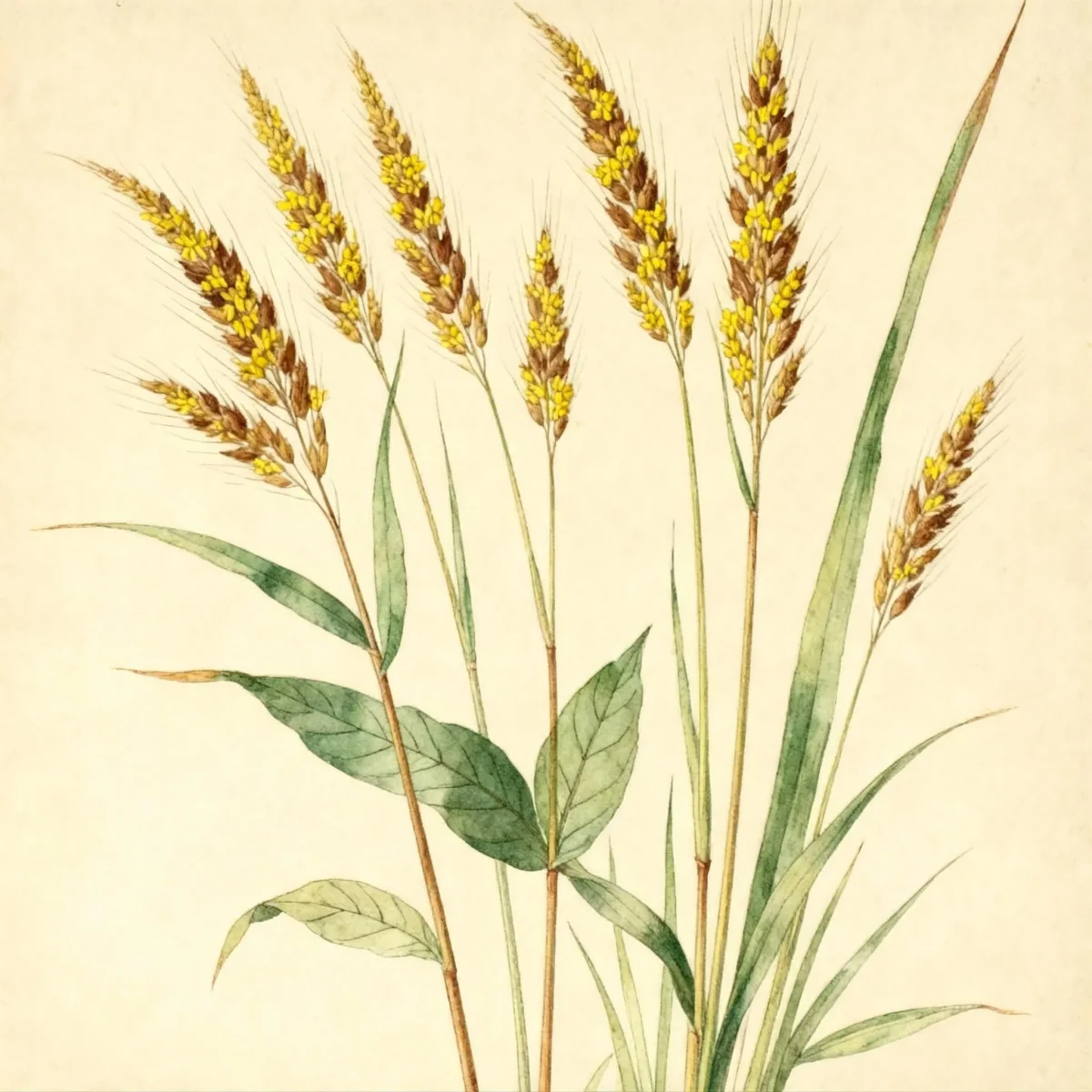
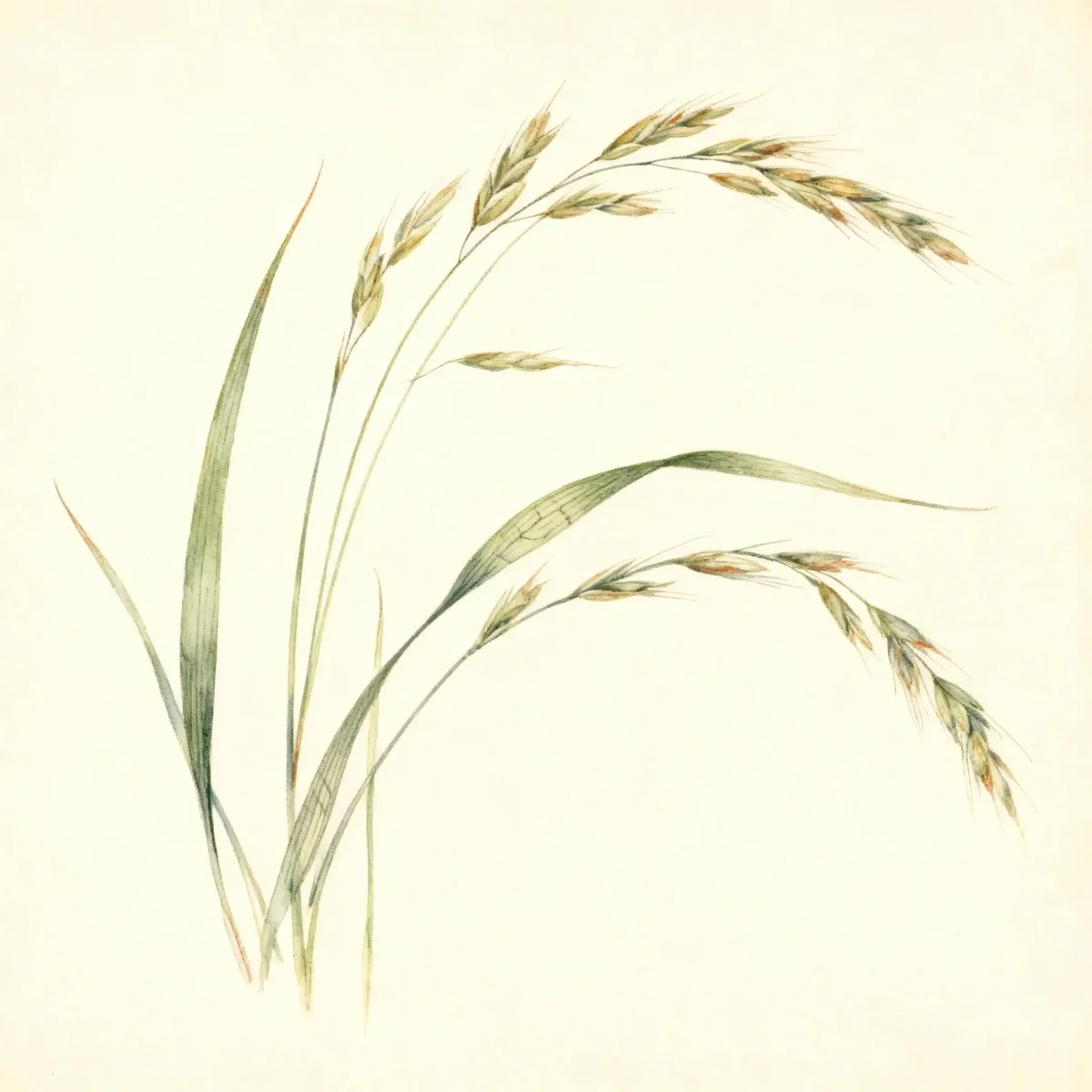
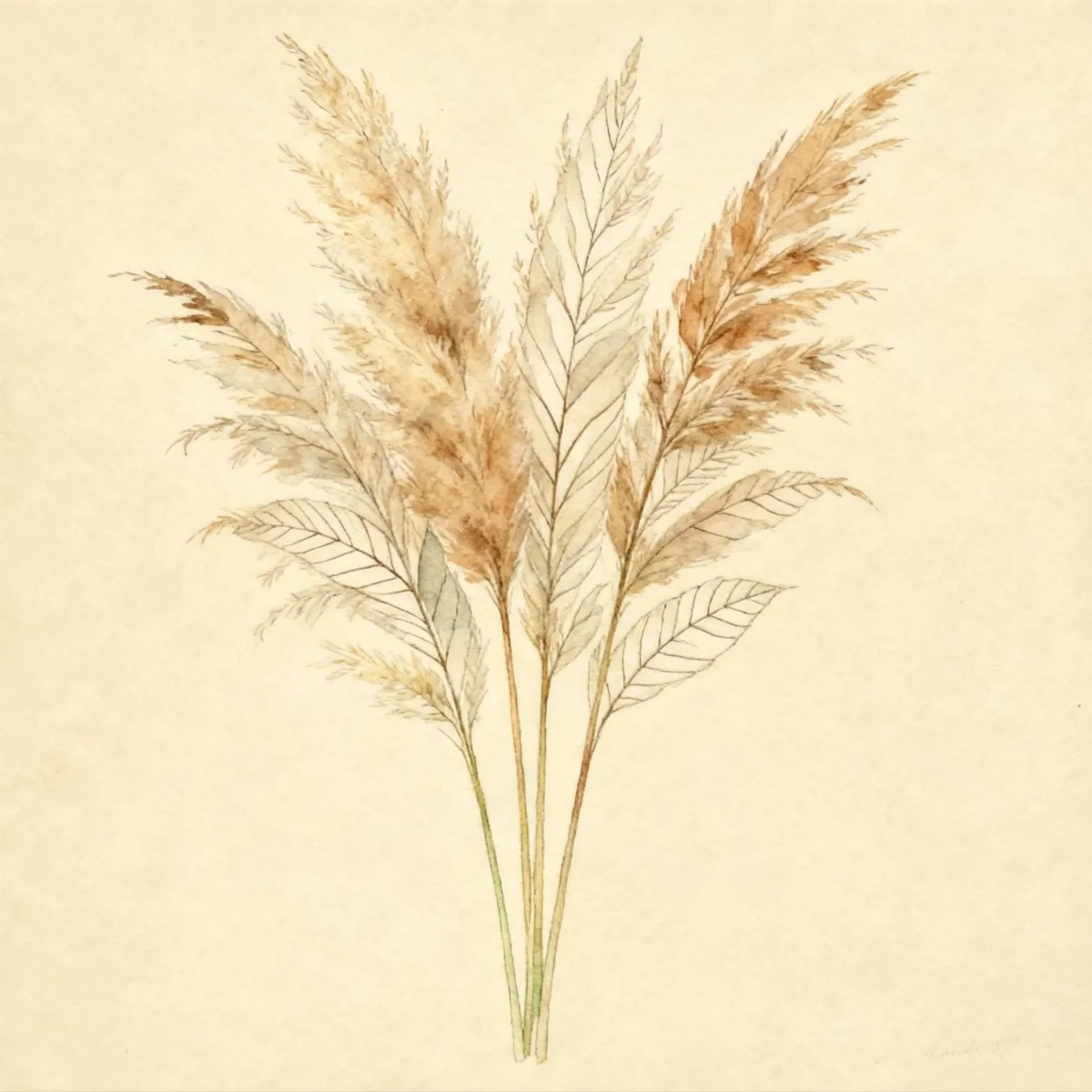
Indian grass (Sorghastrum nutans)
Sorghastrum nutans (Indian grass) is a majestic warm-season native grass valued for its upright blue-green foliage and excellent drought tolerance.
Scroll down to discover growing tips, care requirements, companion plants, and more
Complete Plant Information
Overview
Sorghastrum nutans, widely known as Indian grass, is a stunning warm-season perennial grass crucial to the ecological history of the tallgrass prairie. Gardeners prize this species for its strong vertical habit and attractive glaucous, blue-green foliage that provides excellent year-round structure in the landscape. This plant offers significant functional value, acting as a reliable performer in challenging environments.
As a dominant species of the historic Midwest prairies, Indian grass thrives in full sun and exhibits remarkable adaptability across various soil conditions. It forms upright clumps, delivering consistent texture and height that contrast beautifully with softer, broadleaf perennials. Its long bloom period, extending from fall well into winter, ensures sustained visual interest and useful winter texture.
The management of Sorghastrum nutans is relatively straightforward once established due to its robust nature and low input requirement in poor soils. Its tolerance to dryness and challenging site conditions, including air pollution and walnut toxicity, makes it an indispensable native choice for restoration projects or modern low-maintenance gardens seeking naturalized beauty.
Fast Facts
- Plant Family: Poaceae
- Plant Type: Ornamental grass
- Native Range: Eastern and central United States
- Hardiness Zones: USDA Zones 4-9
- Size at Maturity:
- Height: 3-5 ft
- Spread: 1-2 ft
- Bloom Time: September to February
- Bloom Description: Light brown with yellow stamens
- Sun Exposure: Full sun
- Water Needs: Dry to medium
- Maintenance Level: Medium
How to Grow
Sorghastrum nutans is best established from divisions or nursery-grown stock in the spring, though it can be seeded directly into large areas designated for prairie restoration. Ensure planting location receives full sun exposure throughout the day for the best upright growth habit. This grass tolerates a wide range of soils, including heavy clays and infertile ground, thriving where many other ornamentals might struggle.
Watering requirements are minimal once established; allow the soil to dry out between waterings, as it prefers dry to medium moisture levels. Avoid rich, moist soils, as these conditions often cause the stems of Indian grass to open up or flop over, compromising its desirable vertical form. Fertilization is generally unnecessary, as this plant is adapted to nutrient-poor environments.
Pruning is a vital component of medium maintenance for this species. Cut the entire clump back to the ground in very late winter, just as new growth is preparing to emerge in early spring. This cleanup removes the old, dull foliage and allows the fresh blue-green growth of the new season to shine.
Landscape Uses
The primary suggested use for Sorghastrum nutans is to naturalize large areas, making it perfect for blending into native prairie settings, meadows, or large wild garden spaces. Its considerable height and strong vertical lines also lend themselves well to use as a dramatic vertical accent within traditional borders, providing necessary structural punctuation behind lower-growing perennials. Furthermore, its extensive root system makes Sorghastrum nutans highly effective on slopes where erosion control is a primary landscape concern. This grass maintains excellent interest even after the growing season, serving as a focal point during winter months.
Standout Features
Flower Qualities
- Good Dried
Noteworthy Characteristics
Sorghastrum nutans, commonly called Indian grass, is a warm season Missouri native perennial grass which typically occurs in prairies, glades and open woods throughout the State. It was one of the dominant grasses of the tallgrass prairie which once covered large parts of the Midwest. Typically grows 3-5’ tall (less frequently to 6’) and is noted for its upright form and blue-green foliage. The developing panicles rise well above the foliage clump in late summer, maturing into bronze, feathery structures that persist into the winter, offering food for birds.
Tolerances
- Drought
- Erosion
- Dry Soil
- Shallow-Rocky Soil
- Black Walnut
- Air Pollution
Potential Problems
Experienced growers report that Sorghastrum nutans suffers from virtually no serious insect or disease problems, which significantly contributes to its low-maintenance appeal. The main “problem” gardeners encounter relates to cultural conditions rather than pests. To prevent the foliage and stems from flopping, ensure the plant is not situated in overly moist or overly rich soil conditions. Proper drainage is key to maintaining the species’ characteristic upright architecture throughout the growing season.
Frequently Asked Questions
What hardiness zones is Indian grass suitable for?
Sorghastrum nutans is reliably hardy in USDA Zones 4 through 9, making it suitable for most temperate regions of the United States.
How large does Indian grass grow?
This ornamental grass typically reaches a height between 3 and 5 feet, spreading to 1 to 2 feet wide, forming a distinct, upright clump.
What care does Sorghastrum nutans need in the spring?
In late winter or early spring, just before the new growth begins, cut the entire clump of Sorghastrum nutans back to ground level. This rejuvenates the plant for the coming season.
When does Indian grass bloom?
Indian grass displays its bloom time from September through February, featuring light brown panicles highlighted by attractive yellow stamens when emerging.
Conclusion
Indian grass (Sorghastrum nutans) provides indispensable structure, drought tolerance, and beautiful seasonal transitions to any garden design demanding native resilience. Utilizing this spectacular warm-season grass ensures low upkeep while contributing key native ecology to your landscape. Before planting, verify that your location provides the full sun exposure necessary and check your local hardiness zone compatibility.
Companion Planting Wisdom
Because Sorghastrum nutans thrives in drier, poorer soils and requires full sun, it pairs exceptionally well with other prairie natives that share these demanding cultural requirements. Consider blending it with other tallgrass prairie species like Big Bluestem (Andropogon gerardii) or Switchgrass (Panicum virgatum) to create layered texture and height variation throughout the season. For color contrast in these sunny, drier pockets, plants such as Butterfly Weed (Asclepias tuberosa) or Rattlesnake Master (Eryngium yuccifolium) offer excellent summer blooms that complement the developing flower heads of Indian grass.
Seasonal Care Calendar
Summer growing conditions for established Indian grass are typically hands-off; focus primarily on observation, as moisture needs are low. Late summer and early autumn are when the feathery, light brown panicles emerge, providing the peak visual show alongside the changing foliage color. Winter presents an opportunity to appreciate the persistent texture; avoid cutting back until late winter when necessary to make way for spring emergence. Always apply the dormant season pruning when the plant is completely finished providing winter interest for birds and structure.