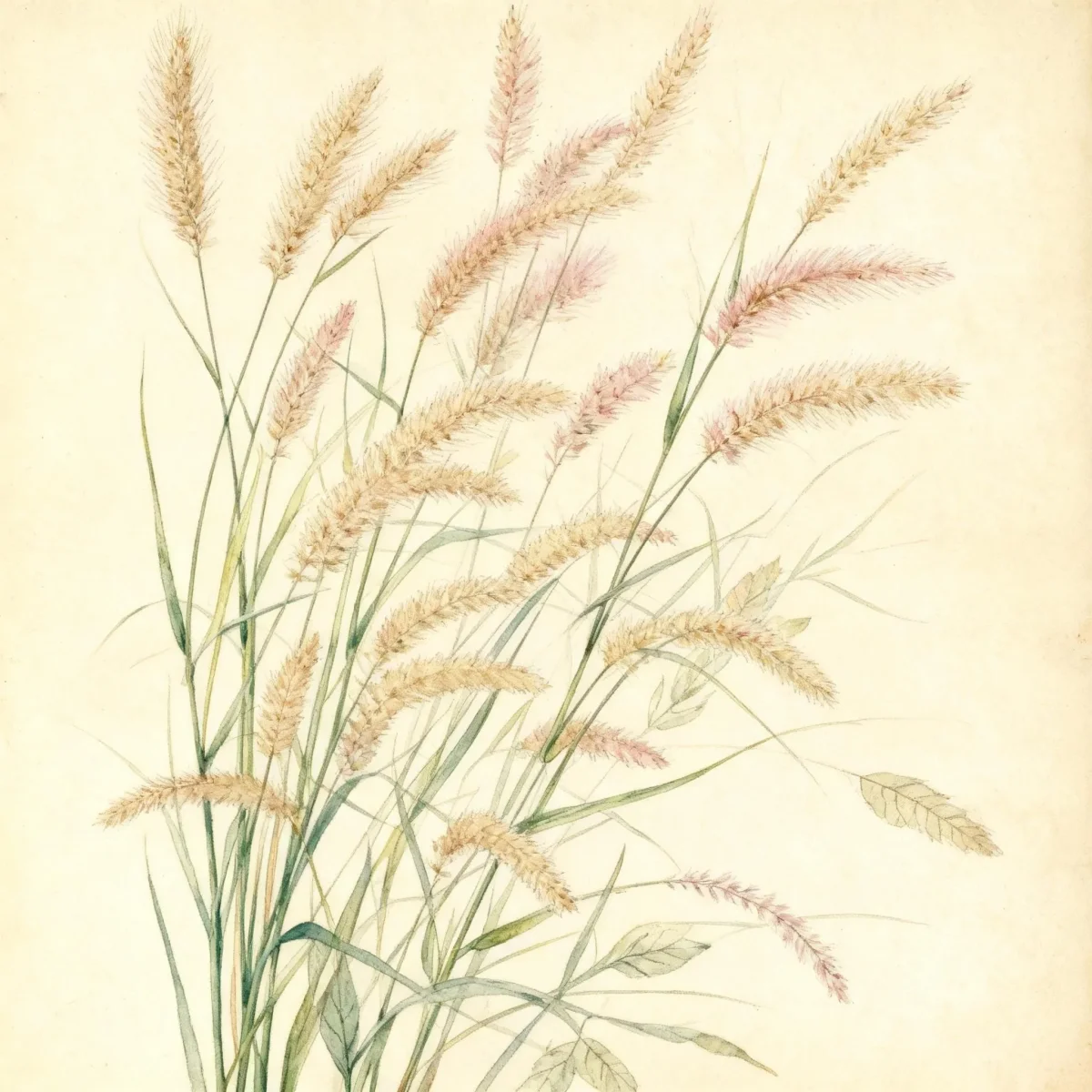
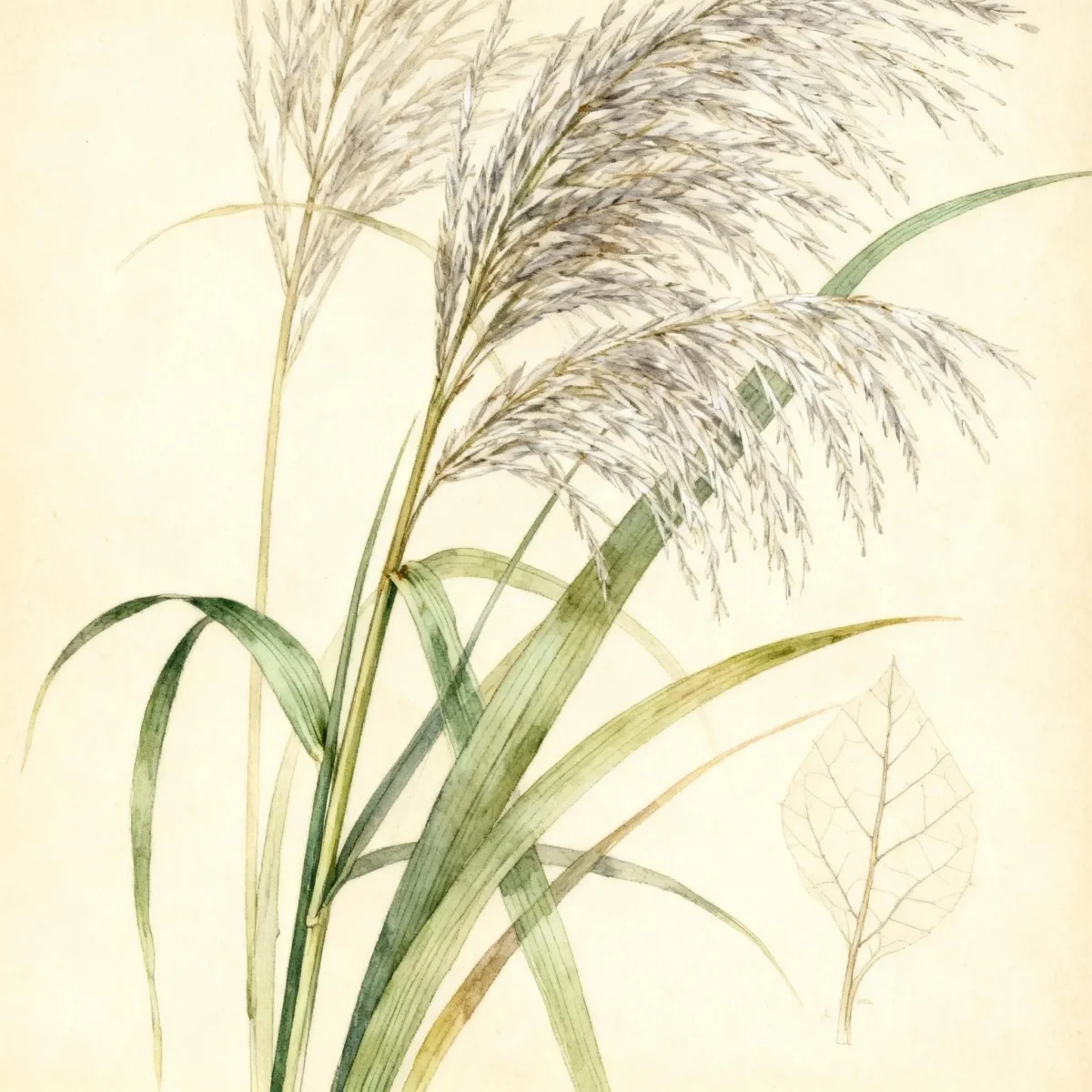
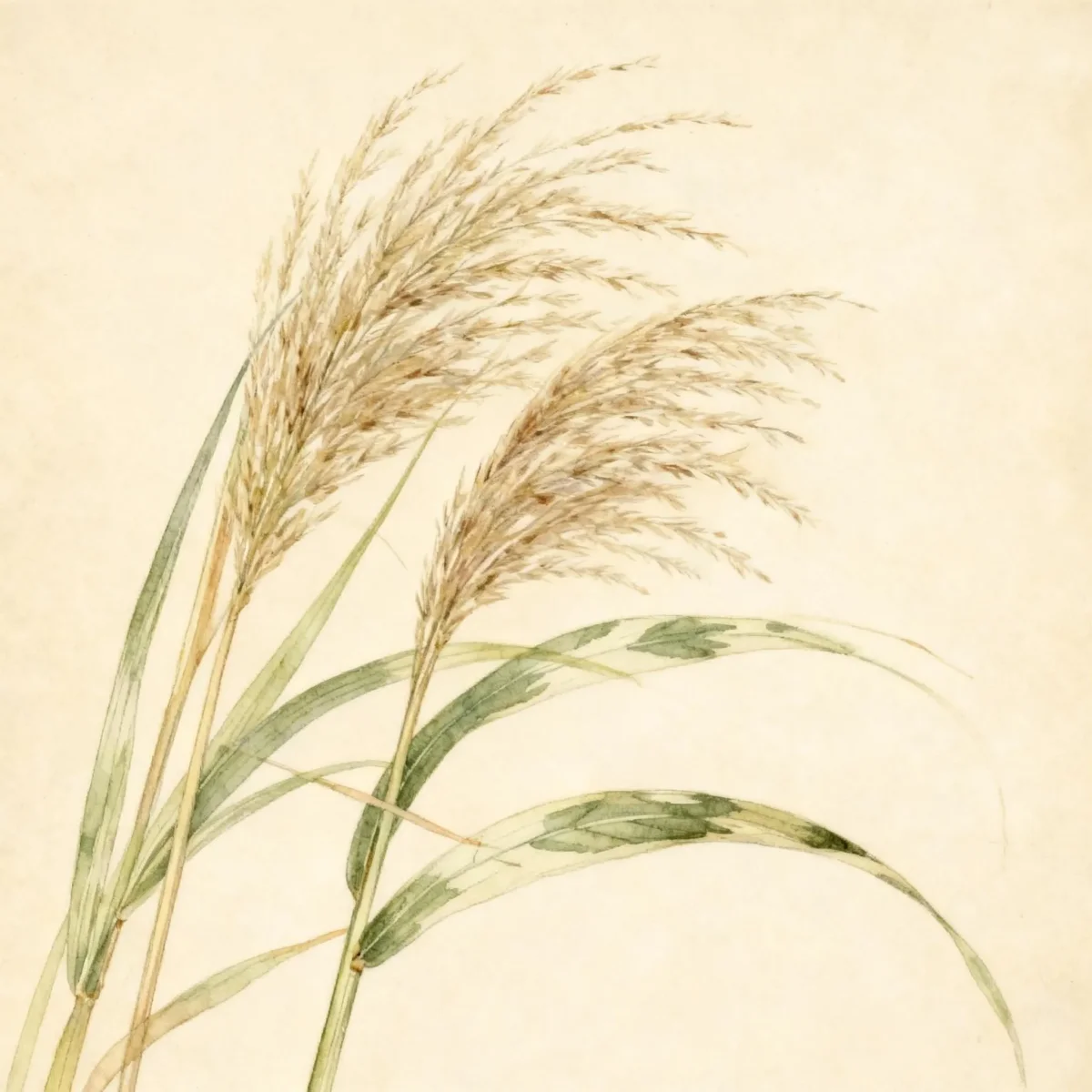
Eastern gamagrass (Tripsacum dactyloides)
Tripsacum dactyloides, or Eastern gamagrass, is a robust native grass providing excellent texture and low maintenance in borders and naturalized areas.
Scroll down to discover growing tips, care requirements, companion plants, and more
Complete Plant Information
Overview
Eastern gamagrass, scientifically known as Tripsacum dactyloides, is a striking, clump-forming warm-season grass native throughout much of the eastern United States. This plant provides significant vertical interest, often reaching impressive heights between four and eight feet tall, making it a substantial architectural element in the garden. Its robust nature and low maintenance requirements make it an excellent choice for gardeners seeking reliable, year-round structure.
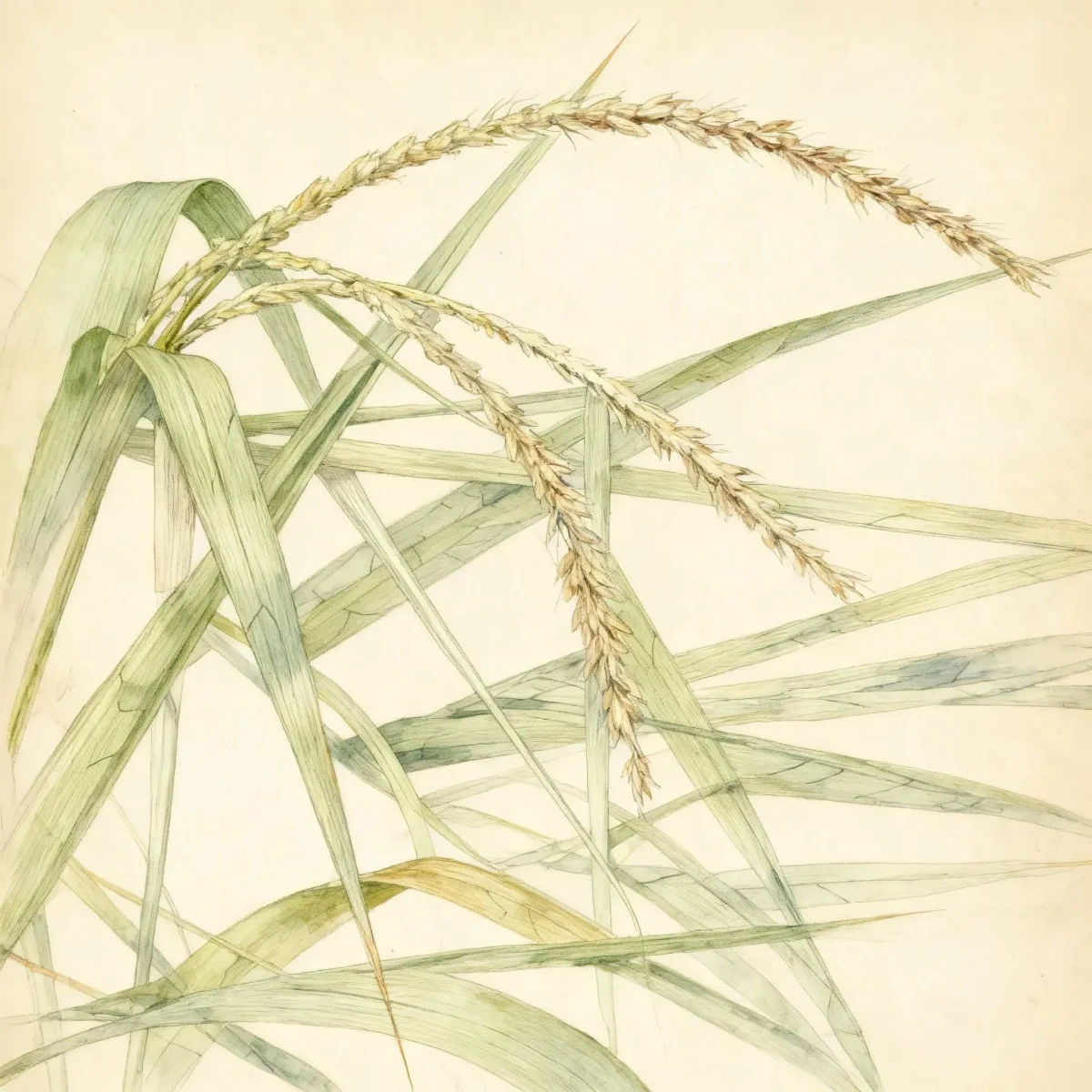
The foliage of this species is coarse and arching, creating a dense texture that contrasts beautifully with finer ornamental grasses or flowering perennials. From May through September, Tripsacum dactyloides displays unique, finger-like flower spikes that bear both male (orange) and female (purple) components monoeciously, somewhat reminiscent of miniature corn stalks. This valuable native plant naturally adapts to various settings, thriving in meadows, thickets, and woodland margins, and naturalizing slowly via creeping rhizomes.
For gardeners looking to integrate native species, Eastern gamagrass is an outstanding selection, offering both aesthetic appeal and ecological function. It establishes well in average soils and tolerates diverse conditions, including shade, provided moisture is consistent. Consider employing Tripsacum dactyloides where bold structure is needed or in large-scale naturalized plantings.
Fast Facts
- Plant Family: Poaceae
- Plant Type: Ornamental grass
- Native Range: Eastern and central United States
- Hardiness Zones: USDA Zones 4-9
- Size at Maturity:
- Height: 4-8 ft
- Spread: 4-6 ft
- Bloom Time: May to September
- Bloom Description: Purple (female) and Orange (male)
- Sun Exposure: Full sun to part shade
- Water Needs: Medium
- Maintenance Level: Low
How to Grow
Plant Tripsacum dactyloides in the spring after the danger of frost has passed, ensuring it has ample space to achieve its mature spread of four to six feet. This grass performs best in average, medium-moisture, well-drained soil, although it exhibits surprising adaptability. Full sun is ideal for the tallest, densest growth, but Eastern gamagrass also adapts notably well to shadier locations, particularly those near water sources.
Maintenance for this species is generally minimal once established, earning its low-maintenance rating. Water consistently throughout the first growing season to help the thick, creeping rhizomes establish their network. Established plants have medium water needs but appreciate consistent moisture, especially during hot, dry spells. Fertilization is rarely necessary, as native grasses thrive best without supplemental feeding.
The primary annual task involves cleanup. Wait until after the foliage has been killed by the first hard frost in the fall or early winter. Cut the entire clump back to the ground plane before new spring growth begins. This clean pruning ensures the coarse foliage does not obscure new seasonal flowers or early spring bloomers.
Landscape Uses
The suggested use for Eastern gamagrass is largely to naturalize areas, making it perfect for large borders, meadows, or restoration projects where a bold, vertical accent is desired. Its substantial size and density also make it effective when softening the edges of ponds or streams, utilizing its tolerance for areas near water. Because it handles part shade well, Tripsacum dactyloides is an excellent choice for adding texture to the shaded perennial border where many flowering plants struggle to maintain structure.
When designing, use its height (up to 8 feet) as a screen or backdrop for shorter, sun-loving perennials, or plant it alongside other robust native cultivars. It fills space aggressively through rhizomes, so ensure companions can handle competition or that you allocate adequate room for this vigorous grass to spread naturally.
Standout Features
Flower Qualities
- Showy
- Good Cut
Noteworthy Characteristics
Tripsacum dactyloides is a robust, clump-forming, warm season grass that is native to Missouri and typically grows from 4-8’ tall. Foliage features coarse, arching, narrow (1.25” wide), flat blades. Finger-like flower spikes arch to 10” long above the foliage from May to September, bearing separate male and female flowers on the same spike (monoecious). Typically grows in the wild in pure stands on prairies, limestone slopes, fields, thickets, wood margins and roadsides, naturalizing by thick, creeping rhizomes and self-seeding.
Tolerances
- Black Walnut
- Air Pollution
Potential Problems
Eastern gamagrass generally boasts virtually no serious insect or disease problems, which contributes significantly to its low maintenance profile. Unlike some cultivated ornamental grasses, it resists common fungal issues and pest infestations. Gardeners should primarily focus on providing adequate drainage, as sitting in persistently waterlogged soil is the biggest threat to its long-term health rather than pests or disease.
Ensure you respect the mature size when positioning this grass. Overcrowding can lead to poor air circulation within the clump, though this is rarely an issue due to its inherent toughness. Because it spreads by rhizomes, monitoring its location is wise if you prefer a very formally edged landscape.
Frequently Asked Questions
What hardiness zones is Eastern gamagrass suitable for?
Tripsacum dactyloides is reliably hardy across USDA Zones 4 through 9.
How large does Eastern gamagrass grow?
This ornamental grass typically achieves a height between 4 and 8 feet, with a spread ranging from 4 to 6 feet wide.
When does Eastern gamagrass bloom?
Blooming occurs throughout the warmer months, from May to September, featuring distinct purple female stigmas and orange male stamens on the same flower spike.
What sun exposure does Eastern gamagrass need?
It prefers full sun but performs very well in partial shade, making it adaptable to various garden locations.
Conclusion
Eastern gamagrass (Tripsacum dactyloides) stands out as a reliable, large-scale native grass, valued for its imposing vertical structure and exceptional low-maintenance requirements. Its tolerance for shade and poor soil conditions, combined with its visual impact, secures its value in naturalized plantings and borders. Before installing, ensure your site falls within USDA Zones 4-9 and you have sufficient room for its mature footprint.
Companion Planting
When placing Tripsacum dactyloides in a mixed border, select companions that appreciate similar moisture levels and can handle competition from a robust rhizomatous spreader. Consider pairing it with other tall, late-season bloomers like Joe Pye Weed (Eutrochium) or tall native sunflowers (Helianthus species) that appreciate full sun settings. In slightly shadier, wetter areas, hostas or ferns with finer textures provide excellent contrast to the coarse, arching blades of the Eastern gamagrass.
Design Ideas for Screens and Habitat
Due to its impressive height potential, this grass excels when used to create a temporary, living screen at the rear of a perennial border, offering privacy or blocking an unsightly view during the growing season. Furthermore, as a native grass, Tripsacum dactyloides offers valuable habitat structure throughout the winter months when many other perennials have died back. Planting significant swathes of it in a meadow setting provides excellent cover for small ground-nesting birds and wildlife.