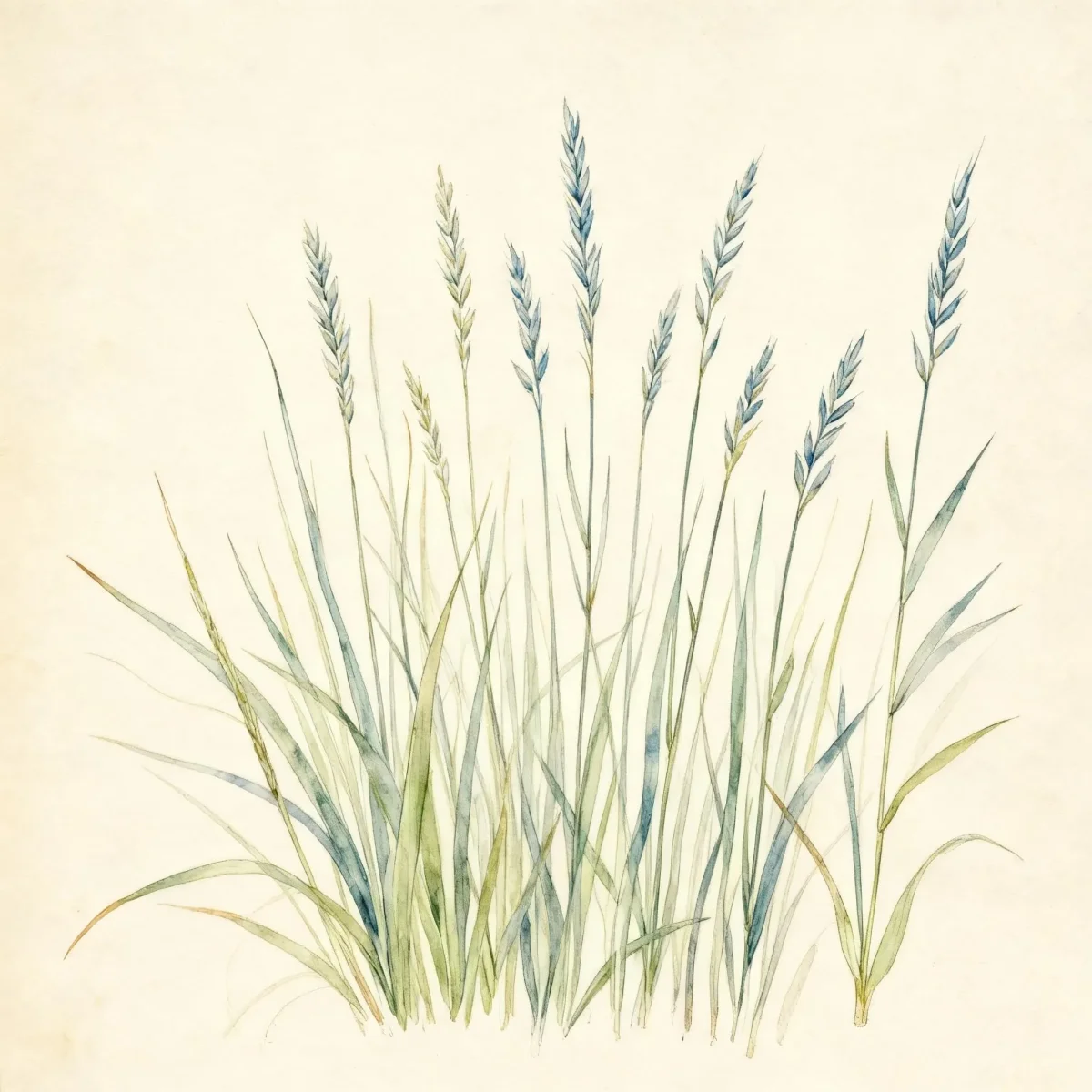
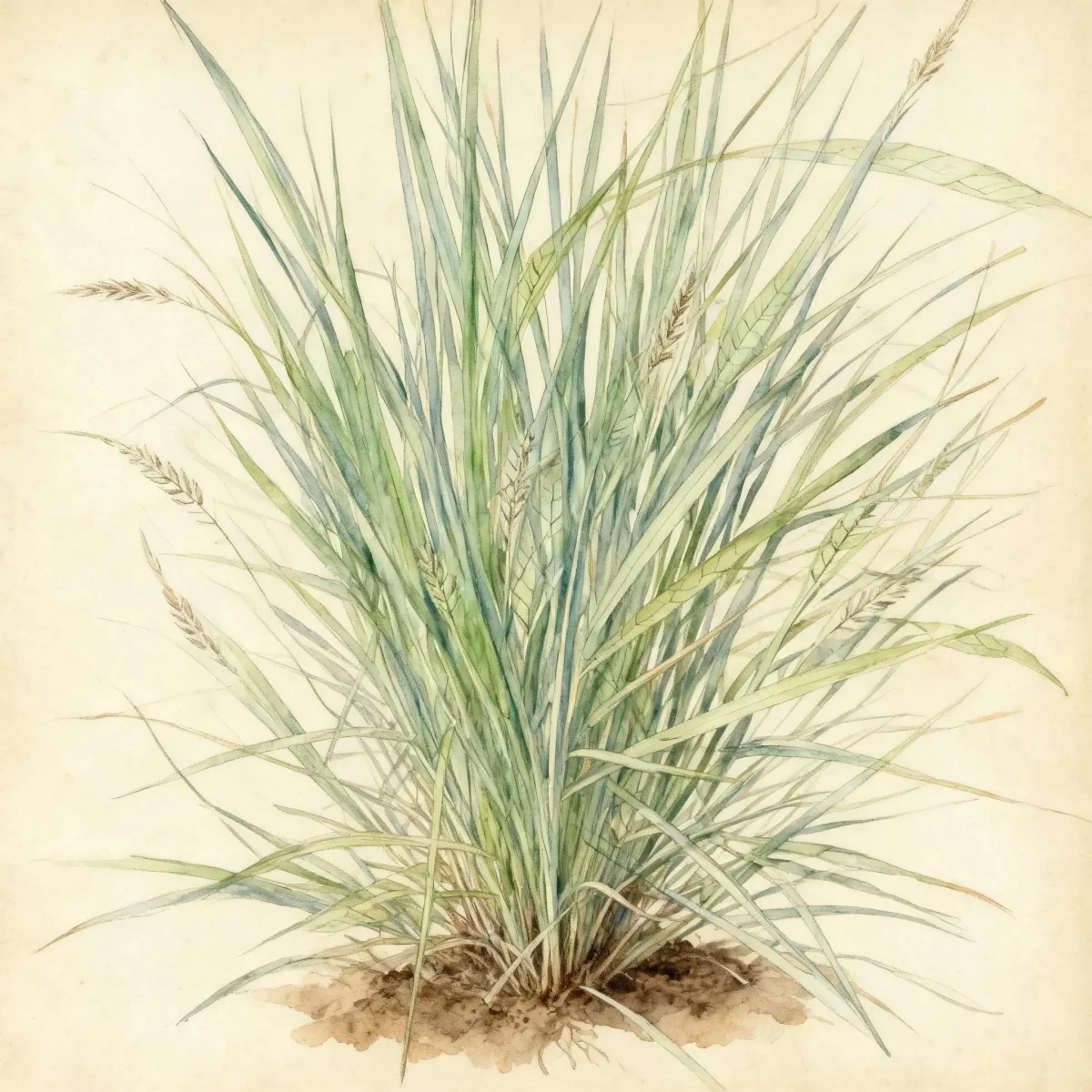
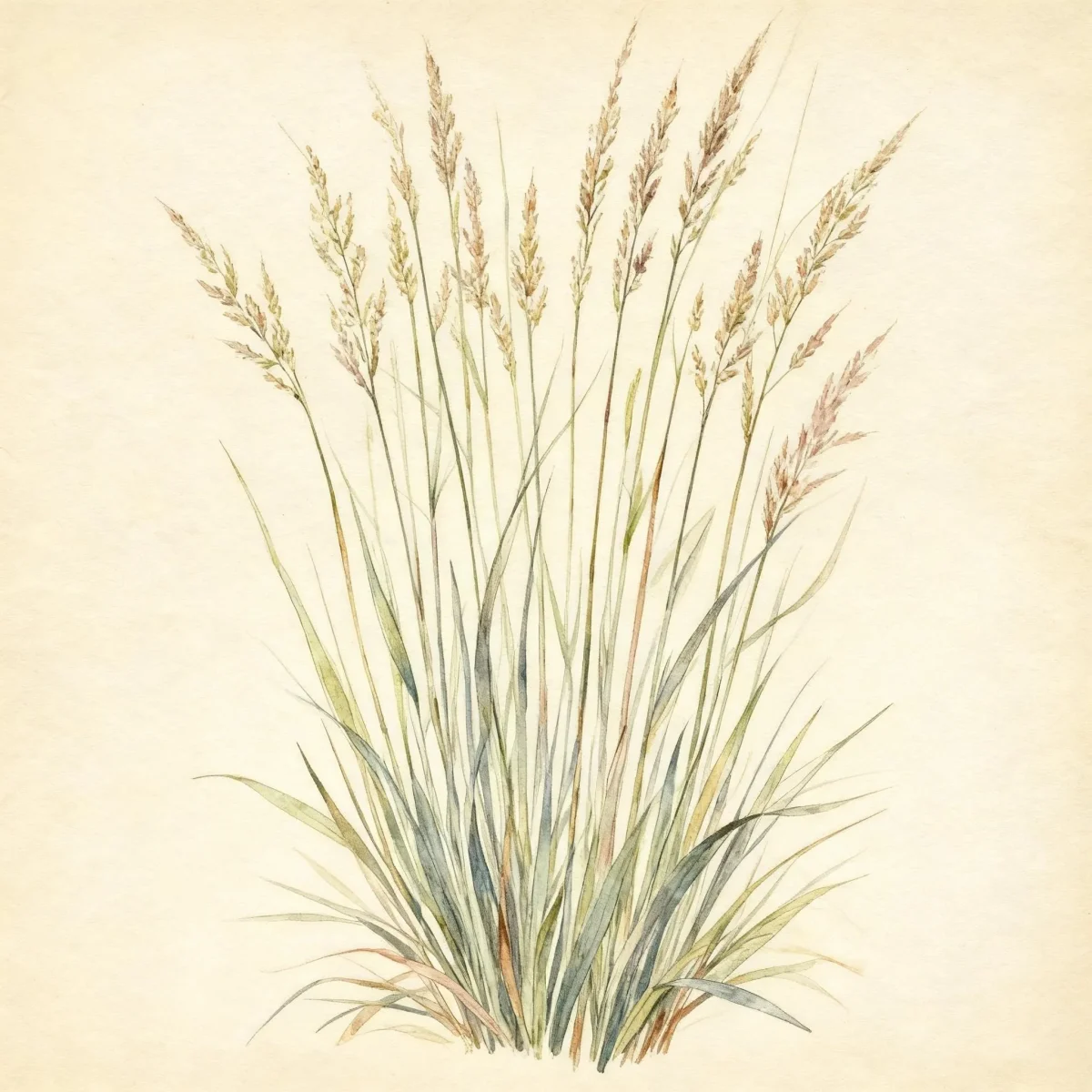
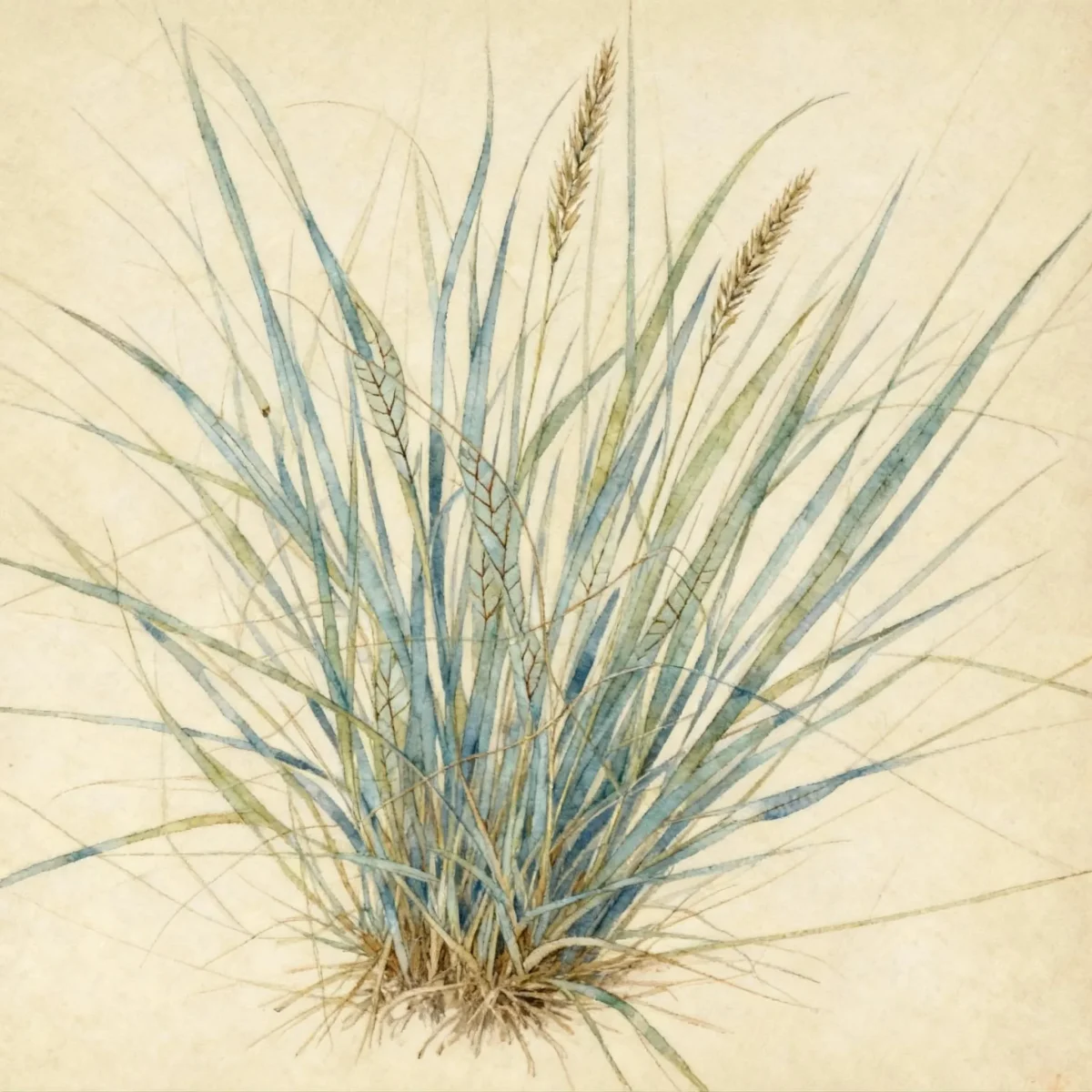
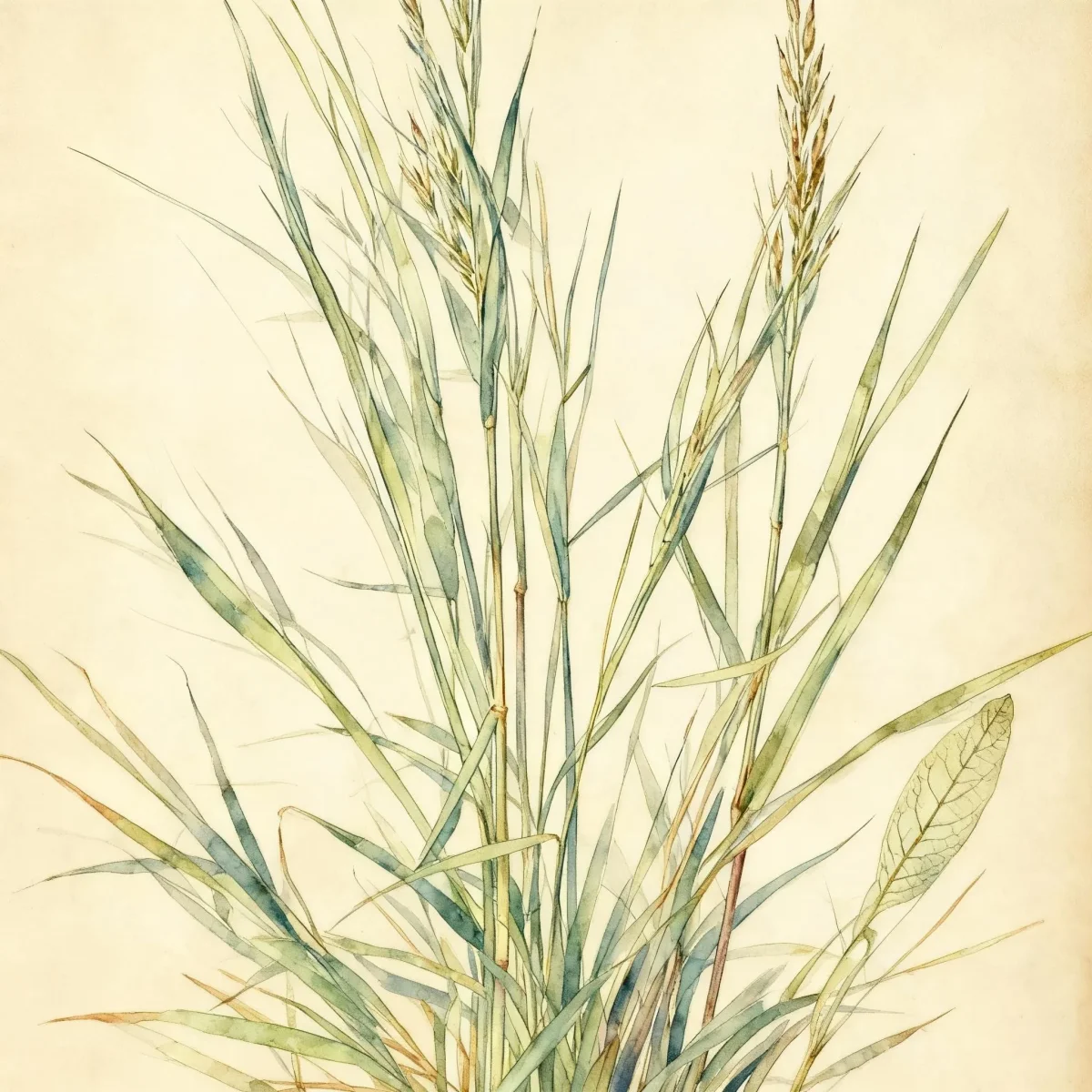
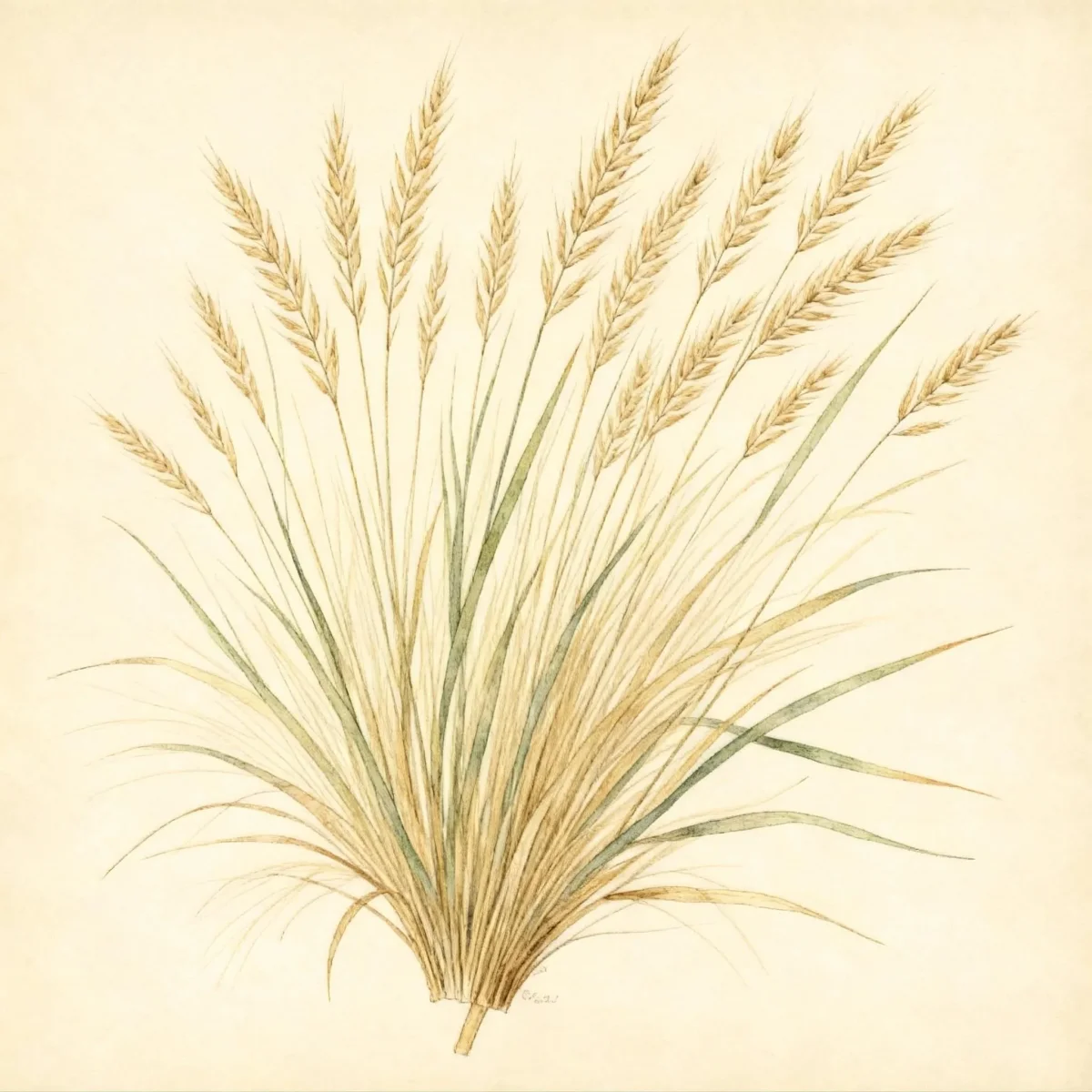
Sideoats grass (Bouteloua curtipendula)
Bouteloua curtipendula offers unique side-swept seed heads, perfect for low-maintenance, drought-tolerant native gardens.
Scroll down to discover growing tips, care requirements, companion plants, and more
Complete Plant Information
Overview
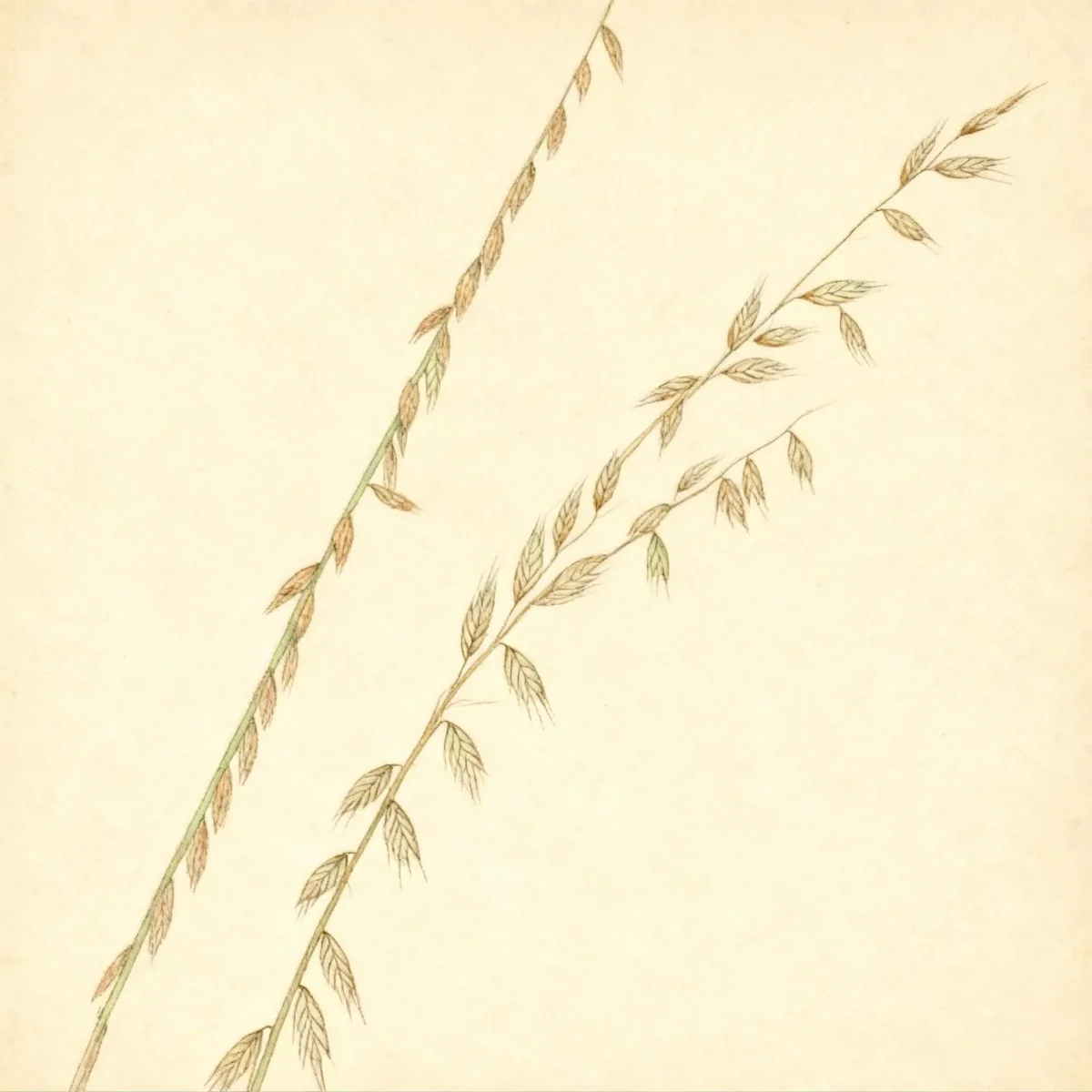
Bouteloua curtipendula, commonly known as Sideoats grass, is highly valued in ornamental landscapes for its distinct, drooping spikelets that resemble oats hanging from one side of the stem. This native grass provides excellent texture and movement, transitioning beautifully from green summer foliage to bronze, orange, and red tones in the autumn. It is a relatively short, clumping perennial that thrives with minimal intervention once established.
As a tough, resilient member of the Poaceae family, Sideoats grass establishes easily in a wide array of soil types, requiring only average moisture when young before developing significant drought tolerance. Its low maintenance needs make it an appealing choice for gardeners focusing on sustainable or naturalized plantings. The ornamental appeal of Bouteloua curtipendula extends through the winter, as the tan seed heads often persist after the foliage has died back.
This species is functional as much as it is beautiful, offering benefits for erosion control on slopes and serving as a robust component in prairie restorations. Whether used as a visual accent or planted en masse, Bouteloua curtipendula delivers dependable performance across a broad range of climates within its hardiness range.
Fast Facts
- Plant Family: Poaceae
- Plant Type: Ornamental grass
- Native Range: North and South America
- Hardiness Zones: USDA Zones 4-9
- Size at Maturity:
- Height: 1.5-2.5 ft
- Spread: 1.5-2 ft
- Bloom Time: July to August
- Bloom Description: Purplish
- Sun Exposure: Full sun
- Water Needs: Dry to medium
- Maintenance Level: Low
How to Grow
Planting Sideoats grass is best achieved in the spring, allowing the root system to develop fully before summer heat arrives. Locate Bouteloua curtipendula in areas receiving full sun, as filtered light will diminish its short stature and flowering display. This species is remarkably adaptable; it thrives in average, dry to medium moisture soils but handles everything from well-drained sand to heavy clays with ease.
Maintenance for this ornamental grass is inherently low. Water sparingly once established; it tolerates drought conditions well and prefers not to sit in consistently moist ground. Fertilizing is generally unnecessary, especially in native plantings where the soil structure is already suitable. The primary care task involves cutting the dead clumps back to the ground in very late winter, just before new spring growth begins.
Because Bouteloua curtipendula can self-seed under optimal conditions, be mindful of spreading if you prefer a highly contained look, though this tendency contributes to its naturalizing charm. Its wide tolerance for poor soil and environmental stress, including air pollution, minimizes cultural interventions throughout the season.
Landscape Uses
Sideoats grass excels when used for mass plantings, creating sweeping sweeps of native texture across meadows or prairies where its movement can be fully appreciated. Its robust nature makes it perfect for stabilizing slopes, acting as an effective barrier against soil erosion due to its dense root network. Furthermore, its tolerance for dry soil and shallow, rocky locations opens up unique possibilities in rock gardens or xeriscaped borders where other turfgrasses might fail.
Consider planting Sideoats grass alongside perennials that share a preference for full sun and dry conditions, such as coneflowers (Echinacea) or certain native sedges. For a truly naturalized look, intersperse it among other native prairie grasses. Even beyond traditional ornamental roles, Bouteloua curtipendula is noted for its functional beauty; it can be regularly mowed to a height of 2 to 4 inches to serve as an attractive, low-maintenance turf grass, offering a native alternative to conventional lawns.
Standout Features
Flower Qualities
- Showy
- Good Cut
- Good Dried
Noteworthy Characteristics
Bouteloua curtipendula, commonly called sideoats grama, is a Missouri native grass which is noted for the distinctive arrangement of oat-like seed spikes which hang from only one side of its flowering stems. Typically occurs in glades, prairies, open rocky woodlands and along railroad tracks throughout most of the State. Narrow, bluish-gray leaf blades (to 1/4” wide) typically form a dense clump growing 1-1.5’ tall. Foliage turns golden brown in autumn, sometimes also developing interesting hues of orange and red.
Tolerances
- Drought
- Erosion
- Dry Soil
- Shallow-Rocky Soil
- Black Walnut
- Air Pollution
Potential Problems
Gardeners will find that Bouteloua curtipendula rarely succumbs to significant horticultural issues. There are generally no serious insect or disease problems noted for Sideoats grass when grown in appropriate conditions. Prevention centers on ensuring excellent drainage, as fungal issues are the most likely threat should the plant experience wet feet for extended periods. Otherwise, this tough grass demands very little management concerning pests or pathogens.
Frequently Asked Questions
What hardiness zones is Sideoats grass suitable for?
Bouteloua curtipendula performs best across USDA Hardiness Zones 4 through 9, offering versatility across a wide swath of the country.
How large does Sideoats grass grow?
This ornamental grass typically reaches a mature height between 1.5 to 2.5 feet, with a spread ranging between 1.5 to 2 feet wide, forming a manageable clump.
What sun exposure does Sideoats grass need?
For optimal performance, Sideoats grass requires full sun exposure throughout the growing season.
When does Bouteloua curtipendula bloom?
The purplish flowers appear during the peak summer months, specifically from July to August, when the characteristic spikes emerge above the foliage.
Conclusion
Bouteloua curtipendula stands out as a premier choice for those integrating native, low-input plants into their designs, offering architectural interest and drought resistance. The unique flag-like seed heads of Sideoats grass provide season-long character, solidifying its reputation as a superior ornamental grass. Before planting, confirm your local growing zone falls between 4 and 9 and plan for a late winter cleanup to welcome the freshest spring growth.
Companion Planting
Selecting suitable companions is key to accentuating the texture of Sideoats grass. Since Bouteloua curtipendula demands full sun and dry to medium moisture, look for other tough prairie natives. Associates that bloom later in the season, such as various Milkweeds (Asclepias species) or Purple Coneflower (Echinacea purpurea), provide a beautiful color contrast against the grass’s fine texture and tan winter seed heads. Avoid moisture-loving plants, as they will quickly decline in the drier soil conditions preferred by this grama.
Design Ideas
Due to its consistency in size and form, Bouteloua curtipendula functions superbly as a textural filler in large beds or as a repeating element along pathways. Mass plantings create a stunning, low-mow prairie effect, while single specimens shine as fine-textured accents near bold-leafed succulents or yucca. Its tolerance for rocky substrates makes it an excellent choice for integrating into retaining walls or xeriscaped modern gardens where hardiness and water conservation are paramount goals.