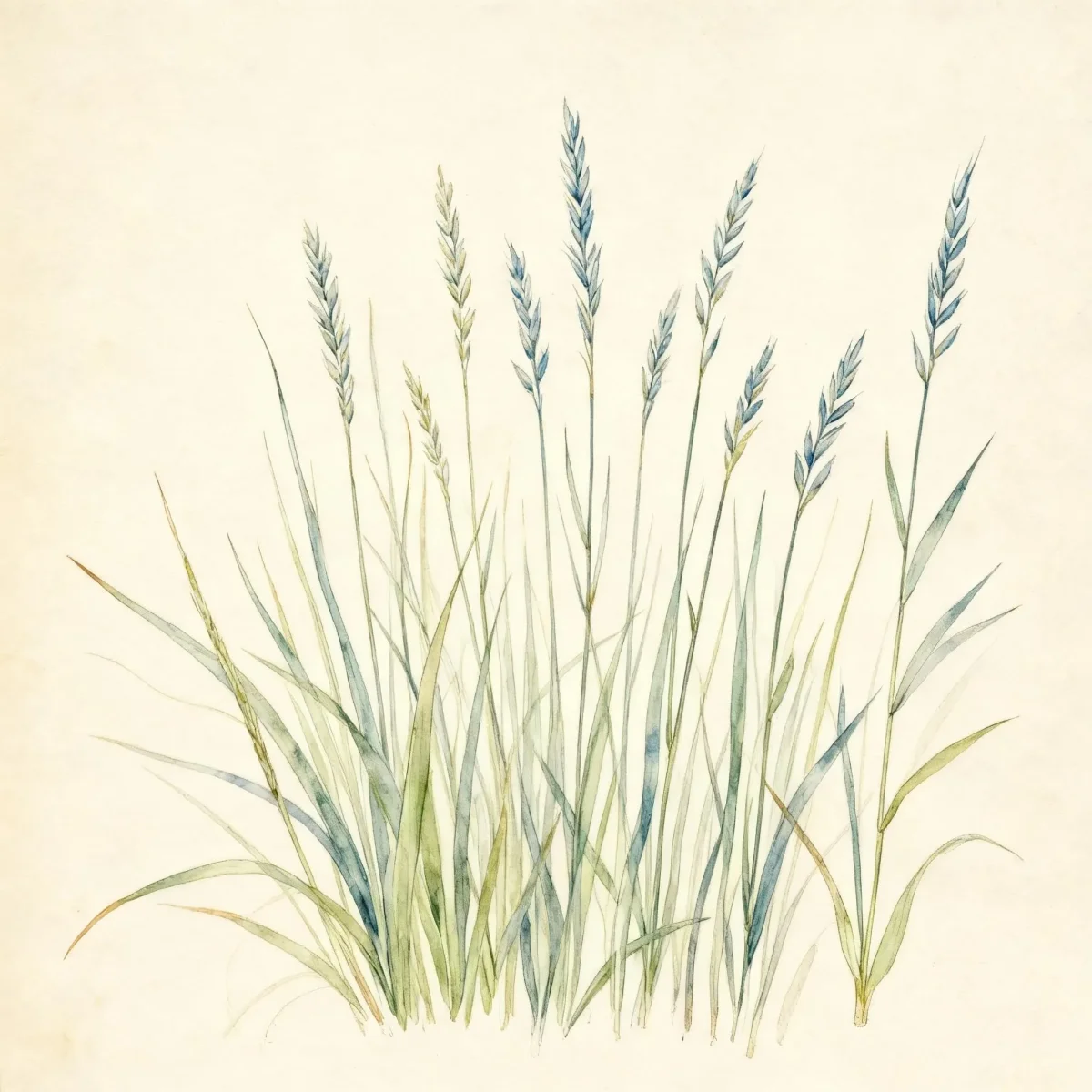
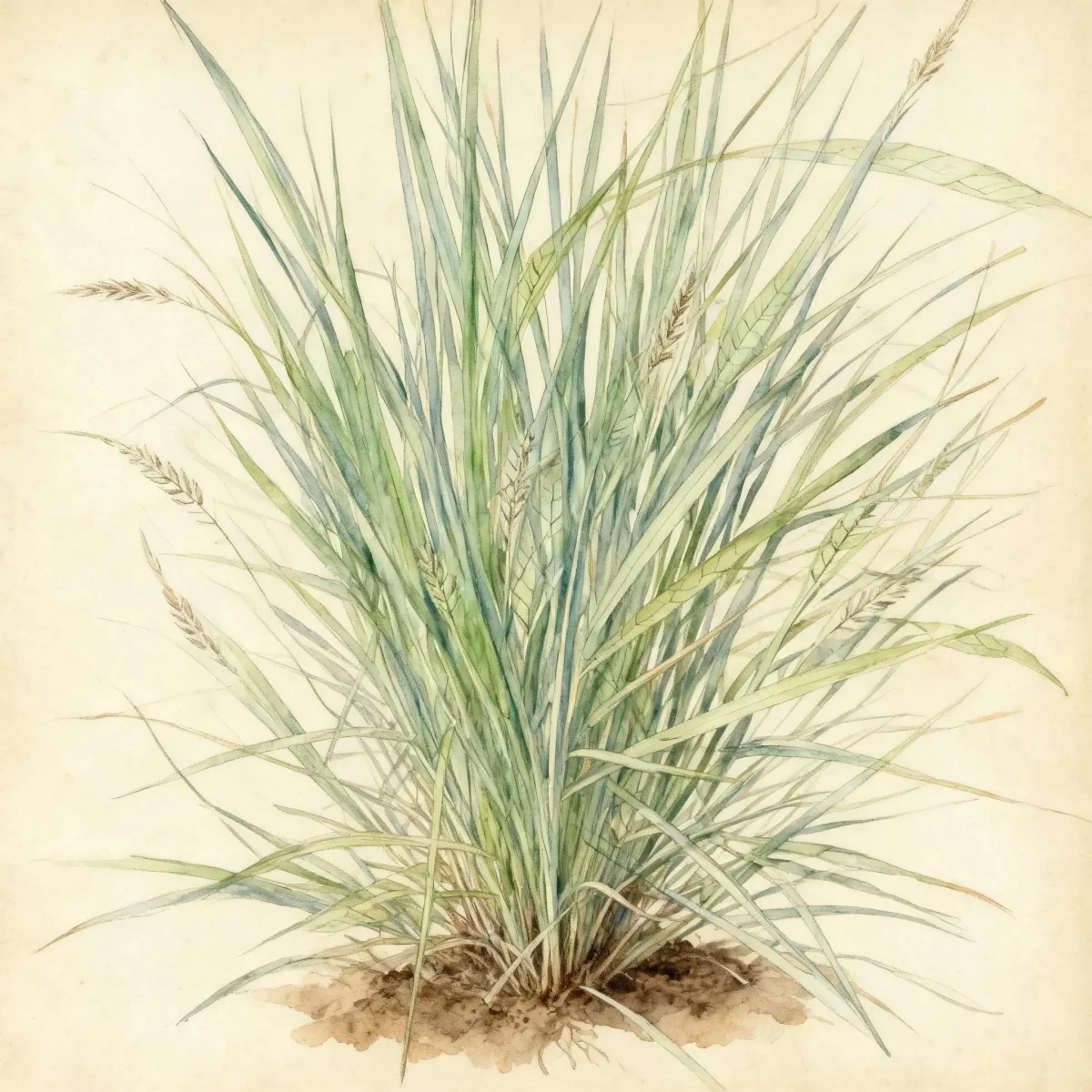
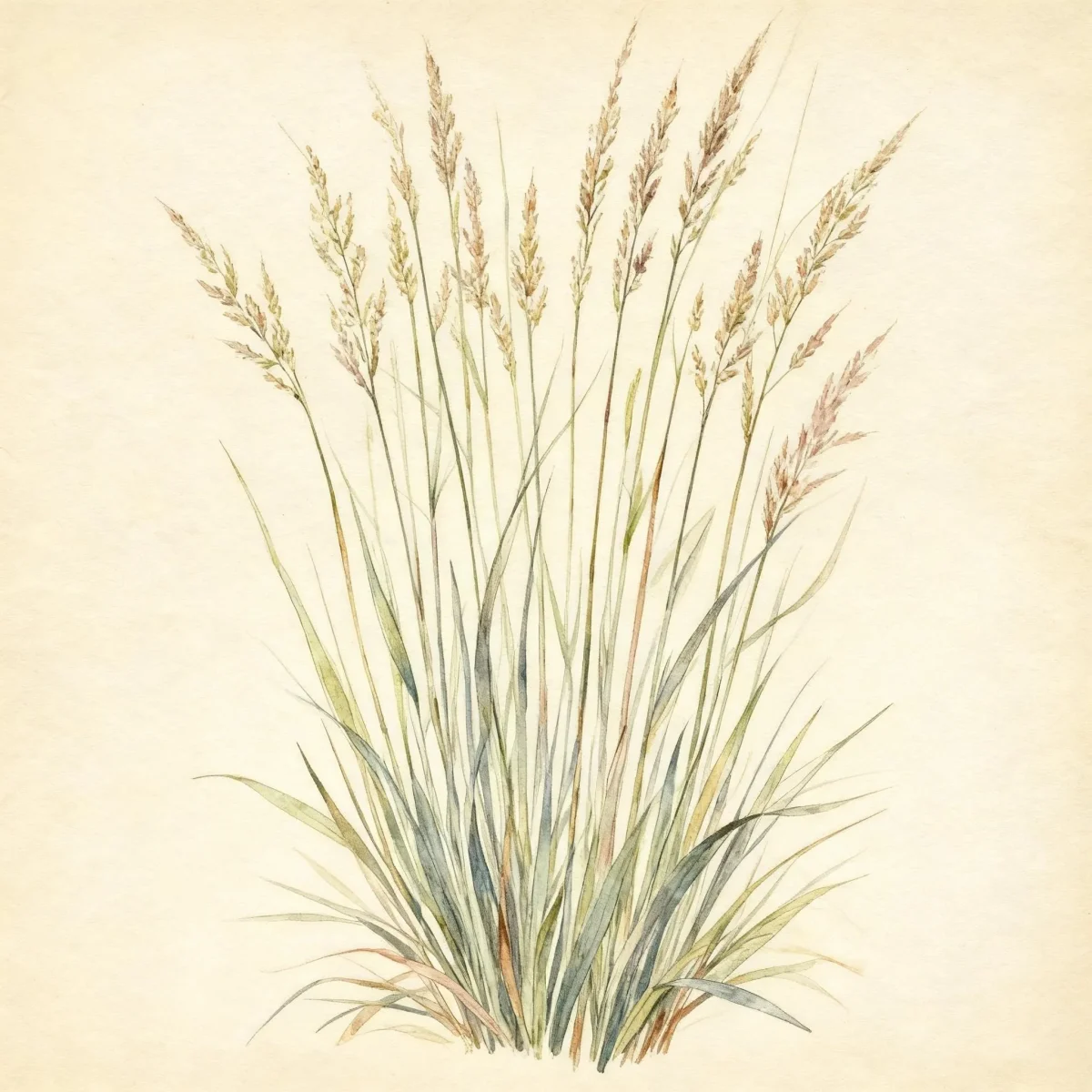
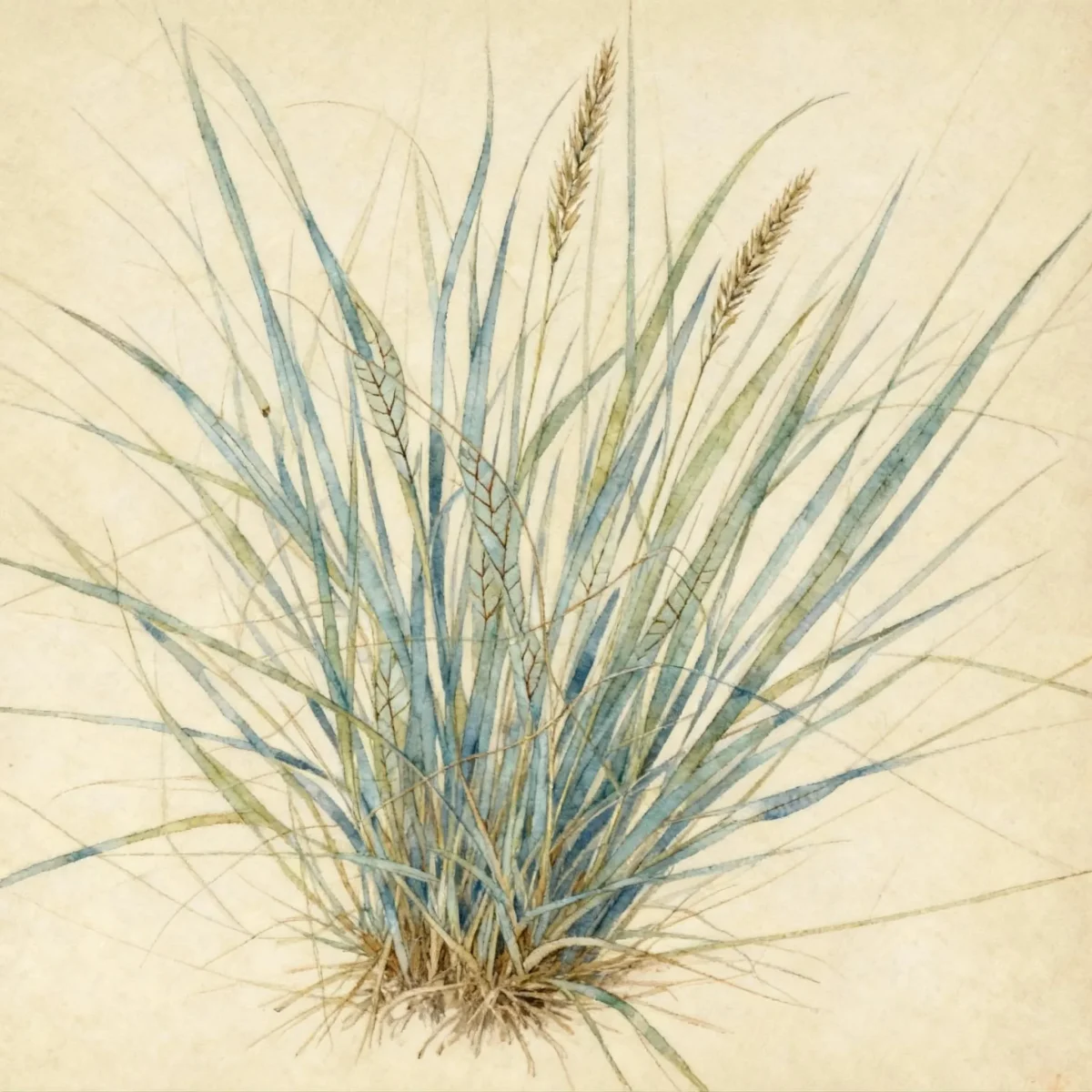
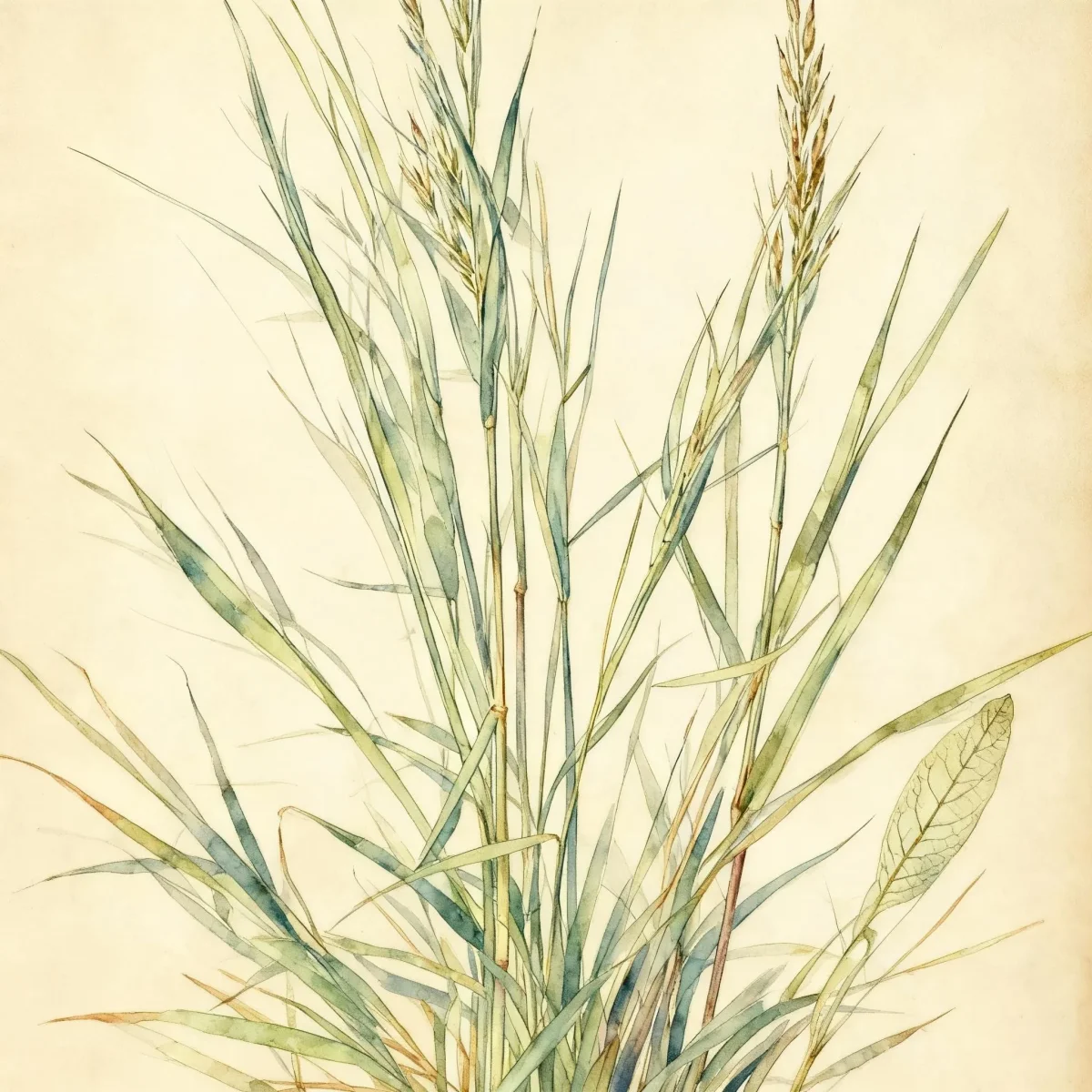
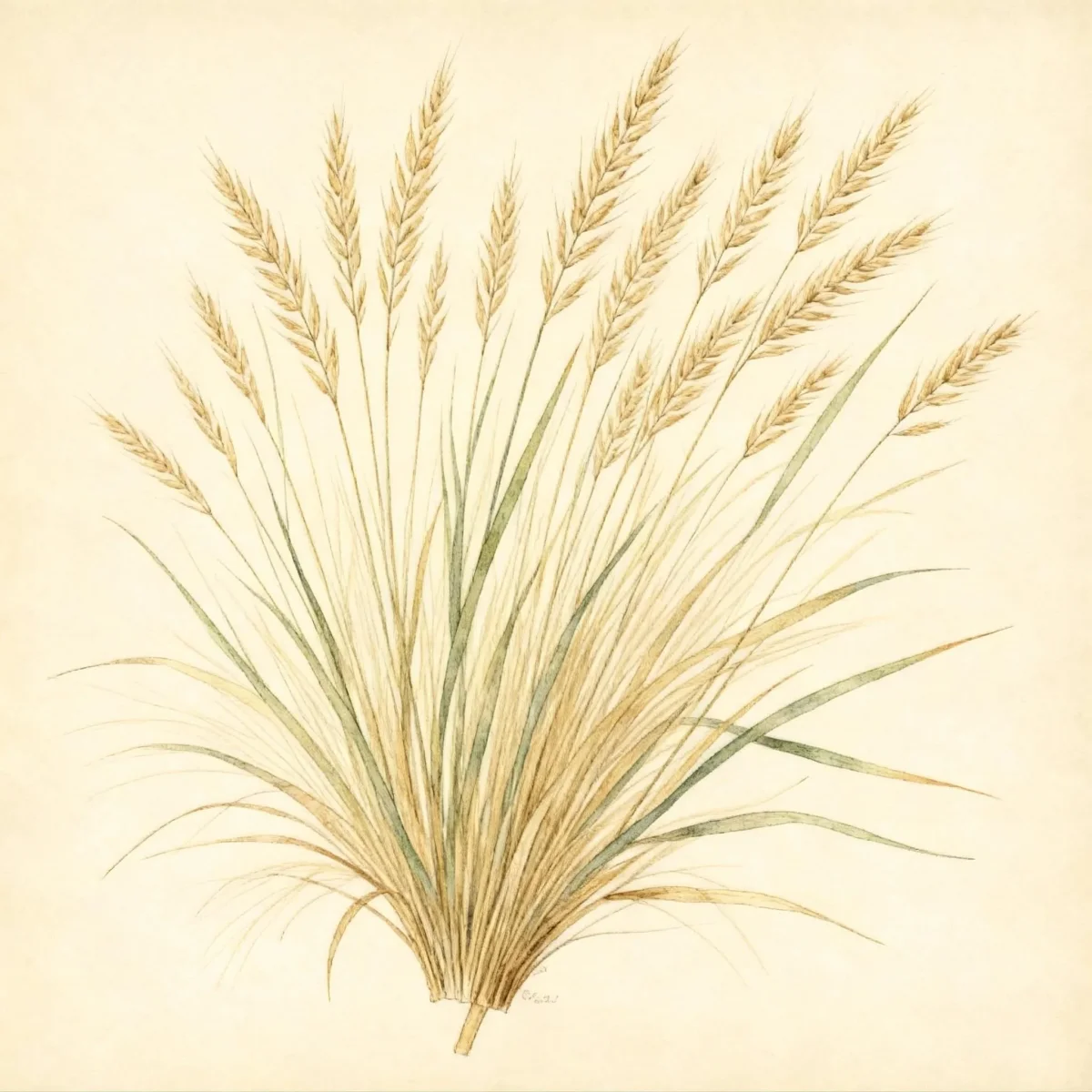
Canada wild rye (Elymus canadensis)
Elymus canadensis, or Canada wild rye, is a low-maintenance, clumping ornamental grass perfect for dry, sunny native landscapes.
Scroll down to discover growing tips, care requirements, companion plants, and more
Complete Plant Information
Overview
Elymus canadensis, commonly known as Canada wild rye, is a highly adaptable, cool-season ornamental bunch grass native to North America. It is prized by gardeners for its rugged durability and attractive, nodding, rye-like seed heads that provide excellent winter interest. This plant offers aesthetic appeal alongside significant ecological function in naturalized settings.
As a clump-forming grass, Canada wild rye creates defined masses of foliage, typically reaching 2 to 5 feet in height. Its leaves offer a soft, bluish-green to rich green texture that contrasts nicely with flowering perennials. Growers appreciate its adaptability, as it thrives without excessive coddling once established in its preferred sunny and dry conditions.
The value of Elymus canadensis extends beyond the garden border; it lends itself perfectly to prairie restorations, erosion control, and native plantings. With its low maintenance demands and tolerance for difficult sites, Canada wild rye proves itself a versatile and hardworking perennial for sustainable landscape design.
Fast Facts
- Plant Family: Poaceae
- Plant Type: Ornamental grass
- Native Range: North America
- Hardiness Zones: USDA Zones 3-8
- Size at Maturity:
- Height: 2-5 ft
- Spread: 2-3 ft
- Bloom Time: July to September
- Bloom Description: Greenish
- Sun Exposure: Full sun
- Water Needs: Dry to medium
- Maintenance Level: Low
How to Grow
Planting Canada wild rye is best accomplished in the spring or fall, allowing the roots time to establish before summer heat or winter frost. Choose a location receiving full sun, as insufficient light can lead to floppier growth. Elymus canadensis adapts readily to a wide spectrum of soils, though it performs best in average, dry to medium, well-drained substrates.
Maintenance for this grass is minimal, reinforcing its low-maintenance status. Water deeply but infrequently, especially once established; the species tolerates drought well. Fertilization is generally unnecessary, as excessive nutrients can encourage weaker growth susceptible to lodging.
Pruning should be performed in late winter or very early spring before new growth begins. Cut the old foliage back to a few inches above the ground to tidy the appearance. Be aware that this grass readily self-seeds in optimal growing conditions, which is beneficial for naturalization but may require managing in formal borders.
Landscape Uses
Canada wild rye excels when allowed to naturalize within prairie or native plant areas where its self-seeding nature can be an asset rather than a nuisance. Its strong upright stems and nodding spikes lend dynamic seasonal texture to mixed perennial borders, especially when sited toward the back where its height is beneficial.
Pair this tough grass with other sun-loving, drought-tolerant natives such as coneflowers (Echinacea), leadwort (Baptisia), or various native sedges. The fine texture of the foliage contrasts beautifully with broad-leafed companions, providing year-round structure until the foliage turns a tawny tan in late fall.
For tricky locations, use Elymus canadensis as effective ground cover on dry, sunny slopes needing stabilization. Its robust root structure helps bind soil, mitigating erosion concerns while showcasing a truly resilient piece of North American flora.
Standout Features
Flower Qualities
- Good Cut
- Good Dried
Noteworthy Characteristics
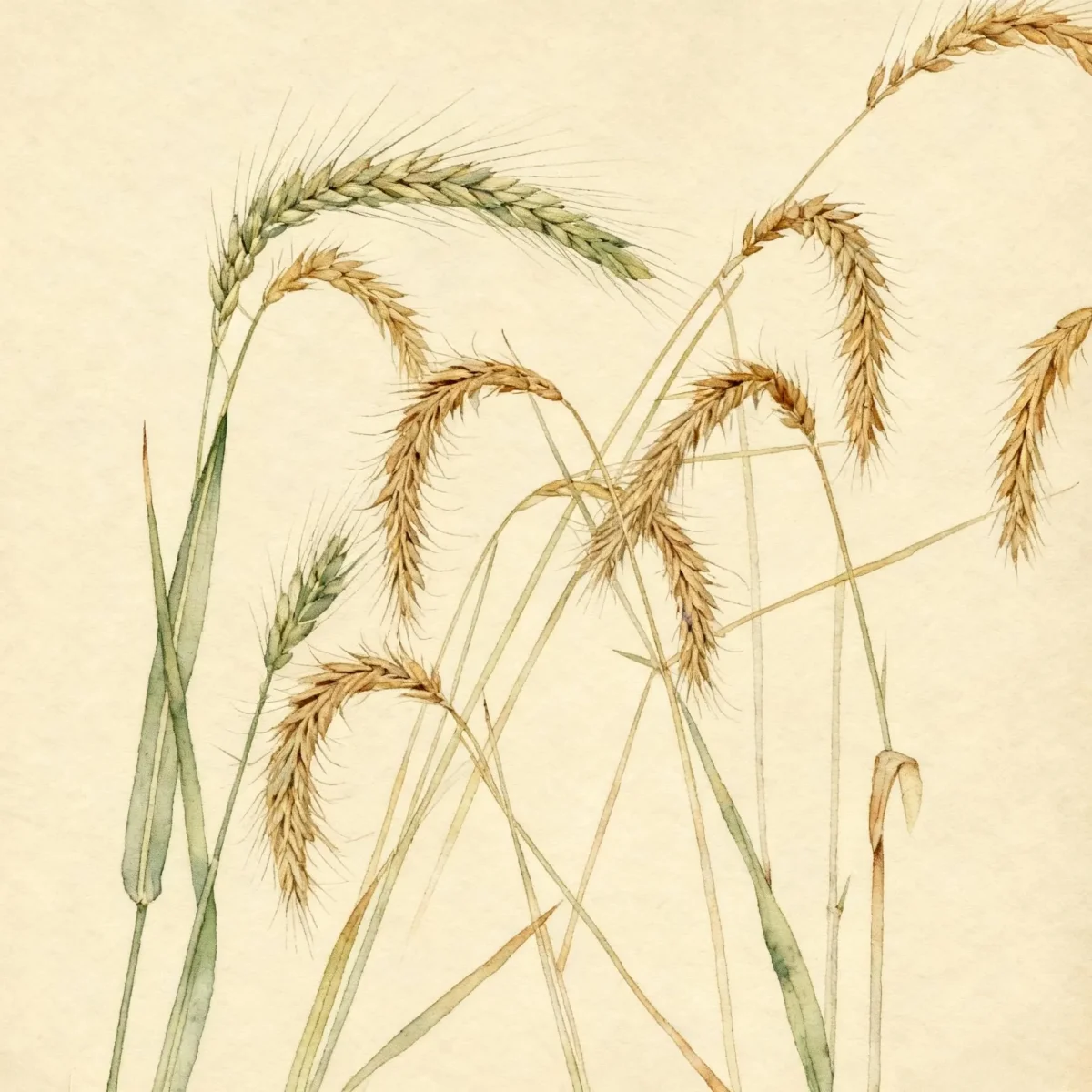
Elymus canadensis, commonly called Canada wild rye, is a cool season, clump-forming, Missouri native ornamental bunch grass noted for its arching, wheat/rye-like spikes which bloom in summer and remain attractive well into winter. Clumps typically grow 3-5’ tall and feature flat, pointed, bluish-green to green leaves (to 3/4” wide) which clasp the stems at the bases. Greenish flowers appear in terminal, arching, bristly spikes (to 6” long) which, when mature, gracefully nod and sway in the wind on stiff stems rising well above the foliage.
Tolerances
- Drought
- Erosion
- Dry Soil
- Black Walnut
- Air Pollution
Potential Problems
Canada wild rye generally exhibits no serious insect or disease problems, making it exceptionally reliable in the garden. Its primary concern is its tendency to self-seed aggressively, which warrants careful placement, especially near less vigorous or highly valued plants in a manicured setting. Monitor new seedlings in early spring and thin them out if they become too dense or encroach on desired areas.
Frequently Asked Questions
What hardiness zones is Canada wild rye suitable for?
Canada wild rye is highly adaptable and hardy across USDA Zones 3 through 8.
How large does Canada wild rye grow?
This ornamental grass typically matures to a height between 2 and 5 feet, with a spread usually ranging from 2 to 3 feet wide, forming tidy clumps.
What sun exposure does Canada wild rye need?
This species requires full sun to develop the best structure and flowering performance.
When does Canada wild rye bloom?
The attractive, greenish flower spikes of Elymus canadensis appear throughout the summer months, generally from July extending into September.
Conclusion
Elymus canadensis offers gardeners a fantastic blend of low-maintenance culture and significant visual interest, particularly through its unique, arching flower spikes. As a durable, drought-tolerant North American native grass, Canada wild rye is a superb choice for naturalized areas or tough spots needing reliable texture. Before planting, ensure your site provides full sun and check your local USDA hardiness zone compatibility.
Companion Planting
When incorporating this ornamental grass into traditional borders, consider companions that enjoy similar dry, sunny conditions. Plants that bloom later in the season, like various Rudbeckia (Black-Eyed Susans) or Liatris species, benefit from the vertical structure provided by the rye throughout the summer. In native restorations, interplanting with native legumes or shallower-rooted wildflowers prevents competition for deeper moisture reserves.
Propagation Tips
While allowing Elymus canadensis to self-seed is the easiest propagation method, gardeners can also divide mature clumps. Clump division should ideally be done in the early spring just as new green shoots begin emerging from the crown. Dig the entire clump, ensuring you separate it into sections, each possessing a healthy mass of roots and several viable shoots. Replant these divisions promptly at the same depth they were growing before, watering well to help them re-establish quickly.