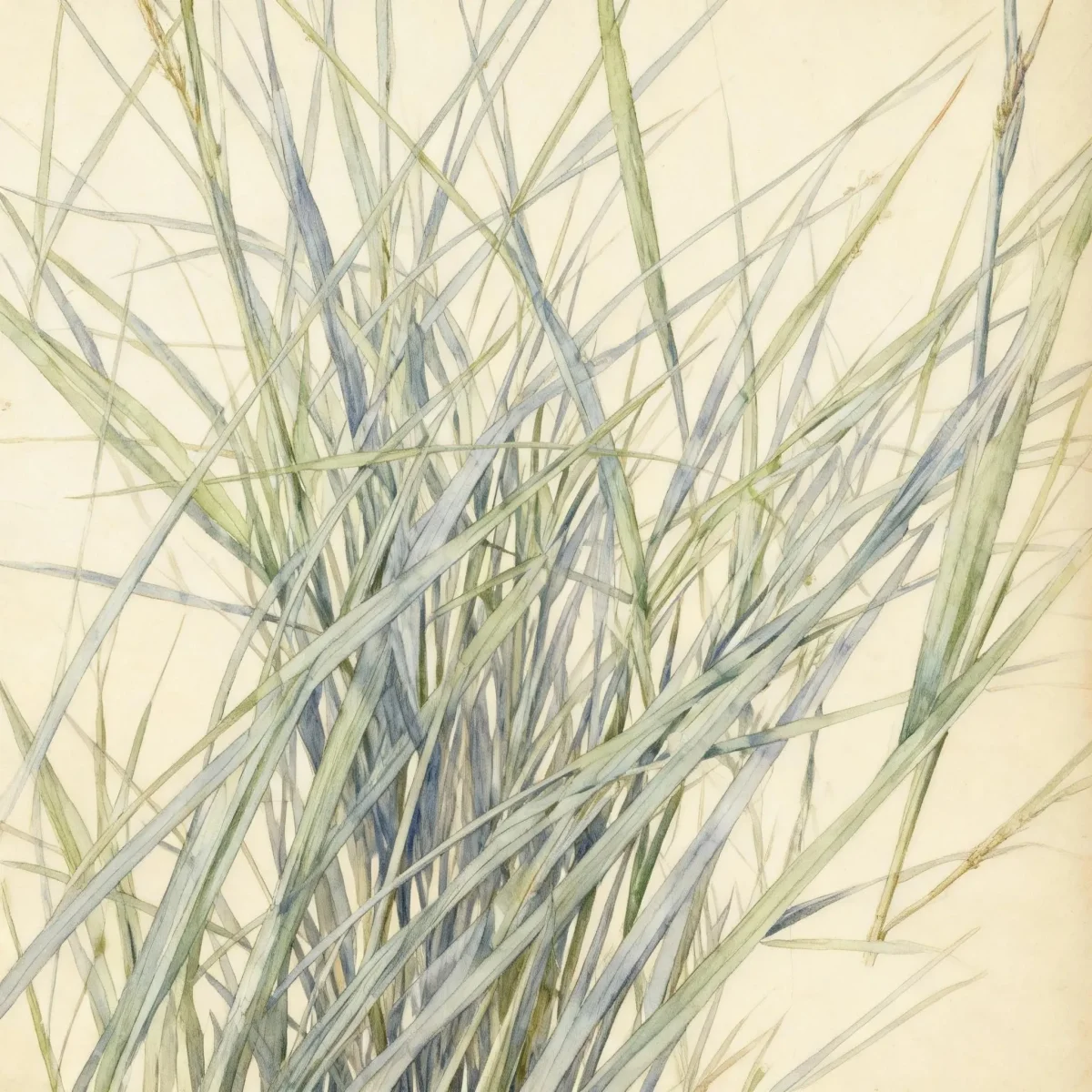
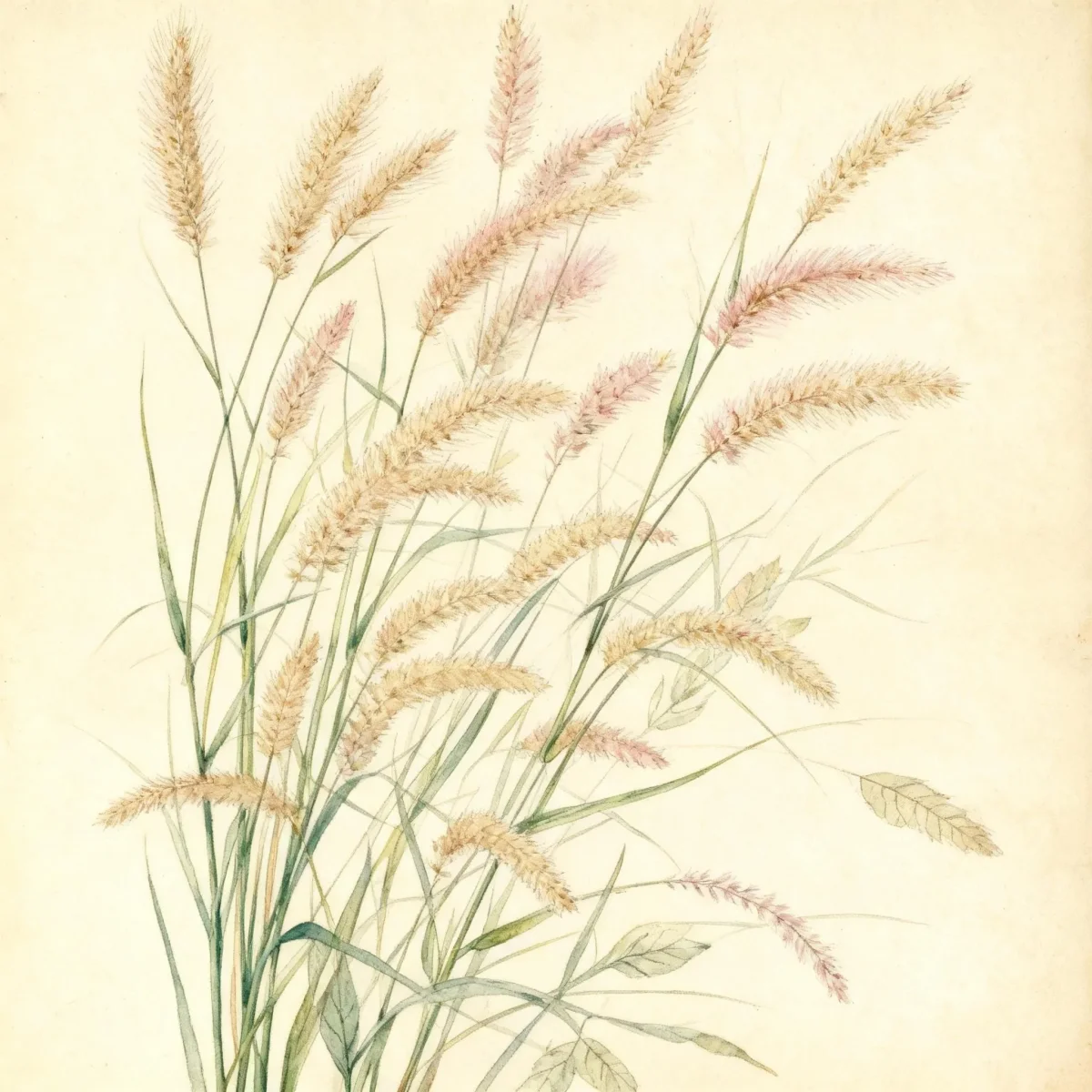
Bottlebrush grass (Elymus hystrix)
Discover Bottlebrush grass (Elymus hystrix), a low-maintenance ornamental native grass perfect for dry shade in zones 5-9.
Scroll down to discover growing tips, care requirements, companion plants, and more
Complete Plant Information
Overview
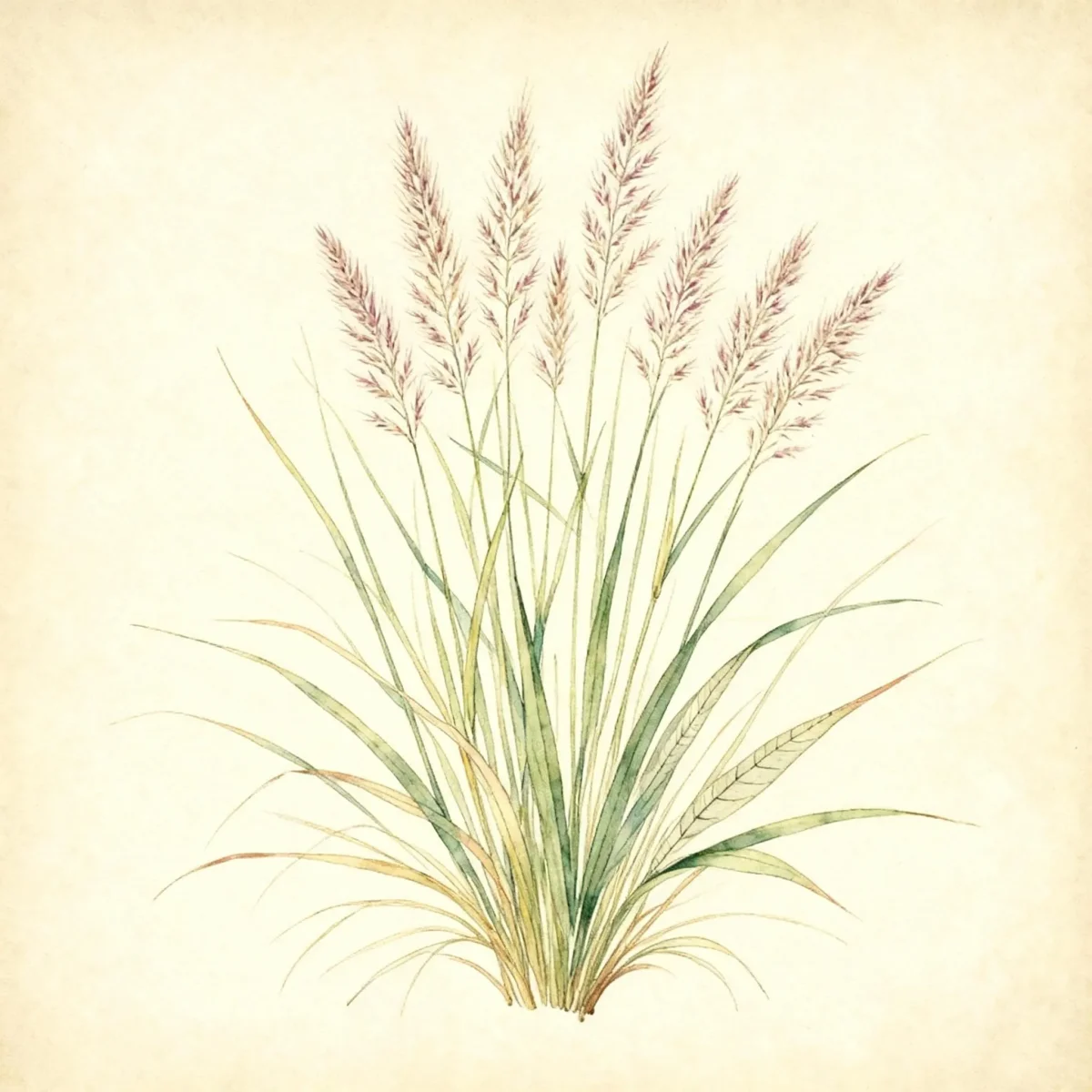
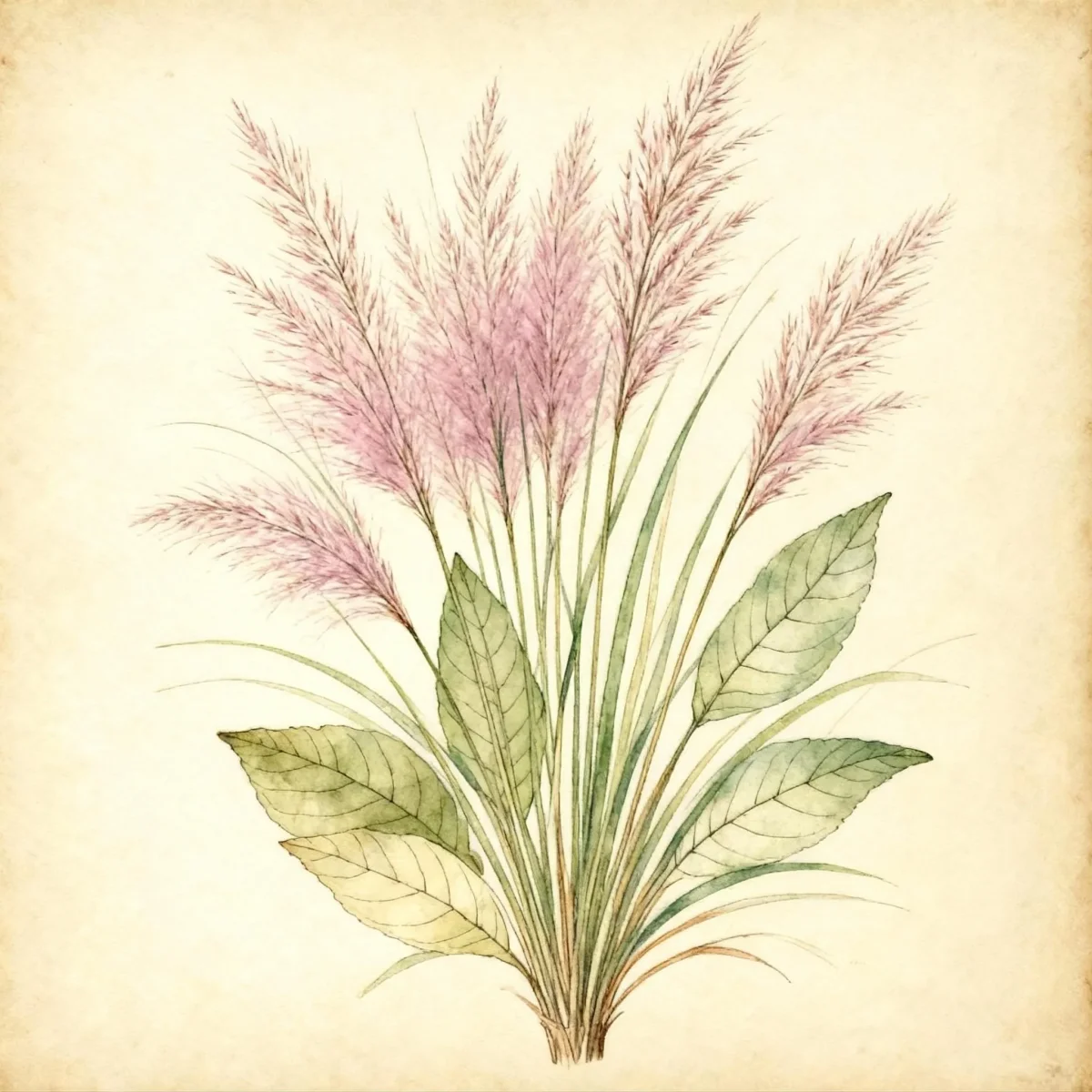
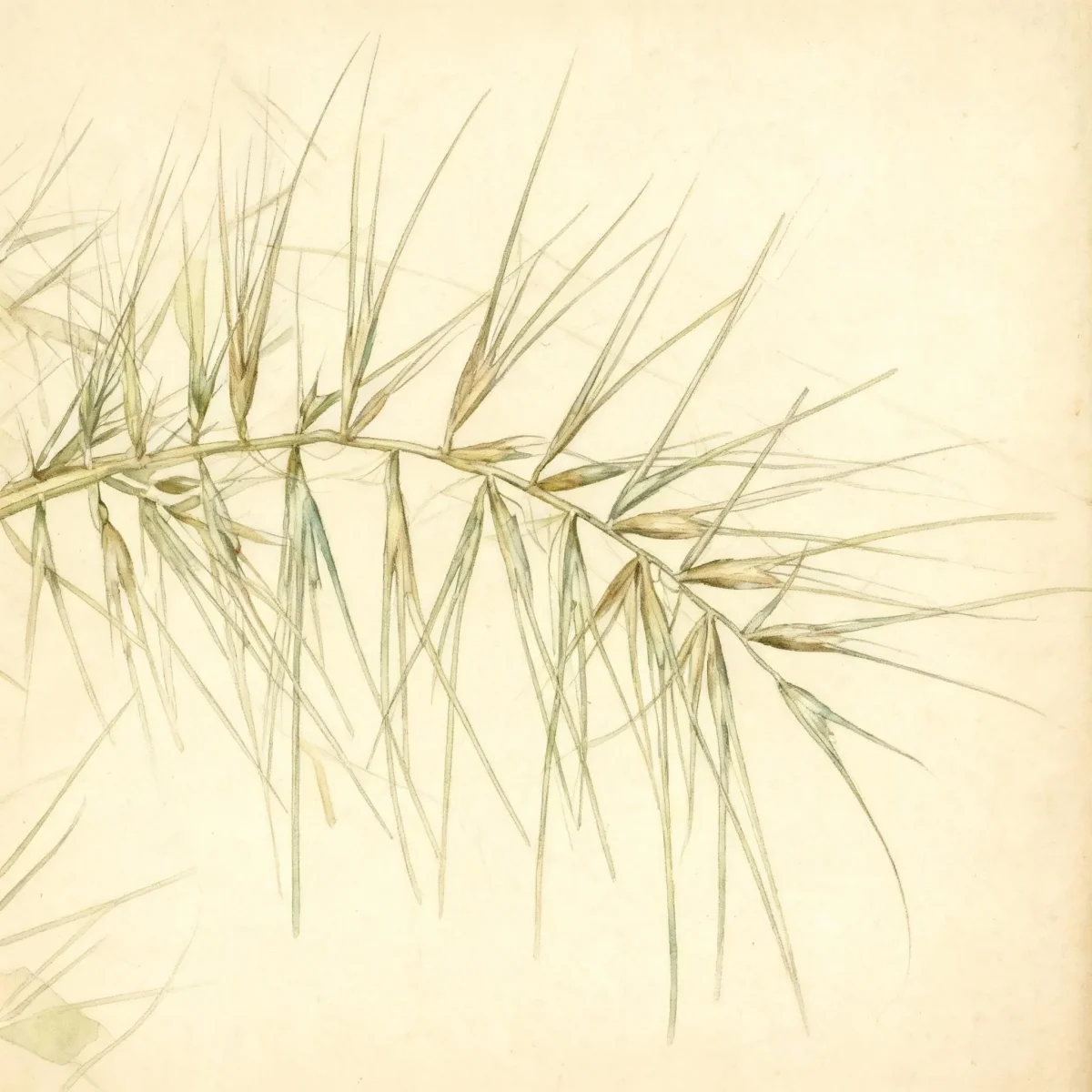
Elymus hystrix, widely recognized as Bottlebrush grass, is a striking native perennial that brings unique texture to shaded landscapes. Its bristly, arching flower heads resemble miniature bottle brushes, providing excellent late-season visual interest, particularly when backlit by the afternoon sun. This ornamental grass thrives where many others struggle, demonstrating remarkable adaptability across varied soil types.
As a Missouri native, Elymus hystrix adapts well to dry woodland settings, making it a superb choice for naturalized areas or challenging spots. It forms neat, upright tufts of medium-green foliage throughout the growing season before its showy flower plumes emerge in autumn. Gardeners appreciate Bottlebrush grass for its low nutrient needs and resilience once established.
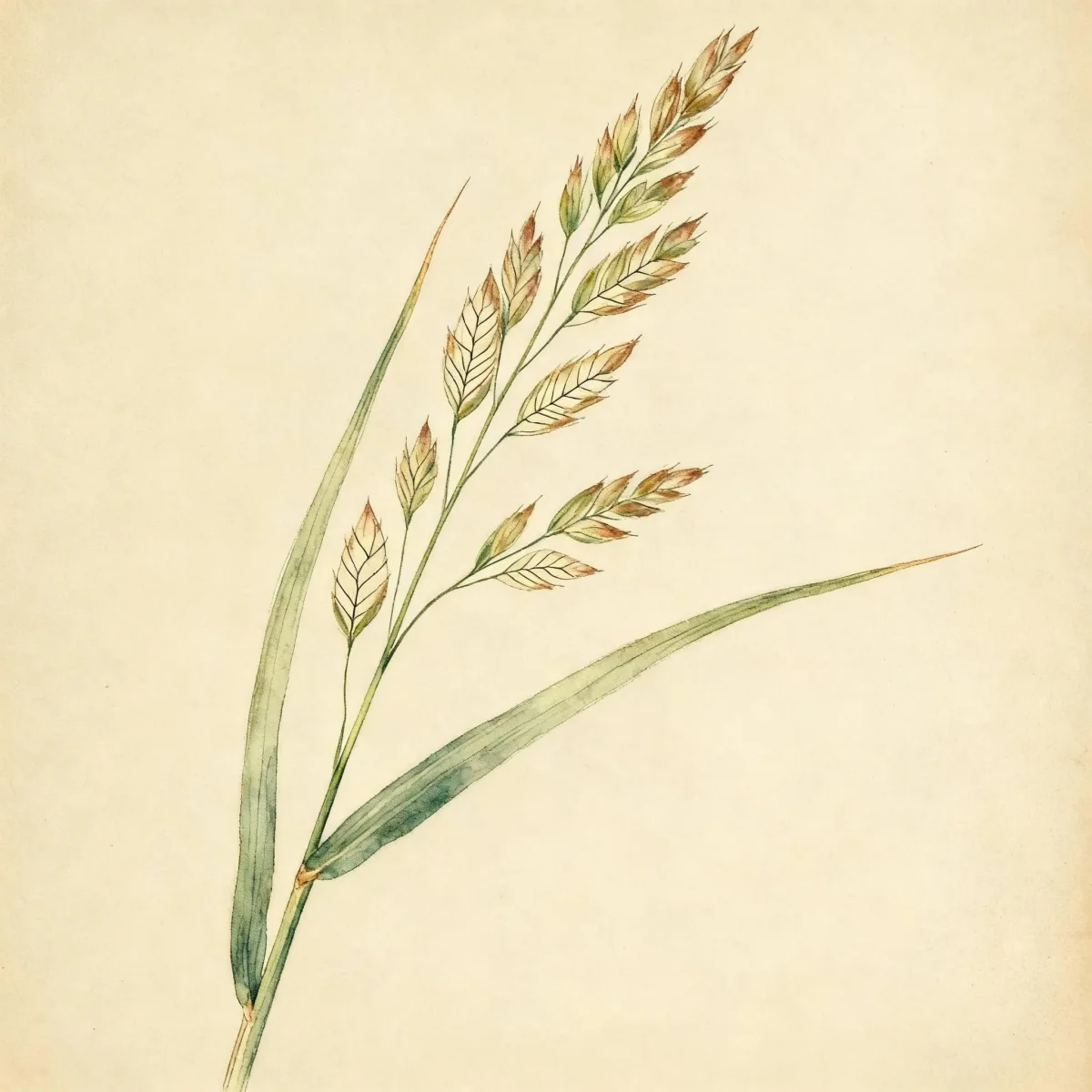
The genus name Elymus derives from the Greek word for grain, while the specific epithet hystrix refers to a hedgehog, hinting at the spiky nature of its seed heads. Planting Elymus hystrix provides excellent structural interest and remains effective well into winter, adding crucial backbone to the dormant garden.
Fast Facts
- Plant Family: Poaceae
- Plant Type: Ornamental grass
- Native Range: Eastern-central United States
- Hardiness Zones: USDA Zones 5-9
- Size at Maturity:
- Height: 2.5-3 ft
- Spread: 1-1.5 ft
- Bloom Time: September to October
- Bloom Description: Green maturing to brown
- Sun Exposure: Full sun to part shade
- Water Needs: Dry to medium
- Maintenance Level: Low
How to Grow
For best results, plant Bottlebrush grass in average, dry to medium, well-drained soils. Although it prefers consistent moisture early on, mature clumps exhibit excellent drought tolerance. While full sun promotes the neatest growth habit, this grass adapts beautifully to part shade conditions found under deciduous trees.
Establishment is straightforward; Elymus hystrix is easily grown from seed and will readily self-seed in the garden if conditions are optimal. Planting in defined clumps is recommended unless the goal is wide-scale naturalization. This species tolerates a wide range of soil conditions, adapting even to heavy clay soils often found in established landscapes.
Maintenance for this ornamental grass is generally low. Minimal pruning is required; typically, clumps can be cut back close to the ground in late winter or very early spring before new growth begins. Avoid over-fertilizing, as excessive richness can sometimes lead to flopping, especially in shadier locations where the grass naturally grows taller and looser.
Landscape Uses
The primary recommendation for Bottlebrush grass is to plant it in masses or naturalize it within lightly-shaded woodland settings. Its ability to form loose, upright tufts makes it an excellent choice for softening edges or filling space in native plant gardens where competition is minimal. Use Elymus hystrix to create sweeping drifts that mimic natural prairies or woodland clearings.
When massed, the unique structure of the flower heads becomes a powerful visual element. Consider planting Bottlebrush grass alongside shade-loving perennials like ferns, hostas for contrast, or spring ephemerals that die back before the grass fully fills out. This approach maintains interest throughout the entire growing season.
Because of its tolerance for dry soil and shade, this grass is invaluable for stabilizing slopes or managing erosion in difficult areas. It functions well as an informal border plant where a soft, flowing edge is desired, avoiding the rigid lines of formal hedges.
Standout Features
Flower Qualities
- Showy
- Good Cut
Noteworthy Characteristics
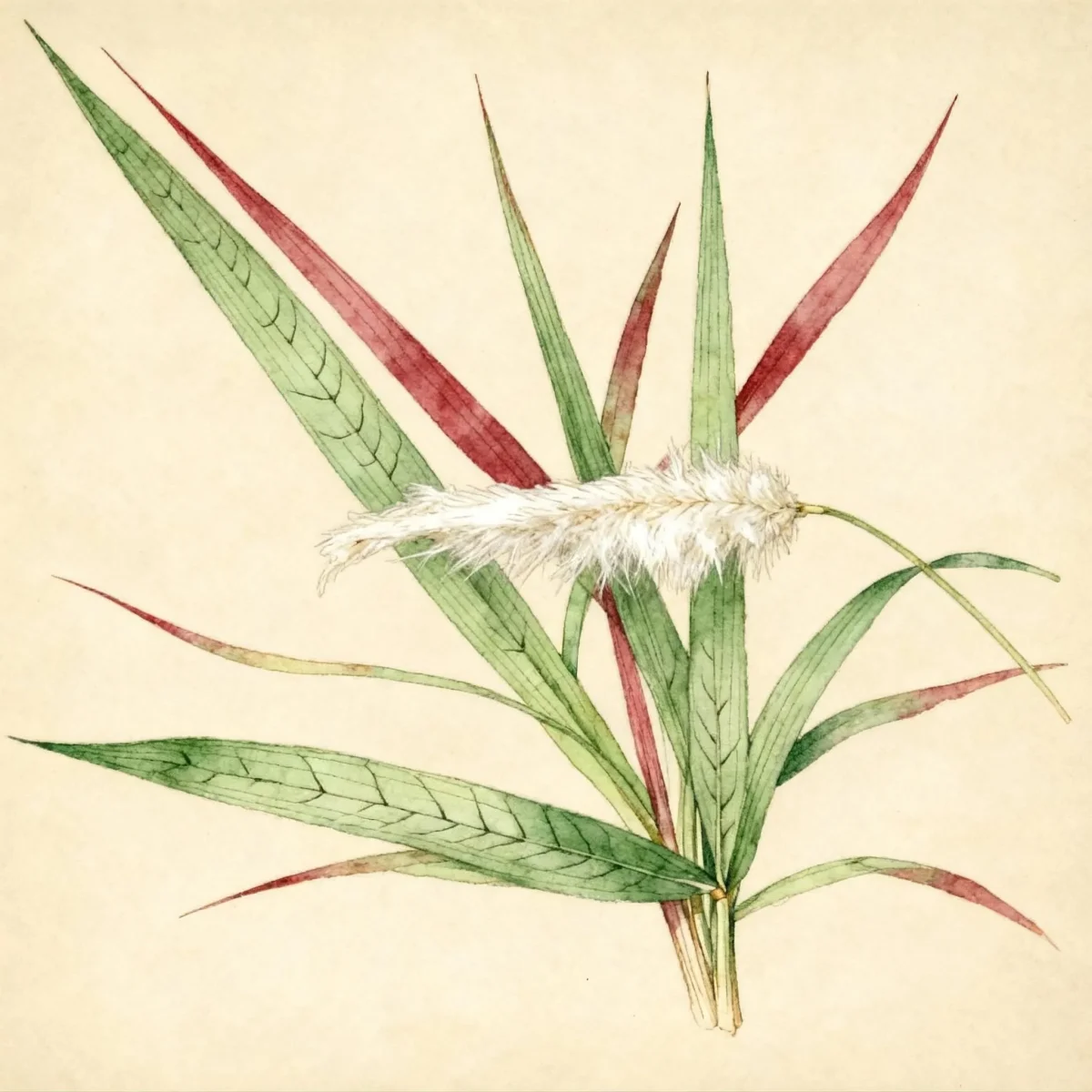
Elymus hystrix, commonly called bottle brush grass, is a Missouri native perennial grass which occurs in dry woodland areas throughout the State. It forms loose upright tufts of narrow-bladed, rough-textured, medium green leaves (to 12” long). Greenish, bristly flower heads (9-10” long) rise well above the foliage in summer, maturing to brown in late summer and persisting on the plant well into autumn. These flower heads resemble bottle brushes and are the best ornamental feature of this grass, particularly when backlit.
Tolerances
- Drought
- Heavy Shade
- Erosion
- Dry Soil
- Black Walnut
- Air Pollution
Potential Problems
This species generally suffers from no serious insect or disease problems, contributing to its low maintenance profile. Gardeners should monitor for overwatering, particularly in heavy clay, as overly wet conditions can lead to crown rot in susceptible plants. If the clumps become too large or start to look ragged in the center after several years, division in early spring offers an easy rejuvenation method.
Frequently Asked Questions
What hardiness zones is Bottlebrush grass suitable for?
Elymus hystrix is hardy and thrives across USDA hardiness zones 5 through 9.
How large does Bottlebrush grass grow?
Bottlebrush grass typically reaches heights between 2.5 and 3 feet, with a spread ranging from 1 to 1.5 feet.
What sun exposure does Bottlebrush grass need?
This ornamental grass performs best with full sun exposure but tolerates significant shade, thriving in full sun to part shade conditions.
When does Elymus hystrix bloom?
Bloom time is generally from September into October, displaying greenish flower heads that mature to a pleasing brown color.
Conclusion
Elymus hystrix provides exceptional texture and structure, particularly valued for its performance in dry or partially shaded environments where traditional lawn grasses fail. The unique beauty of Bottlebrush grass makes it a staple for naturalistic designs and low-impact landscaping schemes. Ensure your site falls within USDA Zones 5-9 and plan to incorporate this versatile native grass during the appropriate planting season for establishment.
Companion Planting
Companion planting near Bottlebrush grass should focus on species sharing dry-to-medium water needs and preferring partial shade. Consider pairing it with woodland edge perennials such as Solomon’s Seal (Polygonatum) or certain native sedges (Carex species) that offer contrasting textures without competing aggressively. When planting in sunnier spots, drought-tolerant coneflowers or native asters that appreciate good drainage can complement the upright habit of Elymus hystrix.
Wildlife Benefits
While primarily ornamental, Bottlebrush grass offers environmental benefits inherent to native grasses. The persistent seed heads provide valuable winter food foraging for small seed-eating birds when other food sources are scarce. Furthermore, the dense basal tufts created by Elymus hystrix offer superb ground cover, helping prevent soil erosion and providing crucial low-level shelter for beneficial insects and small wildlife throughout the growing season.