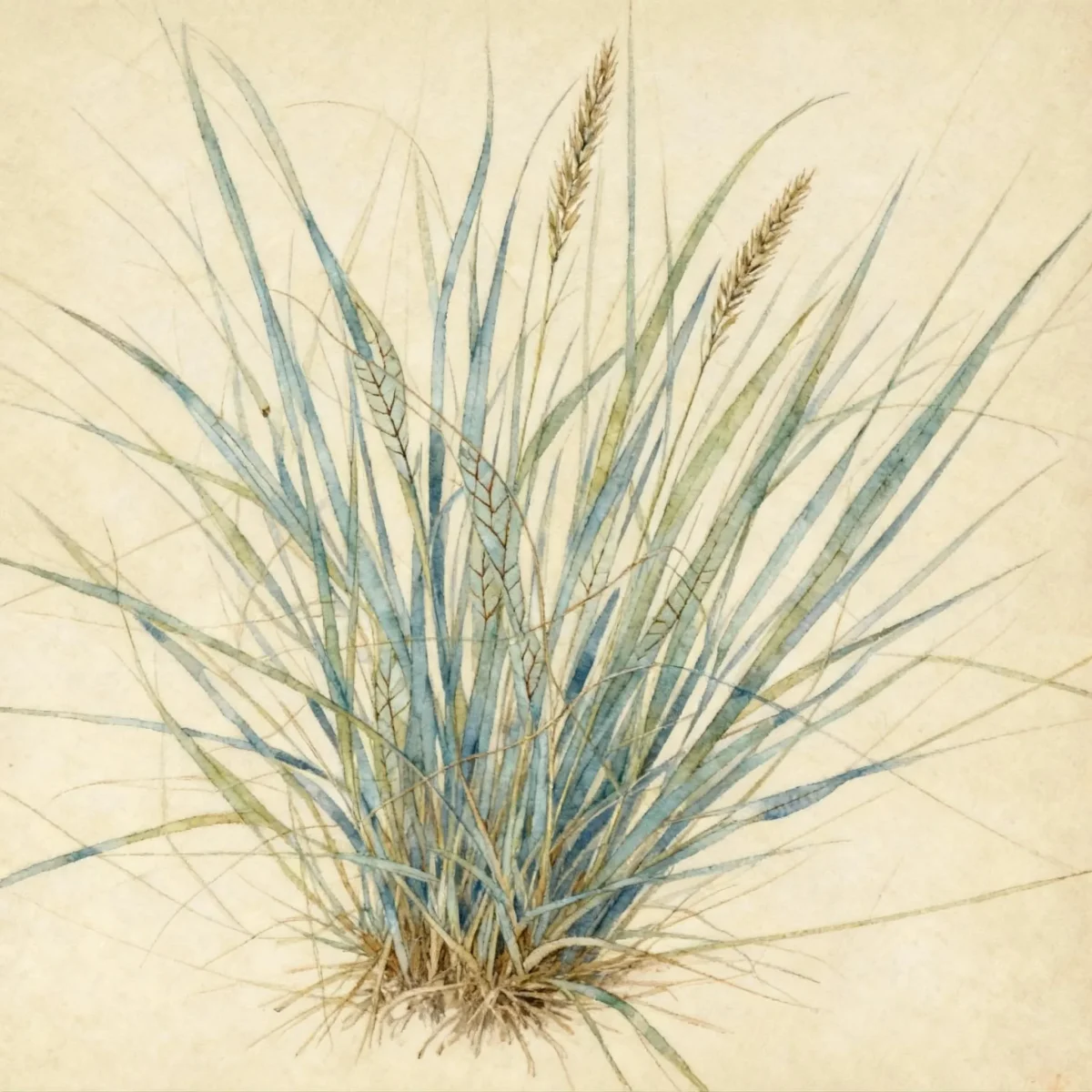
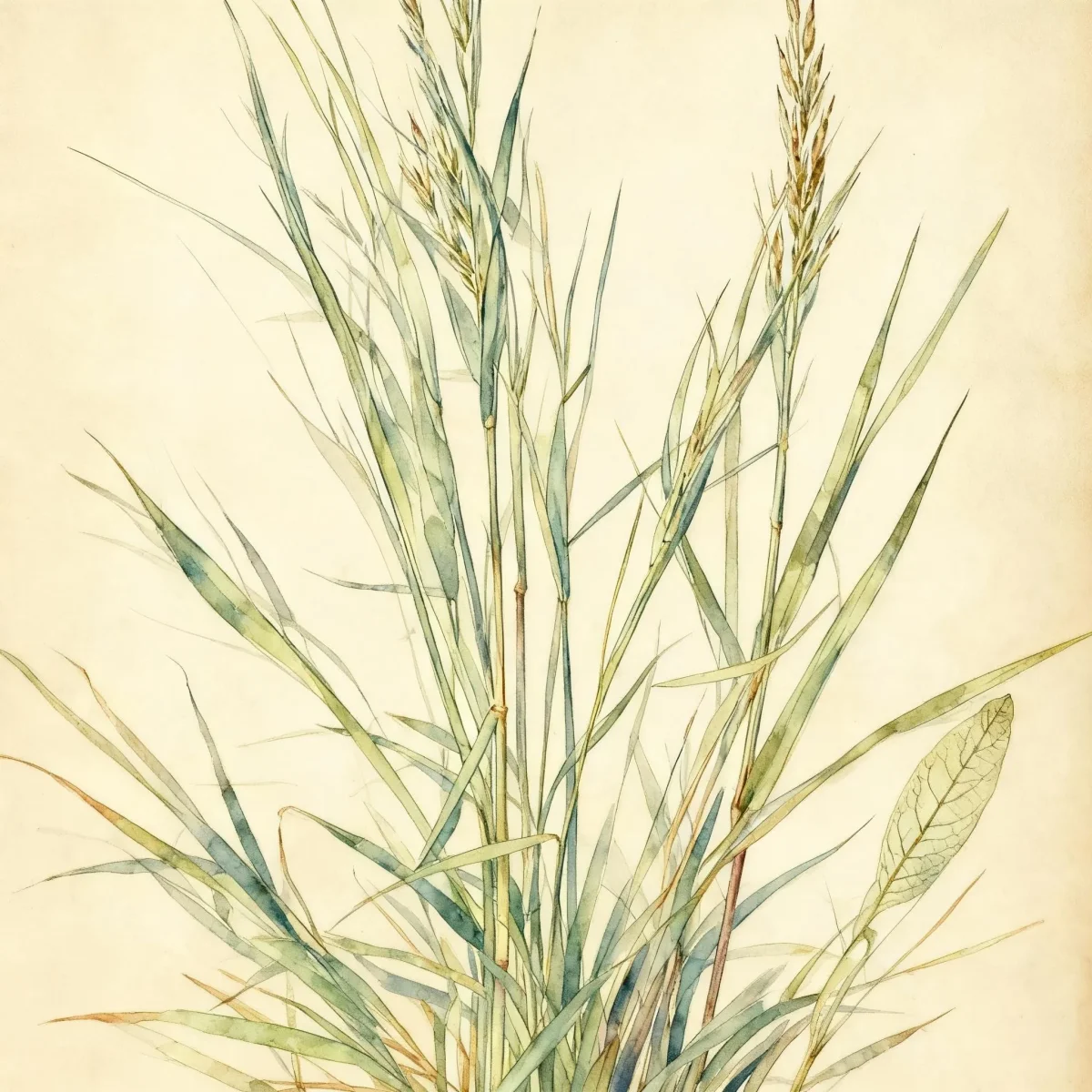
Prairie dropseed (Sporobolus heterolepis)
Discover Prairie dropseed (Sporobolus heterolepis), a drought-tolerant, low-maintenance ornamental grass. Perfect for naturalizing.
Scroll down to discover growing tips, care requirements, companion plants, and more
Complete Plant Information
Overview
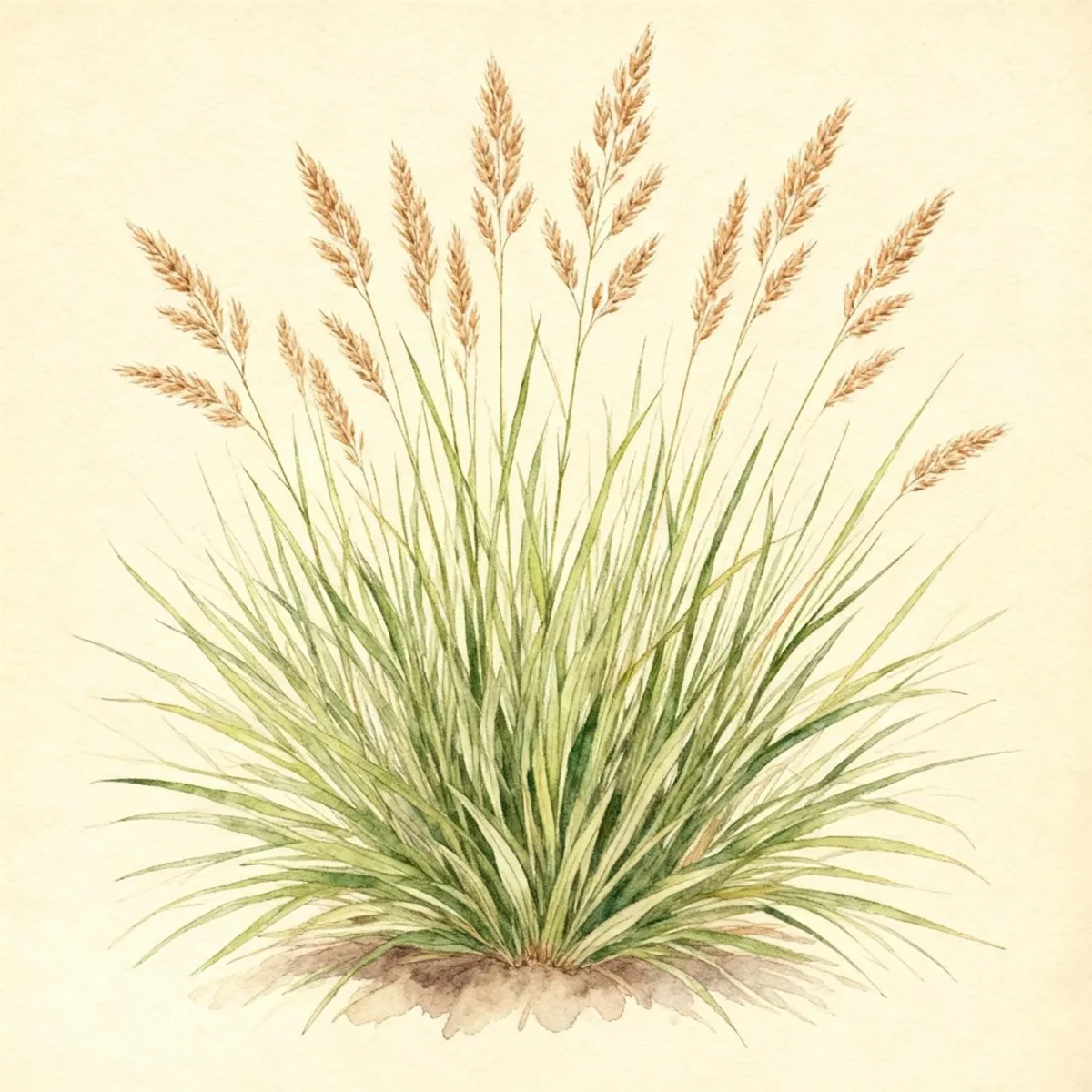
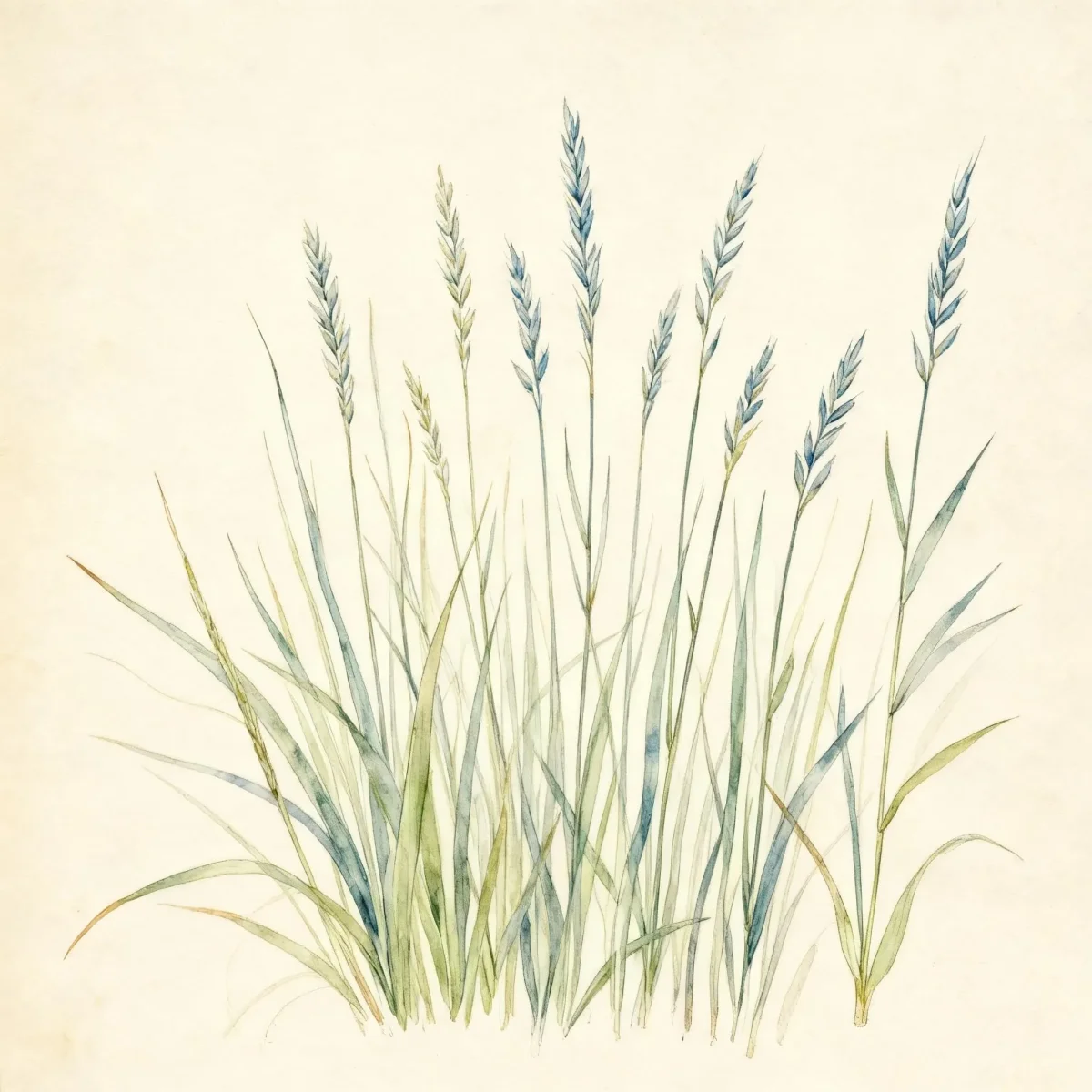
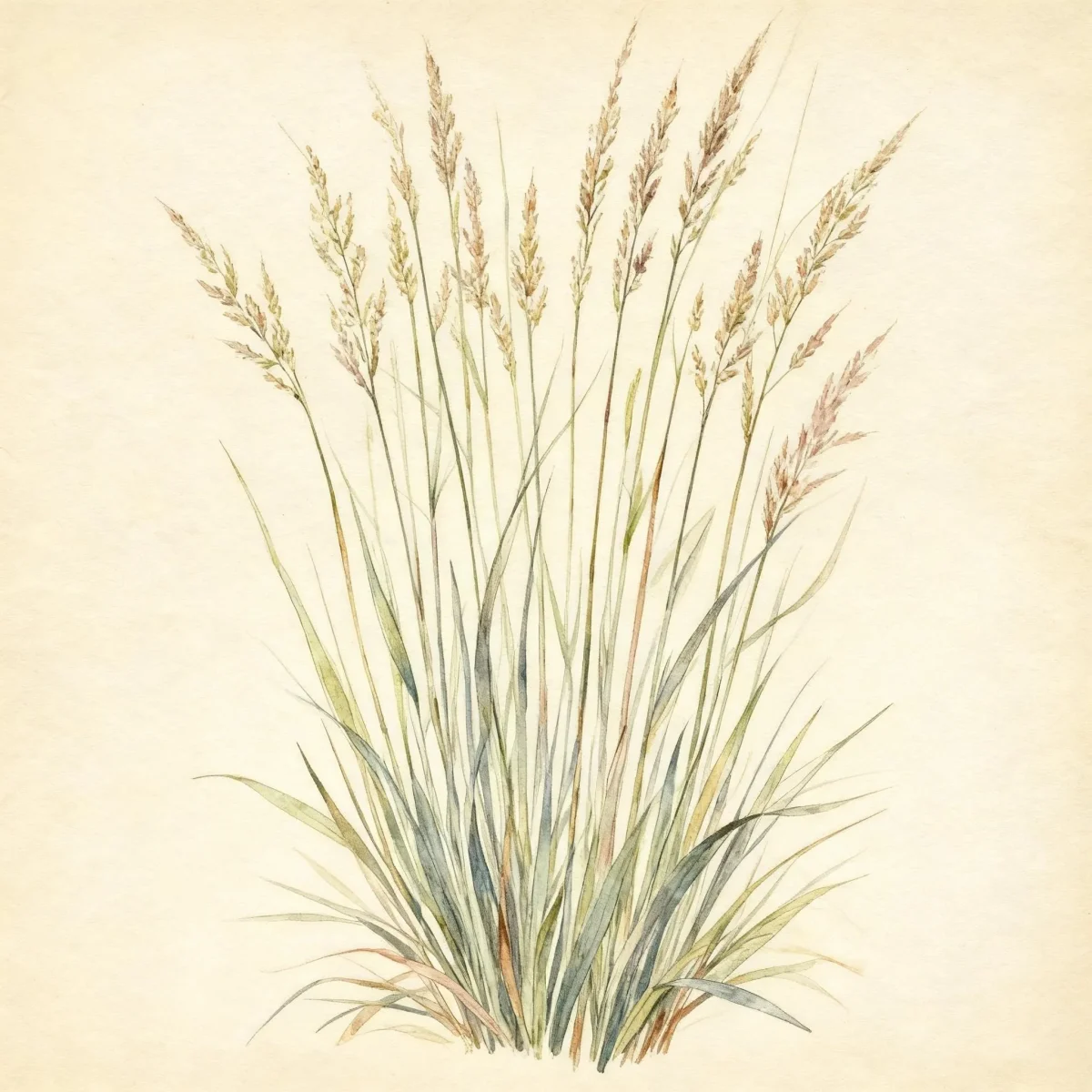
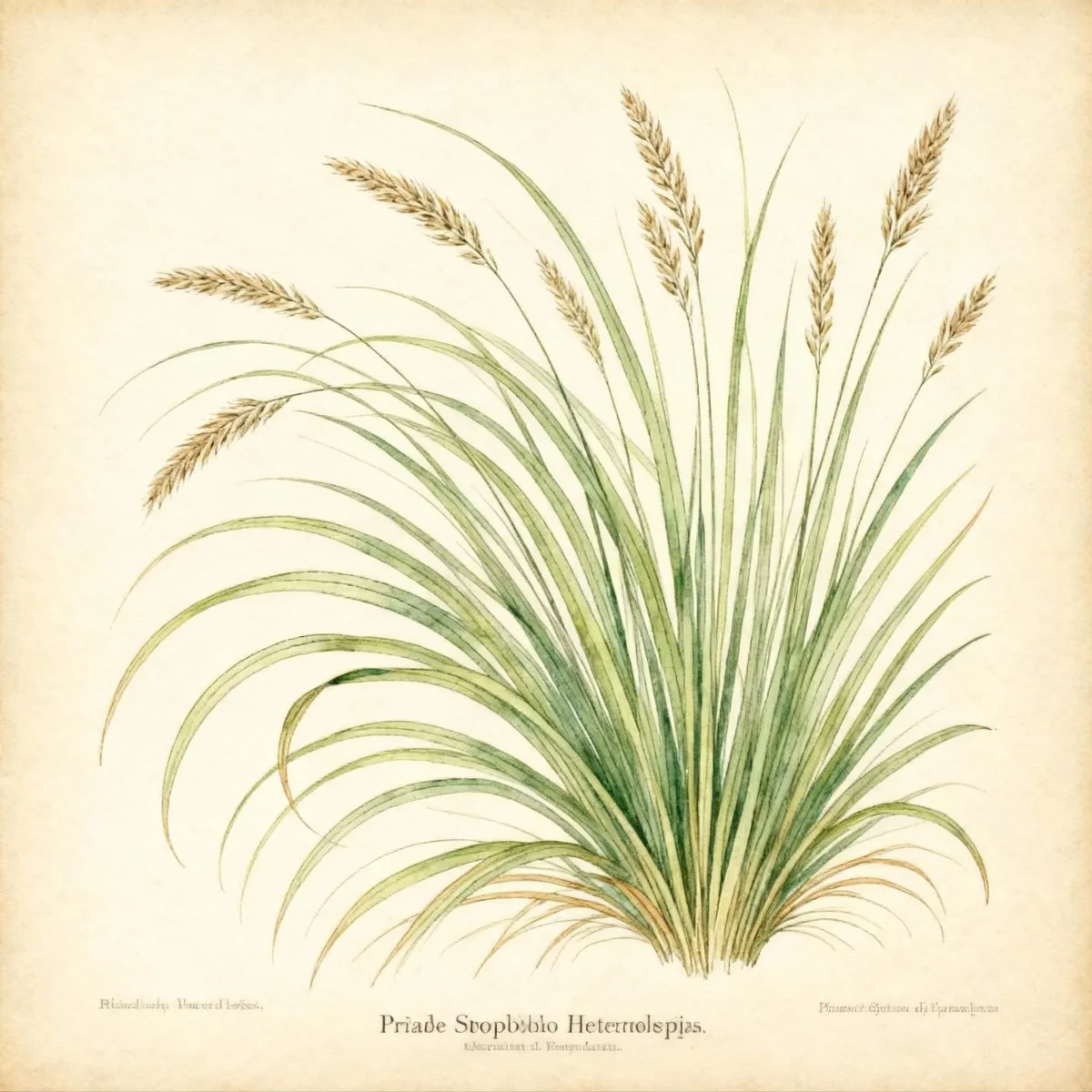
Prairie dropseed (Sporobolus heterolepis) is a clump-forming, warm-season perennial grass highly valued for its fine texture and reliable performance in harsh conditions. This Native American delight brings structure and movement to the landscape, transforming into golden hues during the fall before settling into a light bronze in winter. Gardeners appreciate Sporobolus heterolepis for its resilience and elegant, airy flower heads that appear late in the season.
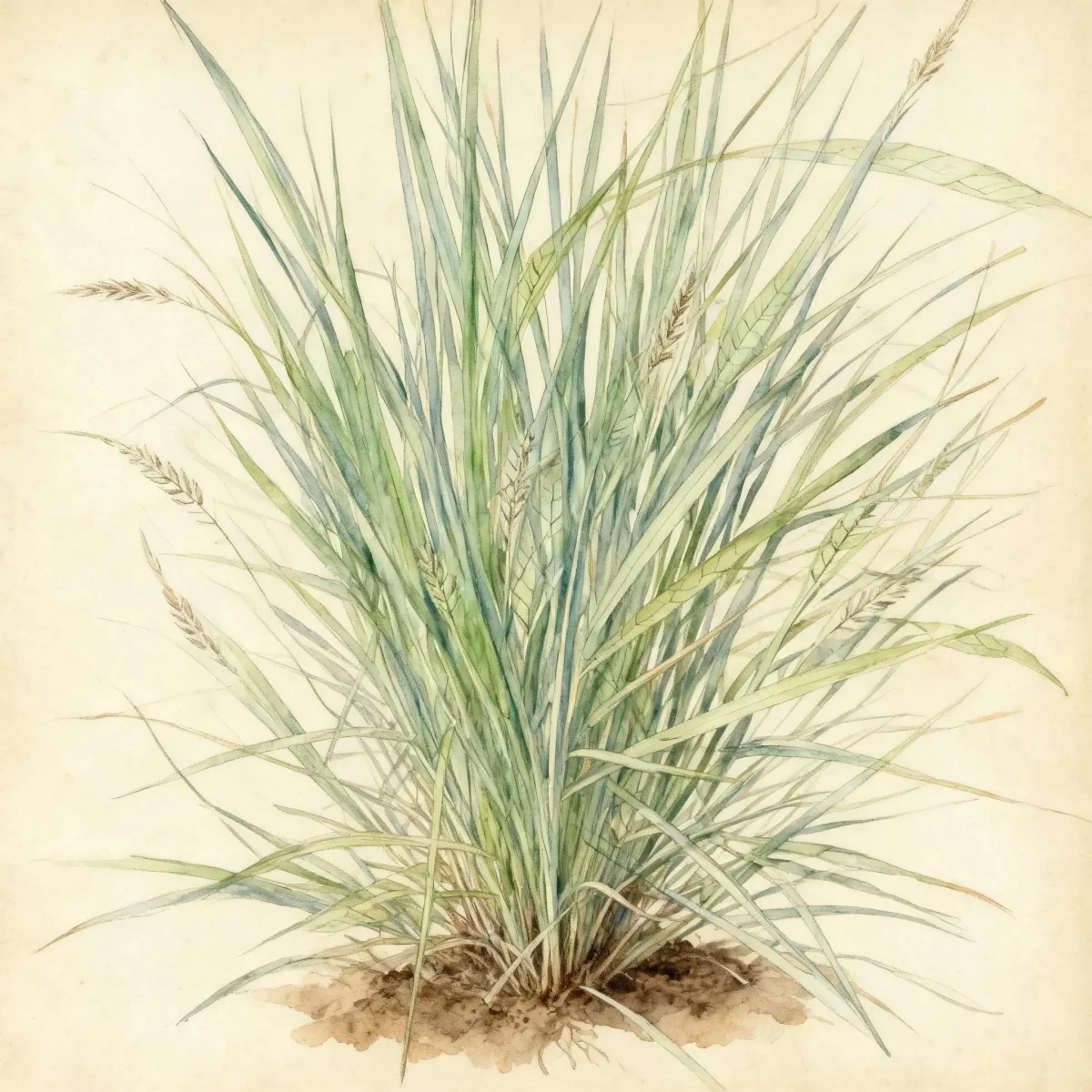
This species typically forms neat, arching mounds of medium-green, hair-like foliage that remains attractive throughout the growing season. While Sporobolus heterolepis is slow to establish, its exceptional drought tolerance and adaptability make it a worthwhile long-term investment for sustainable landscaping. It remains one of the most iconic grasses native to North American prairies.
The characteristic that truly sets Prairie dropseed apart is the unique, noticeable scent emanating from its tiny flowers, often described as reminiscent of popcorn or coriander. This subtle yet distinctive feature adds another sensory layer to gardens where low maintenance and native structure are priorities.
Fast Facts
- Plant Family: Poaceae
- Plant Type: Ornamental grass
- Native Range: North America
- Hardiness Zones: USDA Zones 3-9
- Size at Maturity:
- Height: 2-3 ft
- Spread: 2-3 ft
- Bloom Time: August to October
- Bloom Description: Pink and brown-tinted
- Sun Exposure: Full sun
- Water Needs: Dry to medium
- Maintenance Level: Low
How to Grow
Plant Prairie dropseed in the spring once the danger of frost has passed, giving it the entire warm season to establish a robust root system. It thrives best when placed in a location receiving full sun exposure throughout the day. While adaptable, it performs optimally in well-drained soils, though it tolerates a wide range of soil types, including heavy clays, and even those that are dry or shallowly rocky.
Once established, watering needs for Sporobolus heterolepis are minimal, meeting its preference for dry to medium moisture conditions—it possesses excellent drought tolerance. Fertilization is generally unnecessary, as native grasses often perform best without supplemental feeding, which can encourage unwanted weak, floppy growth. Maintenance is low, focusing primarily on an annual trimming.
For spring cleanup, cut back the old foliage close to the ground just before new growth begins. Since the plant is slow-growing and does not freely self-seed, patience is required during the first year, but established clumps provide reliable structure for years to come. Avoid disturbing established plants, as they are slower to recover from transplanting.
Landscape Uses
Sporobolus heterolepis excels in large-scale environmental plantings, fitting perfectly into areas designated for naturalizing, such as meadows or prairies. Its fine texture provides a beautiful contrast when placed against bolder, coarser-leaved perennials. The species is highly effective in rain gardens or on slopes where erosion control is needed, leveraging its deep roots.
As an accent plant, Prairie dropseed works well in modern or minimalist designs, either massed as a striking ground cover for hot, dry areas or featured individually near foundation plantings or along borders. Its height (2-3 feet) allows it to transition well between shorter ground covers and taller structural plants. Consider pairing Sporobolus heterolepis with drought-tolerant coneflowers or gayfeathers to maintain a cohesive, native aesthetic.
This ornamental grass also shines in rock gardens, where its preference for drier, possibly rockier soils is met naturally. The delicate plumes add vertical interest without overwhelming the view, making it an excellent textural element in the mid-layer of a border design.
Standout Features
Flower Qualities
- Showy
- Fragrant
Noteworthy Characteristics
Sporobolus heterolepis, called prairie dropseed, is a clump-forming, warm season, perennial grass which typically occurs in prairies, glades, open ground and along railroads in parts of the central and western United States and southern Canada. Fine-textured, hair-like, medium green leaves (to 20” long and 1/16” wide) typically form an arching foliage mound to 15” tall and 18” wide. Foliage turns golden with orange hues in fall, fading to light bronze in winter. The genus name Sporobolus comes from the Ancient Greek sporos meaning “seed” and ballo meaning “to throw,” referencing seed dispersal.
Tolerances
- Deer
- Drought
- Erosion
- Clay Soil
- Dry Soil
- Shallow-Rocky Soil
- Black Walnut
- Air Pollution
Potential Problems
This grass exhibits excellent hardiness, facing virtually no serious insect or disease problems under appropriate conditions. Gardeners should primarily focus on ensuring proper drainage, as soggy soil can lead to root rot, especially with young plants. If growth appears weak or leggy, it usually indicates insufficient sunlight rather than pest infestation.
If growth is desired from seed, remember that Prairie dropseed is slow-growing and does not readily self-seed in managed garden beds, so propagation often requires patience or division of established clumps.
Frequently Asked Questions
What hardiness zones is Prairie dropseed suitable for?
Sporobolus heterolepis is highly adaptable, suitable for USDA Zones 3 through 9.
How large does Sporobolus heterolepis grow?
This ornamental grass typically matures to a height between 2 and 3 feet, with a similar spread of 2 to 3 feet, forming a neat, arching mound.
What sun exposure does Prairie dropseed need?
For best performance and flowering, Sporobolus heterolepis requires full sun exposure daily.
When does Prairie dropseed bloom?
Bloom time for this species is late summer into fall, typically from August to October, featuring notable pink and brown-tinted flowers.
Conclusion
The unique structure, fall color, and remarkable tolerance to adverse conditions make Prairie dropseed (Sporobolus heterolepis) an indispensable North American native. Its low maintenance requirements ensure beauty without the hassle, especially in dry or poor soil locations. Consult your local hardiness map and plan to install this grass when soil temperatures are warming to maximize establishment success.
Companion Planting
When selecting partners for Sporobolus heterolepis, focus on species that share its preference for full sun and dry to medium moisture levels. Plants that offer contrasting textures, such as those with broad leaves or larger flower heads, highlight the fine structure of the grass. Consider pairing it with Echinacea purpurea (Coneflower) or shorter Rudbeckia species for mid-summer color that matures alongside the grass blooms.
For a truly native aesthetic, plant Prairie dropseed alongside other prairie stalwarts like Liatris spicata (Blazing Star) or Asclepias tuberosa (Butterfly Weed). These combinations thrive under similar lean soil and drought conditions, creating a naturalistic drift that requires minimal intervention once established. Because Sporobolus heterolepis spreads slowly, avoid planting overly aggressive companions that might choke out its base during the establishment phase.
Wildlife Benefits
While not primarily grown for nectar, the seeds produced by Sporobolus heterolepis provide valuable forage, especially later in the year when other sources diminish. The resulting “dropped seeds” give the plant its common name and are utilized by various seed-eating birds. Furthermore, the dense, low-growing clumps offer essential low-level cover and protective habitat for ground-nesting invertebrates and small beneficial insects throughout the season.
The plant’s native status ensures it supports local ecology better than non-native ornamental choices. Its ability to handle dry soils also means it provides reliable cover even during periods of summer drought when other pollinator plants might go dormant or decline, offering consistent refuge for wildlife.