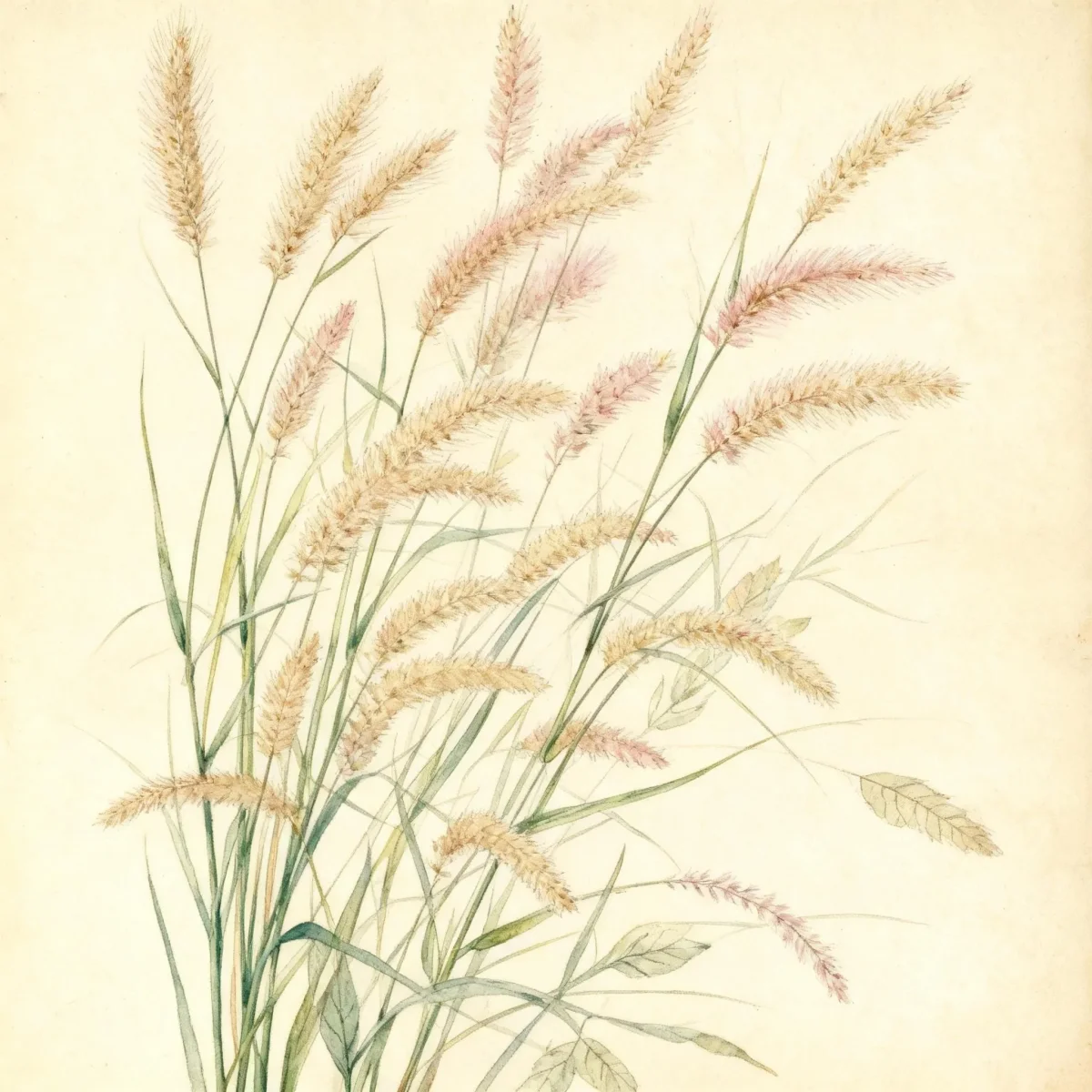
American beakgrain (Diarrhena americana)
Diarrhena americana, or American beakgrain, is a tough, spreading perennial grass ideal for shady, moist woodland gardens.
Scroll down to discover growing tips, care requirements, companion plants, and more
Complete Plant Information
Overview
Diarrhena americana, commonly known as American beakgrain, is a highly valuable, tough perennial grass for gardeners struggling with deep shade. This Missouri native excels where many turf grasses fail, thriving in moist, rich woodlands and shady borders. Its adaptation to difficult spots makes it a reliable choice for naturalizing landscapes.
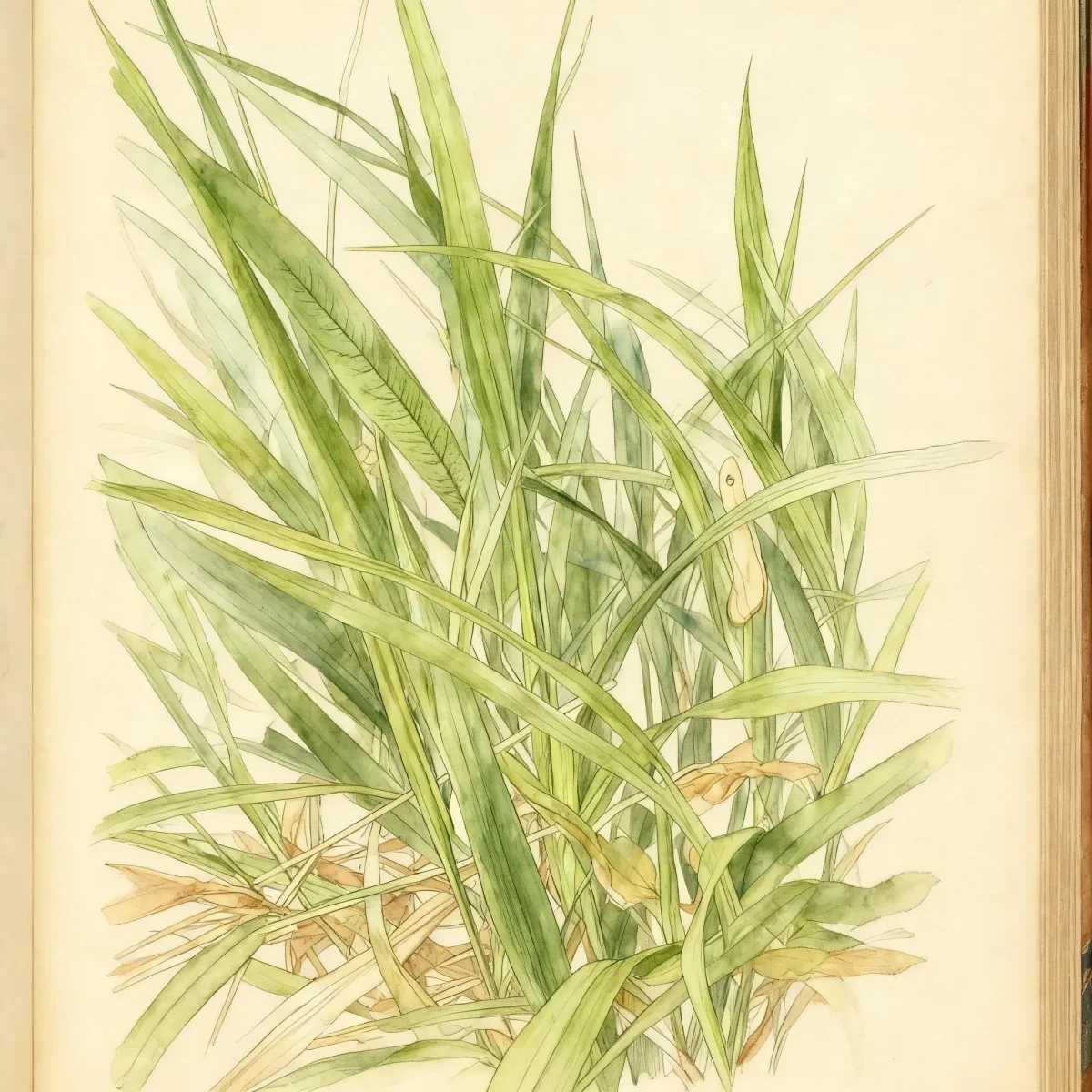
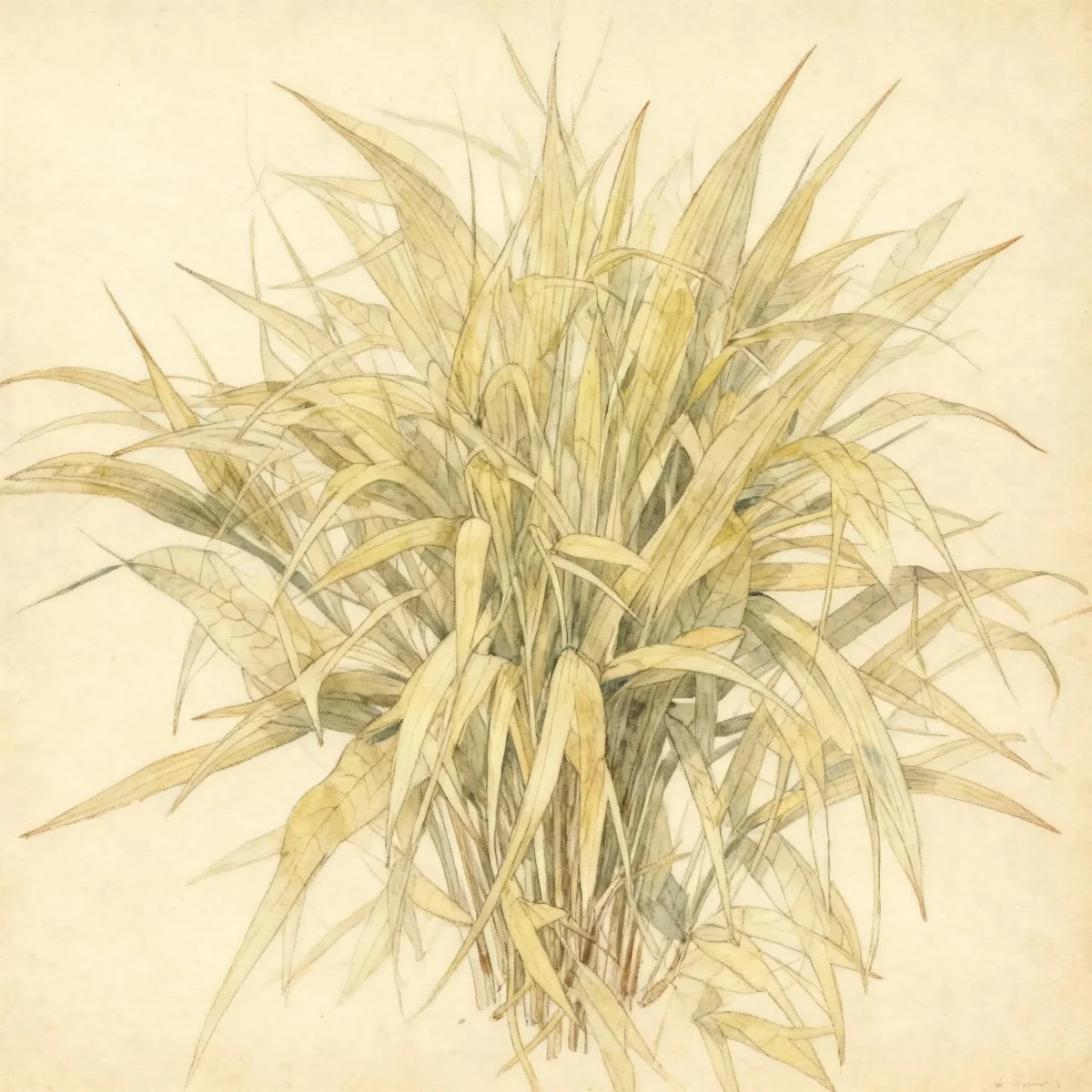
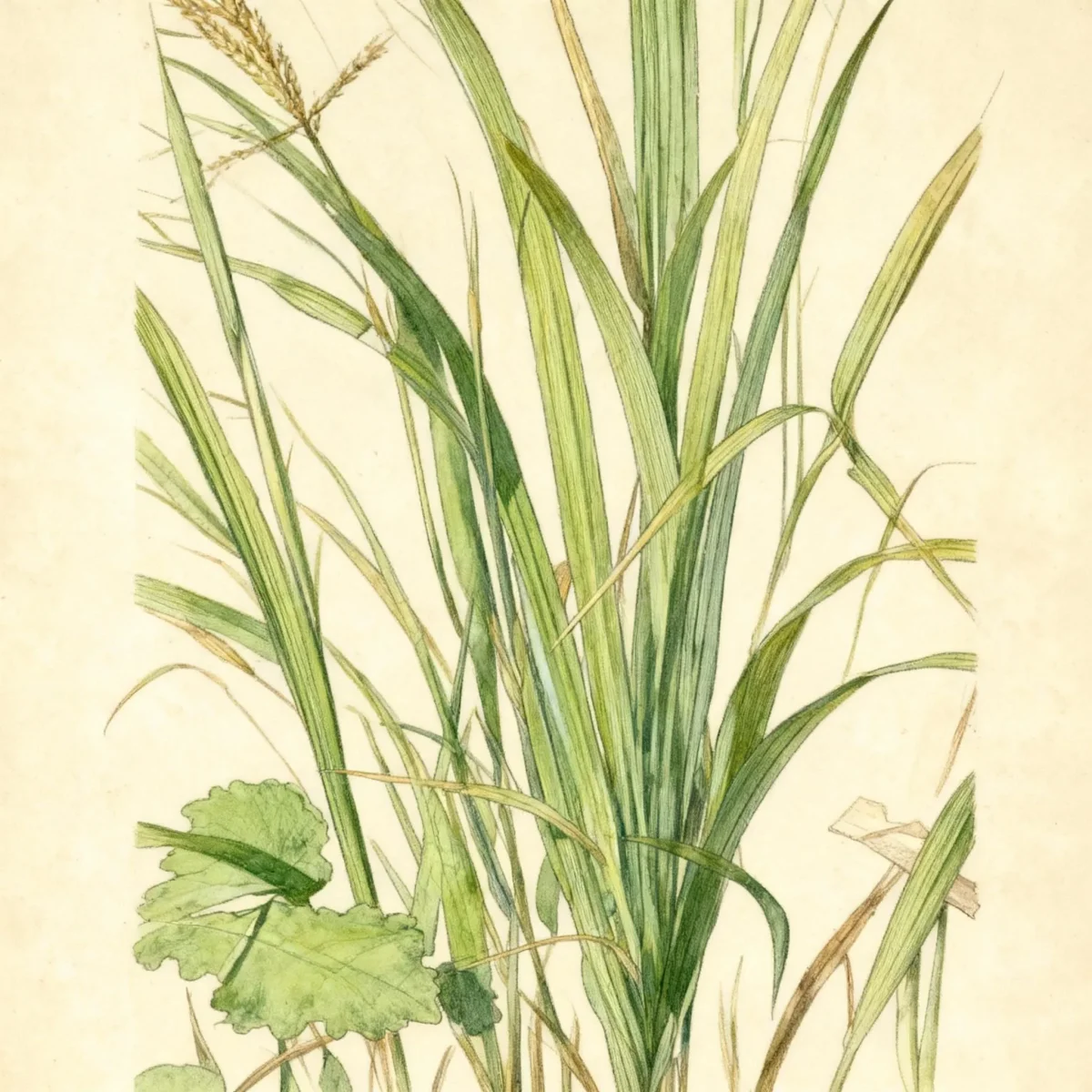
This ornamental grass typically reaches 2 to 3 feet tall and spreads via slender, creeping rhizomes, allowing it to form dense, effective colonies over time. The upright, arching foliage provides excellent texture contrast, featuring shiny, narrow, bright green blades that transition nicely to golden tones in the autumn before settling into a tan winter hue.
The appeal of Diarrhena americana lies in its reliable performance in low-light conditions and its relatively low impact maintenance requirements. It offers excellent coverage for slopes or woodland areas, establishing itself quickly without demanding excessive attention once sited correctly.
Fast Facts
- Plant Family: Poaceae
- Plant Type: Ornamental grass
- Native Range: Central and eastern United States
- Hardiness Zones: USDA Zones 4-8
- Size at Maturity:
- Height: 2-3 ft
- Spread: 2-3 ft
- Bloom Time: June to July
- Sun Exposure: Part shade to full shade
- Water Needs: Medium
- Maintenance Level: Low
How to Grow
Planting American beakgrain is best done in spring or early fall, allowing its rhizomes time to establish before extreme summer heat or winter freezes. Locate Diarrhena americana where soils are average to medium moist. While it tolerates dry soil once established, it thrives best in rich, moist environments typical of its native woodland habitat.
Care for this grass is straightforward. While established plants handle drought well, provide medium water, especially during prolonged dry spells or when initially setting out new clumps. Fertilization is rarely necessary if the soil quality is adequate, as high fertility can sometimes encourage flopping.
Pruning is typically limited to a single annual cleanup. In late winter or very early spring, before new growth emerges, shear off the old tan foliage to tidy the clump and encourage fresh, bright green blades. Its rapid spreading via rhizomes means that division may be necessary every few years for contained plantings.
Landscape Uses
The primary recommendation for Diarrhena americana is as a tough, spreading ornamental grass specifically for deeply shady areas. It readily naturalizes, making it an excellent choice for mass plantings on woodland edges or shaded slopes where bank stabilization is desired. The graceful texture softens the hard lines of larger trees and shrubs.
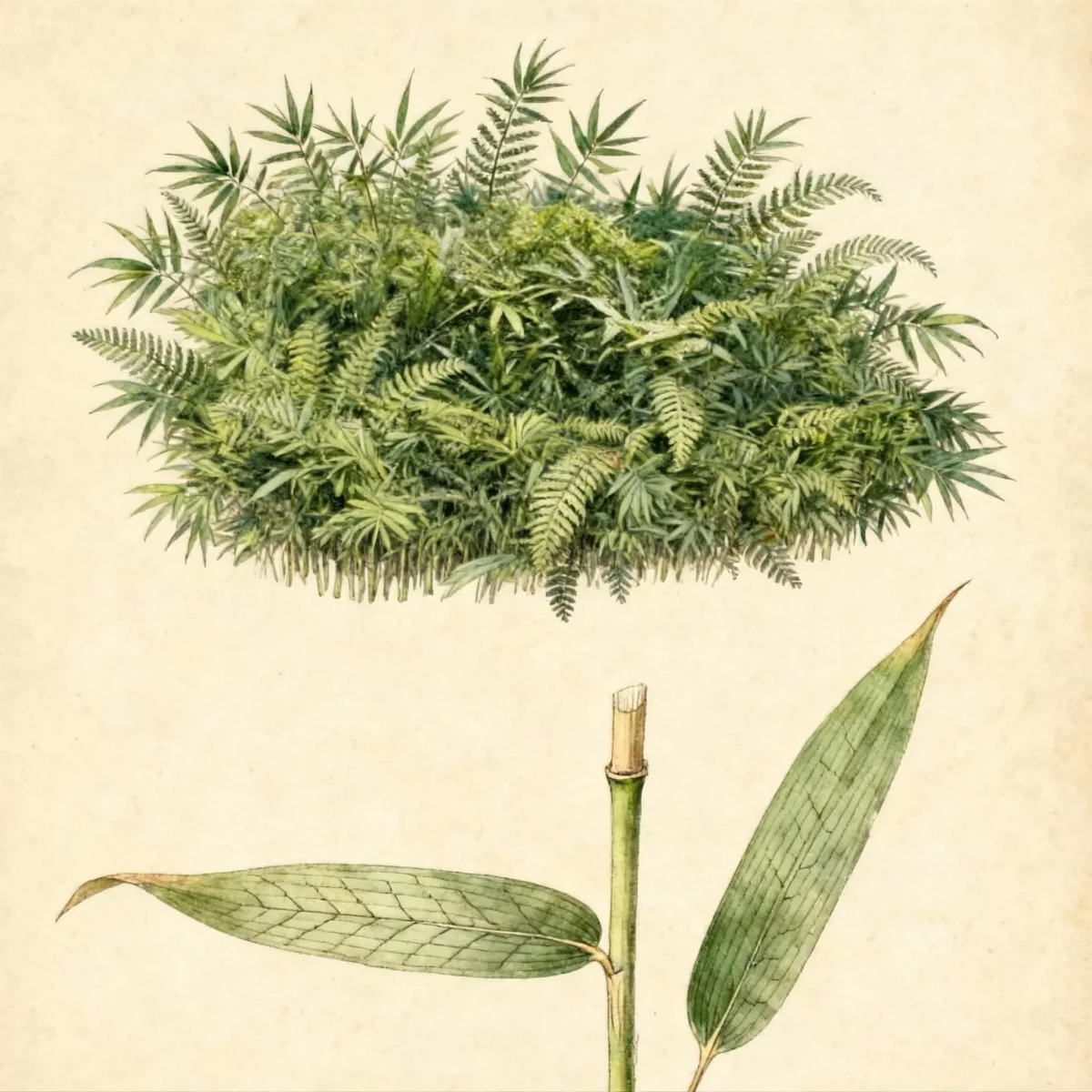
Consider planting American beakgrain in native plant gardens where the focus is on region-appropriate, low-impact horticulture. It pairs well with shade-loving perennials like ferns, hostas, or wild ginger, where the fine texture of the grass contrasts beautifully with their broader leaves. It excels in large swaths beneath mature deciduous trees.
Standout Features
Flower Qualities
- Insignificant
Noteworthy Characteristics
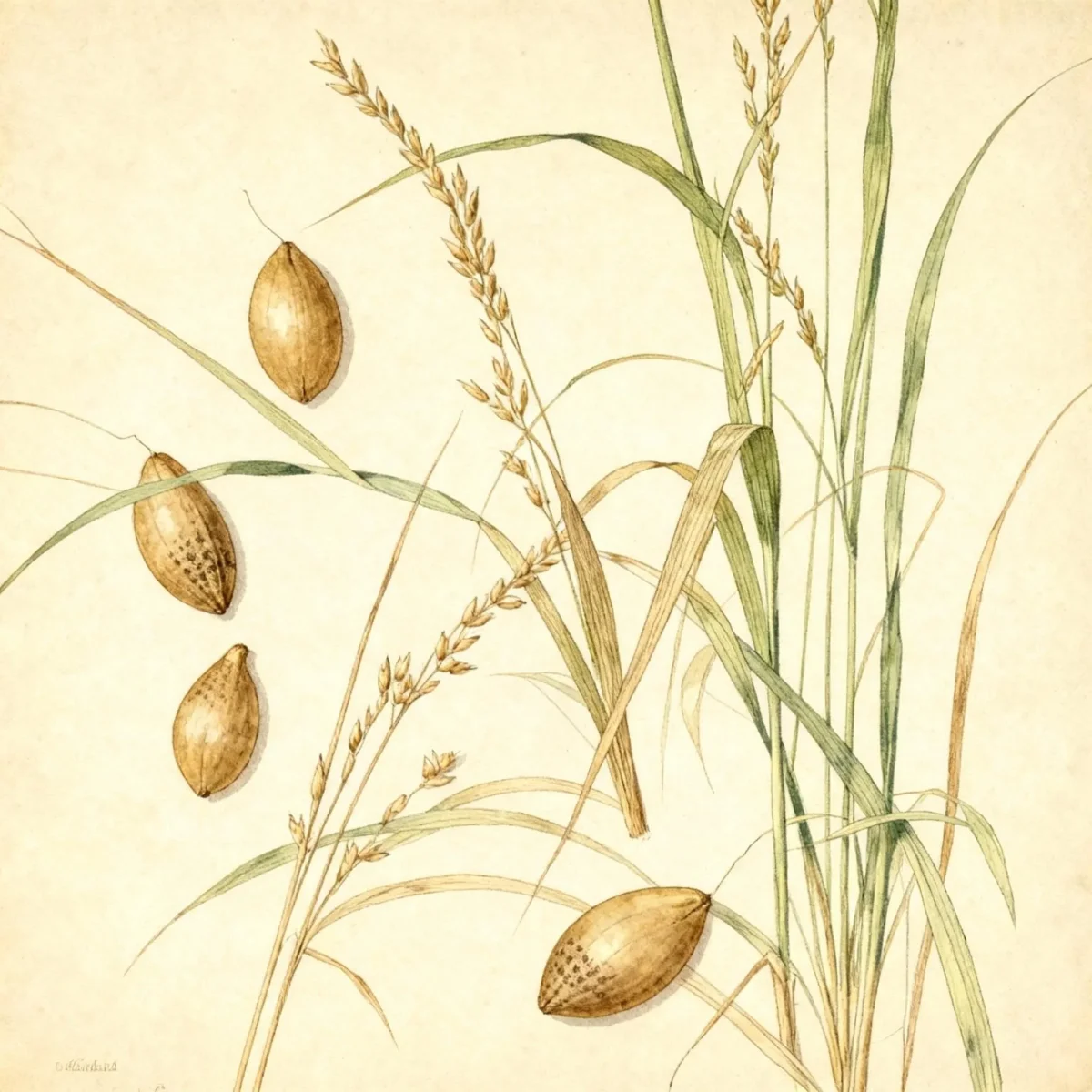
Diarrhena americana is recognized for its glossy foliage that darkens beautifully toward autumn. The plant typically reaches 2-3’ high, arising from rich, moist woods in its native range. Flowers are inconspicuous, giving way to distinctive hard, brown seed heads in late summer, where each seed possesses a blunt, characteristic beak that earns it the name American beakgrain.
Tolerances
- Drought
- Heavy Shade
- Dry Soil
- Black Walnut
- Air Pollution
Potential Problems
Diarrhena americana is highly valued because it presents virtually no serious insect or disease problems under normal cultivation. Gardeners should focus on ensuring adequate moisture during establishment, particularly if planting in heavier, drier soils found beneath mature tree canopies where competition is high. If allowed to dry out excessively, growth can become stunted, but pests rarely pose a threat.
Frequently Asked Questions
What hardiness zones is American beakgrain suitable for?
Diarrhena americana is reliably hardy across USDA Zones 4 through 8, offering wide adaptability across much of the eastern and central United States.
How large does American beakgrain grow?
This ornamental grass typically matures to a height between 2 and 3 feet, with a comparable spread of 2 to 3 feet, forming somewhat dense colonies over time.
What sun exposure does Diarrhena americana need?
American beakgrain performs best in part shade to full shade, making it an excellent structural plant for dark areas of the landscape.
When does Diarrhena americana bloom?
The inconspicuous flowers, which are greenish in color, generally appear throughout the summer months, specifically from June to July.
Conclusion
The American beakgrain (Diarrhena americana) provides dependable structure and fine-textured foliage for challenging, shaded sites where few other grasses succeed. Its low maintenance and high tolerance for tough conditions, including black walnut competition, make it an irreplaceable native component of woodland gardens. Check your local USDA zone compatibility and plan your mass plantings for effective, lush shade coverage this coming season.
Companion Planting
When integrating Diarrhena americana into a shade garden, pairing it with plants that enjoy similar moisture levels will ensure the best ecosystem health. Consider companion planting with native woodland spring ephemerals like Trillium or Virginia Bluebells, as the grass foliage won’t fully emerge until these spring bloomers are beginning to die back. The textural contrast between the fine grass blades and large-leafed plants, such as Hosta or large native ferns (like Christmas or Ostrich Ferns), creates a dynamic visual effect throughout the long summer season.
Propagation Tips
The most effective way to propagate Diarrhena americana is through division of the established clumps. Since this grass spreads naturally by slender, creeping rhizomes, spring is the ideal time to divide large masses into smaller sections for redistribution or sharing. Carefully lift sections of the established colony, ensuring each division retains a healthy mass of root and rhizome material. Replant these divisions promptly into prepared, moist soil to minimize transplant shock and encourage rapid re-establishment.