Pink muhlygrass (Muhlenbergia capillaris)
Discover Pink muhlygrass (Muhlenbergia capillaris), the superstar ornamental grass offering spectacular pink fall plumes. Low maintenance and drought tolerant.
Scroll down to discover growing tips, care requirements, companion plants, and more
Complete Plant Information
Overview
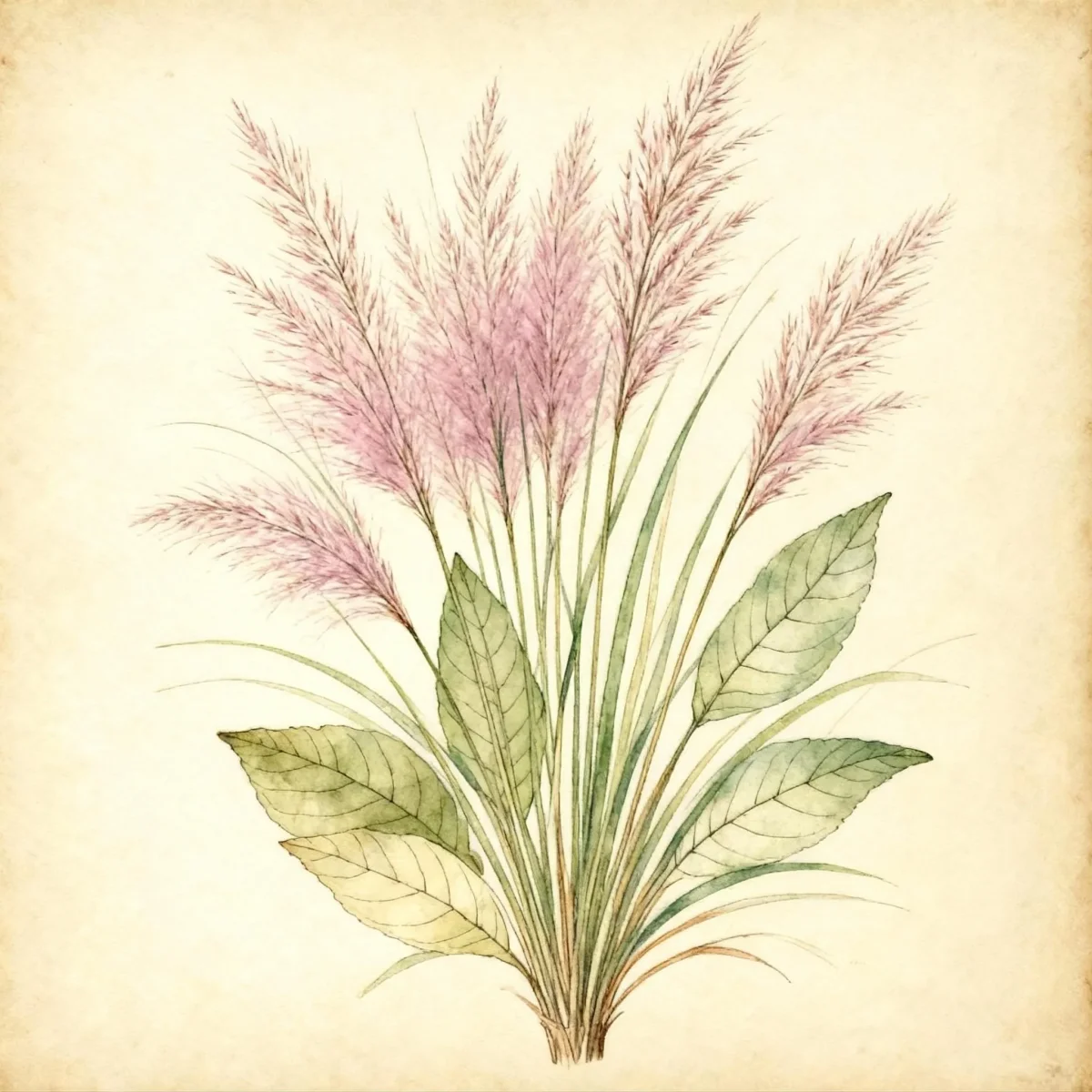
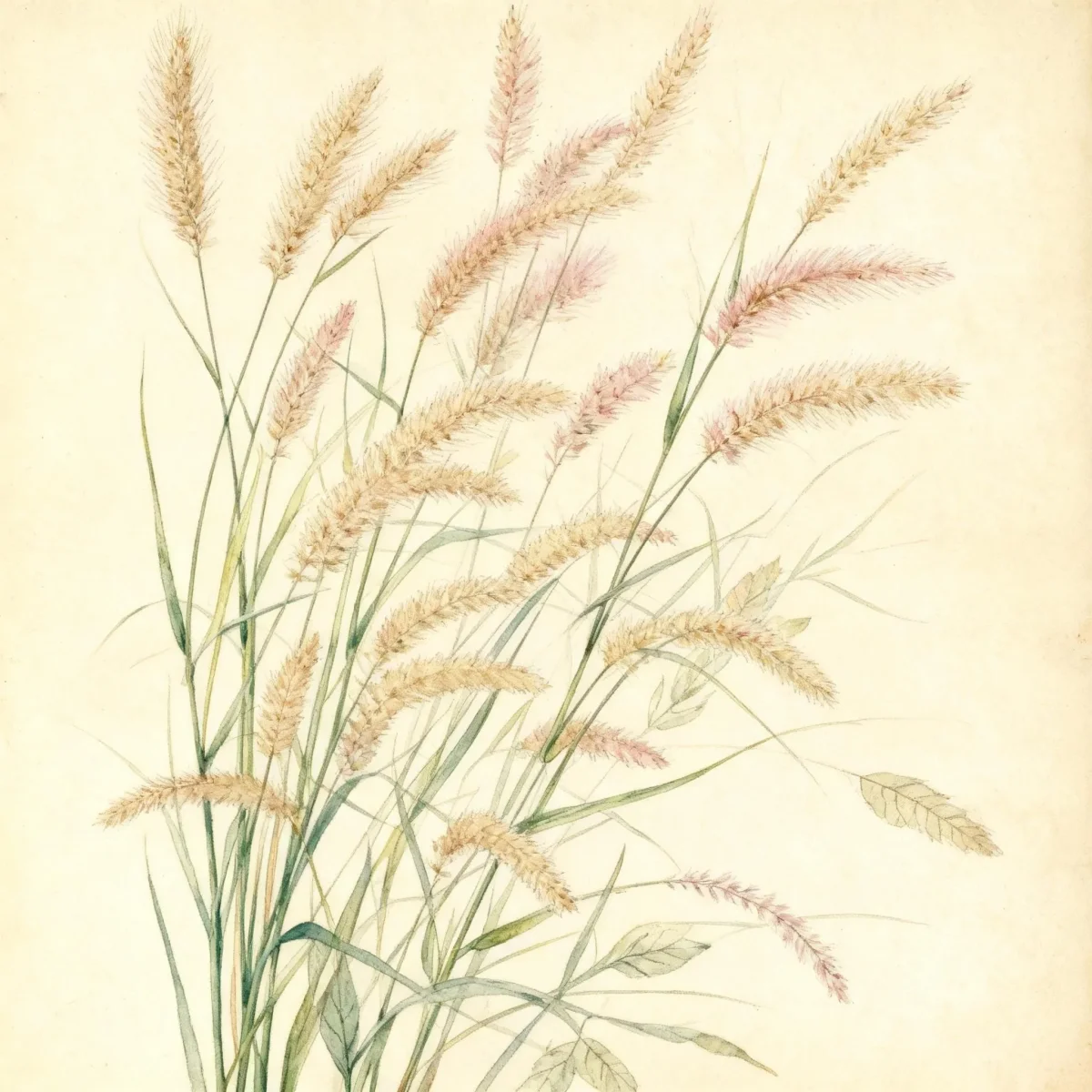
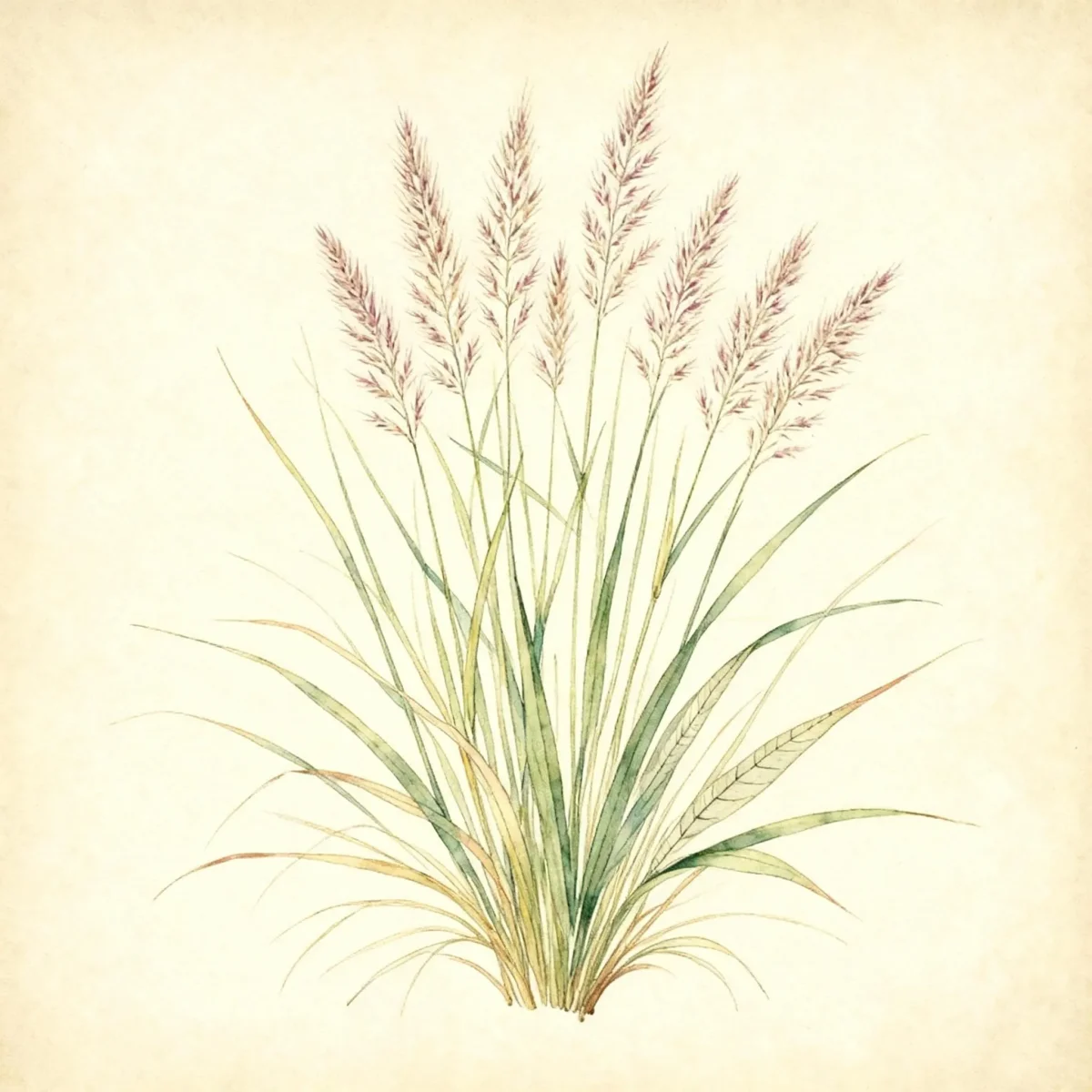
Muhlenbergia capillaris, widely recognized as Pink muhlygrass, is cherished by gardeners for its exceptionally dramatic late-season floral display. This clump-forming, warm-season perennial transforms the landscape when its airy inflorescences erupt in a cloud of pink to pinkish-red color, making it a true standout. Native to prairies and open woodlands across the Western-central United States, this grass brings both structure and ephemeral beauty to garden designs.
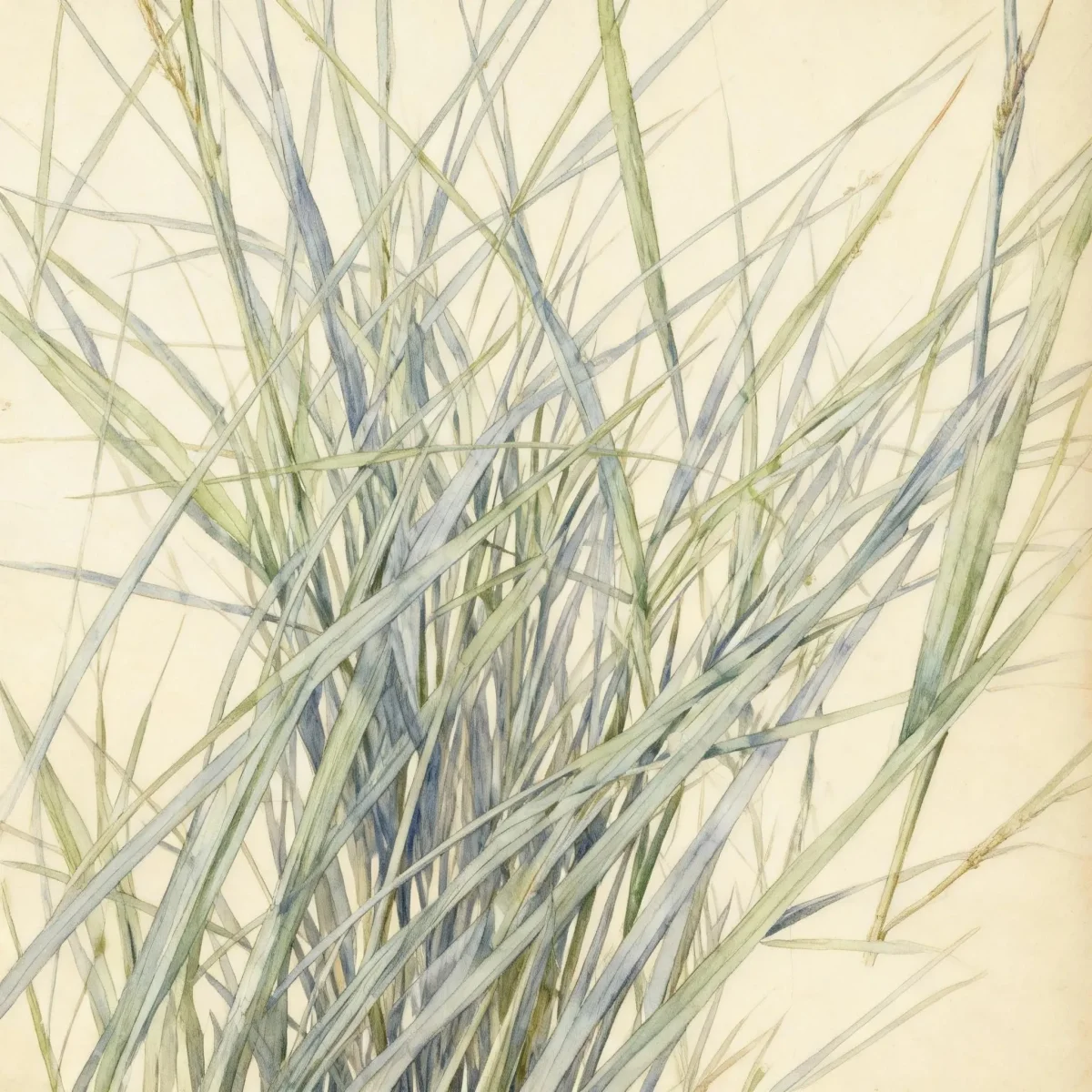
The foliage of Muhlenbergia capillaris consists of glossy, thread-like dark green leaves that form an attractive basal clump throughout the summer months. While the summer habit is tidy, the plant’s renown comes from the lengthy bloom period spanning September through November. Its remarkable resilience, coupled with low maintenance needs, makes Pink muhlygrass an indispensable feature for contemporary and native landscape designs.
Ideal for mass plantings, Muhlenbergia capillaris handles tough conditions with ease, thriving where many other ornamental plants struggle. Its ability to tolerate heat, humidity, and poor soils adds significant functional value to challenging sites, guaranteeing reliable return and spectacular color year after year.
Fast Facts
- Plant Family: Poaceae
- Plant Type: Ornamental grass
- Native Range: Western-central United States
- Hardiness Zones: USDA Zones 5-11
- Size at Maturity:
- Height: 2-3 ft
- Spread: 2-3 ft
- Bloom Time: September to November
- Bloom Description: Pink to pinkish-red
- Sun Exposure: Full sun to part shade
- Water Needs: Dry to medium
- Maintenance Level: Low
How to Grow
For optimal performance and the most intense pink plumes, plant Muhlenbergia capillaris in full sun, although it tolerates light shade. The best growing conditions involve sandy or rocky, well-drained soils with dry to medium moisture levels. This grass is highly adaptable and notably tolerant of poor soils and urban conditions, though plants tend to grow slightly taller when provided with consistent moisture.
Establish new plants in the spring, as this is the best time for propagation by seed or division. While very tolerant of drought once established, adequate water during the initial growing season will help the Pink muhlygrass anchor itself well. It does not spread aggressively via rhizomes, maintaining its neat, clump-forming habit.
Maintenance for Muhlenbergia capillaris is minimal. No required fertilizing is typically needed, especially if grown in lean soils where it performs excellently. Pruning involves cutting the entire clump back to a few inches above the ground in late winter or very early spring before new growth begins. Leave the tan seed plumes standing through winter, as they offer excellent textural interest against snow or frost.
Landscape Uses
The primary recommended use for Pink muhlygrass is to naturalize areas, creating sweeping drifts of texture and color. It is spectacular when grouped or massed to showcase its late-season chromatic impact across large spaces or slopes. Consider using it in native plant areas, cottage gardens, or along borders where its movements can catch the light.
Because of its drought tolerance, Muhlenbergia capillaris pairs wonderfully with other tough, sun-loving perennials native to open woodlands or prairies. Look to contrasting textures, such as broader-leaved sedges or coneflowers, for complementary planting schemes. The fine texture of the plumes also serves as an excellent haze or backdrop for brighter, bolder fall-blooming flowers.
Massing these grasses provides effective cover over areas with poor soils where turfgrasses or bedding plants might fail. The resulting effect is a soft, ethereal boundary that frames sharper architectural plantings or hardscapes.
Standout Features
Flower Qualities
- Showy
Noteworthy Characteristics
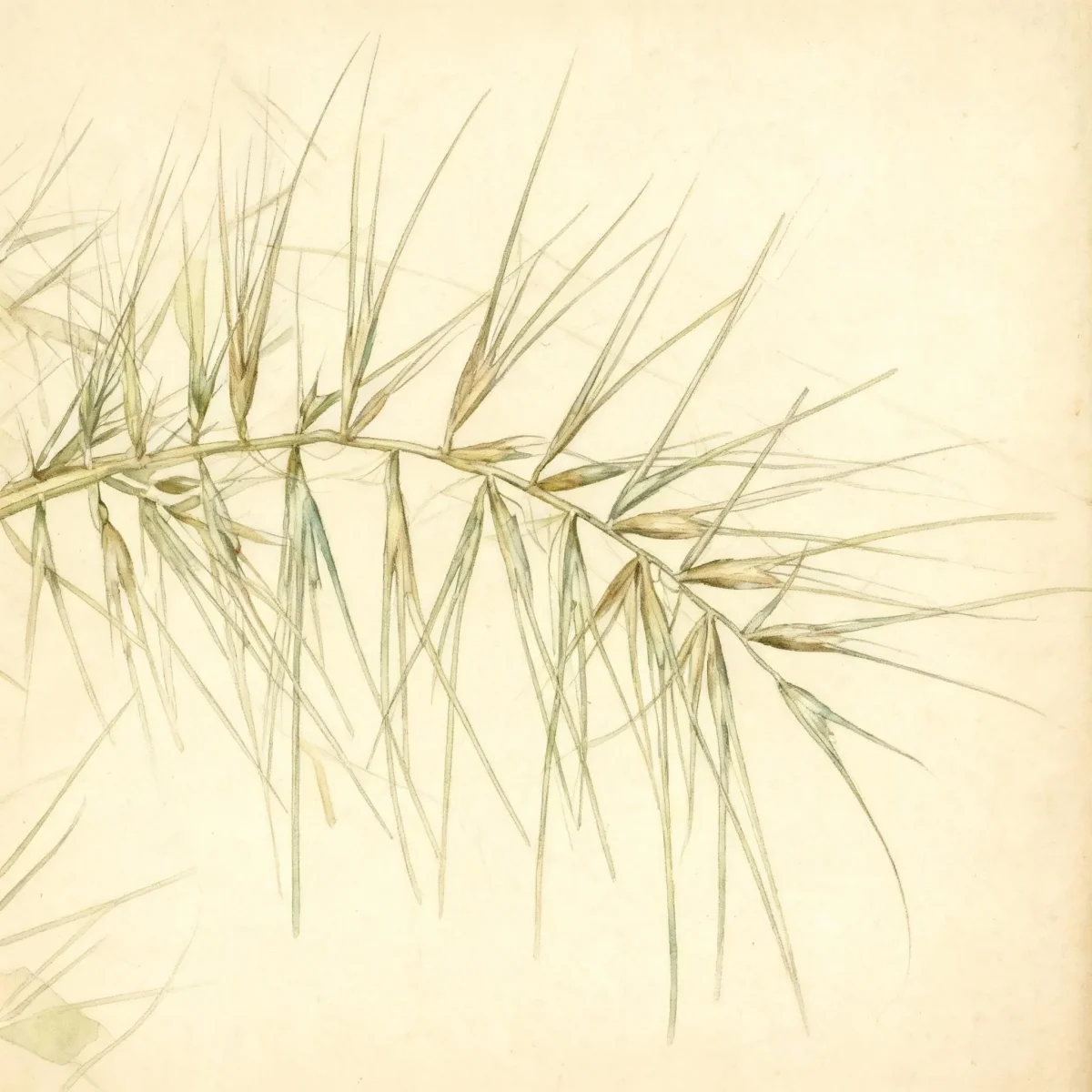
Muhlenbergia capillaris, commonly called pink muhlygrass or pink hair grass, is a clump-forming, warm season, perennial grass noted for its attractive summer foliage and spectacular clouds of fall flowers. Masses of airy, open, loosely branched inflorescences in pink to pinkish-red float above the foliage during a lengthy fall bloom period. Tan seed plumes remain attractive throughout the winter, adding architectural interest long after the color fades.
Tolerances
- Drought
- Black Walnut
- Air Pollution
Potential Problems
This plant is recognized for having no serious insect or disease problems, making it a reliable low-maintenance choice for gardeners. Its inherent toughness minimizes the need for chemical intervention against pests or pathogens in most settings. Avoid overwatering, as consistent excessive moisture can sometimes lead to root issues, although its primary requirement is dry to medium soil.
Because Muhlenbergia capillaris thrives in lean soils, avoid heavy fertilization, which generally produces weak, floppy growth rather than dense clumps and vibrant flowers. Proper spacing ensures good air circulation, further denying opportunities for fungal issues that might arise under humid, dense conditions.
Frequently Asked Questions
What hardiness zones is Pink muhlygrass suitable for?
Pink muhlygrass (Muhlenbergia capillaris) is highly adaptable, thriving across USDA Zones 5 through 11.
How large does Pink muhlygrass grow?
This ornamental grass typically reaches a mature height between 2 and 3 feet, with an equal spread of 2 to 3 feet.
When does Pink muhlygrass bloom?
Muhlenbergia capillaris produces its signature display from September straight through November, showcasing beautiful pink to pinkish-red blooms.
What sun exposure does Muhlenbergia capillaris need?
It performs best in full sun but is adaptable enough to handle partial shade conditions.
Conclusion
The overwhelming value of Muhlenbergia capillaris lies in its spectacular, low-effort late-season color and robust constitution. Pink muhlygrass brings a native, resilient beauty perfect for modern landscapes that require minimal intervention. Before planting, confirm your local soil drainage to ensure the longevity of this fantastic ornamental grass.
Companion Planting
When selecting companions for Muhlenbergia capillaris, focus on species that share its preference for sharp drainage and full sun exposure. Consider pairing it with plants that offer early-season or summer color to bridge the gap before the dramatic fall show begins. Successful partners often include Purple Coneflower (Echinacea purpurea) or various native Milkweeds, which offer contrasting flower shapes and foliage textures.
For truly native settings, integrate other grasses suited to dry, open environments, such as Little Bluestem (Schizachyrium scoparium), which provides seasonal color changes that complement the evergreen structure of Pink muhlygrass. Using plants with differing heights ensures the airy plumes of the muhlygrass remain visible and uncrowded.
Propagation Tips
Propagation of Muhlenbergia capillaris is straightforward, primarily achieved through seed or spring division. Successfully growing new plants from seed requires patience; sow seeds shallowly onto prepared, well-drained soil, ensuring consistent moisture until germination occurs. Because this is a warm-season grass, germination is best initiated after soil temperatures have warmed significantly.
Division is the fastest way to increase established clumps. In early spring, carefully dig up the clump and gently separate it into smaller sections, ensuring each division retains healthy roots and shoots. Immediately replant these divisions at the same depth as the parent plant and water in well to minimize transplant shock.