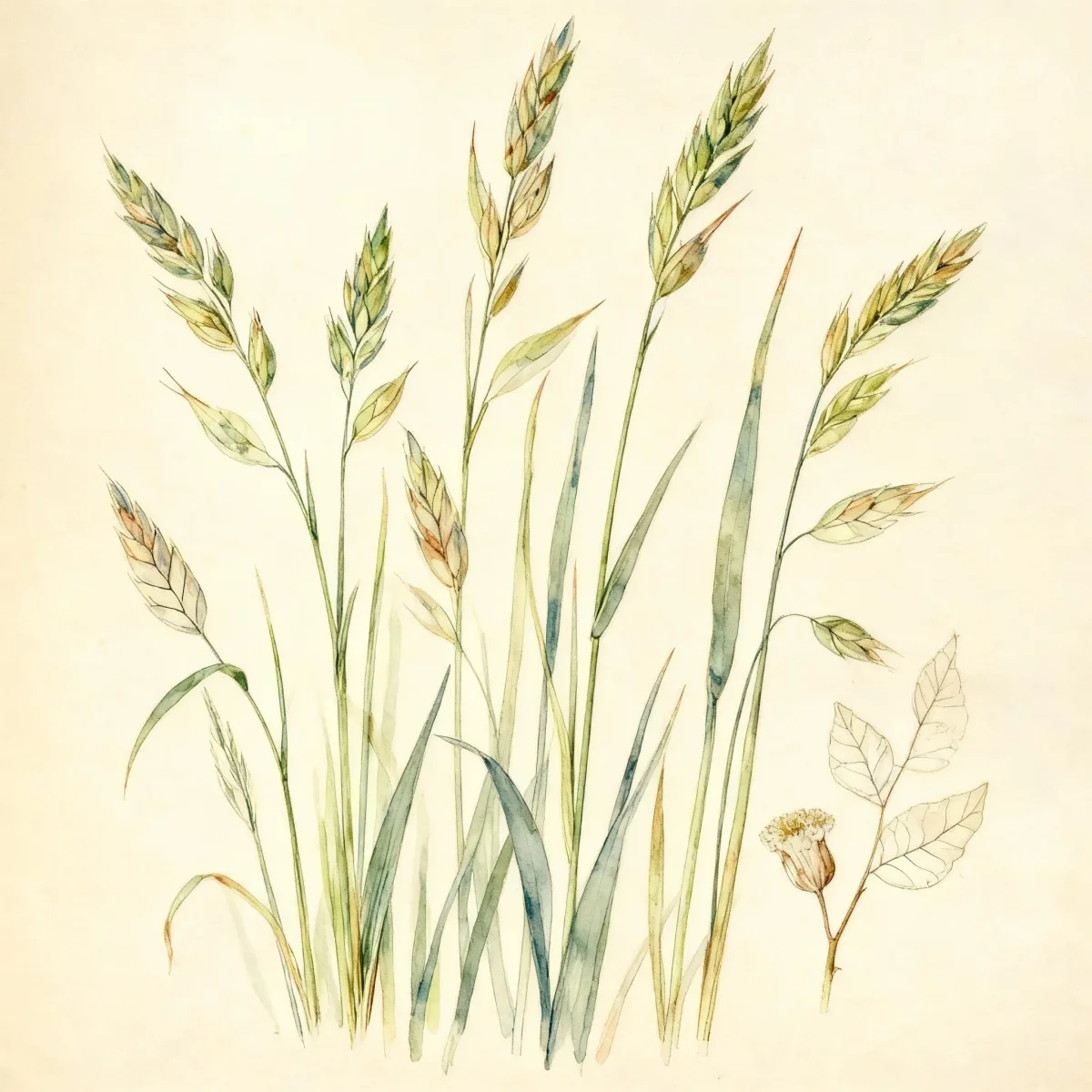
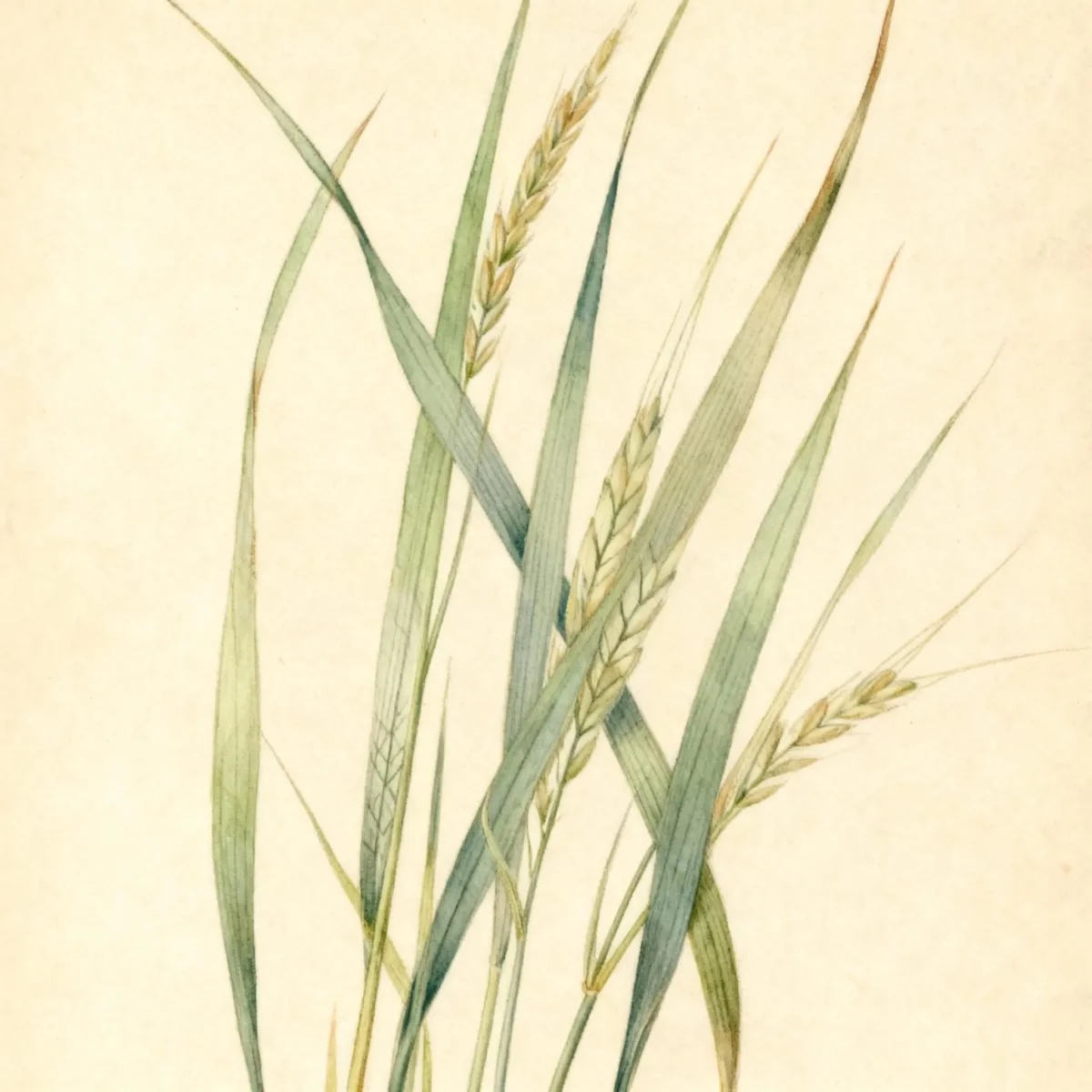
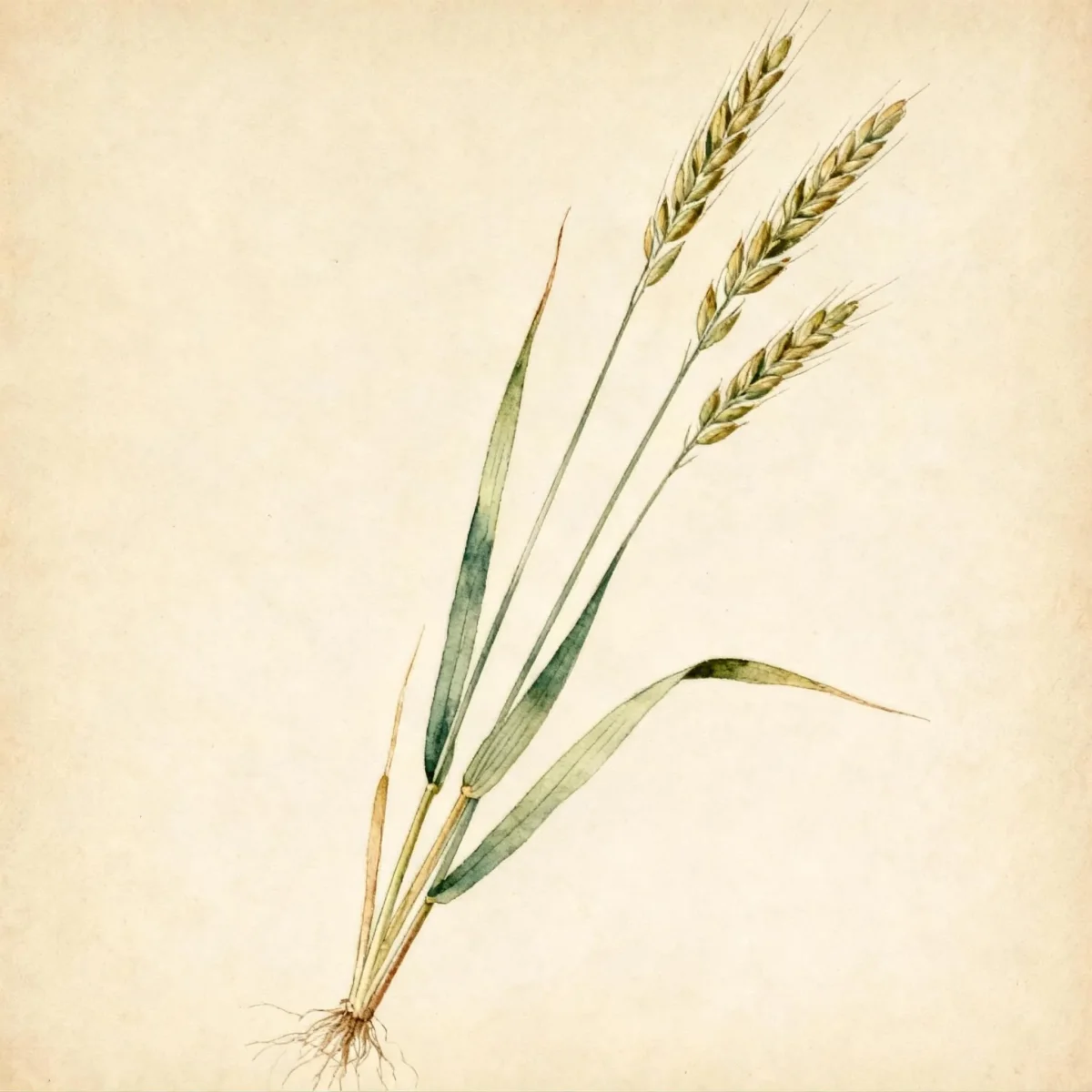
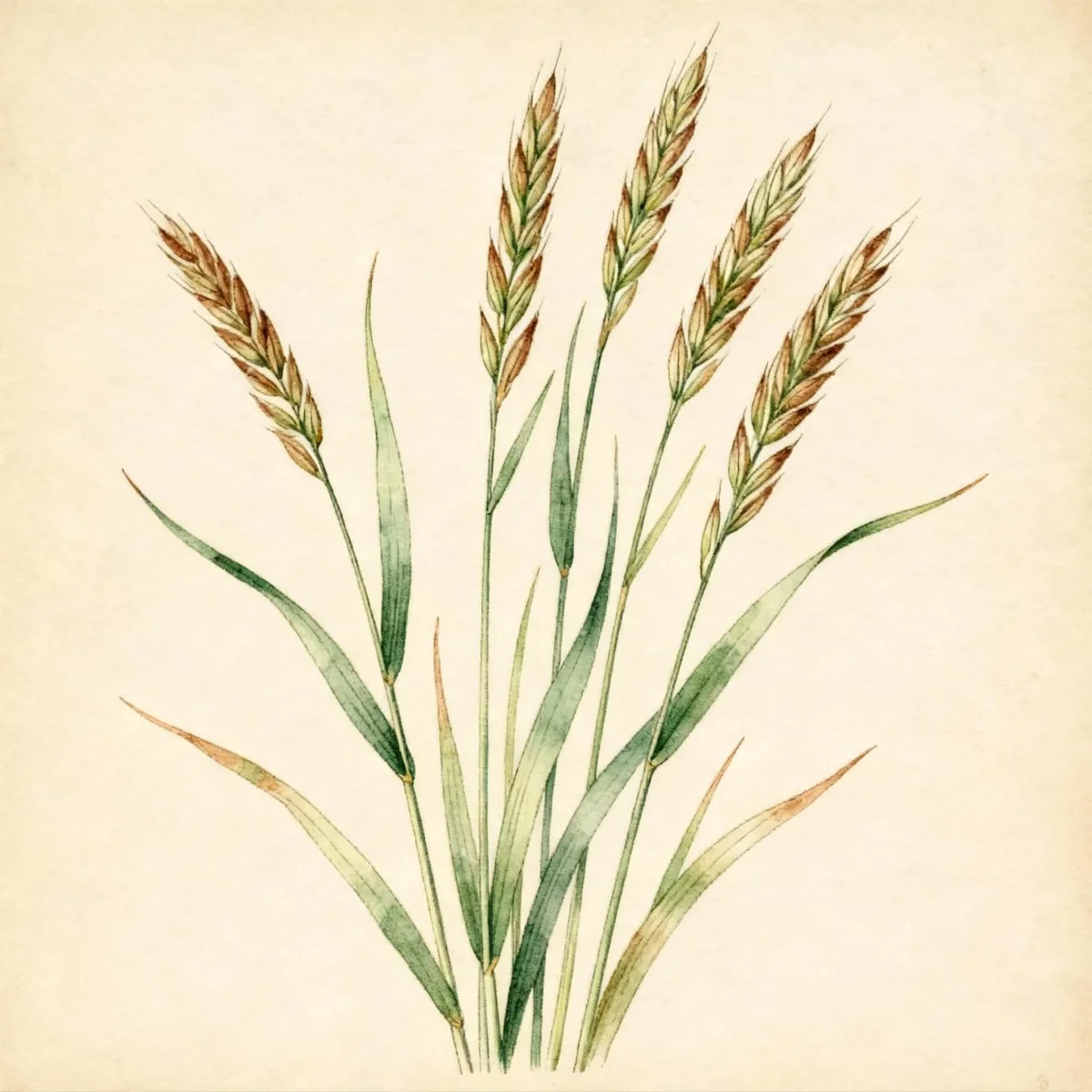
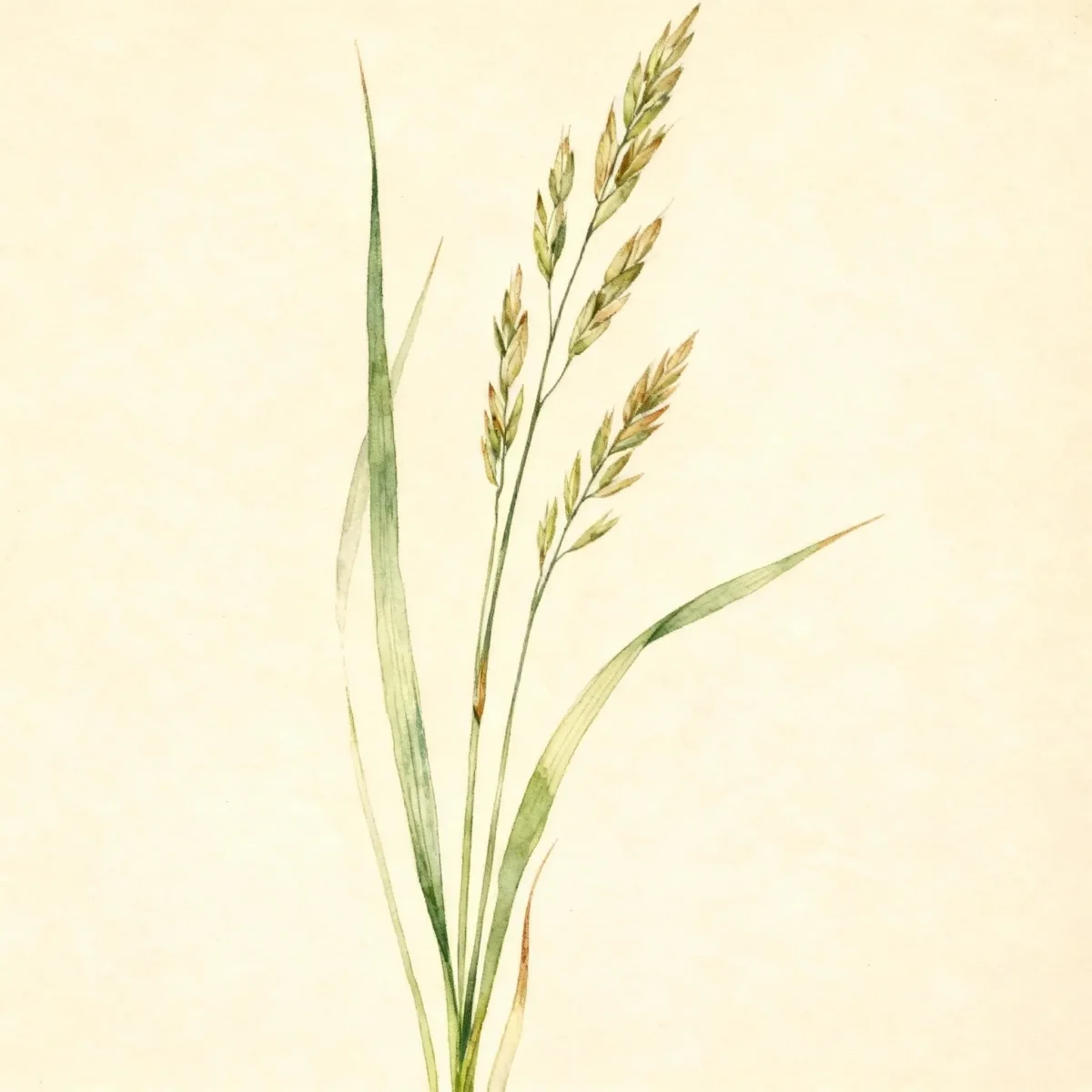
Creeping bluegrass (Poa annua var. reptans)
Poa annua var. reptans, or Creeping bluegrass, is a cosmopolitan, perennial turfgrass known for its low mowing tolerance and stoloniferous nature. A challenging species for turf managers.
Scroll down to discover growing tips, care requirements, companion plants, and more
Complete Plant Information
Overview
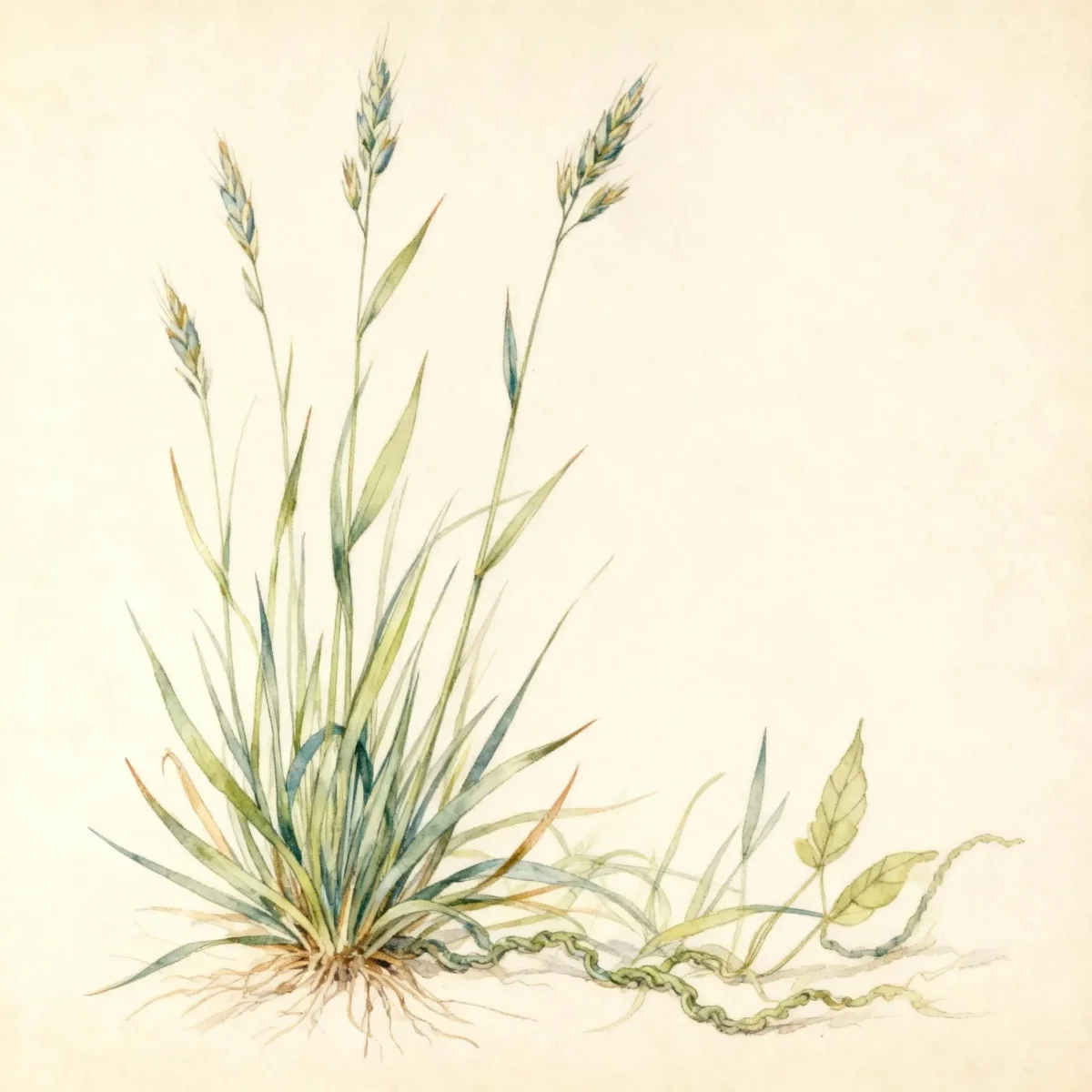
Poa annua var. reptans, commonly known as Creeping bluegrass, is a densely growing, stoloniferous grass frequently encountered in managed landscapes. Although related to the agricultural weed annual bluegrass, this creeping variety is distinguished by its prostrate growth habit, which makes it particularly adept at establishing itself tightly within existing turf swards. Understanding the characteristics of Poa annua var. Reptans is crucial for turf managers dealing with its aggressive colonization capabilities.
This cool-season grass thrives under medium moisture conditions but is notably intolerant of drought, often going dormant during intense summer heat. Its ability to tolerate very low mowing heights, down to 0.1 inches, highlights its suitability for high-performance turf environments like putting greens alongside its widespread status as an invasive weed. The foliage of Poa annua var. reptans is narrow and linear, forming a compact groundcover.
The distribution of Creeping bluegrass is now cosmopolitan, meaning it can be found globally, often thriving in areas receiving regular moisture and richer soils. While it flowers and fruits nearly continuously from spring through fall, its greenish-white flowers are generally inconspicuous. Gardeners and turf professionals must manage this species carefully, as its shallow, fibrous root system allows it to efficiently steal resources from desirable turf species.
Fast Facts
- Plant Family: Poaceae
- Plant Type: Turfgrass
- Hardiness Zones: USDA Zones 4-9
- Size at Maturity:
- Height: 6-12 ft
- Spread: 6-12 ft
- Bloom Time: Flowers freely
- Bloom Description: Greenish-white
- Sun Exposure: Full sun to part shade
- Water Needs: Medium
- Maintenance Level: Medium
How to Grow
Establishment of Poa annua var. reptans is easiest when sown during its peak growing seasons—typically early fall or early spring when temperatures are moderate and moisture is abundant. Given that it is a cool-season grass, attempting establishment in peak summer heat will likely result in failure due to drought intolerance, although it spreads readily via stolons once established. It prefers rich soils that retain consistent moisture.
Care for this grass centers around maintaining consistent hydration; it requires medium water input and handles high irrigation rates well, but rapidly declines under dry spells. While the data suggests it is easily grown in a wide array of conditions, optimizing for rich soil ensures vigorous growth. Pruning is synonymous with mowing; this variety tolerates extremely low cuts (down to 0.1”) required for specialized turf.
As a cool-season species, actively manage expectations for summer performance. The Creeping bluegrass will enter dormancy as high temperatures persist, resprouting vigorously from its crowns once cooler, moist conditions return in the fall. Avoid aggressive fertilization during summer stress periods, focusing instead on ensuring adequate water supply to help it survive until active growth resumes.
Landscape Uses
Despite being labeled an aggressive invasive weed in many contexts, the specific characteristics that make Poa annua var. reptans problematic—its fine texture and tolerance for extremely low clipping heights—are precisely what make it prized in certain high-end turf applications. Its stoloniferous nature creates a dense, tight mat useful where uniform ground cover is essential.
However, in general landscape plantings, this species should be actively avoided. When managing ornamental beds, the inclusion of Poa annua var. Reptans or any Creeping bluegrass variant will lead to difficult control issues, as it aggressively outcompetes slower-growing ornamental border plants. It establishes aggressively where soil is disturbed or irrigation is frequent.
If attempting to use this species at all, it should be strictly limited to areas where turf maintenance, including sharp edging and systemic weed control, is consistently applied. Companion planting should focus on species known to compete strongly against fine-bladed grasses under cool-season conditions, though eradication or prevention remains the primary goal for most gardeners.
Standout Features
Flower Qualities
- Insignificant
Noteworthy Characteristics
Poa annua var. Reptans, commonly called creeping bluegrass, is a perennial, stoloniferous grass native to Eurasia. Its distribution is now cosmopolitan, and it is considered a significant weed in turfgrass (sports fields, putting greens, etc.) and almost all major agricultural crops. The foliage is narrow and linear, reaching up to 5.5” long and around 0.1” wide. The root system is fibrous and relatively shallow. The inflorescence is a small, light colored panicle held above the foliage. Flowers and fruits nearly continuously from spring through fall. Closely related to P. Annua var. Annua (annual bluegrass), but differs in that annual bluegrass is a true annual with a more upright growth habit and higher seed production. Annual bluegrass tends to be more common in warmer climates.Genus name comes from the Greek word poa meaning fodder grass.The infraspecific epithet reptans means “creeping”, and refers to the prostrate growth habit of this variety. The specific epithet annua means “annual” and refers to annual life cycle of the parent species.
Tolerances
- Tolerates very low mowing (to 0.1”)
- Tolerates high rates of irrigation
Potential Problems
Creeping bluegrass is susceptible to most pests and diseases that affect other Poa species. These issues can severely degrade turf quality when Poa annua var. reptans is present. Commonly reported problems include necrotic ring spot, dollar spot, summer patch, and Pythium blight, especially under overly moist or stressed conditions.
Fungal issues like leaf and crown rusts, stripe smut, melting-out, anthracnose, and brown patch also pose threats. Proactive management, including appropriate fertilization schedules that avoid excessive nitrogen during high-stress periods, is essential for disease prevention in the turf where this grass resides.
Frequently Asked Questions
What hardiness zones is Creeping bluegrass suitable for?
Poa annua var. reptans is generally suitable for USDA Hardiness Zones 4 through 9.
How large does Creeping bluegrass grow?
When in full growth, this variety can reach a height between 6 and 12 feet, with a comparable spread of 6 to 12 feet, though its low, prostrate growth habit means it usually presents as a dense mat rather than towering over the landscape.
What sun exposure does Creeping bluegrass need?
Creeping bluegrass adapts well to a range of light conditions, thriving in full sun but also tolerating partial shade.
When does Poa annua var. reptans bloom?
This grass blooms freely throughout the season, producing small, inconspicuous greenish-white flowers from the spring right through the fall months.
Conclusion
Poa annua var. reptans remains a significant, adaptable grass species, valued for its dense, creeping habit but recognized globally as a competitive weed. For those managing high-specification turf, understanding its need for consistent moisture is key to managing performance. Always verify your local USDA hardiness zone compatibility before attempting any kind of broad application of Creeping bluegrass.
Companion Planting Dynamics
Because Poa annua var. reptans aggressively colonizes areas, companion planting in ornamental settings is extremely challenging. If used as a turf, it typically dominates the companion grass species present. In general, choose robust, drought-tolerant perennial grasses or groundcovers that establish quickly in the fall or spring to compete for resources in zones 4-9. However, true companion planting strategies usually focus on aggressive turf species that can withstand low mowing and regular water, as competing outright with this creeping grass is often impractical.
Seasonal Care Calendar
Early spring is vital for monitoring Poa annua var. reptans. Apply pre-emergent herbicides if control is desired before the grass greens up from winter dormancy. Watering should remain consistent, providing medium volumes to support active top growth. During the hot summer months, restrict fertilization, as this encourages dormancy; focus only on survival watering, as this grass is highly intolerant of drought stress. As cooler autumn temperatures arrive, this is the ideal time to improve soil aeration and potentially sow desirable turf, as the Creeping bluegrass will be re-establishing its crowns from summer resting periods.