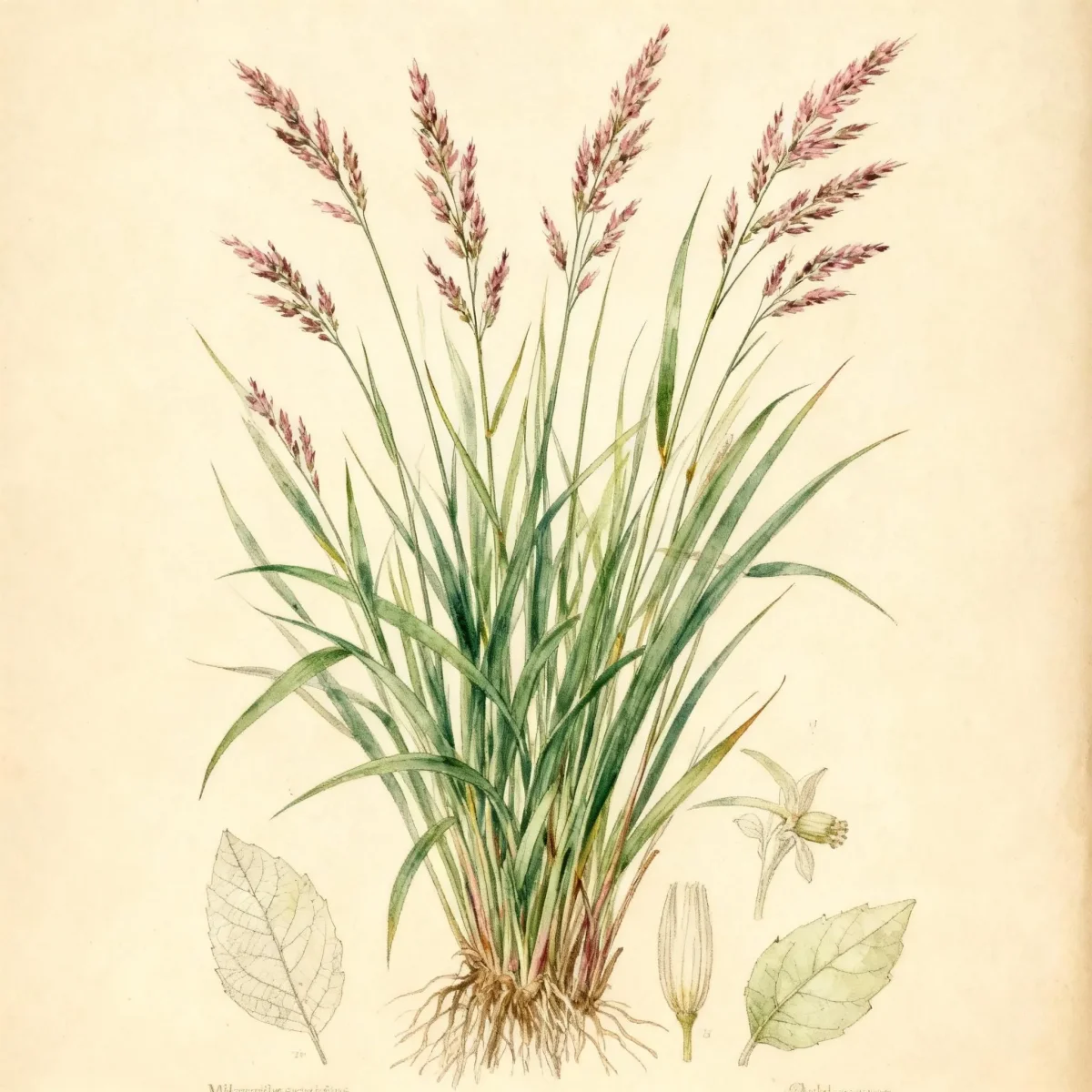
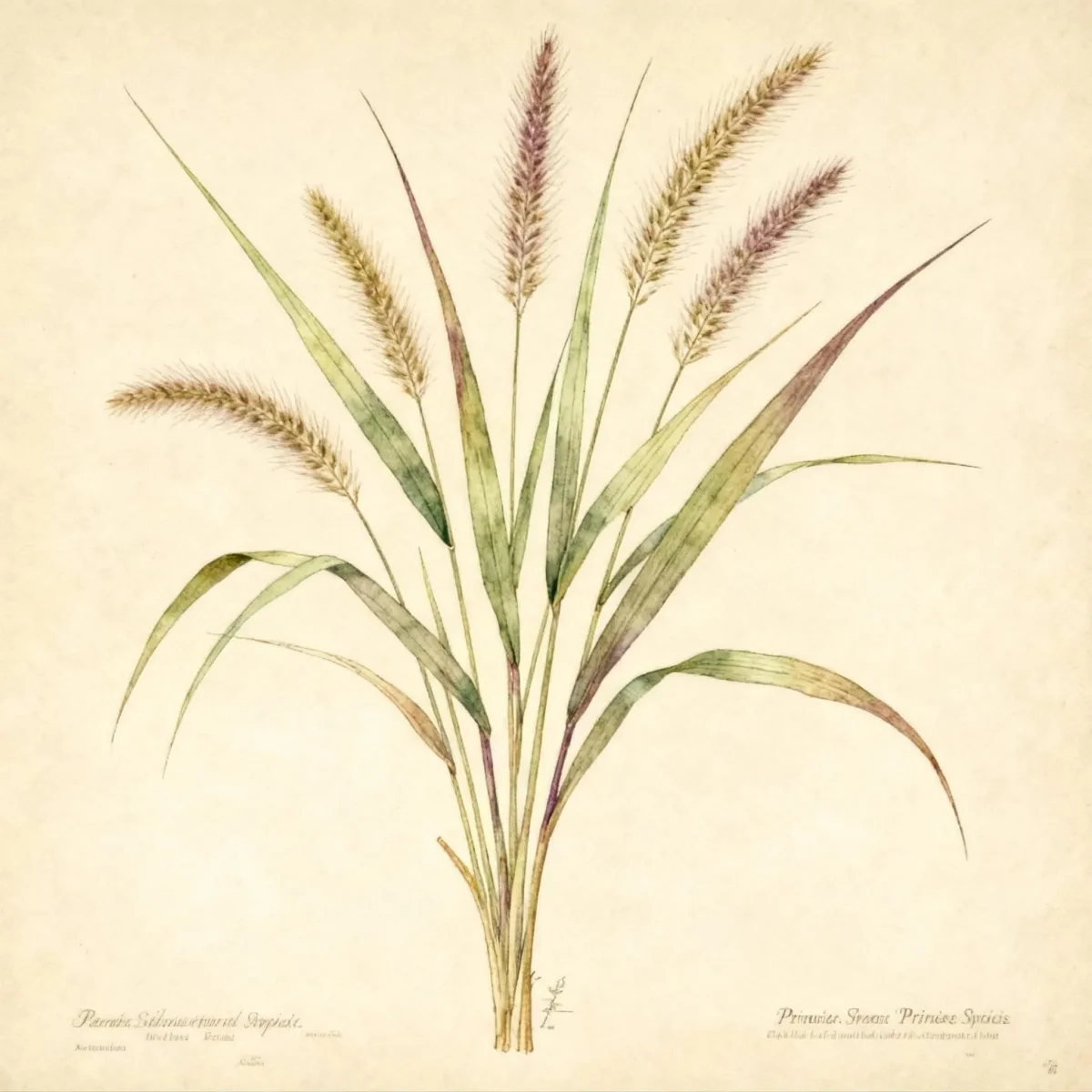
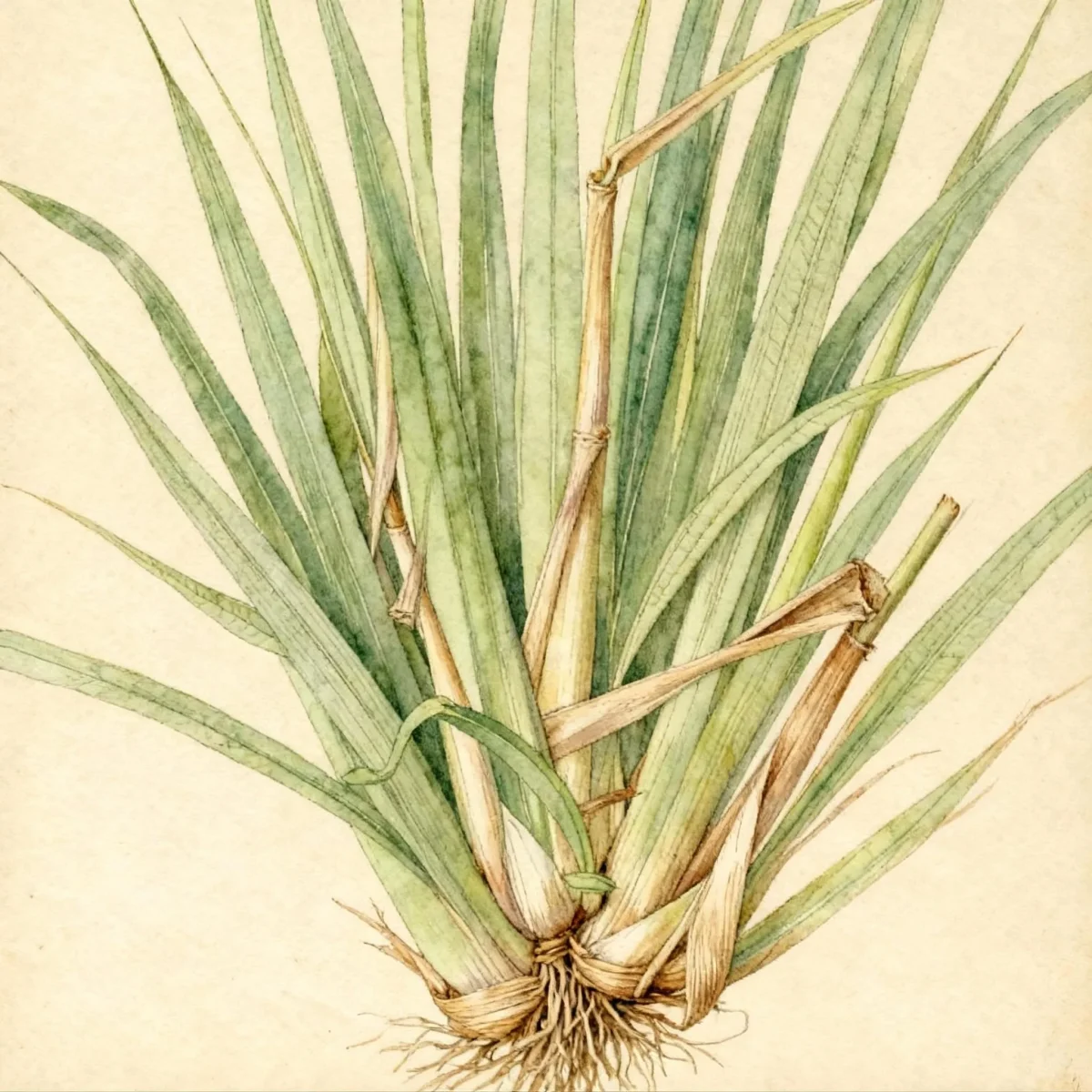
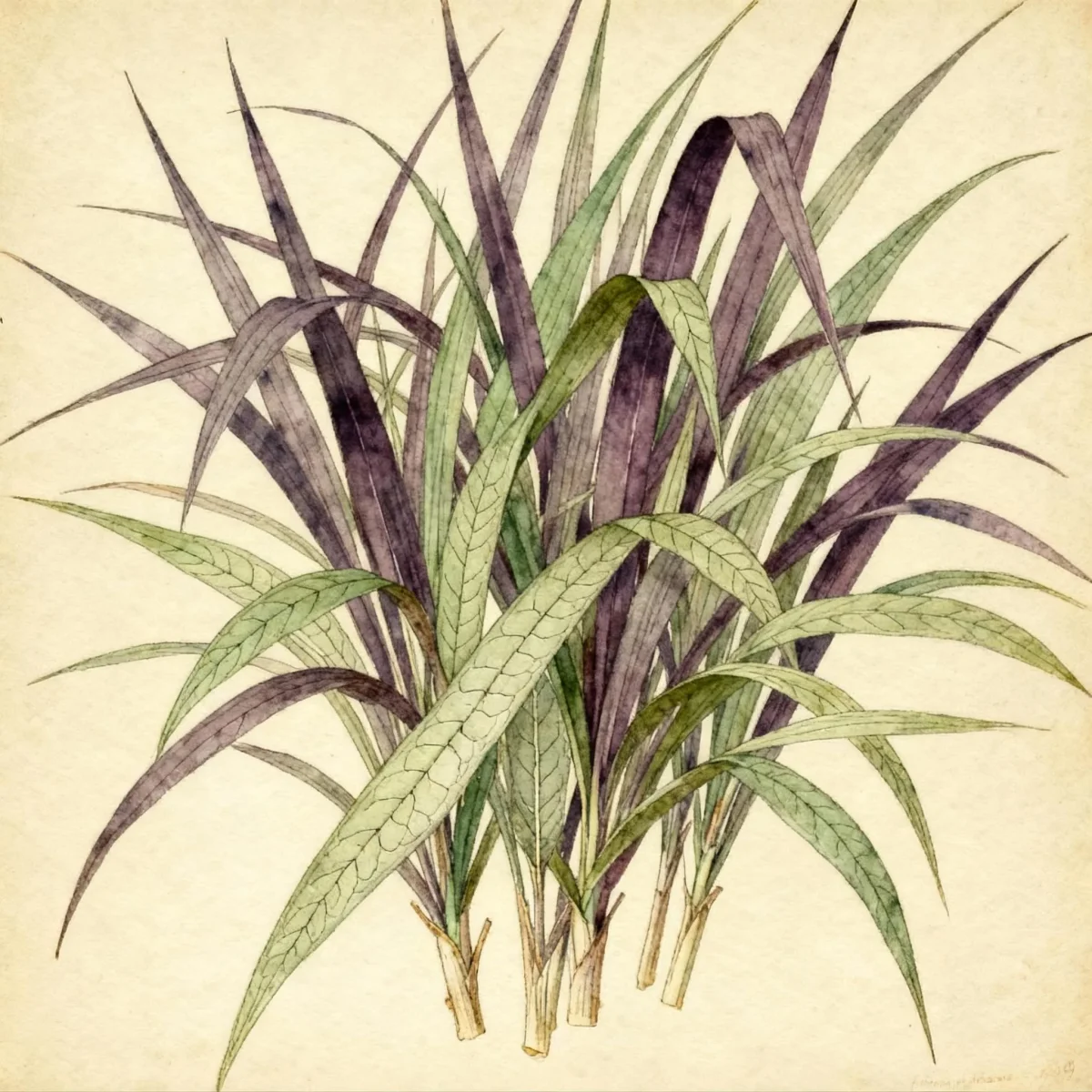
Sugar cane (Saccharum officinarum)
Saccharum officinarum is a massive perennial grass known as Sugar cane, prized for its sweet juice and bold tropical look in warm climates.
Scroll down to discover growing tips, care requirements, companion plants, and more
Complete Plant Information
Overview
Saccharum officinarum, commonly called sugar cane, is a striking, large tufted perennial grass valued for its imposing upright structure and bold foliage, making it an excellent tropical accent in temperate gardens. In its native tropical environments, this plant can reach heights of 15 to 20 feet, though it is typically grown as a large annual reaching 5 to 8 feet tall in cooler zones. Its large, bamboo-like stems hold historical significance as the primary source for sugar and molasses production worldwide.
While the species plants offer modest ornamental value, modern cultivars of Saccharum officinarum are gaining popularity for their dramatic, colorful foliage and stems used as vibrant annual features. Gardeners should note that robust growth depends on consistent moisture and plenty of sunlight, mirroring its tropical origins. Successfully cultivating sugar cane means embracing its dramatic scale for specimen planting or large container arrangements.
Fast Facts
- Plant Family: Poaceae
- Plant Type: Ornamental grass
- Native Range: Tropical southeastern Asia, Polynesia
- Hardiness Zones: USDA Zones 9-10
- Size at Maturity:
- Height: 5-8 ft
- Spread: 5-8 ft
- Bloom Time: Seasonal bloomer
- Bloom Description: White to gray
- Sun Exposure: Full sun
- Water Needs: Medium
- Maintenance Level: Medium
How to Grow
Planting Saccharum officinarum should occur in spring after the danger of frost has passed when grown as an annual, or when establishing permanent clumps in Zones 9-10. Locate sugar cane in a site receiving full sun and ensure the soil is consistently moist but exceptionally well-drained, as soggy conditions lead to root issues. Propagation is most effectively achieved by rooting stem sections or dividing existing clumps, especially if trying to overwinter potted specimens indoors.
Water needs are medium, requiring attentive irrigation, particularly during hot, dry spells, to support the massive leaf area this grass produces. While fertilizer is not strictly required for aesthetic purposes, commercial production relies on heavy feeding to maximize stem sugar content. For gardeners treating sugar cane as an annual, no specialized winter care is needed; simply remove the dead stalks in early spring.
In borderline Zone 9, consider treating the plant as a large container specimen that can be moved into a greenhouse or protected area before significant winter freezes arrive. While species plants may have little ornamental flair, cultivars with colored foliage thrive when grown in large pots that allow for easy overwintering indoors.
Landscape Uses
Sugar cane is highly versatile, functioning exceptionally well as a towering specimen accent in the mixed border, providing immediate height and an architectural focus. Its dramatic vertical presence also makes it an interesting annual focal point in large containers, where it can anchor a tropical display filled with colorful annuals underneath. When planted in groups, Saccharum officinarum can create a dense, screening effect, though its commercial cousins are usually grown for sugar production.
For design ideas, pair the bold, green or colored foliage of sugar cane with broad-leafed tropical plants like cannas or elephant ears (Colocasia) for maximum impact. Its rapid growth as an annual allows gardeners to establish significant vertical interest quickly for summer patios or seasonal displays where hardiness is a concern.
Standout Features
Flower Qualities
- Showy
Noteworthy Characteristics
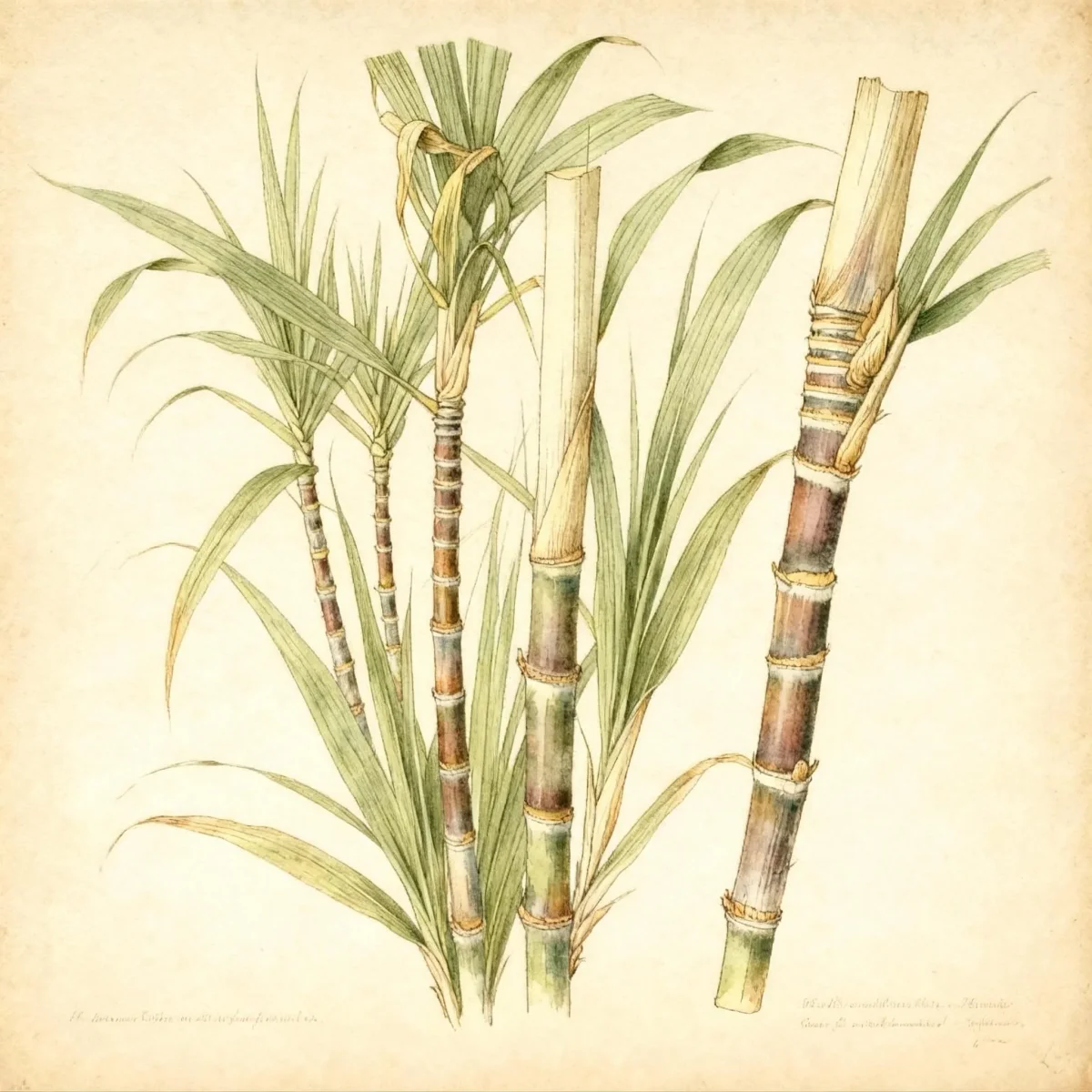
Saccharum officinarum, known as sugar cane, is a large tufted perennial grass that is probably native to Southeast Asia. It grows to 15-20’ tall in tropical/semi-tropical areas, but to 5-8’ tall as an annual in cool climates. Large stems (to 2” diameter) are jointed like bamboo, containing the sweet juice historically crucial for sugar production. The plant features large, arching, rich green leaf blades with sharp edges, and white to gray flower spikes bloom in later summer to early fall, though flowering is rare when grown as an annual.
Tolerances
- Black Walnut
- Air Pollution
Potential Problems
Sugar cane can face various challenges from both insect pests and diseases requiring vigilant scouting. Potential insect problems include moth caterpillars, borers, termites, spittlebugs, mealybugs, and various beetles. Gardeners should inspect stems regularly for signs of boring activity which can weaken the plant’s structure.
Disease pressure often centers on fungal or viral issues in warm, humid conditions. Potential disease problems include rots, smut, and red stripe, while viral issues like ratoon stunting and grassy shoot can significantly reduce vigor, especially in commercial settings. Rotating planting locations or ensuring excellent air circulation can help mitigate disease spread when growing Saccharum officinarum.
Frequently Asked Questions
What hardiness zones is Sugar cane suitable for?
Saccharum officinarum is winter hardy primarily in USDA Zones 9 through 10. In cooler regions, it is best managed as a fast-growing summer annual.
How large does Sugar cane grow?
When grown as an annual, expect the height of Saccharum officinarum to range between 5 and 8 feet, with a spread of 5 to 8 feet. In tropical climates, it can grow significantly taller.
What sun exposure does Sugar cane need?
This grass requires full sun exposure to develop its best structure and density, mirroring its native light requirements in tropical southeastern Asia.
When does Sugar cane bloom?
Sugar cane has a bloom time described as a seasonal bloomer, producing white to gray flower spikes generally appearing in late summer to early fall.
Conclusion
Saccharum officinarum offers gardeners an unrivaled sense of tropical drama and architectural scale, whether grown as a temporary summer annual or a permanent tropical perennial. The history and functional value of sugar cane, combined with the aesthetic appeal of certain cultivars, make it a worthwhile addition to large gardens or expansive containers. Always confirm your local hardiness zone to determine the best method for successfully growing this impressive ornamental grass.
Propagation Tips
Propagation of sugar cane is a straightforward process, often relying on vegetative methods suitable for both commercial use and home gardening. The most reliable home method is division of established clumps, best performed in early spring before new growth fully starts. For those looking to start new plants quickly, rooting stem sections is highly effective.
Stem cuttings, often referred to as “seed cane” in agricultural contexts, must include at least one viable node (joint) from the stem of Saccharum officinarum. Ensure the cutting is healthy and place it in consistently moist, warm media or water until roots begin to emerge from the nodes before planting out into the garden or a container.
Companion Planting
Given the demanding needs of Saccharum officinarum—full sun, consistently moist soil, and ample space—it pairs best with other robust, thirsty, tropical-style plants. Consider surrounding sugar cane with bold companions that share similar environmental requirements.
Plants like large-leafed Hostas (in semi-shade near the edge of its full sun requirements), Hibiscus, Cannas, or hardy Banana plants create a lush, layered tropical border that minimizes visual competition with the grass’s vertical lines. Avoid planting smaller, delicate, or drought-tolerant species near sugar cane, as they will quickly be overwhelmed by its size and high water demands.