Longspike tridens (Tridens strictus)
Discover Longspike tridens (Tridens strictus), a low-maintenance ornamental grass perfect for prairies, naturally thriving in dry soils.
Scroll down to discover growing tips, care requirements, companion plants, and more
Complete Plant Information
Overview
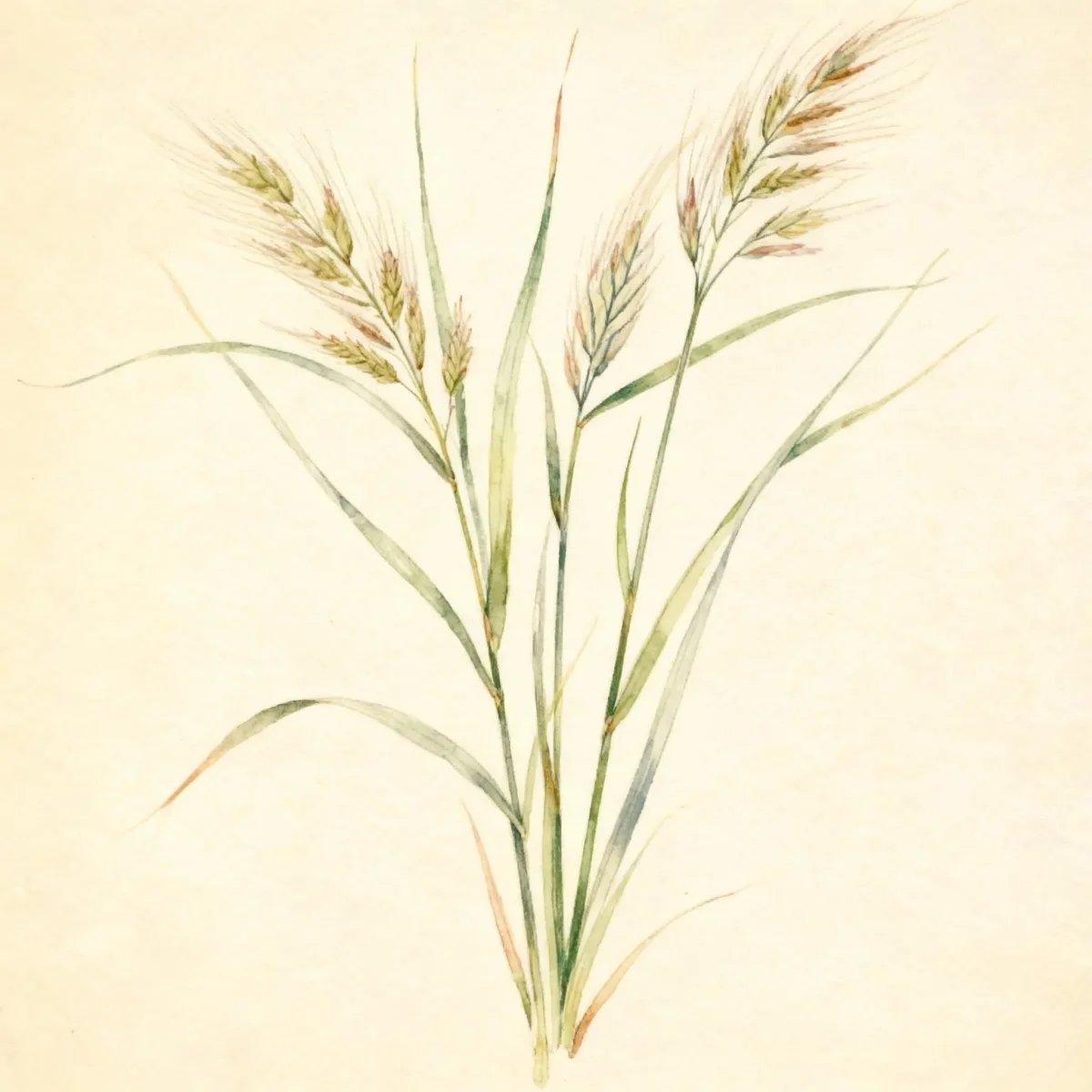
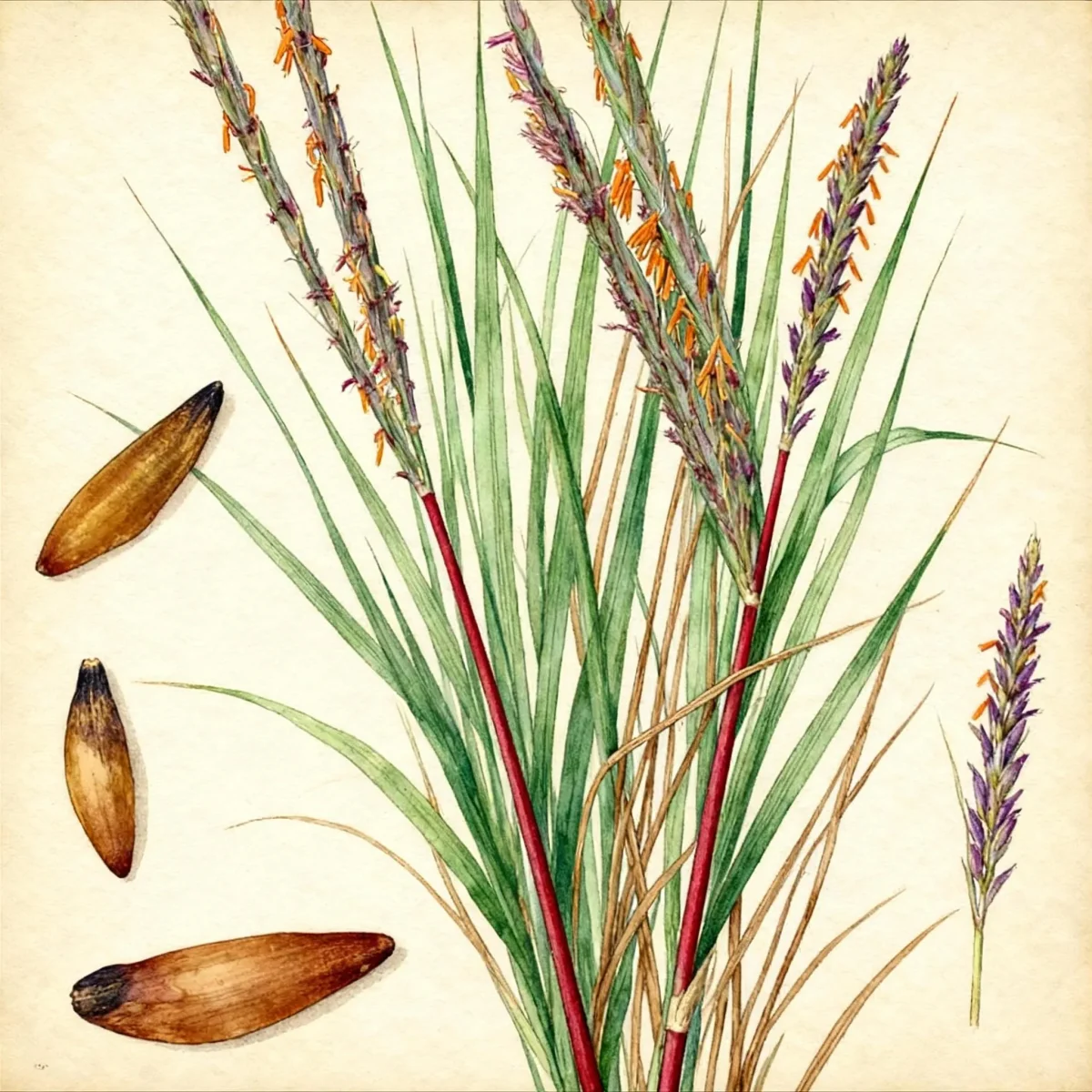
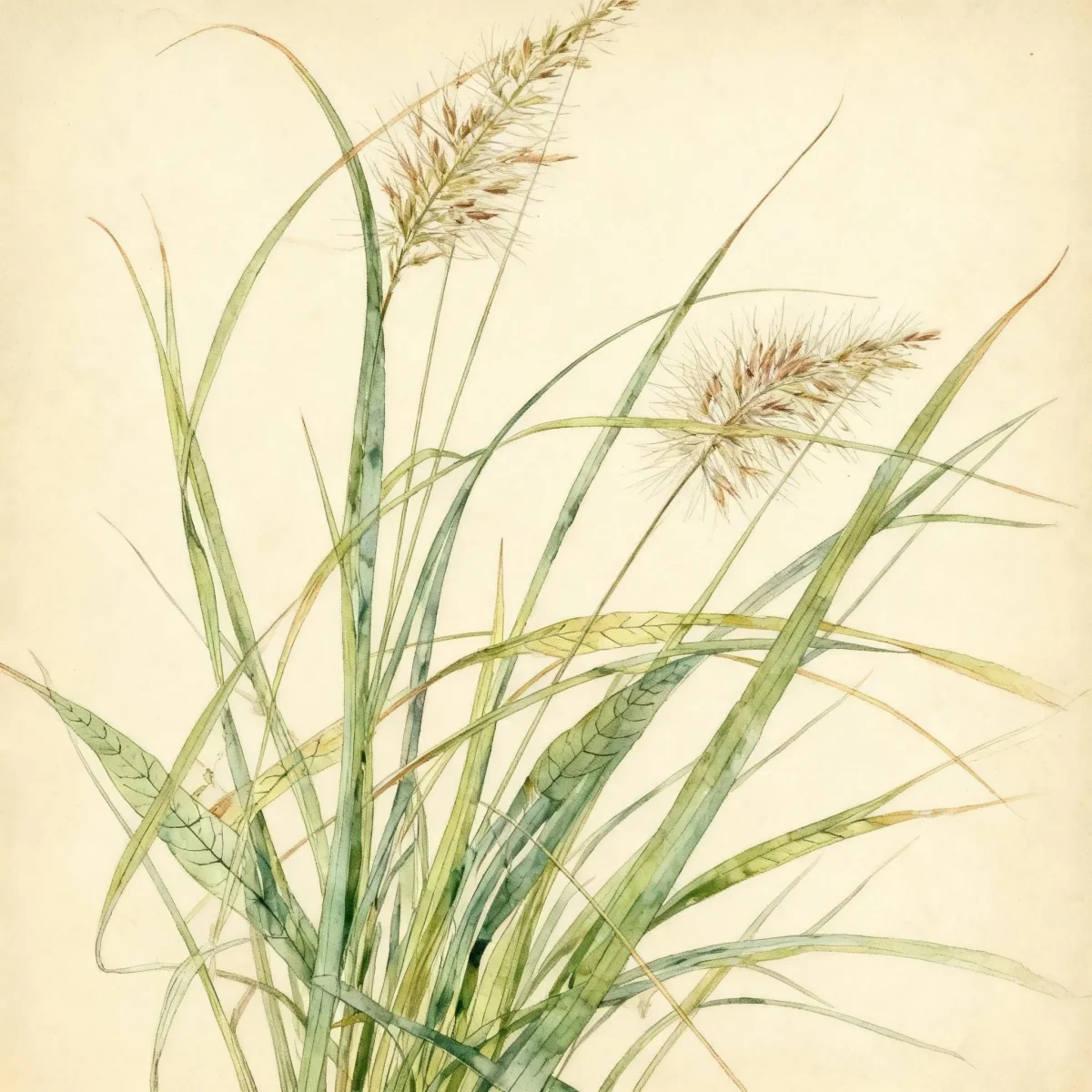
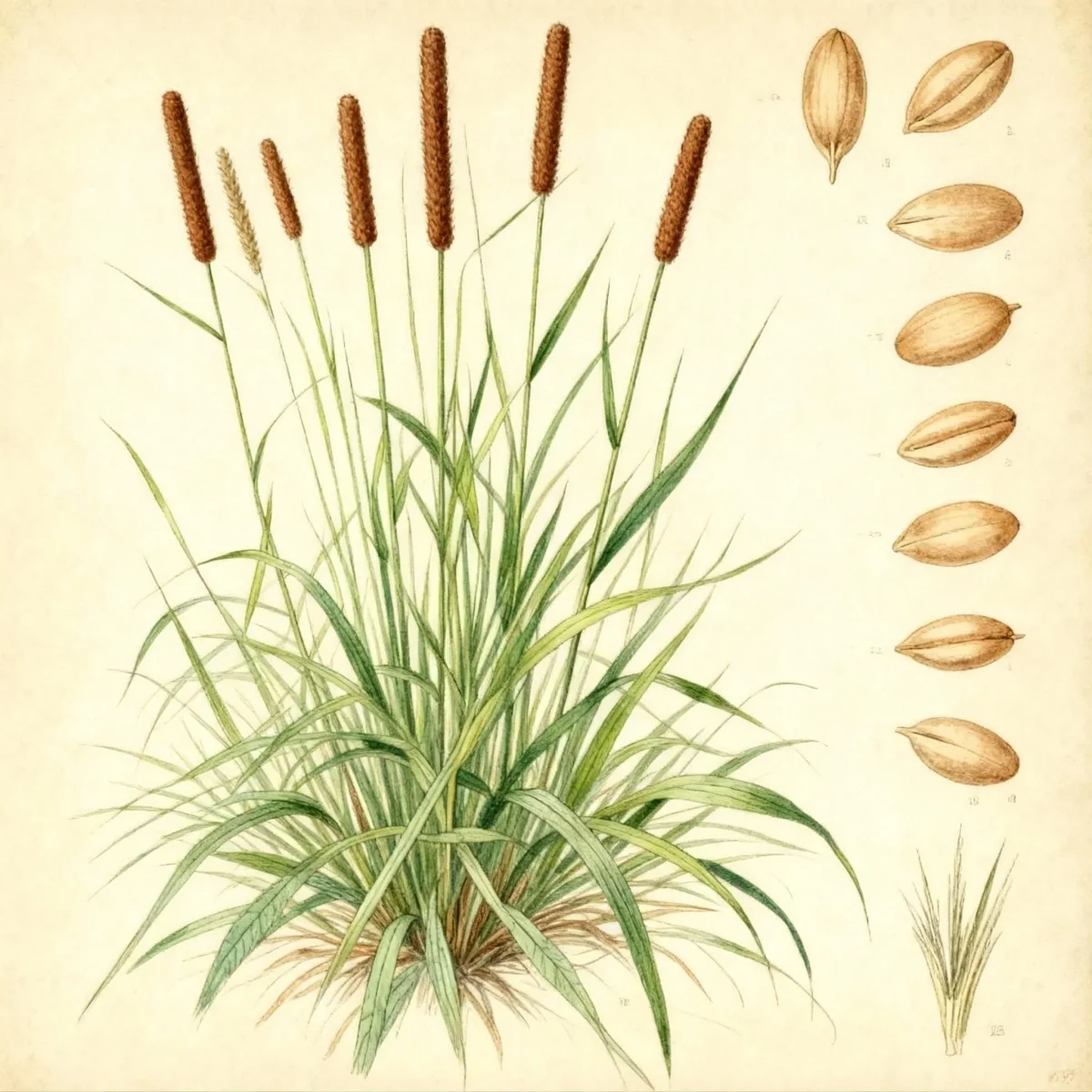
Longspike tridens, scientifically known as Tridens strictus, is a tough, densely tufted ornamental grass native to Central North America. It distinguishes itself with slender, dense, spike-like inflorescences that provide texture and visual interest from mid-summer well into autumn. While sometimes noted for having limited formal aesthetic value, its resilience makes Tridens strictus an exceptional choice for naturalized settings.
This adaptable grass thrives in full sun and handles dry to medium soil conditions with ease, making it invaluable for tough sites where other plants might struggle. It is highly tolerant of harsh conditions, including drought and poor soil structure. Gardeners seeking low-input native cover will appreciate the minimal care required for successful cultivation of Longspike tridens.
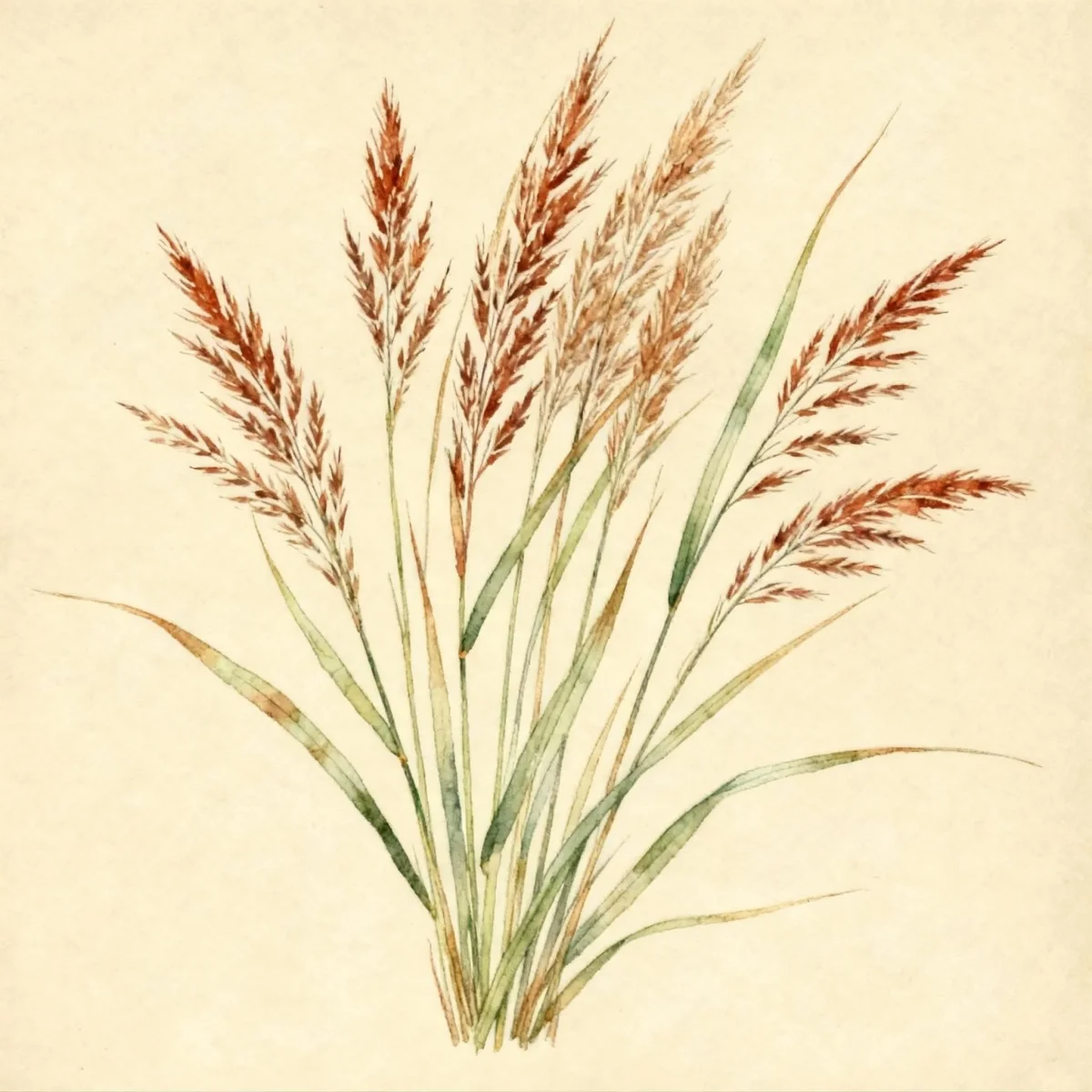
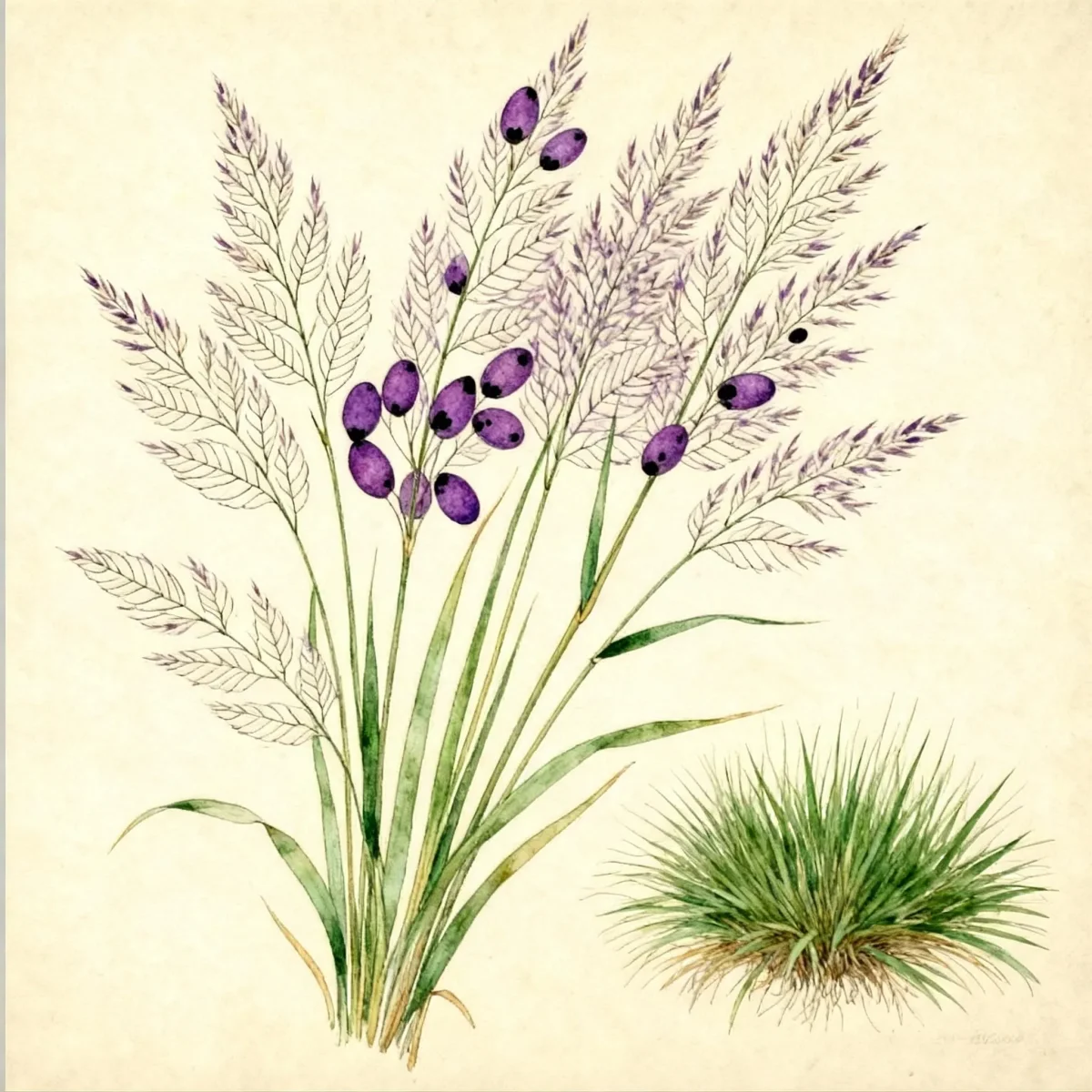
The flower spikes, which are brownish and tinted with purple, offer a subtle late-season display. For gardeners focused on restoring native landscapes or creating informal meadows, Tridens strictus provides excellent structural backbone and erosion control.
Fast Facts
- Plant Family: Poaceae
- Plant Type: Ornamental grass
- Native Range: Central North America
- Hardiness Zones: USDA Zones 5-9
- Size at Maturity:
- Height: 2-4 ft
- Spread: 1.5-2.5 ft
- Bloom Time: July to October
- Bloom Description: Brown tinged with purple
- Sun Exposure: Full sun
- Water Needs: Dry to medium
- Maintenance Level: Low
How to Grow
The best time to establish Longspike tridens is when conditions are typically mild, allowing it to establish root systems before summer heat or winter cold sets in. Plant it in locations receiving full sun, reflecting its native preference for open ground. While it prefers average, well-drained soils, Tridens strictus is remarkably forgiving, tolerating heavy clay soils provided drainage is not severely impeded.
Maintenance for this grass is straightforward, aligning with its low-input profile. Water only as needed, particularly once established; it handles drought well and should rely primarily on natural rainfall, thriving in dry to medium moisture regimes. Fertilizing is generally unnecessary, as high fertility often encourages floppier growth.
Pruning is a key annual task that keeps the plant tidy. Cut the entire clump down to the ground in late winter just before new spring growth begins. This rejuvenation practice ensures the plant presents its best vertical form for the upcoming season. Tridens strictus may occasionally self-seed, which is desirable if the goal is aggressive naturalization.
Landscape Uses
Longspike tridens is ideally suited for scenarios where a rugged, natural look is desired. As its suggested use indicates, it excels when naturalized across large areas, meadows, or native plant gardens where it can mingle freely without the confining structure of formal beds. It serves well in prairie restorations, stabilizing slopes, or creating visually interesting stands in wild or naturalized areas.
Because this particular grass is somewhat weedy in appearance—lacking the flash of finer cultivars—it should generally be avoided near formal perennial borders or edging where precise control is needed. Instead, pair it with other robust native species common to meadows that share its preference for full sun and dry rooting conditions, creating a tapestry of textures. Using Tridens strictus in mass planting accentuates its upright form and collective texture when planted in drifts.
Standout Features
Flower Qualities
- Showy
Noteworthy Characteristics
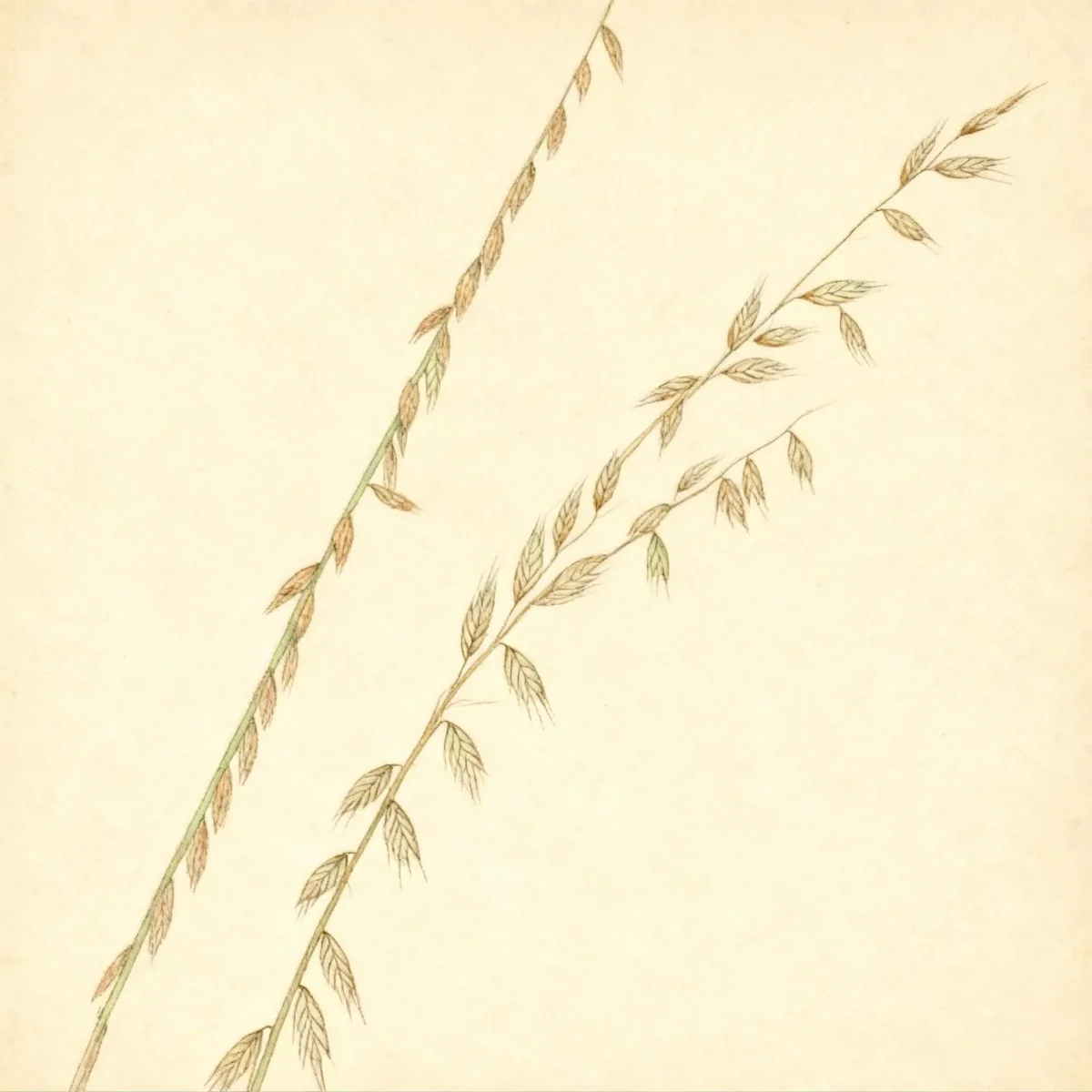
Tridens strictus, commonly called longspike tridens, is a densely tufted, Missouri native grass which occurs in both moist and dry soils on open ground, prairies, fields, waste areas, ditches and roadsides in the far southern part of the State. Typically grows 3-4’ tall with thin blades measuring about 3/8” wide. The brownish to rose-purplish flowers appear in mid-July in slender, dense, spike-like inflorescences (4-12” long) which persist well into October.
Tolerances
- Drought
- Erosion
- Dry Soil
- Black Walnut
- Air Pollution
Potential Problems
This species is generally recognized for having no serious insect or disease problems, providing gardeners with a worry-free option for dry, sunny spots. Its robust nature and native adaptations shield it from typical pest pressures that plague more cultivated ornamental grasses. Management efforts should focus on proper pruning timing rather than pest or disease intervention.
Frequently Asked Questions
What hardiness zones is Longspike tridens suitable for?
Longspike tridens (Tridens strictus) is suitable for planting in USDA Hardiness Zones 5 through 9, offering broad adaptability across many regions.
How large does Longspike tridens grow?
This ornamental grass typically reaches a mature height between 2 and 4 feet tall, with a moderate spread of 1.5 to 2.5 feet wide.
When does Tridens strictus bloom?
Tridens strictus produces its blooms between July and October, featuring characteristic flowers that are brownish and tinged with purple.
What sun exposure does Longspike tridens need?
This species requires full sun exposure to grow most successfully, mirroring its natural habitat in open fields and prairies.
Conclusion
For the gardener prioritizing resilience and native structure over high ornamentation, Longspike tridens stands out as an excellent choice. Its tolerance for drought and poor soil, coupled with its low maintenance needs, makes Tridens strictus an indispensable tool for naturalizing landscapes. Assess your site’s sun exposure and confirm your USDA zone compatibility before planning your planting this coming season.
Companion Planting
When integrating Longspike tridens into a meadow or prairie setting, partner it with other drought-tolerant natives that share similar height and sun requirements to maximize ecosystem benefits. Consider integrating coneflowers (Echinacea species) or gayfeathers (Liatris species). These companions provide contrasting flower shapes and colors during the summer, while Tridens strictus maintains its upright structure throughout the season.
Avoid grouping Tridens strictus with plants requiring consistently moist or rich soils, as the grass will quickly outcompete the weaker neighbors accustomed to richer conditions. The grass serves as a vertical link between shorter flowering perennials and taller native shrubs or trees, knitting the ecosystem together.
Seasonal Care Calendar
Late Winter to Early Spring is the critical time for maintenance on Longspike tridens. Use this window before new green shoots emerge to cut the entire previous year’s growth to the ground. This cleanup prevents the plant from looking ragged and ensures vigorous new growth emerges cleanly.
During the Growing Season (Late Spring through Early Fall), monitoring watering needs is minimal once established; allow the lawn to dry between deep waterings if irrigation is necessary, though it should thrive without supplemental water in Zones 5-9. Focus observations on its upright habit, ensuring no environmental factors are causing excessive leaning.
In Autumn, allow the seed heads to remain standing. Their texture and persisting color provide essential interest throughout the dormant months, offering shelter or seeds for wildlife. Resist the urge to tidy up until the late winter pruning window arrives.