Sorghum (Sorghum bicolor)
Sorghum bicolor, or Sorghum, is a highly resilient annual cereal grain valued for its adaptability and low maintenance needs.
Scroll down to discover growing tips, care requirements, companion plants, and more
Complete Plant Information
Overview
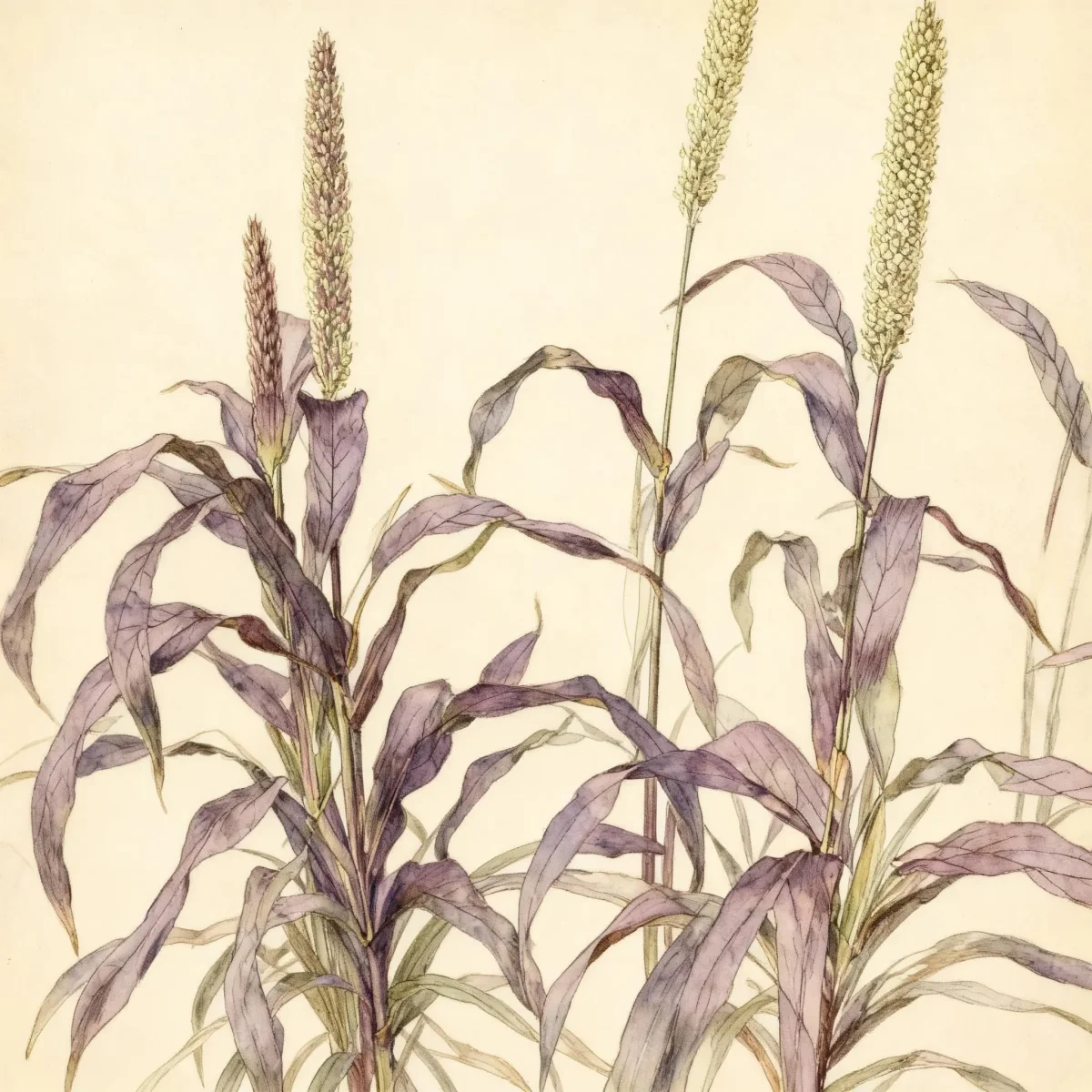
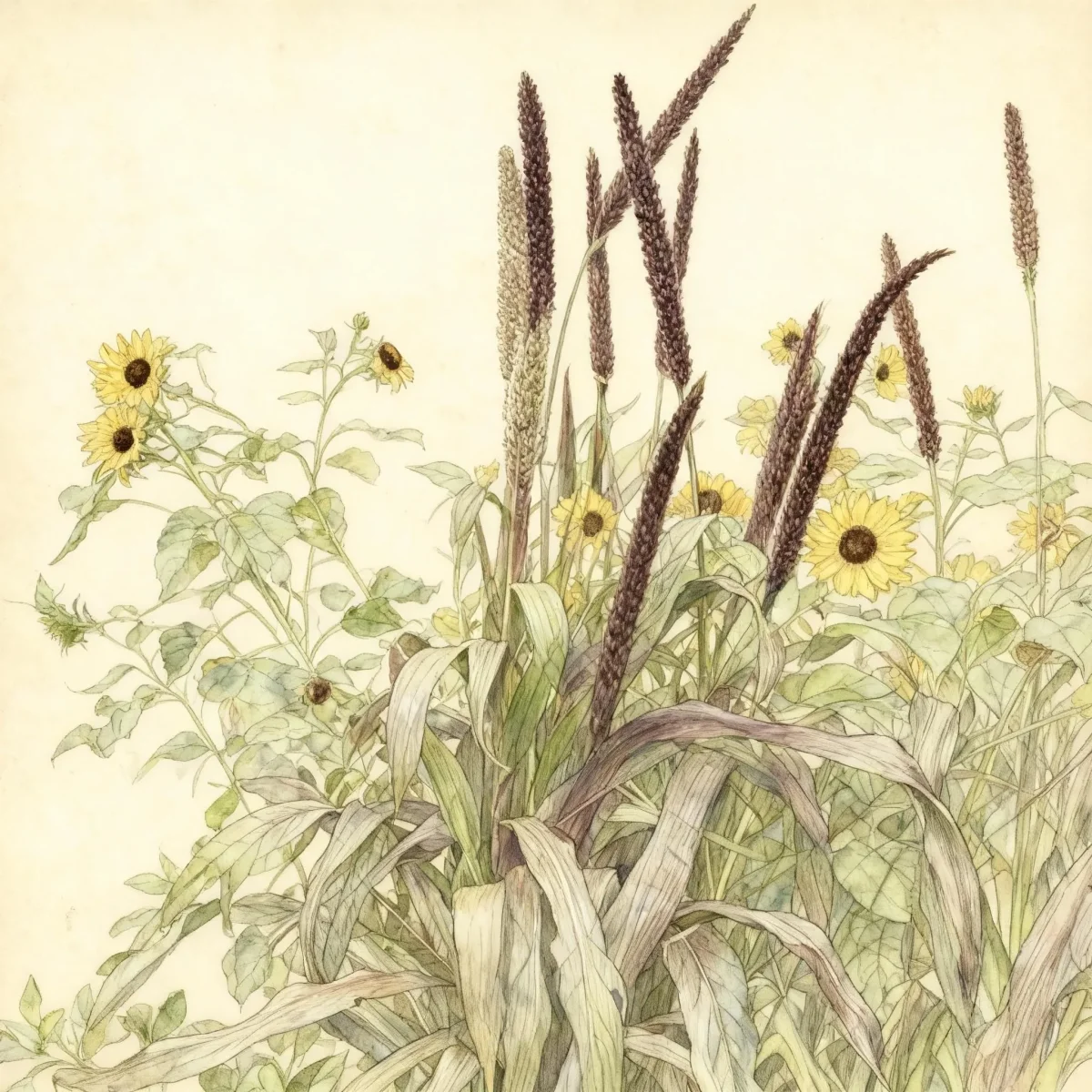
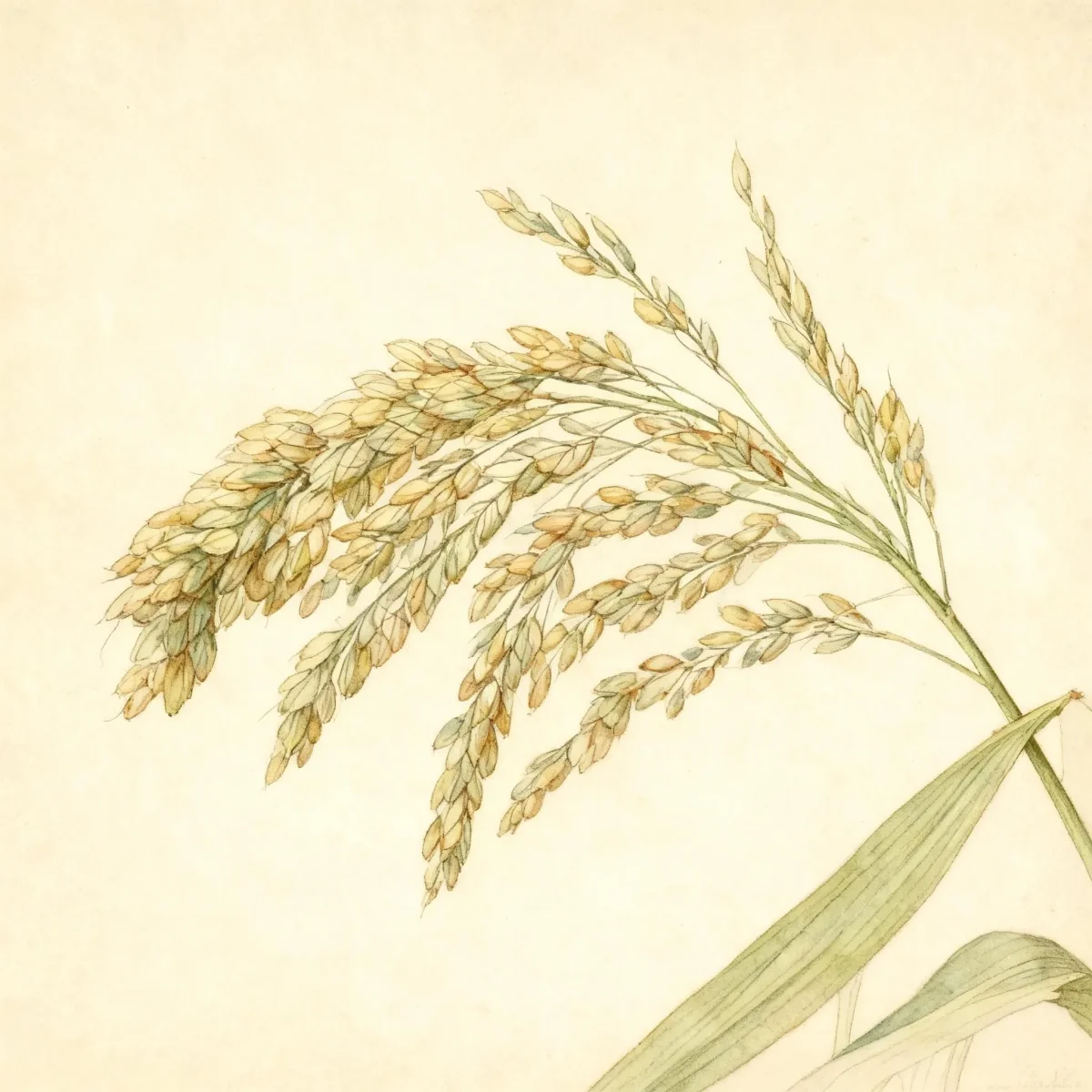
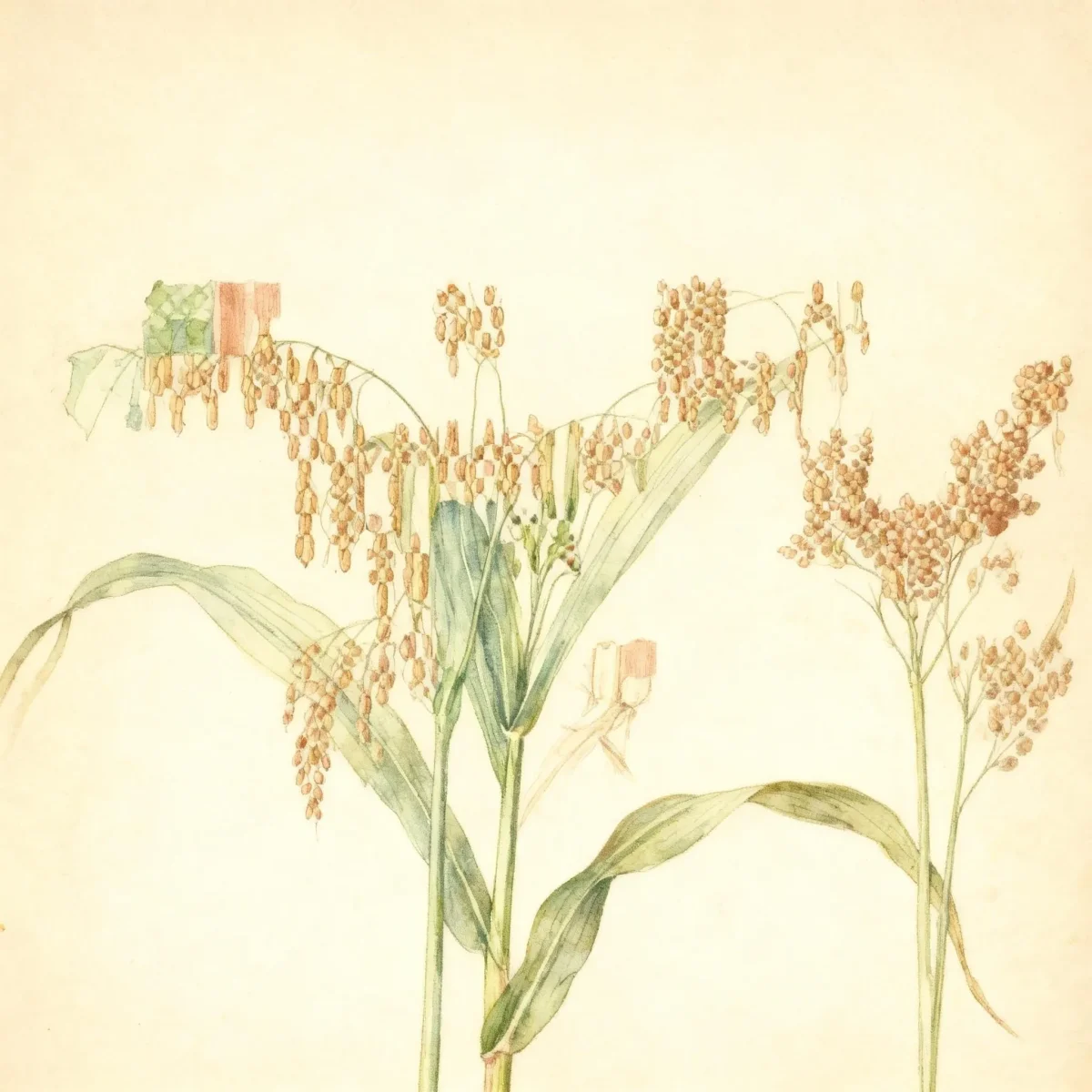
Sorghum (Sorghum bicolor) is a foundational cereal grain known globally for its incredible resilience, especially in hot and dry conditions, making it an excellent choice for gardeners seeking dependable warm-season crops. While commercially important worldwide, its adaptability allows it to thrive as an annual in temperate regions, though it is technically a perennial grass in tropical climates. Gardeners appreciate Sorghum bicolor for producing edible grain, animal fodder, or even material for brooms, depending on the specific type grown.
This warm-weather crop demands heat to establish successfully, behaving much like corn in its temperature sensitivity. Its low maintenance level, coupled with resistance to drought once established, positions Sorghum as a practical and rewarding addition to sustainable growing spaces. Successful cultivation results in harvests that can feed livestock or be processed for human consumption, linking the backyard garden to global agricultural traditions.
Though the flowers of Sorghum bicolor are not showy, the plant offers structural interest and high yield potential in full sun. Understanding its specific temperature requirements ensures a strong start, allowing this versatile grain to deliver reliable results through the growing season with only medium water needs.
Fast Facts
- Plant Family: Poaceae
- Plant Type: Annual
- Native Range: China, South Africa
- Hardiness Zones: USDA Zones 2-11
- Size at Maturity:
- Height: 2-3 ft
- Spread: 2-3 ft
- Bloom Time: Flowers not showy
- Sun Exposure: Full sun
- Water Needs: Medium
- Maintenance Level: Low
How to Grow
Planting Sorghum requires patience regarding soil temperature. Wait until the soil reaches at least 55° F at a 4-inch depth, as this is a dedicated warm-weather crop. Sow seeds 1 to 2 inches deep, spacing them roughly 10 to 15 inches apart within rows that should be maintained 24 to 36 inches apart.
Sorghum bicolor is adaptable to various soils but performs best in deep, fertile earth that drains well, ideally with a pH between 5.5 and 6.5. Prepare the seed bed by ensuring it is clean and firm before sowing. Weed control is crucial early on; use shallow cultivation methods to keep emerging weeds down without disturbing the developing root systems of the Sorghum.
Once established, maintain better harvest potential through regular ground watering and consistent fertilization. Harvesting for grain typically occurs around 120 days after planting, depending on maturity. For small garden settings, harvest is generally by hand. After cutting heads or entire stalks, dry them thoroughly in small heaps or shocks, protecting the drying grain from birds and rodents until it can be successfully threshed.
Landscape Uses
While primarily cultivated for its grain production, Sorghum offers textural variety in landscape design when utilized as an annual accent. Due to its relatively modest height of 2 to 3 feet and a compact spread, it fits well where mid-sized ornamental grasses might be used, though its primary role remains functional rather than purely aesthetic. Consider using groupings of Sorghum bicolor towards the back of annual beds where their vertical structure complements lower-growing edibles.
Although the data does not specify companion planting, the cultural needs of Sorghum—full sun, moderate water, and rich soil—suggest pairing it with other vigorous warm-season crops like corn, sunflowers, or various beans. When grown for its grain, ensure its placement allows easy access for harvesting and subsequent drying procedures. Viewing Sorghum as a vegetable component in a productive edible landscape maximizes the value of this versatile grain.
Standout Features
Noteworthy Characteristics
From the Kansas State Historical Society: “They covered homes, cars, and stores in golden and silvery plumes of grain. They fed it to their livestock. They even popped it to eat. During a brief period of time, Kansas went plain crazy over Kafir corn, the once popular sorghum grain that survived the droughts of Kansas. Nowhere in Kansas was Kafir so popular as El Dorado. Butler County residents declared Kafir the queen of the prairie and staged a three day festival in honor of the grain.” At the first Kafir Corn Carnival in 1911, El Dorado, with a population of 3,000, drew 20,000 people. Four major types of Sorghum bicolor exist, including drought-resistant Milo and the sweet, juicy-stalked Sweet sorghum used for syrup; this history highlights the grain’s extreme hardiness and versatility across millennia.
Tolerances
- Tolerates many different types of soil
- Drought resistance (noted historically for Kafir type)
Potential Problems
Weeds pose a significant threat to young Sorghum plants, competing for resources early in the season. Immediate and consistent weed management is required, but gardeners must be highly cautious: use only shallow cultivation methods to prevent damaging the shallow root systems of the Sorghum bicolor. Once seedheads mature, birds and rodents become a nuisance, actively feeding on the developing grain. Protect harvested loads by covering them completely during the 10 to 14-day drying period post-harvest.
Frequently Asked Questions
What hardiness zones is Sorghum suitable for?
Sorghum (Sorghum bicolor) is surprisingly hardy, thriving across USDA Zones 2 through 11, reflecting its history in varied climates.
How large does Sorghum grow?
When mature, Sorghum typically reaches a height between 2 and 3 feet, with a spread around 2 to 3 feet, depending on variety and growing conditions.
What sun exposure does Sorghum need?
This grain crop requires consistent, bright light and thrives best when provided with full sun throughout the growing season.
When does Sorghum bloom?
The flowering period for Sorghum bicolor occurs, but its flowers are generally not considered showy.
Conclusion
Sorghum (Sorghum bicolor) offers gardeners a highly practical annual option, valued for its remarkable drought tolerance and multifaceted uses extending from grains to fodder. Its low maintenance profile makes it an accessible crop, provided the critical warm soil temperature requirements are met at planting time. Assess your USDA hardiness zone and plan for a long, hot growing season to successfully integrate this ancient cereal grain into your garden plan.
Companion Planting
Selecting effective companions for Sorghum revolves around maximizing the intensive use of space during the hot months. Because Sorghum bicolor requires fertile soil and medium water, pairing it with crops that have similar needs, such as pumpkins or melons that can sprawl across the ground between rows, helps utilize available moisture effectively. However, ensure that taller varieties of Sorghum do not overly shade shorter companions, as this crop demands full sun to finish its cycle successfully.
Another consideration is leveraging the space between the wider-spaced rows designated for Sorghum. Quick-maturing, low-growing nitrogen fixers, like certain bush beans or low-profile herbs, can be tucked into the row middles before the Sorghum canopy fully develops, reaping an early summer harvest before the grain matures in the fall. This intercropping strategy improves soil health while maximizing the yield from your growing area dedicated to Sorghum.
Wildlife Benefits
While the mature grain of Sorghum bicolor needs protection from birds and rodents during drying, the standing plant during its growth cycle provides valuable cover and habitat structure. In late summer and early fall, the dense stalks and developing heads offer safe structure for small beneficial insects and ground-dwelling creatures seeking refuge from predators or harsh weather. Although primarily a food source being harvested, the sheer density of the foliage offers unparalleled screening when planted in mass.
For dedicated bird feeding, gardeners might consider dedicating a small patch specifically for wild bird seed mixtures, recognizing that the birds consuming the grain are often the same pests you must protect the main harvest from. This dual approach acknowledges Sorghum’s role both as a cultivated food source and as a natural element contributing structure to the backyard ecosystem throughout its annual life cycle.