Reed grass (Calamagrostis brachytricha)
Calamagrostis brachytricha (Reed grass) is a slowly-spreading ornamental grass producing pink-tinged plumes in fall. Low maintenance.
Scroll down to discover growing tips, care requirements, companion plants, and more
Complete Plant Information
Overview
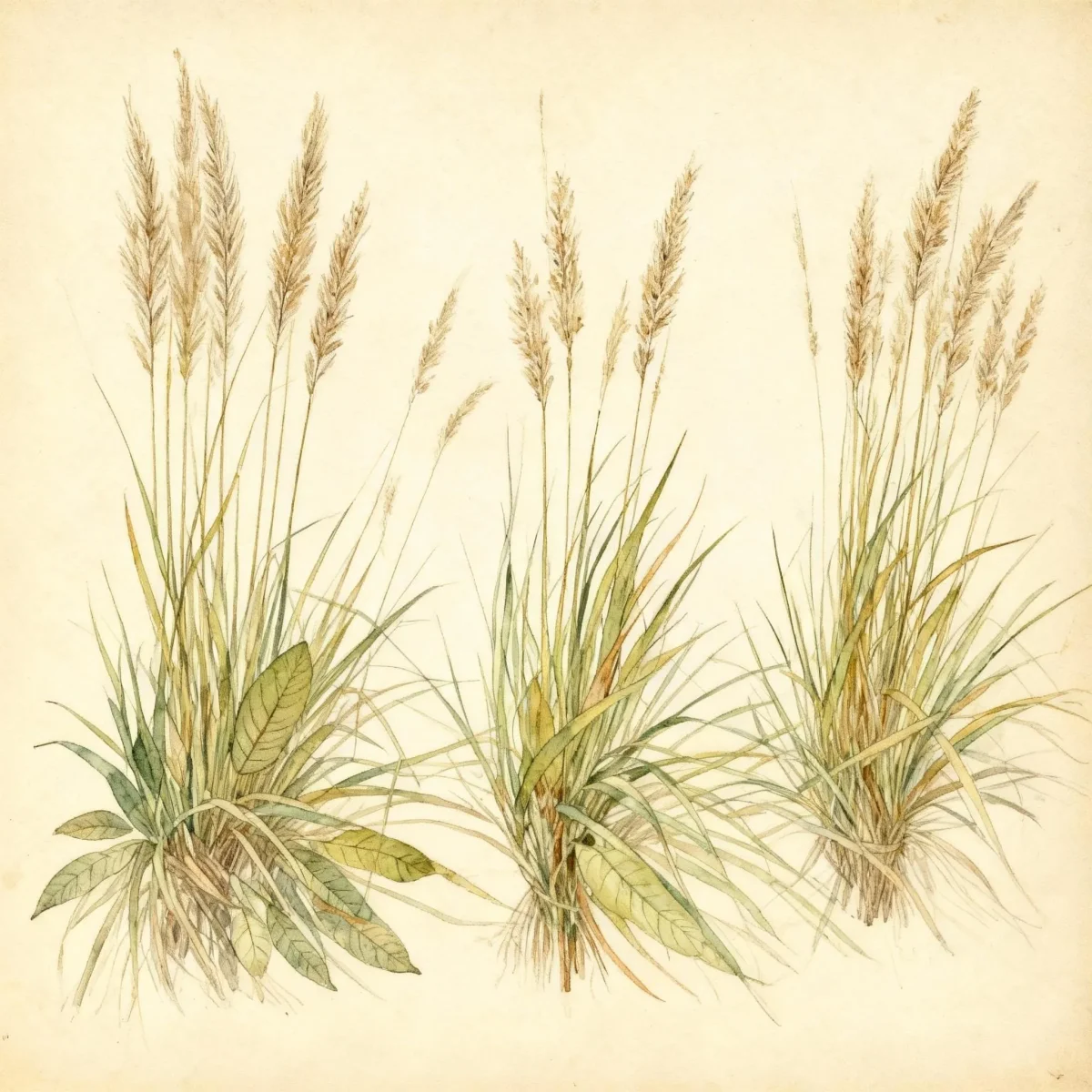
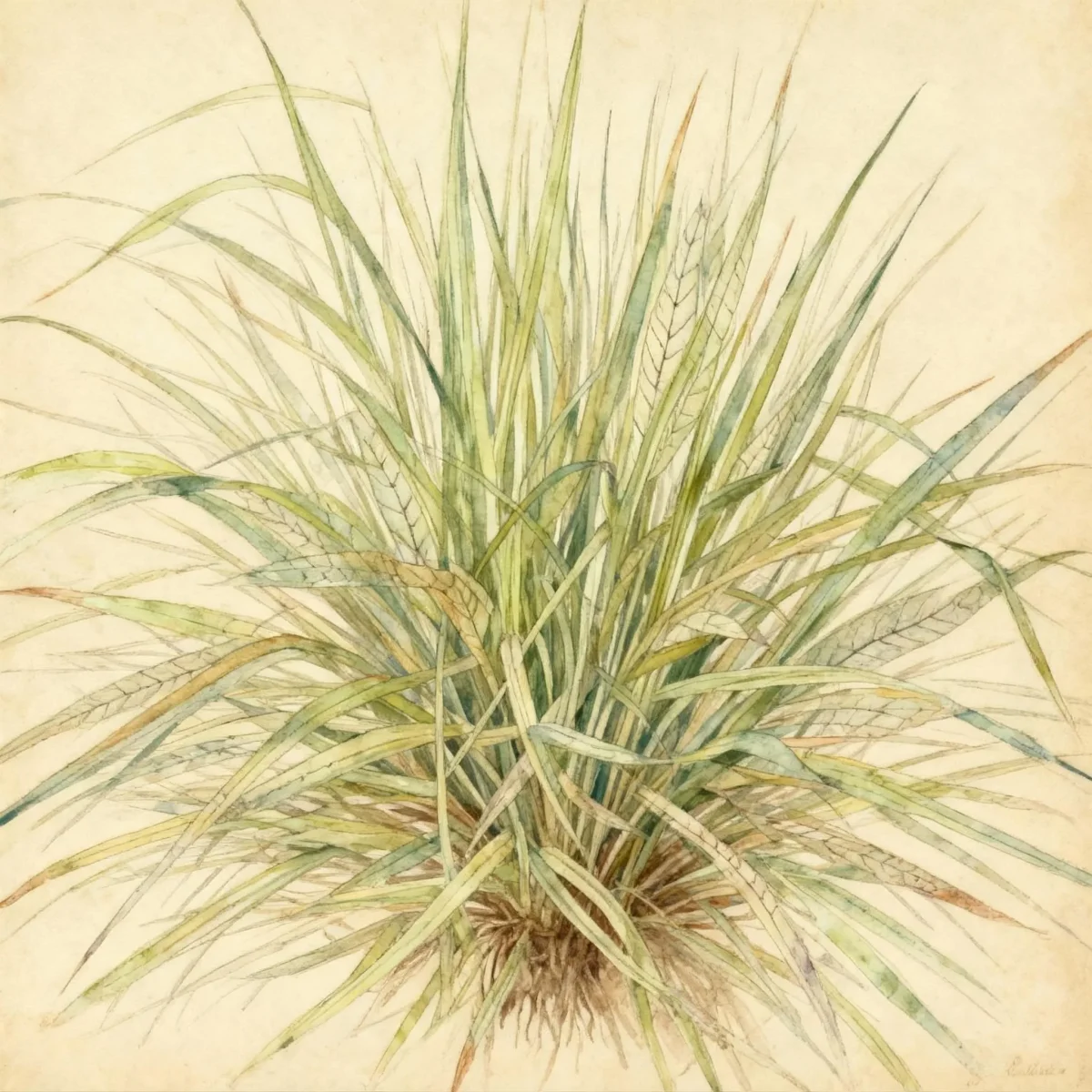
Calamagrostis brachytricha, known commonly as Reed grass, offers dependable late-season interest for the garden. It forms a tidy, clump-forming mound, making it a valuable architectural element among perennial borders. Unlike some faster-spreading ornamental grasses, this species spreads slowly, meaning it establishes nicely without becoming invasive.
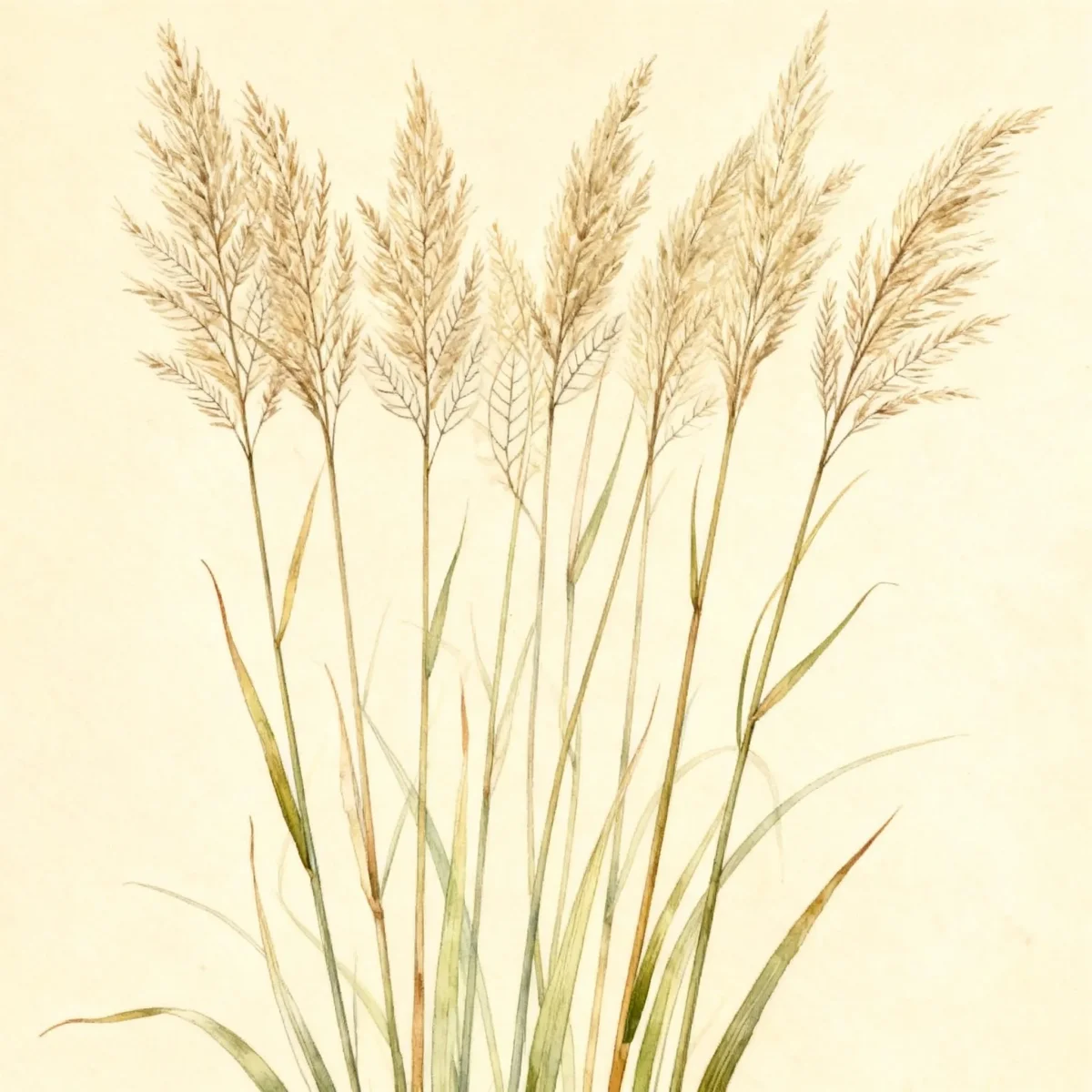
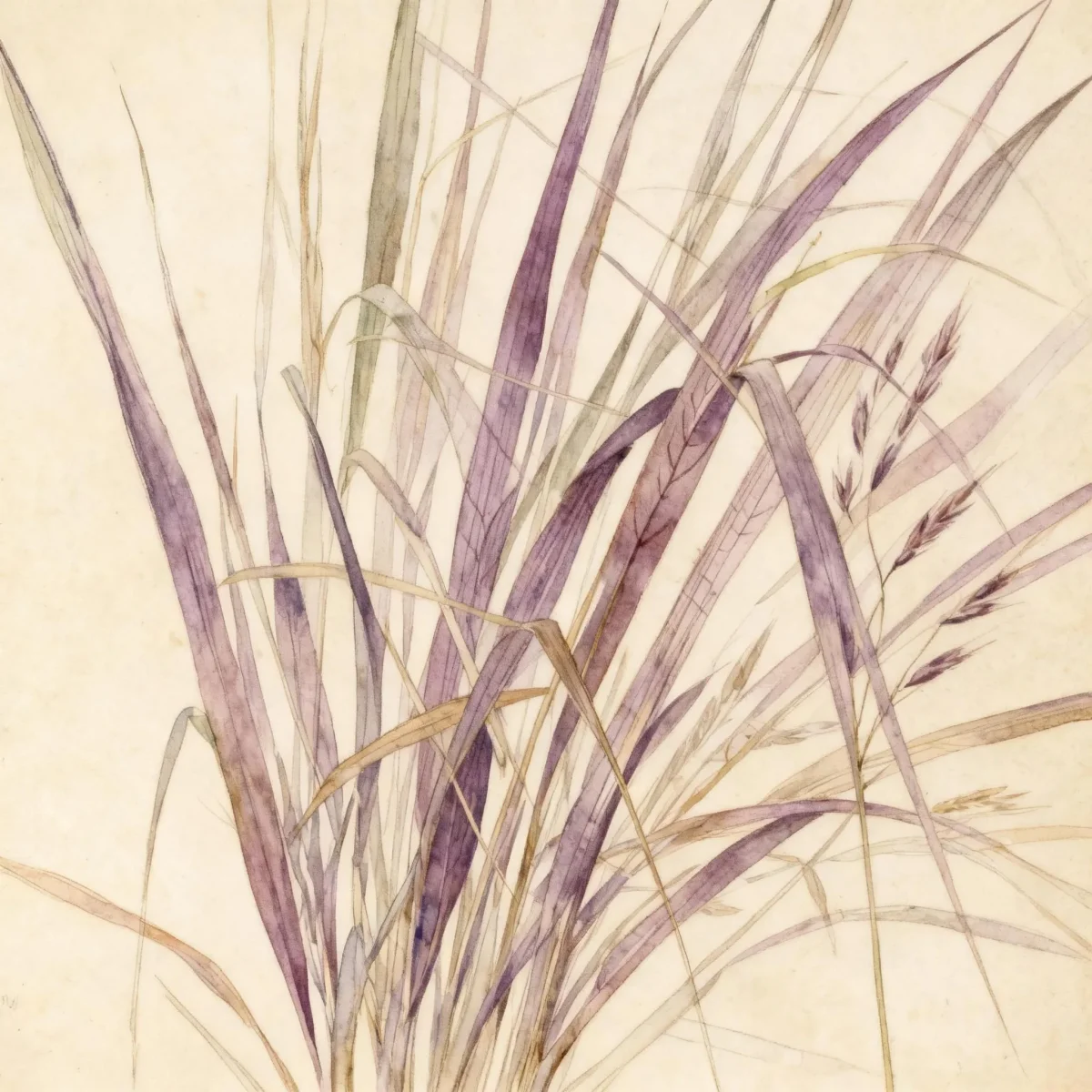
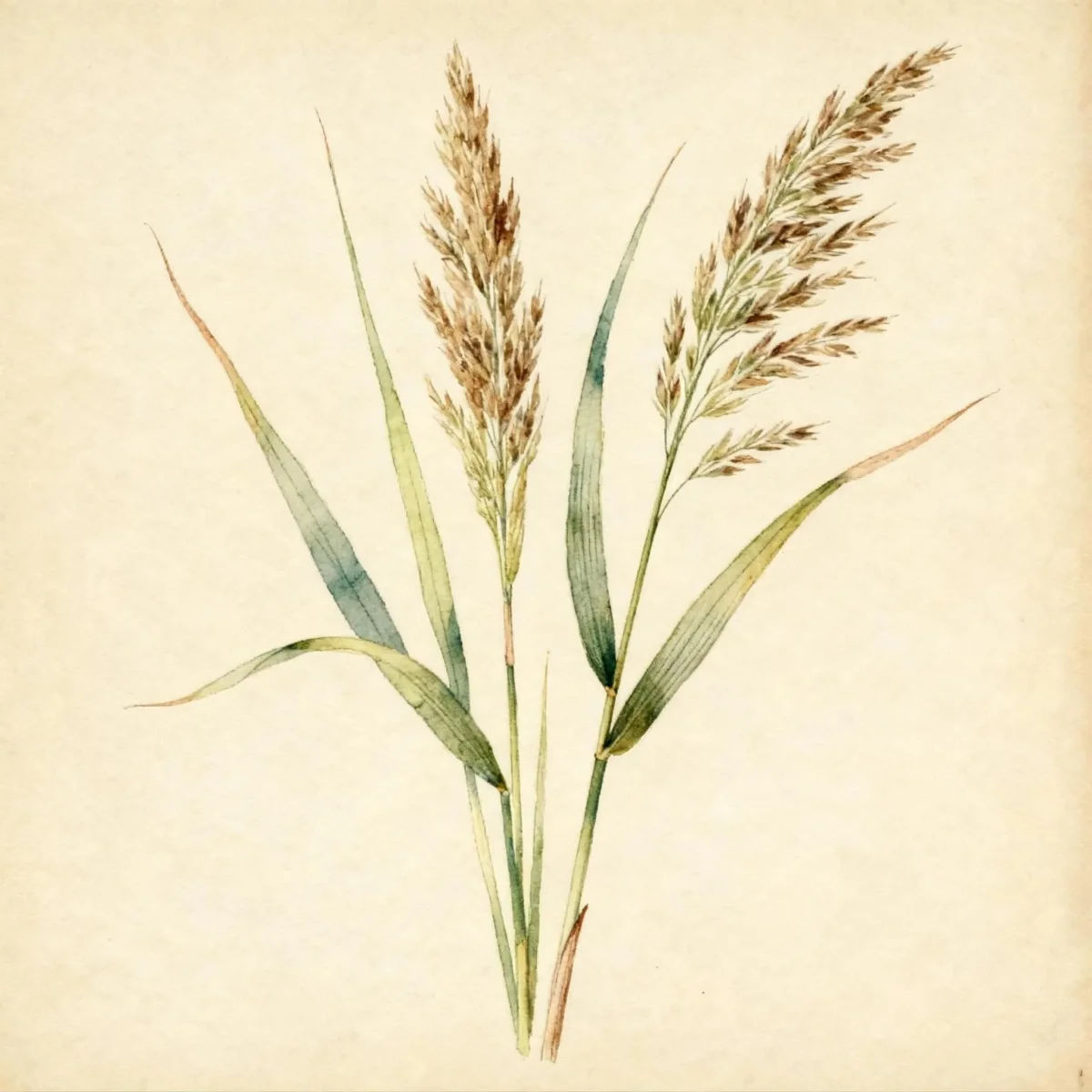
This warm season grass features narrow, stiff, green foliage that remains upright throughout its growth cycle. The main ornamental highlight arrives in late summer or early fall when airy, pink-tinged flower plumes emerge, rising well above the main foliage mass. These plumes gracefully mature to a light tan color, providing texture well into winter.
Gardeners appreciate Reed grass for its adaptability and low commitment requirements. It thrives in average to wet soils, handling moisture better than many of its ornamental grass relatives. Whether used as a specimen, in groups, or near water features, substituting this reliable Reed grass for less adaptable varieties simplifies landscape management.
Fast Facts
- Plant Family: Poaceae
- Plant Type: Ornamental grass
- Native Range: Central to eastern Asia
- Hardiness Zones: USDA Zones 4-9
- Size at Maturity:
- Height: 3-4 ft
- Spread: 2-3 ft
- Bloom Time: September to November
- Bloom Description: Pink tinged
- Sun Exposure: Full sun
- Water Needs: Medium to wet
- Maintenance Level: Low
How to Grow
Plant Calamagrostis brachytricha when conditions allow in spring or early fall in a location receiving full sun for the best performance. This Reed grass is notably adaptable and performs exceptionally well even in heavy clay soils, provided the soil is kept consistently moist. Ensure the planting site does not dry out, as soils should range from medium to wet.
Care for your Calamagrostis brachytricha is minimal once established. Due to its preference for moisture, monitor watering during prolonged dry spells, especially in hot summer climates where the plant may appreciate a bit of afternoon shade to prevent scorching. Fertilization is rarely necessary if the native soil quality is average.
Proper cleanup ensures vibrant regrowth next season. The essential maintenance task is timing the pruning correctly. Cut the entire clump down to the ground in late winter or very early spring, just as new shoots begin to emerge from the crown. This practice removes the old desiccated foliage and makes way for the new growth of the Reed grass.
Landscape Uses
Reed grass excels in situations where moisture is abundant or drainage is naturally slower. It is highly recommended for mass plantings along the edges of ponds, streams, or in low spots of the garden where other plants might struggle with perpetually moist feet. Its vertical structure also makes it an excellent accent plant, defining corners or transitions between beds and lawns.
When selecting companions, aim for plants that share similar moisture needs and thrive in full sun conditions. Consider pairing Calamagrostis brachytricha with moisture-loving perennials like Astilbe, Iris, or moisture-tolerant shrubs. The fine texture and late bloom season of the Reed grass offer a wonderful contrast to broad-leaved, early-season flowering plants.
The uniform clump habit of this ornamental grass allows it to be successfully used in groves or naturalistic groupings where movement in the wind adds dynamic texture to the overall design. Its reliable height (3-4 ft) ensures that visibility through the planting area is maintained, unlike taller, denser screening plants.
Standout Features
Noteworthy Characteristics
Calamagrostis brachytricha, a species of reed grass, is a slowly-spreading, clump-forming, warm season ornamental grass which features a mound of tough, narrow, stiff, green leaves typically growing to 2’ tall and as wide. Pinkish tinged flower plumes appear in late summer atop stems rising well above the foliage clump to 4’ tall. These plumes eventually mature to a light tan as the seeds ripen. Foliage transitions to a yellowish beige shade in the fall, adding seasonal color variation.
Tolerances
- Black Walnut
- Air Pollution
Potential Problems
This Calamagrostis brachytricha variety boasts an excellent disease and pest resistance profile. Gardeners generally encounter no serious insect or disease problems when cultivating this Reed grass, assuming proper cultural requirements regarding soil moisture are met. Avoid planting in areas that remain soggy year-round, which could lead to crown rot, though it tolerates wetness much better than many turf grasses.
If winter cleanup is neglected, old foliage can look untidy until the late winter pruning. Ensure that you wait to cut back the clump until the risk of severe frost has definitively passed in your region before performing the annual shear.
Frequently Asked Questions
What hardiness zones is Calamagrostis brachytricha suitable for?
Calamagrostis brachytricha is adaptable across a wide range, thriving in USDA Zones 4 through 9.
How large does Reed grass grow?
This ornamental grass typically reaches a mature height between 3 and 4 feet, spreading to a width of 2 to 3 feet.
What sun exposure does Reed grass need?
For the densest growth and finest flowering, Calamagrostis brachytricha requires full sun, benefiting from protection during intense afternoon heat in the hottest zones.
When does Reed grass bloom?
The distinct pink tinged flower plumes appear late in the season, generally from September through November.
Conclusion
The Reed grass, Calamagrostis brachytricha, is a highly valuable, low-maintenance ornamental grass prized for its late-season color and reliable clumping habit. Its ability to handle heavy, moist clay soils makes it a versatile choice for difficult garden spots. Before planting, confirm your USDA zone compatibility and plan your location near a water source to ensure this beautiful Reed grass thrives as a dynamic vertical element in your landscape.
Companion Planting
Because Calamagrostis brachytricha requires medium to wet soil conditions, successful companion planting revolves around selecting other moisture-loving natives or adapted species. Look for perennials that flourish under similar wet-foot conditions and appreciate full sun exposure. Plants like Joe Pye Weed, certain tall Sedges (Carex species adapted to wet sites), or moisture-tolerant Rodgersia will create a lush, bog-adjacent planting scheme alongside the Reed grass.
Contrast in leaf texture is key to maximizing the visual appeal of this grass. Pair the fine, linear foliage of the Calamagrostis with plants that possess large, bold leaves. This juxtaposition allows the airy movement of the grass plumes to be fully appreciated against a solid, non-moving backdrop during the late summer and fall months.
Design Ideas for Water Gardens
Utilizing Calamagrostis brachytricha at the transition zone—the area just outside the aquatic zone where soil remains damp but doesn’t flood—is an excellent design strategy. It helps soften the hard edge between a pond or stream bank and drier lawn areas. Use groupings of three or five plants to establish rhythm along a curving waterway.
In formal garden settings, the upright habit of this grass allows it to substitute for formal hedging borders where traditional shrubs would struggle with the moisture levels. Use the grass to define pathways leading toward a water feature, drawing the eye toward the sound and sight of water. The winter persistence of the tan plumes ensures that some structural interest remains even after the blooms have faded.