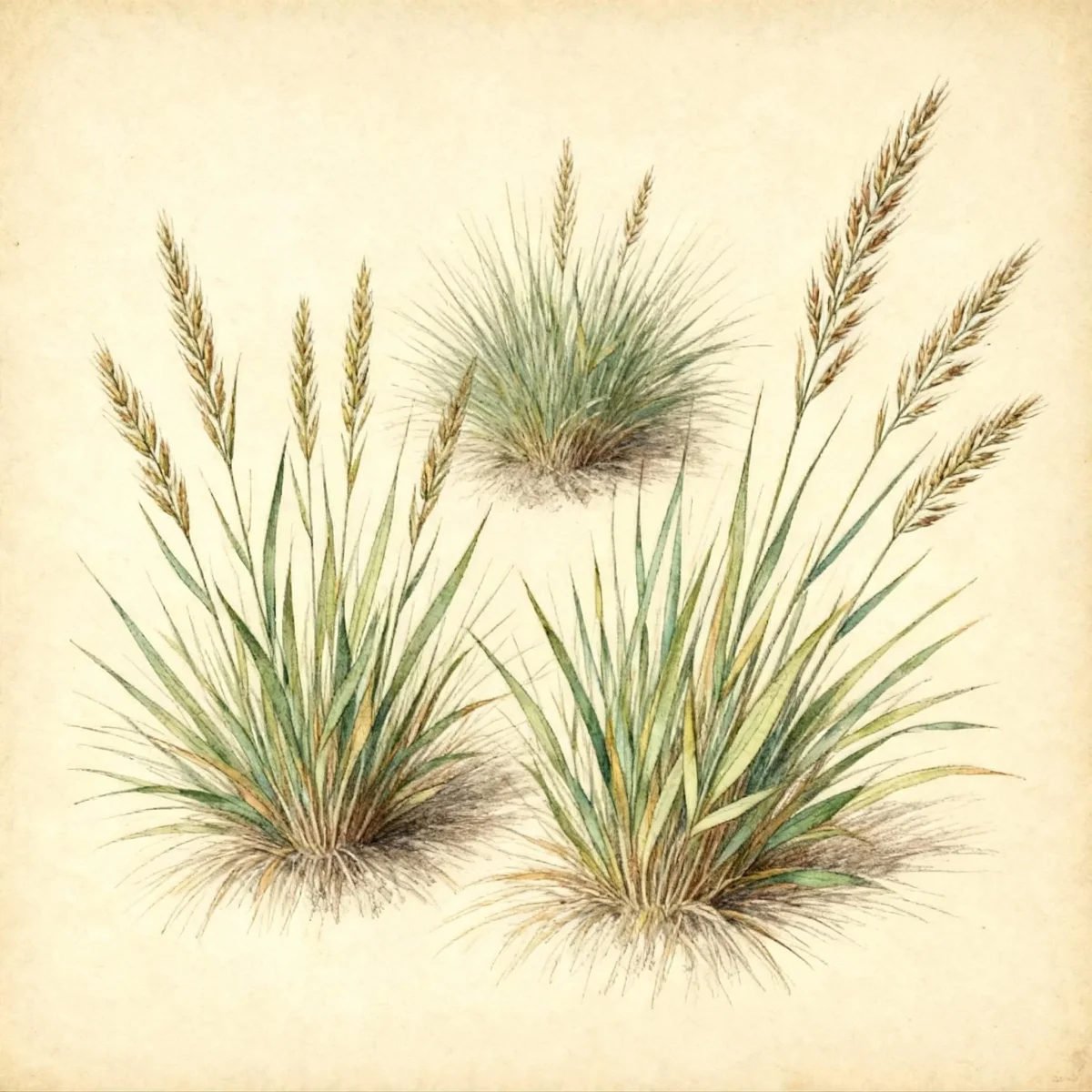
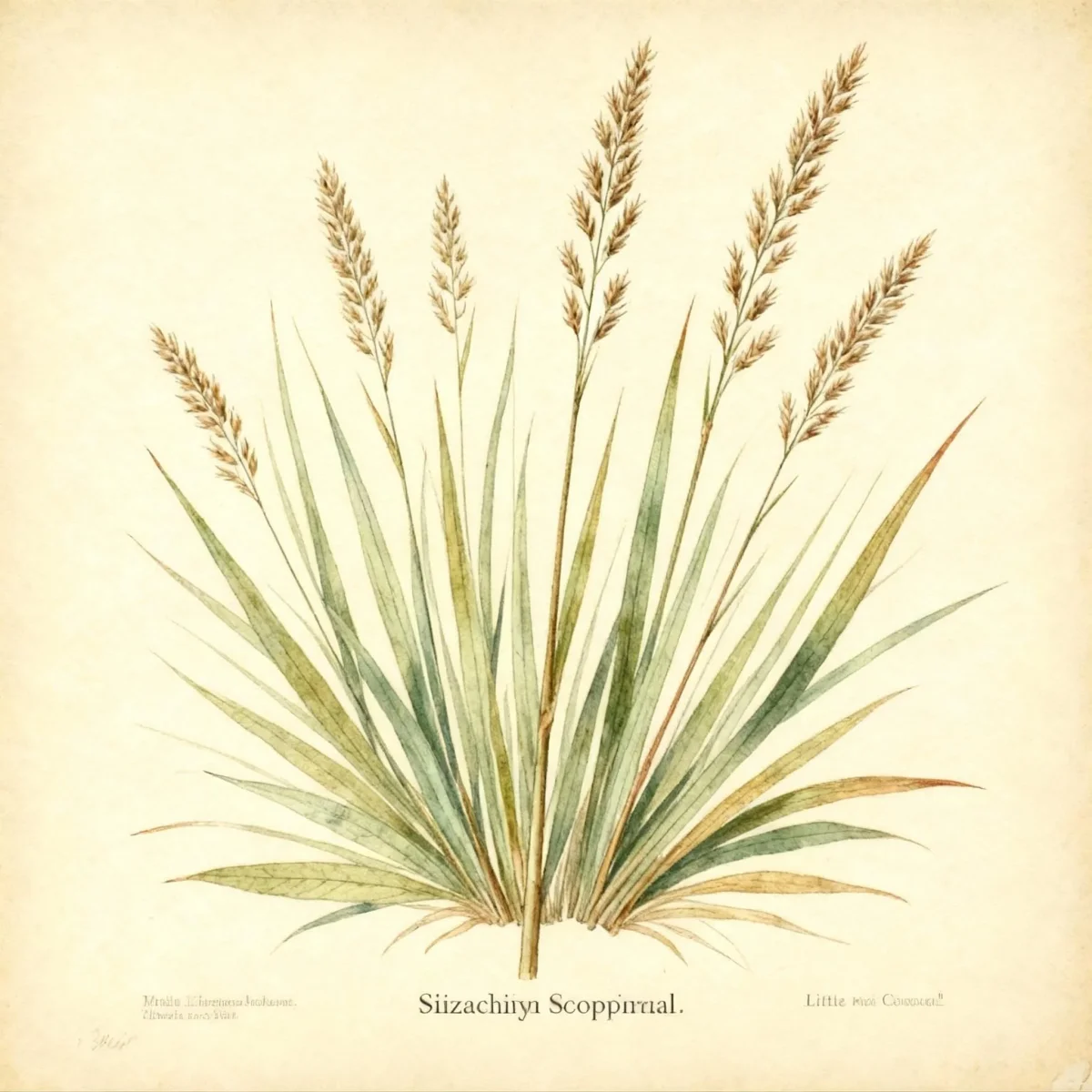
Little bluestem (Schizachyrium scoparium)
Little bluestem (Schizachyrium scoparium) is a tough, native ornamental grass prized for its blue-tinted foliage that turns bronze-orange in fall. Low maintenance and drought tolerant.
Scroll down to discover growing tips, care requirements, companion plants, and more
Complete Plant Information
Overview
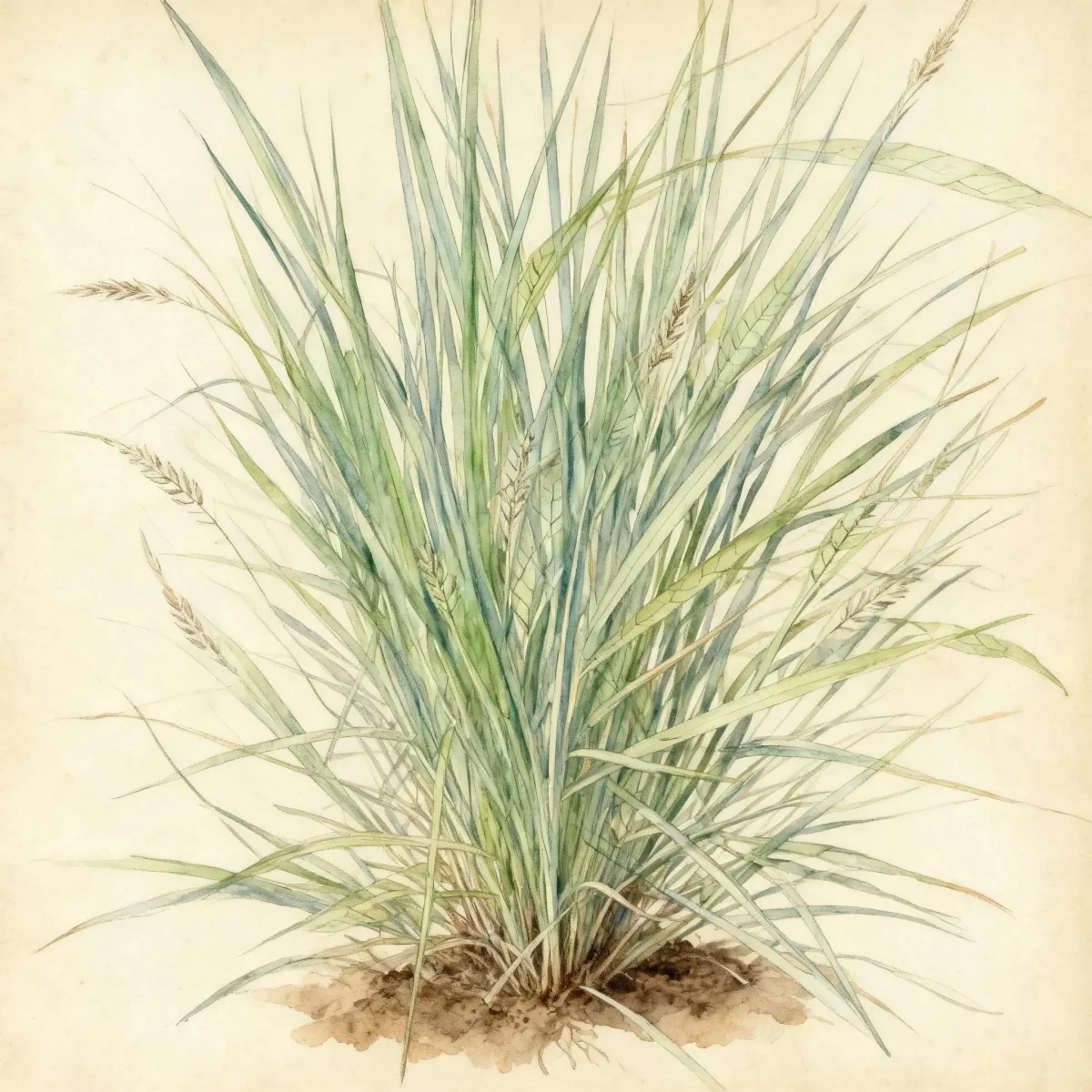
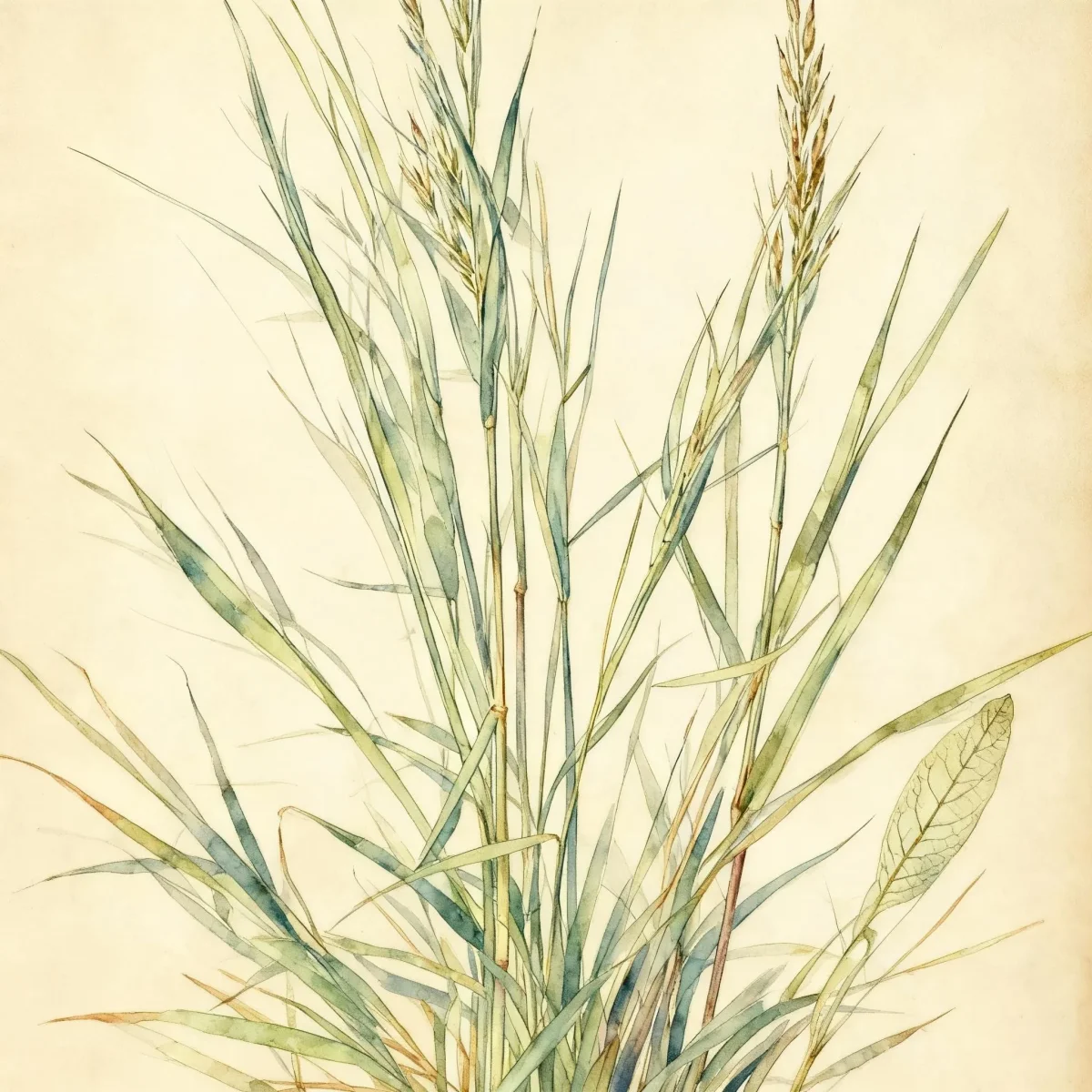
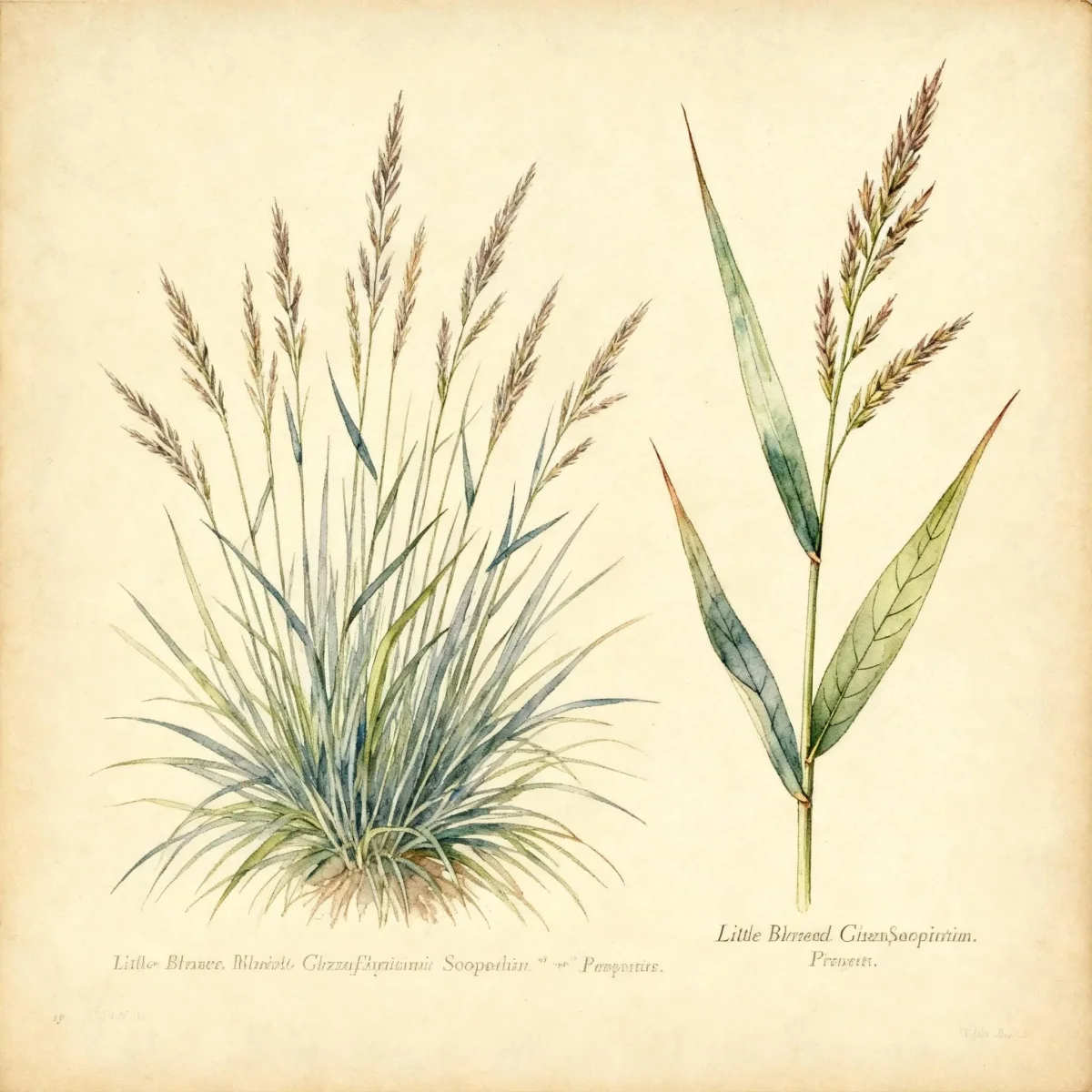
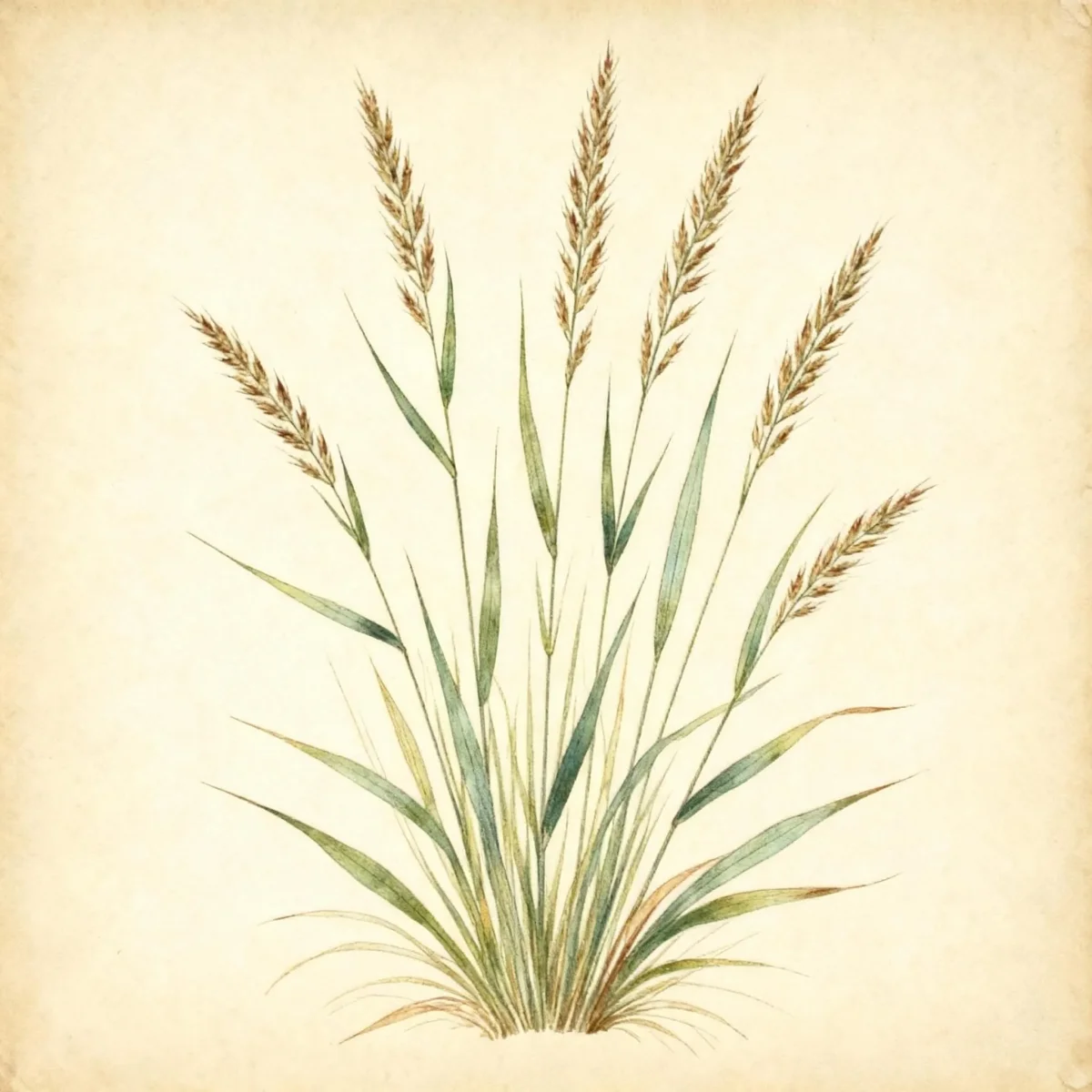
Little bluestem (Schizachyrium scoparium) is an iconic North American prairie grass valued for its striking seasonal color shifts and upright, clumping habit. This native ornamental grass provides excellent textural contrast in the landscape, starting with slender, bluish-green stems in the summer. As temperatures drop, the foliage of Schizachyrium scoparium transforms into brilliant shades of bronze and orange, providing essential winter interest.
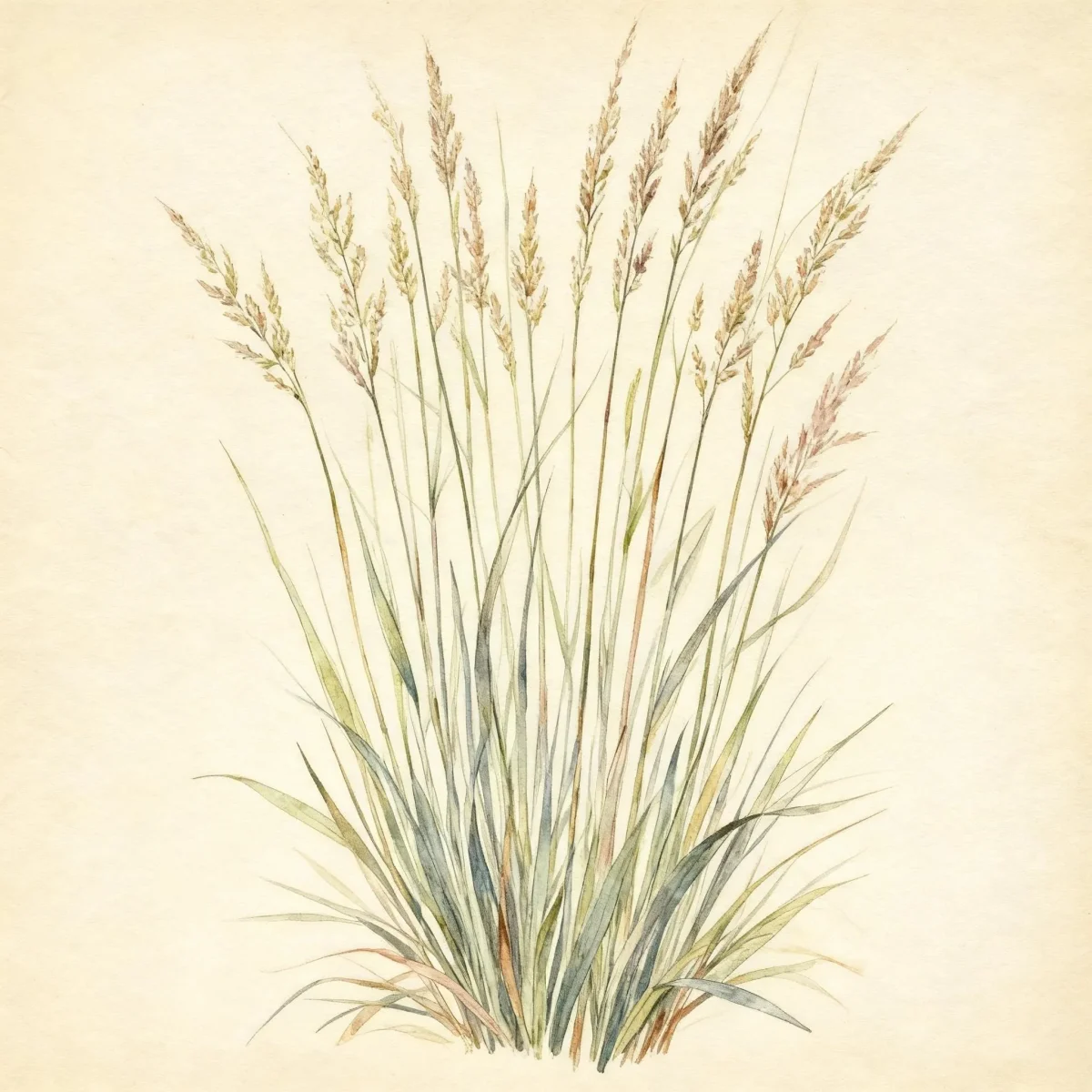
Valued for its low input requirements, Little bluestem thrives in difficult spots where many other cultivated plants fail. It establishes quickly and exhibits significant drought resistance once mature, making it a staple for sustainable and water-wise gardening designs across Eastern North America. The fluffy, silvery seed heads that follow the purplish bronze blooms also offer winter foraging opportunities for birds.
Gardeners should prioritize planting Schizachyrium scoparium in full sun conditions to maintain its dense, upright form. Its ability to tolerate poor, dry, or rocky soils further cements its place as a cornerstone species for naturalized settings, rain gardens, and low-maintenance borders, showcasing the beauty of native grasses throughout the year.
Fast Facts
- Plant Family: Poaceae
- Plant Type: Ornamental grass
- Native Range: Eastern North America
- Hardiness Zones: USDA Zones 3-9
- Size at Maturity:
- Height: 2-4 ft
- Spread: 1.5-2 ft
- Bloom Time: August to February
- Bloom Description: Purplish bronze
- Sun Exposure: Full sun
- Water Needs: Dry to medium
- Maintenance Level: Low
How to Grow
The best time to establish Schizachyrium scoparium is when the soil is workable in spring, ensuring good root development before summer heat. Plant in well-drained soil in a location receiving full sun; inadequate light will cause the clumps to flop significantly later in the season. This adaptable plant performs exceptionally well even in poor soils, clay, or thin, rocky substrates, requiring little pampering once situated.
Little bluestem thrives on neglect once established, exhibiting good drought resistance. It typically requires no supplemental watering beyond natural rainfall, especially in dry to medium moisture sites. Fertilization is usually unnecessary, as rich soil can also encourage legginess.
Maintenance is minimal for this low-maintenance selection. The primary cultural practice involves cutting the mature, dried stalks back to the ground in late winter or early spring before new growth begins. This clean-up prepares the plant for the next season and encourages robust fresh growth from the base of the clump.
Landscape Uses
Little bluestem is exceptionally versatile, transitioning seamlessly from formal borders to highly ecological landscape designs. Its upright texture makes it perfect as an accent plant in cottage gardens or massed to create sweeping, prairie-like meadows. Since it is recommended for rain gardens, it pairs well with other moisture-tolerant natives, offering structural contrast throughout the year.
When grouping or massing Schizachyrium scoparium, consider leveraging its color change. A mass planting of bronze and orange foliage provides a stunning backdrop for late-blooming perennials. It functions excellently in rock gardens where its tolerance for shallow-rocky soil is a major asset.
For sun-baked areas where turf struggles, this ornamental grass serves as an excellent, low-maintenance groundcover or border element. The fine texture beautifully offsets the coarser textures of coneflowers or rudbeckia, creating dynamic visual interest in wild gardens or along winding wood margins.
Standout Features
Flower Qualities
- Insignificant
Noteworthy Characteristics
Schizachyrium scoparium, commonly called little bluestem, is native to prairies, fields, clearings, hills, limestone glades, roadsides, waste areas and open woods spanning a wide region of North America. It was historically a dominant grass of the vast tallgrass prairie, known for its slender, upright clumps featuring foliage with a tinge of blue at the base. The foliage offers spectacular bronze-orange color in autumn, followed by purplish-bronze flower racemes, concluding with attractive, fluffy, silvery-white seed heads that winter birds enjoy.
Tolerances
- Deer
- Drought
- Erosion
- Dry Soil
- Shallow-Rocky Soil
- Black Walnut
- Air Pollution
Potential Problems
This plant is remarkably resilient, typically presenting no serious insect or disease problems under appropriate growing conditions. The most common management issue is entirely cultural: ensuring adequate sunlight. If Schizachyrium scoparium is planted in too much shade, the stems will become weak and prone to flopping over, especially after rain or snow. Avoid over-fertilizing, which also contributes to weak, floppy growth.
Frequently Asked Questions
What hardiness zones is Little bluestem suitable for?
Little bluestem (Schizachyrium scoparium) is highly adaptable and suitable for USDA Zones 3 through 9.
How large does Little bluestem grow?
This ornamental grass typically reaches mature heights between 2 to 4 feet tall, forming clumps that spread between 1.5 and 2 feet wide.
What sun exposure does Little bluestem need?
Schizachyrium scoparium requires full sun exposure to develop its best color and maintain its upright habit, preventing late-season flopping.
When does Little bluestem bloom?
The flowering period for Little bluestem usually spans from August through February, producing distinctive purplish bronze blooms.
Conclusion
Schizachyrium scoparium is a champion of native landscapes, offering exceptional four-season interest, high drought tolerance, and minimal required maintenance. Incorporating Little bluestem into your garden design ensures you gain striking foliage color and ecological value simultaneously. Before planting, confirm your location falls within USDA Zones 3-9 and ensure the site receives full, unimpeded sunlight.
Companion Planting
When selecting companions for Schizachyrium scoparium, focus on plants that share its preference for full sun and dry to medium moisture. Short-statured native wildflowers that bloom concurrently or sequentially work well. Consider pairing Little bluestem with Purple Coneflower (Echinacea purpurea) or Butterfly Weed (Asclepias tuberosa) for excellent color and texture contrast during the summer months.
Since this grass establishes good drought tolerance, avoid pairing it directly with bog-loving species that require consistently wet feet. Instead, select companions adapted to well-drained conditions, such as Coreopsis or various native Sedums. Allowing the grass to mass naturally provides an excellent textural buffer to lower-growing companions, creating a naturalistic, tapestry-like effect.
Wildlife Benefits
The structure and seeds of Schizachyrium scoparium provide significant support to local ecosystems. The dense clumps offer critical winter cover and shelter for many small ground-dwelling insects and overwintering beneficial Hymenoptera. Furthermore, the seeds developed after the bloom period are a readily consumed food source for numerous species of seed-eating songbirds throughout the winter.
Planting this native grass encourages biodiversity compared to standard turf applications. Its presence supports the food web from base to top, offering both sustenance (seeds) and habitat (clumping structure). Using Schizachyrium scoparium in meadows or borders is a direct way to enhance local wildlife support while minimizing landscape management efforts.