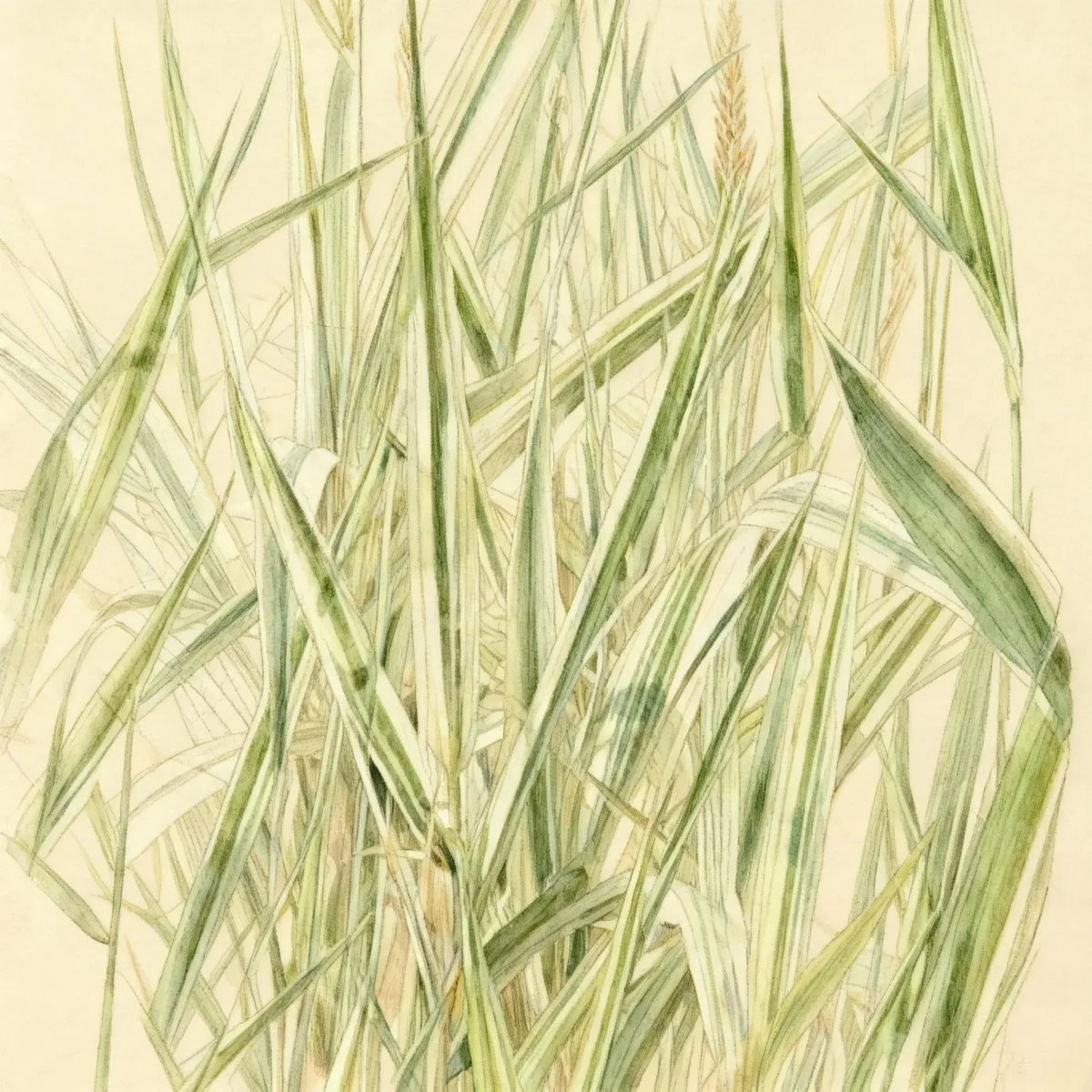
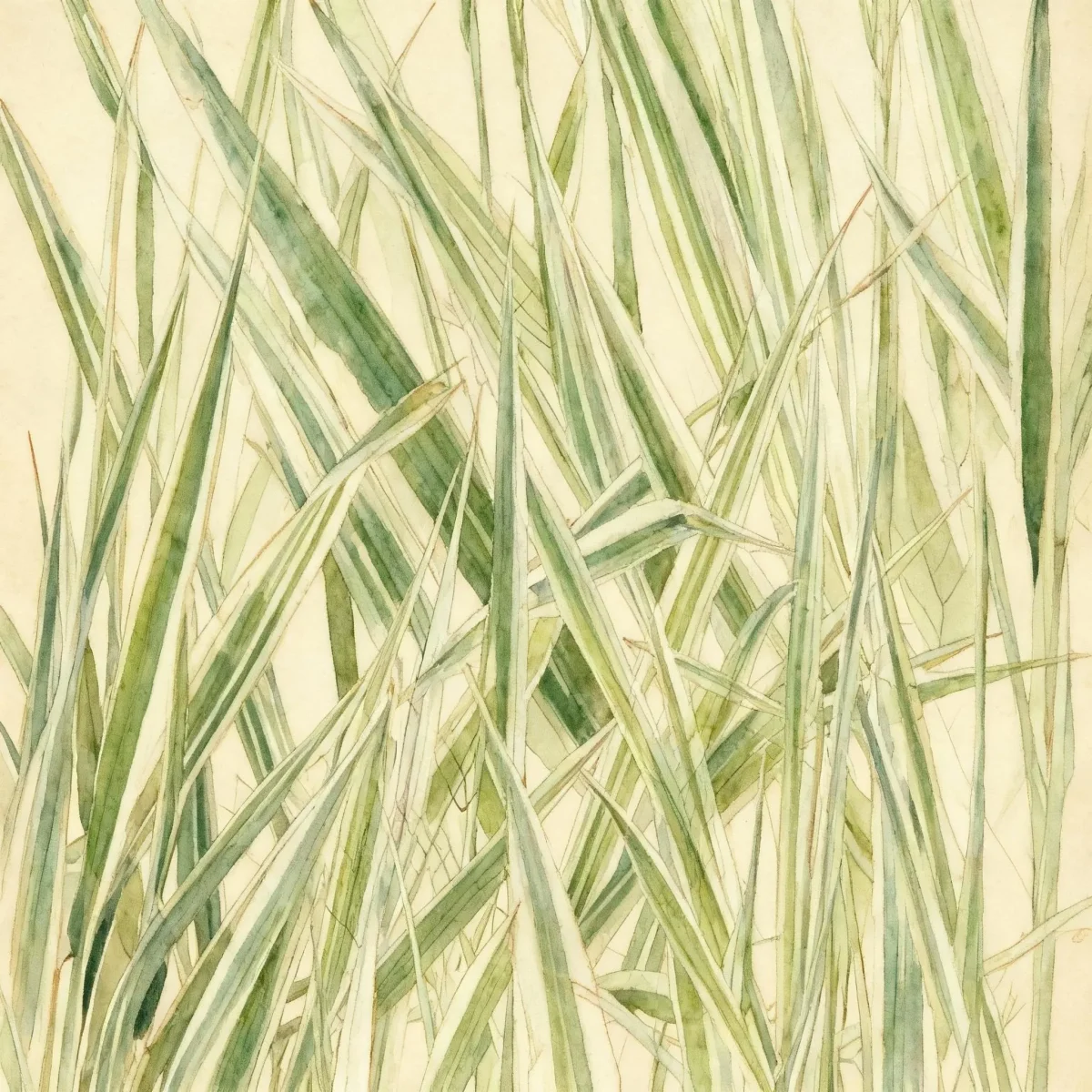
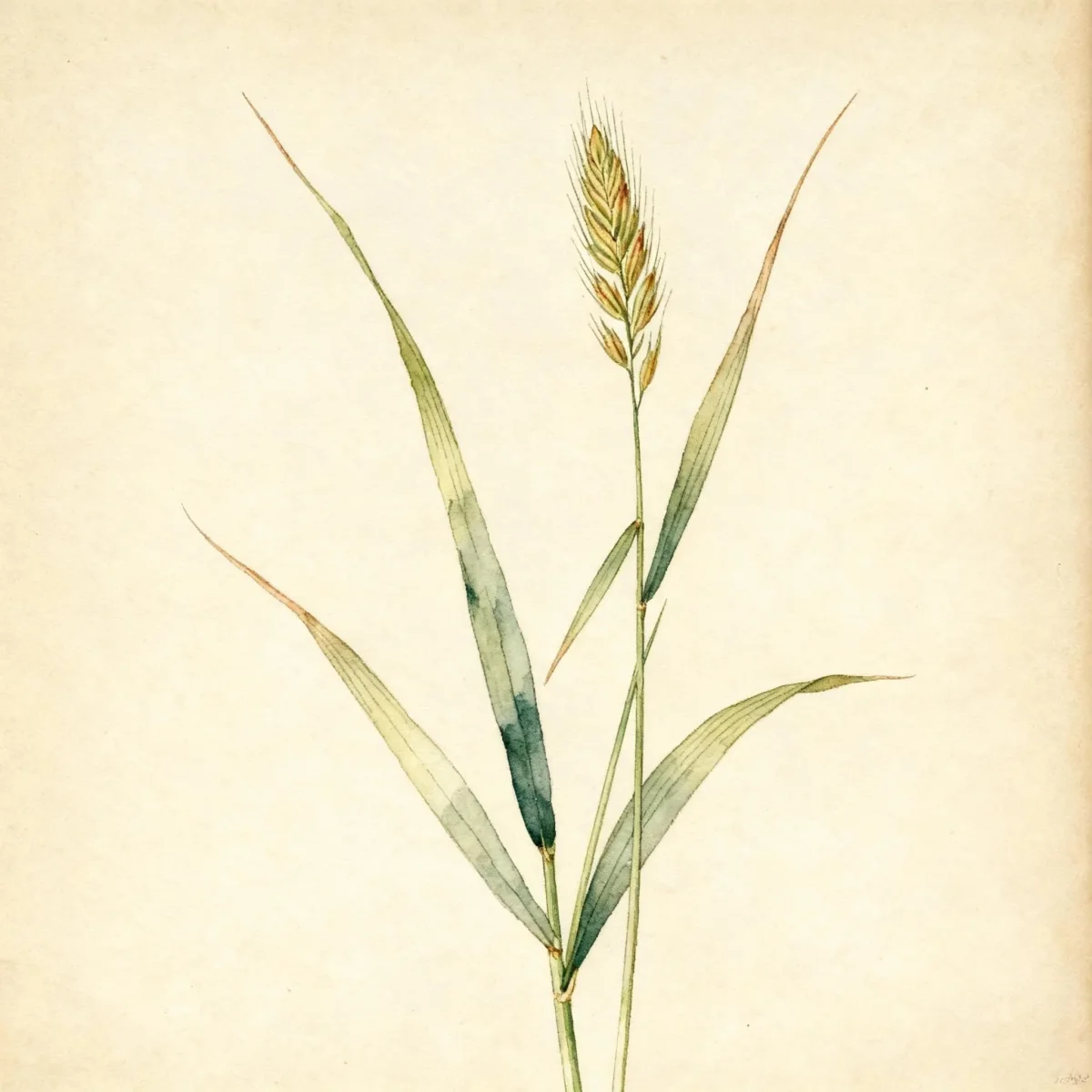
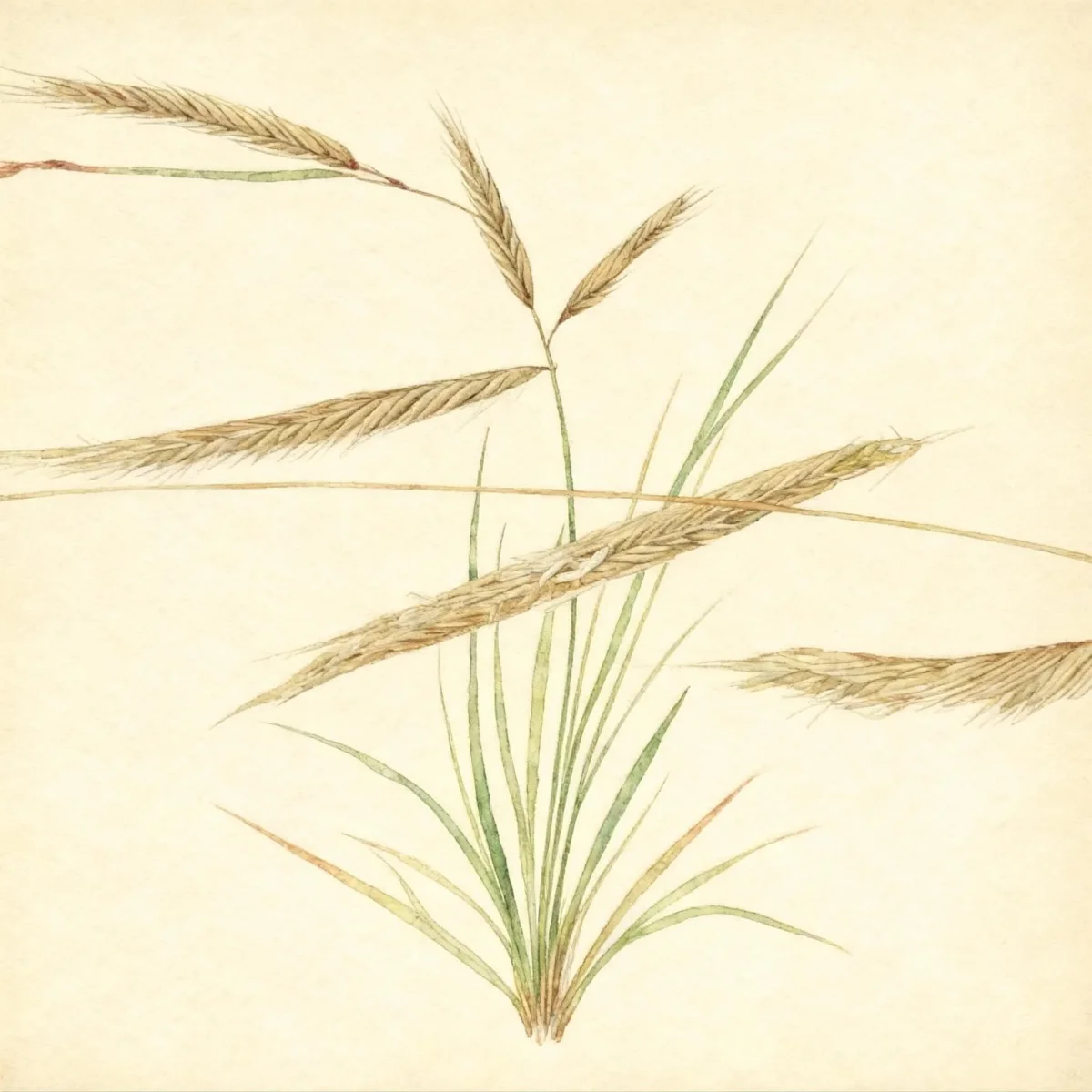
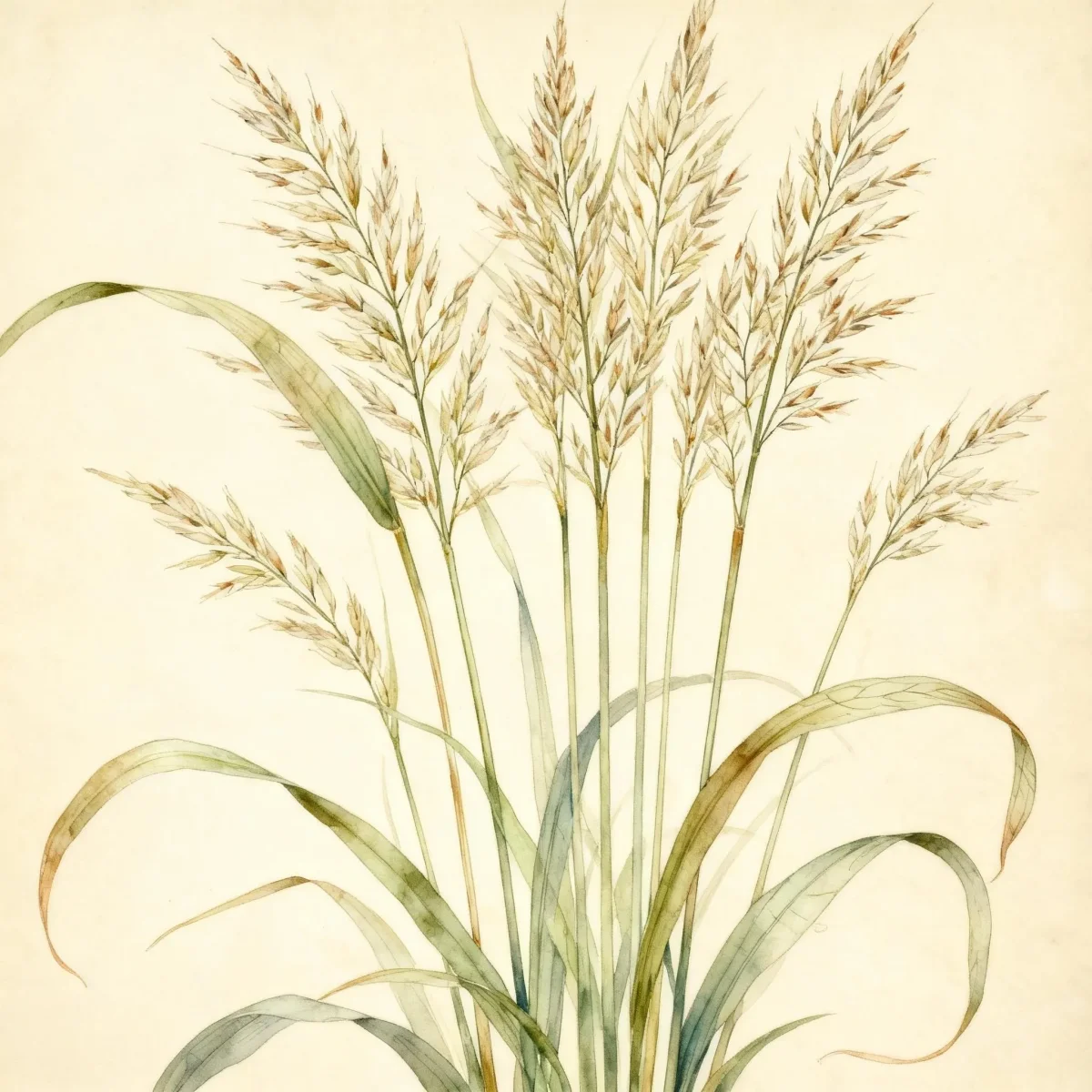
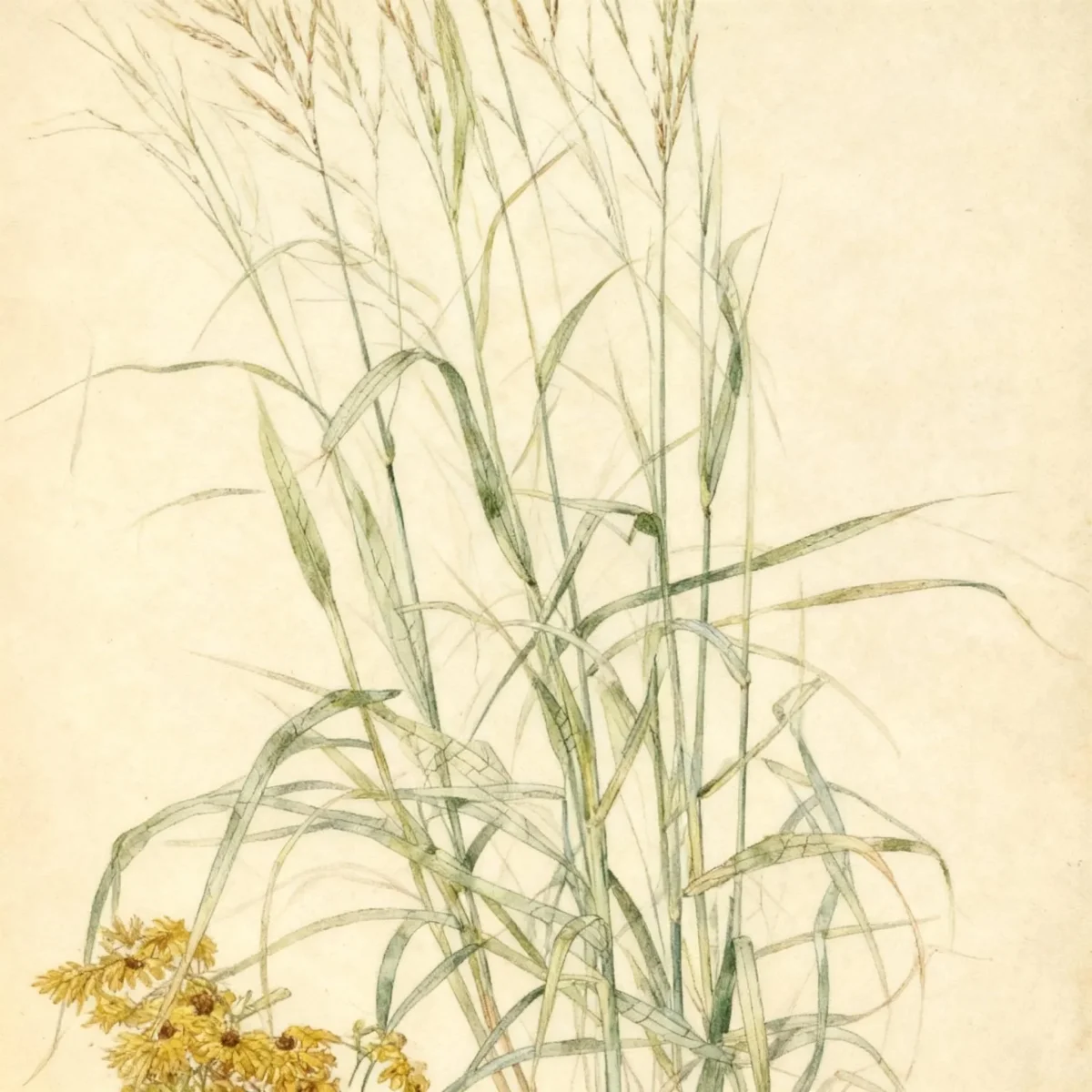
Wood reed grass (Cinna arundinacea)
Wood reed grass (Cinna arundinacea) is a striking warm-season ornamental grass thriving in moist soils, perfect for native woodland plantings.
Scroll down to discover growing tips, care requirements, companion plants, and more
Complete Plant Information
Overview
Wood reed grass, scientifically known as Cinna arundinacea, is a valuable warm-season perennial grass highly suited for gardeners aiming to recreate natural wetland or woodland aesthetics. It brings architectural interest with erect, light green culms topped by nodding, airy panicles during mid-summer. This reliable native plant integrates beautifully into moist garden settings throughout the Eastern and central United States.
Distinguishing itself by its adaptability across the light spectrum, Cinna arundinacea performs well in full sun provided its moisture needs are met, though it truly excels in dappled light areas. Its growth habit yields a medium-sized clump, rarely exceeding five feet in height, making it an excellent mid-story element in landscape designs focusing on texture over bright color.
For those focusing on native ecology, planting Cinna arundinacea supports local ecosystems and offers reliable texture without demanding intensive care. Its structure remains attractive into the fall, providing winter interest alongside its excellent performance in wet or organically rich soils.
Fast Facts
- Plant Family: Poaceae
- Plant Type: Ornamental grass
- Native Range: Eastern and central United States
- Hardiness Zones: USDA Zones 4-7
- Size at Maturity:
- Height: 2-5 ft
- Spread: 1-2 ft
- Bloom Time: July to August
- Bloom Description: Green
- Sun Exposure: Full sun to part shade
- Water Needs: Medium to wet
- Maintenance Level: Medium
How to Grow
Cinna arundinacea is easiest to establish when planted in the spring or fall, aiming for locations where soil moisture is reliably retained. This grass prefers average, medium to wet soils, but thrives particularly well in organically rich loams. While it tolerates full sun, ensure consistent moisture is available in those brighter spots; consistently moist, sun-dappled conditions in part shade are ideal for robust growth.
Maintenance for Wood reed grass is generally considered medium. Watering should be consistent, especially during establishment and dry summer spells, as it prefers moist conditions. Fertilization is rarely required if the soil is organically rich, as excessive nutrients can lead to floppier stems.
When caring for your Cinna arundinacea, clean up old foliage late in the season or wait until early spring before new growth emerges. This practice leaves valuable winter structure and potential foraging material for wildlife. The plant is vigorous and establishes through spreading, though it is not typically considered aggressive.
Landscape Uses
The primary role for Cinna arundinacea in the landscape is rooted in its native preference for damp environments. It excels when allowed to naturalize along streambanks, in moist woodland areas, or within rain gardens where other ornamental grasses might struggle due to excess water.
As a native plant, it integrates seamlessly into habitat restoration projects or native plant gardens, forming attractive, fine-textured masses. Consider pairing Wood reed grass with moisture-loving perennials that bloom later in the season for continuous interest, such as wetland irises or cardinal flower.
Use this grass to soften edges, prevent erosion on subtle slopes, or as an informal screen in areas where true formality is not desired. Its graceful, nodding green flower heads in summer provide subtle movement across the garden space.
Standout Features
Noteworthy Characteristics
Cinna arundinacea, commonly known as wood reed grass, is a warm season perennial grass that typically grows to 2-5’ tall on erect, glabrous, light green culms (stems) clad with flat, narrow, gray-green leaves (to 14” long and 1/2” wide) with scabrous margins. Each culm is topped in summer by an open, dense, nodding, many-flowered, terminal panicle (to 4-10” long) with ascending branches. This grass is native to wet woodlands, moist ravines, damp thickets and streambanks from Quebec and Maine to Ontario and Minnesota south to Georgia, Tennessee, Arkansas and Texas (Steyermark).
Tolerances
- Erosion
Potential Problems
Wood reed grass exhibits excellent durability in the landscape. Gardeners rarely encounter serious insect or disease issues that compromise the health of Cinna arundinacea. Prevention primarily focuses on providing the correct cultural conditions—specifically adequate moisture—to ensure strong, competitive growth that naturally crowds out potential weeds. Monitor for signs of root rot if planted in poorly draining, perpetually saturated soil, as this is the most likely stressor for this moisture-loving species.
Frequently Asked Questions
What hardiness zones is Wood reed grass suitable for?
This ornamental grass is reliably hardy across USDA Zones 4 through 7, making it suitable for a wide swath of the temperate Eastern and Central United States.
How large does Wood reed grass grow?
Cinna arundinacea typically reaches a mature height between 2 and 5 feet, with a spread ranging from 1 to 2 feet wide.
What sun exposure does Wood reed grass need?
This species performs best in an environment ranging from full sun to part shade, provided that when positioned in full sun, the soil receives consistent moisture.
When does Cinna arundinacea bloom?
The blooming period for Cinna arundinacea occurs from July into August, displaying attractive green panicles.
Conclusion
Cinna arundinacea, or Wood reed grass, offers resilient texture and desirable moisture tolerance for ecologically minded gardeners. Its native status and modest maintenance requirements make it an excellent choice for naturalizing borders or wetland margins. Before planting, confirm your local USDA hardiness zone falls within the 4 to 7 range and secure a site with adequate moisture supply.
Companion Planting
When designing a planting scheme around Cinna arundinacea, focus on other plants that share a preference for consistently moist, organically rich soils. This provides a cohesive planting that shares water and light requirements. Excellent companions include various ferns that tolerate damp shade, such as Ostrich Fern (Matteuccia struthiopteris), or moisture-loving flowering perennials like Swamp Milkweed (Asclepias incarnata). These combinations create a lush, layered woodland effect that mimics the grass’s natural habitat.
Wildlife Benefits
As a native grass in the Eastern and Central United States, Cinna arundinacea plays an integral role in supporting local fauna throughout the growing season. While the green summer blooms are subtle, they provide an important nectar source when many other ornamentals are either done flowering or have not yet begun. Furthermore, the standing structure of the grass in winter offers critical cover and nesting material for small birds and beneficial insects seeking shelter during cold months.