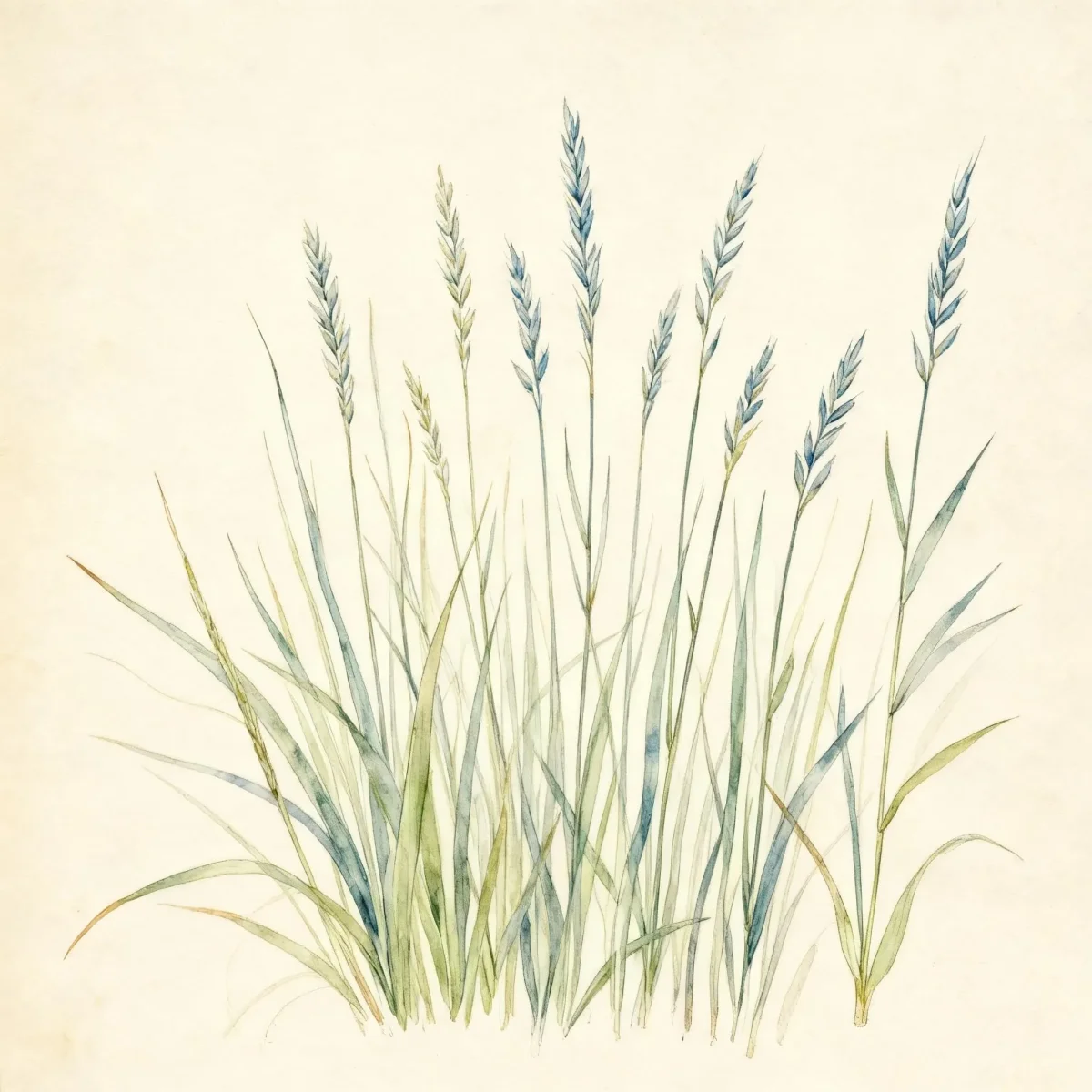
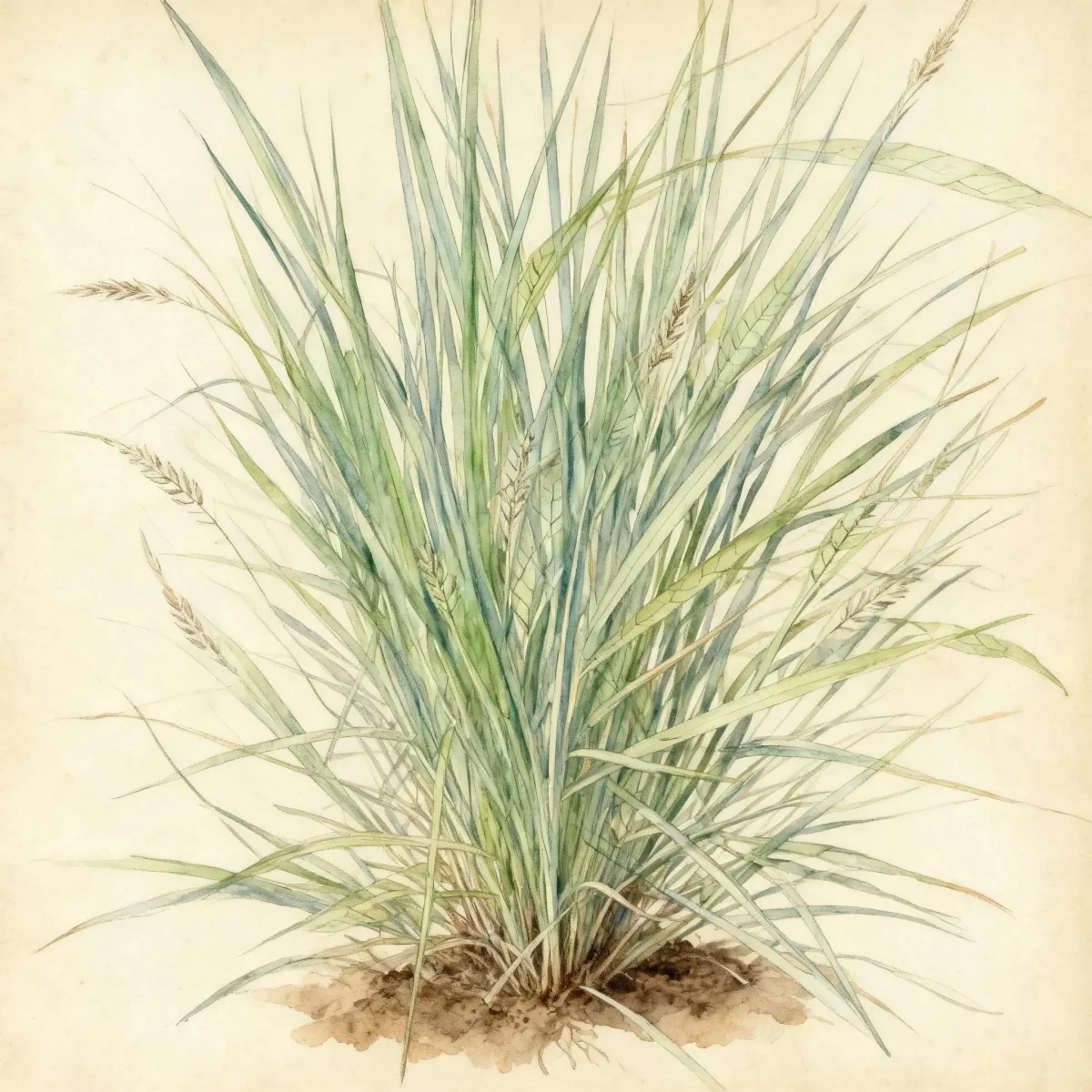
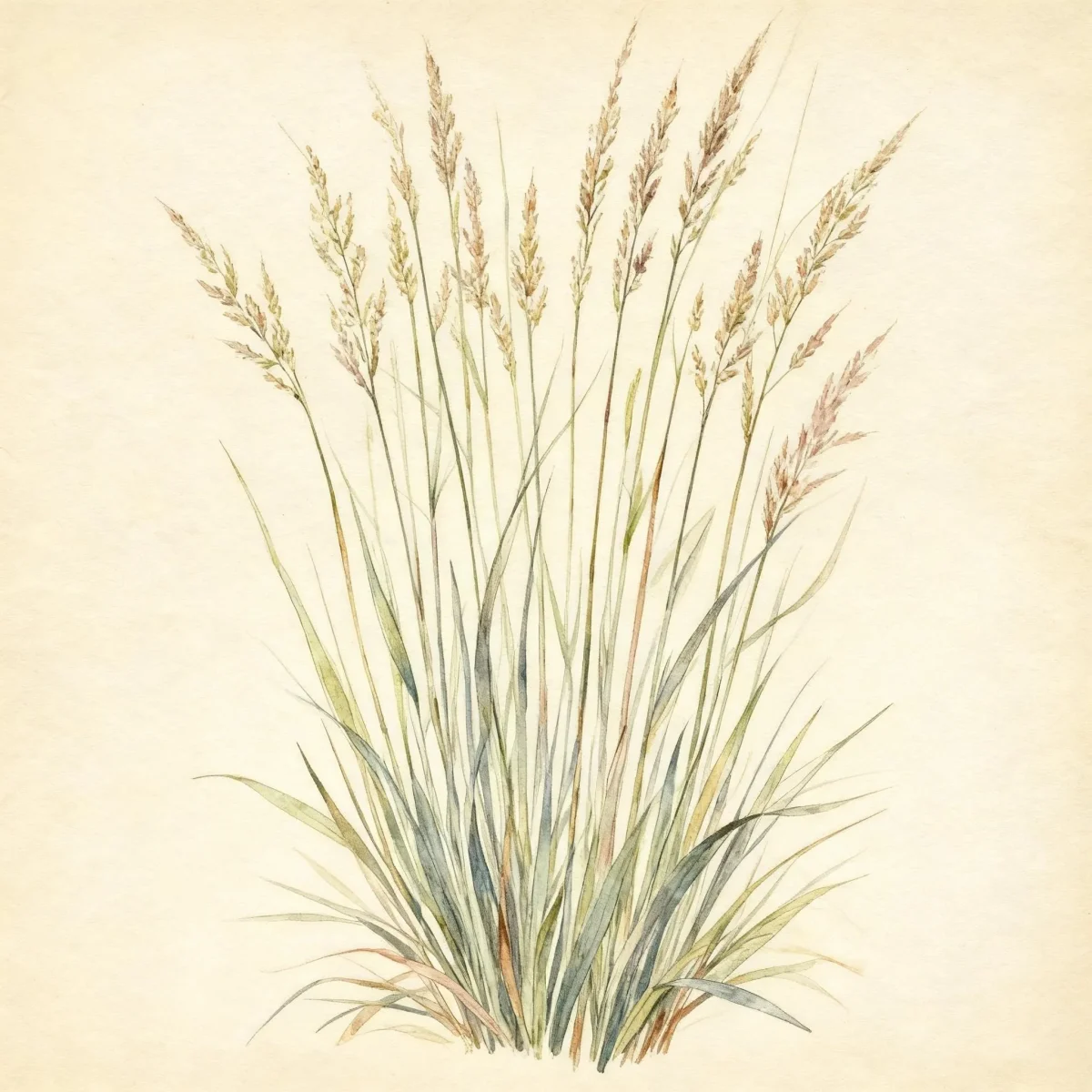
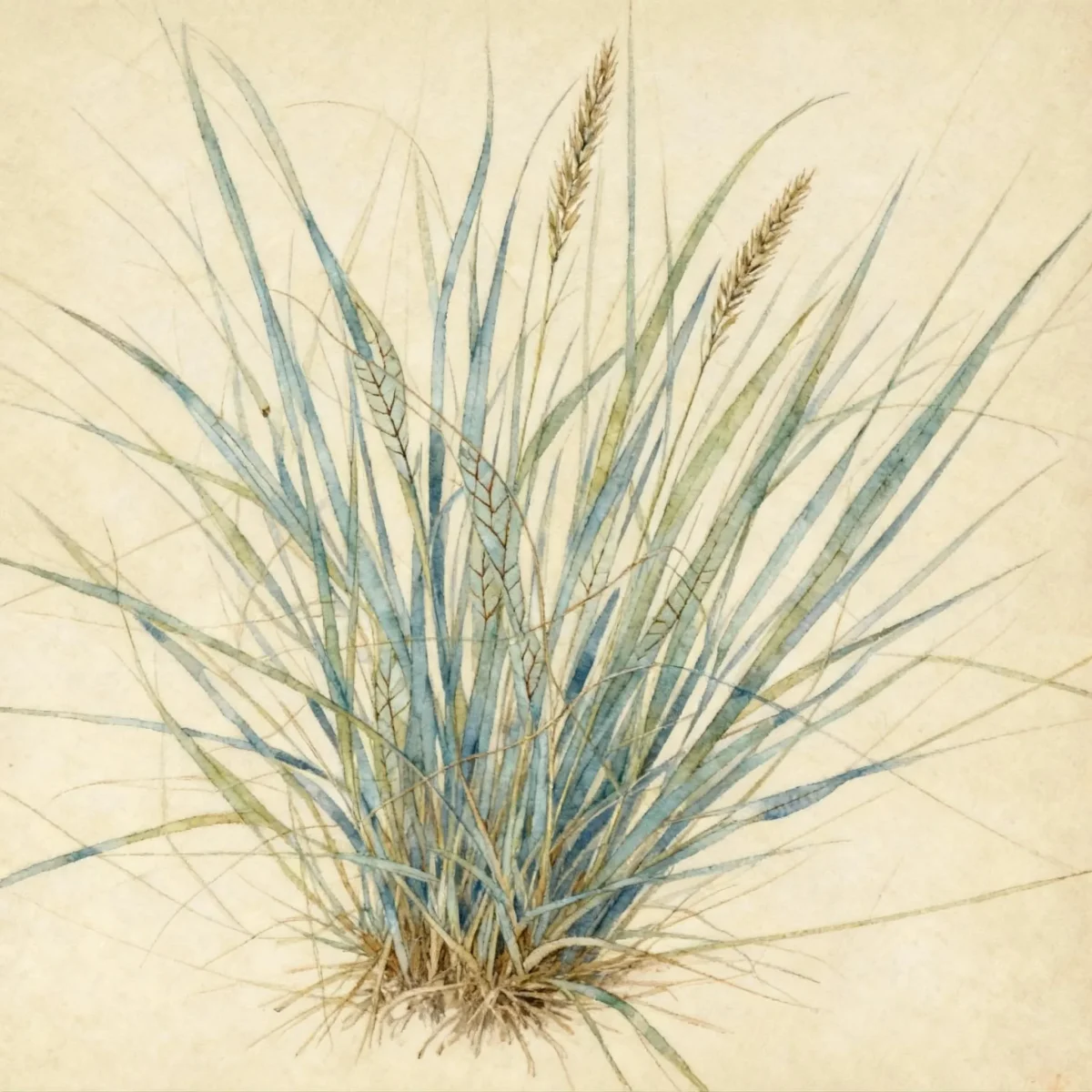
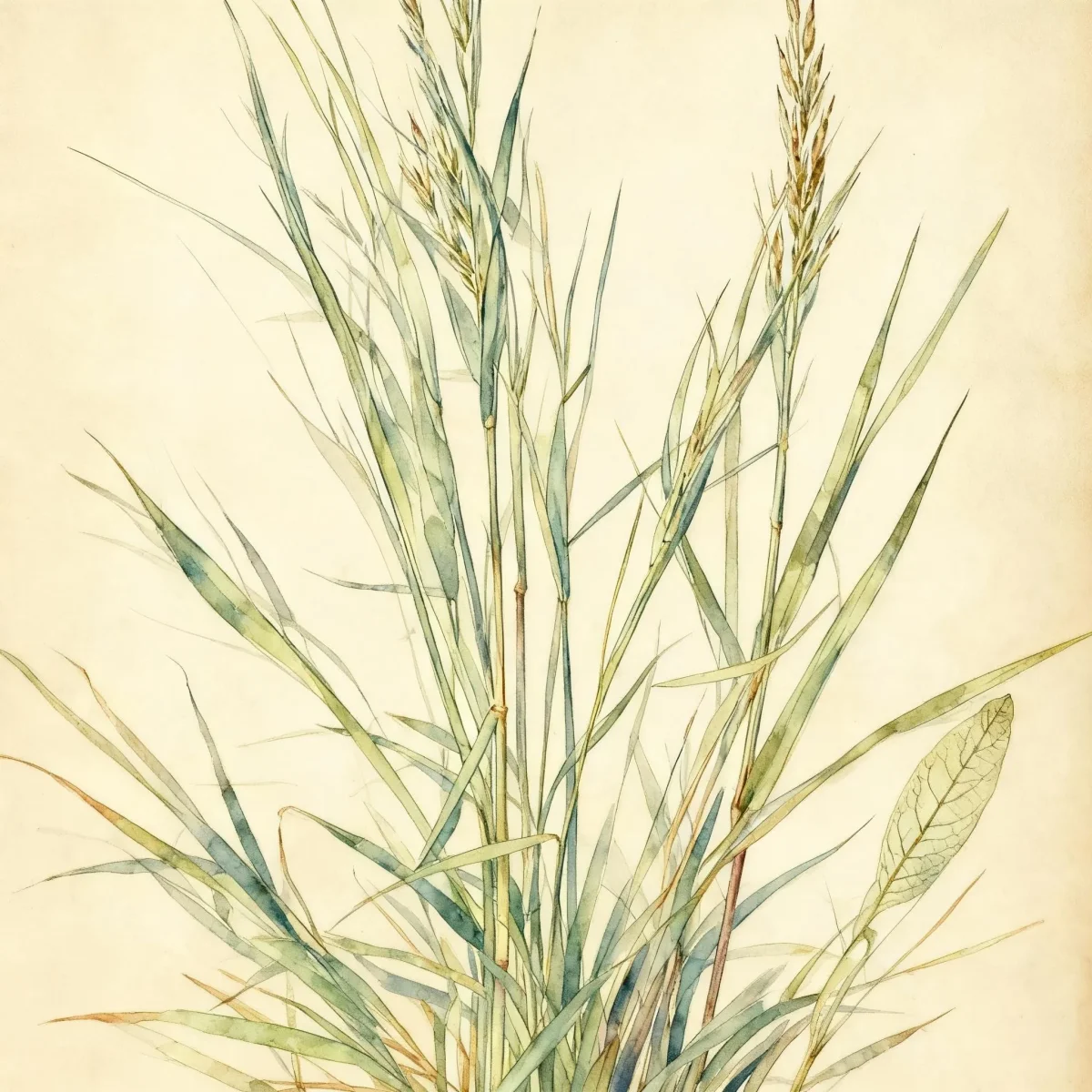
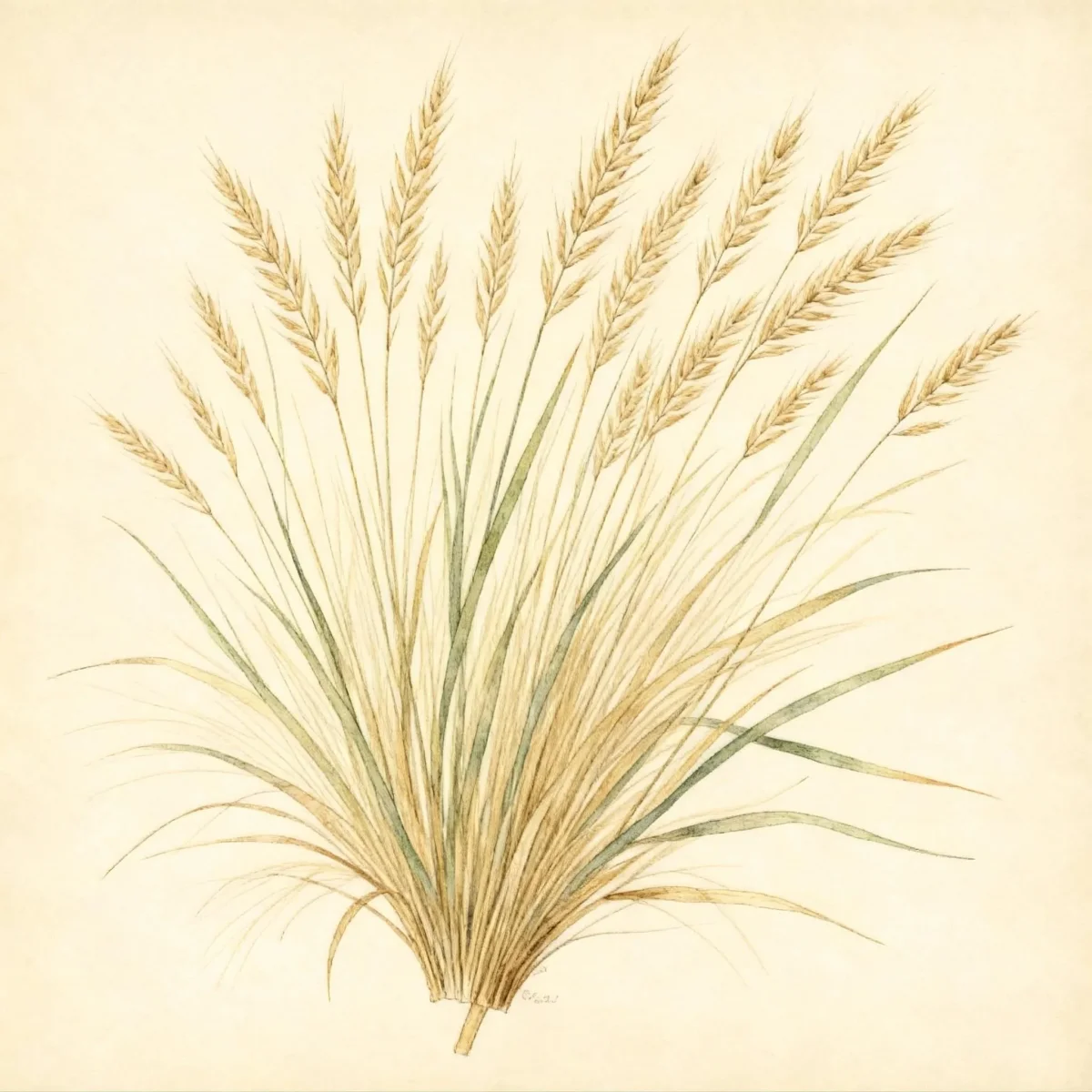
Prairie junegrass (Koeleria macrantha)
Koeleria macrantha, or Prairie junegrass, is a tough, low-maintenance perennial bunch grass perfect for dry, sunny landscapes.
Scroll down to discover growing tips, care requirements, companion plants, and more
Complete Plant Information
Overview
Koeleria macrantha, widely known as Prairie junegrass, is a valuable addition to gardens seeking texture and resilience in challenging conditions. This cool-season, clump-forming perennial bunch grass offers fine texture and distinctive silvery-green flower heads in late spring, making it an attractive native grass choice. Its exceptional hardiness and tolerance for drought make Koeleria macrantha suitable for naturalized areas where low input is desired.
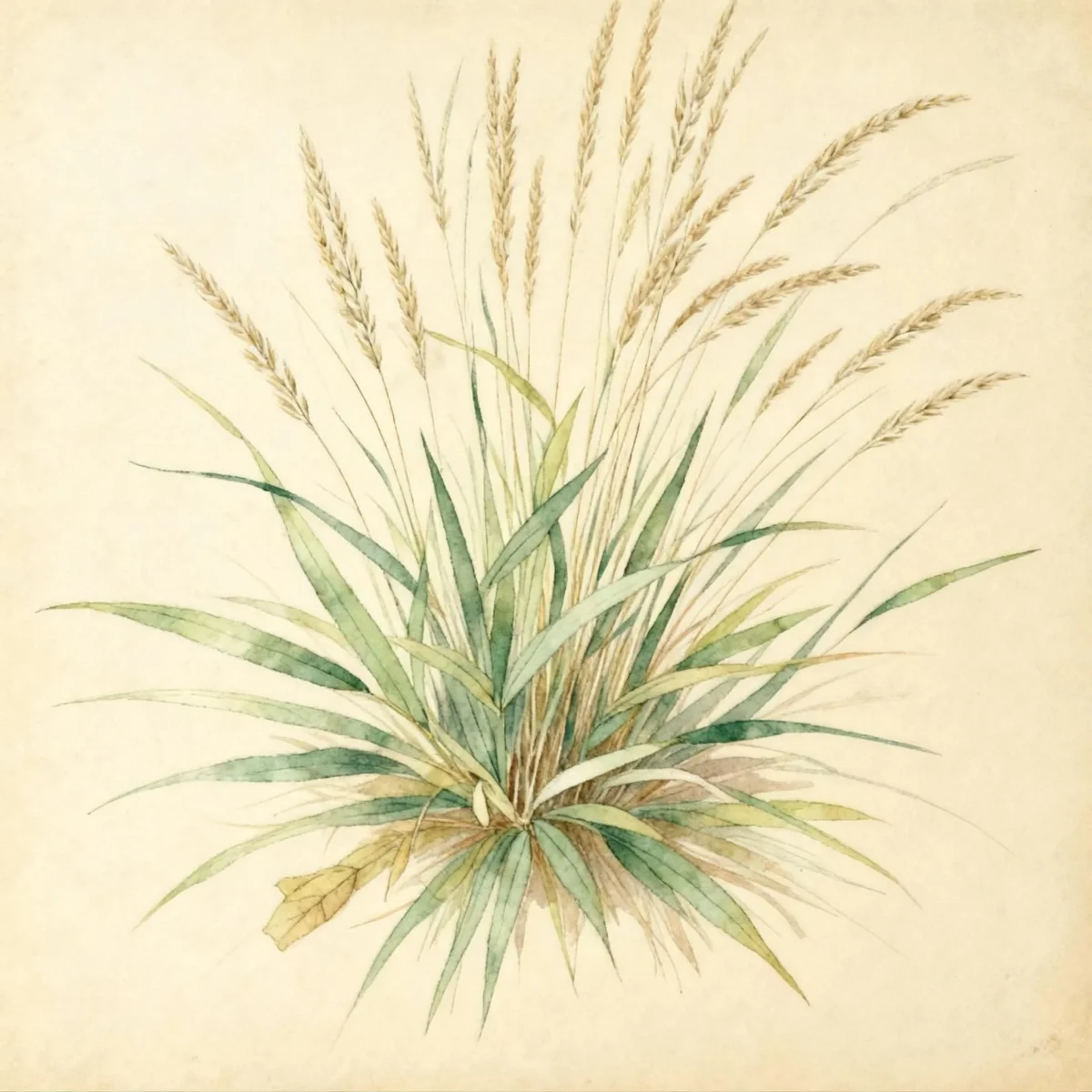
This species typically forms compact mounds of medium to bright green foliage, reaching up to two feet tall. The narrow, upright growth habit provides excellent vertical contrast without becoming invasive or unruly. Prairie junegrass thrives when placed in sunny, well-drained sites, mimicking its native prairie environment.
Because of its adaptability, Prairie junegrass lends itself well to mass plantings and restoration projects. Gardeners should note that while beautiful in cooler summers, the plant may go dormant during intense heat and humidity, relying on good soil drainage to manage stress.
Fast Facts
- Plant Family: Poaceae
- Plant Type: Ornamental grass
- Native Range: Europe, Asia, North America
- Hardiness Zones: USDA Zones 3-9
- Size at Maturity:
- Height: 1-2 ft
- Spread: 0.75-1.5 ft
- Bloom Time: May to June
- Bloom Description: Light green
- Sun Exposure: Full sun
- Water Needs: Dry to medium
- Maintenance Level: Low
How to Grow
Planting Koeleria macrantha should occur when soil can be reliably worked, ideally during the spring or fall. The most critical factor for success is ensuring full sun exposure and perfectly well-drained soil; this grass strongly dislikes wet, heavy conditions or shade. It readily establishes itself in rocky or gritty soils where other plants might struggle.
Once established, Prairie junegrass requires minimal supplemental watering, tolerating significant drought conditions. Avoid overwatering, especially during the summer months. Routine fertilization is rarely necessary, as excessive richness can sometimes reduce its vigor or encourage unwanted summer flopping.
Maintenance is quite low. In early spring, simply remove any dead foliage before new growth emerges. Since Koeleria macrantha is a cool-season grass, it will flower and mature early in the season before the intense summer heat arrives. If growth looks tired mid-summer, particularly in humid climates, allow it to go dormant; it should recover nicely next spring, perhaps even reseeding itself slightly.
Landscape Uses
The primary suggested use for Koeleria macrantha is massing and naturalizing in fields, meadows, or large prairie restorations where its clumping habit can create a fine, flowing texture. Mixing this grass with other appropriately adapted ornamental grasses enhances visual interest through varying textures and bloom times. Due to the potential for summer dormancy, place Prairie junegrass where its momentary lack of vibrancy won’t significantly detract from the overall border design, perhaps towards the middle or back layers where it can blend with later-blooming perennials.
Standout Features
Flower Qualities
- Showy
Noteworthy Characteristics
Koeleria macrantha, commonly called prairie junegrass, is a cool season, clump-forming, tufted, perennial bunch grass that is native throughout most of the contiguous U.S. Except for the Southeast and parts of the Northeast. The bright green foliage is topped by narrow tapered inflorescences that start light green and mature to a silvery-green, rising above the basal clump. This grass is valued for its native status across much of North America and its tolerance for poor, dry soils.
Tolerances
- Drought
- Dry Soil
- Black Walnut
- Air Pollution
Potential Problems
Generally, Koeleria macrantha is remarkably pest and disease-free, which contributes to its low maintenance profile. Gardeners should watch for occasional fungal issues such as rusts, leaf spots, or blights, especially if humidity levels are high or air circulation is poor. Good placement in full sun with sharp drainage will usually mitigate most fungal development, as moisture stress is the main trigger for these issues. Correct identification of any spotting is key before applying treatments.
Frequently Asked Questions
What hardiness zones is Prairie junegrass suitable for?
This hardy grass is suitable for a wide range, thriving best in USDA Zones 3 through 9.
How large does Koeleria macrantha grow?
Prairie junegrass typically reaches a mature height between 1 and 2 feet, with a spread spanning from 0.75 to 1.5 feet wide in a tidy, upright clump.
When does Koeleria macrantha bloom?
This grass is an early bloomer, setting its light green flower spikes primarily from May into June.
What sun exposure does Prairie junegrass need?
Koeleria macrantha requires full sun to maintain its compact, attractive form and prevent legginess.
Conclusion
Prairie junegrass (Koeleria macrantha) offers superb textural contrast and exceptional drought tolerance, making it a dependable choice for sunny, dry landscapes. Utilize its clumping nature in naturalized settings or mixed grass borders away from areas requiring constant lush green coverage through peak summer heat. Always ensure superior drainage before planting this adaptable North American native.
Companion Planting
When selecting companions for Koeleria macrantha, focus on other drought-tolerant perennials that share its preference for full sun and gritty or rocky soils. Plants that bloom later in the summer or fall will help mask any dormancy period the junegrass experiences during hot spells. Consider pairing it with plants like Sedum species, Baptisia australis (False Indigo), or various types of Penstemon, as these share similar low-water requirements and dislike heavy, wet conditions.
Design Ideas
Because Koeleria macrantha forms a neat 1.5-foot mound, it functions well as a textural groundcover or low edging plant in large drifts, particularly in xeriscaping or rock garden designs. Its fine texture offers a soft contrast to bolder, broad-leaved succulents or coarser grasses like Switchgrass. For impactful displays, mass planting in full sun allows the silvery blooms of the Prairie junegrass to create a shimmering effect throughout the late spring landscape.