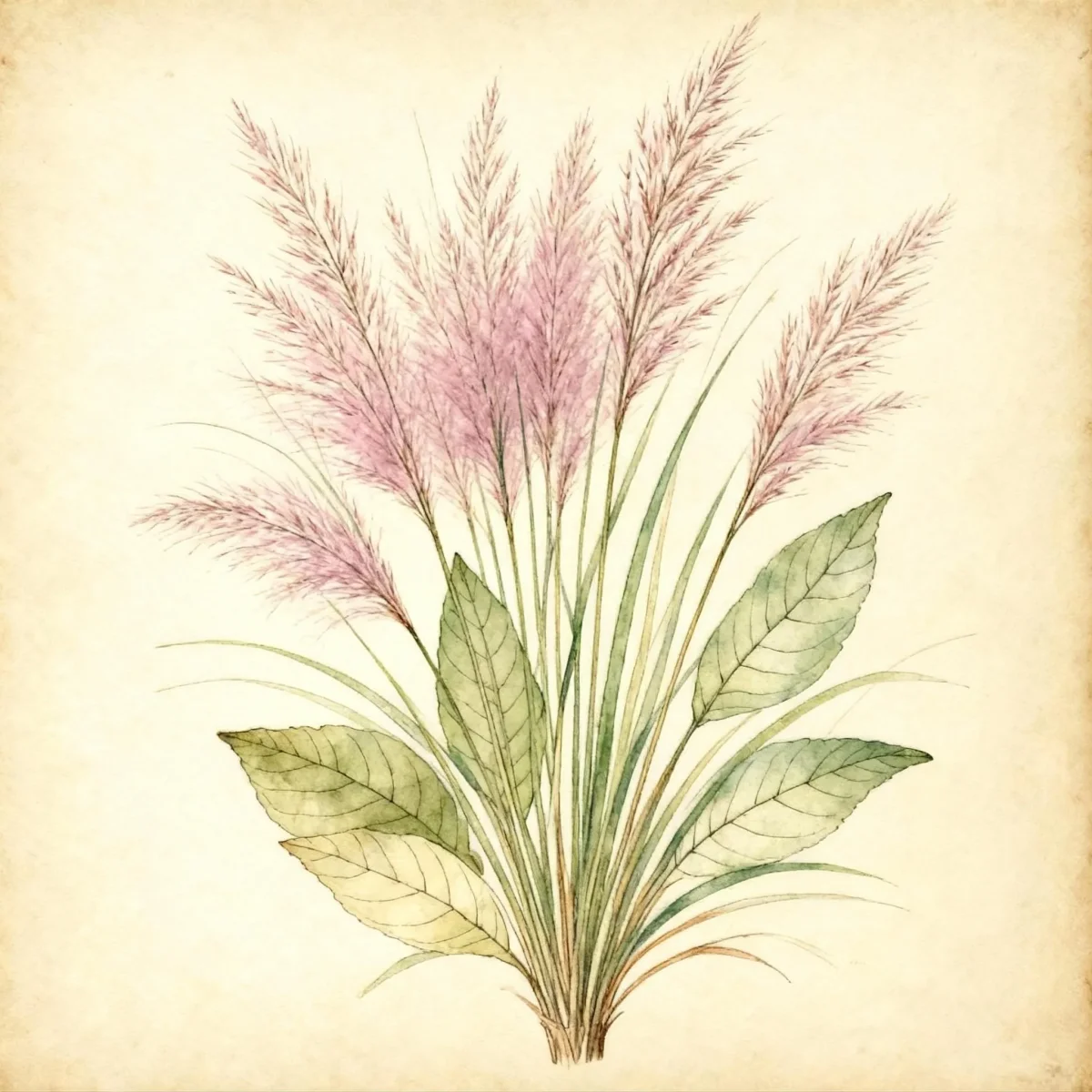
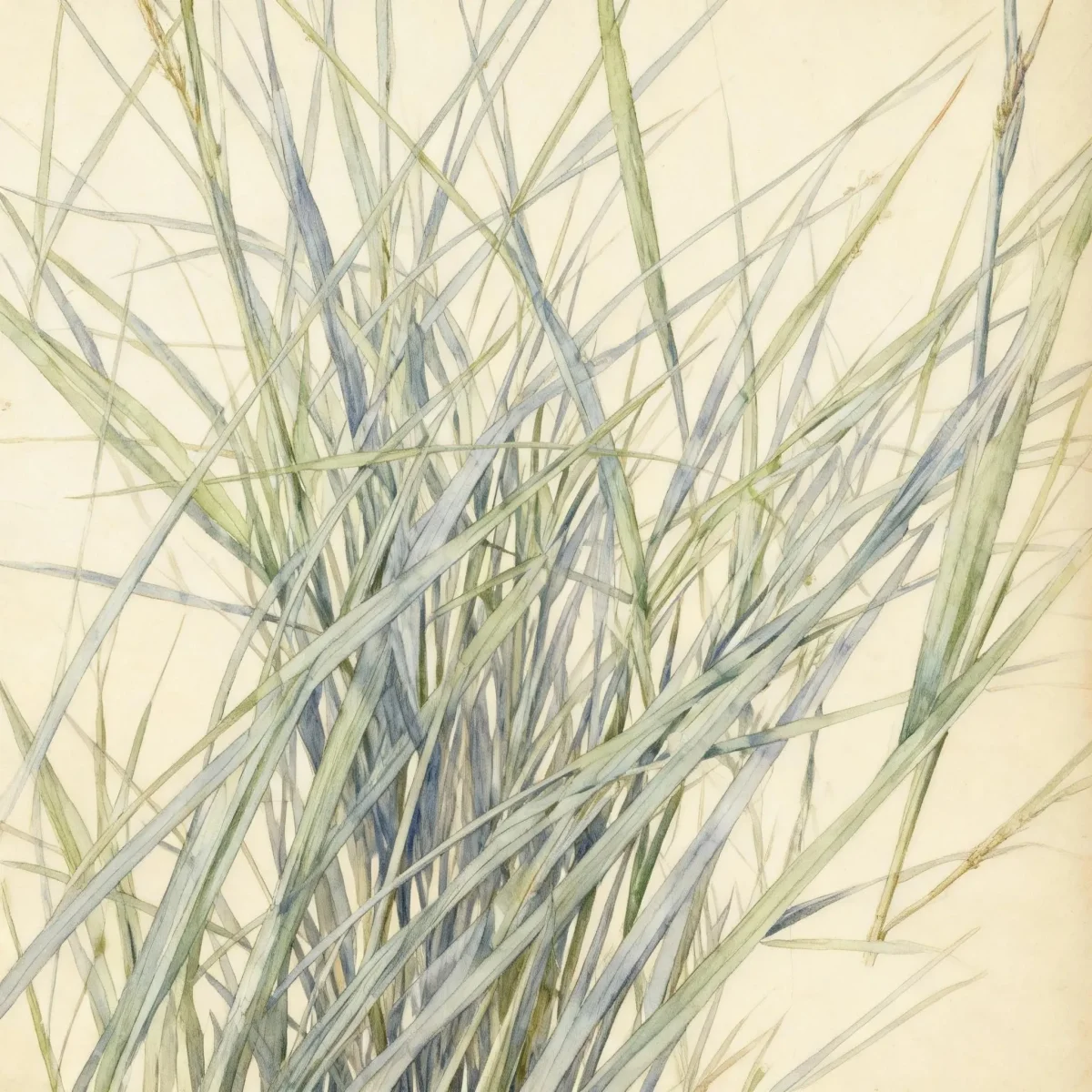
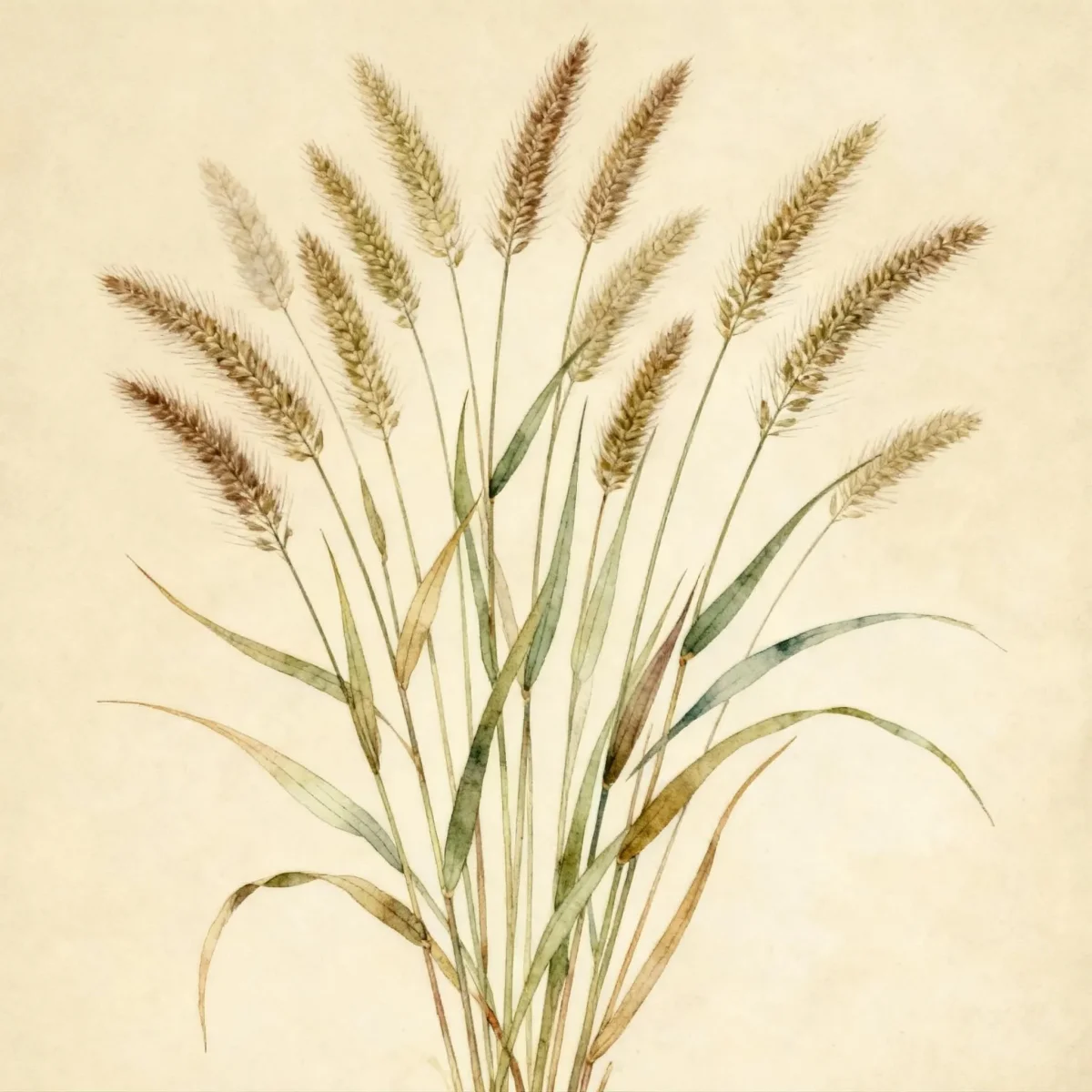
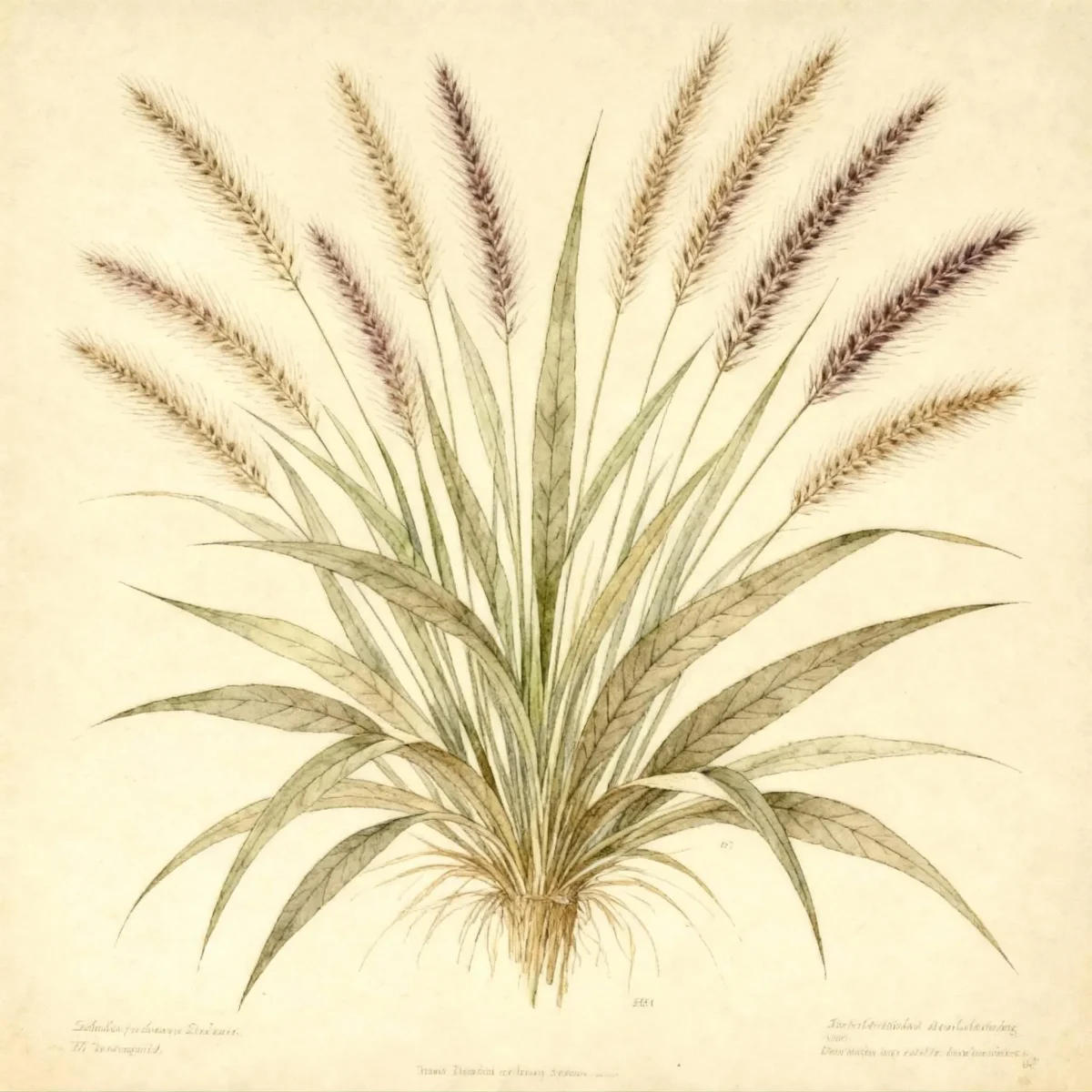
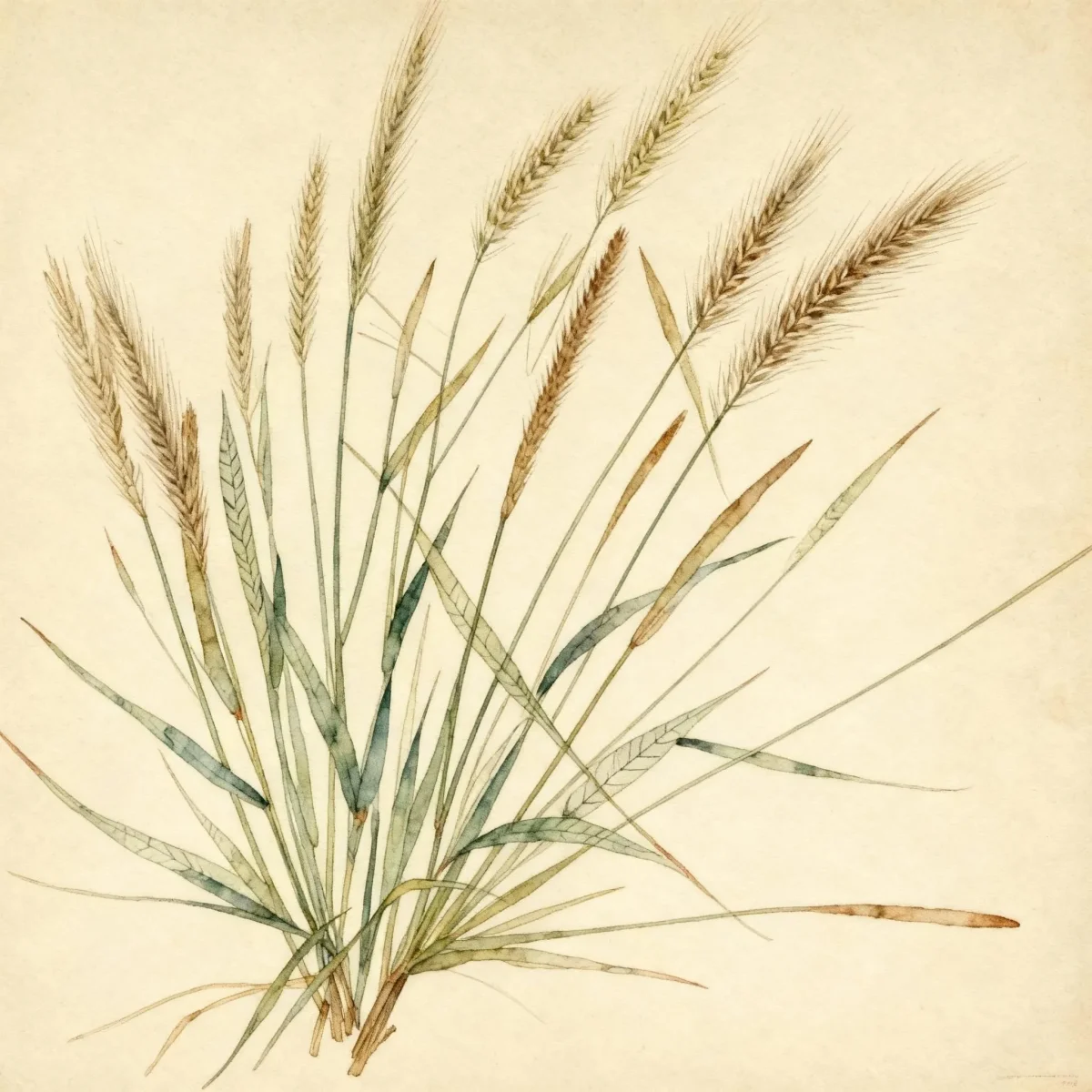
Finestem needlegrass (Nassella tenuissima)
Finestem needlegrass (Nassella tenuissima) delights with fine texture, low maintenance, and drought tolerance across USDA Zones 7-10.
Scroll down to discover growing tips, care requirements, companion plants, and more
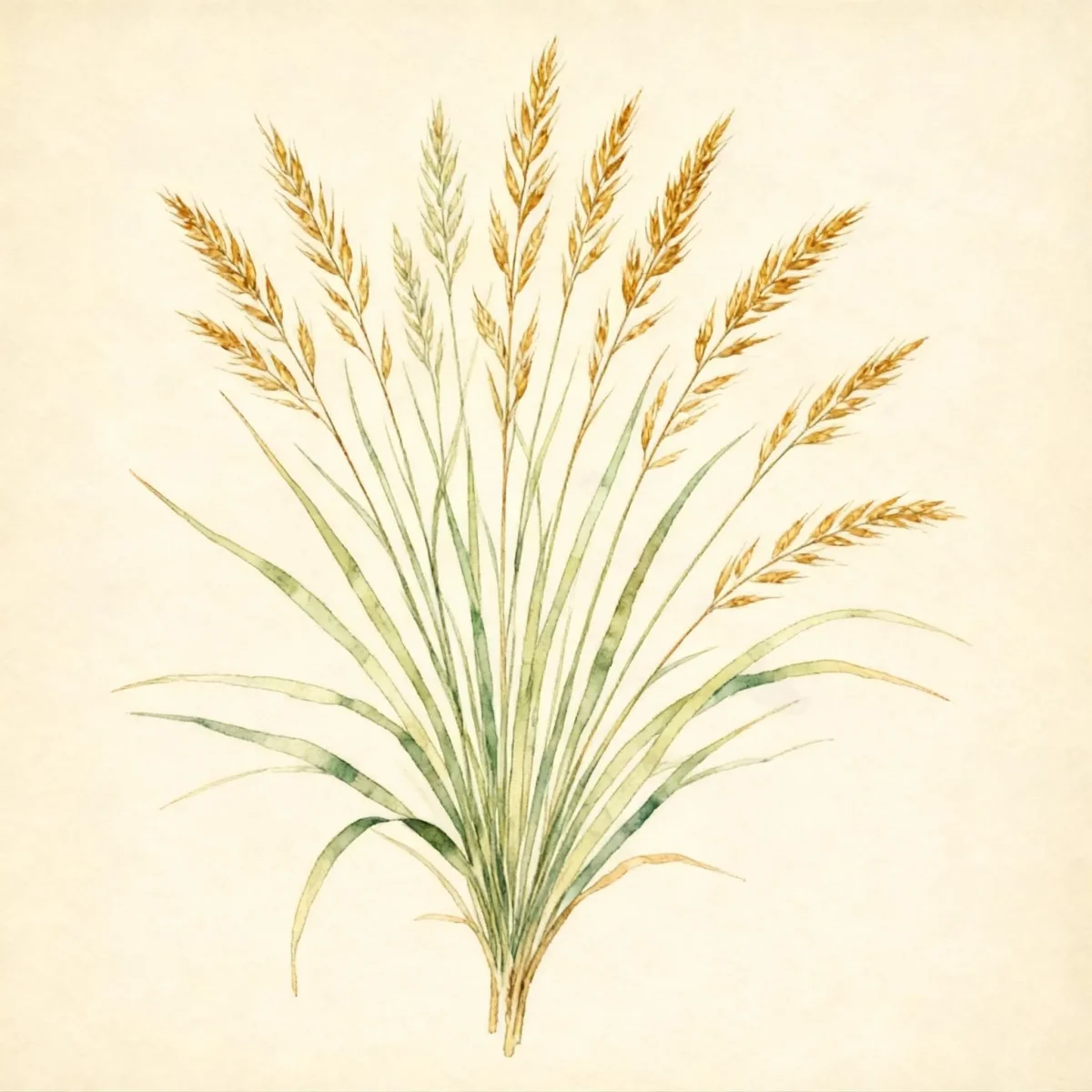
Complete Plant Information
Overview
Nassella tenuissima, commonly known as Finestem needlegrass or Mexican feather grass, is highly valued for its incredibly fine, wispy texture, which adds dynamic movement to any garden setting. This clumping perennial grass creates delicate plumes that resemble shimmering feathers when backlit by the sun. Originating from scrublands in Texas, Mexico, and Argentina, this species is remarkably adaptable.
Distinguished by its upright, light green foliage contrasting with silvery-yellow summer flower spikes, Nassella tenuissima thrives in conditions where other plants struggle. Its low maintenance requirements and impressive tolerance for poor, dry soils make it an excellent choice for sustainable landscaping. It provides year-round visual interest, transitioning gracefully while offering superior texture.
Gardeners rely on Finestem needlegrass for softening hardscape edges, providing soft contrast against bolder foliage, and serving as durable erosion control on slopes. While beautiful, gardeners should be mindful of its tendency to self-seed, ensuring it is placed where its spread is manageable or appropriate.
Fast Facts
- Plant Family: Poaceae
- Plant Type: Ornamental grass
- Native Range: Texas, New Mexico, Mexico, Argentina
- Hardiness Zones: USDA Zones 7-10
- Size at Maturity:
- Height: 1-2 ft
- Spread: 1-2 ft
- Bloom Time: June to September
- Bloom Description: Silvery yellow to light brown
- Sun Exposure: Full sun to part shade
- Water Needs: Dry to medium
- Maintenance Level: Low
How to Grow
The best success with Nassella tenuissima involves planting in the spring or fall when conditions are milder. Locate your Finestem needlegrass where it receives full sun for the best plume development, although it tolerates partial shade. Soil preparation is straightforward: it performs best in well-draining, sandy, or rich loams, but it is notably tolerant of challenging media including clay and rocky soils, provided they do not hold excessive moisture.
Once established, this grass requires little supplemental water, thriving on dry to medium moisture levels, making it exceptionally drought tolerant. Avoid consistently soggy conditions, as overly wet soils are the primary cause of root or crown rot. Fertilization is generally unnecessary; excessive fertility can lead to floppier growth and reduced winter hardiness.
A vital annual maintenance task is cutting the foliage back severely in late winter or very early spring, just before new growth begins. This cleanup removes the prior year’s browned-out blades, encouraging fresh, vigorous growth. Be aware that Nassella tenuissima spreads readily by seed, so monitor its location, especially in warmer regions where it is hardy (Zones 7-10). Due to this vigorous seeding, it is sometimes grown strictly as an annual in cooler climates like the St. Louis region.
Landscape Uses
The primary value of Finestem needlegrass lies in its exquisite texture, making it a standout accent plant in specialized garden areas. It excels as a fine-textured element for rock gardens where its delicate nature contrasts beautifully with stone. Consider mass planting Nassella tenuissima on slopes where its root structure can aid in erosion control while providing a shimmering, textural groundcover effect.
It integrates seamlessly into mixed borders, placed near plants with coarse or dark foliage, such as Sedum ‘Autumn Joy’ or various Salvias, to maximize textural contrast. Furthermore, its refined appearance makes Mexican feather grass an excellent choice for upscale container plantings, where its arching form can spill charmingly over the edges. Placing clumps where they catch the late afternoon sun will illuminate their airy seed heads.
Standout Features
Noteworthy Characteristics
Nassella tenuissima, commonly called Mexican feathergrass, is a finely textured, clumping, perennial grass native to open, rocky scrublands across Texas, New Mexico, and into Mexico, with a separate native population in Argentina and Chile. Mature clumps reach 1-2 feet tall and wide, featuring very fine, upright light green leaves that turn light brown in winter. Wispy panicles bearing small, silvery yellow spikelets appear in summer, culminating in mature fruits with long, light brown terminal bristles that create a distinct feather-like appearance.
Tolerances
- Deer
- Drought
- Erosion
- Clay Soil
- Dry Soil
- Shallow-Rocky Soil
Potential Problems
The primary management concern for Finestem needlegrass involves controlling its reproductive habits, as it will readily self-seed in optimal conditions. Always check local regulations before planting, as its invasiveness potential varies by region. While deer tend to avoid this grass, watch for common minor issues like aphids or occasional leaf spot diseases, particularly if air circulation is poor. The foremost cultural pitfall is root or crown rot caused by overly wet soils; ensure sharp drainage is maintained year-round to prevent fatal moisture buildup.
Frequently Asked Questions
What hardiness zones is Finestem needlegrass suitable for?
The Finestem needlegrass, Nassella tenuissima, is reliably hardy in USDA Zones 7 through 10.
How large does Nassella tenuissima grow?
This ornamental grass typically reaches a mature height between 1 and 2 feet, with a similar spread ranging from 1 to 2 feet wide, forming a neat clump.
What sun exposure does Nassella tenuissima need?
Nassella tenuissima thrives best in full sun but is adaptable enough to perform well in areas receiving partial shade.
When does Finestem needlegrass bloom?
Finestem needlegrass produces its delicate blooms from June through September, featuring a bloom description listed as silvery yellow to light brown.
Conclusion
Nassella tenuissima offers unparalleled textural beauty and superior resilience, demanding very little care once established in the right location. The fine, airy plumes of the Mexican feather grass transform sunny borders and xeriscapes, making it a staple for low-water gardening. Evaluate your local hardiness zone and ensure well-drained soil before planting this exceptional specimen.
Companion Planting
When selecting companions for Nassella tenuissima, focus on plants that share its preference for dry to medium water conditions and tolerate full sun. Pair it with sturdy, sun-loving perennials that offer contrasting leaf structures, such as Echeveria species or various Sedums, which provide bolder textures and flower shapes. For Mediterranean or drought-tolerant naturalistic plantings, group Finestem needlegrass with Lavender (Lavandula) or ornamental sages (Salvia). Its soft texture also works beautifully layered over low-growing, silver-leafed groundcovers.
Design Ideas for Architectural Impact
Utilize the movement of Nassella tenuissima to create living sculptures within your landscape design. For contemporary or minimalist gardens, plant single specimens far apart to emphasize the individual, airy form of each clump, allowing negative space to enhance its visual impact. In naturalistic meadow designs, intermingle the grass massed with native coneflowers (Echinacea) or slender gayfeathers (Liatris). Because it is exceptionally drought tolerant, it is perfect for edging hot, south-facing borders or integrating into gravel gardens where drainage is naturally excellent.