Blue moor grass (Sesleria caerulea)
Discover Sesleria caerulea, Blue moor grass, a low-maintenance ornamental grass offering blue-tinted foliage and structure in USDA Zones 5-8.
Scroll down to discover growing tips, care requirements, companion plants, and more
Complete Plant Information
Overview
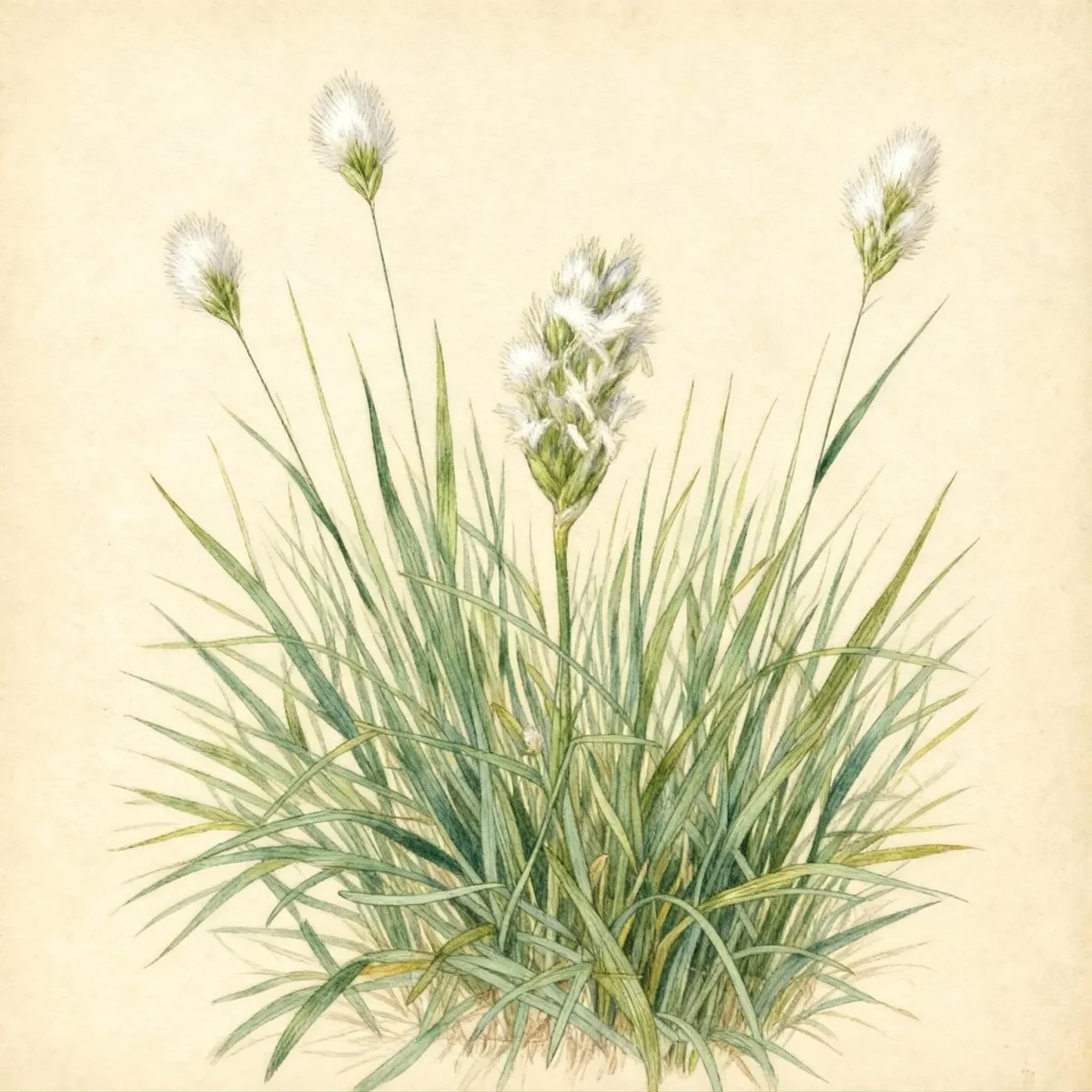
Sesleria caerulea, commonly known as Blue moor grass, is a highly valued cool-season ornamental grass celebrated for its fine texture and subtle blue coloration. This species forms neat, dense tufts, providing excellent year-round structure in the garden landscape. Its distinct visual appeal comes from narrow, twisting green foliage that carries a noticeable blue cast.
Growing to a modest height of 6 to 12 inches, Sesleria caerulea is exceptionally adaptable and requires minimal care once established. It thrives in average moisture soils, making it a dependable choice for gardeners looking for reliable performance without demanding conditions. This moor grass is indigenous to the moors of Europe, bringing a touch of naturalistic texture to cultivated spaces.
Gardeners utilize Blue moor grass extensively for its neat habit and low maintenance requirements. It is an excellent plant for adding fine contrast against broader-leaved perennials or for mass planting to create soft, undulating groundcover effects. The silvery inflorescences that emerge in spring add a delicate seasonal highlight to this excellent perennial.
Fast Facts
- Plant Family: Poaceae
- Plant Type: Ornamental grass
- Native Range: Scandinavia, eastern Europe
- Hardiness Zones: USDA Zones 5-8
- Size at Maturity:
- Height: 0.5-1 ft
- Spread: 0.75-1 ft
- Bloom Time: March to June
- Bloom Description: Green
- Sun Exposure: Full sun to part shade
- Water Needs: Medium
- Maintenance Level: Low
How to Grow
Sesleria caerulea establishes best when planted in the spring or fall, allowing the roots time to settle before periods of temperature extremes. Locate this ornamental grass where it receives full sun, although it tolerates partial shade, especially in hotter summer climates. It is easily grown in average, medium moisture soils; ensure good drainage is present, as prolonged wet roots can be detrimental.
Watering needs for blue moor grass are considered medium. While establishing, provide consistent moisture to encourage root development. Once mature, Sesleria caerulea exhibits good drought tolerance but benefits from occasional watering during severe dry spells. Fertilization is rarely necessary; excessive feeding can lead to floppy, weak growth, diminishing the plant’s neat habit.
Maintenance for Blue moor grass is exceptionally low. There are no serious insect or disease problems typically reported, simplifying overall care. Prune by cutting the foliage back close to the ground in late winter or early spring before new growth begins. This clean-up keeps the clump looking refreshed for the coming growing season.
Landscape Uses
The compact and attractive nature of Sesleria caerulea makes it a versatile player in landscape design. It excels when used for border edging, where its tight, defined clumps create a crisp, neat line along pathways or garden beds. This trait prevents the grass from becoming invasive or sprawling, maintaining clean sight lines.
Alternatively, consider mass planting Blue moor grass throughout rock gardens or xeriscapes. When grouped together, the collective blue cast of the foliage creates a visually calming, silvery texture that contrasts beautifully with stone elements or evergreen shrubs. Its low stature also makes it an excellent textural filler.
For larger areas, planting Sesleria caerulea en masse functions effectively as a low-maintenance ground cover. It suppresses weeds while providing continuous architectural interest throughout seasons, making it a valuable, year-round structural component in any planting scheme where low height is desired.
Standout Features
Flower Qualities
- Insignificant
Noteworthy Characteristics
Sesleria caerulea, commonly called blue moor grass, is a cool season, ornamental grass which grows 6-12” tall in loose tufts. Narrow spikes of greenish flowers in spring give way to silvery inflorescences. Attractive, narrow, twisting, green foliage has a blue cast.
Tolerances
- Black Walnut
- Air Pollution
Potential Problems
Blue moor grass is generally regarded as tough and resilient, exhibiting no serious insect or disease problems under normal conditions. Good cultural practices, such as maintaining adequate drainage, help prevent most common issues associated with dense grass clumps. Avoid over-fertilization, which might encourage weak, overly lush top growth susceptible to flopping or minor fungal issues in humid conditions.
Frequently Asked Questions
What hardiness zones is Blue moor grass suitable for?
Sesleria caerulea is reliably hardy across USDA Zones 5 through 8, offering versatility in cooler and moderate climates.
How large does Sesleria caerulea grow?
This ornamental grass typically reaches a mature height between 0.5 and 1 foot tall, spreading to match that spread of 0.75 to 1 foot wide.
What sun exposure does Blue moor grass need?
Sesleria caerulea prefers a location receiving full sun but performs admirably even with partial shade exposure.
When does Blue moor grass bloom?
The blooming period for Sesleria caerulea spans from March through June, producing distinctive green flowers before developing silvery accents.
Conclusion
Blue moor grass (Sesleria caerulea) offers gardeners an exceptionally durable and neatly mounding ornamental grass with desirable blue-tinted foliage. Its low maintenance routine and tolerance for various urban stresses, including Black Walnut toxicity, make it an essential structural plant. Before installing, confirm that your growing location falls within USDA Zones 5-8 and plan for spring cleanup to ensure the best display from this fine specimen.
Companion Planting
Selecting companions for Sesleria caerulea involves pairing plants that share similar site requirements—namely, medium water needs and a preference for full sun to light shade. Choose plants with contrasting forms or colors to highlight the fine texture of the blue moor grass. Good partners include low-growing Sedums or Pinks (Dianthus) which thrive in rocky or lean soils similar to those preferred by Sesleria.
Consider incorporating taller, spikier plants nearby to play off the grass’s soft mound. For instance, incorporating Lavender or Russian Sage offers vertical contrast while enjoying the moisture levels Blue moor grass tolerates. This interplay of texture ensures visual interest throughout the entire growing season.
Design Ideas
The rigid, small size of Sesleria caerulea makes it an excellent choice for contemporary, minimalist landscape designs where clean lines are paramount. It functions perfectly in low-maintenance, gravel or rock gardens, softening the edges of hardscape elements without overflowing boundaries. Its short stature also prevents it from obscuring smaller perennials planted immediately in front of it.
For creating a cohesive, year-round garden interest area, mass groupings of Sesleria caerulea around the base of specimen shrubs provide continuous texture while waiting for seasonal bloomers to emerge. Its blue-green hue contrasts beautifully against deciduous shrubs in early spring and provides evergreen structure during winter dormancy.