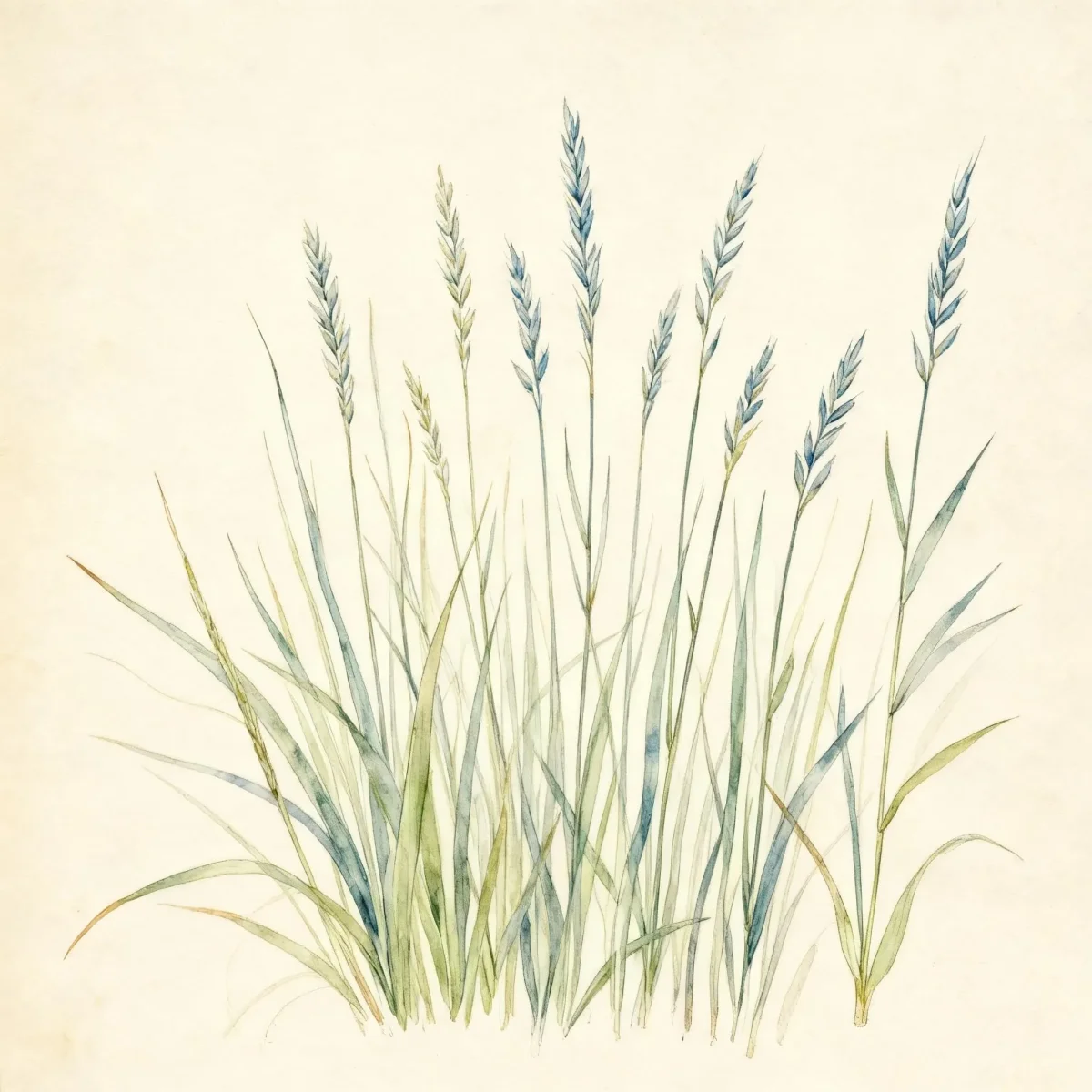
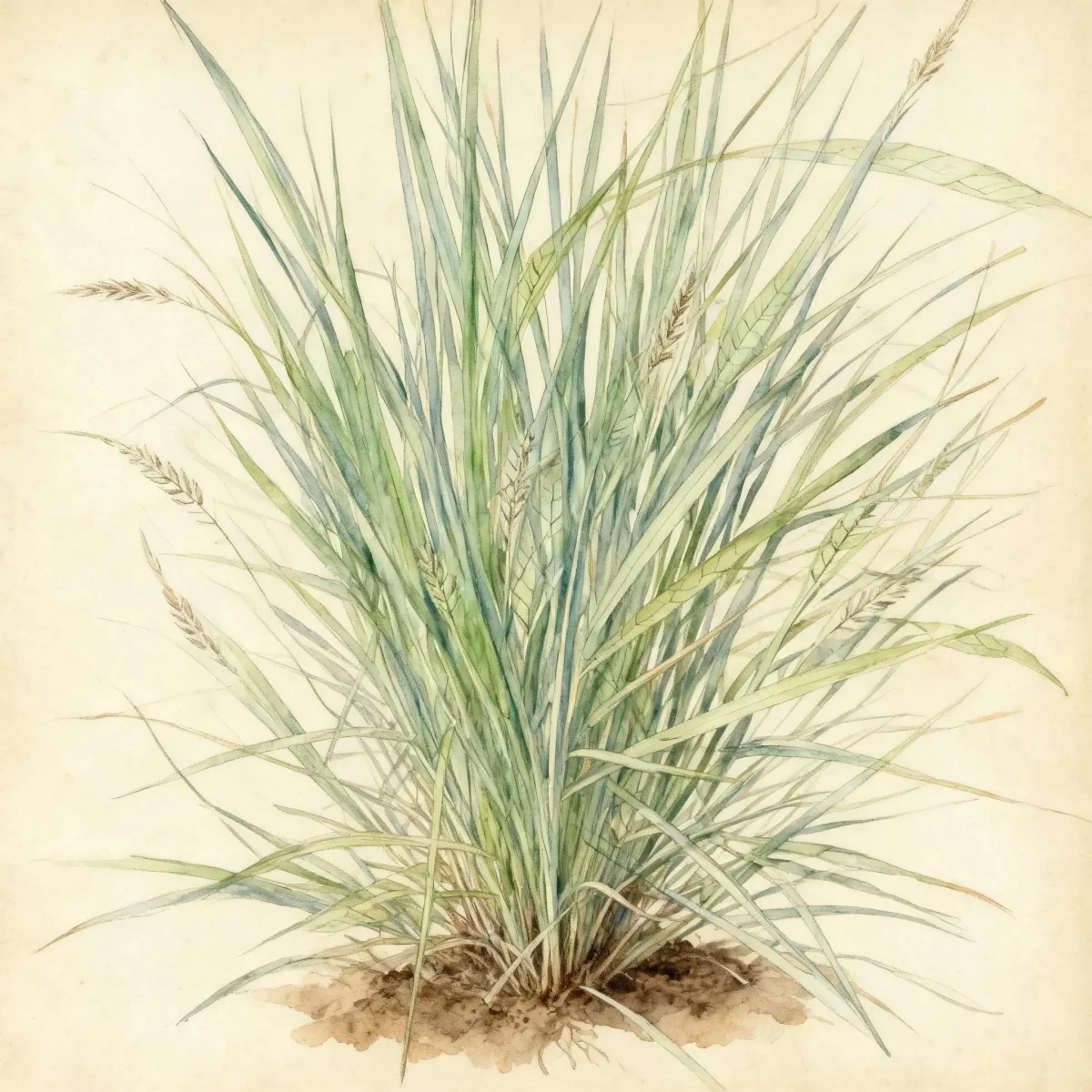
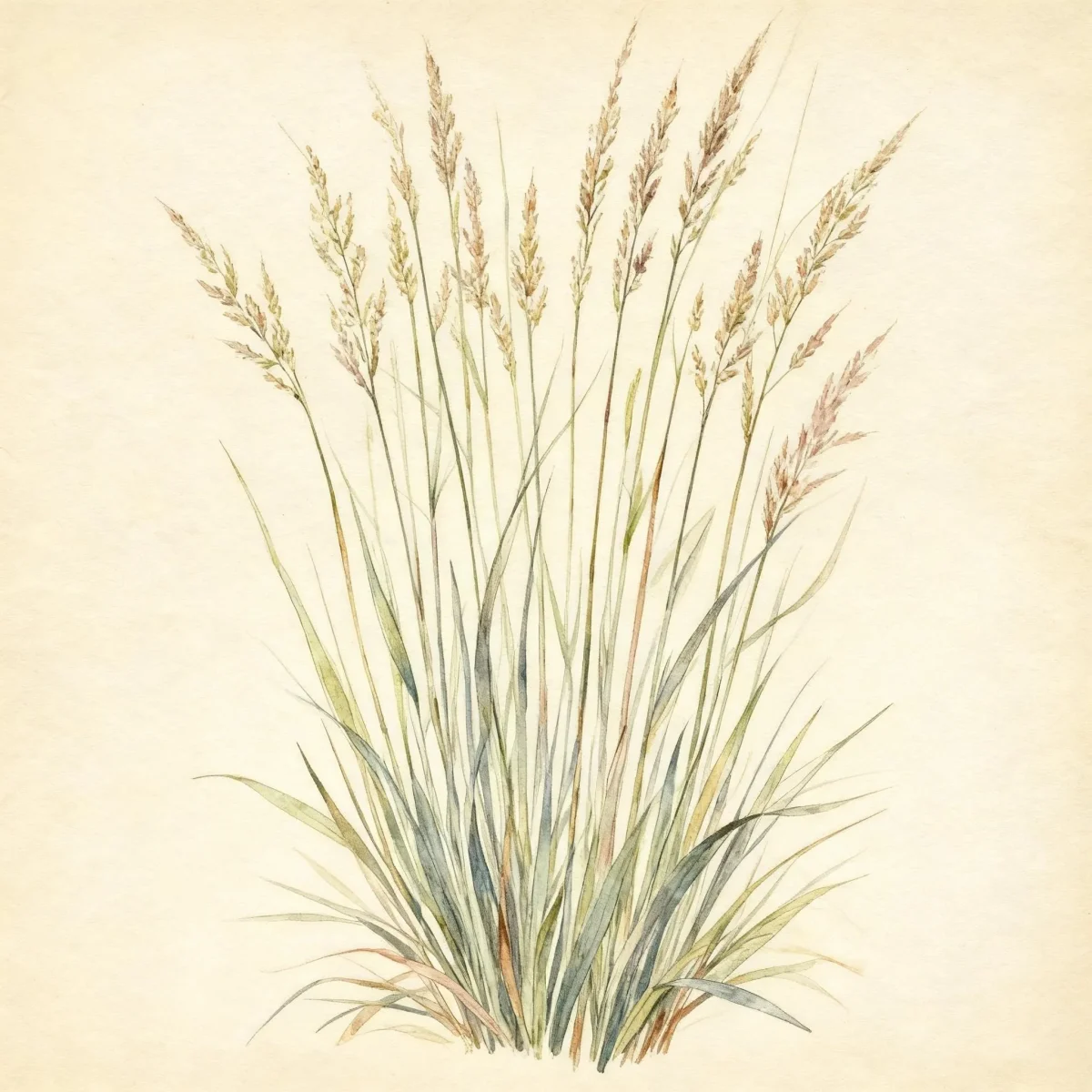
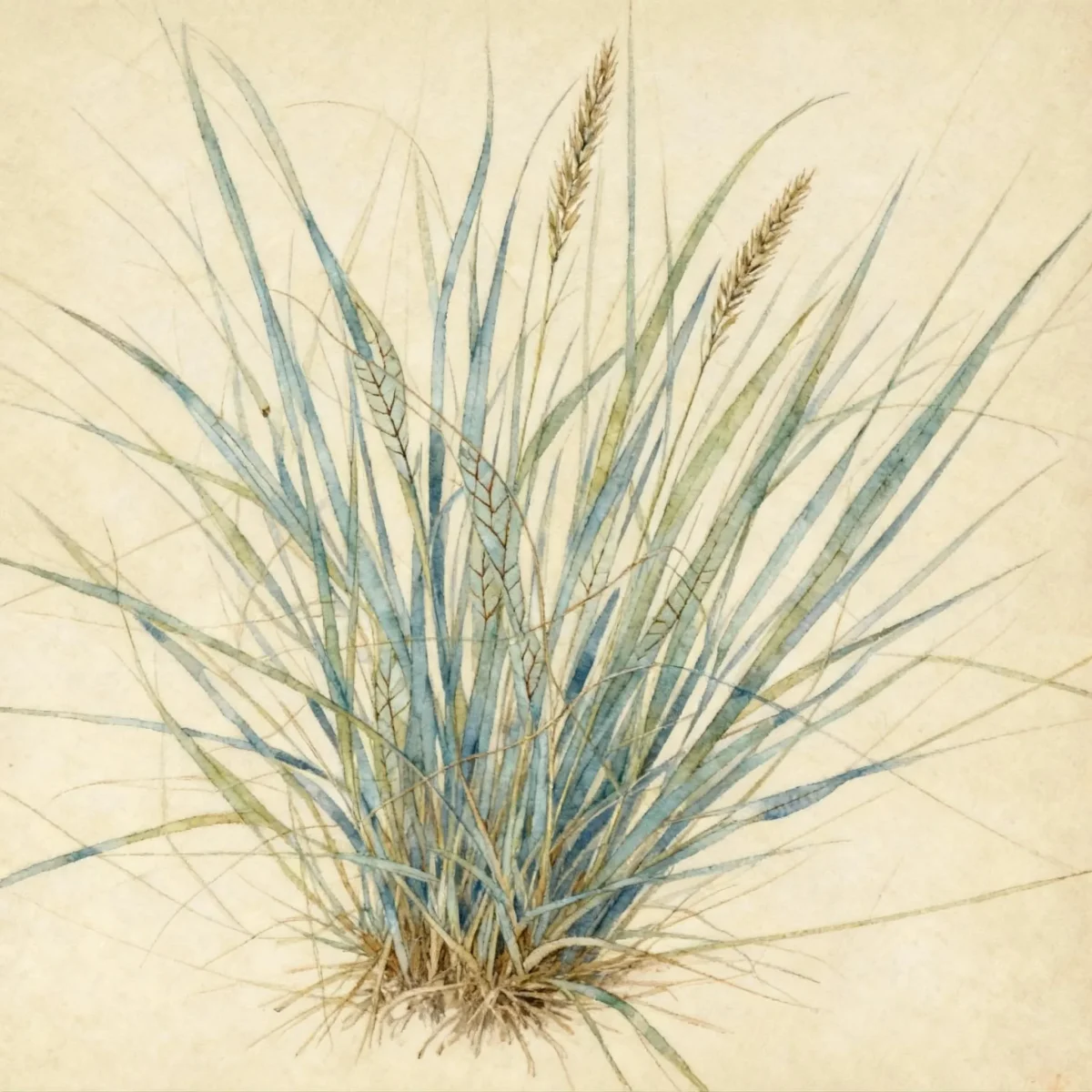
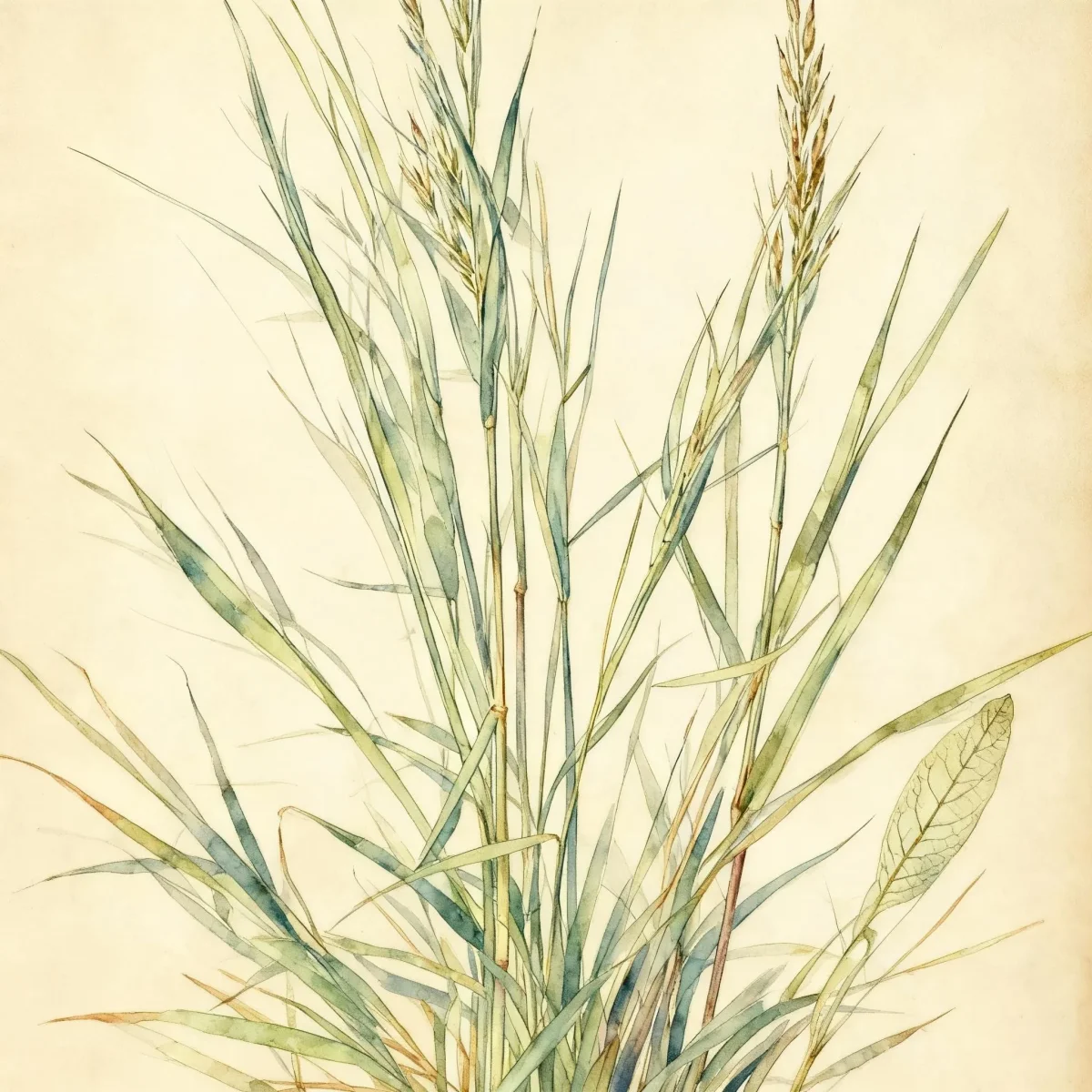
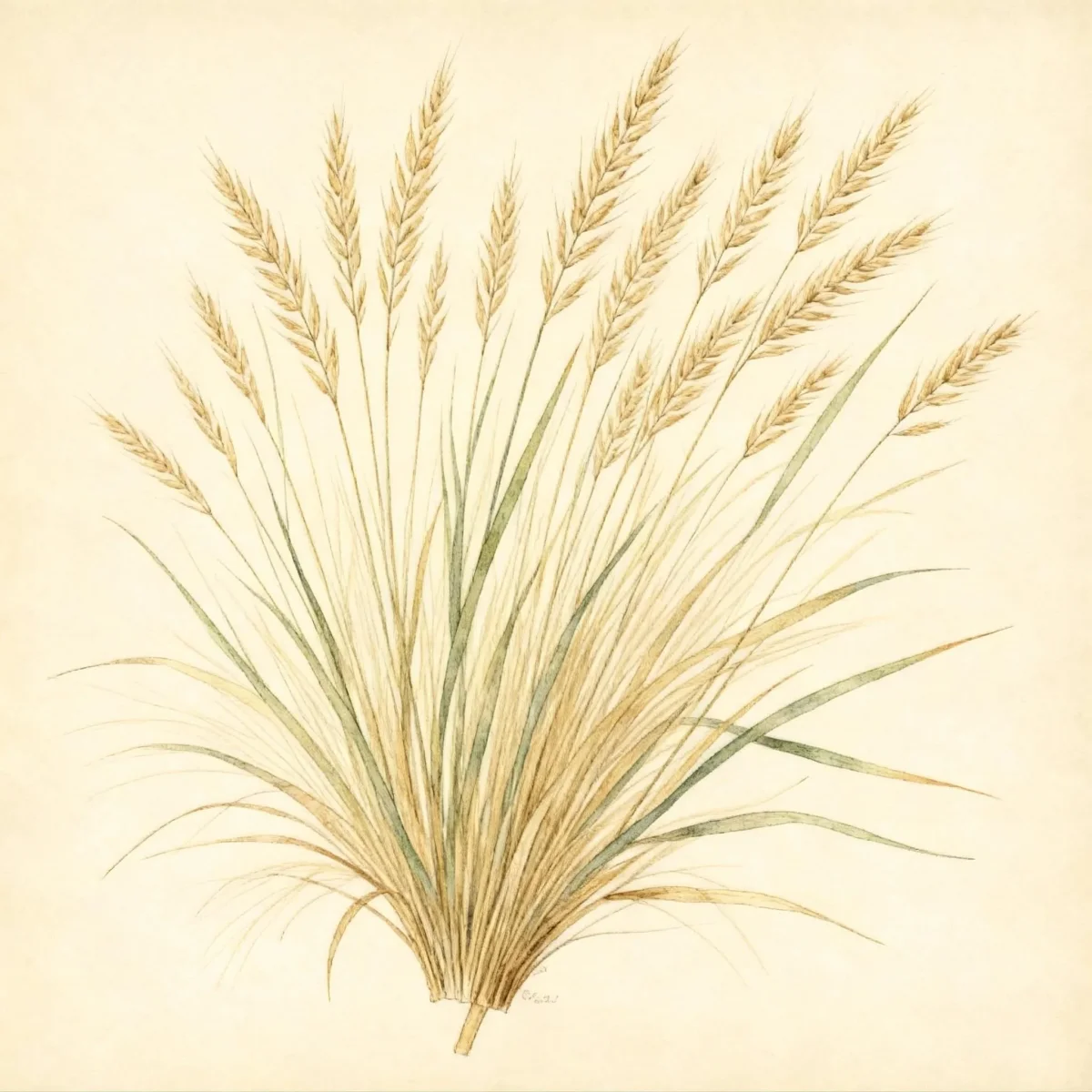
Blue oat grass (Helictotrichon sempervirens)
Helictotrichon sempervirens, or Blue oat grass, offers superb steel-blue foliage in a manageable, ornamental clump perfect for sunny, dry sites.
Scroll down to discover growing tips, care requirements, companion plants, and more
Complete Plant Information
Overview
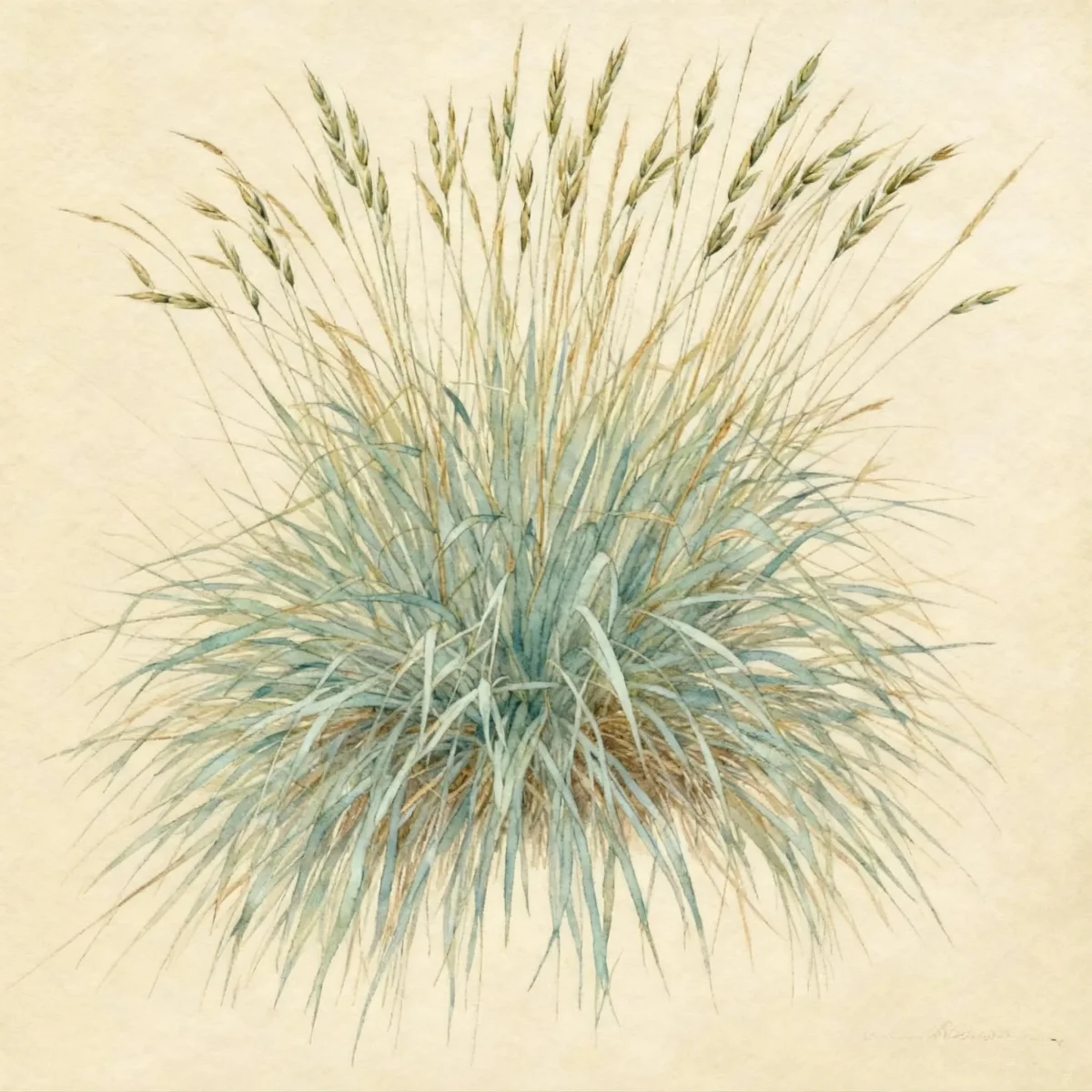
Helictotrichon sempervirens, widely known as blue oat grass, is an exceptional cool-season ornamental grass prized for its striking, steel-blue foliage that maintains its color throughout much of the year. This plant forms dense, rounded clumps reminiscent of porcupines, offering fantastic texture contrast in perennial borders or rock gardens. Unlike many fine-bladed grasses, Helictotrichon sempervirens provides reliable structure and year-round interest.
This species is relatively easy to care for, preferring full sun locations where its coloration truly intensifies. While it handles a range of conditions, its best performance is achieved when soils are permitted to dry out slightly between waterings, reflecting its native origins. Its manageable size—reaching 3 feet tall on the flower stems—makes it suitable for smaller landscapes or as an accent plant where larger screening grasses would overwhelm the space.
The summer flowers, which begin as bluish-brown, eventually mature to a golden wheat hue, adding a second subtle color transformation before winter. Gardeners appreciate the low maintenance required for blue oat grass, though an annual cutback helps refresh the structure before new growth emerges. Choosing Helictotrichon sempervirens provides long-lasting architectural appeal with minimal horticultural input.
Fast Facts
- Plant Family: Poaceae
- Plant Type: Ornamental grass
- Native Range: France, Italy
- Hardiness Zones: USDA Zones 4-8
- Size at Maturity:
- Height: 2-3 ft
- Spread: 2-2.5 ft
- Bloom Time: June
- Bloom Description: Bluish brown
- Sun Exposure: Full sun
- Water Needs: Dry to medium
- Maintenance Level: Low
How to Grow
For optimal health and the most intense blue color, plant blue oat grass in a location receiving full sun. The species thrives in average, well-drained soil that leans toward dry to medium moisture levels; overly rich or consistently saturated soils can invite potential fungal issues. Planting should occur when conditions are cool, either in spring or early fall, allowing the root system to establish before the stress of high summer heat.
Maintenance for Helictotrichon sempervirens is generally minimal once established. Water sparingly; allow soils to dry between irrigation events, especially if planting in drought-prone areas, as this promotes the best foliar tone. Fertilization is rarely necessary, as excessive nutrients can sometimes reduce the vibrancy of the blue pigment.
Annual cleanup is the primary chore. In late winter, before new growth starts, prune the previous year’s faded foliage back close to the ground. This yearly cutback is crucial, particularly in harsher winter regions, to prevent an unsightly buildup of old, semi-evergreen leaves. Remove any withered, non-blue leaves as they appear during the growing season to maintain the perfect clumping form of this ornamental grass.
Landscape Uses
The arresting steel-blue color of blue oat grass makes it an indispensable accent specimen in contemporary and traditional garden designs. Its fine texture and mounding habit create excellent visual anchors, whether placed singly in the border or massed together for ground cover effect. It works exceptionally well as an effective foundation plant, softening hard architectural lines with its spiky texture profile.
Consider planting Helictotrichon sempervirens alongside plants offering contrasting colors, such as those with pink or deep purple blooms, to maximize the visual impact of its cool-toned foliage. It pairs naturally with dwarf blue spruces or upright junipers for a layered, blue-on-blue composition. Additionally, its tolerance for dryer sites means it performs beautifully alongside drought-tolerant perennials and many spring-flowering bulbs, which often fade while the grass remains vibrant.
Standout Features
Flower Qualities
- Showy
Noteworthy Characteristics
Helictotrichon sempervirens, commonly called blue oat grass, is a clump-forming, cool season, ornamental grass which typically grows 2-3’ tall (foliage clump to 2’ and flower stem brings total height to 3’) with a similar spread. Features very narrow (3/8” wide), spiky, steel blue leaf blades (to 18”) which form a rounded, porcupine-like clump. Resembles blue fescue (Festuca glauca), but is significantly larger. Spikelets of bluish-brown flowers arranged in open, one-sided panicles arching at the tip appear on erect stems rising well above the foliage clump in June. Flower spikelets mature to a golden wheat color by fall.
Tolerances
- Deer
- Drought
- Black Walnut
- Air Pollution
Potential Problems
Rust might occasionally appear on the foliage in areas characterized by high humidity, which can detract from the ornamental appeal of the blue blades. To mitigate this, ensure adequate air circulation around the plants, which can be achieved by providing proper spacing during planting.
Crown rot presents another potential concern, specifically when Blue oat grass is situated in soils that are constantly moist or poorly drained. This emphasizes the necessity of excellent drainage; if your native soil is heavy clay, amend heavily with organic matter or consider amending the planting area with grit before installing Helictotrichon sempervirens.
Frequently Asked Questions
What hardiness zones is Blue oat grass suitable for?
Helictotrichon sempervirens is resilient and suitable for USDA Hardiness Zones 4 through 8.
How large does Helictotrichon sempervirens grow?
The foliage clump typically reaches about 2 feet tall and 2 to 2.5 feet wide, with flower stalks extending the overall height to 3 feet in early summer.
What sun exposure does Blue oat grass need?
This plant requires full sun exposure to develop and maintain its best steel-blue coloration. Insufficient light will result in duller, greener foliage.
What are the main landscape benefits of Helictotrichon sempervirens?
This grass provides excellent textural contrast, its blue foliage glows in full sun, and it offers remarkable drought and pest tolerance, making it a reliable, low-maintenance selection.
Conclusion
The distinctive, cool-toned foliage of Blue oat grass ensures it remains a staple choice for adding texture and year-round architectural interest to sunny perennial beds. Its low water needs and pest resistance make Helictotrichon sempervirens a fantastic, fuss-free option for modern gardeners focused on sustainable, stunning design. Before planting, confirm your site provides ample sunlight and verify that your soil permits fast drainage to ensure many seasons of vibrant blue color.
Companion Planting
When selecting neighbors for Helictotrichon sempervirens, focus on textures and colors that contrast well with its fine, spiky blades. Plants with softer, mounding habits or deep purple/burgundy foliage create a dramatic pairing. Consider integrating it near Sedum ‘Autumn Joy’ or Salvia nemorosa cultivars; the grass provides sharp texture while the flowering perennials offer soft color contrast that extends through late summer.
Since blue oat grass prefers dry conditions once established, pair it with other drought-tolerant partners suitable for full sun. This streamlines your maintenance routine, as watering needs will be consistent across the entire planting area. This grass looks particularly striking when used as an edging material where it can cascade slightly over retaining walls or pathway edges.
Seasonal Care Calendar
Spring cleanup is the most critical annual task for blue oat grass. In late winter or very early spring, before buds swell, use sharp pruners or hedge shears to cut the entire clump back severely, removing all old, semi-evergreen remnants close to the crown. This prepares the plant for new steel-blue growth.
During the summer growing season, your main focus shifts to observation; resist the urge to overwater, as this encourages greening and potential rot. If you notice localized rust development in humid periods, immediately remove affected leaves to limit spread, ensuring good air movement remains a priority around the clump.
In fall, allow the flower panicles to mature to their golden hue; this provides gentle movement and interest as the seasons change. Winter care is minimal in Zones 4-8, though in the coldest parts of its range, the foliage might recede significantly, emphasizing the need for that vital late-winter pruning.