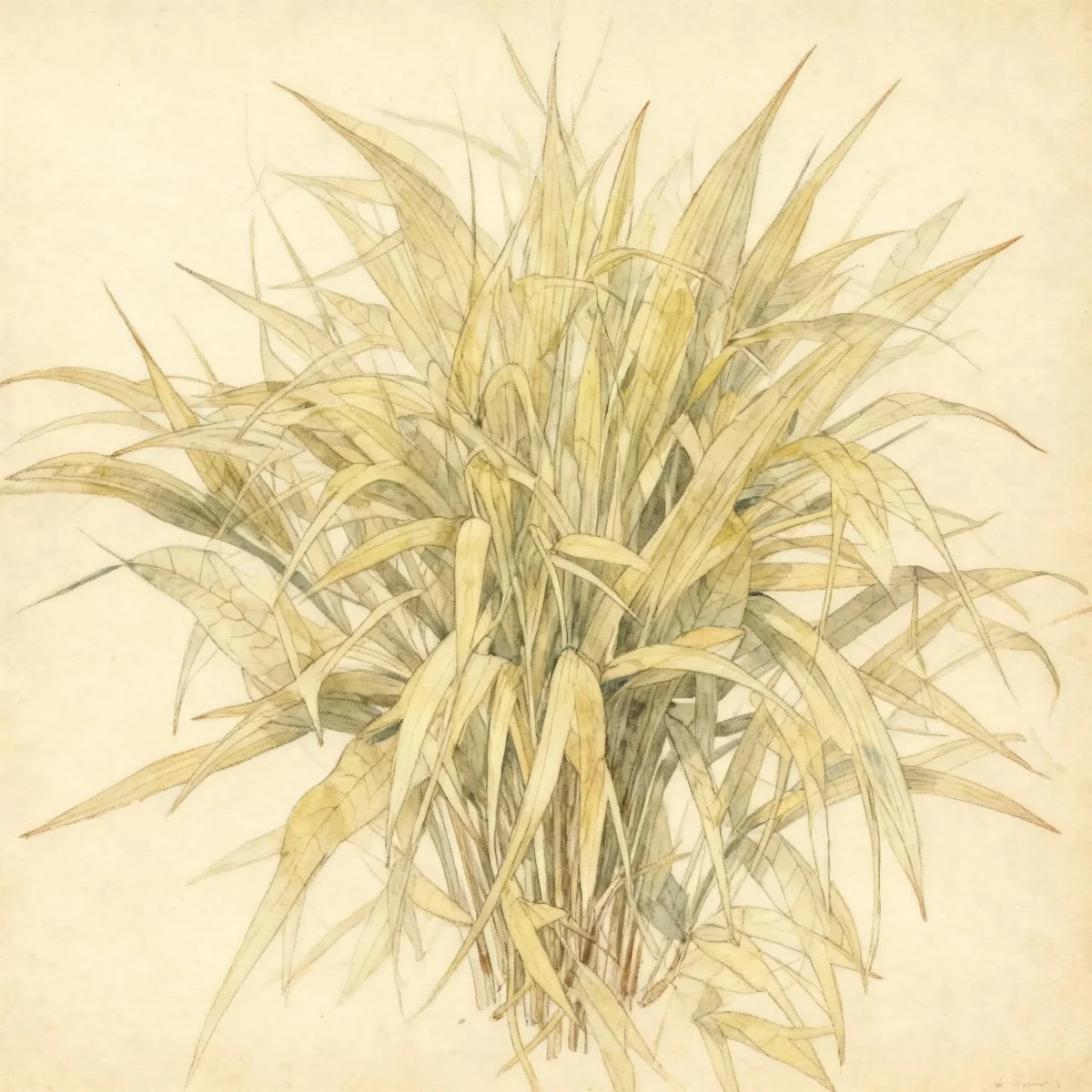
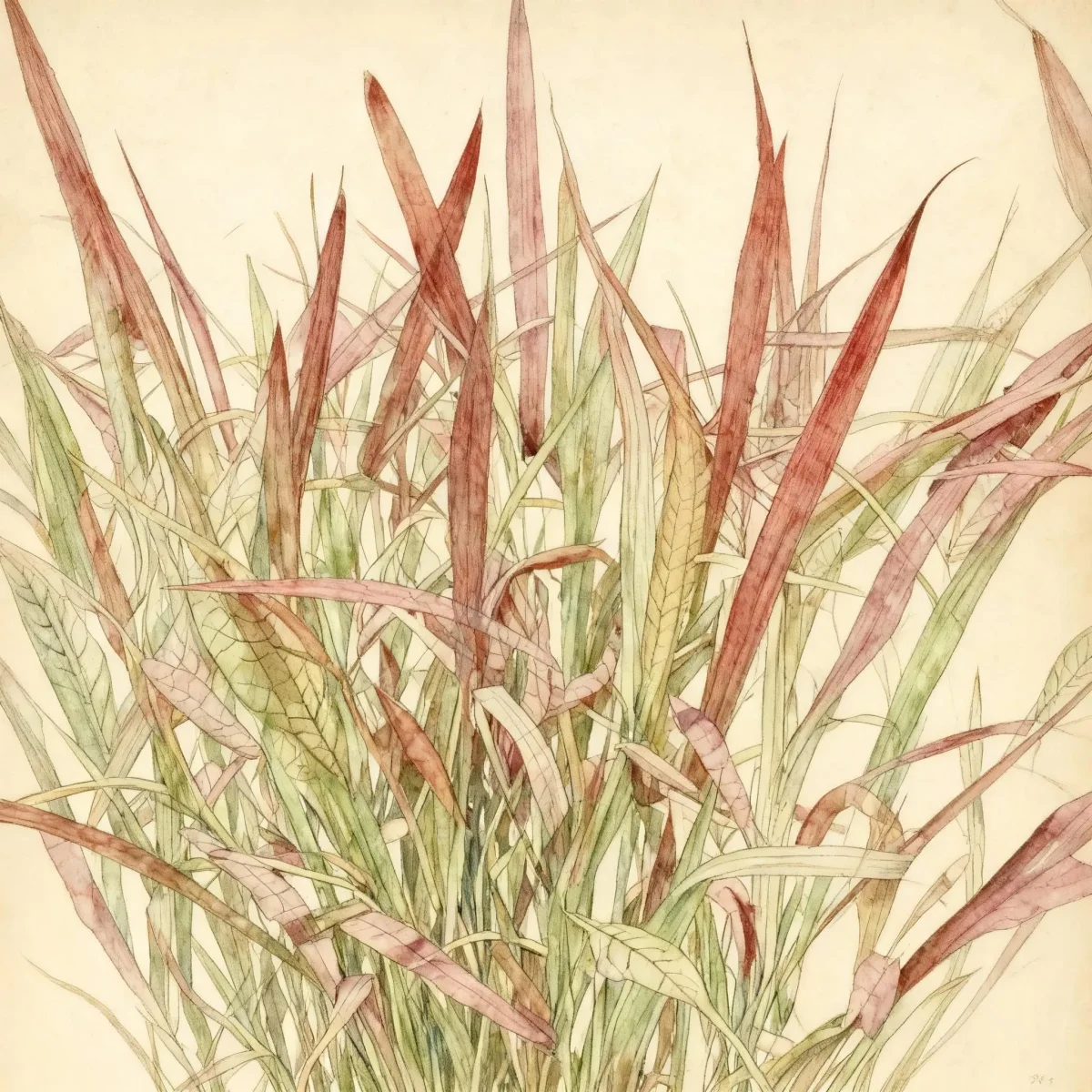
Dwarf fern-leaf bamboo (Pleioblastus pygmaeus)
Pleioblastus pygmaeus, or Dwarf fern-leaf bamboo, is a vigorous, low-growing ground cover ideal for partial shade areas needing dense coverage.
Scroll down to discover growing tips, care requirements, companion plants, and more
Complete Plant Information
Overview
Pleioblastus pygmaeus, also widely known as Dwarf fern-leaf bamboo, is a distinctive, low-growing grass prized for its dense, rapidly spreading nature, making it effective as a dynamic ground cover. This dwarf running bamboo quickly establishes robust colonies via spreading rhizomes, typically reaching only 12 to 18 inches in height. Gardeners appreciate its ability to thrive in shaded conditions where many traditional lawn alternatives struggle.
While beautiful with its bright green, slender culms and palm-shaped leaves, the defining characteristic of Pleioblastus pygmaeus is its aggressive growth habit. Successful integration into the landscape requires proactive management, often involving underground barriers to restrict its spread. Despite the high maintenance required for control, its year-round foliage presence in milder climates offers considerable aesthetic value.
Ultimately, Dwarf fern-leaf bamboo serves as an excellent textural element for woodland settings or slopes requiring erosion control. If management strategies are implemented, this variety of Pleioblastus pygmaeus delivers evergreen coverage and structure, softening transitions between woodland areas and manicured spaces.
Fast Facts
- Plant Family: Poaceae
- Plant Type: Ornamental grass
- Native Range: Unknown in wild
- Hardiness Zones: USDA Zones 5-10
- Size at Maturity:
- Height: 1-1.5 ft
- Spread: 1.5-2.5 ft
- Bloom Time: Non-flowering
- Bloom Description: Rarely flowers
- Sun Exposure: Part shade to full shade
- Water Needs: Medium
- Maintenance Level: High
How to Grow
To establish Pleioblastus pygmaeus, plant starter specimens 12 to 24 inches apart during the growing season. This bamboo prefers average, medium-moisture, well-drained soil but is highly adaptable to various soil conditions. Ensure it is situated in part shade to full shade for the best foliage health, though it exhibits reasonable drought tolerance once established.
Watering should be maintained at a medium level, ensuring the soil does not completely dry out, especially during establishment. Fertilizing Dwarf fern-leaf bamboo is generally discouraged, as feeding this vigorous spreader can intensify its already aggressive growth, potentially leading to unruly colonies.
Maintenance for Pleioblastus pygmaeus is high, primarily due to its invasive running nature. Underground barriers are essential if you do not wish for the bamboo to colonize the entire garden area. In warm southern zones, the foliage remains evergreen, but in harsher winters, the foliage may die back to the ground. Perform cleanup in the spring by removing any dead culms once new growth begins. For rejuvenation, the entire patch can be mowed to the ground every two to three years if it becomes too scraggly.
Landscape Uses
The primary function of Dwarf fern-leaf bamboo is as an exceptional ground cover, particularly effective in large, unconstrained areas where its naturalizing capabilities are desired. It is excellent for stabilizing slopes and banks, providing quick, dense coverage that aids in preventing soil erosion. Use Pleioblastus pygmaeus freely in woodland gardens where its spreading habit can be utilized to create naturalistic drifts of texture.
For areas where its vigor must be contained, meticulous planning is required. Install deep root barriers before planting to restrict the aggressive rhizomes of the Pleioblastus pygmaeus. When successfully managed, it provides excellent architectural interest along borders or beneath taller, specimen trees where its shade tolerance is an advantage. Avoid planting near garden beds unless you intend to constantly police the growth.
Standout Features
Flower Qualities
- Insignificant
Noteworthy Characteristics
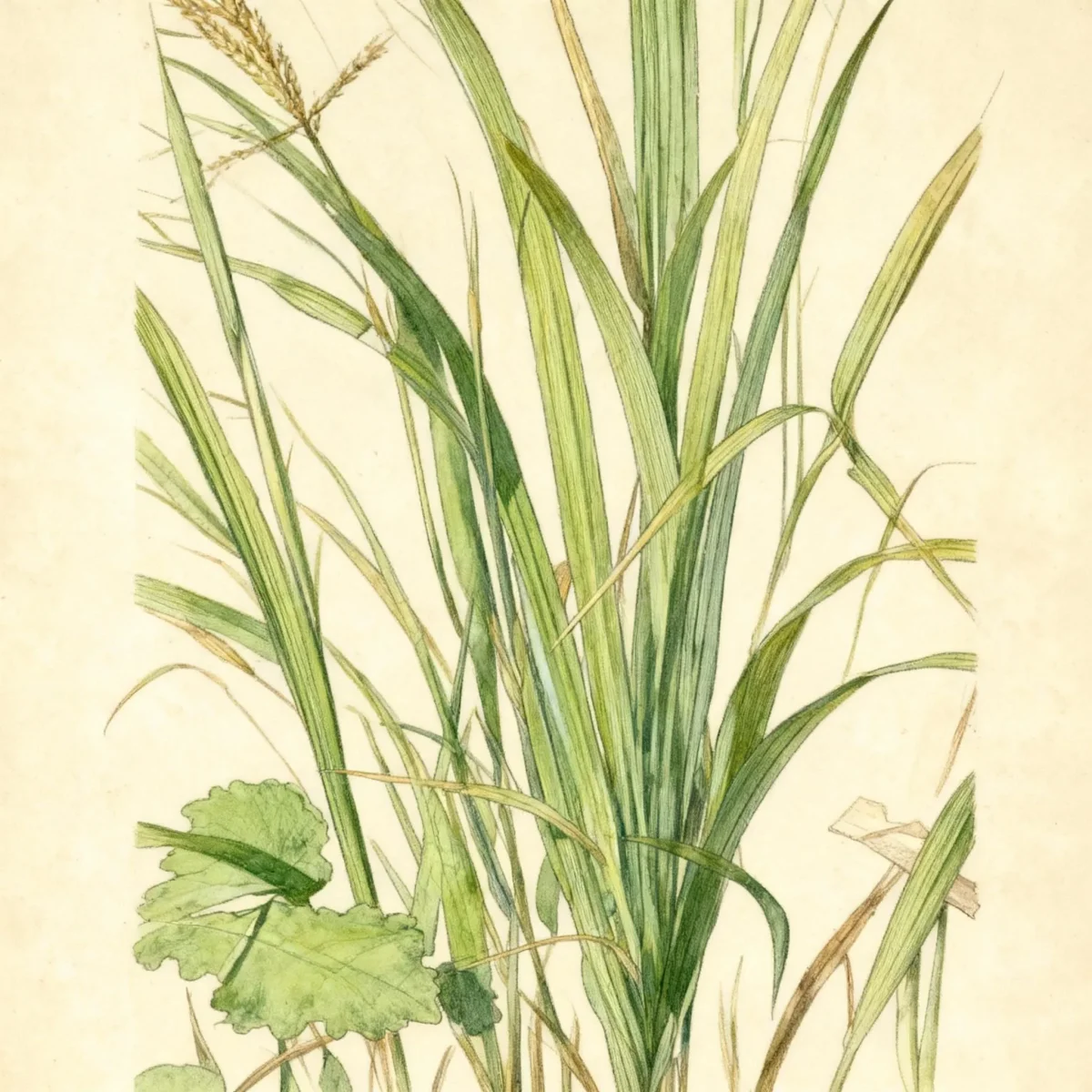
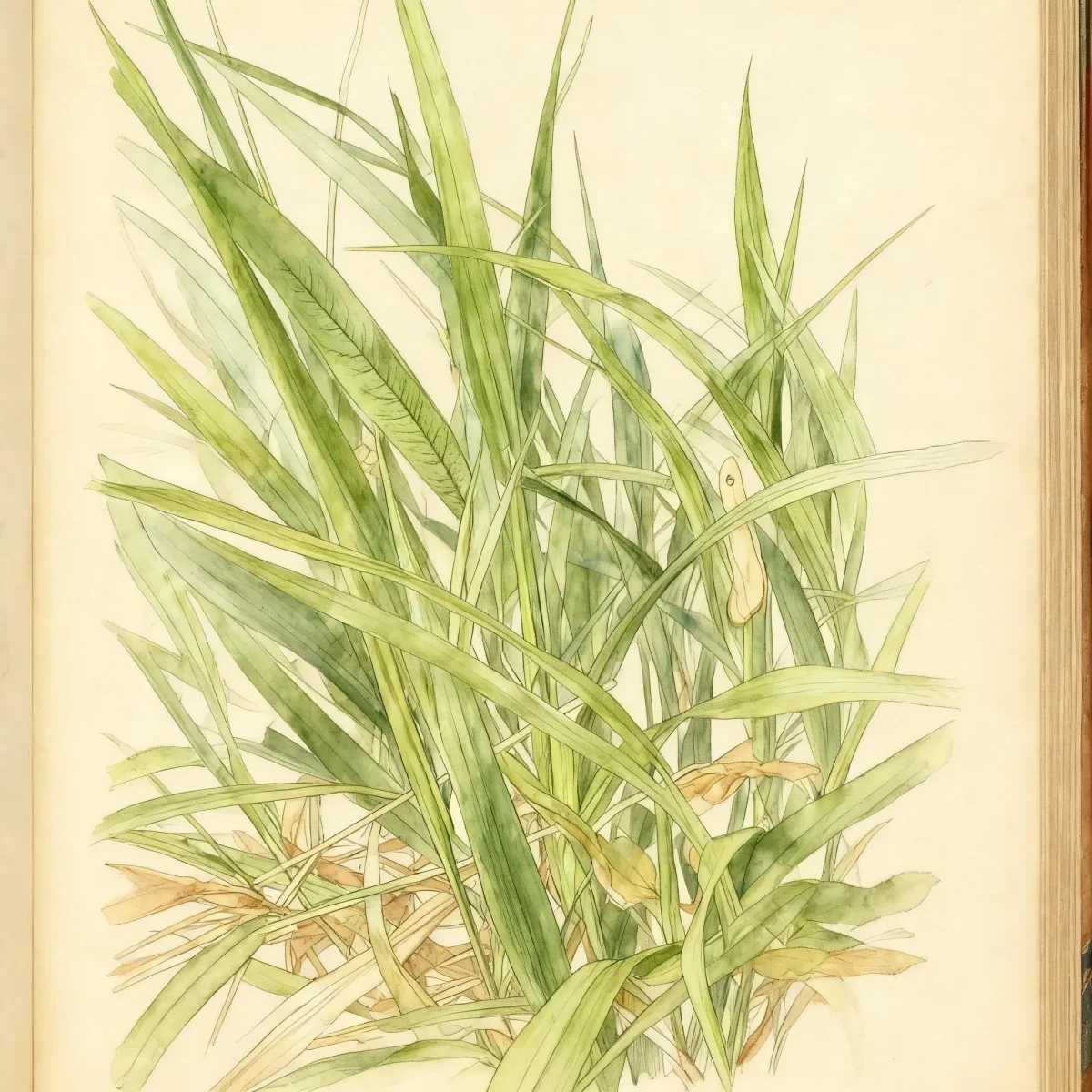
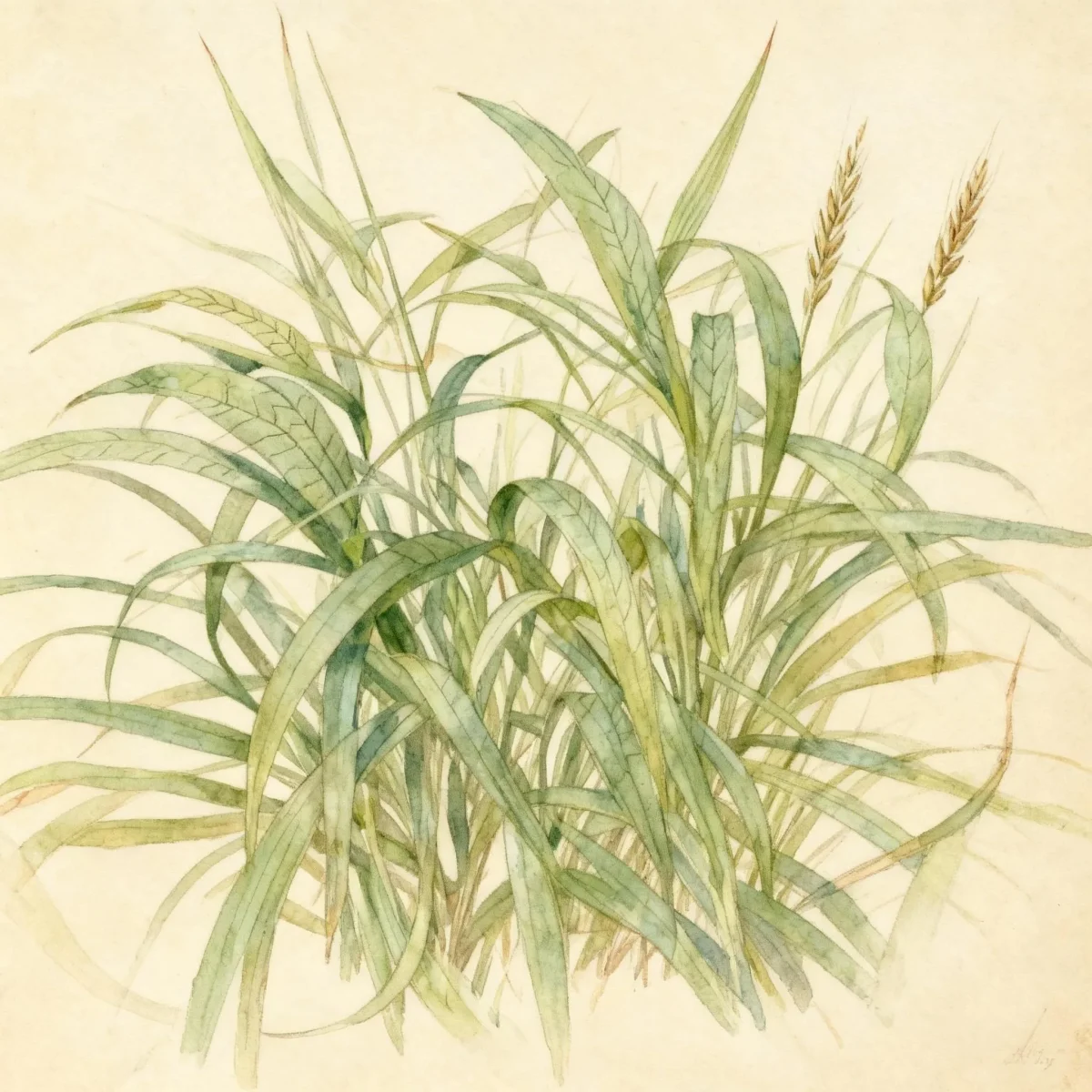
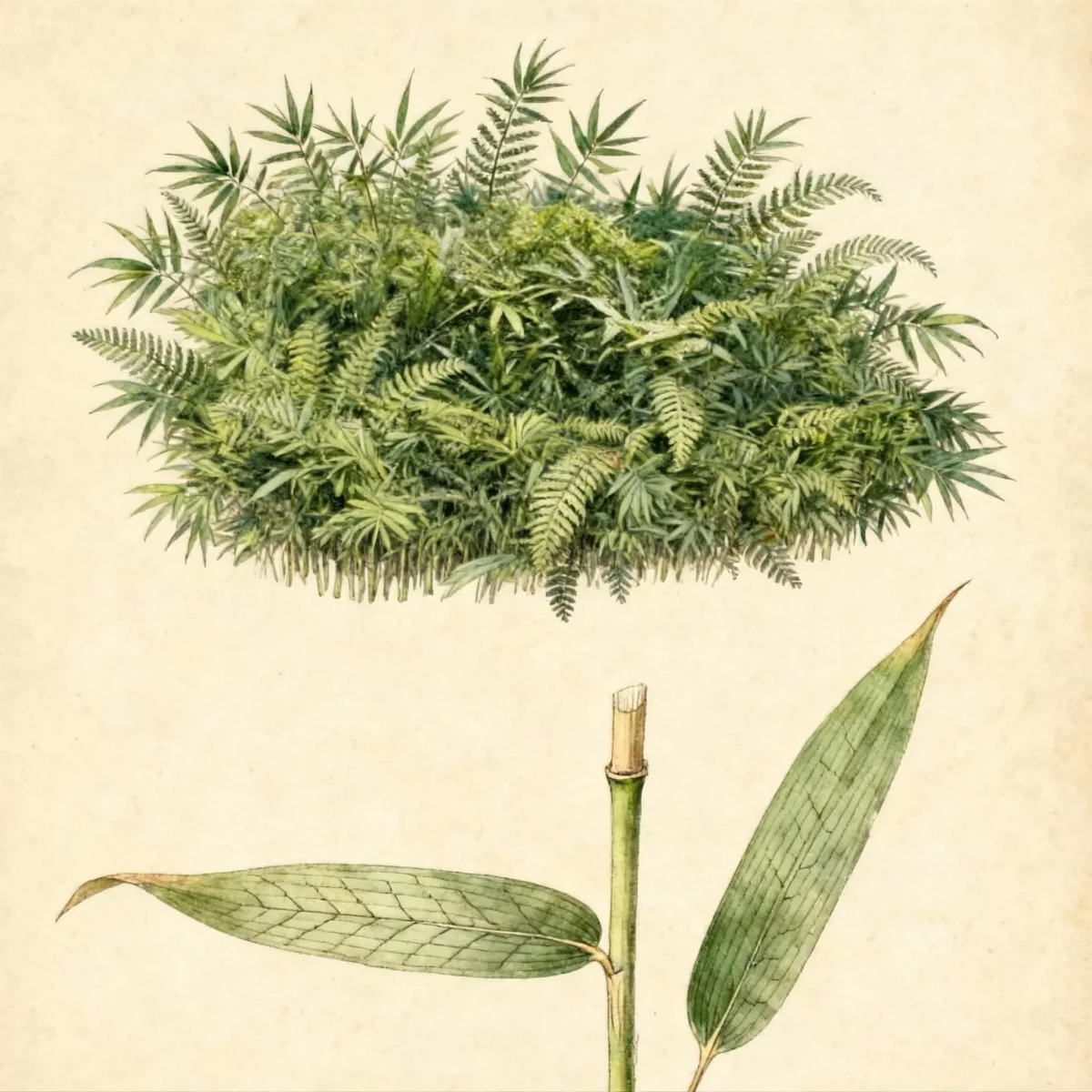
Pleioblastus pygmaeus, commonly called pygmy bamboo, is classified as a dwarf running bamboo in that rhizomes from the parent plant spread rampantly in all directions from the plant forming an underground network from which new shoots periodically appear. Typically grows only 12-18” tall. Features slender, erect, pencil-sized (1/8” diameter), green culms which are divided into segments by distinctive, purplish nodes. Bright green, palm-shaped leaves (to 5” long) with serrated margins.
Tolerances
- Drought
- Heavy Shade
- Black Walnut
- Air Pollution
Potential Problems
This bamboo species is fortunate in that it generally avoids serious insect or disease issues in most environments. However, surveillance is warranted for minor pests that can occasionally be observed, including aphids, spider mites, mealybugs, and scale insects. These nuisances are usually controllable with targeted applications of horticultural oils or insecticidal soaps if infestations become heavy enough to impact plant vigor.
Frequently Asked Questions
What hardiness zones is Dwarf fern-leaf bamboo suitable for?
Pleioblastus pygmaeus is robust across USDA Zones 5 through 10.
How large does Pleioblastus pygmaeus grow?
This species typically reaches a height between 1 and 1.5 feet, spreading outward between 1.5 and 2.5 feet.
What sun exposure does Dwarf fern-leaf bamboo need?
It thrives best when situated in part shade to full shade conditions, making it ideal for establishing coverage under tree canopies.
When does Pleioblastus pygmaeus bloom?
This plant is non-flowering, with blooms that rarely occur.
Conclusion
Pleioblastus pygmaeus offers unmatched coverage and shade tolerance for gardeners seeking hardy, low-growing textural elements. While its maintenance level is high due to its running habit, the vibrant green foliage of Dwarf fern-leaf bamboo provides consistent visual appeal. Before introducing Pleioblastus pygmaeus to your landscape, definitively plan for containment or choose an area where its aggressive colonization is an asset.
Seasonal Care Calendar
Spring is the ideal time for cleanup and revitalization. After the threat of hard frost has passed, prune out any dead culms remaining from winter damage, especially in colder Zone 5 pockets. This action clears the way for fresh, vigorous new shoots of Pleioblastus pygmaeus to emerge. Avoid any summer fertilization to keep growth rates moderate.
During the summer growing season, maintain consistent medium moisture levels, especially if establishing a new patch of Dwarf fern-leaf bamboo. Monitor the edges of any installed barriers diligently, as rhizomes are strong and will seek any weak point to escape containment. Water deeply but infrequently once the plants are mature, relying on their moderate drought tolerance.
As autumn approaches, very little intervention is needed for Pleioblastus pygmaeus. The foliage will persist through fall, offering textural color until heavy frosts cause dieback in colder zones. If you prefer a very tidy look, you can remove spent foliage, but generally, leaving it benefits the plant’s winter hardiness.
Companion Planting
Because Pleioblastus pygmaeus requires shade and medium moisture, successful companion planting involves species that share similar cultural needs and tolerate root competition. Consider pairing this vigorous ground cover with moisture-loving perennials such as Hosta cultivars, Astilbe, or Ferns (Dryopteris or Matteuccia). These companions provide contrasting textures and colors without competing aggressively in the sunny areas of the garden.
Placing Dwarf fern-leaf bamboo near shade-tolerant woodland shrubs like Hydrangea paniculata cultivars (for slightly brighter spots) or evergreen Rhododendrons can create layered depth. Ensure that any companions selected are themselves vigorous enough to hold their own against the spreading rhizomes of the bamboo, or else be prepared to physically separate the clump edges annually.