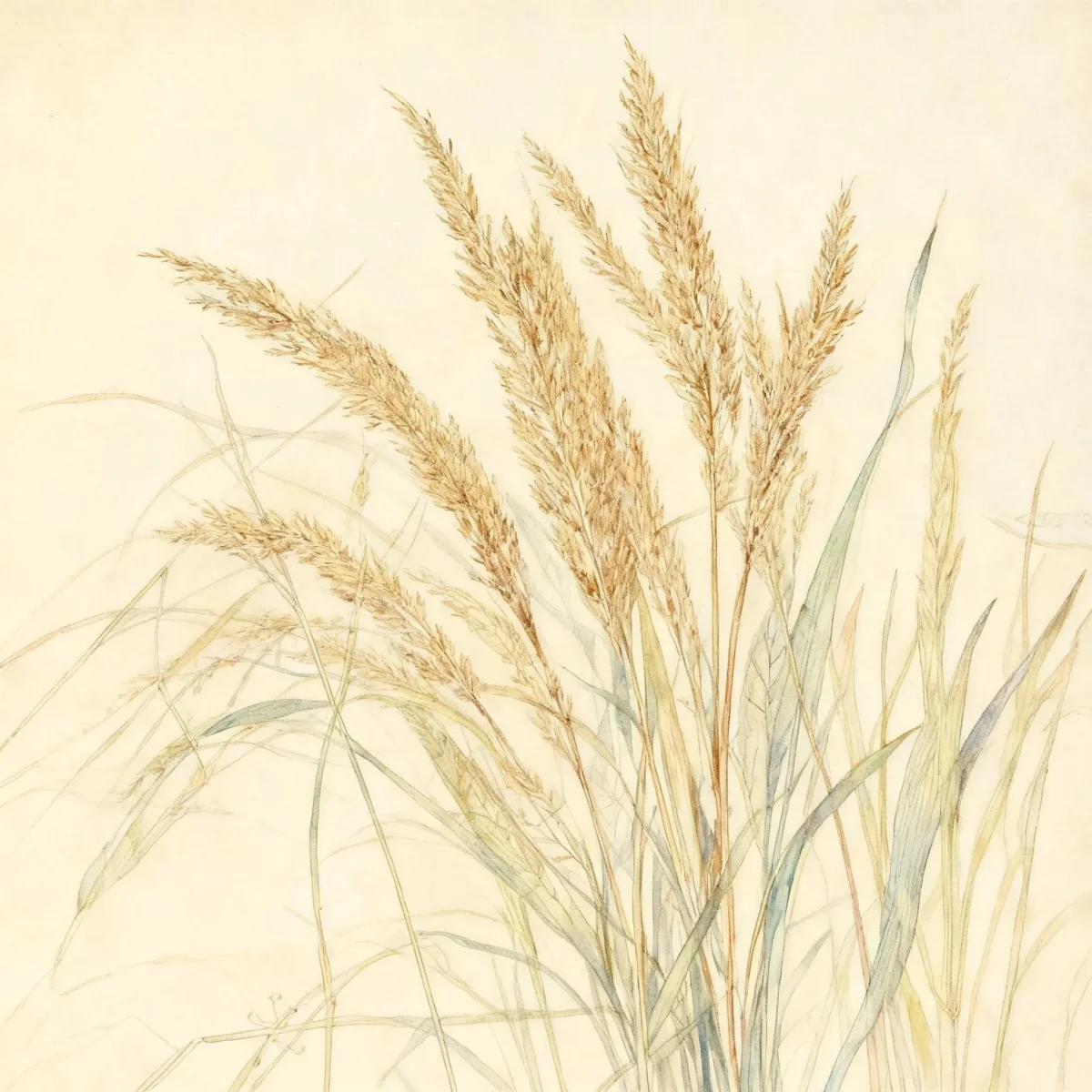
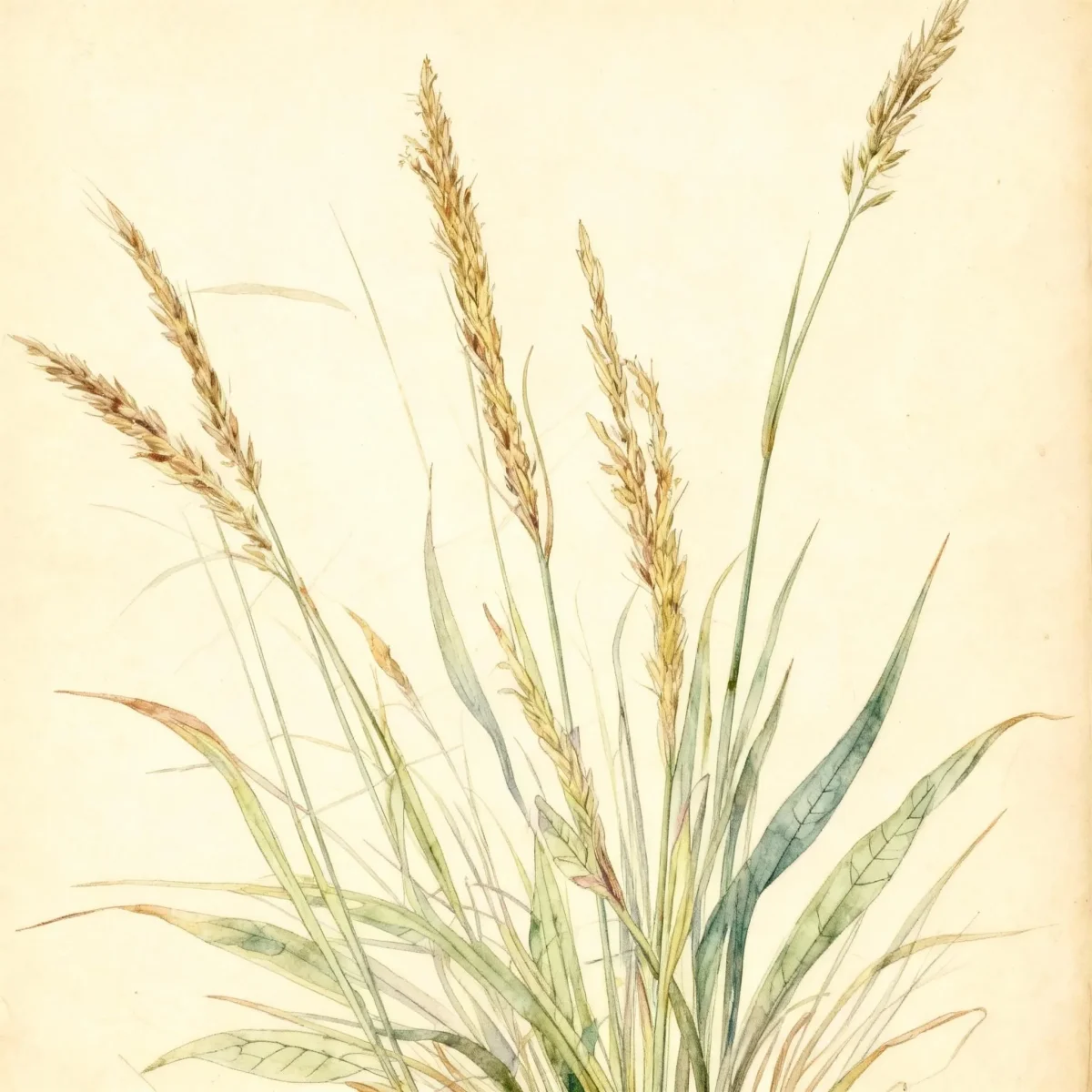
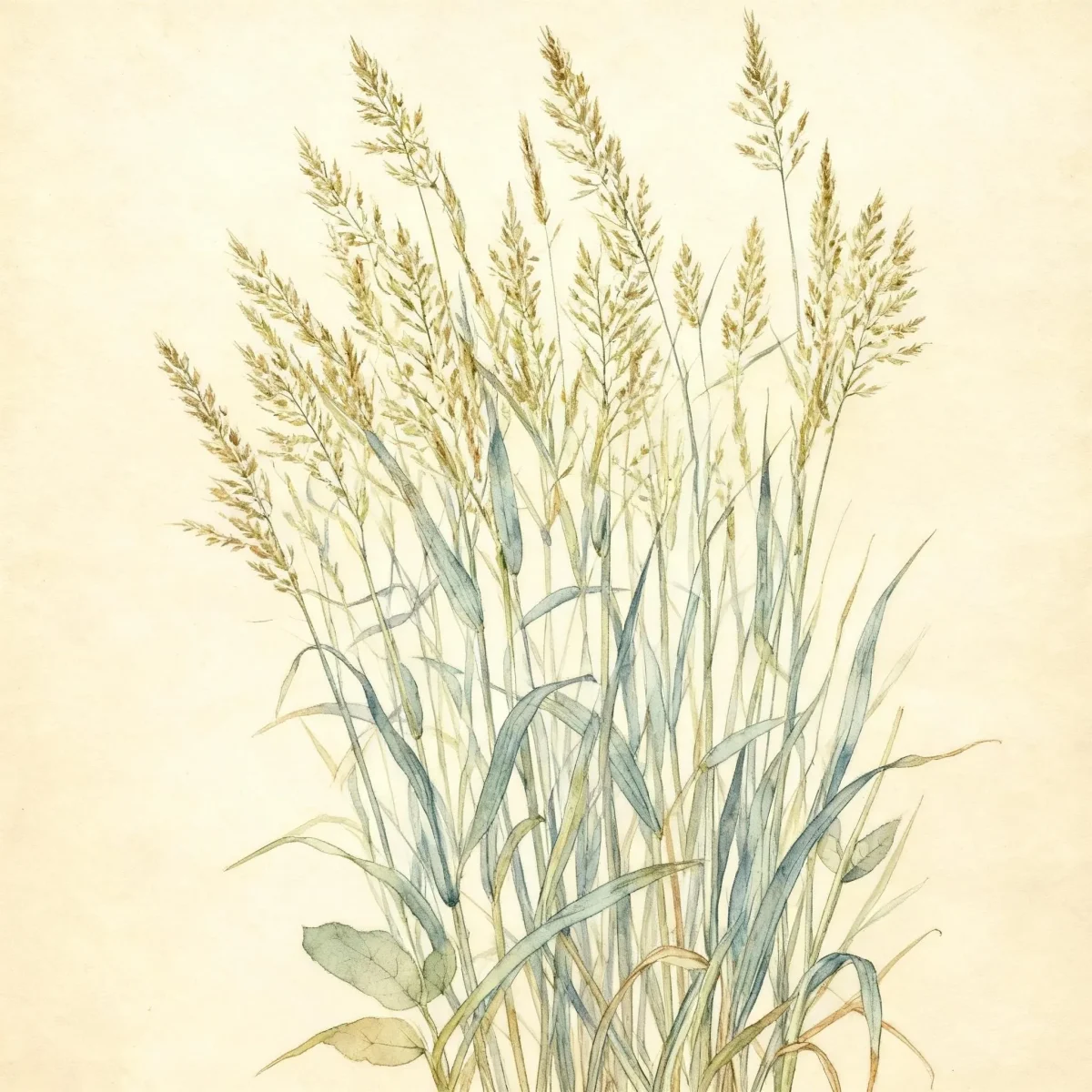
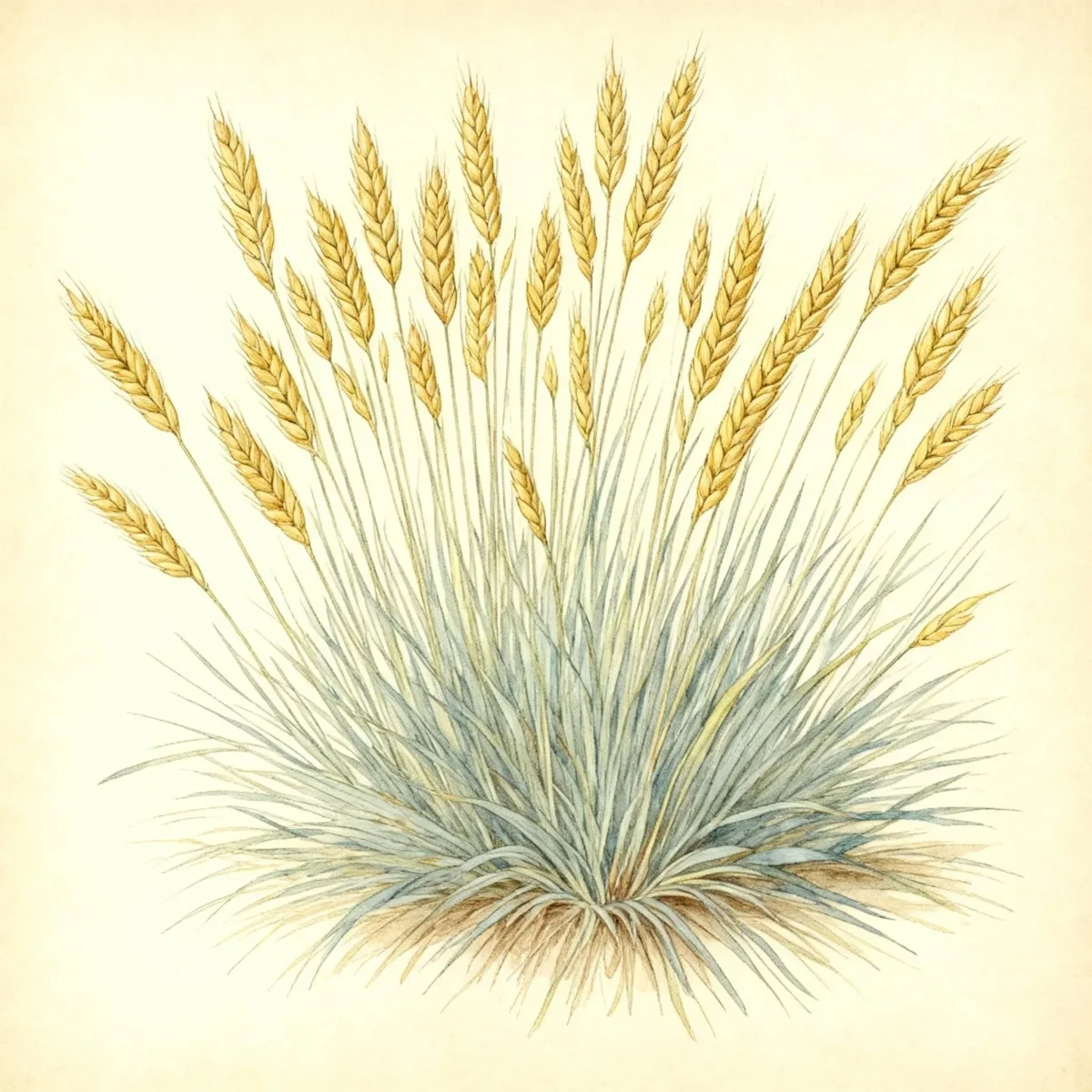
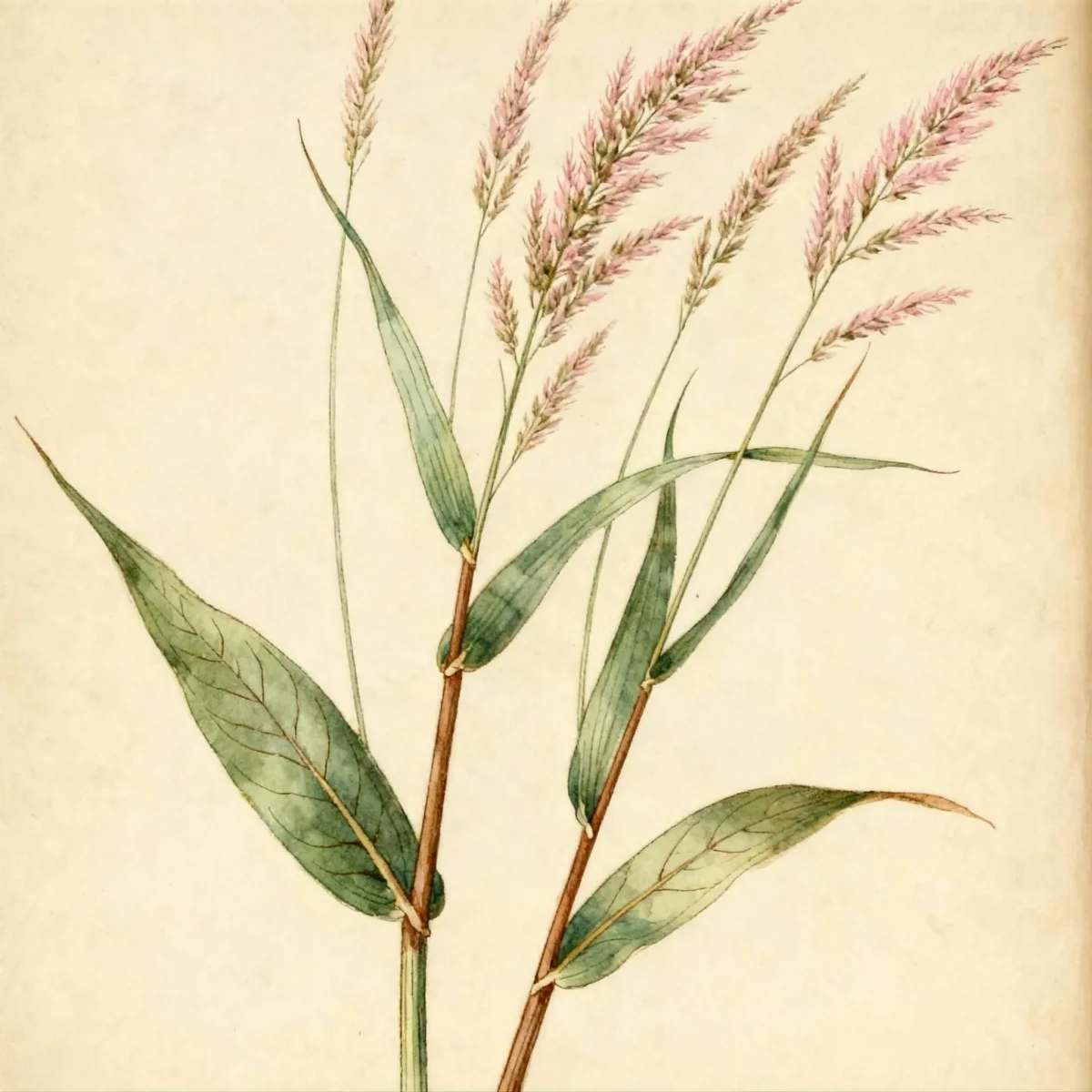
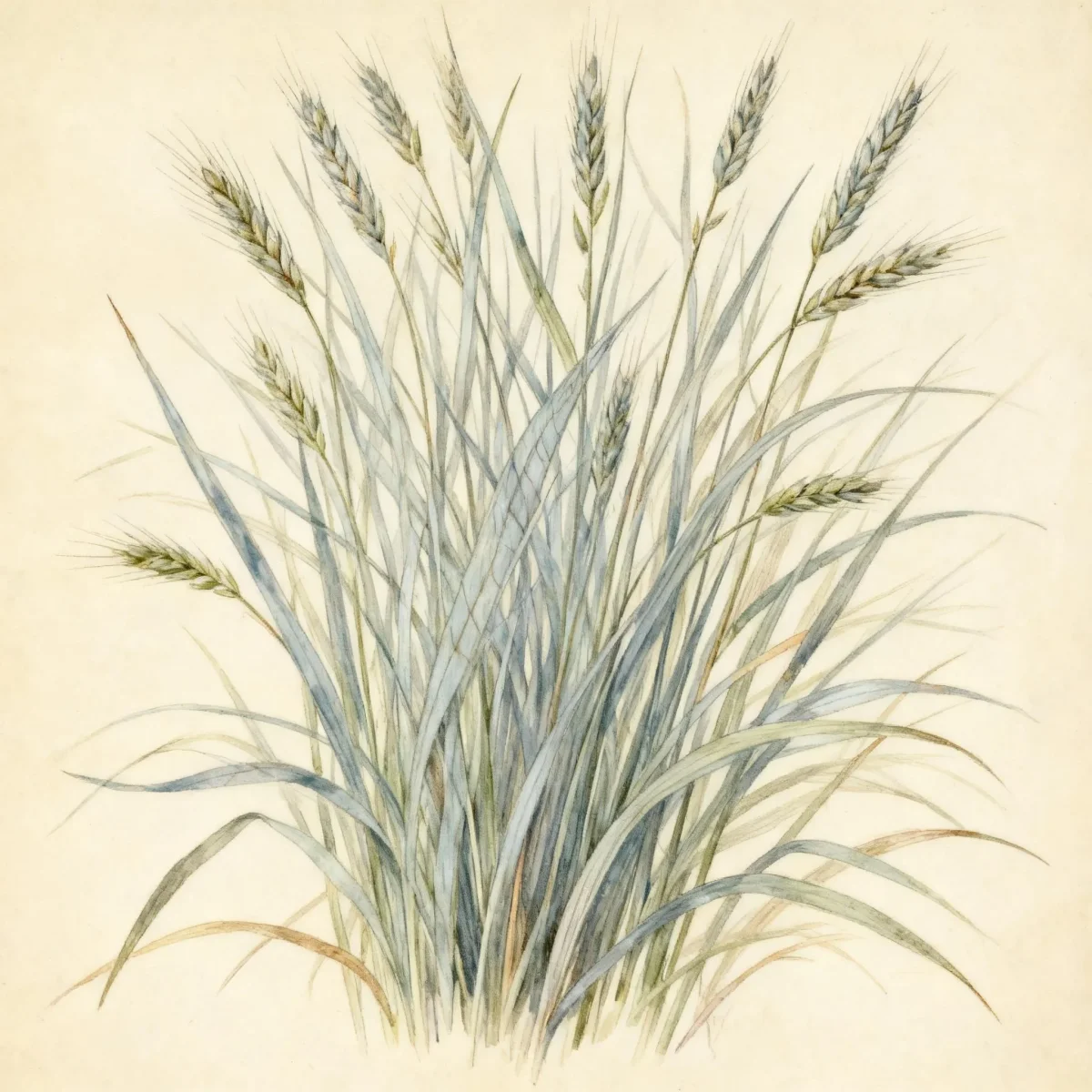
Hard fescue (Festuca longifolia)
Hard fescue (Festuca longifolia) is a tough, drought-tolerant perennial grass perfect for low-traffic zones. Features fine, grey-green blades.
Scroll down to discover growing tips, care requirements, companion plants, and more
Complete Plant Information
Overview
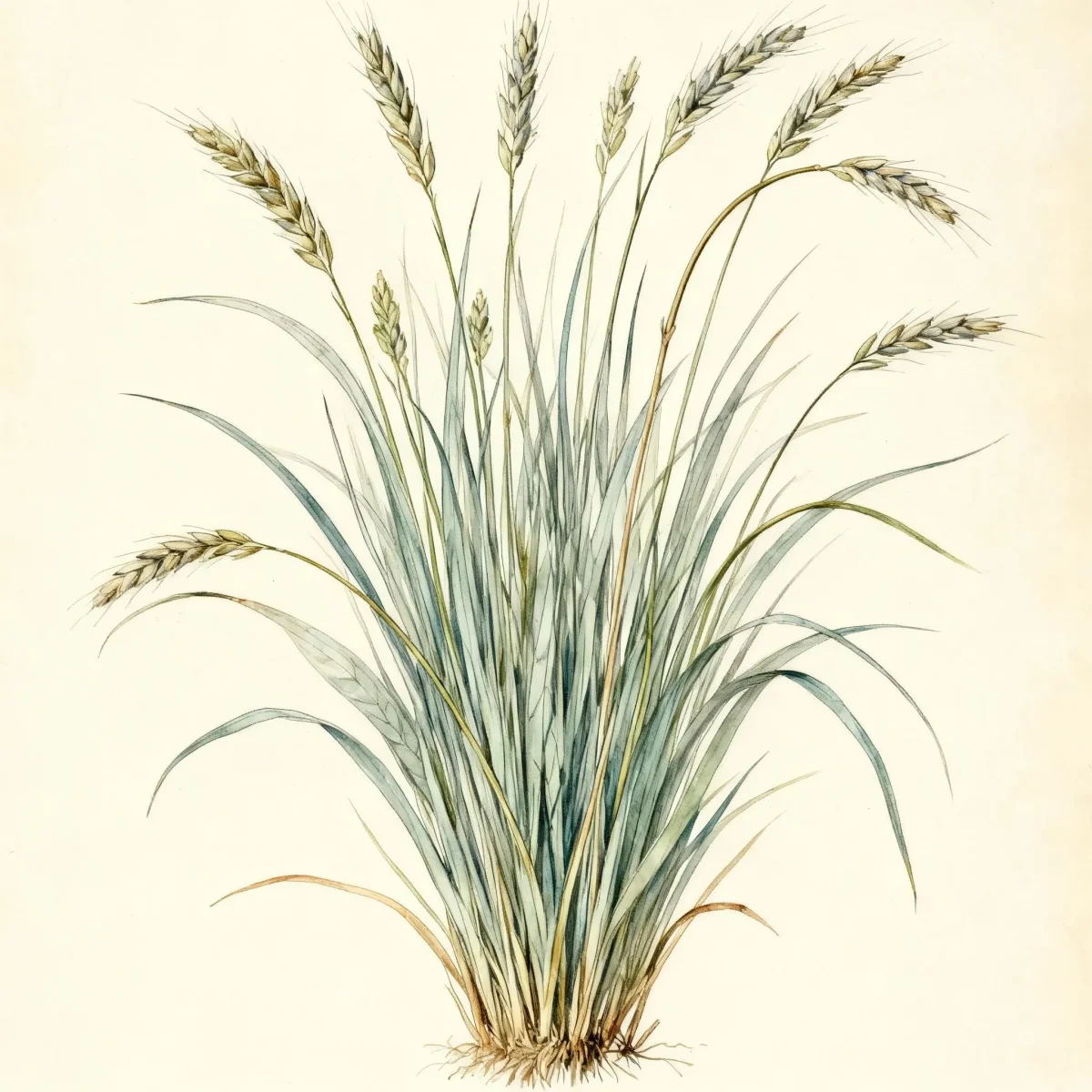
Festuca longifolia, commonly known as hard fescue, is a highly durable ornamental grass valued for its dense, fine-textured, blue-green to dark green-grey foliage. This perennial grass forms neat, upright tussocks, making it an excellent low-maintenance choice for stabilizing difficult sites where other plants struggle. Its toughness and aesthetic appeal allow it to blend well into both formal borders and naturalized landscapes.
Native to parts of Western Europe, hard fescue thrives in conditions that mimic its rocky, heathland origins. It exhibits excellent tolerance to dryness once established, provided it receives full sun exposure throughout the growing season. Gardeners appreciate Festuca longifolia for its reliable texture and the subtle, airy bloom it produces mid-summer.
Functionally, this grass excels on slopes and in mass plantings where its root structure aids in erosion control. While it is hardy across a wide range, gardeners should note that Festuca longifolia prefers cooler summers and does not tolerate low mowing heights well. Incorporating hard fescue into your landscape design provides structure and year-round interest with minimal intervention.
Fast Facts
- Plant Family: Poaceae
- Native Range: Western Europe
- Hardiness Zones: USDA Zones 3-9
- Size at Maturity:
- Height: 0.75-2 ft
- Spread: 0.75-2 ft
- Bloom Time: May to July
- Bloom Description: Light green to brown
- Sun Exposure: Full sun
- Water Needs: Dry to medium
- Maintenance Level: Medium
How to Grow
For optimal establishment, plant hard fescue in the spring or early fall when temperatures are moderate. This grass performs best in well-draining soils that range from loamy to sandy. Ensure the planting site receives full sun; inadequate light will result in sparse growth and decreased vigor. If planting on slopes for stabilization, ensure thorough watering until the root system is fully developed.
Once established, the water needs of Festuca longifolia are low to medium; it tolerates drought conditions exceptionally well, though regular, even moisture supports the best turf quality. Fertilization is usually unnecessary, as the plant naturally adapts to poor soils. Avoid heavy feeding, which can encourage excessive, floppy growth not suited to its natural habit.
Maintenance for this species is relatively low, but it is crucial not to subject it to close mowing, as it does not recover well from low cuts. Hard fescue is best left to grow into its natural clump form or sheared back lightly in very early spring to remove old foliage before new growth emerges. In colder Zones 3-5, ensure the crowns are well-insulated by surrounding dormant foliage entering winter.
Landscape Uses
The primary architectural role for Festuca longifolia is in areas requiring dependable ground stabilization. It is an excellent choice for seeding on slopes, medians, and other low-traffic areas where robust root systems are necessary to prevent runoff and erosion. Mass plantings create a striking textural contrast against larger shrubs or bolder-textured perennials.
Consider using hard fescue in naturalized settings or xeriscapes where low water consumption is a design priority. Because it competes poorly with larger, vigorous grasses, avoid using Festuca longifolia in traditional lawn settings where it will be overtopped. It performs beautifully along pathways or bordering rock gardens, where its fine texture mimics native heathland environments.
Standout Features
Noteworthy Characteristics
Festuca longifolia, commonly known as hard fescue or blue fescue, is a perennial, tussock-forming grass native to the open heathlands of eastern England and the rocky cliffs of southern England, the Channel Islands, and northwestern France. Mature clumps will reach up to 2’ tall with an equal spread. The upright to arching, narrow, lanceolate foliage is a dark green-grey color and can reach up to 2.5’ long. Genus name comes from the Latin word meaning a grass stalk or straw, and the specific epithet longifolia means “long leaved,” referring to the length of the foliage of this species.
Tolerances
- Drought
- Erosion
- Dry Soil
Potential Problems
Rabbits sometimes browse on the foliage of hard fescue, prompting minor cosmetic damage. The primary horticultural concern is susceptibility to the leaf rust, a fungal disease that causes orange or yellow pustules on the leaves. This issue is often exacerbated by high humidity or excessive moisture retention around the clump. Ensure good air circulation by providing adequate spacing between plants and avoiding overhead watering during humid periods to minimize rust outbreaks.
Frequently Asked Questions
What hardiness zones is Hard fescue suitable for?
Festuca longifolia is highly adaptable, thriving in USDA Zones 3 through 9.
How large does Hard fescue grow?
Hard fescue typically reaches mature heights between 0.75 and 2 feet tall, with a similar spread of 0.75 to 2 feet.
What sun exposure does Festuca longifolia need?
This species requires full sun to maintain its dense, attractive habit and color.
When does Hard fescue bloom?
Festuca longifolia generally blooms from May through July, producing delicate panicles of light green to brown spikelets.
Conclusion
The exceptional drought tolerance and fine texture make hard fescue an invaluable asset for low-maintenance, ecologically sound landscapes. Utilizing Festuca longifolia effectively means respecting its preference for sun and dryness, avoiding overly fertile soil, and keeping it out of heavily trafficked areas. Before planting, confirm that your site conditions align with the USDA Zones 3-9 range for sustained success with this dependable grass.
Companion Planting
When designing with companion plants for hard fescue, select species that share its preference for full sun and dry, well-drained soil. Low-growing stonecrops like Sedum album or creeping thyme (Thymus serpyllum) beautifully complement the finer texture of Festuca longifolia while requiring similar low moisture inputs. These companions can help fill in the gaps between larger tussocks, creating a complete, tapestry effect on slopes.
For slightly taller accents that contrast well with the cool, grey-green tones of hard fescue, consider incorporating drought-tolerant perennials such as lavender (Lavandula) or certain varieties of Russian Sage (Perovskia atriplicifolia). These selections draw the eye upward while sharing the necessary cultural background for vigorous growth, ensuring that the entire composition remains resilient through hot, dry summers.
Design Ideas for Fine Textures
Hard fescue is phenomenal when used as a textural medium between bold architectural plants, such as large ornamental grasses or structural succulents. Using large drifts of Festuca longifolia creates a soft, undulating foreground that highlights heavier specimens planted behind them. This contrast emphasizes the wispy nature of the grass while grounding the larger elements.
In modern or minimalist garden designs, clumps of hard fescue can be used architecturally, spaced evenly as living groundcover dots in gravel or decomposed granite. This technique emphasizes the individual tussock shape and allows the sun to rake across the foliage, highlighting its blue-grey cast. This approach requires minimal weeding and perfectly suits the grass’s medium maintenance needs.