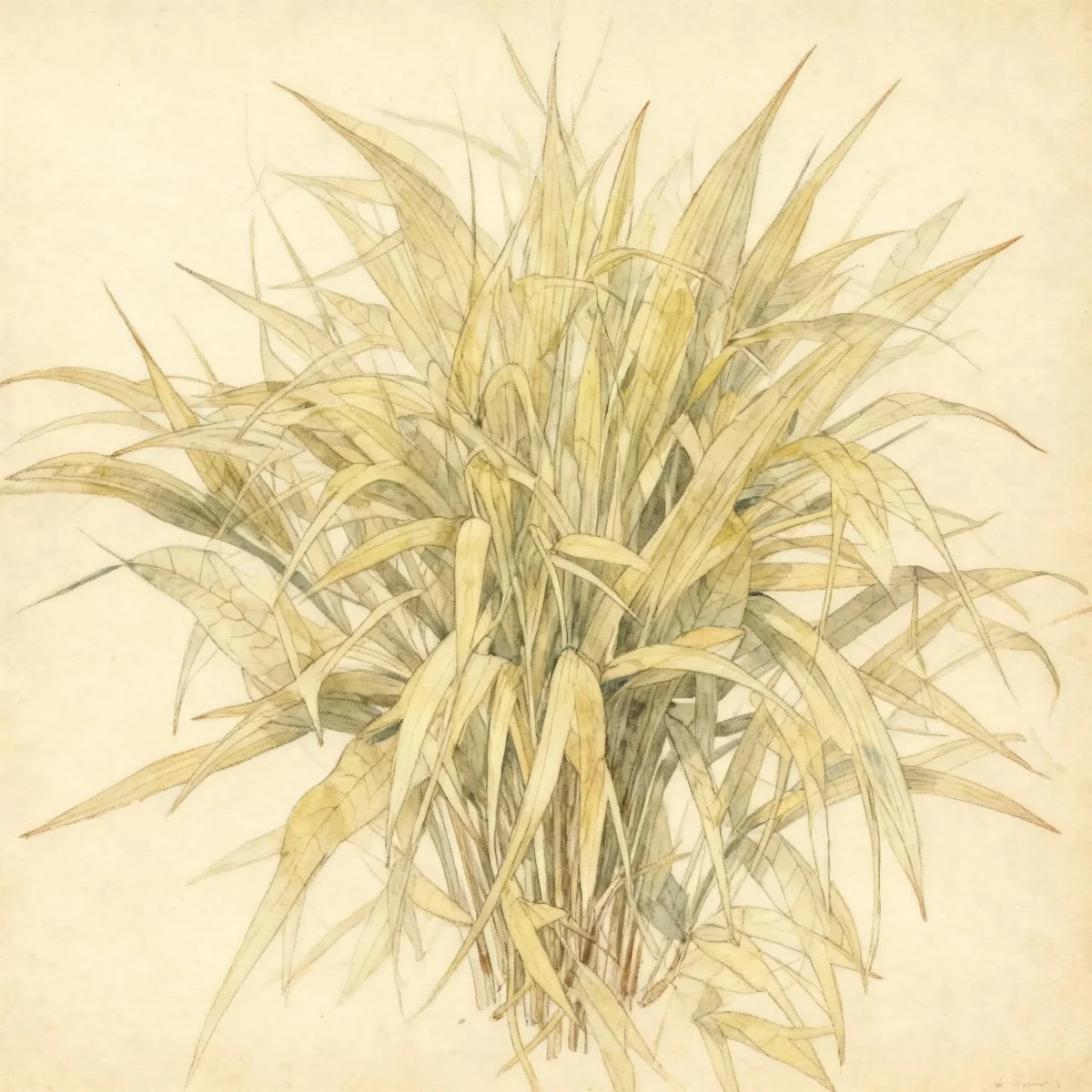
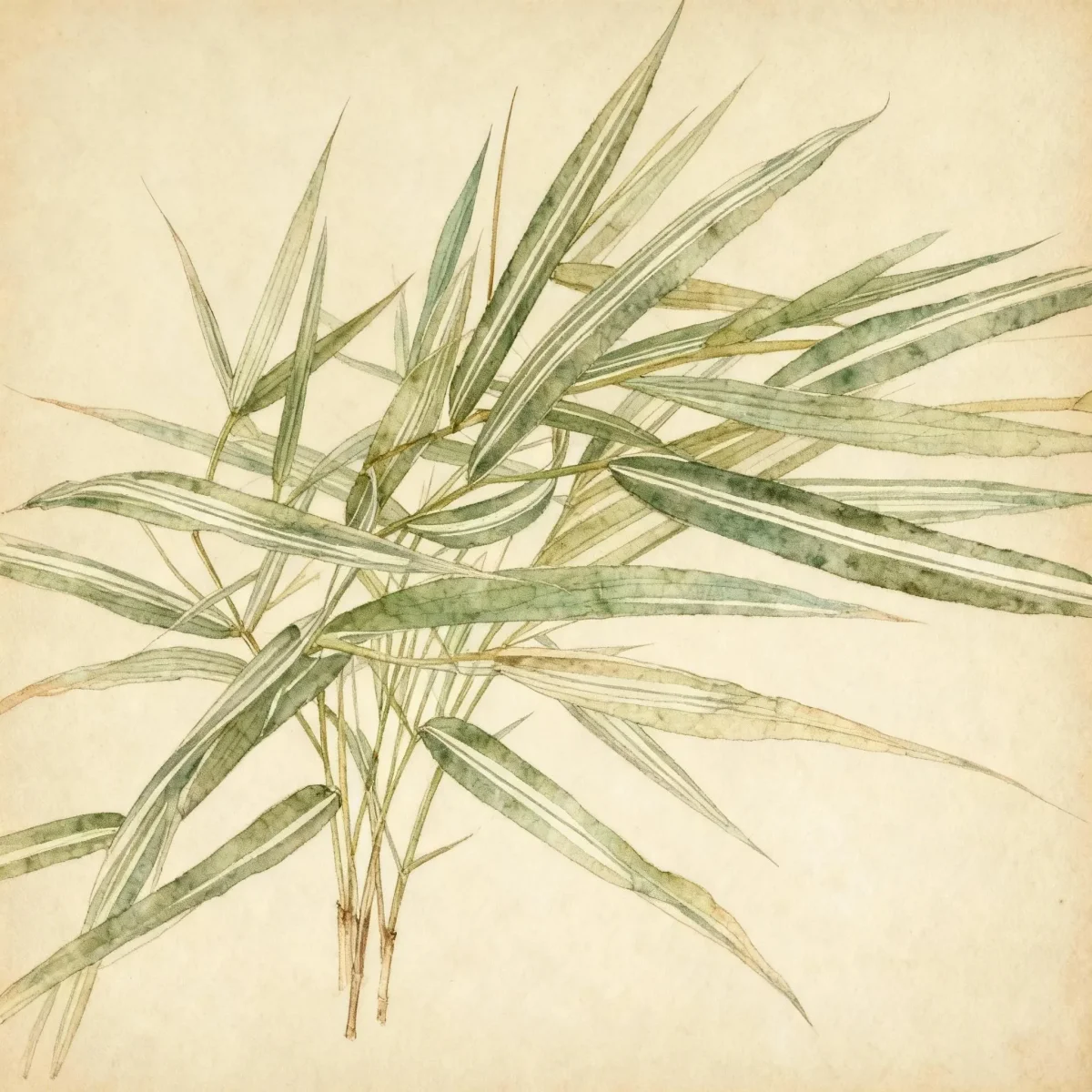
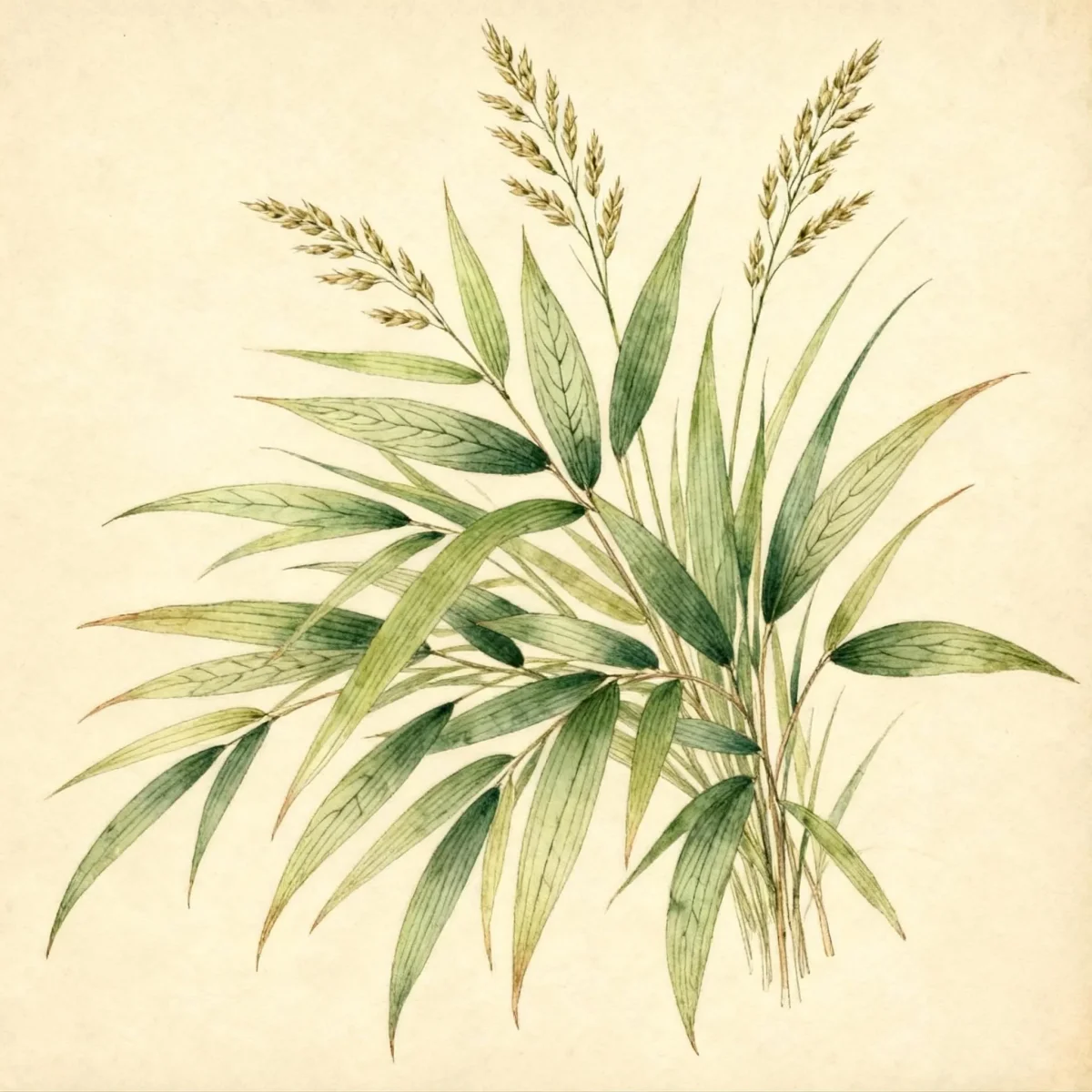
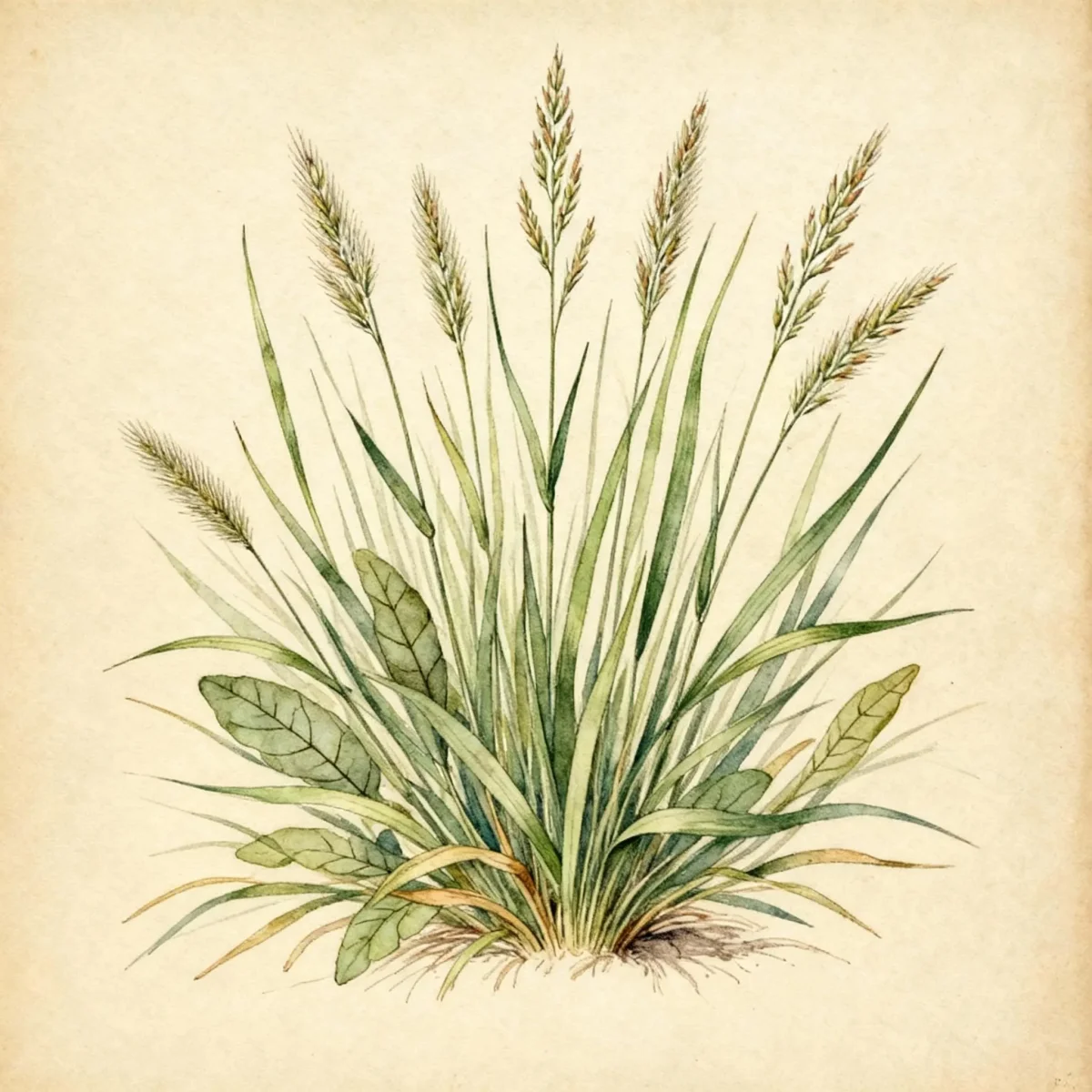
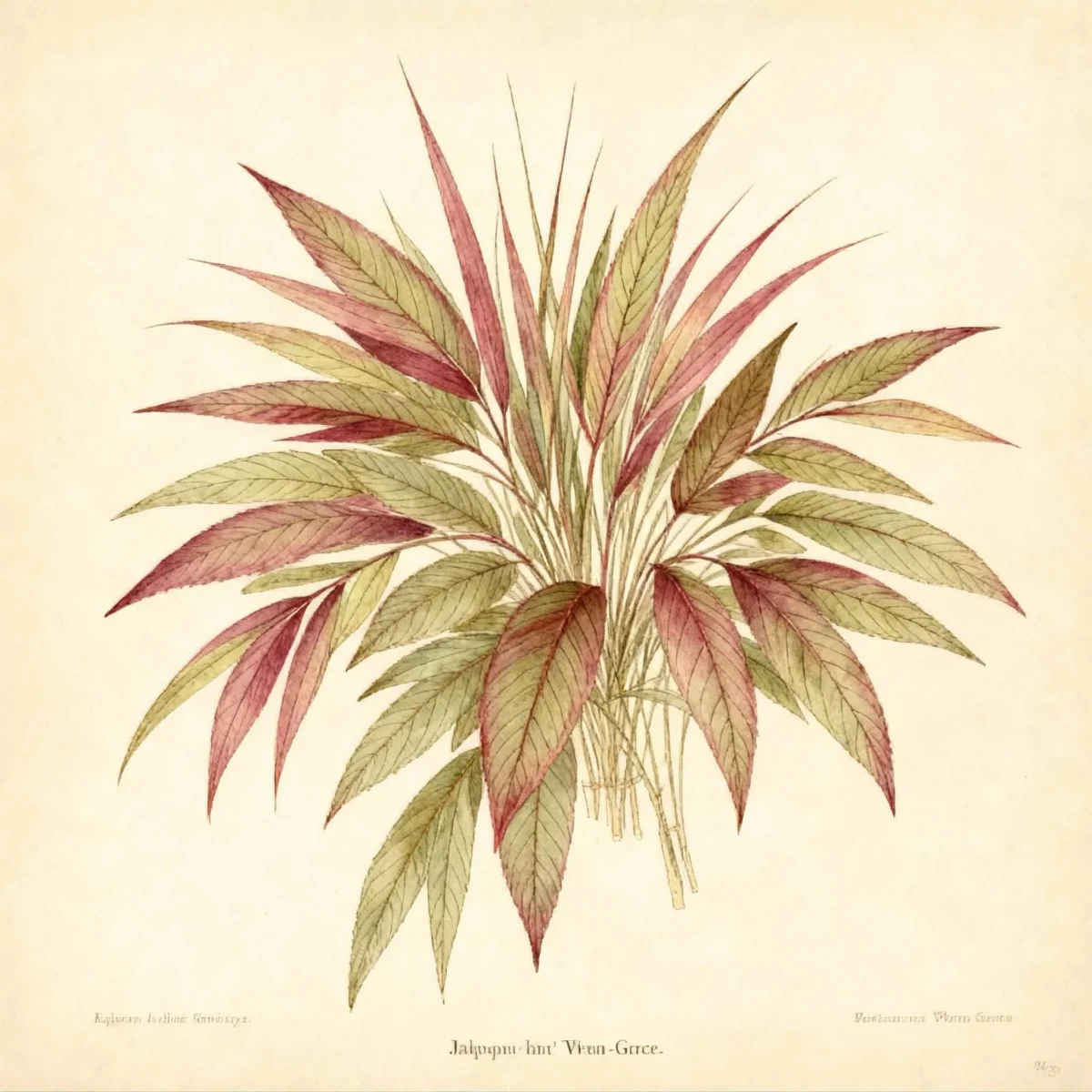
Hardy bamboo (Fargesia rufa)
Fargesia rufa, the Hardy bamboo, is a non-running, cold-hardy evergreen clump noted for its rusty sheaths and low maintenance.
Scroll down to discover growing tips, care requirements, companion plants, and more

Complete Plant Information
Overview
Fargesia rufa, commonly known as Hardy bamboo, offers gardeners an upright, attractive, and non-invasive screening solution. This evergreen perennial brings year-round structure to the landscape with its bright green mature culms and distinctive rusty red sheaths on new growth. It is prized for being cold-hardy and shade-tolerant, making it a reliable choice where many dense screens fail.
This specific variety of Fargesia rufa is a clumping bamboo, meaning its roots form a dense mass that does not spread aggressively or “run” throughout the garden beds. Reaching heights between 6 and 10 feet, it provides excellent vertical accent or screening potential while maintaining a manageable spread of 6 to 10 feet wide. The foliage rustles pleasingly in the breeze and is incredibly resilient, even under snow load.
For optimal performance, Fargesia rufa thrives best when protected from intense, hot afternoon sun, preferring the dappled light of part shade. Gardeners across cooler climates will appreciate the low maintenance requirements and year-round interest provided by this attractive bamboo. Its non-invasive nature ensures peace of mind for long-term landscape planning.
Fast Facts
- Plant Family: Poaceae
- Plant Type: Herbaceous perennial
- Hardiness Zones: USDA Zones 5-8
- Size at Maturity:
- Height: 6-10 ft
- Spread: 6-10 ft
- Bloom Time: Rarely flowers
- Sun Exposure: Part shade
- Water Needs: Medium
- Maintenance Level: Low
How to Grow
The key to successfully growing Hardy bamboo lies in proper soil preparation and location selection. Plant in the spring or fall when temperatures are moderate. Ensure the site offers organically rich, acidic, and exceptionally well-drained soil. Because Fargesia rufa performs best in cooler summer climates, provide protection from intense, hot afternoon sun, especially when establishing the root system.
Water needs for this bamboo are categorized as medium. While established plants show drought tolerance, consistent moisture, particularly during dry spells, supports vigorous growth. Avoid soggy conditions, as excellent drainage is critical to prevent root stress. Fertilization is generally not required if the soil is rich, but a light application of balanced fertilizer in spring can boost early growth.
Mulching is beneficial, especially for winter protection. Apply a thick layer of organic mulch around the base of Fargesia rufa to help moderate soil temperatures and retain moisture, protecting the roots from freezing and thawing cycles. Since this plant does not run, pruning is usually limited to removing any dead or damaged canes in late winter or early spring before new growth accelerates.
Landscape Uses
The clumping habit and dense evergreen foliage make Fargesia rufa exceptionally versatile for structured garden design. Its 6 to 10-foot height positions it perfectly as an excellent specimen plant, anchoring corners or providing visual interest against hardscaping elements. For privacy needs, multiple plants establish quickly into a dense hedge or screen that retains its appearance throughout the winter months.
This Hardy bamboo also adapts well to container life, making it suitable for patios, decks, or entryways where its graceful, arching form can be appreciated up close. When planting in these restrictive environments, choose a large container and ensure robust drainage to accommodate its medium water needs. In the landscape, pair it with shade-loving perennials like hostas or ferns that appreciate similar partial sun conditions and rich soil.
Standout Features
Noteworthy Characteristics
Fargesia rufa, commonly known as non-running bamboo, is a fast-growing, shade-tolerant, evergreen, cold-hardy bamboo that typically grows in a clump to 6-10’ tall and to 6-8’ wide. It is native to the mountains (typically from 5,000’ to 7,500’) of western Sichuan, China. Roots form a dense, slowly-creeping clump that is not invasive in the landscape. This plant features bluish-green new culms with rusty red sheaths, bright green mature culms ($1/2”$ diameter), and rich evergreen foliage. Leafy stems sway in the breeze but infrequently break even when covered in winter with snow.
Tolerances
- Deer
- Drought
Potential Problems
Fargesia rufa generally presents no serious insect or disease problems, which contributes significantly to its low maintenance rating. Gardeners should remain vigilant for general pest issues common to container plants or stressed environments, though severe infestations are rare. The primary threats usually stem from cultural errors rather than specific pathogens.
The biggest pitfall involves improper site selection concerning heat and humidity. This Hardy bamboo performs poorly in the hot and humid summers common throughout the deep Southeastern U.S. If grown outside of its preferred cool summer climate, ensure maximal afternoon shade and extremely diligent watering to mitigate heat stress symptoms.
Frequently Asked Questions
What hardiness zones is Fargesia rufa suitable for?
Fargesia rufa is suitable for USDA Hardiness Zones 5 through 8, offering cold tolerance down to approximately -20°F when suitably protected.
How large does Hardy bamboo grow?
Hardy bamboo typically matures to a height between 6 and 10 feet tall with a spread ranging from 6 to 10 feet wide, forming a dense, self-contained clump.
What sun exposure does Fargesia rufa need?
This plant thrives best in part shade, requiring protection, especially from the intense heat of the afternoon sun.
When does Fargesia rufa bloom?
The plant rarely flowers, offering gardeners consistent foliage interest rather than seasonal blooms.
Companion Planting
When designing a partial shade border around your Fargesia rufa, select plants that share needs for acidic, well-drained soil. Hostas are ideal companions, offering contrasting leaf textures and colors beneath the delicate, arching canes of the bamboo. Shade-loving ferns, such as Japanese Painted Ferns or Autumn Ferns, naturally complement the vertical lines of this Hardy bamboo.
Consider groundcovers that can handle root competition and lower light levels. Japanese Spurge (Pachysandra terminalis) or Ajuga provide attractive, low-maintenance mats that suppress weeds near the base of the clump. Ensure any companion maintains similar medium water requirements, though excellent drainage remains paramount for the health of the clumping Fargesia rufa.
Seasonal Care Calendar
Spring cleanup is the best time to assess your Fargesia rufa. Inspect the canes for any winter damage; remove any brown or broken canes completely at the base using clean loppers before new growth becomes extensive. This encourages fresh, vibrant growth from the crown. Ensure you refresh the mulch layer once the soil begins consistently warming.
Summer care focuses predominantly on water management, particularly during periods of drought or unusually high heat. Because this plant prefers cooler climates, monitor soil moisture carefully, especially if the plants are near structures that reflect heat. While Drought tolerant once established, consistent medium moisture is required for optimal screen development during the first few seasons.
As autumn approaches, focus shifts toward root protection. Ensure the bamboo has adequate water before the ground freezes hard. Apply a fresh, deep layer of mulch (2-4 inches) around the drip line to insulate the root zone, preparing your Hardy bamboo for winter dormancy.
Conclusion
The Fargesia rufa is an outstanding choice for gardeners seeking non-invasive screening and reliable evergreen structure, especially in protected, cooler locations. Its low maintenance once established, combined with its notable tolerance for shade and deer, makes this Hardy bamboo a practical asset. Review your site’s light and soil pH, then plan your planting during the optimal temperate seasons for best success with your Fargesia rufa.