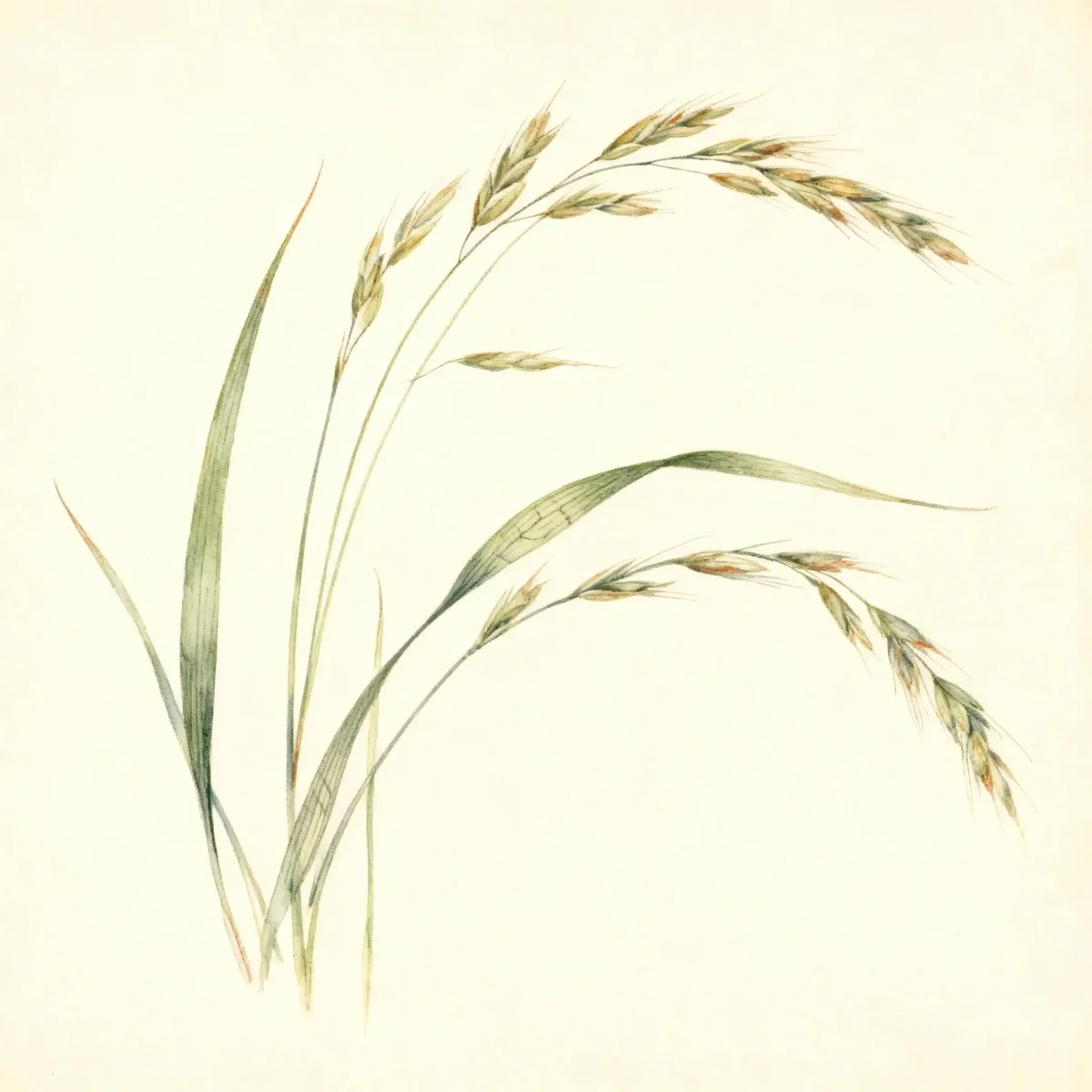
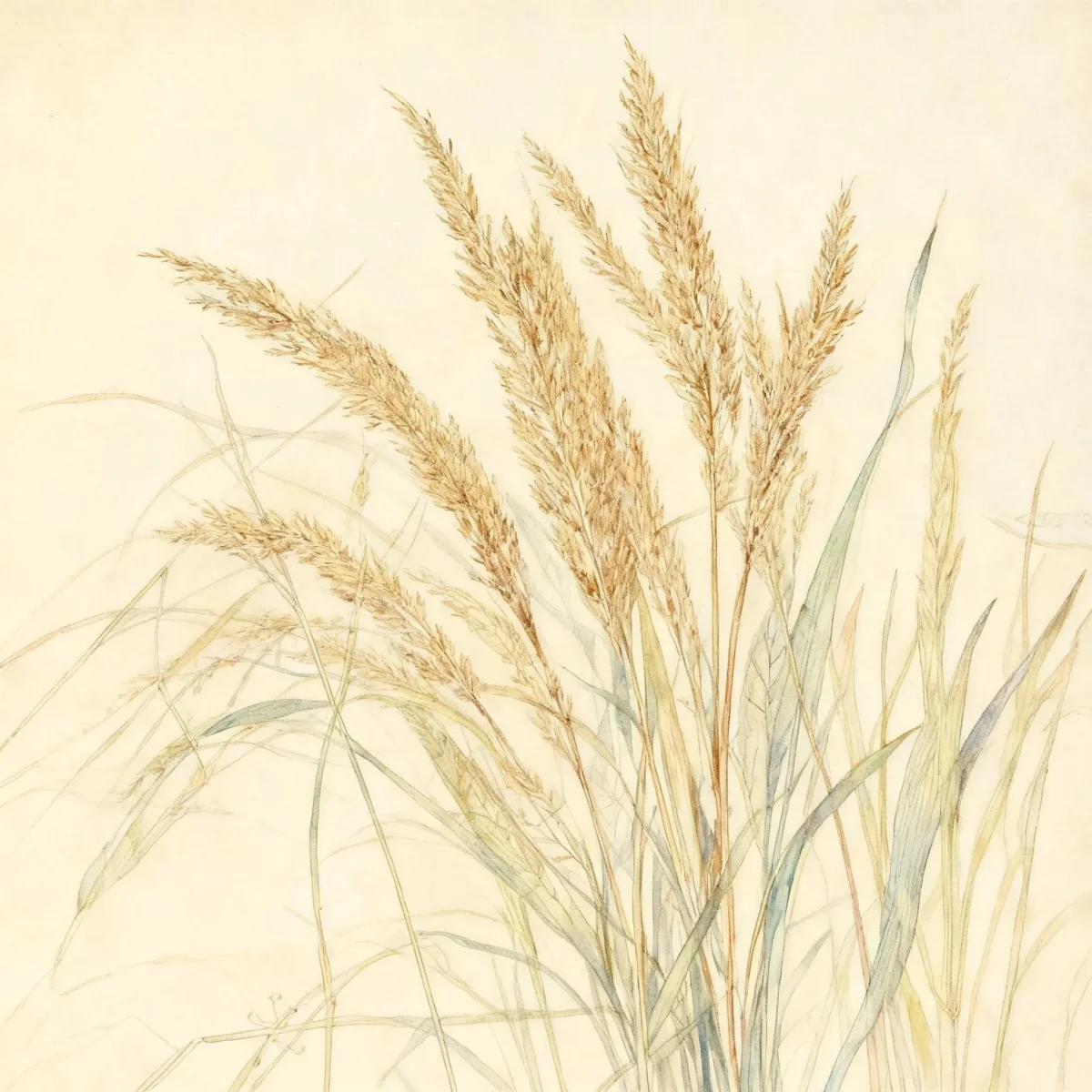
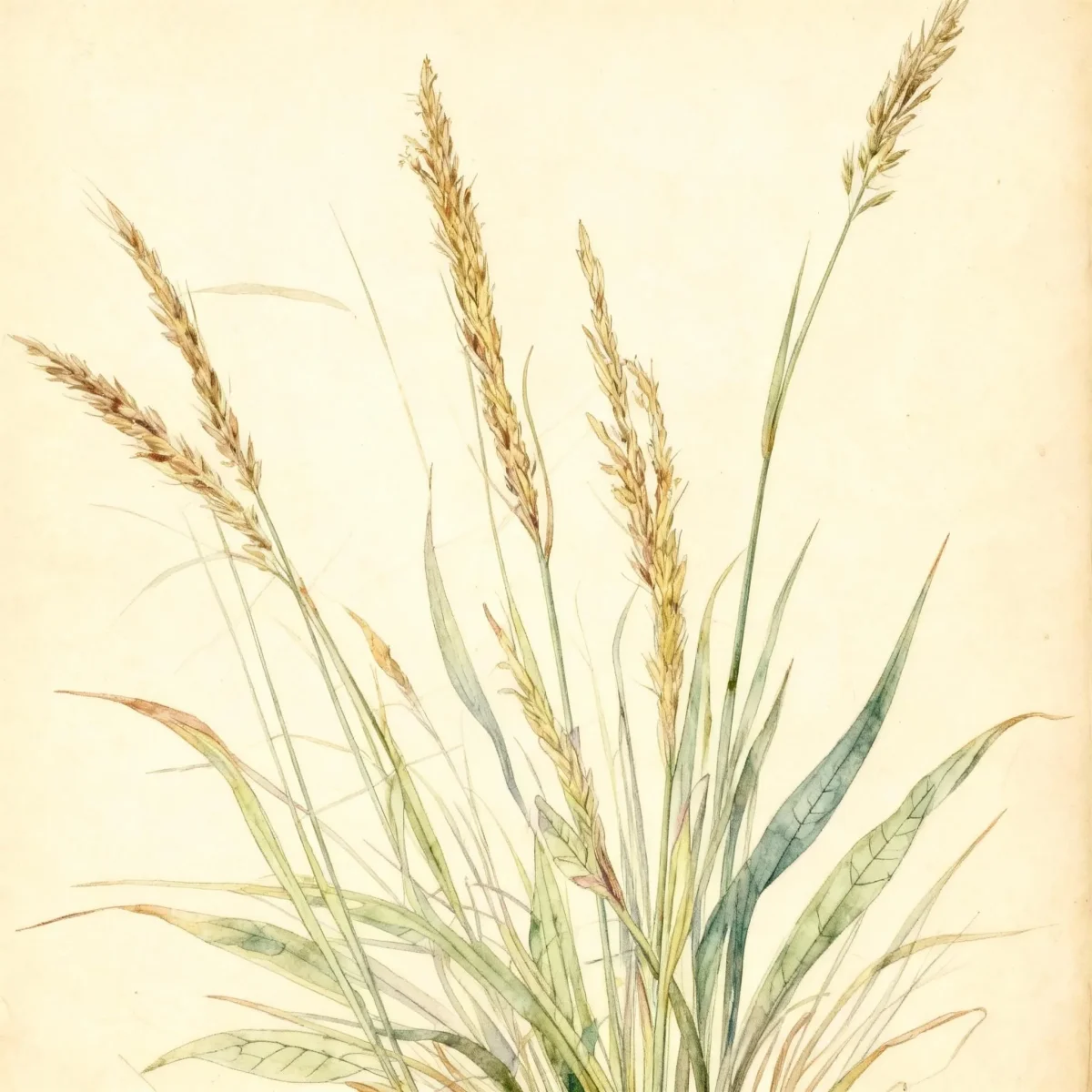
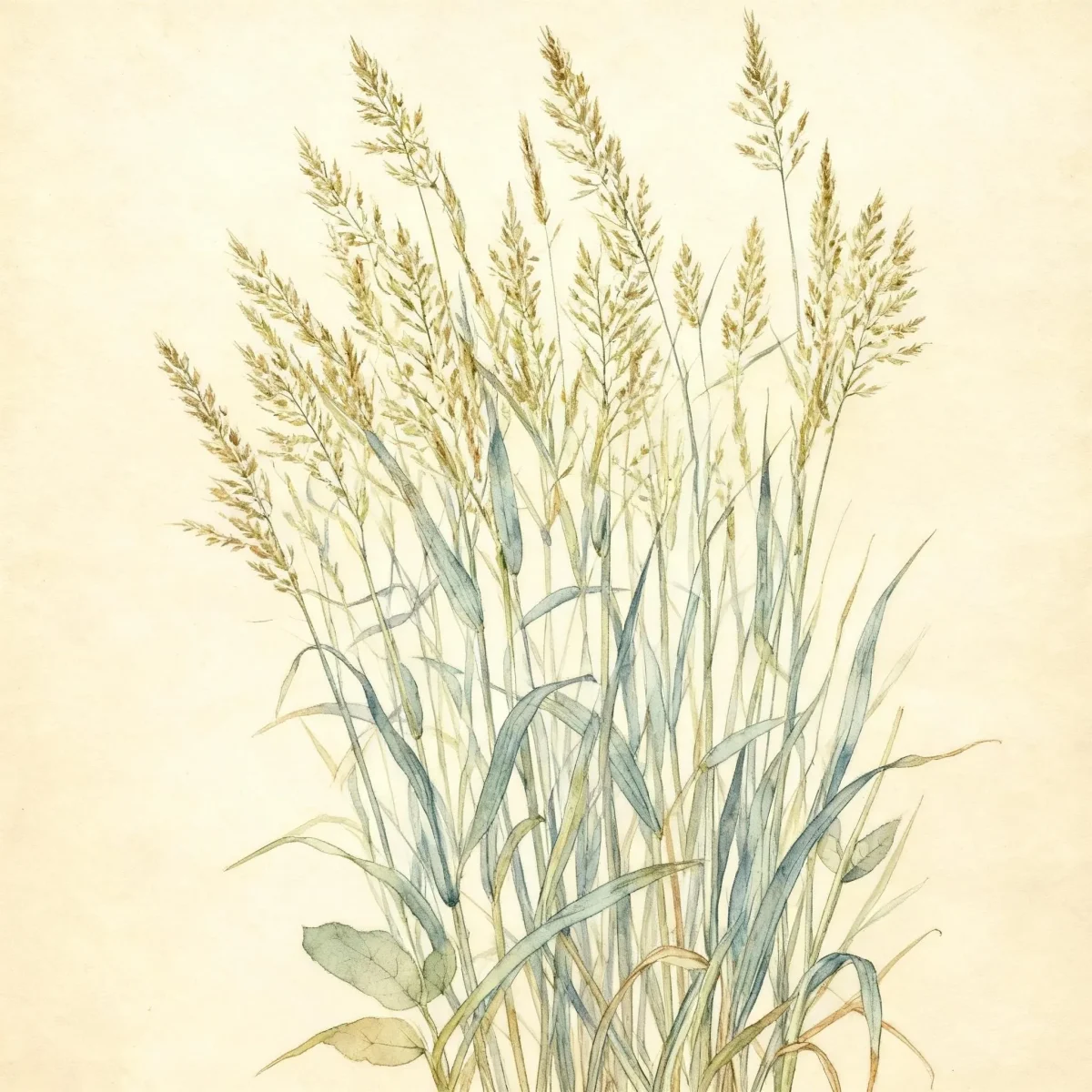
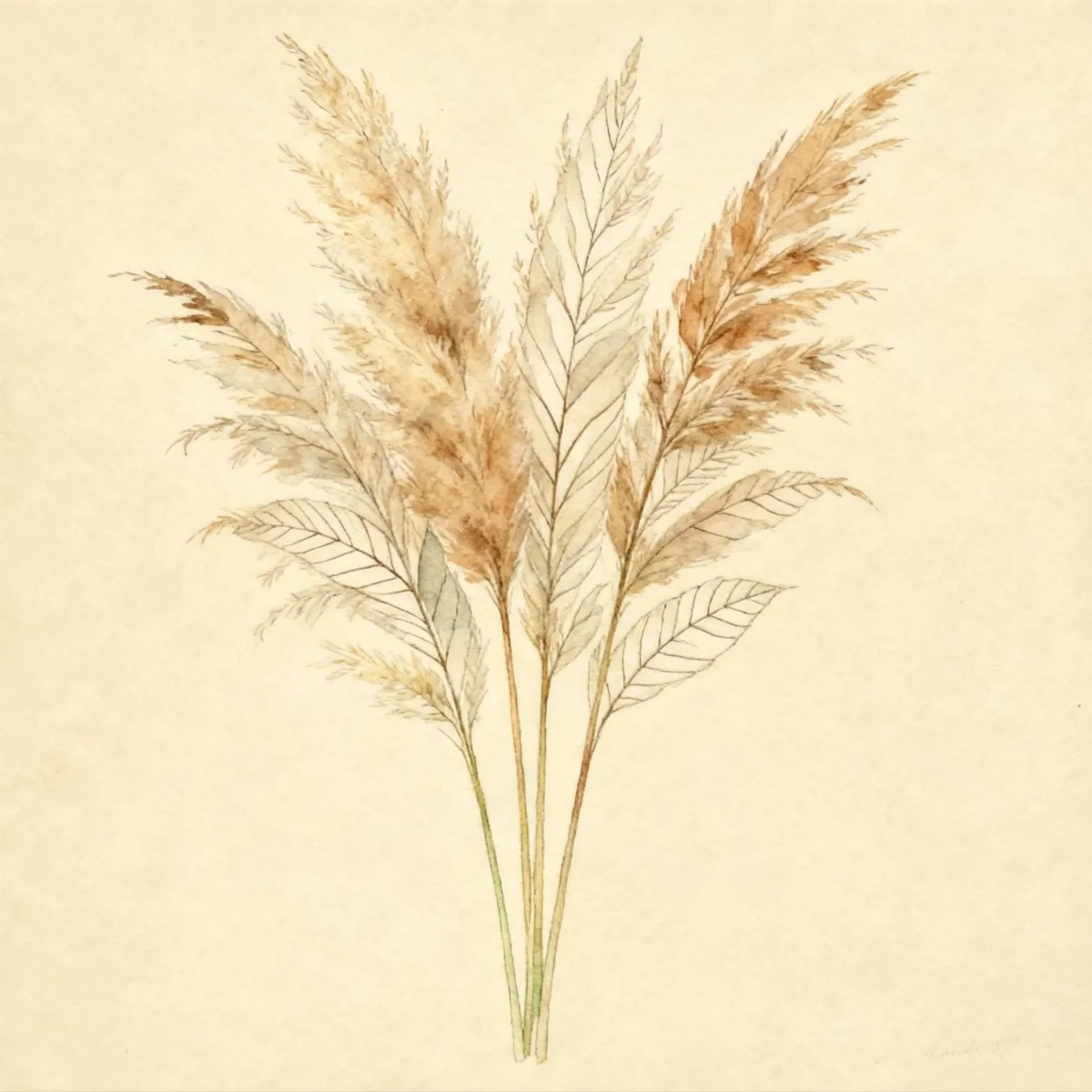
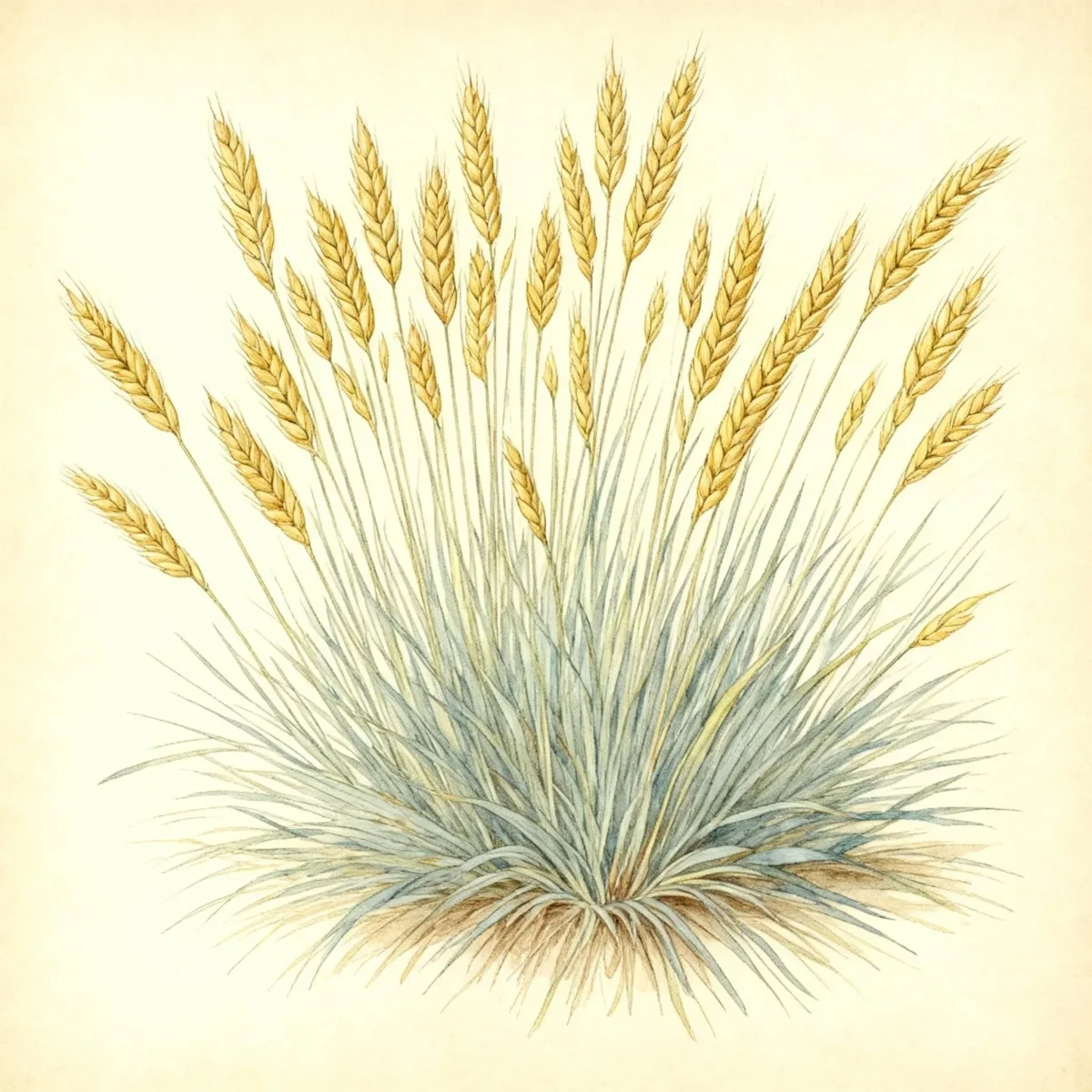
Plume grass (Saccharum ravennae)
Saccharum ravennae, or Plume grass, is a very tall ornamental grass producing showy purplish-bronze plumes ideal for screening.
Scroll down to discover growing tips, care requirements, companion plants, and more
Complete Plant Information
Overview
Saccharum ravennae, commonly known as Plume grass, stands out in the landscape due to its dramatic vertical habit and substantial height, often rivaling lesser-known Pampas grass varieties. Gardeners value this ornamental grass for creating imposing architectural accents or dense, tall privacy screens throughout the growing season. It develops spectacular, voluminous inflorescences that appear in late summer, adding significant late-season color and texture.
This magnificent grass thrives best when situated in full sun and requires dry to medium soil moisture levels to achieve its best form. When provided with overly rich or consistently moist conditions, Plume grass tends to sprawl, necessitating structural support. Proper placement is crucial to allow Saccharum ravennae to reach its full commanding height of 6 to 12 feet unimpeded.
The foliage itself offers year-round interest, transitioning to an attractive bronze hue in the fall, complemented by the persistent, silvery plumes that carry well into winter. For those seeking vertical impact and a rustling, calming presence in the garden, ravenna grass presents a powerful, drought-tolerant solution.
Fast Facts
- Plant Family: Poaceae
- Plant Type: Ornamental grass
- Native Range: Northern Africa, Mediterranean
- Hardiness Zones: USDA Zones 5-9
- Size at Maturity:
- Height: 6-12 ft
- Spread: 4-6 ft
- Bloom Time: September to October
- Bloom Description: Purplish-bronze
- Sun Exposure: Full sun
- Water Needs: Dry to medium
- Maintenance Level: Medium
How to Grow
Plant Saccharum ravennae in spring once the danger of hard frost has passed, ensuring it is located in a position receiving full, unobstructed sun exposure. This grass prefers well-drained soils; avoid low spots where water collects, as saturated roots will hinder its performance. Though it is established throughout USDA Zones 5 to 9, extremely cold winter conditions may require extra protection for younger plants initially.
Maintenance for Plume grass is relatively straightforward once established. Water deeply but infrequently, allowing the soil to dry out between waterings, especially as it tolerates dry conditions well. Fertilization is usually unnecessary, and rich soils should be avoided as they promote floppiness. If the cane lodge, consider staking early in the growing season.
The primary cultural task revolves around annual cleanup. Wait until late winter or early spring, just before new growth begins, to cut the entire clump of old foliage and flower stalks back to the ground. This drastic pruning encourages vigorous new growth for the coming season. Be aware that Saccharum ravennae may self-seed lightly under ideal growing conditions.
Landscape Uses
The imposing stature of Plume grass makes it an unparalleled choice for applications demanding significant vertical elements. It excels when used as a bold accent specimen near patios or entryways where its height can be fully appreciated from close range. Furthermore, Saccharum ravennae functions perfectly as a tall, imposing screen or backdrop in mixed perennial borders, effectively hiding utilitarian structures or unfinished views.
When utilizing Plume grass in borders, position it toward the rear, integrating it with shorter, sturdier perennials that can withstand the height. Consider pairing it with specimens that offer contrasting textures, such as broadleaf evergreens or mid-sized shrubs, to complement its fine, linear foliage. The movement and sound generated by the foliage in the breeze add a dynamic, sensory layer to these larger structural designs.
Standout Features
Flower Qualities
- Showy
Noteworthy Characteristics
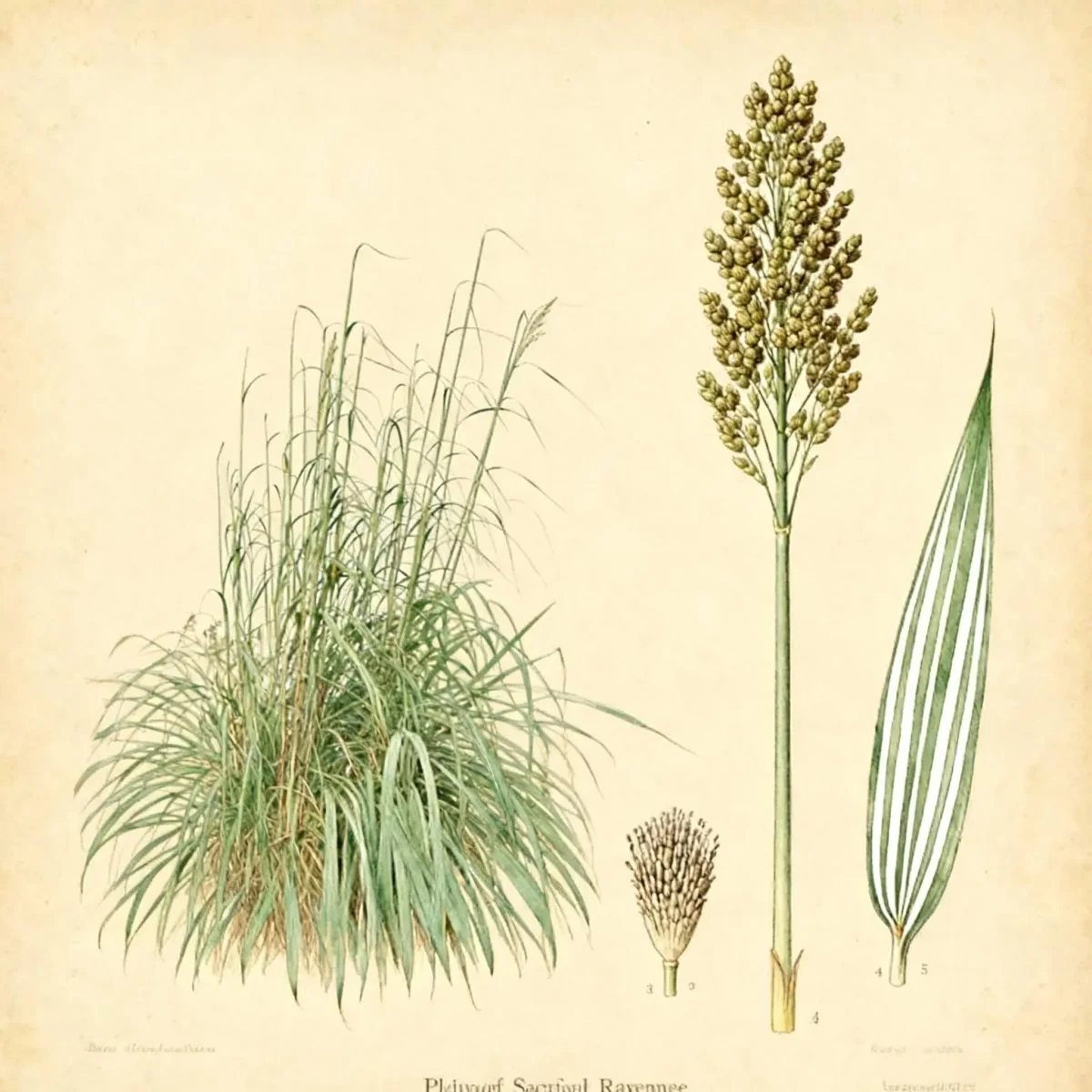
Saccharum ravennae, commonly called ravenna grass or plume grass, is a very tall, erect, ornamental grass which forms clumps which typically grow 9-12’ tall and 4-6’ wide. Plumes or inflorescences (to 24” long) appear in late summer on stiff, leafed stalks well above the foliage, blooming purplish-bronze and turning silver-gray in fall. The narrow, 1 inch wide, gray-green leaf blades feature a single white stripe down the middle, and the rustling sound of the foliage in the breeze is quite calming.
Tolerances
- Drought
- Black Walnut
- Air Pollution
Potential Problems
Generally, Plume grass exhibits excellent resistance to most common garden pests and diseases, requiring minimal chemical intervention. The primary concern gardeners face is not pest-related, but structural. If Saccharum ravennae is planted in soil that is too moist or overly fertile, the massive canes often lack the necessary rigidity to stand upright.
This lodging issue means management focuses on prevention through correct siting—ensuring full sun and well-drained, even dry, soil. If the plant does lean or flop, gardeners must actively tie the clump together or use specialized plant stakes early in the year before the canes become fully exposed to summer winds.
Frequently Asked Questions
What hardiness zones is Plume grass suitable for?
Saccharum ravennae is hardy across USDA Zones 5 through 9, providing reliable perennial structure across a wide range of temperate climates.
How large does Plume grass grow?
This impressive ornamental grass matures to heights between 6 and 12 feet tall, with a respectable spread ranging from 4 to 6 feet wide.
What sun exposure does Saccharum ravennae need?
For optimal performance, including the production of its characteristic plumes, Plume grass absolutely requires full sun exposure.
When does Saccharum ravennae bloom?
The decorative blooms emerge relatively late, typically from September through October, bearing a lovely purplish-bronze coloration.
Conclusion
Saccharum ravennae offers unmatched vertical drama and low-maintenance resilience once established in the right environment. The structural height and attractive plumes of this Plume grass ensure it acts as a year-round focal point, weathering drought conditions with ease. Before planting, verify that your site provides full sun and excellent drainage compatibility with USDA Zones 5-9 requirements.
Companion Planting
When designing gardens around tall grasses like Saccharum ravennae, focus on companions that offer contrasting foliage texture and color to enhance the visual impact of the plumes. Plants with broad leaves, such as hostas (placed where they receive some morning sun) or sedums that bloom late into autumn, create excellent juxtaposition against the fine, linear blades of Plume grass. Avoid overly aggressive or moisture-hungry perennials, as these will compete for resources and potentially encourage the ravenna grass to lean.
Common Mistakes
The single most common error made when planting Plume grass relates to soil fertility and moisture. Many gardeners mistakenly treat Saccharum ravennae like a standard lawn grass, overwatering or amending the soil too heavily. This leads directly to weak stems that cannot support the plant’s natural height, causing it to collapse in summer storms. Remember, this Mediterranean native prefers lean, dry to medium conditions; when in doubt, prioritize soil drainage over nutrient richness.