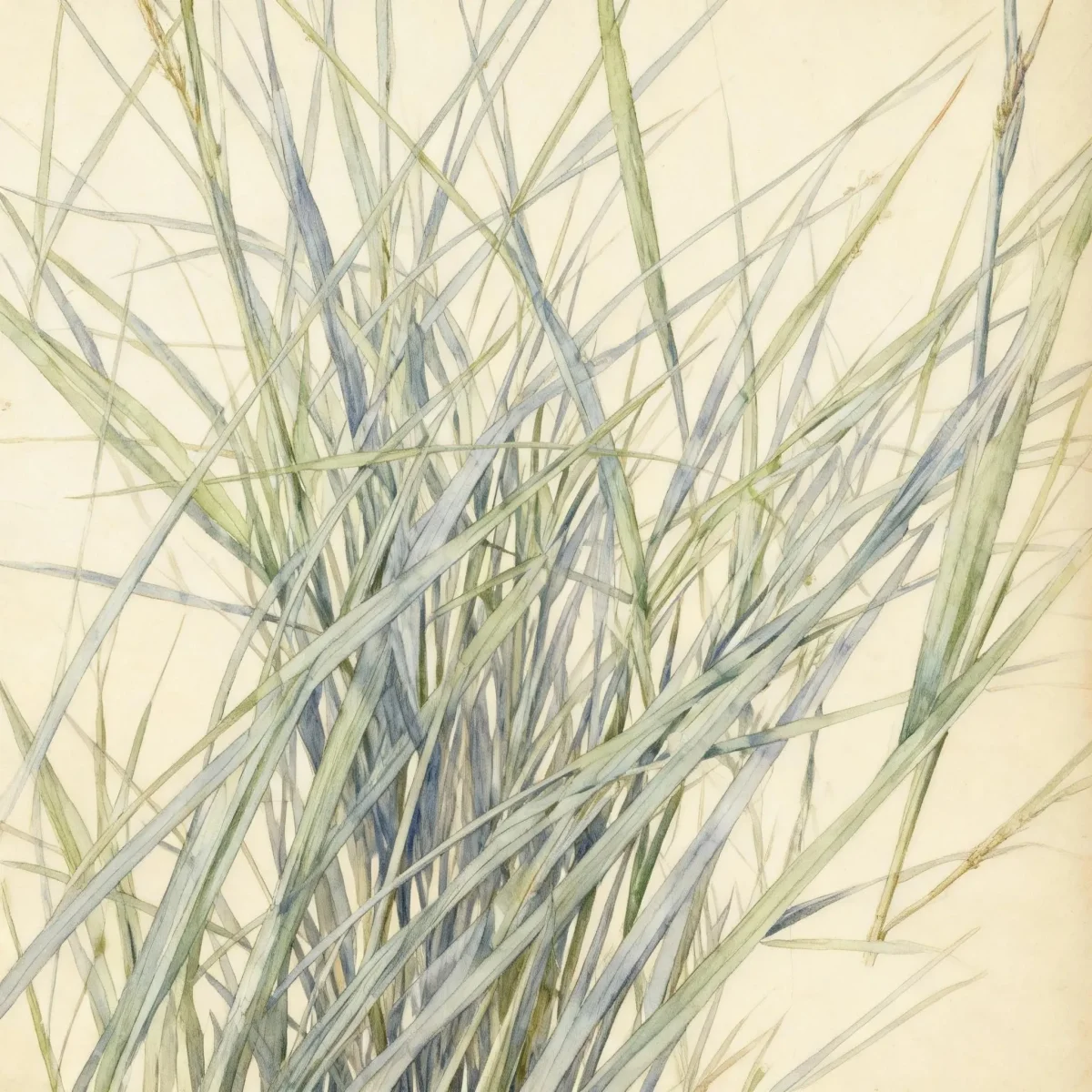
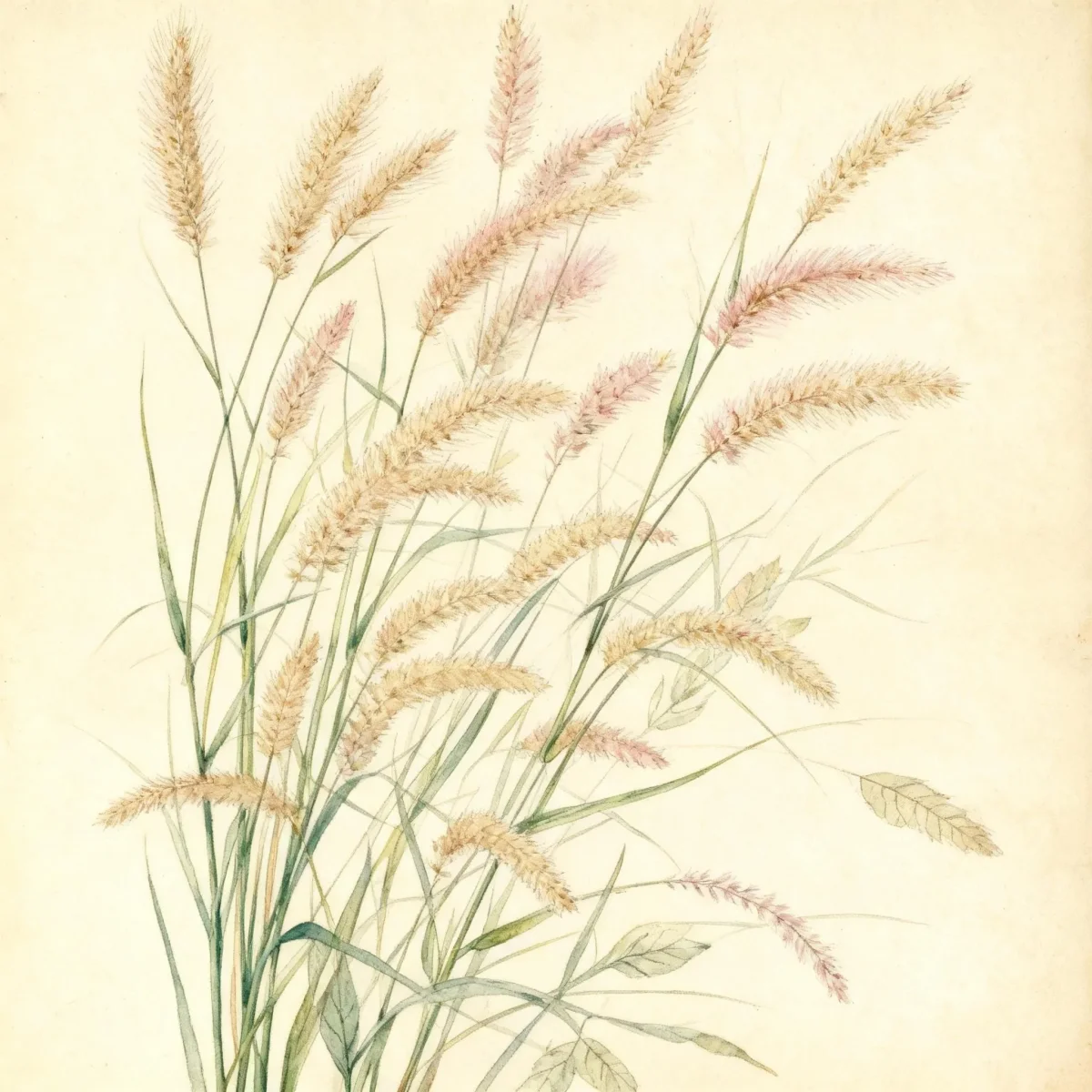
Autumn moor grass (Sesleria autumnalis)
Sesleria autumnalis, Autumn moor grass, is a low-maintenance ornamental grass perfect for dry soils in Zones 5-8.
Scroll down to discover growing tips, care requirements, companion plants, and more
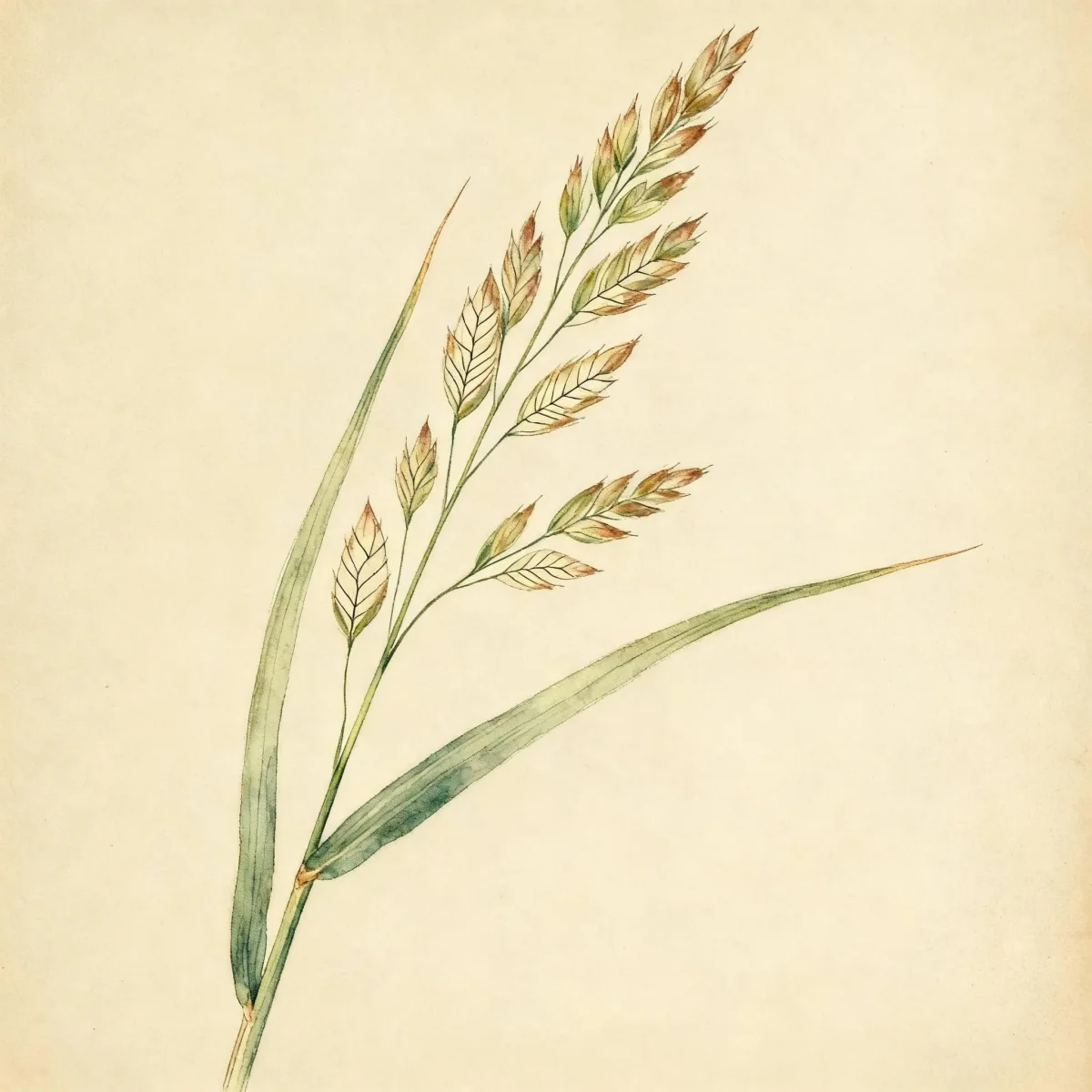
Complete Plant Information
Overview
Sesleria autumnalis, widely known as Autumn moor grass, is a highly valued, clump-forming ornamental grass prized for its tidy habit and late-season interest. This cool-season grass maintains attractive, narrow, yellow-green foliage throughout the growing year, providing fine texture to the garden landscape. Gardeners appreciate Sesleria autumnalis for its robustness and minimal needs once established.
Originating in the moors of Southeastern Europe, this species thrives in conditions that challenge less adaptable plants. It offers elegant structure, typically staying compact, though its flowering stems may slightly exceed the foliage mound. Its name is well-earned, as its true visual appeal emerges as summer ends.
The primary utility of Autumn moor grass lies in its reliable texture and adaptability. It handles dry conditions well and requires very little intervention, making it an excellent choice for low-maintenance mass plantings or stabilizing slopes. For gardeners seeking dependable, fine-textured screening or groundcover that fares well in tough spots, Sesleria autumnalis is an outstanding selection.
Fast Facts
- Plant Family: Poaceae
- Plant Type: Ornamental grass
- Native Range: Southeastern Europe
- Hardiness Zones: USDA Zones 5-8
- Size at Maturity:
- Height: 0.75-1 ft
- Spread: 0.5-1 ft
- Bloom Time: September to October
- Bloom Description: Greenish
- Sun Exposure: Full sun to part shade
- Water Needs: Dry to medium
- Maintenance Level: Low
How to Grow
Sesleria autumnalis is easily established when planted in the spring or fall, allowing it time to root before summer heat sets in. It prefers average, dry to medium, well-drained soil but is notably tolerant of a wide variation in soil types, provided drainage is adequate. Ensure your chosen location receives full sun or light part shade for the best performance.
Maintenance for Autumn moor grass is very low. Water only as needed to establish the plant; once mature, it handles drought conditions exceptionally well. Fertilizing is generally unnecessary, as over-enrichment can lead to floppy, weak growth. It should be noted that this grass can be somewhat intolerant of intense summer heat and humidity, particularly in southerly climates.
The primary cultural requirement involves its annual cleanup. Gardeners should cut all the clumps back to the ground in late winter before new growth starts in early spring. This simple pruning keeps the plant looking neat and encourages a fresh flush of attractive foliage for the coming season.
Landscape Uses
Autumn moor grass excels when utilized in sweeping, informal plantings rather than formal, rigid borders. Its finer texture integrates well when planted en masse, creating a soft, undulating ground cover effect beneath larger trees or across sunny slopes. Do not expect dramatic, colorful floral displays; rather, the value is textural contrast.
Due to its adaptability and drought tolerance, Sesleria autumnalis functions perfectly as an erosion control measure on banks where other ornamental grasses might struggle. It also performs admirably as mass planting under the canopy of established trees, provided the shade is not too deep. Because its ornamental qualities are somewhat minimal compared to flashy perennials, plant large quantities for maximum impact.
Consider pairing Sesleria autumnalis with plants that appreciate similar dry conditions and offer robust summer color, such as Sedums, Coneflowers (Echinacea), or drought-tolerant native salvias. Its low, compact size makes it an excellent textural foreground element guiding the eye toward taller specimens.
Standout Features
Flower Qualities
- Insignificant
Noteworthy Characteristics
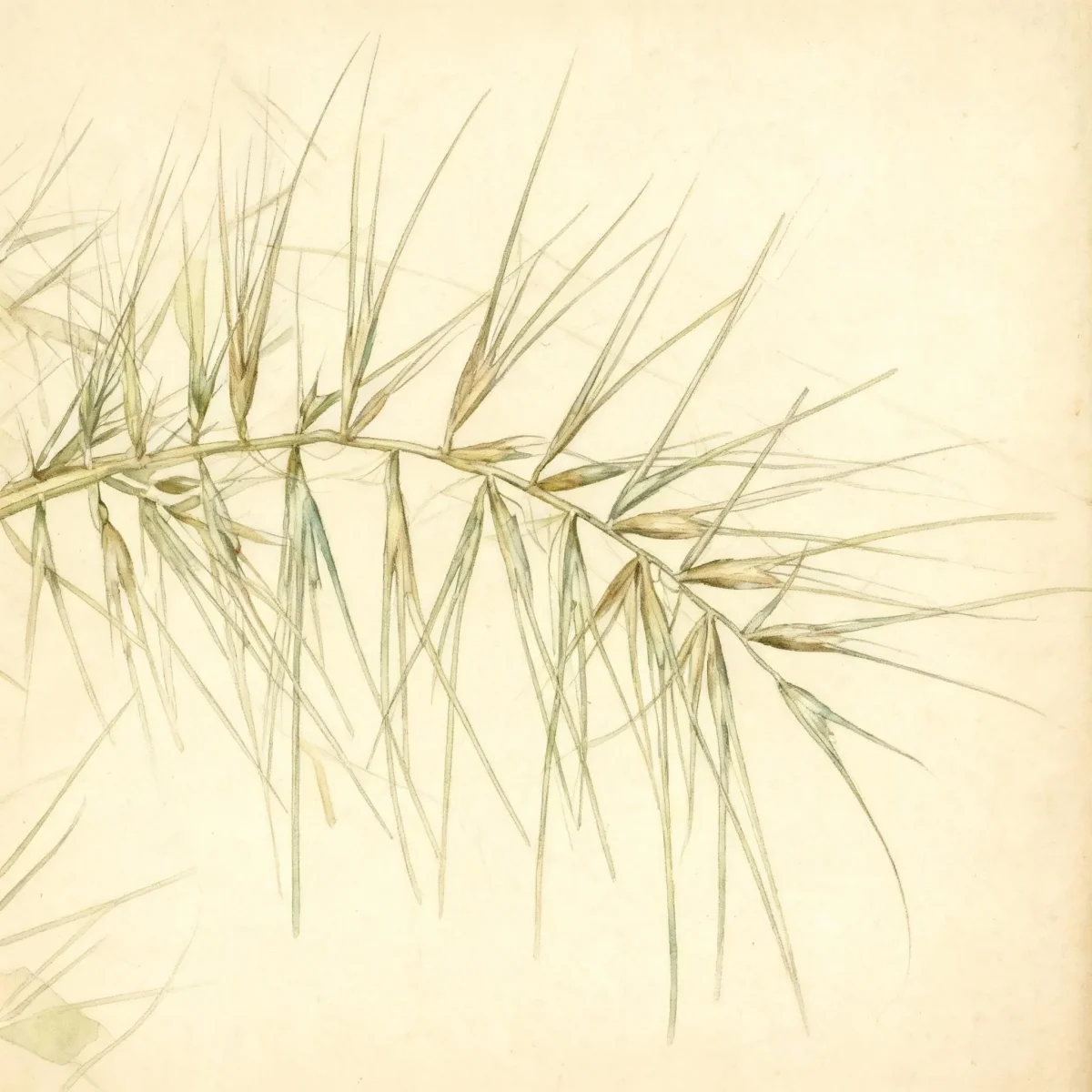
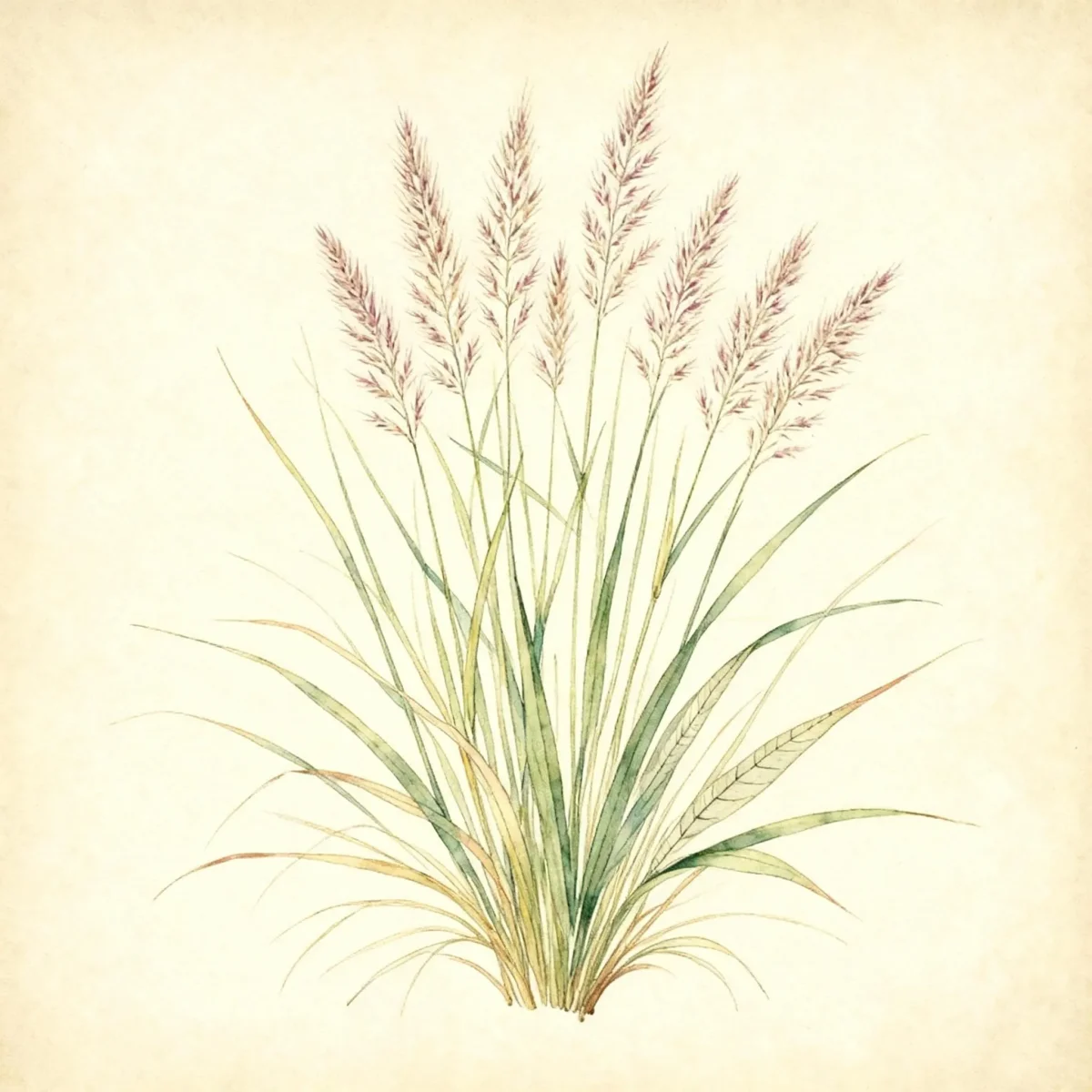
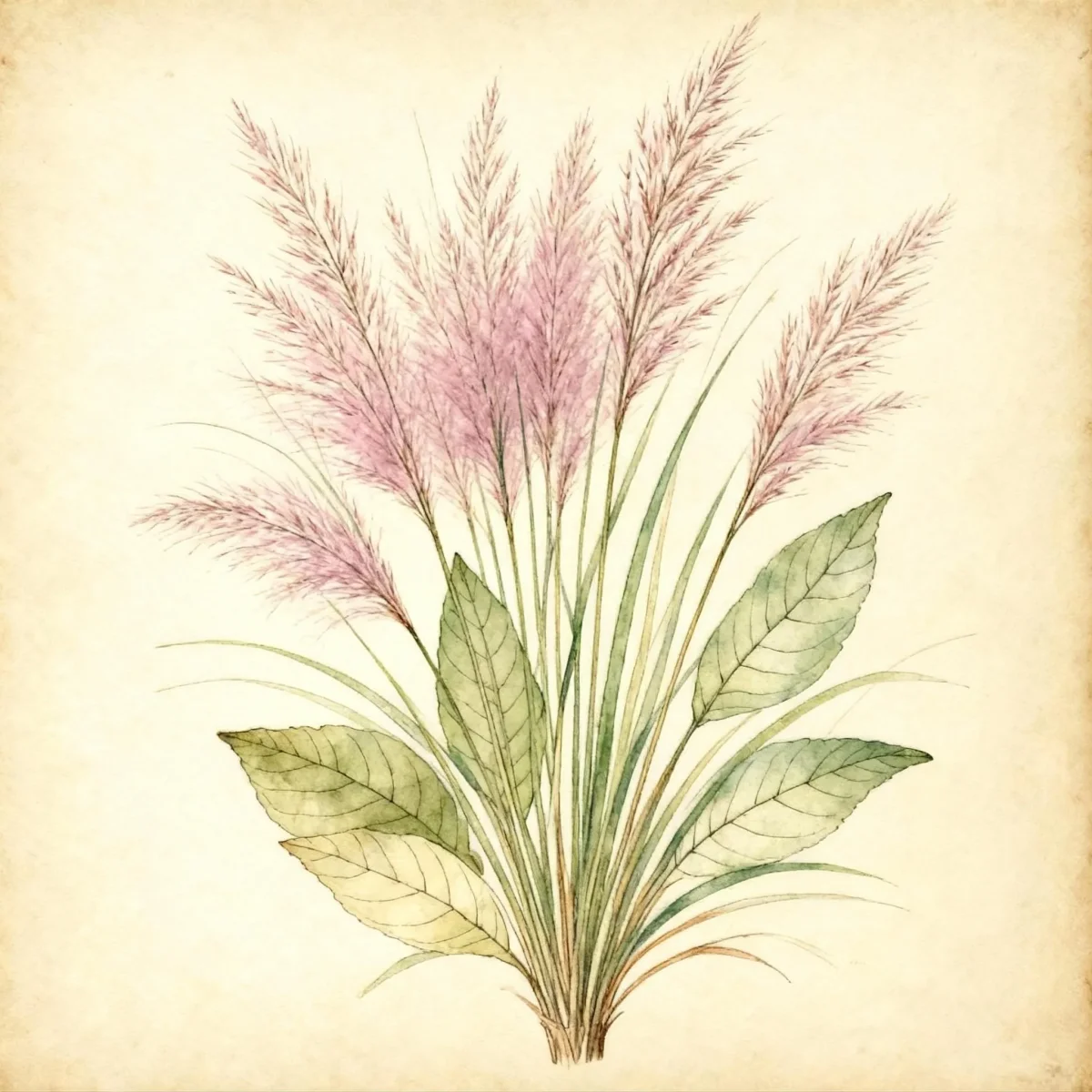
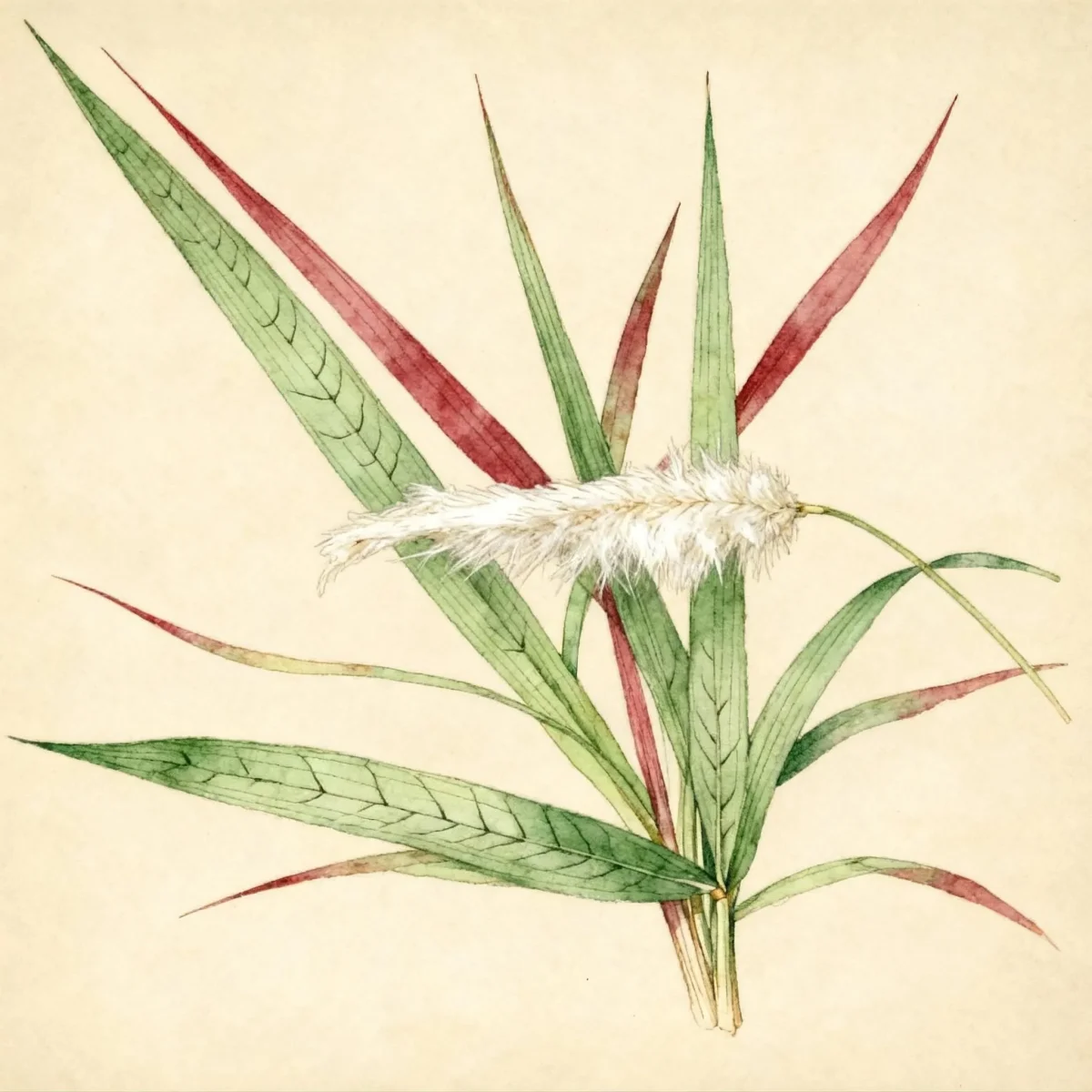
Sesleria autumnalis, commonly called autumn moor grass, is a cool season, clump-forming ornamental grass which typically grows 8-12” tall with narrow flower spikes rising above the foliage clump in summer to 18” tall. Flowers give way in autumn to silvery-white inflorescences. Attractive, narrow, yellow-green foliage (to 3/16” wide). This grass is indigenous to the moors of Europe and puts on its best flowering display in autumn, hence the common name.
Tolerances
- Drought
- Erosion
- Dry Soil
- Black Walnut
- Air Pollution
Potential Problems
Generally, Sesleria autumnalis does not suffer from serious insect or disease issues, contributing to its low-maintenance profile. However, gardeners in regions with very high summer heat combined with persistent humidity should be cautious. This grass reportedly did not perform well in trials conducted in hot and humid climates like the St. Louis area, suggesting performance may decline under prolonged hot, sticky conditions. Proper site selection regarding humidity tolerance is key to success.
Frequently Asked Questions
What hardiness zones is Autumn moor grass suitable for?
Sesleria autumnalis is reliably hardy in USDA Zones 5 through 8.
How large does Autumn moor grass grow?
This plant typically reaches a height between 0.75 and 1 foot tall, spreading to a similar width of 0.5 to 1 foot.
When does Autumn moor grass bloom?
The bloom time for Sesleria autumnalis is late in the season, usually from September through October, producing small, greenish flowers that mature to a silvery-white color.
What sun exposure does Autumn moor grass need?
For optimal growth, Autumn moor grass requires full sun to light part shade conditions.
Conclusion
Autumn moor grass offers essential textural contrast and exceptional hardiness, making Sesleria autumnalis a stalwart for difficult, dry spots in the garden. Its low maintenance requirements and resistance to many common garden problems assure reliable performance year after year. Before planting, confirm that your local climate avoids extreme summer humidity and verify you are planting within USDA Zones 5 to 8.
Companion Planting
When selecting companions for Autumn moor grass, prioritize Mediterranean or drought-tolerant perennials that appreciate sharp drainage. Plants like Lavender (Lavandula) or Russian Sage (Perovskia atriplicifolia) share similar sun and water preferences, allowing for unified site maintenance. Texturally, contrasting broad-leafed plants immediately adjacent to the fine blades of Sesleria autumnalis will emphasize the grass’s airy quality.
Consider using Autumn moor grass as an edging plant in conjunction with native coneflowers or black-eyed Susans. These bulkier bloomers offer the vertical color spectacle the grass lacks, while the grass provides a soft, green ground-plane foundation throughout the early and mid-season. Ensure companions are not excessively thirsty, as Sesleria autumnalis prefers dry soil once established.
Design Ideas for Mass Plantings
The true power of Autumn moor grass is realized in large-scale drifts. Instead of placing single specimens, purchase several dozen and scatter them visually across a landscape area before planting. This technique creates a living carpet effect that shines when gently moved by the breeze. Mass plantings are perfect for softening the transition between hardscape elements like gravel paths or retaining walls.
For contemporary designs, group large drifts of Sesleria autumnalis against clean architectural lines or dark-colored mulch. The bright, narrow foliage provides a vibrant, cool-toned contrast against deep purples or burgundy plantings. This consistent texture maintains visual interest even when neighboring flowering plants are dormant.
If planting on slopes, use the erosion-controlling benefits of Autumn moor grass strategically. Placing dense, interconnected groupings helps bind the soil structure. A large sweep of this grass over a retaining bank provides a highly professional, drought-resistant solution that lasts into the late fall.