Pacific Island silvergrass (Miscanthus floridulus)
Grow Pacific Island silvergrass (Miscanthus floridulus) for massive vertical structure. Low maintenance ornamental grass thriving in full sun.
Scroll down to discover growing tips, care requirements, companion plants, and more
Complete Plant Information
Overview
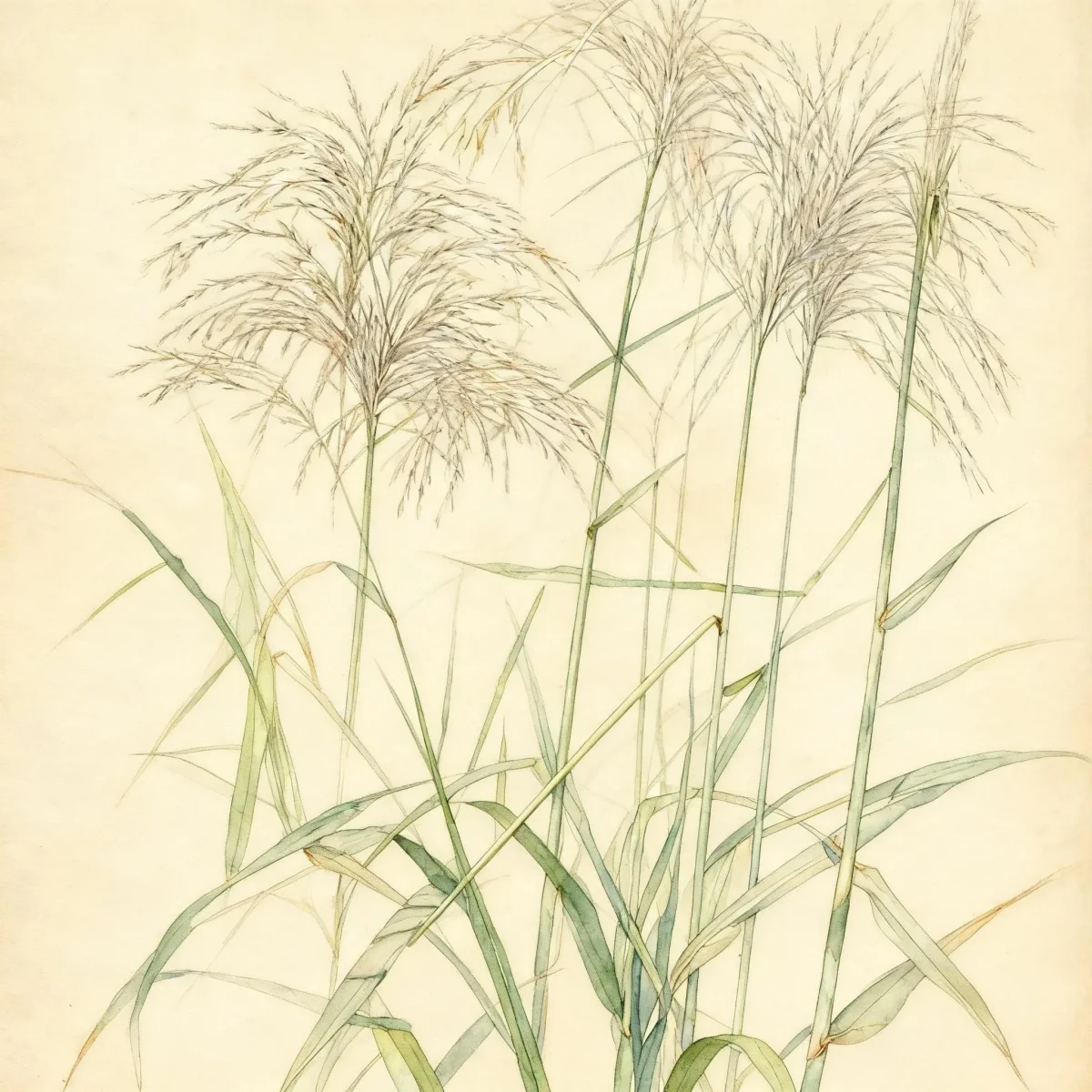
Pacific Island silvergrass, scientifically known as Miscanthus floridulus, is one of the tallest eulalia grasses, demanding attention with its massive, upright foliage clump reaching 8 to 12 feet tall. This ornamental grass is distinctive due to its prominent central flower rachis, setting it apart from the more common Miscanthus sinensis cultivars. Miscanthus floridulus naturally thrives in the lowland areas of various Asian islands in the Pacific Ocean, often preferring wetter soil conditions than other miscanthus species.
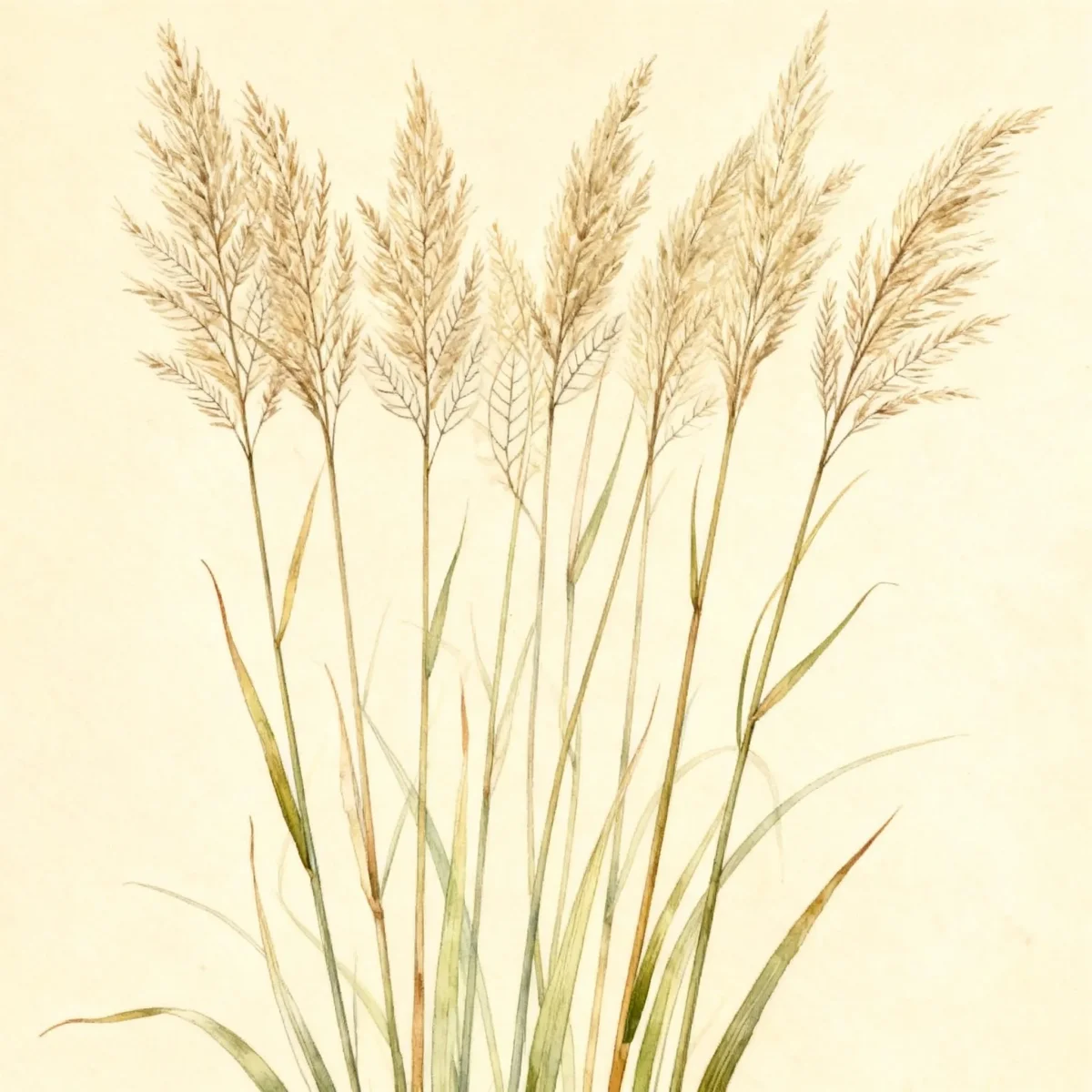
This imposing grass offers structure throughout the growing season, with feathery, pink-tinged flower plumes appearing late in the summer, which transition to silvery seed heads that persist into winter. It is highly valued for its low maintenance requirements and its ability to create dramatic vertical accents where space allows. Gardeners leveraging Miscanthus floridulus benefit from its tolerance to heat, humidity, and various soil compositions.
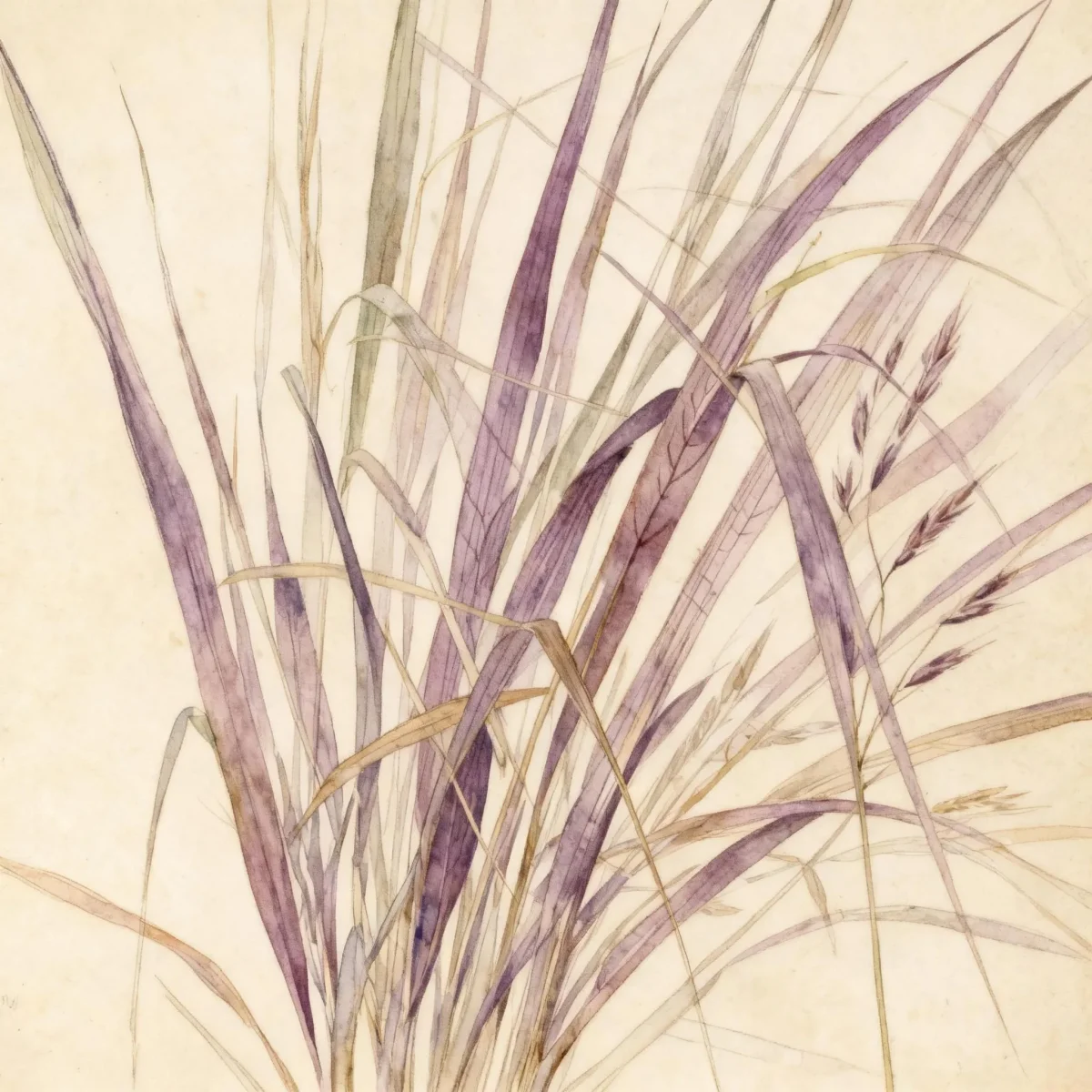
The foliage of Pacific Island silvergrass provides a unique transition in autumn, showing purplish tints before settling into a uniform tan by winter, largely dropping away to leave stiff stems for winter interest. Whether used as a specimen or a screen, this grass fulfills its role as a bold architectural element in large garden designs.
Fast Facts
- Plant Family: Poaceae
- Plant Type: Ornamental grass
- Native Range: Japan, Ryukyu Islands, Taiwan, Guam
- Hardiness Zones: USDA Zones 6-9
- Size at Maturity:
- Height: 8-12 ft
- Spread: 2-4 ft
- Bloom Time: August to February
- Bloom Description: Reddish tan
- Sun Exposure: Full sun
- Water Needs: Medium to wet
- Maintenance Level: Low
How to Grow
Planting Pacific Island silvergrass is ideally done in spring after the danger of frost has passed, ensuring it is sited in a location receiving full sun for the best flowering performance. Miscanthus floridulus is adaptable, easily grown in average, medium, or wet soils, spanning well-drained sands to heavy clays. While it tolerates many soil types, it performs best when consistent moisture is provided in full sun.
Maintenance for this tall ornamental grass is generally low. It tolerates summer heat and humidity well, and clumps expand slowly via short rhizomes while maintaining a desirable clump shape without needing staking, even at its impressive height. Avoid placing it in shady locations, as this reduces vigor and leads to floppier growth and diminished flowering.
For winter care, it is highly recommended to leave the foliage standing throughout the colder months. This provides crucial visual interest and protects the crowns from harsh winter conditions. Pruning should be done in early spring immediately before the new leaf blades begin to emerge, cutting all the coarse foliage back cleanly to the ground.
Landscape Uses
Pacific Island silvergrass is best suited for large-scale landscapes where its massive size can be appreciated without overwhelming smaller plantings. Its height makes it an exceptional choice for use as a tall screen or barrier, effectively obscuring unwanted views or defining property borders. Due to its moisture tolerance, it excels when integrated into Rain Garden designs or placed near pond peripheries where soils are consistently moist.
As a specimen plant, Miscanthus floridulus acts as a powerful vertical anchor in a garden design, paired effectively with broadleaf shrubs or evergreen masses that contrast with its fine, arching texture. It also works well when massed in meadows or wild garden settings, creating dramatic sweeps of texture and movement. This grass requires significant space to reach its full potential.
Standout Features
Flower Qualities
- Showy
- Good Cut
- Good Dried
Noteworthy Characteristics
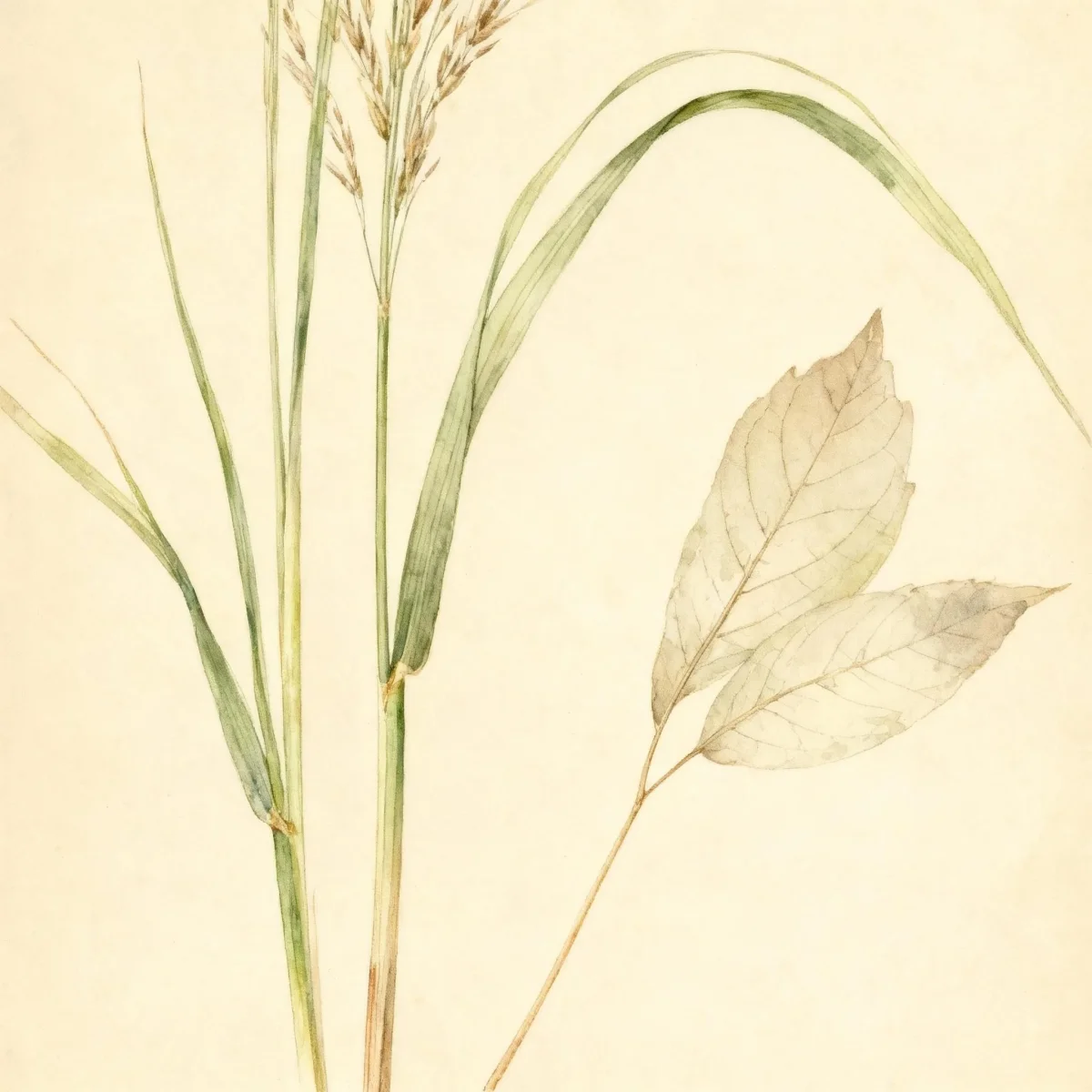
Miscanthus floridulus, commonly called giant miscanthus or giant Chinese silver grass, is noted for its large size, its somewhat coarse foliage and its feathery inflorescences which have a prominent central rachis as opposed to the tassel-like inflorescences of the popular Miscanthus sinensis and its cultivars. It is native to lowland areas in certain Asian islands in the Pacific Ocean and will generally grow in wetter soils than most other species of Miscanthus. Features a massive upright foliage clump rising 6-8’ tall of wide (to 1.5”), arching, green leaves on erect, tough, vertical stems.
Tolerances
- Drought
- Dry Soil
- Black Walnut
- Air Pollution
Potential Problems
Fortunately, Miscanthus floridulus generally suffers from no frequently occurring insect or disease problems under ideal conditions. However, gardeners should be aware that in some regions of the U.S., two specific issues are becoming more significant threats. The miscanthus mealybug causes stunted growth and is notoriously difficult to eradicate because these pests reside deep inside the protective stems.
Another concern is miscanthus blight, a fungal disease that directly attacks the leaf blades and sheaths. While cultural practices like proper watering and good air circulation can help prevent fungal issues, management of pests like the mealybug often requires diligent inspection and targeted treatment due to their hidden location within the clump.
Frequently Asked Questions
What hardiness zones is Pacific Island silvergrass suitable for?
Pacific Island silvergrass is suitable for USDA Hardiness Zones 6 through 9.
How large does Pacific Island silvergrass grow?
This ornamental grass typically reaches mature heights between 8 to 12 feet tall with a spread of 2 to 4 feet.
What sun exposure does Miscanthus floridulus need?
Miscanthus floridulus requires full sun exposure to achieve its best vigor and flowering display.
When does Pacific Island silvergrass bloom?
It blooms relatively late, with flower plumes appearing from August through February, displaying a reddish tan coloring.
Conclusion
Pacific Island silvergrass (Miscanthus floridulus) provides unparalleled vertical impact and low-maintenance structure, making it a fantastic choice for large gardens needing a dramatic screen or statement plant. Its ability to handle moist conditions further broadens its utility, especially near water features. Before planting, ensure your location is compatible with its size and sunlight requirements, and plan for a thorough spring cutback to welcome new growth.
Companion Planting
When designing around the towering presence of Miscanthus floridulus, selecting companions that offer textural contrast is key. Consider pairing it with bold, low-mounding perennials like Sedum ‘Autumn Joy’ or Russian Sage (Perovskia atriplicifolia), whose softer, airier texture complements the coarse foliage of the silvergrass. For areas that meet its moist soil needs, hostas or irises positioned near the perimeter can offer broad-leaf contrast.
Because it demands full sun, any accompanying perennials should share similar light requirements. Avoid placing moisture-loving Miscanthus floridulus directly next to plants that absolutely require dry soil conditions, unless the planting area facilitates varied moisture zones within the overall site. This giant grass performs beautifully when juxtaposed against formal evergreen hedges, offering a transition from formal structure to wilder, naturalistic movement.
Seasonal Care Calendar
Spring preparation for Pacific Island silvergrass involves the critical task of renewal. Wait until temperatures consistently warm in early spring, just as new pinkish shoots begin to emerge from the crown, before cutting the old, tan stalks back to the ground level. This pruning stimulates vibrant new growth for the season ahead.
During the summer months, the focus remains on moisture management. Though this grass is robust, providing consistent water, especially during prolonged dry spells, ensures the foliage remains lush and helps maximize the height and density of the fall plumes. Generally, supplemental feeding is unnecessary due to its low maintenance requirement.
Fall and winter are times for admiration rather than labor. Allow the plumes to mature and stand tall through winter; they provide excellent texture and habitat. The foliage may brown or drop naturally; leave the remaining stiff culms (stems) standing until the final spring cleanup for maximum aesthetic and protective benefits.